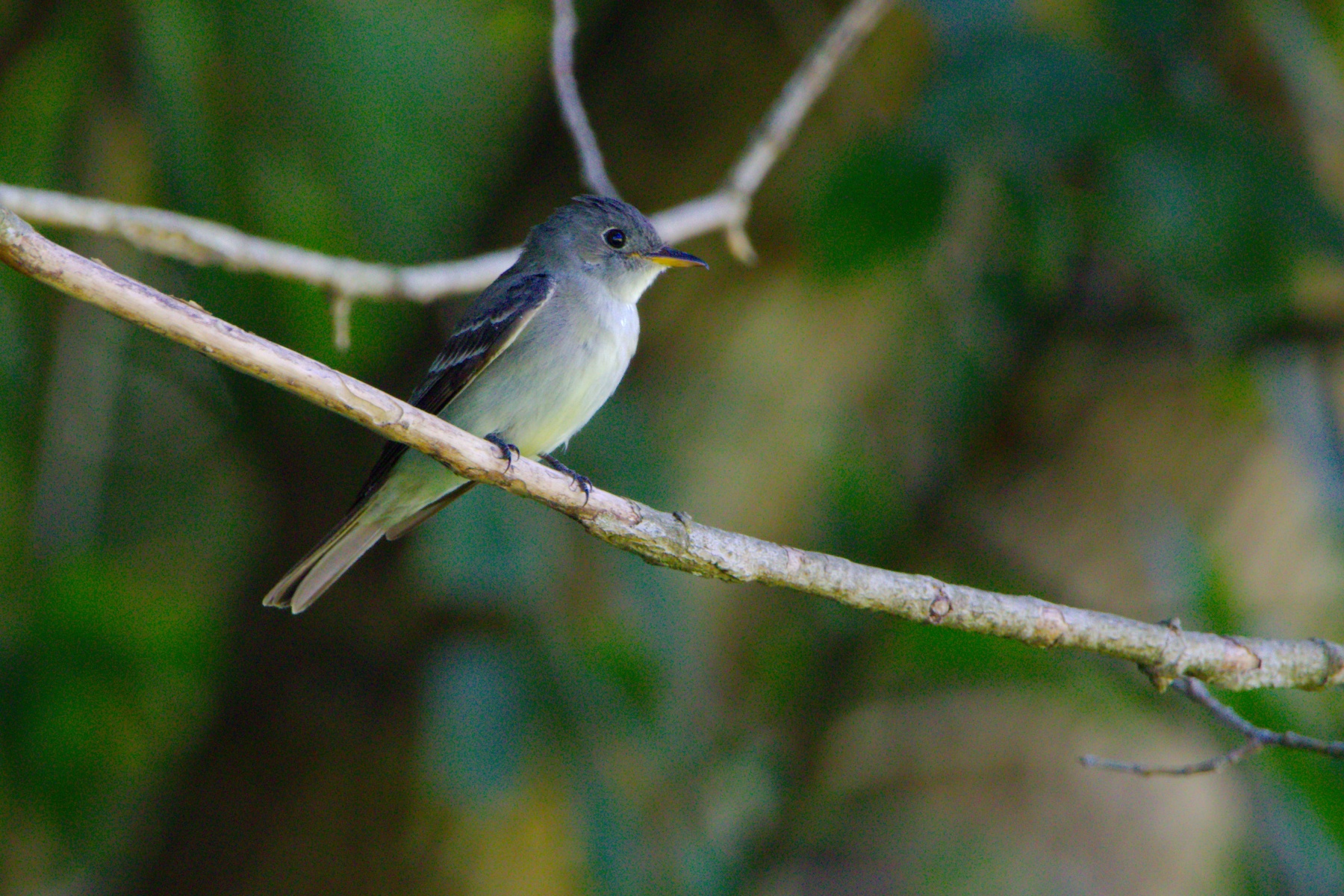
It was a busy day today, starting with a church picnic and service at Bohrer Park in Gaithersburg. We had to leave that early, though, to get to Poolesville for the memorial service for a long-time, family friend. It was a really nice service, in spite of the heat in the tiny church. We went to the family home and visited with folks for a while. When we left there, we stopped at McKee Beshers Wildlife Management Area and walked a little while. I only took a few photos but I think this one of an eastern wood-pewee (Contopus virens), a small flycatcher, is pretty nice.
Tagged With: Pewee
Eastern Wood-Pewee (Contopus virens)
McKee-Beshers Birds
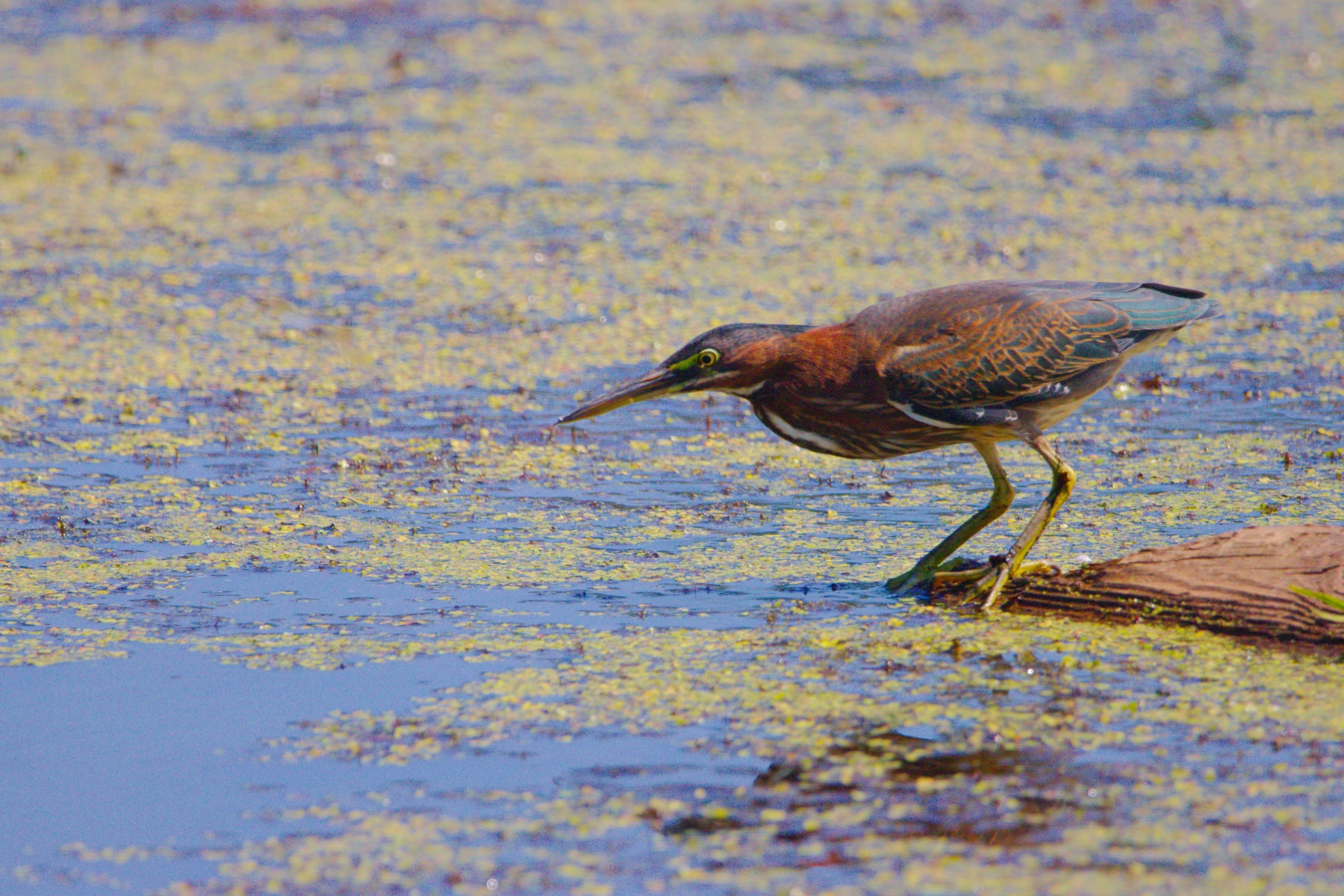
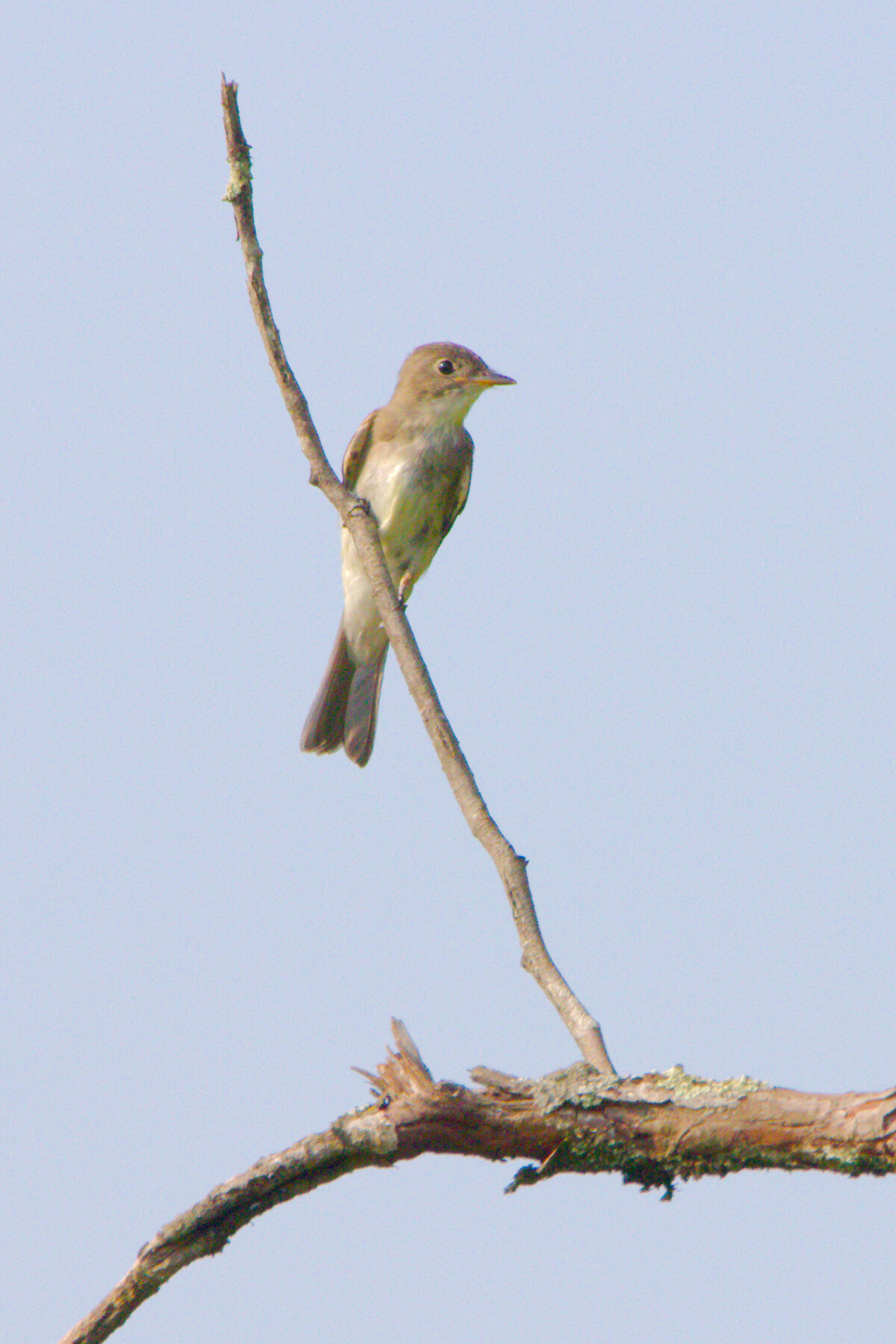
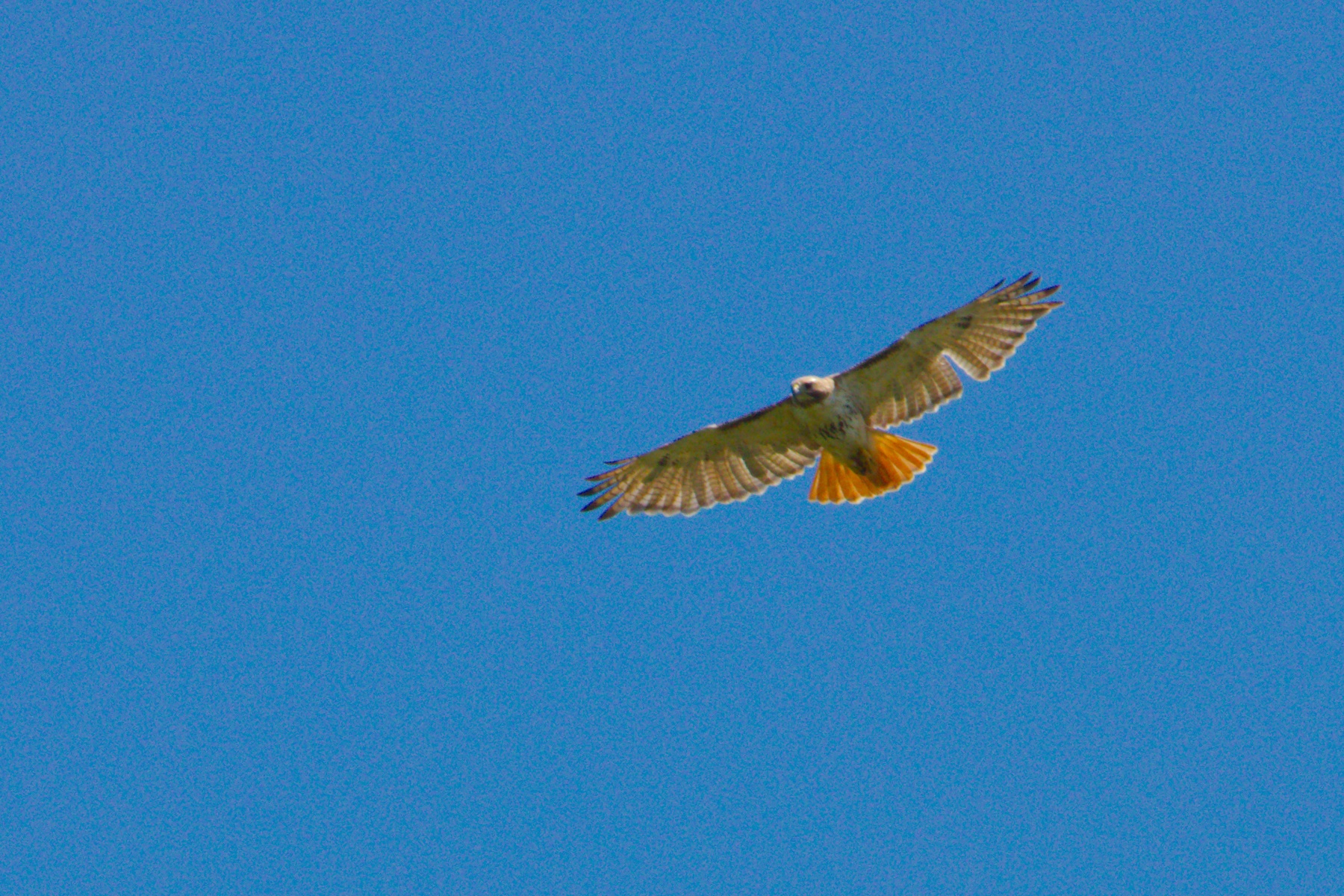
We had a nice walk at McKee-Beshers today. We first walked to fields 3 and 4, which were planted with sunflowers this year. It’s a bit of a walk, almost 7⁄8 of a mile, getting nearly to the river. The two big sunflower fields were well past peak bloom. The sunflower heads were there but almost all turned downwards. We heard quite a few birds but didn’t see all that many. We heard a lot of goldfinches and indigo buntings, as well as cardinals, but we also heard a yellow-billed cuckoo, which was a treat. I’d have been surprised if we had actually seen that. I got this photo of a red-tailed hawk (Buteo jamaicensis) circling overhead and a few nice photos of this eastern wood-pewee (Contopus virens). We returned to the car and then want to the shallow ponds at the western end of Hunting Quarter Road where we saw this green heron (Butorides virescens).
Eastern Wood-Pewee (Contopus virens)
We walked north on Hoyle’s Mill Trail today, picking up the trail west of the soccer fields in South Germantown Recreational Park. After some woods, the trail crosses a grassy meadow and near the far side of that, before going back into the woods for the rest of the walk, I got a few pictures of this eastern wood-pewee (). We hear them all the time in the woods and their call is quite distinctive.
They look pretty similar to the eastern phoebe (Sayornis phoebe) and Acadian Flycatcher (Empidonax virescens), both of which are fairly common in our area. By sight, especially at a distance, I’m not always able to tell them apart, but fortunately their calls are distinctive.
We continued on the trail when it met the unused Hoyle’s Mill Road until a little way after it crossed Little Seneca Creek. If we had continued, we would eventually have touched White Ground Road before continuing roughly parallel to that, crossing Clopper Road, and leading to Little Seneca Reservoir. We walked that section on September 25, 2021, when I photographed a differential grasshopper (Melanoplus differentialis) for the blog.