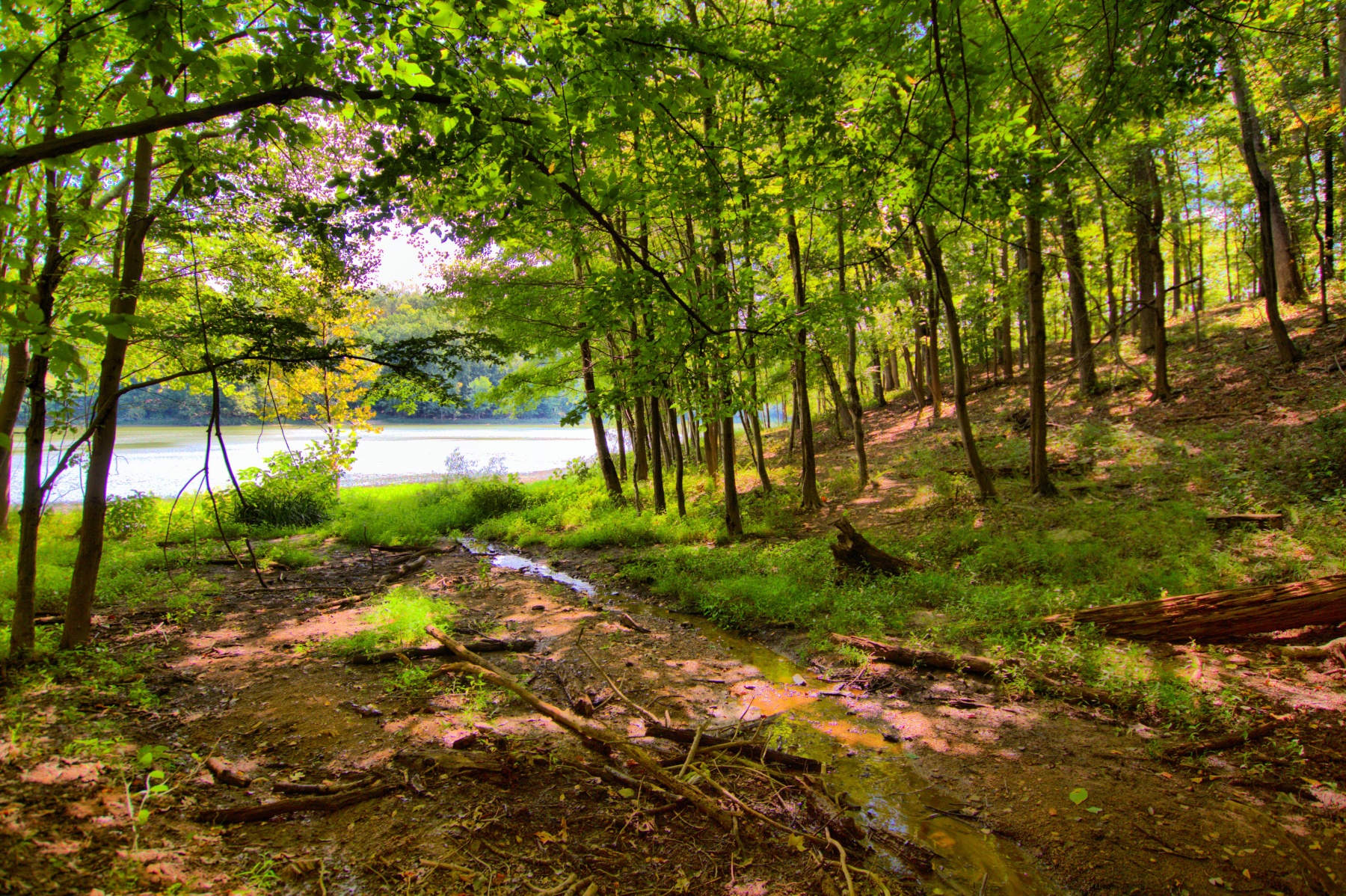
Cathy and I drove to the small parking area on the far side of Lake Frank today and walked up toward Meadowside Nature Center and back. It was a beautiful day, although it got fairly hot by the time we were back at the car. I took pictures, as you won’t be surprised to learn, but I wasn’t particularly excited about any of them. This one was reasonably good, although a picture of a muddy stream isn’t all that special. The trees are pretty, though.
Morning Rainbow
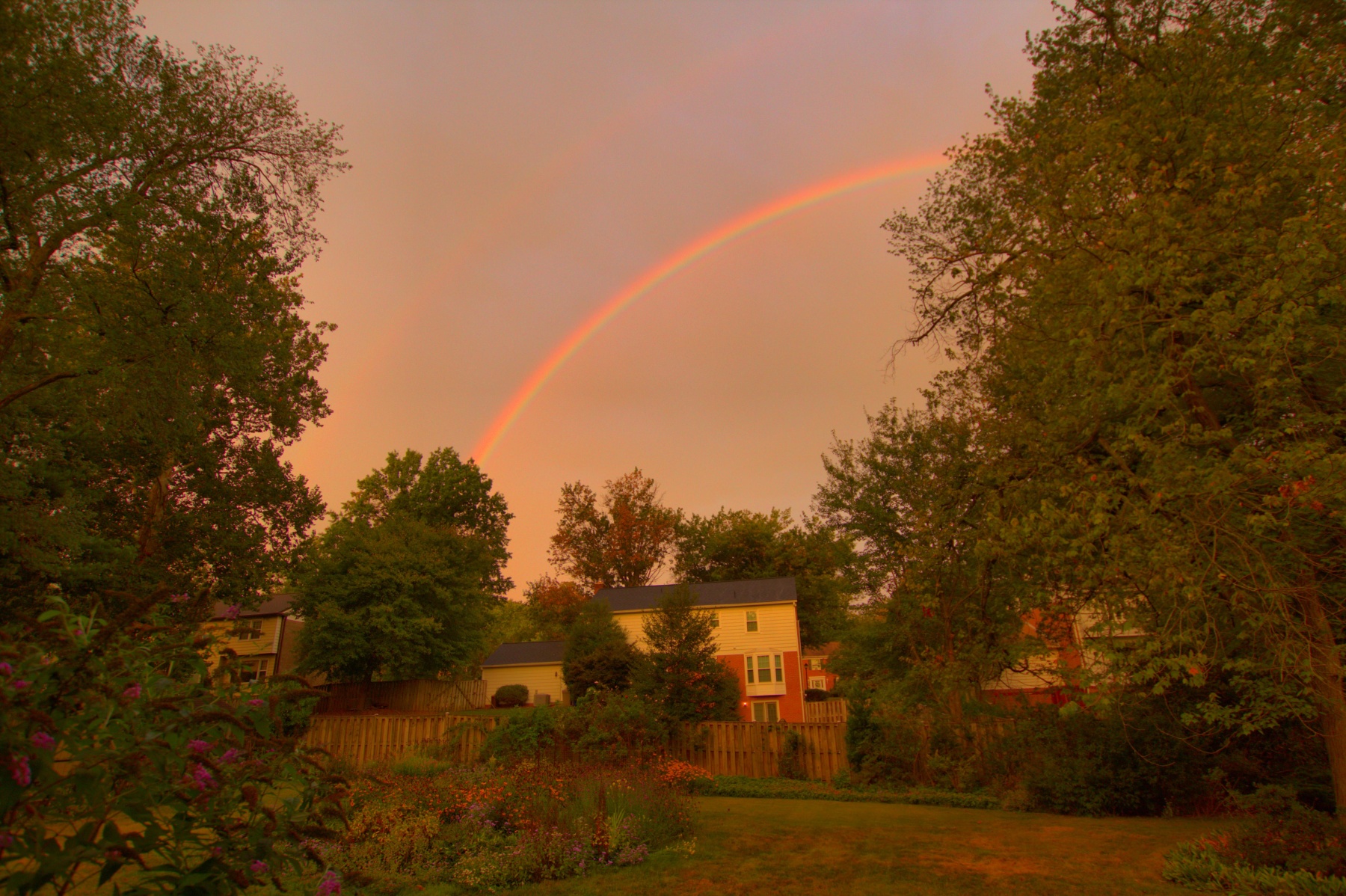
About an hour after I got up, I noticed that the light out front was quite warm colored. That often means there is a good sunrise but when I looked out the color, while pretty, was fairly flat and not really suited for a picture. I happened to look out the kitchen window (which faces west south west), and not only was the color about the same but there was a rainbow going all the way across the sky. I woke Cathy and we both enjoyed it for about fifteen minutes and (surprise!) I took a few pictures. Rainbows are somewhat hard to photograph well. They generally aren’t as bright in the picture as they seemed in real life. Also, the surrounding scenery usually comes out darker than it really was. This one turned out reasonably well, though.
Genus Ammophila (Thread-waisted Wasp)
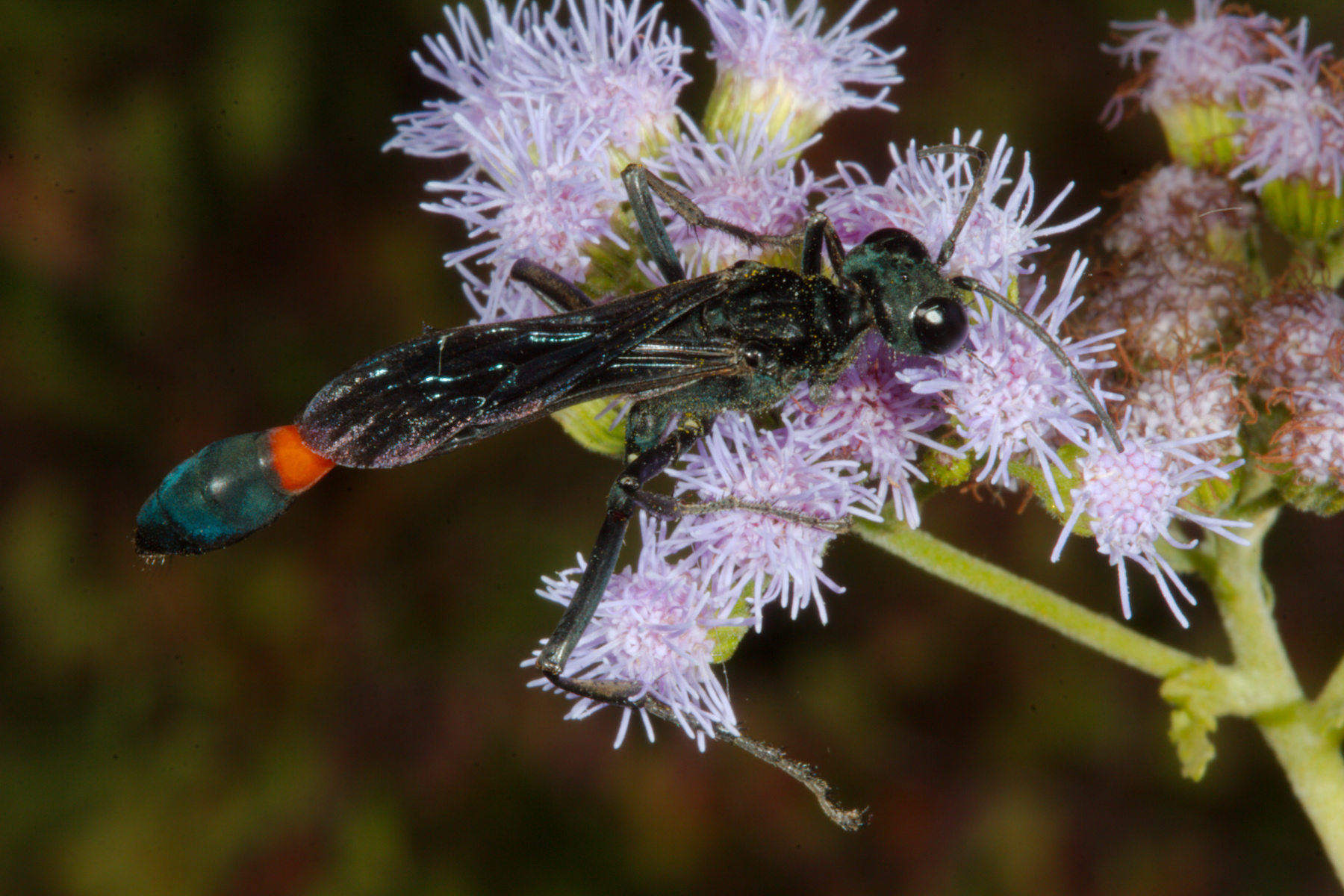
This is one of a few species of Ammophila (the thread-waisted wasps), probably (but by no means certainly) Ammophila nigricans or Ammophila procera. They are difficult to identify, particularly from photographs and in this case, my photographs don’t show some of the distinguishing characteristics. In any case, this is one of only a few I’ve seen this summer. The wings are hiding the long, thread-like petiole, but it’s quite distinctive. I managed to get three decent pictures of this one before she flew away (I’m guessing on the sex—the orange is paler on the males but without them being side by side, it’s not always easy to tell).
Lucilia sericata (Common Green Bottle Fly)
I hope you aren’t too tired of insect photographs. It won’t be long and they will be a lot harder to find, so my photography will shift into autumnal mode, with colored leaves and such. For now, the insects are still going string. We were supposed to have heavy rain today and in Annapolis they got nearly 3¾″. We got enough to make the ground wet, but not under trees.
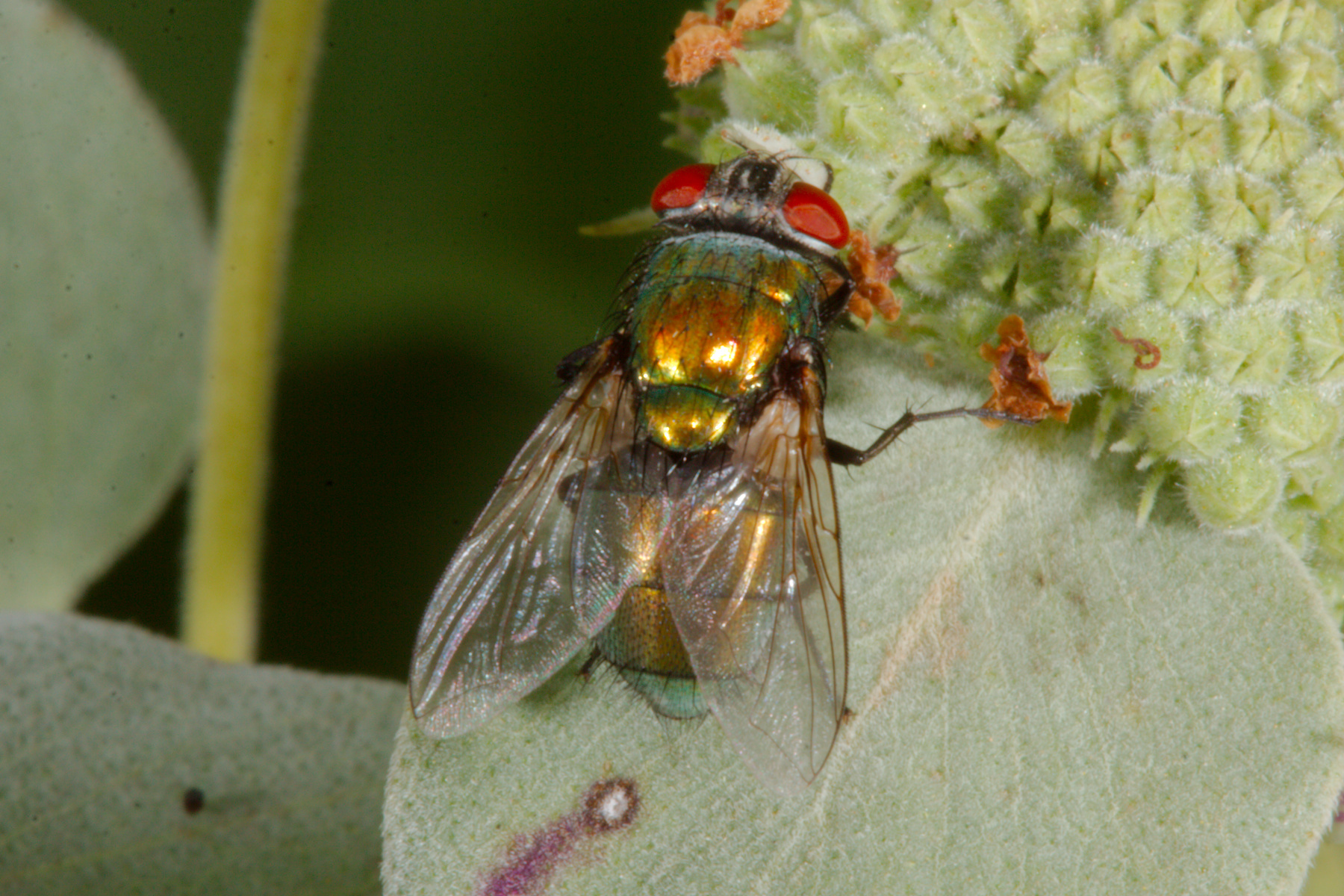
This is a common green bottle fly (Lucilia sericata), also known as a sheep blow fly. While the larvae feed on flesh, they only eat partially decomposed tissue. They have actually been used to clean wounds, eating the necrotic tissue and leaving healthy tissue alone.
Queen Elizabeth II
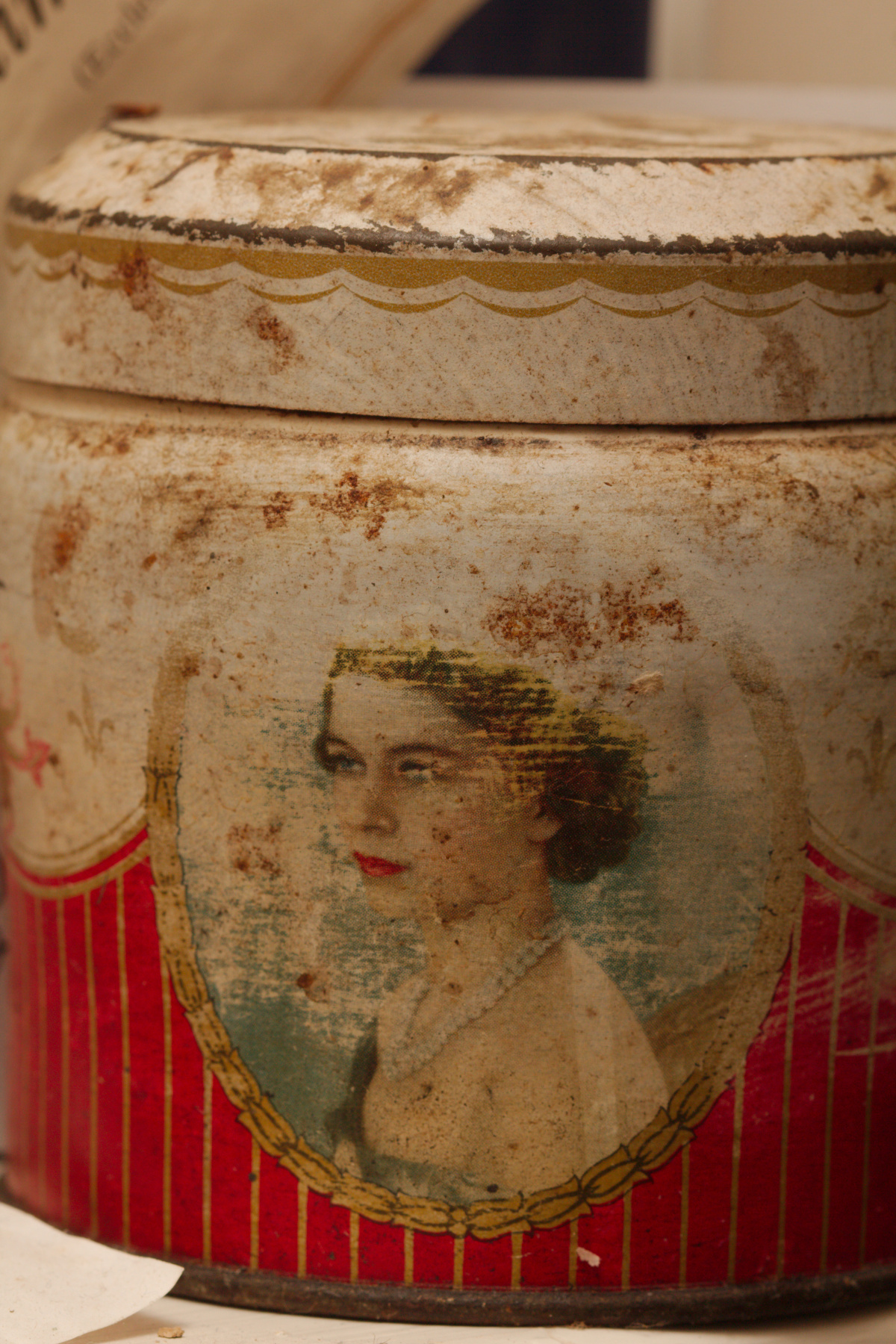
I know it’s not much of a picture, but on the windowsill in our kitchen is this small tin. On it are faded and worn likenesses of Queen Elizabeth II and her husband, Prince Philip, Duke of Edinburgh. It was made to commemorate her coronation on June 2, 1953.
Her reign actually began over a year earlier, on February 6, 1952, upon the death of her father, George VI. Today, September 9, 2015, she surpassed her great, great, grandmother, Queen Victoria, to become the longest-reigning British monarch in history.
We’re not really into monarchy here in the United States. We think we have a better system, even if it was born out of the Anglo tradition. In any case, I wish her well and many more years of health.
Euschistus Species (Stink Bug)
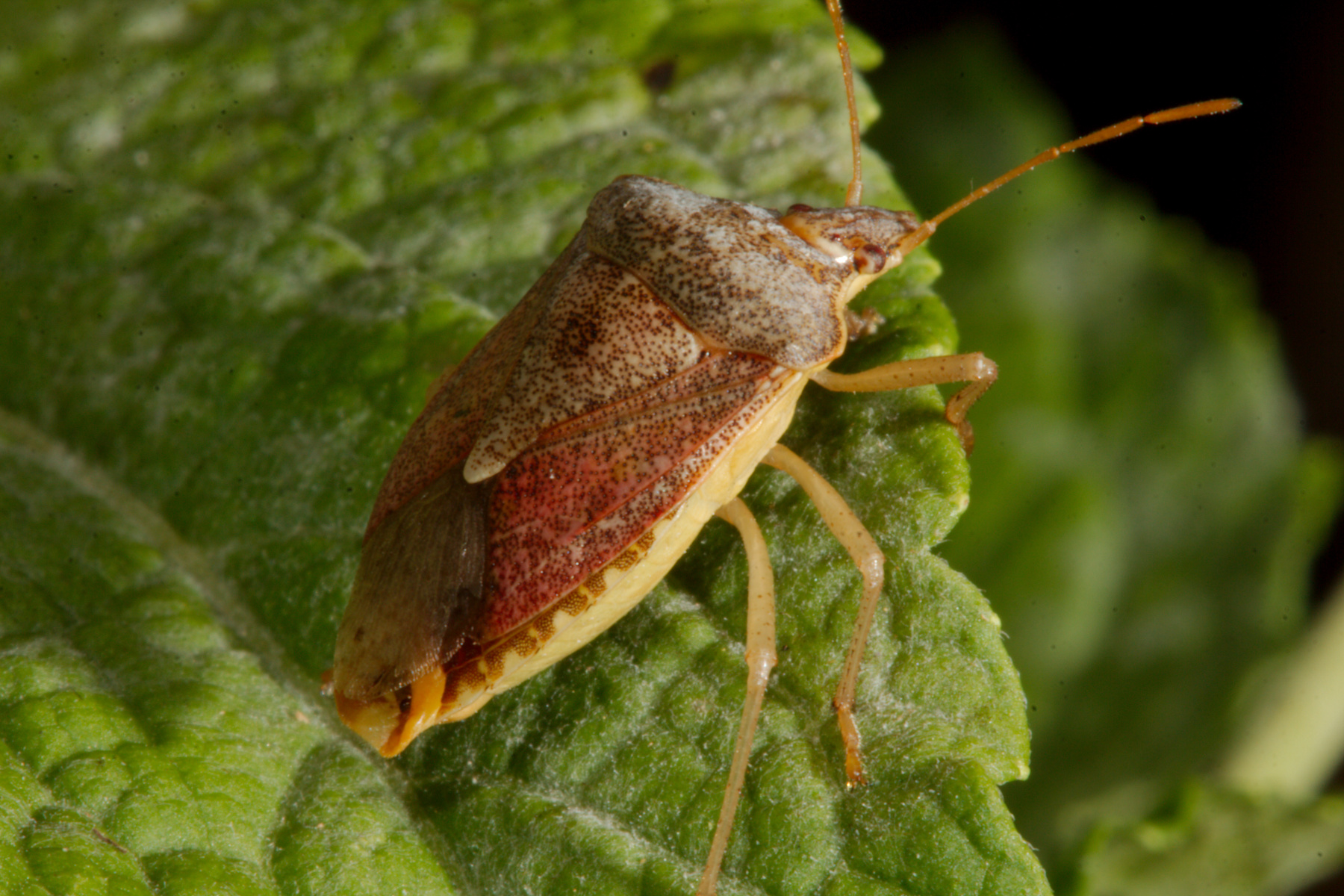
I came across a little stink bug this evening. It isn’t the “dreaded” brown marmorated stink bug (Halyomorpha halys) that made such a stink the last few years (if you’ll pardon the expression). The genus consists of about 20 species in our area and the darkish spot at the center of the scutellum (the triangular bit in the center of its back) and less obvious dark patches on the wings (not really visible in this angle) are distinguishing to the genus. It’s a little fellow and it was climbing around close to the ground on the leaves of blue mistflower (Conoclinium coelestinum).
Augochlorella Species
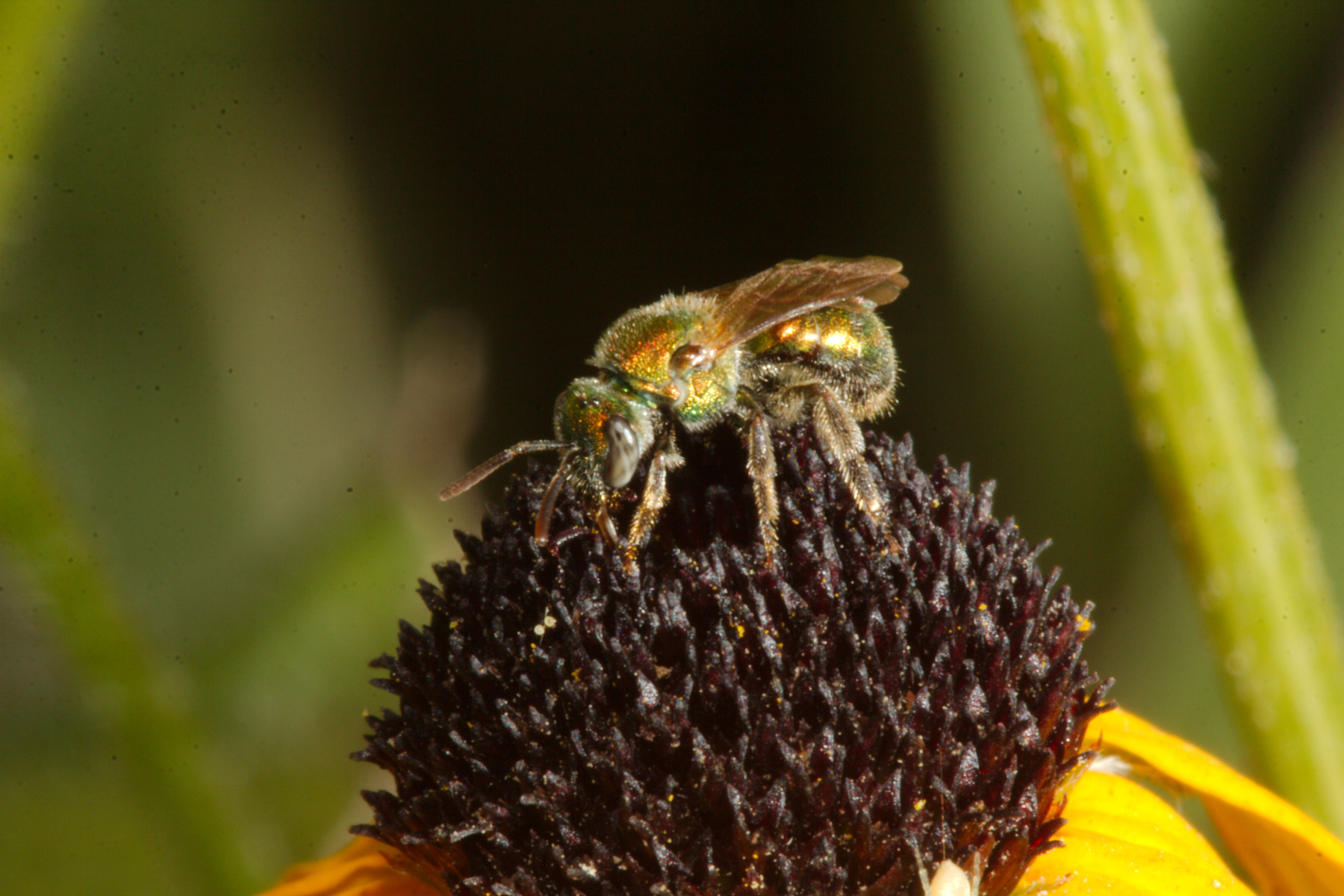
I took some wasp pictures this evening. I didn’t get anything spectacular, but since I don’t want to miss posting a picture for today, I have to post a less than perfect one. This is one of a few species of Augochlorella, a genus of sweat bees (family Halictidae). It’s a fairly small bee, as you can see by comparing its size to the central part of the black-eyed Susan on which it is feeding. I was only able to get two shots of it before it flew off and neither is really as sharp as I’d have liked.
Pennsylvania Monument, Monocacy Battlefield
It was another fine, summer day. Quite hot, but pretty. Cathy and I drove up to Frederick and visited the Monocacy Civil War battlefield, just south of town. The battlefield straddles the Urbana Pike (now MD 355) where it crosses the Monocacy River. The Confederate troops, under Lt. Gen. Jubal A. Early, had come up the Shenandoah Valley and into Maryland and approached the bridge over the Monocacy from the north. Union troops, about 2,300 strong, but mostly Hundred Days Men, were commanded by Maj. Gen. Lew Wallace, who is perhaps more famous as the author of Ben-Hur: A Tale of the Christ.
Wallace’s troops were reinforced by men from the 3rd Division of the VI Corps, under Brig. Gen. James B. Ricketts. Together about 5,800 Union soldiers faced about 14,000 Confederates in what became both the south’s northernmost victory of the war and the defeat that saved Washington. Because of the delay to Early’s troops, Union General-in-Chief Lt. Gen. Ulysses S. Grant was able to get reinforcements to Fort Stevens in time to meet them on July 12 and on July 14, Early and his men crossed the Potomac back into Virginia at White’s Ferry. That ferry is still running and the boat is called the Jubal Early.
Our connection to the battle is that an ancestor of Cathy’s (her great, great grandfather) was in the 67th Pennsylvania Volunteers, who are commemorated on the Pennsylvania monument at the battlefield. They did not actually participate in the battle, however. They were “delayed” and didn’t arrive in time for the battle. Their commander, Col. John F. Staunton, was court martialed. He was found guilty of the first two of three charges (Disobedience of Orders and Neglect of duty to the prejudice of good order and military discipline) but not guilty of the third (Misbehavior before the enemy), and was relieved of command and removed from service. (You can read the minutes of the court here.)
Euptoieta claudia (Variegated Fritillary)
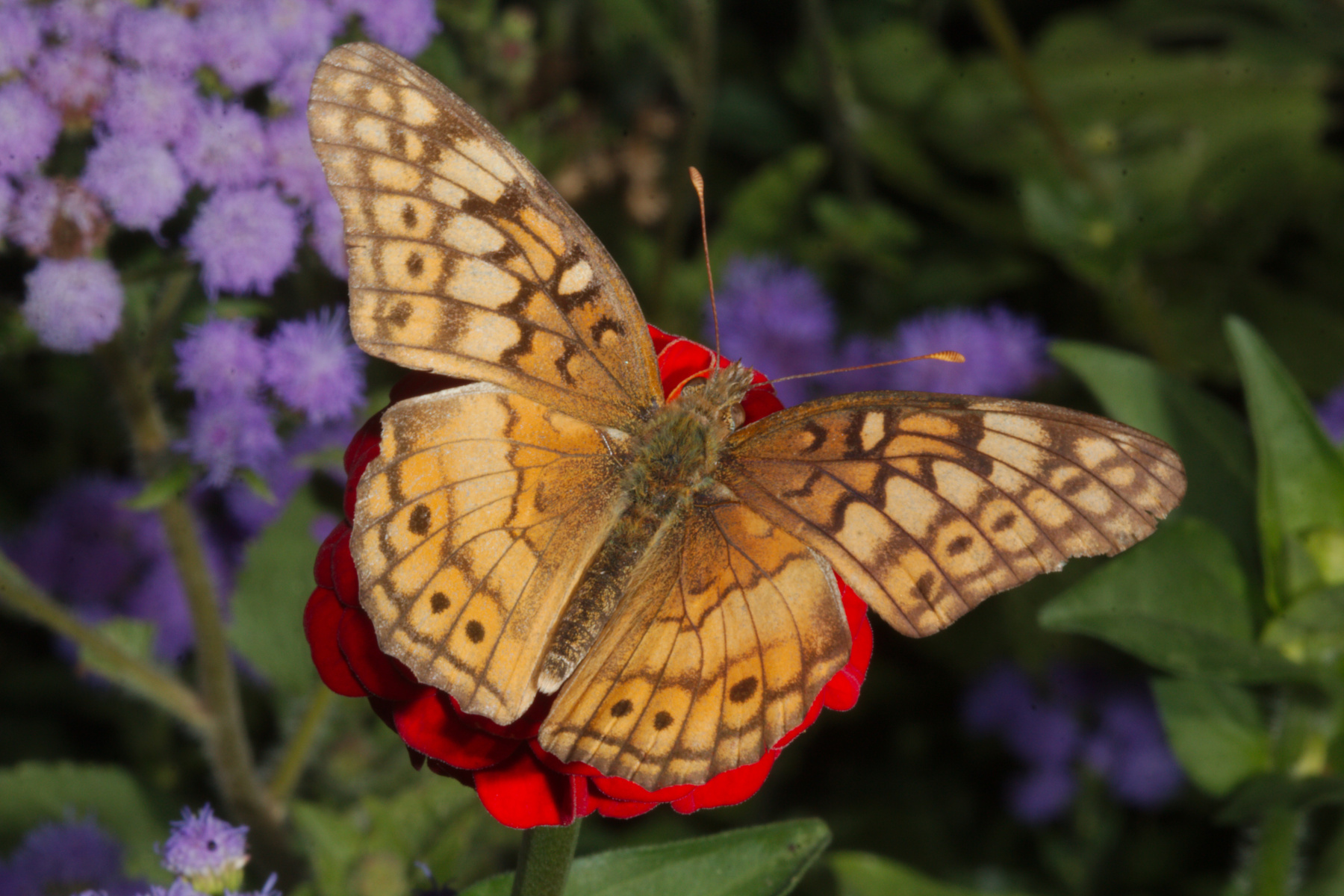
It was a beautiful, if somewhat hot day. Summer has not really abated at all and it continues to be very dry. We thought it would be a nice day to visit the demonstration garden at the county’s agricultural farm park, so that’s what we did. It won’t come as any great surprise that I brought my camera and spent much of my time photographing both flowers and insects. The first of two images that I’m posting is of a variegated fritillary (Euptoieta claudia), a smallish fritillary and one that is difficult to get close to, but I managed to get two pretty good shots of it with wings spread.
Megacyllene robiniae (Locust Borer)
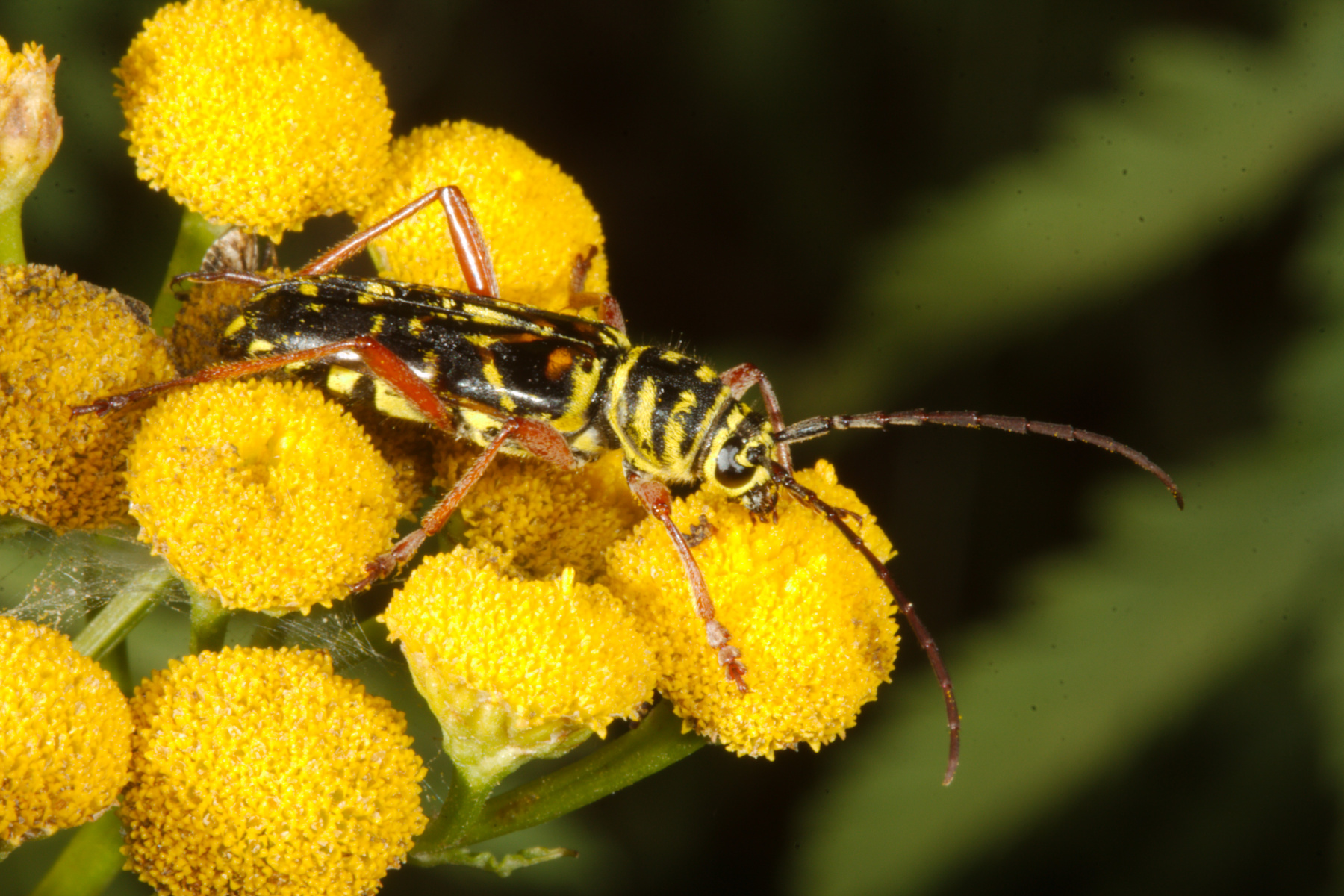
I’ve already posted the picture of the variegated fritillary (Euptoieta claudia) taken at the demonstration garden at the county’s agricultural farm park. This picture won’t be so popular, because everyone loves butterflies, but I thought it was a pretty enough beetle to deserve a shot at fame. Actually, the locust borer (Megacyllene robiniae) is a pretty significant pest. The larvae live in and eat the wood from black locust trees. The adults eat pollen, particularly from goldenrod (Solidago species). This one is worn. The yellow bands that usually go all the way across the back of the thorax have been rubbed off in the middle. Most of the yellow on the abdomen is gone, as well. Still, it’s a handsome and distinctive horned beetle.
Cisseps fulvicollis (Yellow-collared Scape Moth)
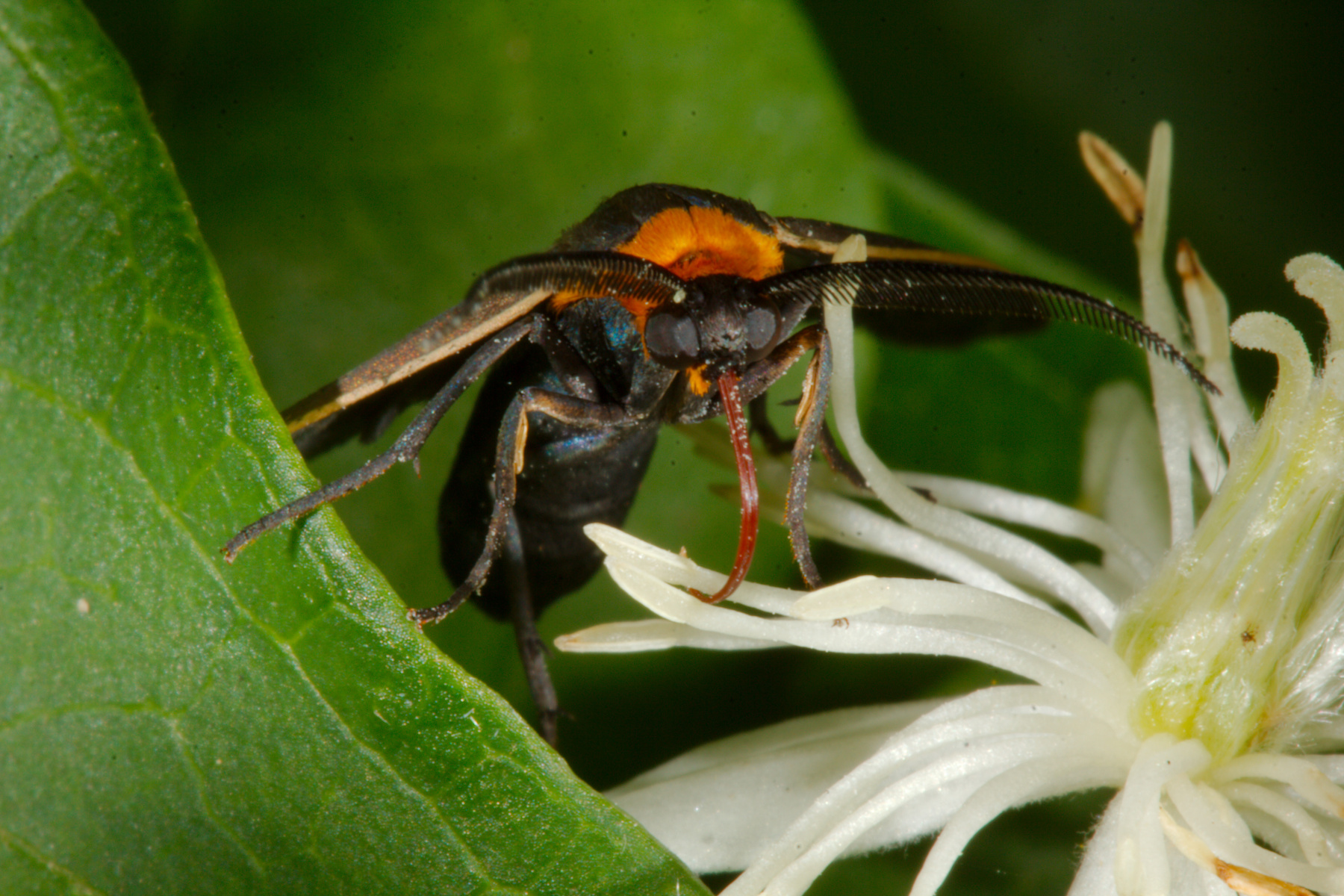
The autumn clematis (Clematis paniculata) has started to bloom. This is a plant that Cathy dug up (with permission) from someone’s yard and planted. It’s finally reached a size that we need to keep an eye on it so that it doesn’t get out of control. It’s growing on the fence and over top of one of the many buddleia bushes that have come up in our yard. This particular buddleia was actually planted but it’s a good location for the clematis, as well. The new flowers attract new insects. This one appears to be a yellow-collared scape moth (Cisseps fulvicollis).
A Walk In The Woods
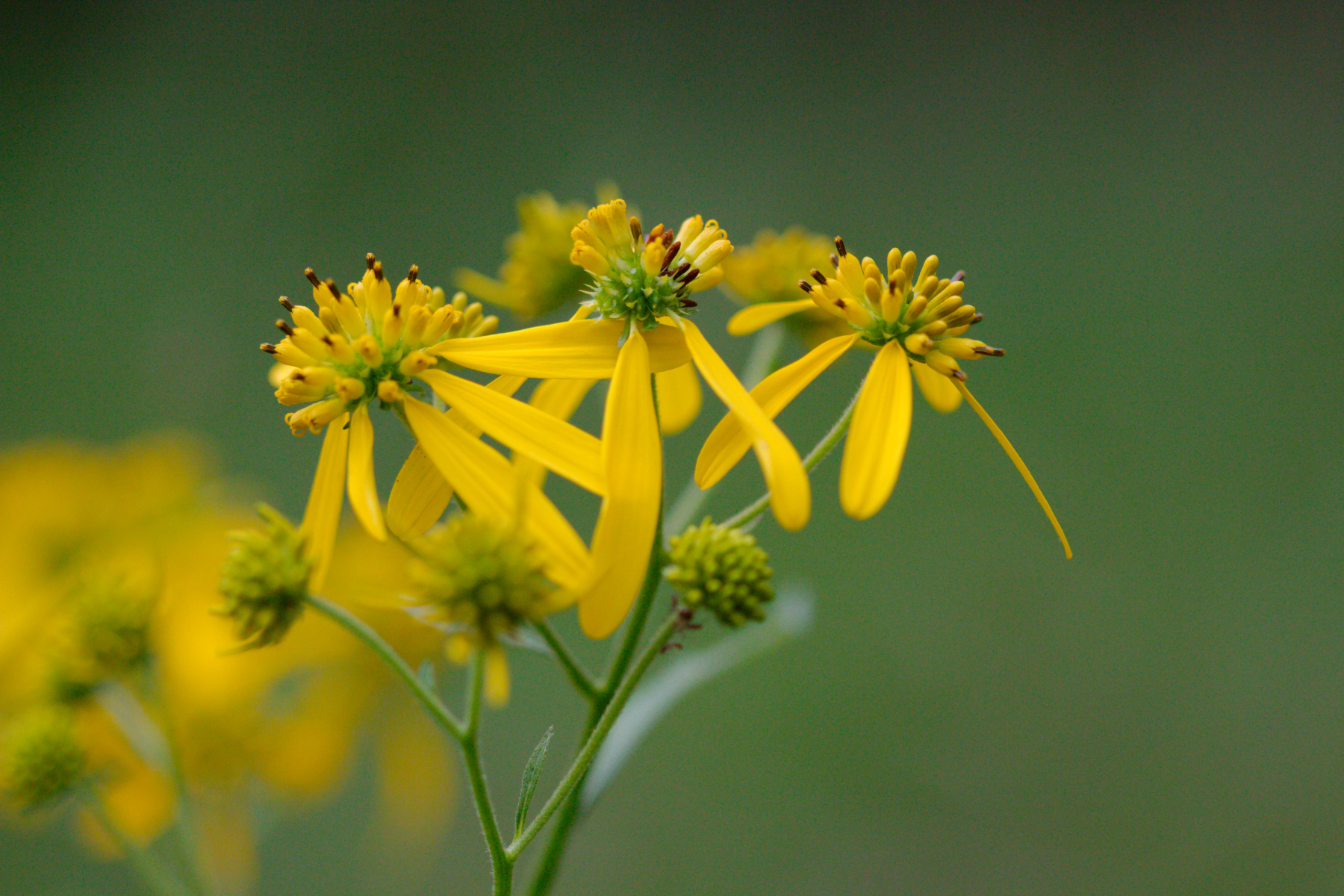
Cathy and I took a walk this evening, heading from our neighborhood park down Manor Run (the creek that runs through) to Sunfish Pond and eventually to North Branch Rock Creek. It was a pleasant evening, quite warm but nice out. There is quite a bit of yellow ironweed (Verbesina alternifolia) all through the woods and it seems quite happy, although even that is starting to notice the lack of rain. August was fairly dry, even for August and we haven’t had any rain in September so far. We really could use a nice, long, soaking rain.
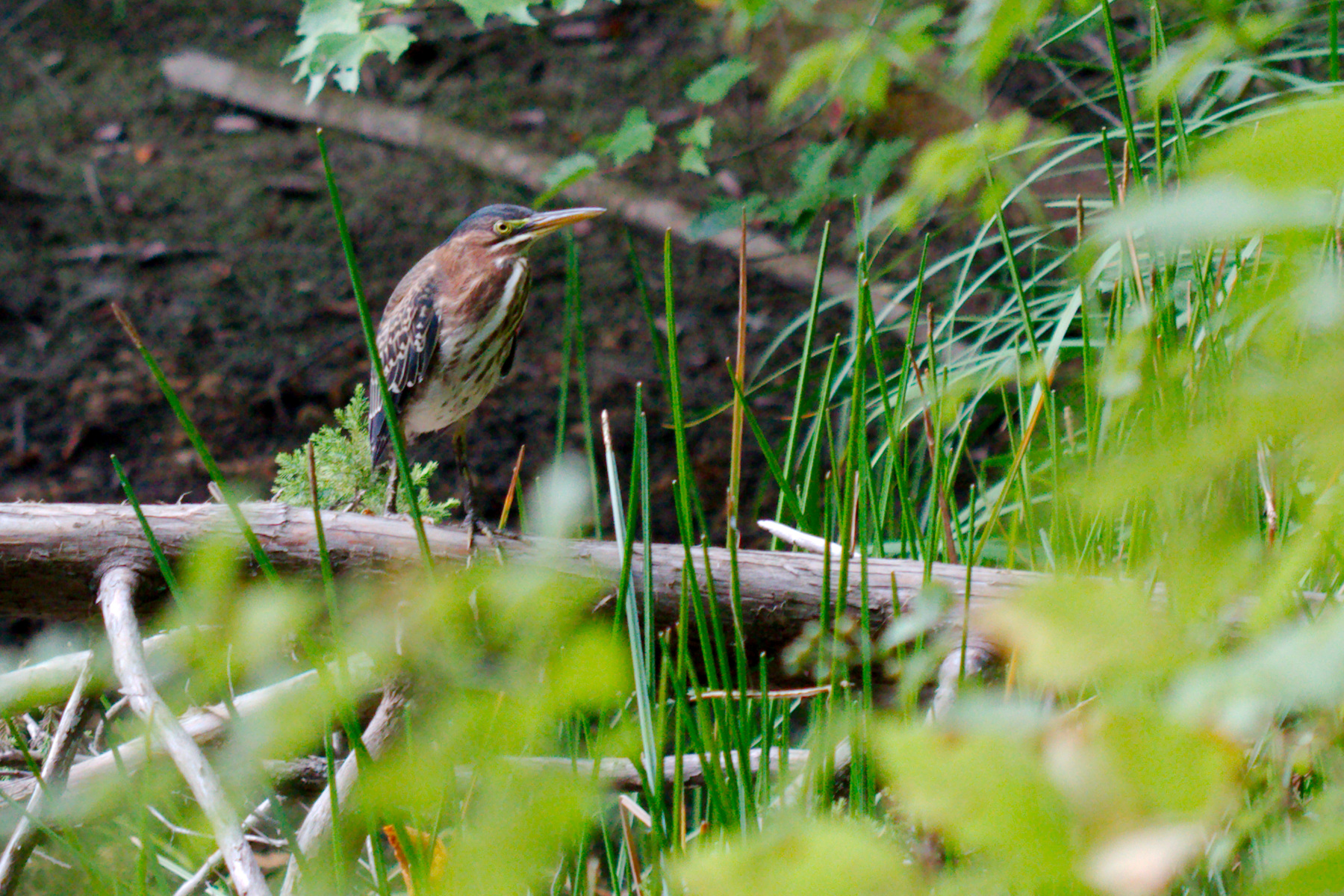
We looped around and came up to Sunfish Pond via a different route. As we looked over the pond, a pair of green herons (Butorides virescens) took off and flew in a big loop around the pond, finally coming to rest at the far end. This one was on a fallen tree and the other was on a branch, a bit further away. I only had my 100mm lens, unfortunately, so this is cropped from the best picture I was able to get. A handsome bird.
123,456
It’s meaningless, I know, but I have an unusual (probably) affinity for patterns in numbers. When the odometer in a car turns over to a number with a particular pattern, I’m interested (I won’t go so far as to say excited). Hitting an even hundred thousand is the most obvious. In the first car I drove much, my parents’ 1971 VW bus, the odometer only went up to 99,999 so it would roll over to zero when that happened (it happened twice in the ‘life’ of the car, which made it to about 210,000). This photograph is from our newest and lowest mileage car. It is a long way from an even 100,000, so I look for other patterns. This is a good one, I think.
Silver Diner
We went out to dinner this evening. Can you guess where we went? If you guessed the Silver Diner, then sorry, your wrong. We were, however, in the same shopping center and I like the lights so I took a few pictures of it before heading home. Also, we do eat at the Silver Diner now and then, it just doesn’t happen to be where we ate this evening (Ruby Tuesday).
Tylozygus bifidus (Leafhopper)
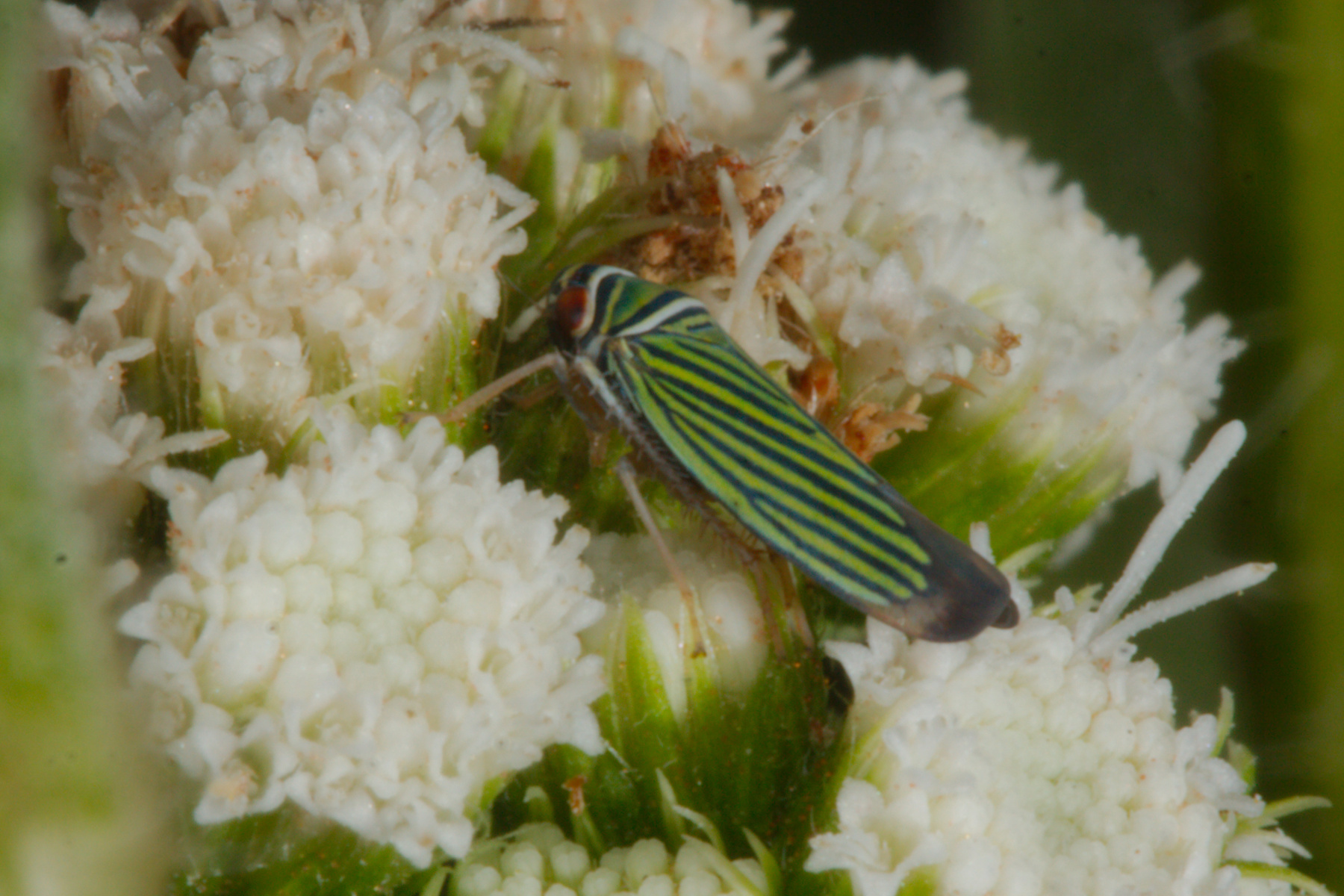
I enjoy macro photography, partly because I enjoy small things. I like photographing insects because I find them so fascinating. Their small size and relative mobility makes them something of a challenge, of course. As I increase my skill at capturing them, the challenges continue to appear. As I get to the point where I believe I am able to photograph a bee or a butterfly quite handsomely, there are ever small and quicker insects that are just out of my reach. Take this little leaf hopper (Tylozygus bifidus). It is only about 5mm long and with my current set up, using a 100 mm lens that focuses to 1:1, I’m just not able to get close enough. There’s always something smaller, always another challenge.
Restarting (Again!)
Computers have, as you probably know, become a big part of our everyday lives. Those reading this who are younger than 30 may not realize that it hasn’t been this way for very long. Microsoft has been a big part of the personal computer industry since the early 1980s and continues to dominate the desktop.
I’m not a fan.
I’d be happy if we didn’t have to have any Microsoft products in the house. Unfortunately, in order to connect to work, we need to be running some relatively recent MS operating system. So, my main computer dual boots and I can bring up Windows 7 when necessary. I use Win7 at work, as well, so I’m fairly comfortable with it and put up with it’s (many) annoyances because I sort of have to (unless I want to look for another job). Cathy’s machine used to dual boot, as well, but with Windows 7 being the default. Recently we ‘upgraded’ that machine to Windows 8.1.
I suspect that there are a lot of really smart people at Microsoft. Like many really smart people, however, they often don’t seem to have a clue. This evening I had to reinstall the OS on this machine (don’t even ask about why!). It took hours. All the while the screen displayed very ‘helpful’ (i.e., condescending) messages. What annoyed me most, well, after the amount of time it took, was the number of times the system had to restart. This continues to be a huge annoyance with Windows. What’s with that, anyway? I mean, needing a reboot after a new kernel is installed is one thing but it seems with Windows you need to reboot after just about everything. Anyway, while I sat and watched the computer do very little for a long, long time, I took a few pictures of the screen. This is at least the third reboot, but I can’t say I counted very carefully.
P.S. I’m not much of an Apple fan, either.

Bombus impatiens (Common Eastern Bumble Bee)
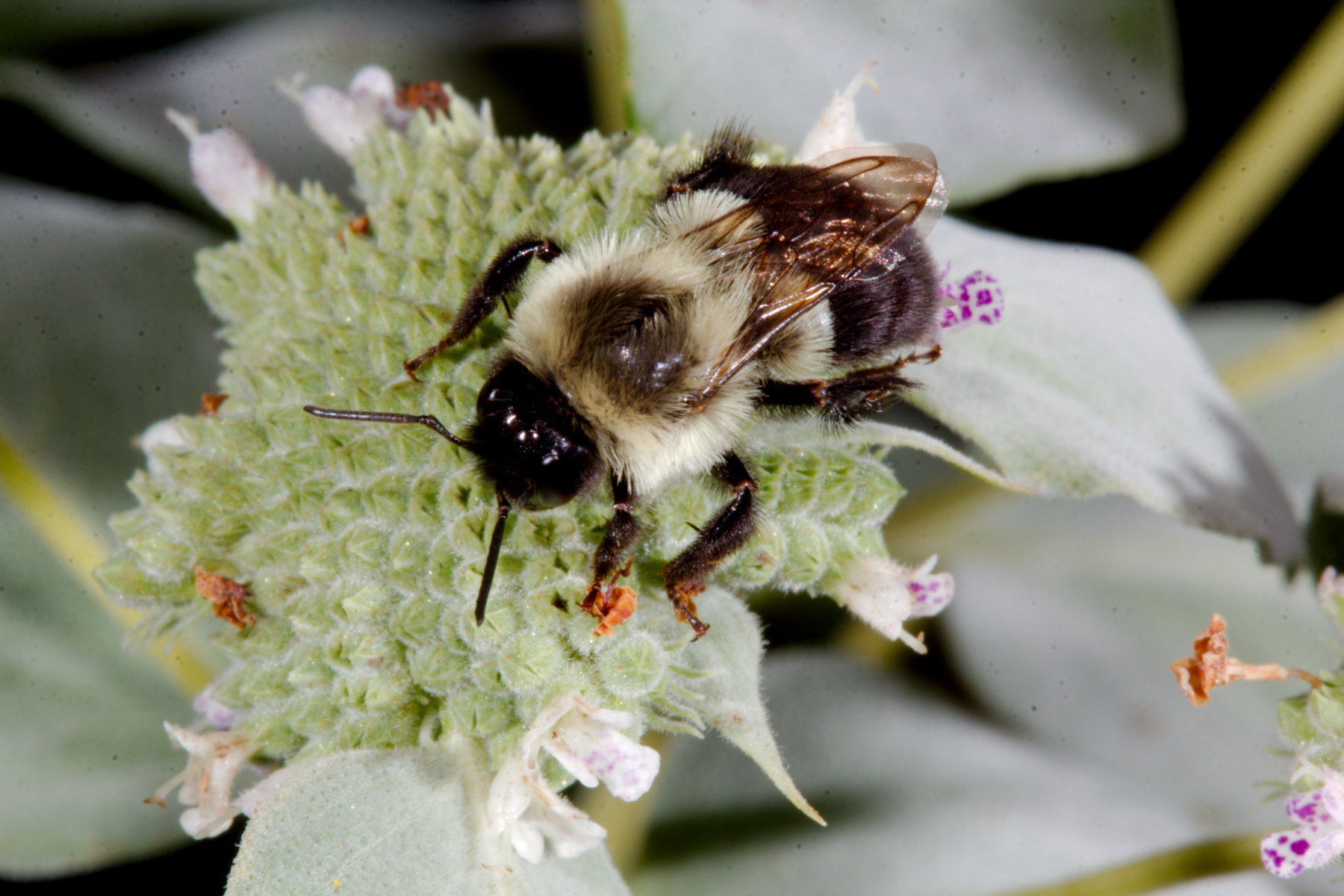
The bumble bees and the carpenter bees look a bit alike, both being fairly large and a combination of black and yellow or orange. The bumble bees are in a separate subfamily from the carpenter bees, being in the subfamily Apinae along with the honey, Long-horned, Orchid, and Digger Bees. This one is considerably smaller than the carpenter bee I posted a photo of recently, probably being at most about two centimeters long.
Pokeweed Berries
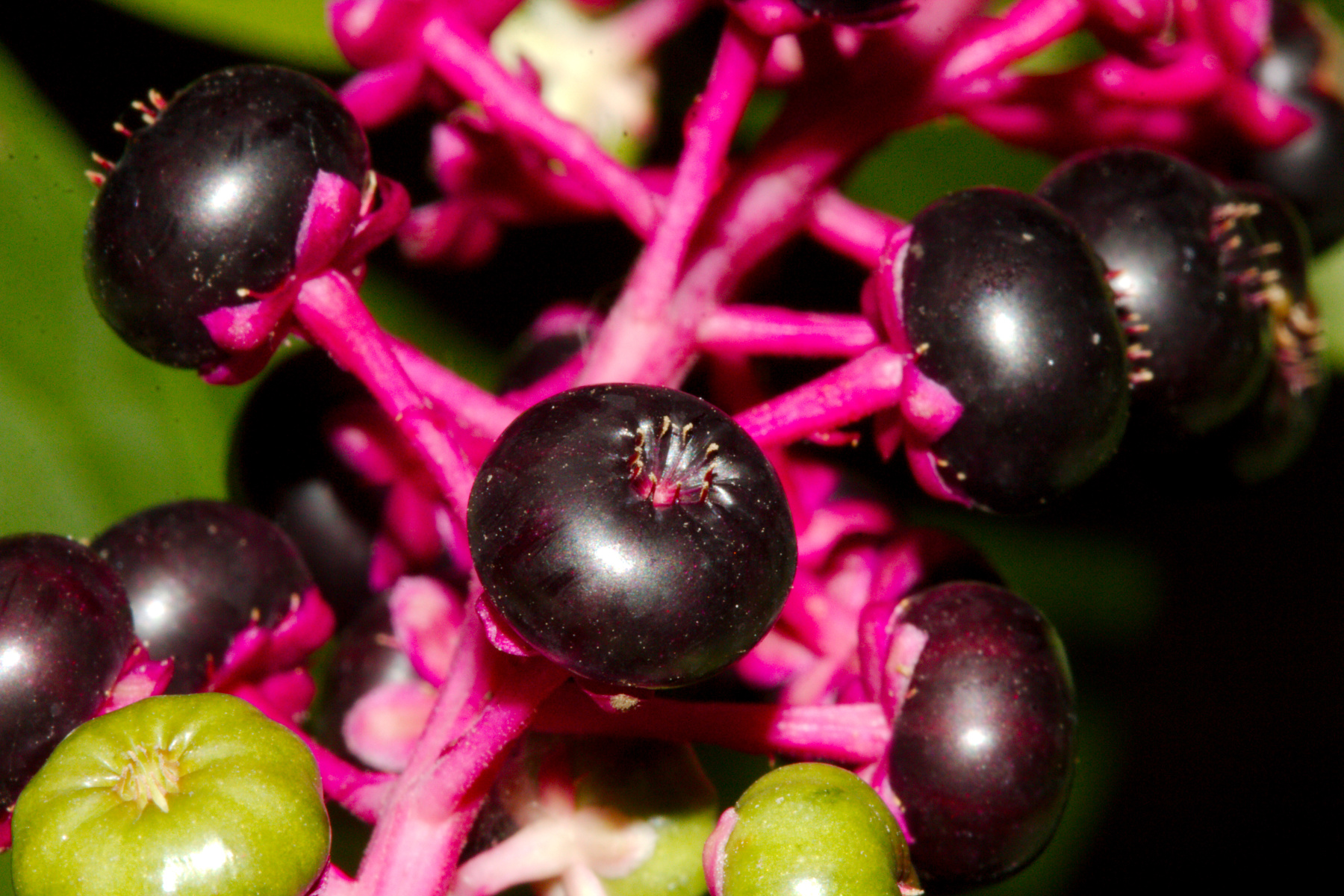
American Pokeweed (Phytolacca americana) is a pretty common weed in our garden. It’s very large leaves are unmistakable even when the plants are very small. We try to pull it up as soon as we see it but sometimes, we miss one or two. Back in the middle of our hedge, which is about eight feet tall, three pokeweed plants were growing. We didn’t notice them until the started to show out of the top of the hedge and of course, by that time they were pretty well established. I managed to get most of the roots of one of them but the other two were too close to the fence to dig properly and I’m afraid they will come up again next year. But I’ll be watching, this time.
Oncopeltus fasciatus (Large Milkweed Bug)
Generally, I’m not very partial to insects that eat plants that I like. There are levels of dislike, of course. Those that simply suck on the sap aren’t as bad as those that eat leaves and stems which in turn are less of a problem than those that bore into plants, particularly woody plants. Still, they can be bad enough. This is particularly true early in the season, when even sucking insects can seriously stunt the growth of plants and prevent them from blooming. Blooms, after all, are why we grow many of these pants.
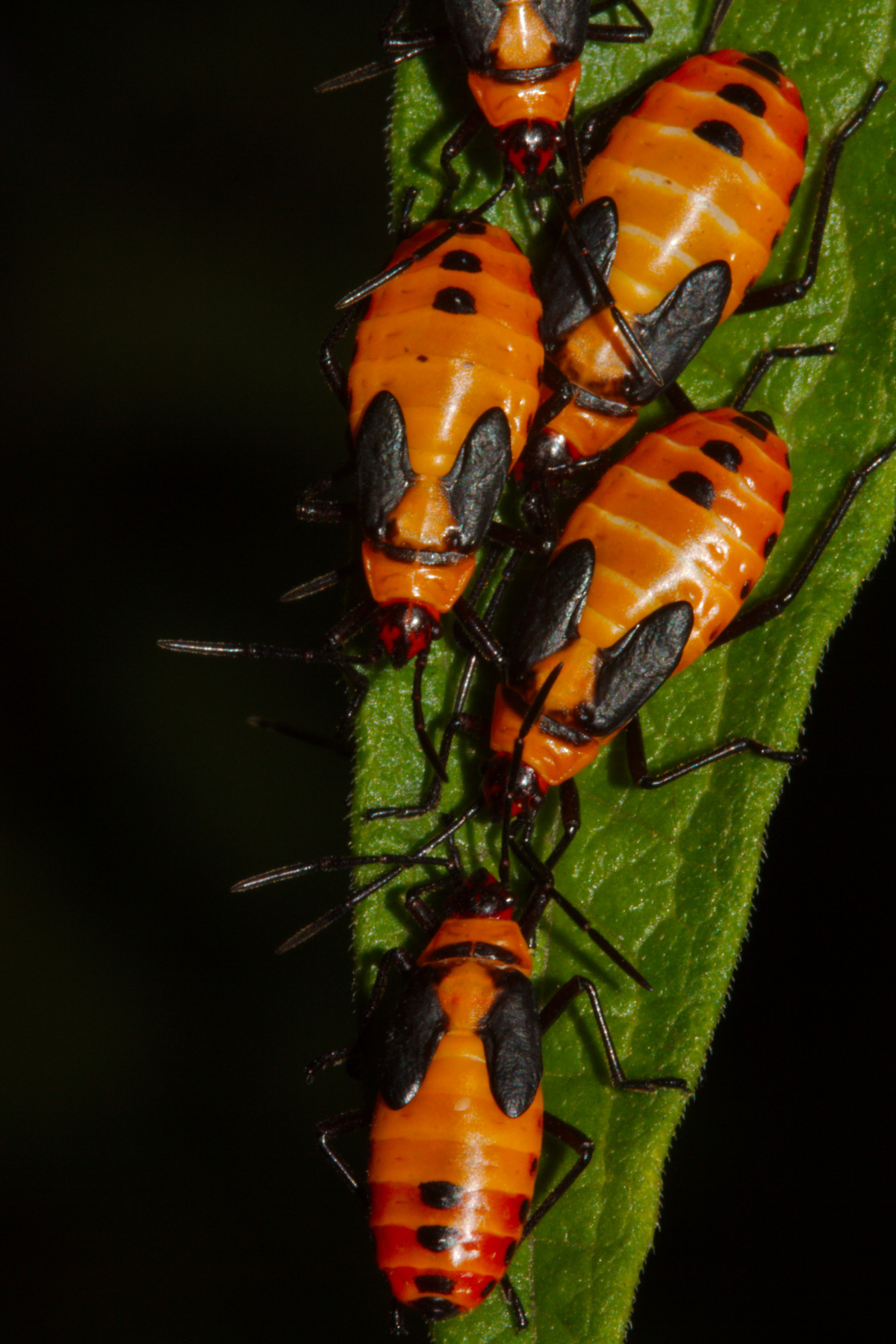
The large milkweed bug (Oncopeltus fasciatus) is somewhere in the middle of this continuum. It doesn’t do significant damage to the plant on which it feeds, either in its nymphal or adult stage. It eats the seeds of milkweed plants. In this case, these large milkweed bugs are on Asclepias tuberosa (butterfly weed). They do cause damage, of course, because the eaten seeds will reduce the amount of self-seeding that the plants can do. But they don’t do any real harm to the plants themselves, which are fairly tough perennials. So, I let these alone. They are quite pretty, anyway.
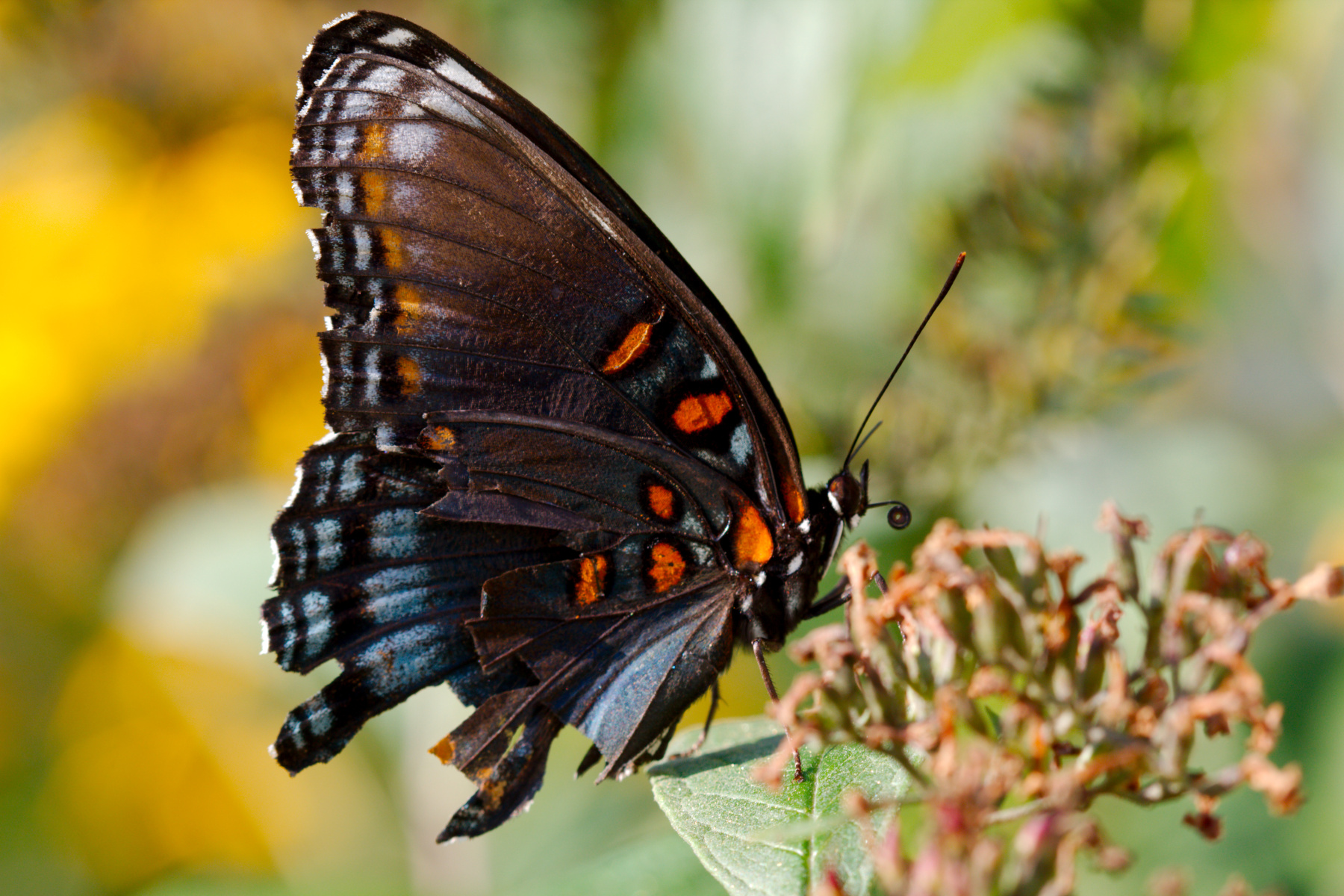
Limenitis arthemis astyanax (Red-spotted Purple)
It’s wings are in pretty bad shape, at this point but they seem to be over-engineered enough that it didn’t seem to have any trouble flying with them. This is a less common butterfly than the eastern tiger-swallowtails (Papilio glaucus) and even the monarchs (Danaus plexippus) that we see most often. It was moving between the black-eyed Susans and the buddleia. It’s a pretty butterfly, even with much of its hind wings missing. The orange spots are quite vivid and the pattern is unmistakable. Both sides of the wings, but in particular the upper surfaces (not seen here) show a decidedly iridescent blue color in bright sunlight. In certain light it can appear purple, which accounts for the common name, but red-spotted blue might be a more obvious name.