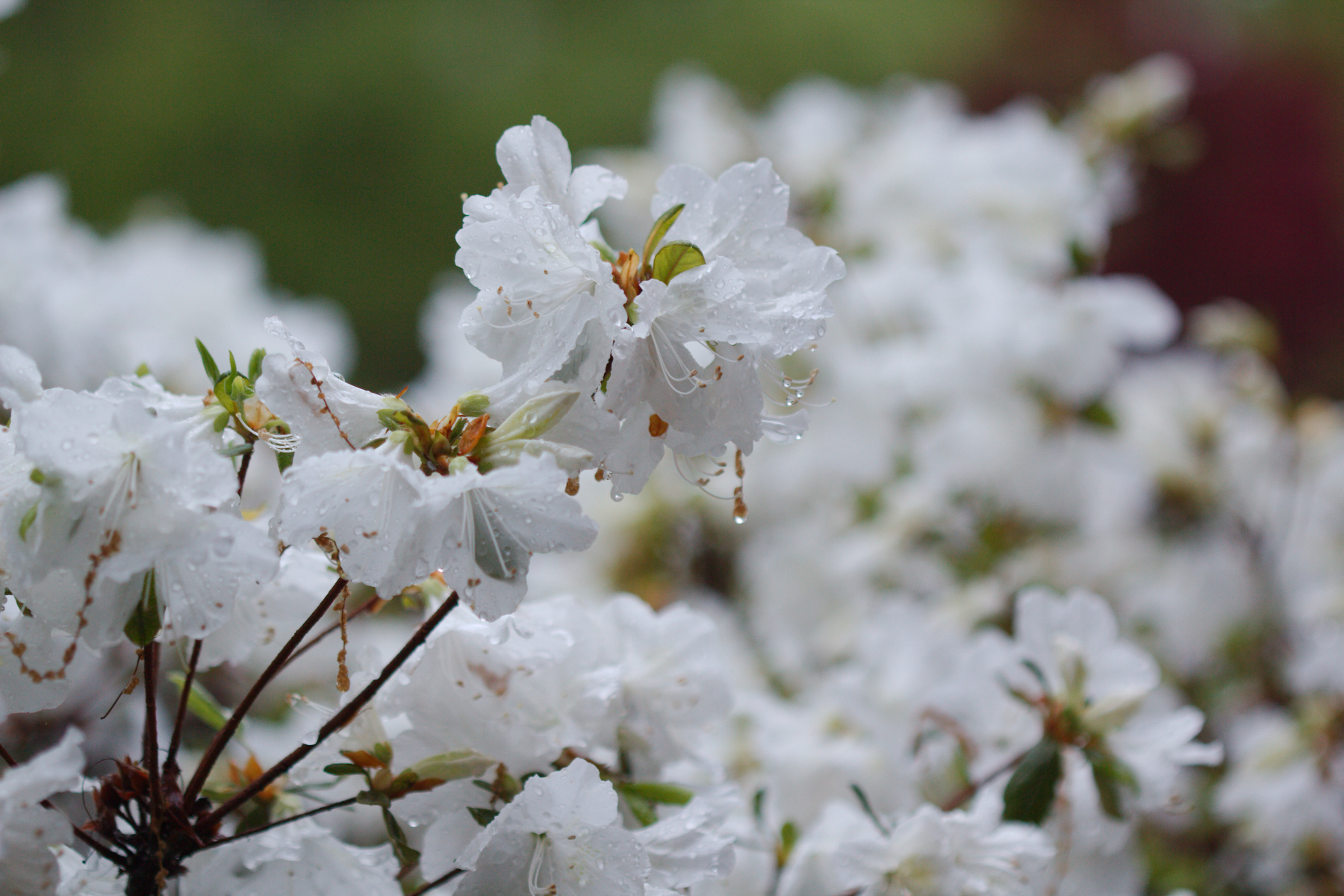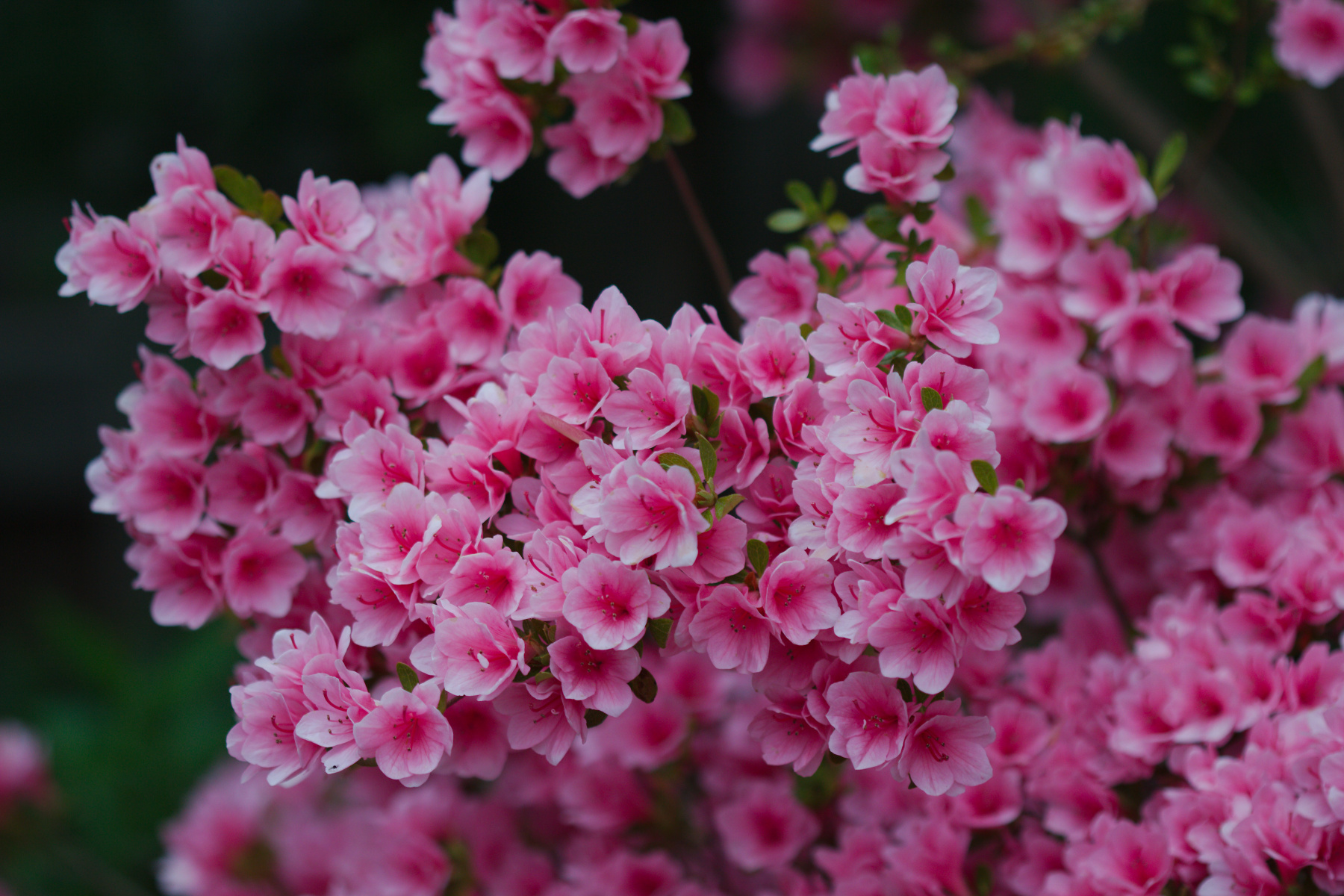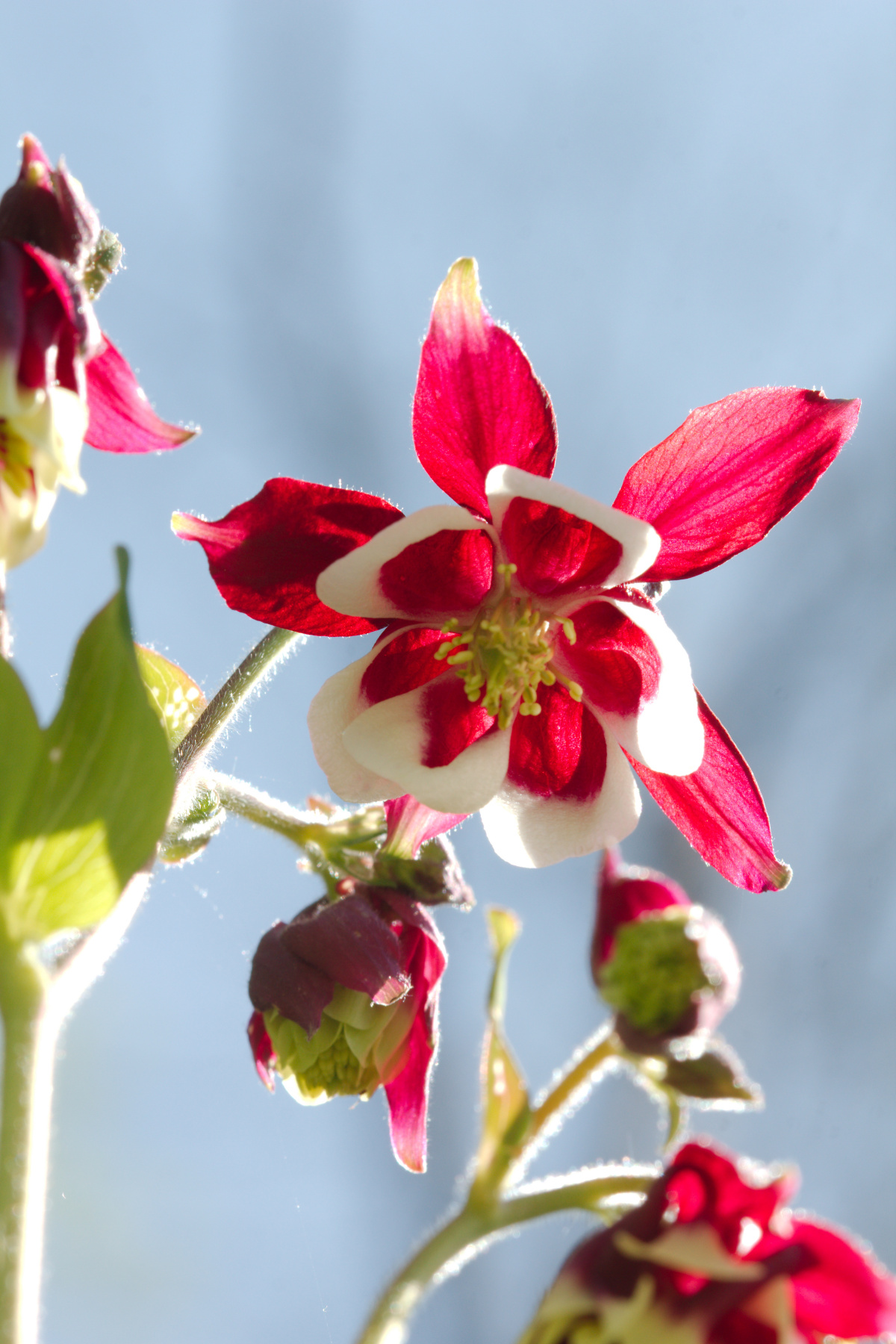
The beebalm (Monarda didyma) in our yard is in full, magnificent bloom. There is a good size patch against the back fence and another on the south end of the house in front of the rose trellis. They are both quite striking right now, either from a distance, as a mass of bright red or close up, revealing the interesting flower structure of this member of the mint family. This picture is a bit much, with the red on red because of the blooms in the background. Nevertheless, I picked it because I think the flower in the center looks a bit like a set of deer antlers. I like that about it.
Flowers and Plants
Monarda didyma (Crimson Beebalm)
Echinacea purpurea (Purple Coneflower)
The coneflower (Echinacea purpurea) in our yard is coming into bloom. It isn’t particularly purple at first, but they will darken as they open. I love the orange and green of the florets, the individual flowers, that are developing in the center of the flower head. At this stage they are still buds, unopened and shaped like spikes. When they open, then the bees and butterflies will come and pollinate them and the cycle of life will continue.
Bird’s-foot Trefoil (Lotus corniculatus)
Mom and I went up to the farm today for a short visit. I have a few things I wanted to do but mostly it was to get away and relax a little. It was warm but not terribly hot and in the shade, with a gentle breeze blowing, it was very pleasant. Of course I brought my camera and took pictures of a few things that are blooming right now. This is bird’s-foot trefoil (Lotus corniculatus), also known as bird’s-foot deervetch. It’s a beautiful, little flower and, like most legumes they have a symbiotic relationship with a nitrogen-fixing bacteria called Rhizobia which makes them particularly good for the soil in which they grow.
Dandelion
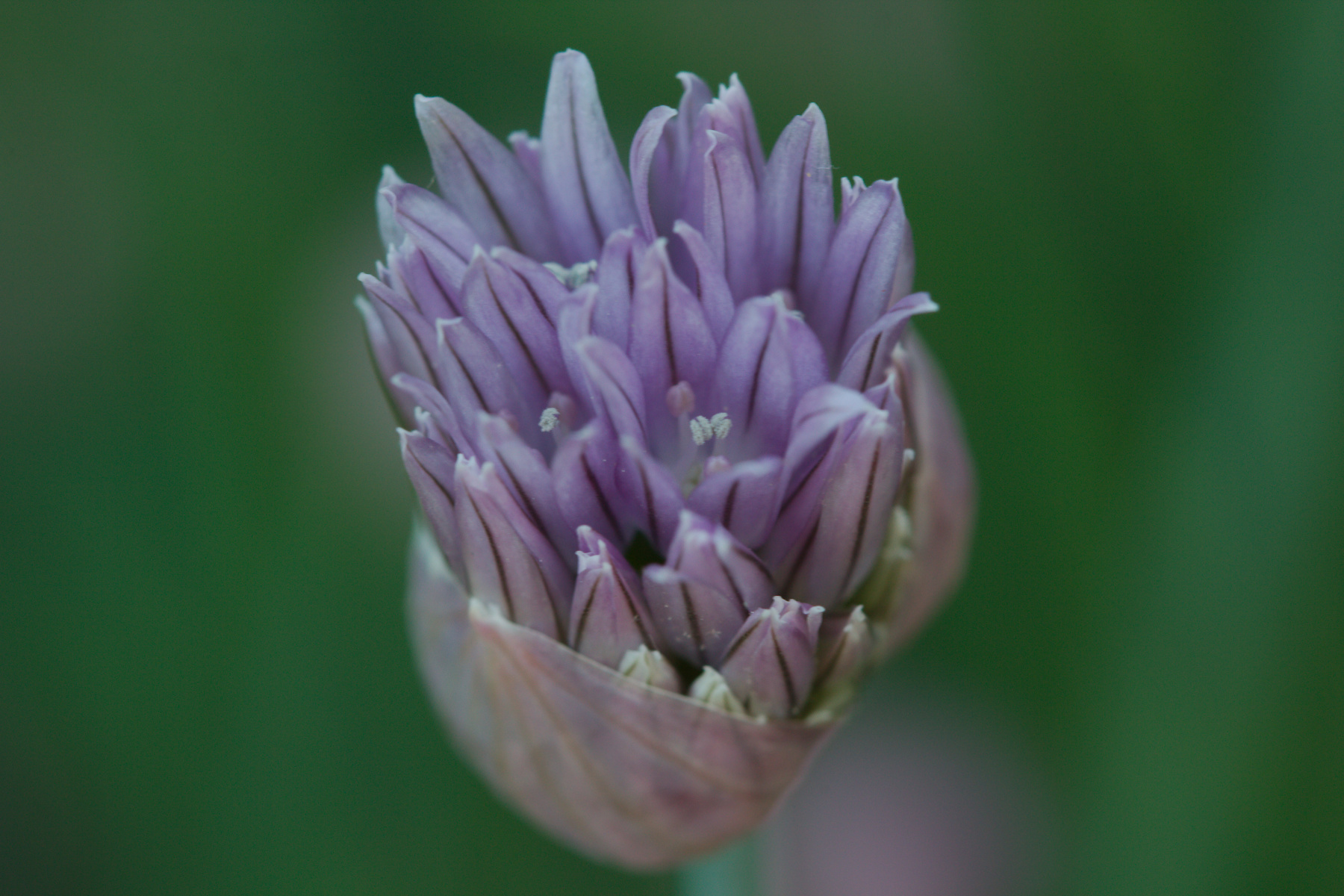
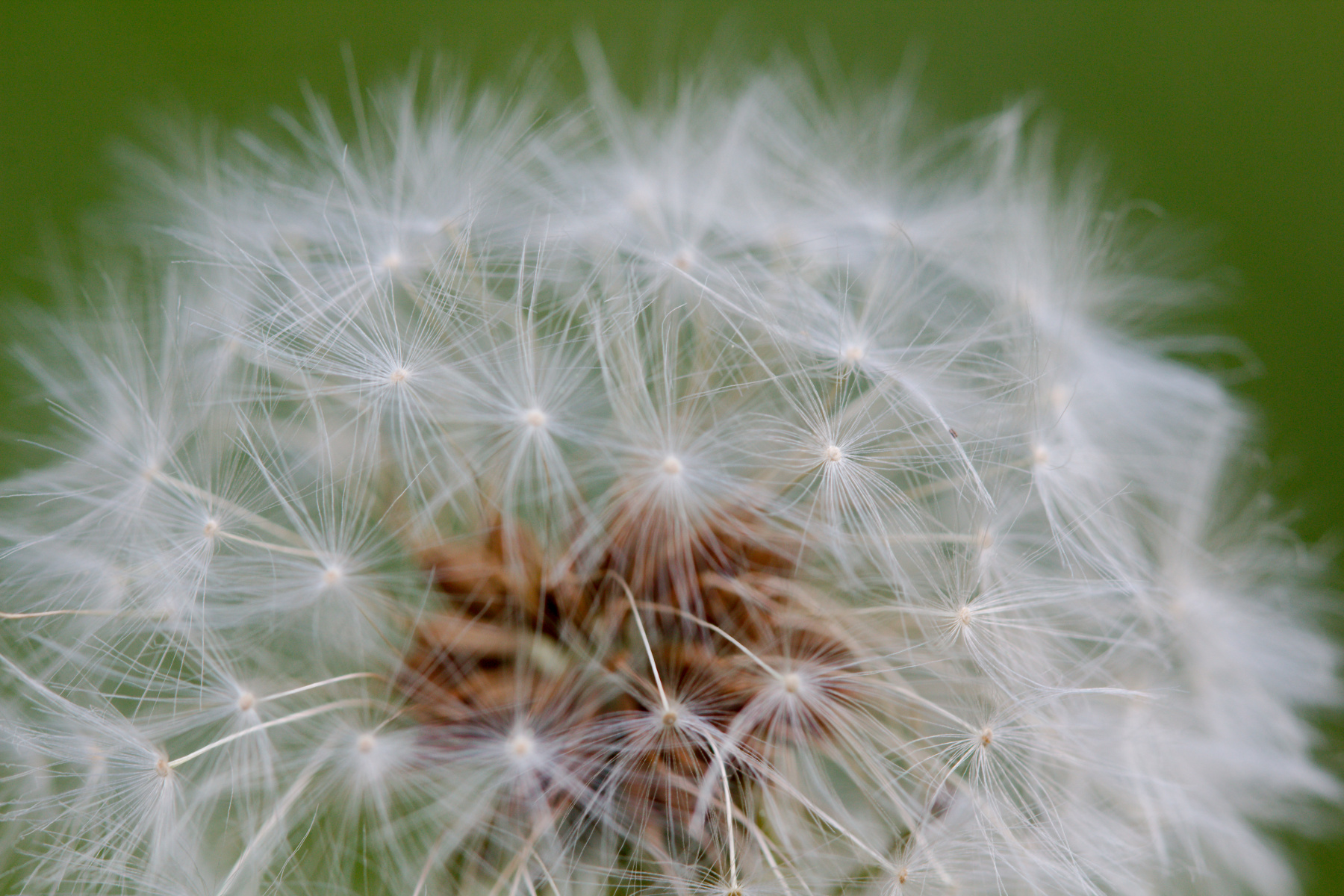
I was out in the back yard after work today and looking for things to photograph. I started by taking pictures of a little bit of fluff. I think it was a seed from a milkweed plant, although those are just blooming now, so it seems a bit early. Perhaps it was from something else. Then I photographed the flowers on an Egyptian walking onion (Allium × proliferum) growing in my herb garden. When I turned around I noticed a dandelion (Taraxacum sp.) growing in the lawn (not just one, actually, but this is the only one I photographed). It had gone to seed and most of the seeds had been blown away by the wind to torment our neighbors (or possibly to continue tormenting us, or course).
I wanted to photograph it in a way that was a little different. I got down on the ground and looked up at the seeds still remaining on the plant. I had my 100mm macro lens with a 25mm extension tube which together is a bit long, but I was able to get below the seeds and still see through the viewfinder. I don’t know that it’s a great picture, but I’m pleased enough with it. It’s a different view, if nothing else.
Lilypons Water Garden
It was another beautiful day today. Hot but not terribly muggy and there was a nice breeze. Cathy asked what I wanted to do for Father’s day so we drove up to Lilypons in Adamstown for a while. Since 1925, it has been operating at its current location, bought by G. Leicester Thomas, Sr. and was initially called Three Springs Fisheries (founded in 1917). The name of the company wasn’t actually changed until 1978 but in 1930 a post office was established which sort of makes it an official ‘town’ and it was called Lilypons after Leicester’s favorite operatic diva, Lily Pons.
We weren’t there to buy anything this time but to see the water lilies that were in bloom, along with various other water loving plants including pickerel rush and lotus. We watched the koi in one pond for a while and spotted quite a few turtles. No snakes this time, although we’ve seen copperheads there in the past. Because of the breeze there were no bugs to speak of, either, which was a bonus. If you go, unless you plan to stay close to the building and rectangular pools with potted plants, I’d recommend long trousers, socks, and shoes. There’s a fair amount of poison ivy about the place and you’re better safe than sorry. But it’s definitely worth a visit.
Feverfew (Tanacetum parthenium)
Well, we’re back out in the yard today. This evening I took a bunch of pictures of the flowers on some feverfew (Tanacetum parthenium) growing on the north end of our house. It’s quite happy there and brightens up the shade quite well. We’re in a bit of a lull right now, with only a few things blooming (mostly the day lilies). In the morning, the Tradescantia (spiderwort) blooms but by the time it gets hot, they close up. There is also some evening primrose (Oenothera speciosa). And then there is the feverfew.
Daylily (Hemerocallis fulva)
I mentioned on Friday that the daylily ‘Stella De Oro’ was blooming a little ahead of the ‘regular’ daylilies. Well, only slightly ahead. This is that regular daylily of which I spoke, Hemerocallis fulva. It’s considered an invasive in some areas and you will, indeed, see it growing along the roadside or in otherwise abandoned areas. On the hill behind our Pennsylvania property there is an old, long-abandoned homestead. There is a hole where the house used to be and the foundation of the chimney. The house may be gone but there is a large area covered with daylilies and Vinca minor that seems to be a more enduring legacy than even stone (because stone is taken for other uses. Actually, the daylily pictured here was taken from there, as well, but I’m certain that the gap has been filled again. These were taken from there, planted in our yard in Gaithersburg. Then a few roots from there were taken when we moved, stored in containers for a year, before being planted here.
Cleome ‘Señorita Rosalita’
Cathy bought this little cleome plant recently and it is destined for a container in the back yard. I know that’s were it will go because, although I took this picture on June 13, I’m writing this on June 18 and it’s already been planted. I like cleome quite well. Cleome hassleriana is a half-hardy annual and does reasonably well here although very cold winters generally mean we have to start over with purchased plants. It will self seed fairly well so this one should give us a few years worth of enjoyment (unless we have another very cold winter, of course).
Wildflower Meadow
I spent a few hours at Roclkands Farm today. For a while I visited with friends. I held little Charlie while his parents packed the car and I chatted with Janis about this and that. After Greg and Anna left with the boys, I wandered out to take pictures of the animals. There is a litter of pigs a few weeks old in addition to the other, older pigs. Of course there are also the usual cattle, sheep, and chickens. There is a small wildflower garden on the property and I stopped there to take a few pictures including this one, which I think turned out nicely.
Daylily ‘Stella De Oro’
This little daylily (Hemerocallis) is named ‘Stella De Oro’ and it’s a very popular these days, bordering on (or possibly crossing over into) overuse. Like all daylilies, it really needs full sun to bloom well and can do with a good feeding of fertilizer but taken care of properly it will reward you with outstanding and abundant blooms. It starts a little earlier than my ‘normal’ daylilies (Hemerocallis fulva, I assume) and also bloom a little later into the summer. They are considerably smaller and don’t spread as fast, needing to be dug up and divided if you want to cover more ground a bit faster.
Anthrenus verbasci (Varied Carpet Beetle)
These are varied carpet beetles (Anthrenus verbasci) on some sort of wild parsnip relative (similar to Queen Anne’s Lace, but not that). These little beetles, measuring only about 3mm in length, are often found indoors and eat stored food products (e.g., biscuits, cakes, seeds, wheat, maize, oats, rice, cayenne pepper, cacao, and dried cheese). They also are considered to be the world’s most important pest of insect collections. The adults feed on pollen, and that’s what these little fellows (or ladies, I really don’t know) are up to.
Ailanthus altissima (Tree of Heaven)
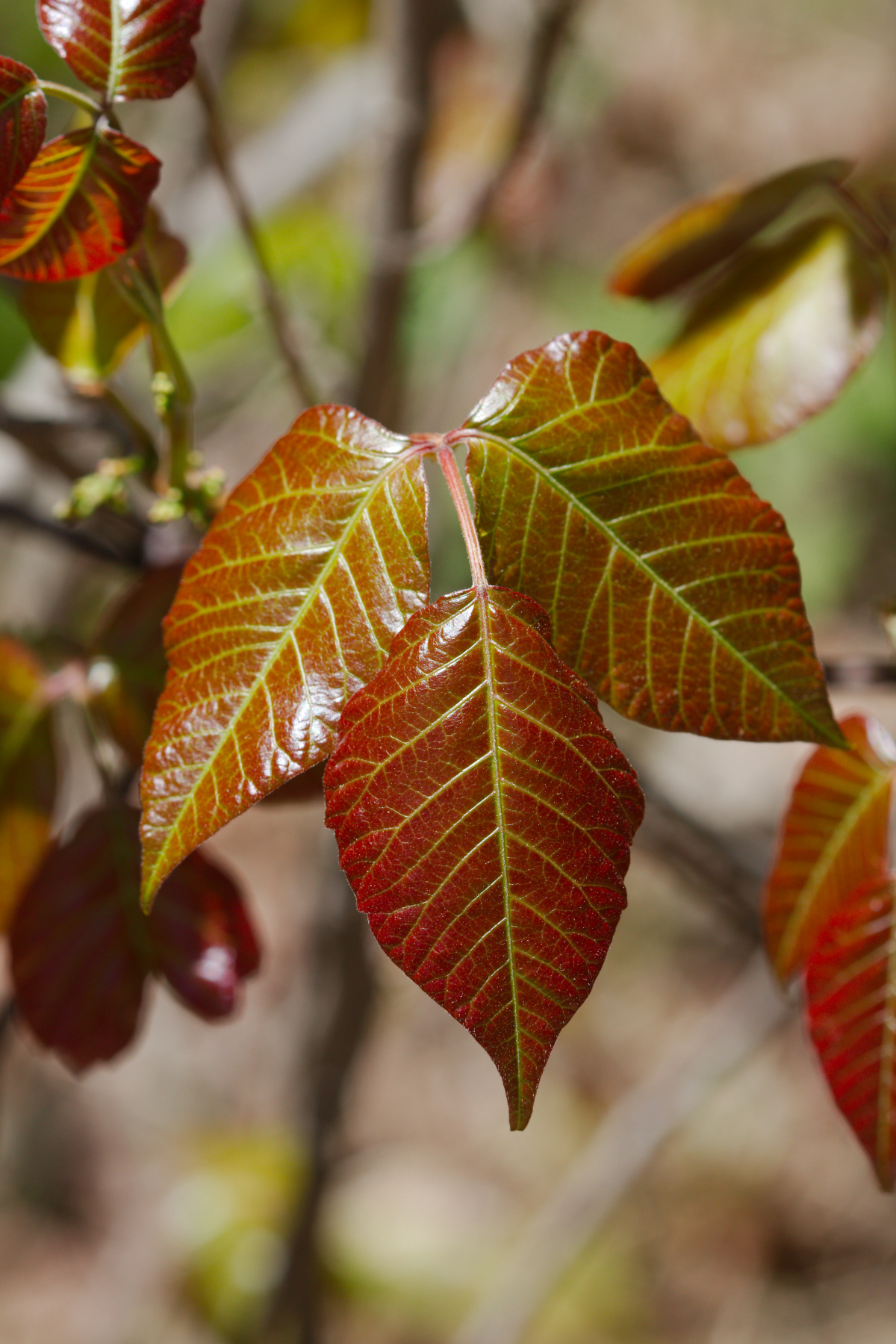
As I left work today I decided to wander off into the woods for a while and take a few pictures. Of the three dozen or so that I took, most of them are of leaves and all of them are predominately green. Some were of bramble buds, which are covered with red hairs but the overall effect of the picture is still green. In this one, of a single leaf of a tree of heaven (Ailanthus altissima), there is a bit of reddish tint in the leaflets, but still, it’s a green picture. The glossy leaves with their touch of color are quite beautiful, even if the tree is a fairly weedy invasive in our area.
Asiatic Lily
The Asiatic lilies in our yard are starting to bloom. These have taken a few years to become established but they certainly are worth the wait. This one happens to be growing in a container on the back patio but there are a few others just like it around the yard. There are some really amazing colors available in both Asiatic and Oriental lilies and I need to plant more. The Oriental lilies are taller and also generally have very strong fragrance, while the Asiatics have little or no fragrance. They certainly are beautiful, though, and are worth having. They also bloom at different times, with the Asiatics blooming first. We also have some tiger lilies (Lilium lancifolium) but they won’t be blooming for a while yet.
Driveway Plants
Most of our garden beds are made up of woody shrubs and herbaceous perennials. The only real exception is the area where an oak tree used to be along the front of our yard (and it’s mostly in the county right-of-way, actually). Cathy plants annuals there to provide a bunch of color—yellow, orange, blue, and white—that’s easily seen from the road. In the driveway are two collections of containers. At the top, right are a mix of containers that include lots of seedlings that she plans to put in various places around the yard. On the left, seen here, are more ‘permanent’ containers that are mostly perennials but which get annuals mixed in. The large variegated Pelargonium at the top was a gift from the school for my volunteer activities this year.
Planting the Wedding Tree
Iris and Seth’s wedding weekend has finally arrived (well, if you count taking Friday off work as part of the weekend, anyway). We drove up to Pennsylvania this morning to get some of the final things done before tomorrow’s wedding. First, Cathy and I made sure the portable toilets were delivered and in the right locations. Then we went to the Round Barn to drop some things off and for me to set up the photo booth. Cathy and Tsai-Hong left to go to the farm and while they were there (and I was still working on the photo booth) it rained. I mean, it really rained. By the time I got to the farm, the rain had stopped but the ground was really wet. The few cars that came up to the cabin tore up the ground a bit and we stopped others from driving that far so it wouldn’t get any worse.
But about this tree. Iris and Seth wanted to plant a tree as part of their wedding but didn’t want to interrupt the ceremony long enough to do the whole thing, so they did most of the work today, a day ahead. Iris’s brother, Steve, dug the hole for them and the two of us carried the tree down from mom’s van. Then Seth and Iris did the actual planting. Tomorrow, during the service, they will put a few final shovels of dirt on it. Later we’ll put a fence around it to keep animals off and I’ll stake it to keep it upright until it has enough roots growing into the undisturbed soil around it.
The tree the picked is a black gum, also known as a tupelo. It is a variety called ‘Red Rage’ and is a lovely tree with shiny green leaves and spectacular fall color and with berries that attract birds. It was also picked as a tree likely to do well in both wet and drought conditions (i.e., “…for richer, for poorer, in sickness and in health…”).
Rose ‘Perle d’Or’
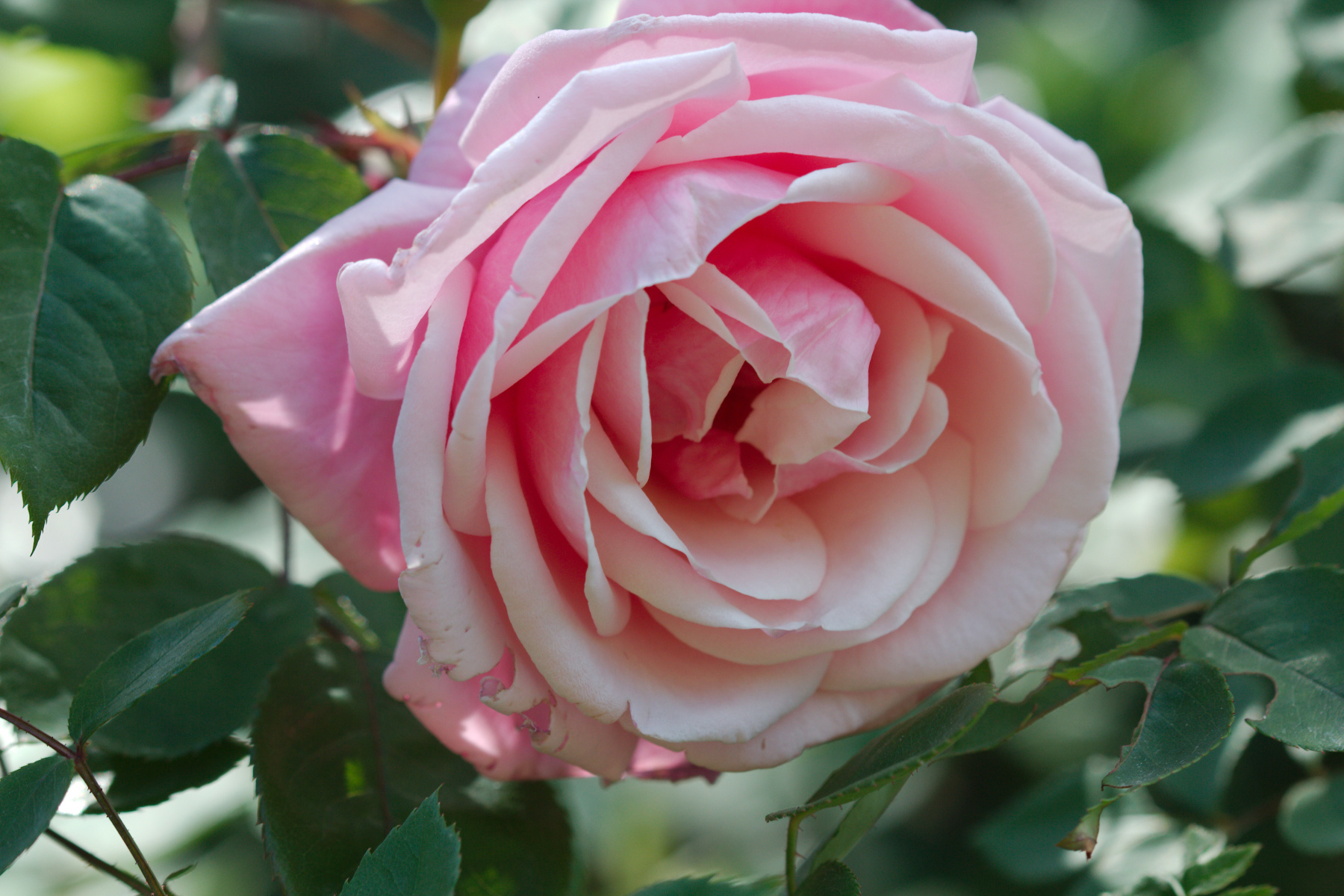
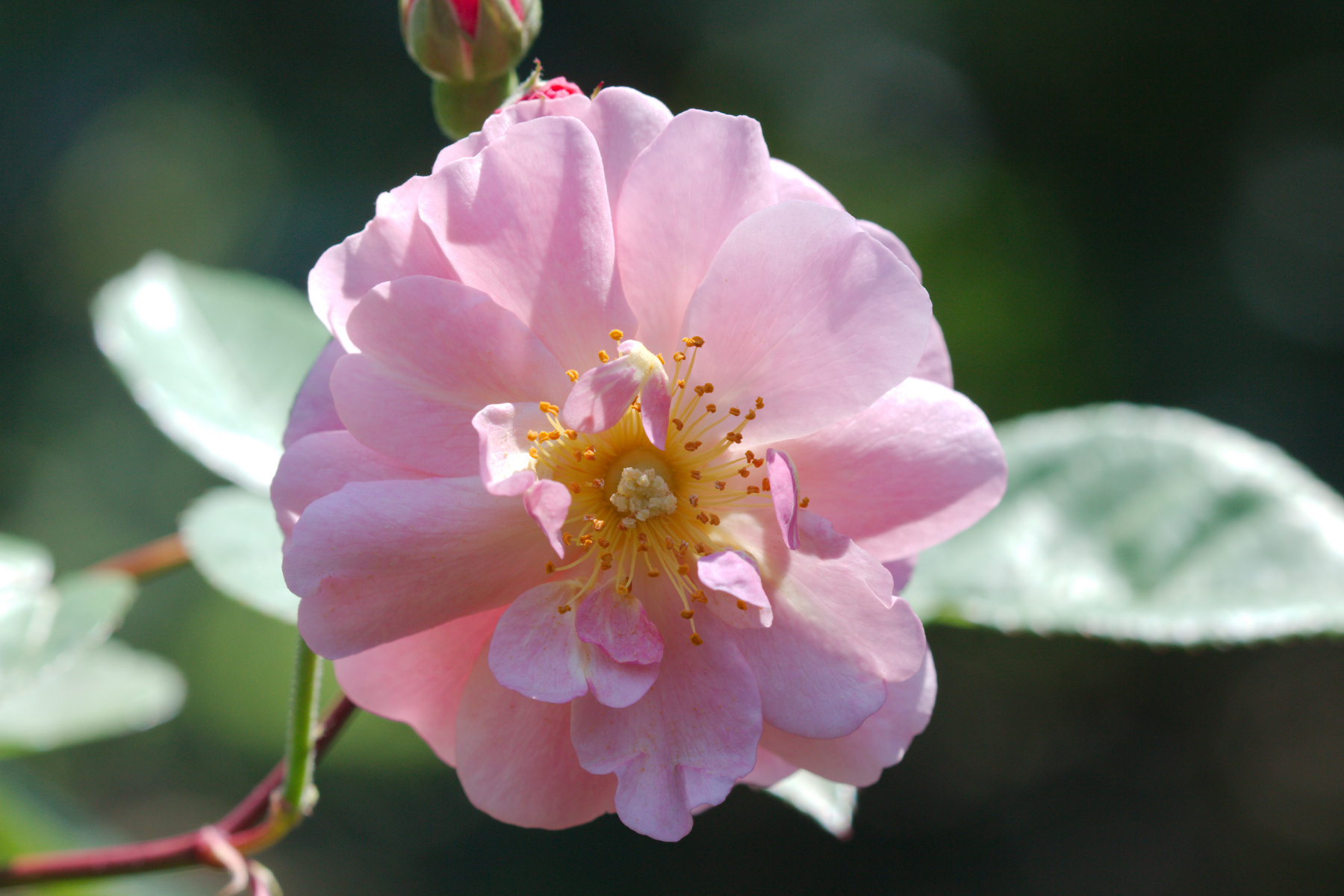
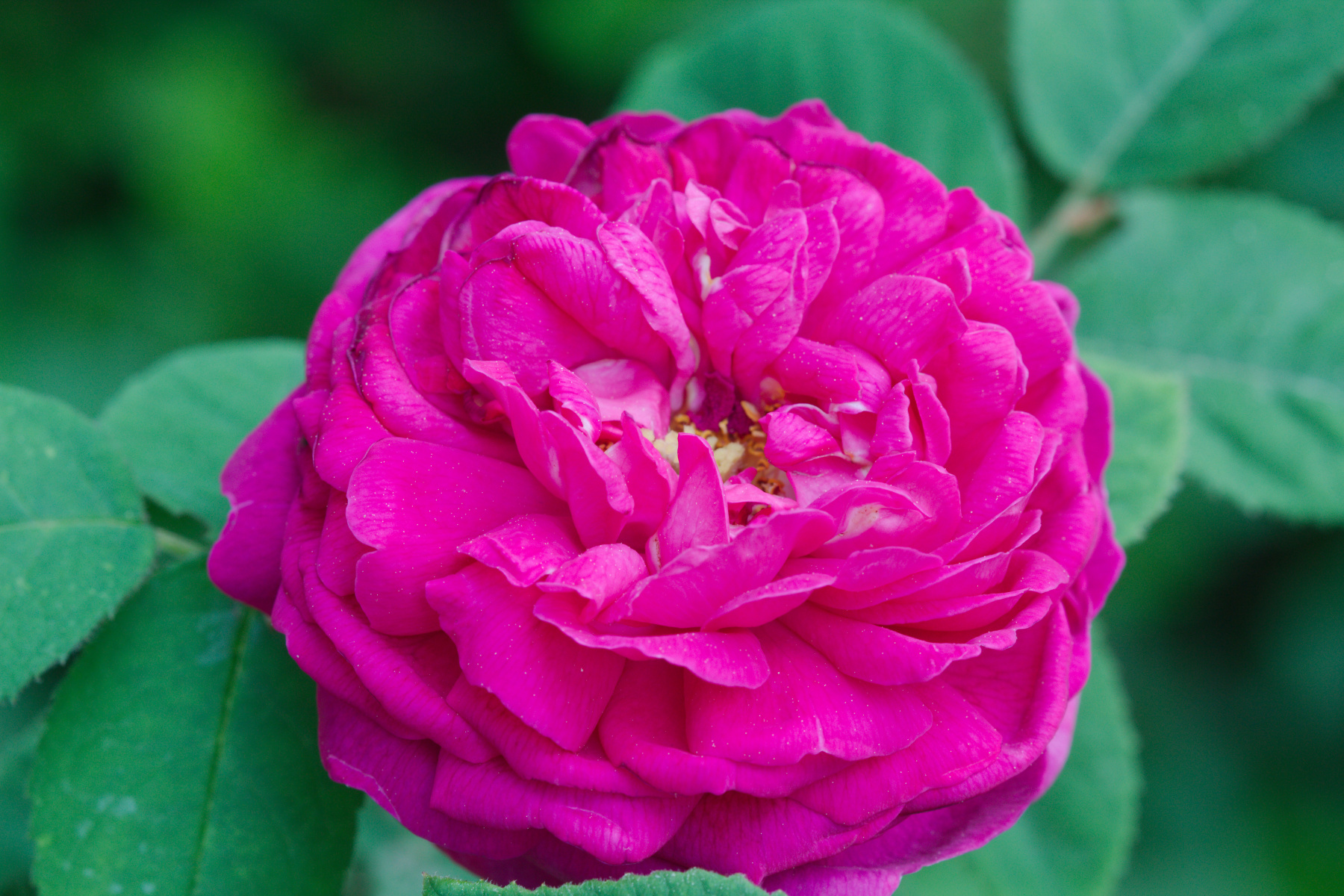
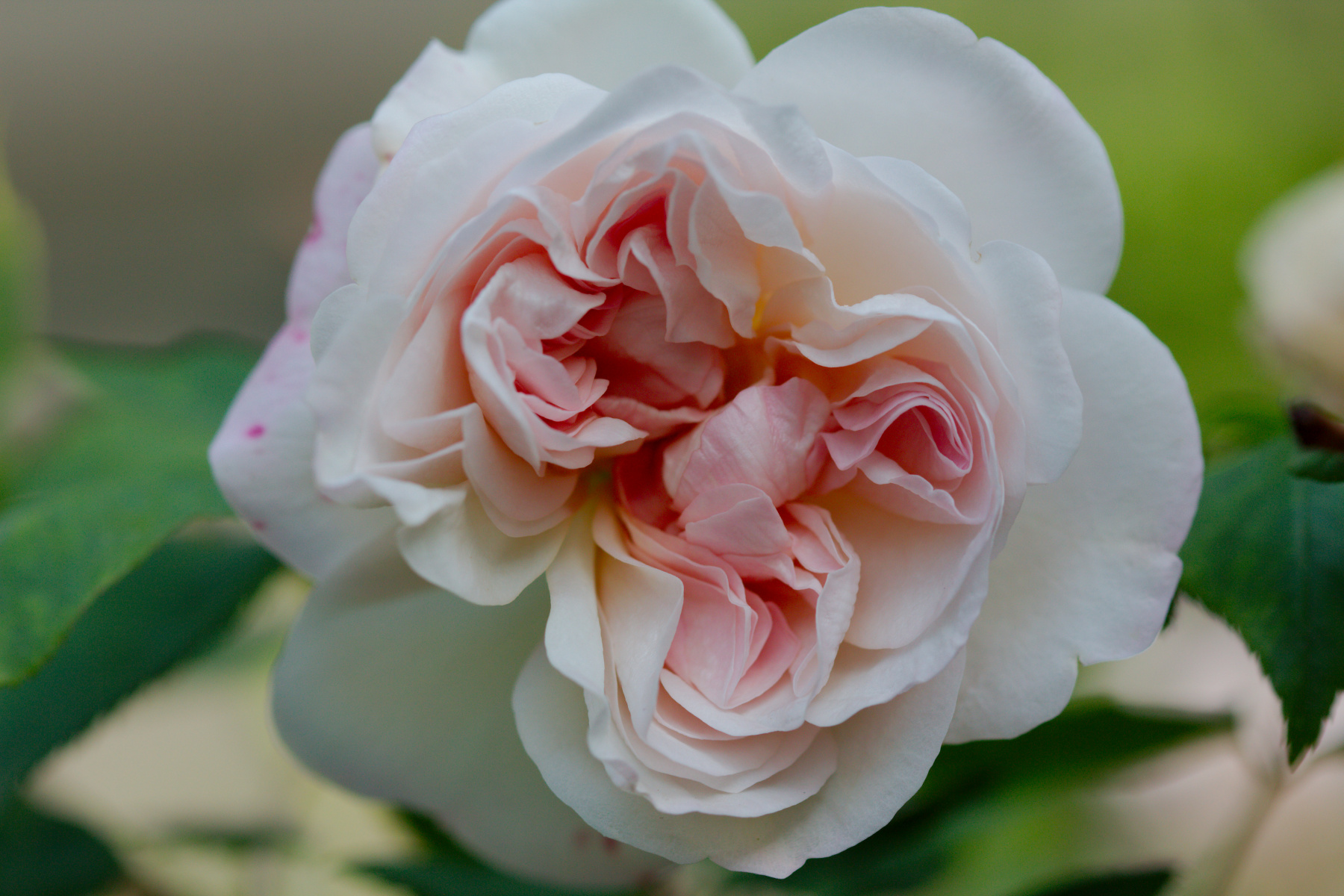
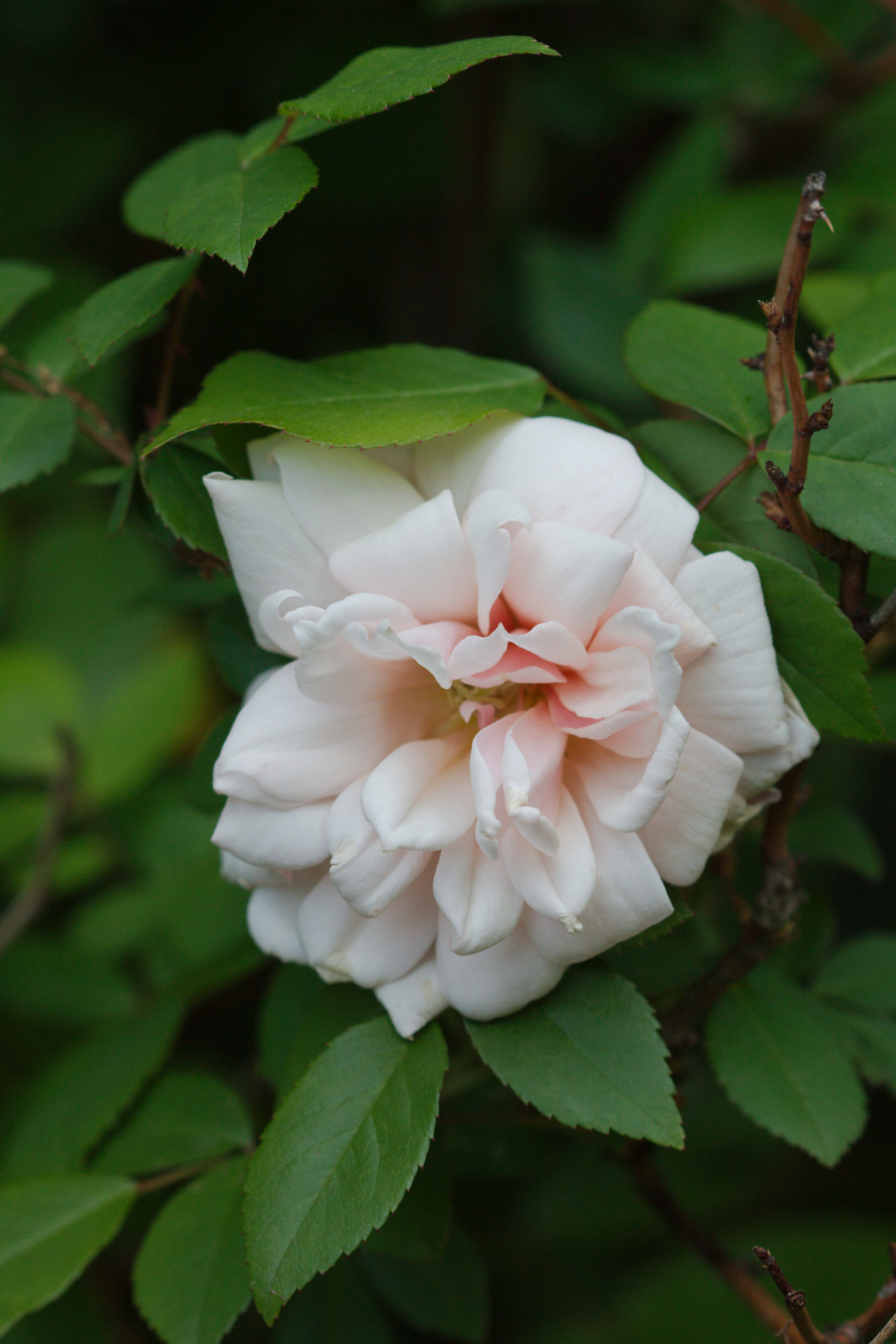
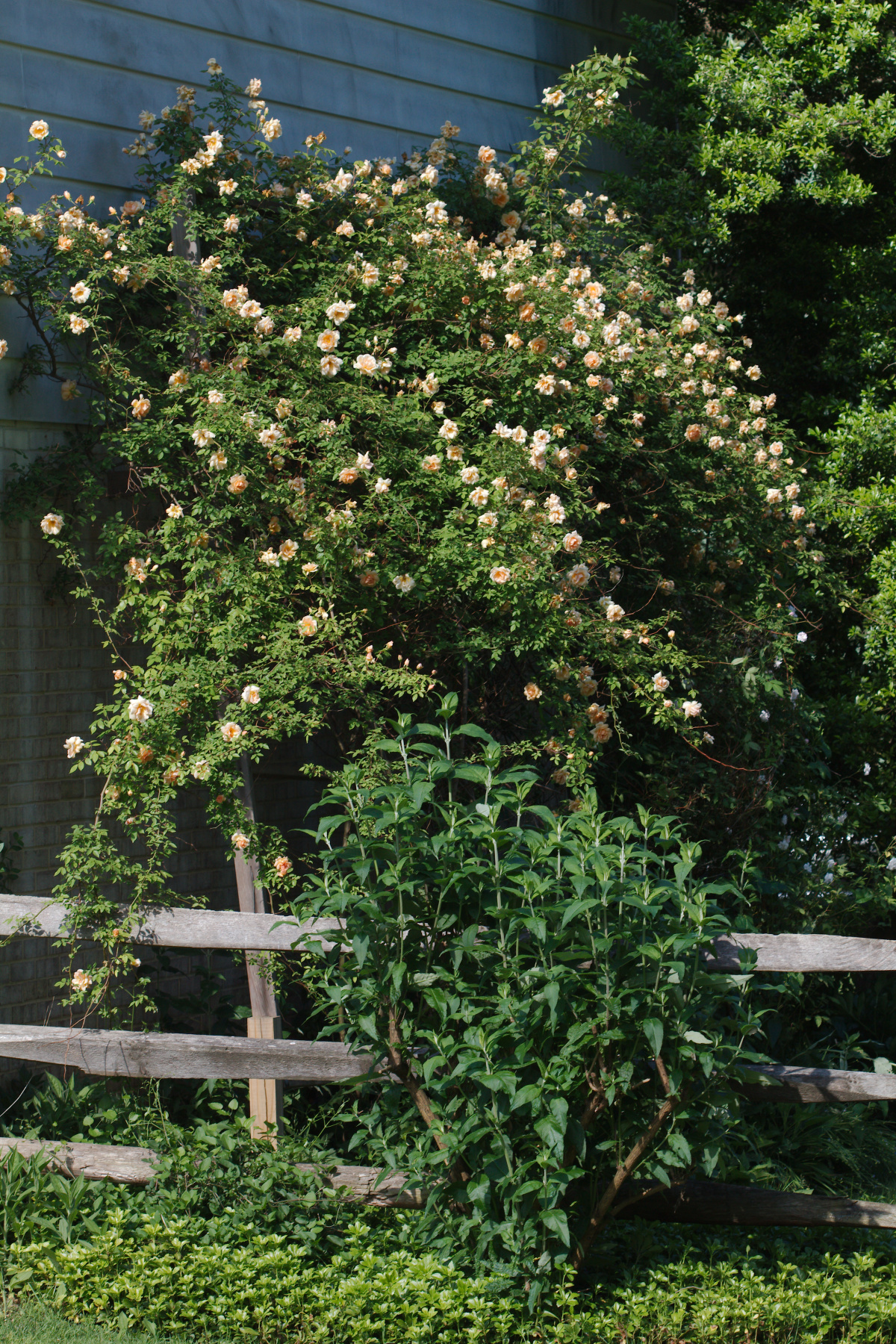
This little rose called ‘Perle d’Or’ is growing outside our front door. A few years ago it was a seven foot tall shrub but the winters of 2014 and 2015 each had very cold spells and killed back all of the taller canes. It’s much smaller than it was, less than five feet at the tallest point. This last winter was much milder in terms of temperature, though, and didn’t do so much damage and it will probably come back strong. It’s covered with these petite pink blossoms that are wonderfully fragrant. On a humid evening (like we’ve had the last week) they are really nice.
Coreopsis
We have some Coreopsis in the bed at the back of our yard. That bed actually needs a bit of work, but this is a fairly reliable little perennial that I’d hate to lose to any renovation. It’s a very cheery orange color and although later in the summer that would be drowned out by all the black-eyed Susans, at this time of year, before even the day lilies have started to bloom, it’s quite welcome. We’ve had other Coreopsis plants but they haven’t done as well as this one with large petaled flowers and less feathery foliage. It’s quite happy to be mostly neglected, which is sort of what it takes in that garden.
Iris ‘Eric the Red’
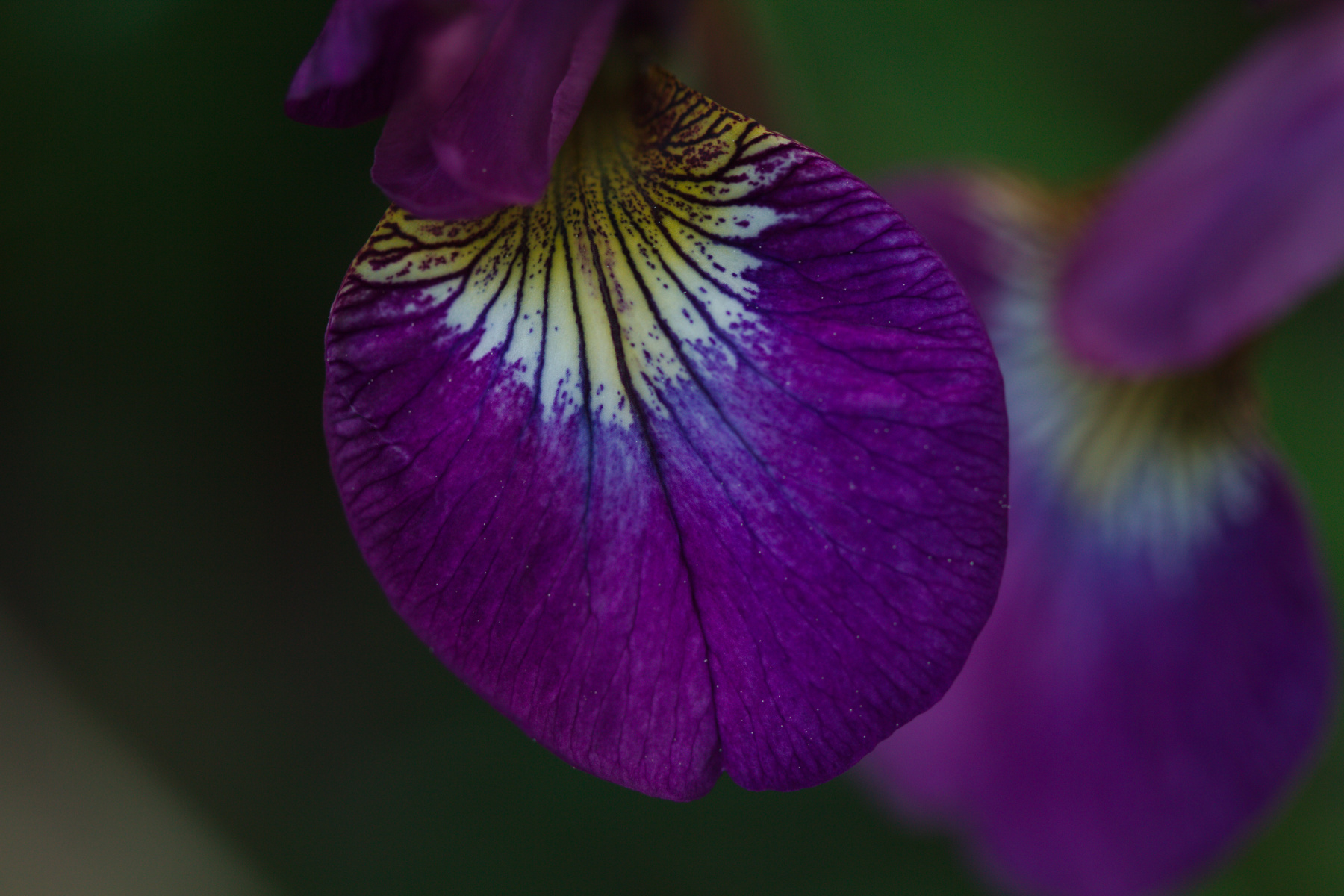
This is a little Siberian iris called ‘Eric the Red’ and it’s in full bloom in our front yard. I really like this little thing, which in our yard only stands about 14 to 18 inches tall, though I’ve seen data that suggests it gets taller. It’s supposed to do well in a bog garden but ours is in a fairly dry spot, which may account for the shorter growth. It’s certainly happy there and blooms reliably. It’s usually hot by this time of year so the flowers don’t last all that long but they are great while they do.
Peony Sunrise
As I said in yesterday’s post, it’s been a good spring for peonies, at least in terms of my notice of them. Today features yet another peony photograph. We were up in Pennsylvania again today, doing a bit more work towards the big wedding coming up before long. I sprayed poison ivy again and am slowly but surely getting it taken care of. It won’t be gone by the wedding, but it needs to be done in any case.
This peony is one of a few growing in front of the cabin. We cleared weeds out of the garden two weeks ago and it’s starting to look like its old self (some of the weeds were trees with trunks an inch in diameter!). There was just the one bloom on the peony but perhaps if we keep at the weeds it will do better. I thought the flower looked a bit like a rising sun and took a few photos of it.
Peony Garden
I don’t know that this year has been anything out of the ordinary in terms of peony blooms but I think having the new peony blooming in my back yard has gotten me to look at them a bit more than normal. We have some on the end of our house but don’t go around there often enough to notice them, in particular. There is also a peony garden at Seneca Creek State Park with dozens of different peonies. Cathy and I went there once years ago and were a little disappointed in what it’s become. There is a beautiful little garden and truth be told, that alone is worth visiting. But it could be so much more. There is a field, probably six acres or so that is full of peonies. That could be so spectacular. But they only seem to cut the grass once a year (during the winter, when they can mow everything and then let the grass, poison ivy, and everything else you can imagine grow up with and around the peonies. It’s a shame because although the peonies are starting to bloom, many of them are hidden by the grass. You also want to stay out of the deep grass unless you are dressed for poison ivy, which is thick in the place. It’s still pretty but not nearly as impressive as it could be or even as we remember it (although our memories may be at fault there). The peony shown here is in the tended garden.