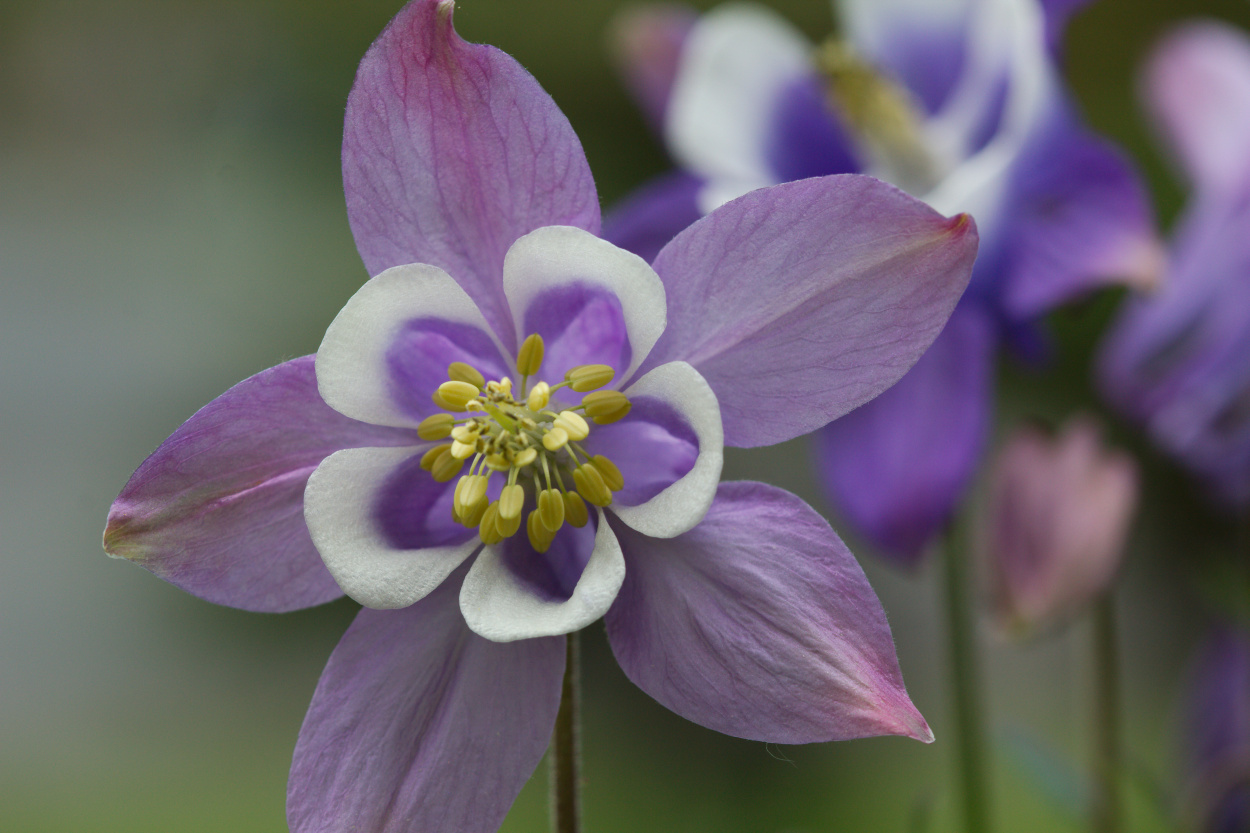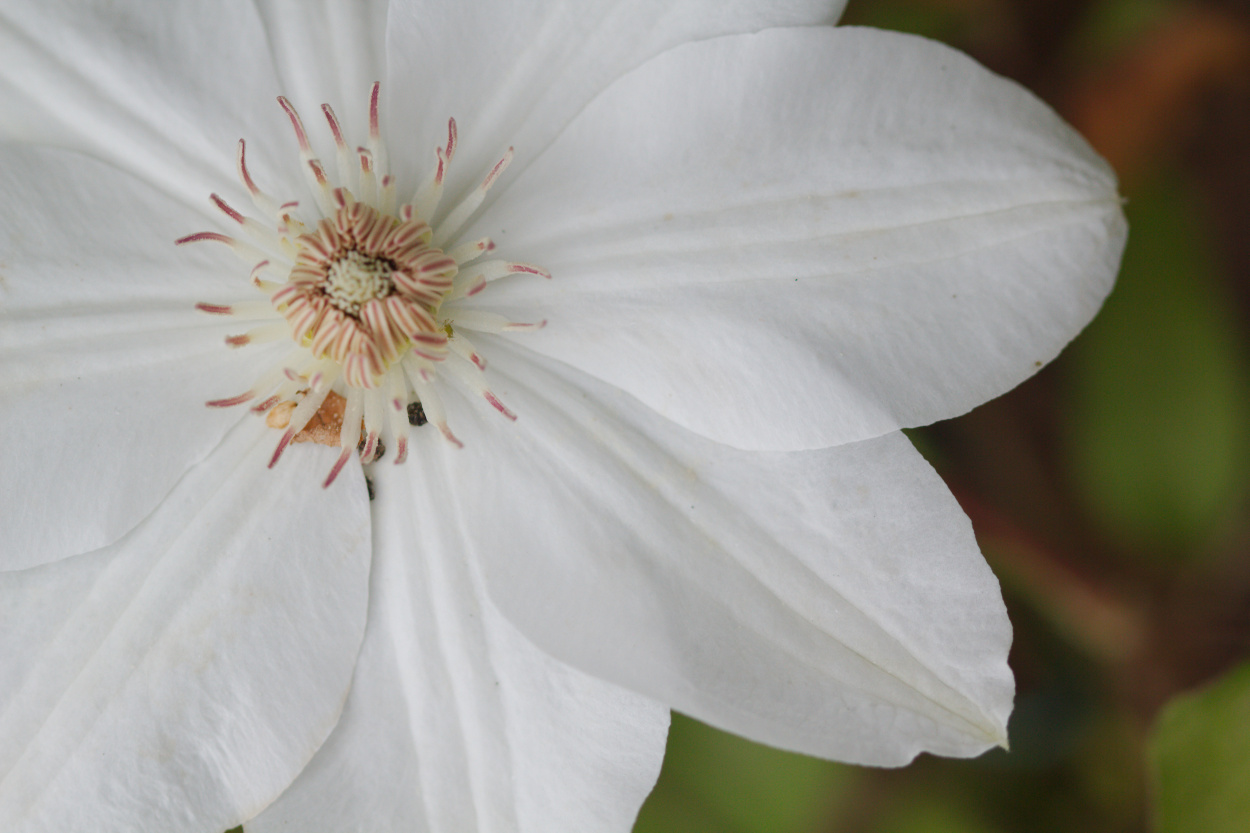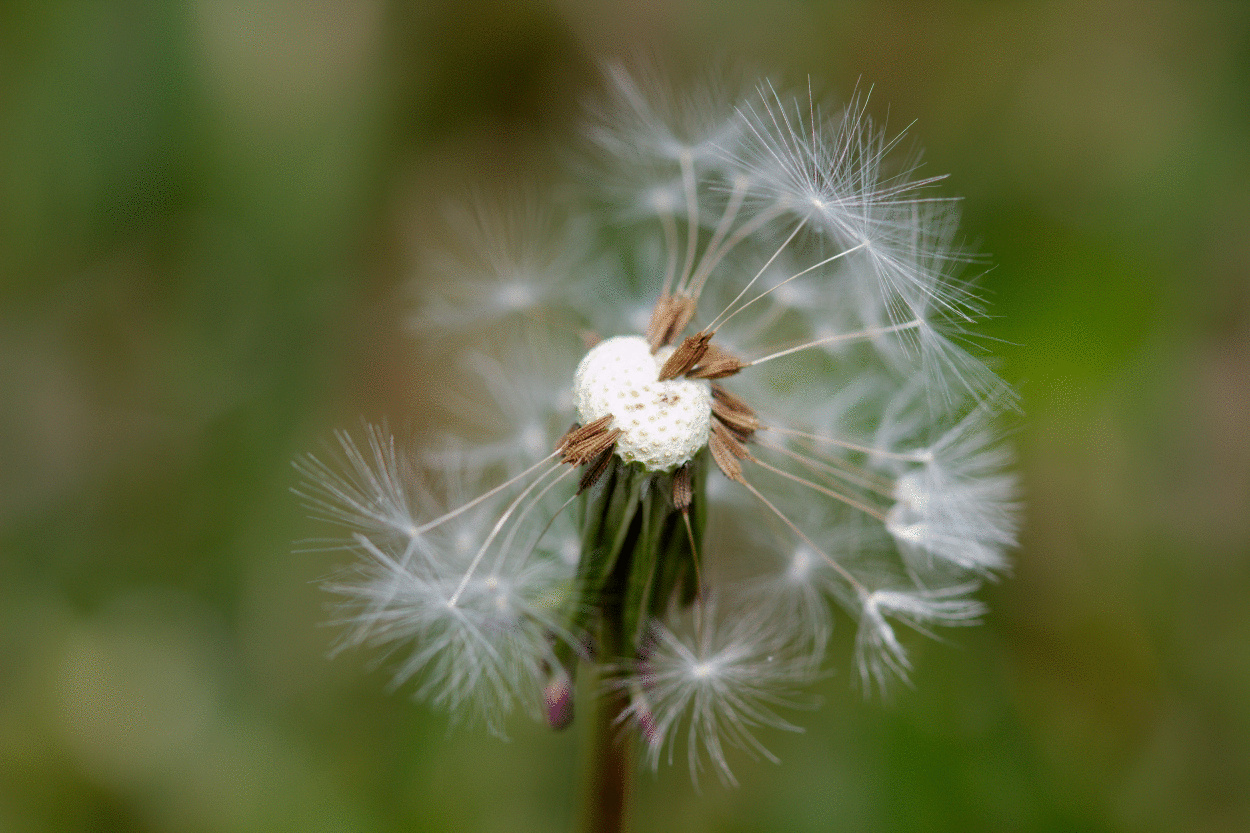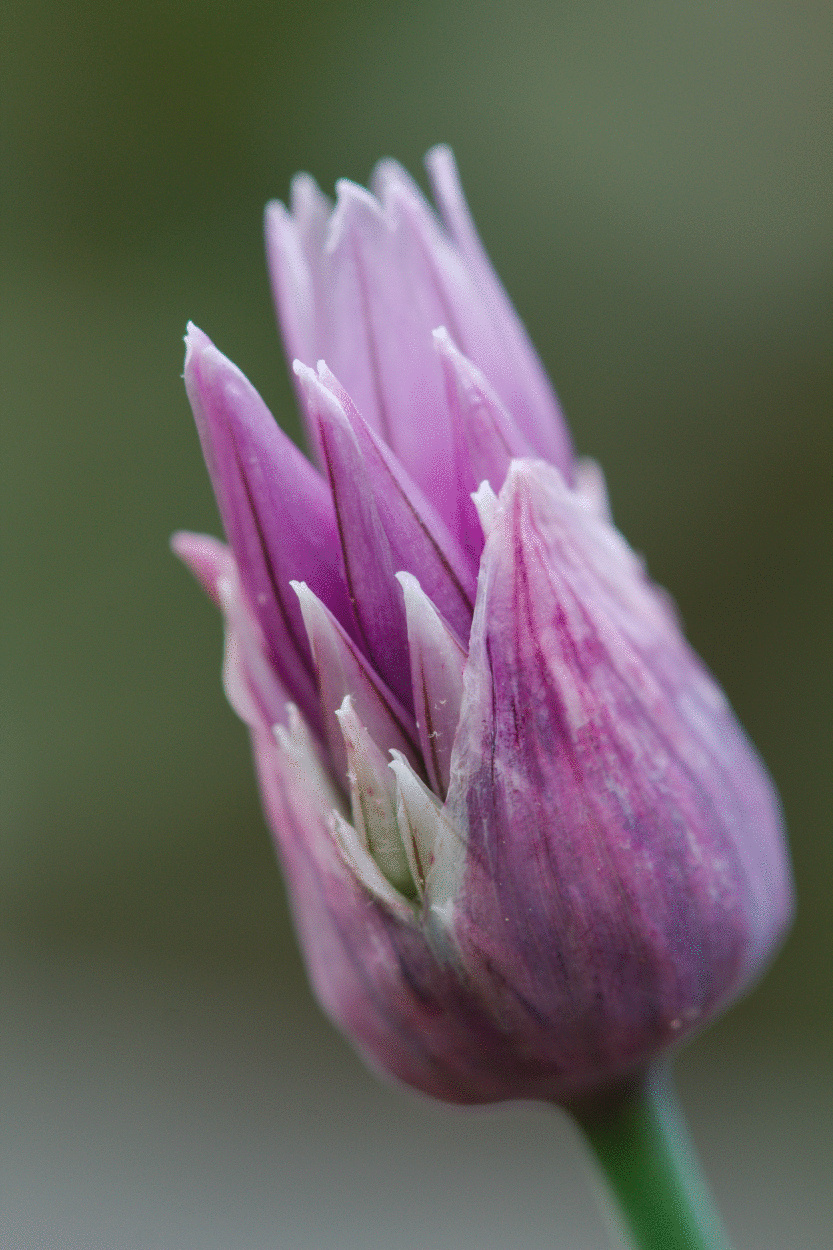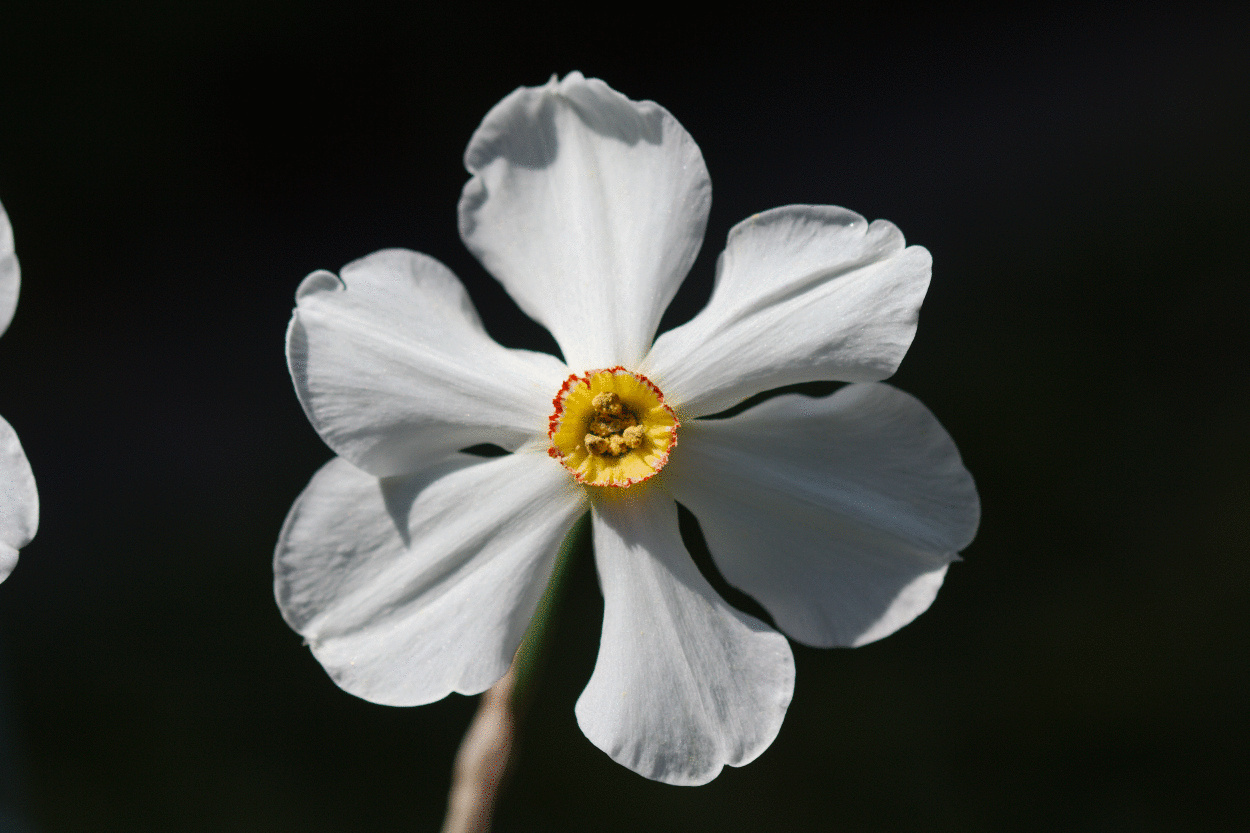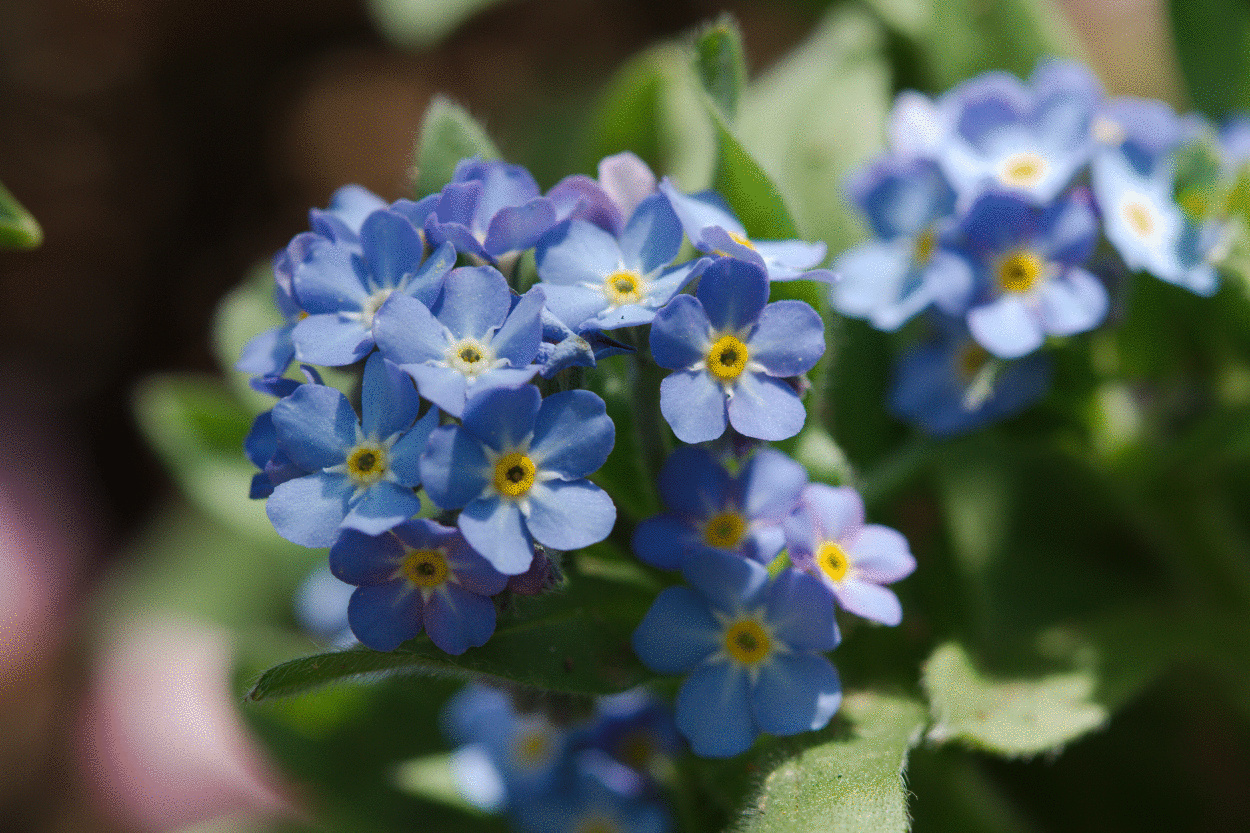
Just over a week ago (on Saturday, February 27, 2016 to be precise) I posted a picture of the first snow drop (Galanthus nivalis) blooming in our yard. I heard from a few folks saying they had those and other things blooming. Now, near the parking lot around my building, along the edge of the woods, there are quite a few snow drops blooming. I park out that way and this morning decided to take the time to get a few pictures. One of my coworkers saw me lying on the grass and wondered momentarily if I was alright. He said he saw me lift my head and then figured out what I was doing.
Flowers and Plants
More Snow Drops (Galanthus nivalis)
Stumped
I was stumped for a subject for a picture today. It was an interesting day and when I came home to Cathy’s mom’s house, I was wandering around the back yard thinking and looking for something to photograph. I found and photographed a few things that I thought would make nice images for the old blog and I decided to post this image of a stump. I really like the intersecting lines of the tree rings with the radial splits of the drying wood and then the big gap between the bark and the wood of the tree.
Eranthis hyemalis (Winter Aconite)
In addition to the snow drops (Galanthus nivalis) blooming in our yard, the winter aconite (Eranthis hyemalis) is also up and out. It’s a bright yellow, so more obvious than the snow drops but it’s also quite small and there is only one small plant remaining. I really need to plant a bunch more. It is in a bed that has gooseneck loosestrife (Lysimachia clethroides) and that doesn’t really do it any favors, although they bloom and actually do most of their growing at different times of the year. I wouldn’t mind replacing the loosestrife with something a little less vigorous (to put it mildly) and perhaps with a little more color.
Snow Drops (Galanthus nivalis)
Are you ready for spring? With the notable exception of that snow storm we had January 22 and 23 it’s actually been a fairly mild winter. By some reckoning spring starts this coming week here. Those of you further south may already be well into it. Of course we know that we can still have snow well into March. In any case, the snow drops are coming up and starting to bloom, so if you delineate spring by when things start to bloom, it’s here. This one is in our yard and there are others more fully open, but those were in the shade and not so suitable for photographing.
Raindrops On Tree Branches
I’ve been taking and posting a photo a day for over five years now. That’s over 1,800 photos and of course some days I’ve posted multiple photos, either grouped together in one post or in separate posts. I may be overestimating the quality of some of those photos but I think that today’s photo is possibly the worst photo I’ve posted in all that time. Certainly in the bottom ten. When I took it, I thought it had promise. This tree, bare and bereft of leaves, was glittering with water droplets and in the light on the side of the building, it was sparkling and quite beautiful. Alas, this photo doesn’t even begin to capture that. It’s a photo of a tree at night, taken by artificial light. But the reality was so much more. At least I tried.
Thanksgiving Cactus
Dorothy is packing up to head back to school tomorrow and one thing she has to take back with her is a small box with a half dozen plants, including two Thanksgiving cacti. Thanksgiving and Christmas cacti are similar and related, both being cultivars of plants in the genus Schlumbergera. Christmas cactus are Schlumbergera x buckleyi, a hybrid between S. truncata and S. russelliana, while Thanksgiving cactus are S. truncata. There are a few distinguishing features of the Thanksgiving cactus, besides the earlier bloom date. The stem segments (those are stems, not leaves) have pointed teeth, their flowers are not symmetrical (the top is different to the bottom, the technical term being zygomorphic), and they have yellow pollen. The Christmas cactus has rounded stem segments, symmetrical flowers, and pink pollen. They are both native to the Organ Mountain range north of Rio de Janeiro in Brazil.
Frost
It has gone from temperatures in the 60s and even 70s for a couple weeks down to about 10°F this morning. It’s noticeable. Yesterday is was cold but without much frost. Today there was quite a bit of frost and I decided to spend a little time in the back yard taking pictures. This is a small sedum plant growing in a container (thus the terra cotta color in the background) on the back patio. As you can see, it’s nicely rimed with tiny ice crystals.
Amaryllis
A few days ago I posted a picture of an amaryllis bud. In fact, it was this bud, which has now opened into a fabulous, bright red flower. This is one of four, as is usual for amaryllis blooms. We had to tie it up to a stake because it is so top heavy but that doesn’t really detract from it’s beauty. We have another coming up, so just about the time this one finishes, the next one should be about ready. It’s certainly nice to have flowers in December (and January). The orchid is still bloomimg, as well.
Amaryllis Bud
Dorothy is home for Christmas and when she came, she brought this amaryllis with her. Fortunately, she didn’t fly home, or that would not really have been possible. It would have been sad to have left it at school, though, because it’s going to bloom in a week or less, and it would have been done by the time she got back, particularly without any water in the meantime.
It’s sitting on our kitchen table now, and starting to open. We’re all looking forward to it’s full splendor when the four flowers open up, deep clear red.
The plant also reminds me of my dad, who liked amaryllises and would often have one at Christmas. It’s a funny old thing, life, with changes you’d rather not face or remember but which cannot be avoided. Every year seems to bring more of them (the changes) and as we get older, they seem to accelerate. I’m ever so thankful for the things we have (mostly for the people we know and love) but always conscious of those who we have lost.
Bramble Leaves
I got outside again late this morning. It was quite pleasant out, warm and mostly sunny, and I walked around looking for color. As I mentioned in yesterday’s post, the predominant color outside now is brown. Of course, there is always a significant amount of green, as some grasses keep their color throughout the year. But other colors are a little harder to find. Many of the bramble bushes have lost their leaves and are only providing color in their rusty red stems and the red, hairy thorns that coat them. But I found one large patch that still had quite a few leaves, mostly a dark, mahogany color, but with a few that were bright crimson.
Rose Hips
The leaves have all fallen, except those of the young beech trees and some oaks, which hold their dried leaves ’till spring. The fall color has mostly faded to brown and the brighter colors are mostly subdued. But there is still a little color to be found. This afternoon I went out into the woods beside my office and took pictures of two sources of color. This the first, is of rose hips from a multiflora rose growing among the trees, it’s bright hips happy in the afternoon sun. The other was of the red fuzz on bramble stems, forming a glowing mist in the lowering sun.
Phalaenopsis Orchids
I’ve been bad about keeping the houseplants in our kitchen watered lately. I think I went about three weeks without watering our orchids, which is a bit too long. Then, earlier this week Cathy noticed that this one was in bloom. So, I guess I didn’t do any permanent harm to them. I’ve watered them now, and will try to keep it up better, but in the meantime, we’re enjoying these beautiful blooms. We’ve had this Phalaenopsis orchid for a while now and it blooms about once a year. The flowers last for more than a month, if it’s taken care of while blooming, which is pretty impressive for a flower so delicate.
Frosty Oak Leaf
It was a chilly morning today, feeling like early December, and although there was frost on the ground, I hesitated to go out to photograph it. I was too comfortable indoors. As I was taking things out to the car, though, preparing to go to work, I figured I was already out, so I might as well get down on the ground and take a few. This is a portion of a red oak leaf, rimed with tiny ice crystals, which I found quite pretty.
A Coat of Many Colors
Do you know the story of Joseph, his brothers, and his father? Isaac loved all his children but Joseph was special in his eyes. He gave Joseph a brightly colored coat and this didn’t go down too well with his other sons, Joseph’s brothers. They didn’t treat Joseph too well. That worked out in the end but there was a long while that it seemed to be going poorly for Joseph.
Do you think other trees are envious of this oak tree? I mean, talk about a coat of many colors! Joseph’s coat has nothing on this one.
Acer palmatum (Japanese Maple)
The vast majority of the trees around here have lost their leaves of most of their leaves. Those that are holding on are mostly the oaks and the beeches, which sometimes keep a significant percentage of them through the winter. One exception is the Japanese maple (Acer palmatum) in our next door neighbor’s front yard. It’s not only still got most of its leaves but they are a really brilliant crimson. It won’t be long until they, too, are gone but while they last, I’m really enjoying them.
Limonium sinuatum (Statice)
Like yesterday, I didn’t get out at all today so I figured I’d take pictures of something in the house. In addition to the orange pincushion protea (Leucospermum cordifolium) that I photographed yesterday, there are some dried statice flowers (Limonium sinuatum) in the kitchen. That’s what today’s flowers are. They really have held their color quite well and their crape paper like petals are very pretty.
Leucospermum cordifolium (Pincushion Protea)
I’ve had good opportunities to get fall-color related pictures or dramatic sky pictures the last few days, but today I was pretty busy at work throughout the day and didn’t get a chance to go out. So, this evening I took some pictures of a flower that is drying out in our kitchen. It is a pincushion protea (Leucospermum cordifolium) and is from a shrub native to South Africa. They make good additions to flower arrangements and are quite striking. As you can see, even after they have started to dry out, they remain quite pretty. Up close, I think of it as a Medusa flower.
Liquidambar styraciflua (American Sweetgum)
I had my annual physical this morning so took a slightly different route coming in. I also had a little extra time, so I stopped to take some pictures of fall color. These are the leaves of a sweetgum tree, or maybe more properly an American sweetgum (Liquidambar styraciflua) to differentiate it from the Chang’s, Chinese, and Turkish Sweetgums, which are L. acalycina, formosana, and orientalis, respectively. If you want a tree with great fall color, this would be a good choice. You might want to look for a variety that doesn’t bear fruit, which can be an annoyance in a yard. There is also a variety called ‘Rotundiloba’ which has rounded lobes in addition to being fruitless. But the species is worthy in itself, especially if planted in a large yard away from where you want to walk barefoot.
Marigold
Cathy and I worked a bit in the yard early this afternoon, filling in some bare spots with grass seed. Cathy put down some LeafGro on the bare spots and I spread the seed. I also spent a little time taking pictures. The flower bed that Cathy planted in the front of our yard, where the red oak tree used to be has done well all summer and made it through the light frosts we’ve had with the help of sheets over it at night. This is a bright, cheery marigold, petals glistening with water from recent rain.
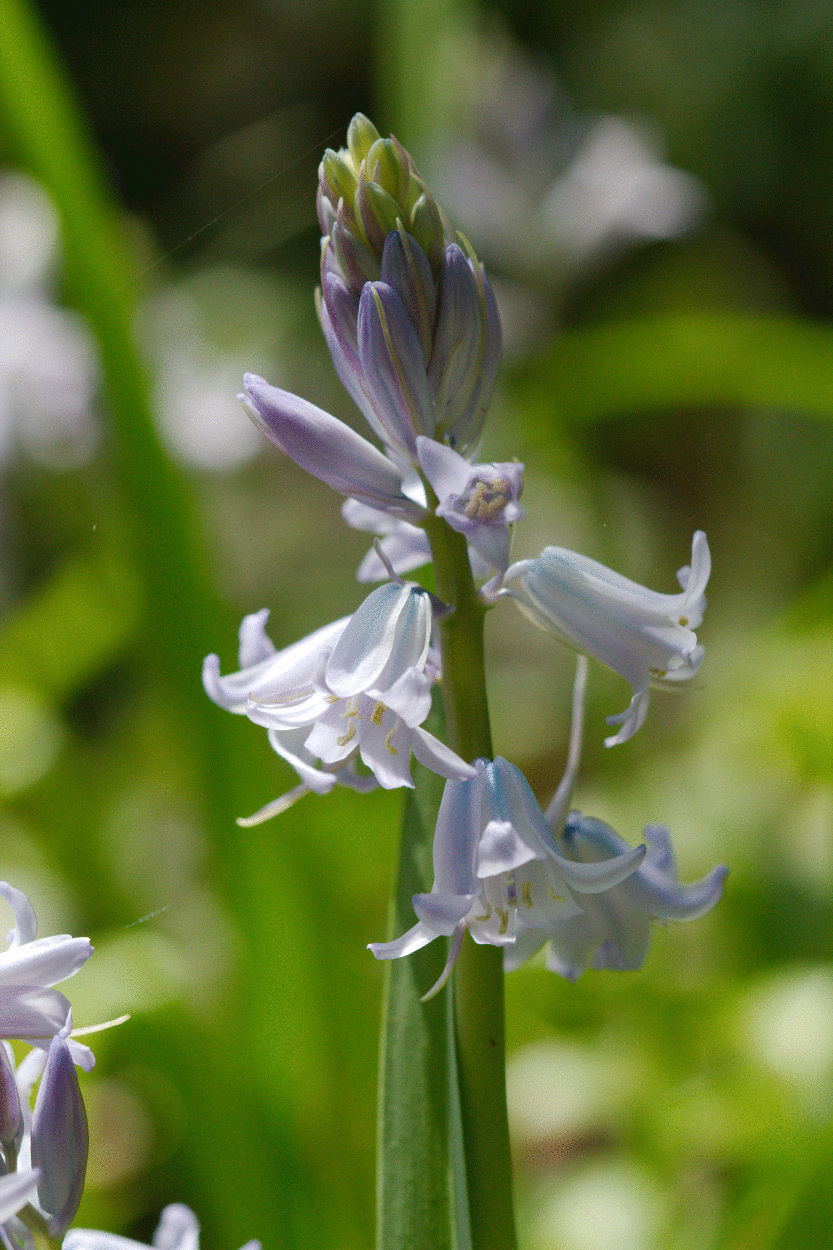
C&O Canal, Below Swain’s Lock
It was another absolutely beautiful day today. Cathy had a soccer game and I was in Potomac anyway, so I decided to go for a walk on the C&O Canal. I drove out River Road and down to Swain’s Lock, walking down the towpath towards D.C. There were quite a few people out, as you’d expect on a day like this, but fewer than there would have been in summer, I suppose. It was the perfect temperature for a walk and the sky was remarkably blue. The colors in the trees seem to have passed their peak, in general, but there was still a fair amount, here and there.
The beech trees are still mostly green and the sycamores nearly bare. There was less red then one could hope for, adding exclamation points to the vistas, but there were a few places, like around this rock, where there was still a riot of color to be seen.