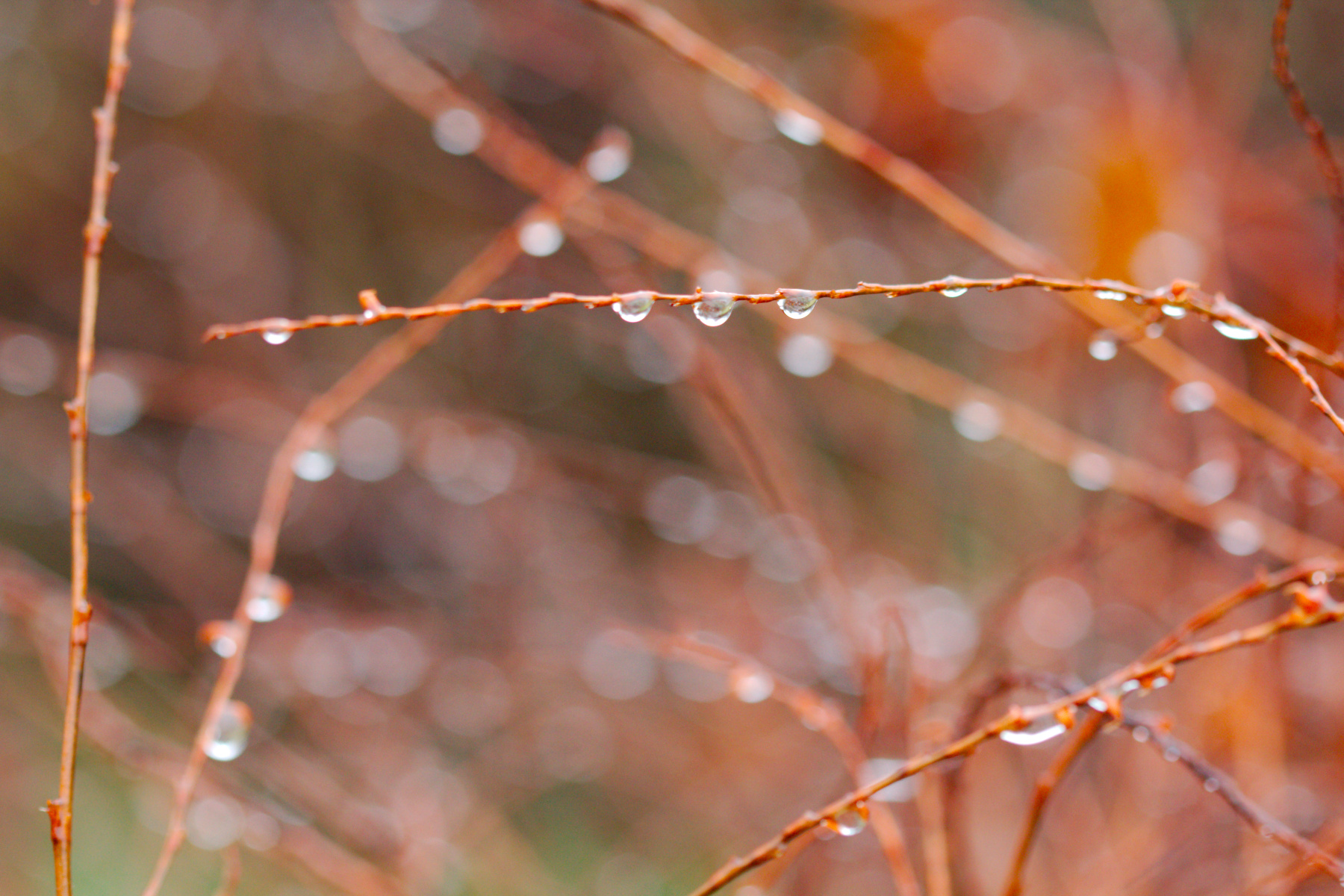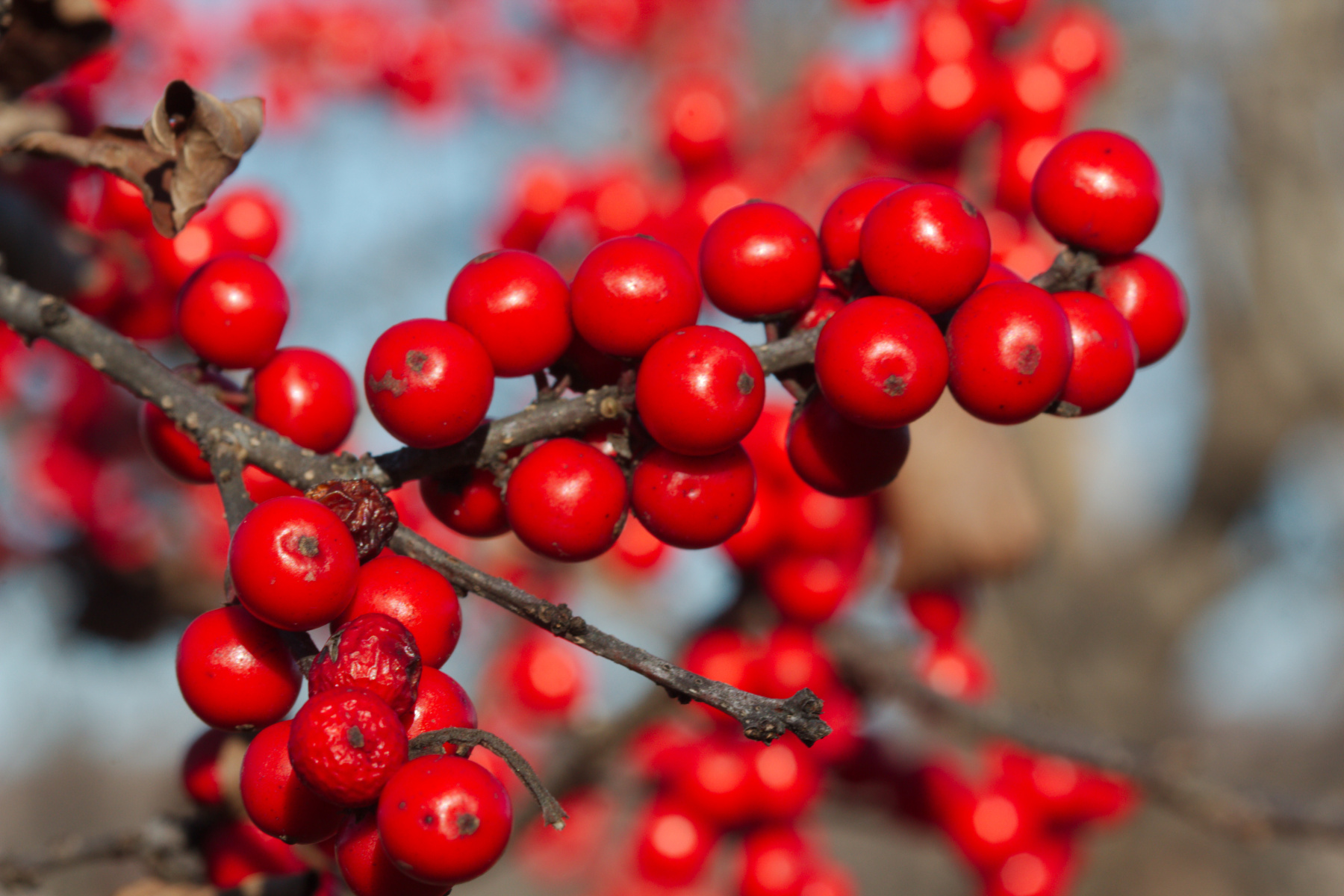
Holly isn’t my favorite genus but there are hollies and then there are hollies. What I most people think of when you mention holly is thick, leathery leaves with spines along the sides and end. To my way of thinking, they are not ideal in a yard, especially if you like to go barefoot. Ilex verticillata, on the other hand, has leaves that do not impale your feet. They also lose their leaves in the winter and make up for it with an abundance of bright red berries. It is aptly named winterberry.
Flowers and Plants
Ilex verticillata (Winterberry)
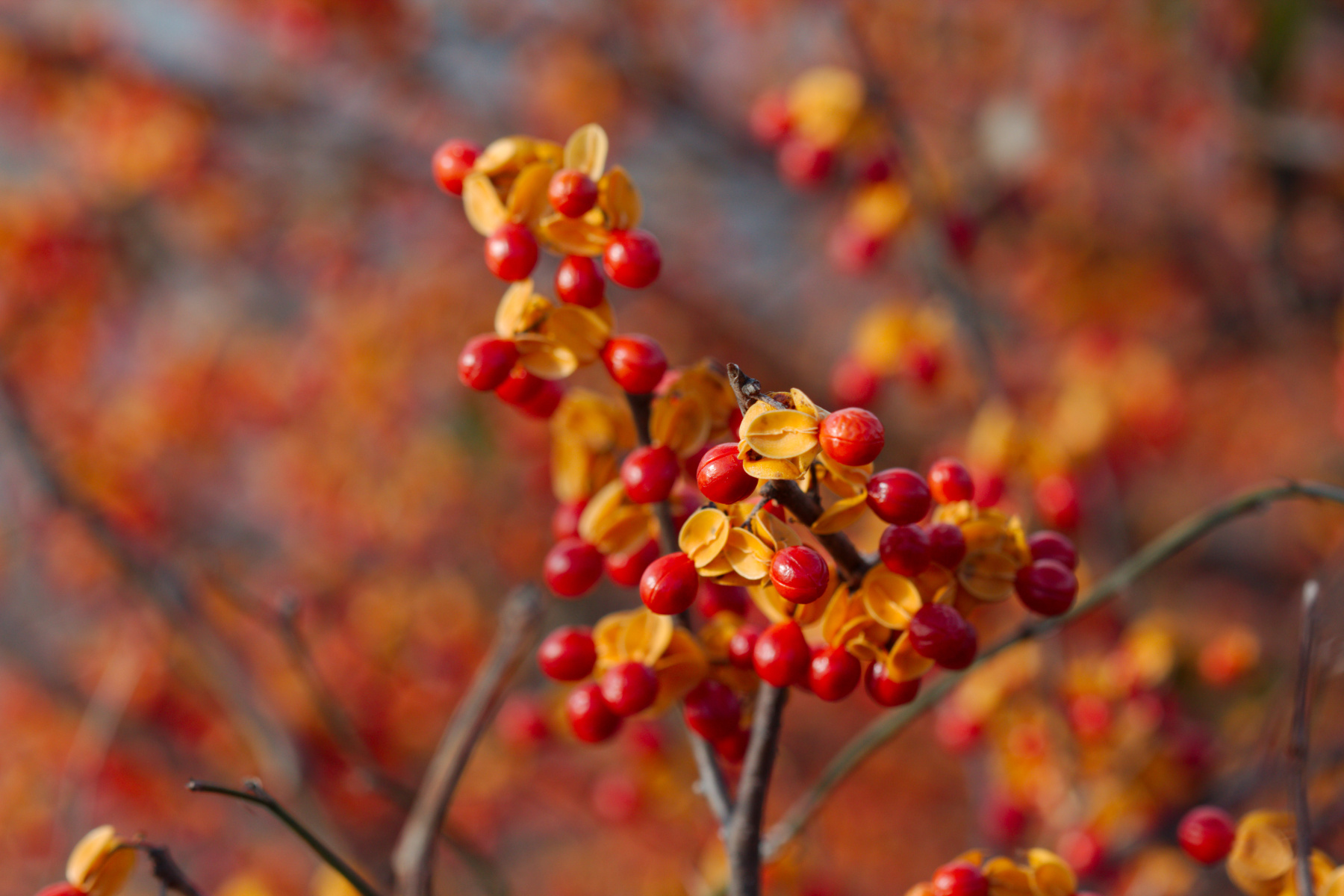
Celastrus orbiculatus (Oriental Bittersweet)
Cathy and I went for a walk on the Blue Mash trail in Laytonsville. It’s just behind a landfil and is mostly reverting to woods but there are some areas kept open, as well. There is a small pond and around it there were fairly dense stands of oriental bittersweet (Celastrus orbiculatus), also known as climbing spindleberry. It is a non-native, invasive species and grows much more vigorously than the native C. scandens (American bittersweet). I know we’re not suppose to like invasive species but I find it quite pretty and (probably because I don’t have to do battle with it in our yard) don’t mind it too much.
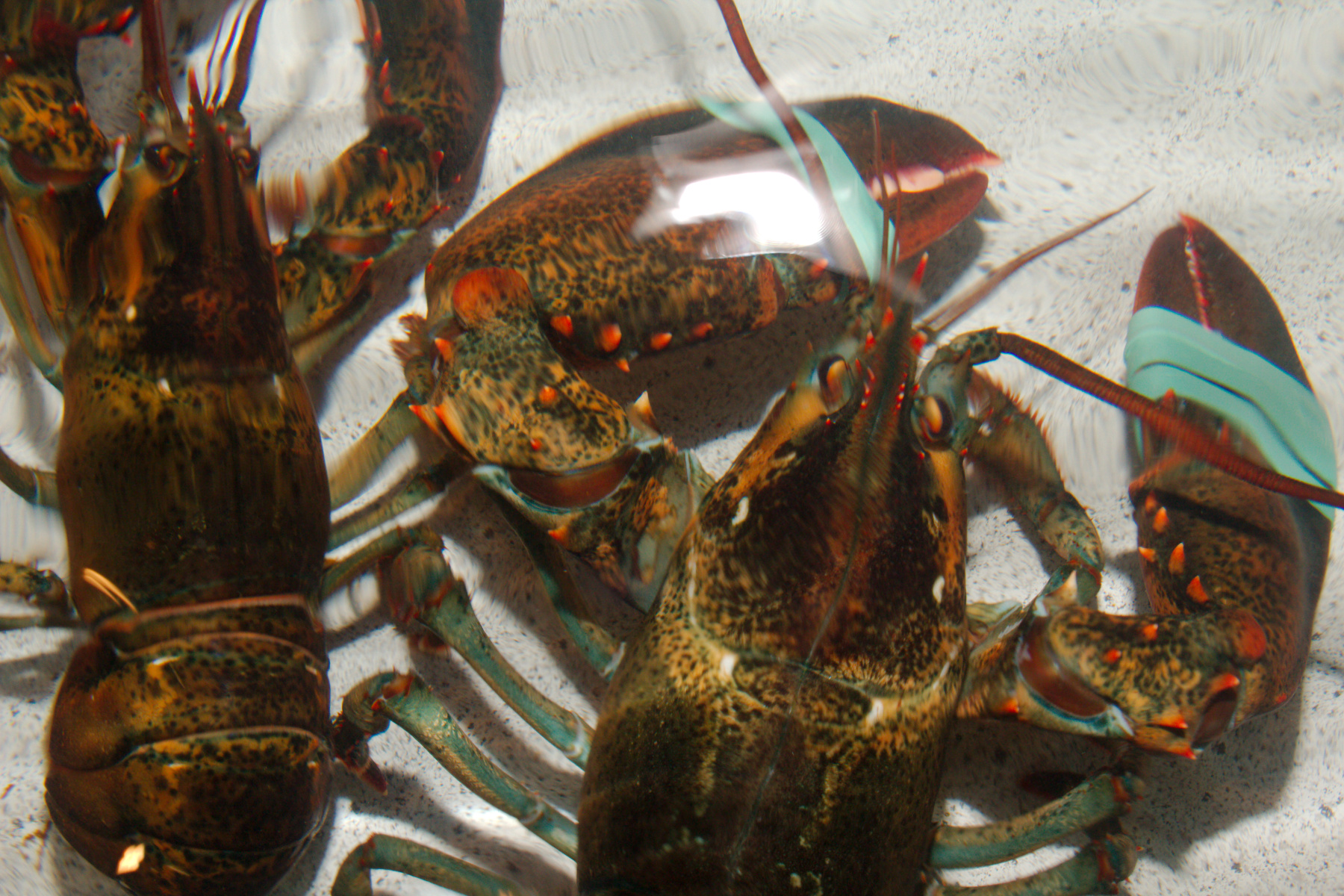
American Lobster
Cathy and I went to dinner with her mom for Cathy’s birthday this evening. We went to Red Lobster and had a good meal and a nice time together. As we were leaving, I stopped to take a few pictures of the lobsters (not yet red) in the tank inside the door.
Growing up, there was a book on our shelves called Animals Without Backbones by Ralph Buchsbaum of the Department of Zoölogy at The University of Chicago. One of my best friends in high school happened to have the same book in their house. We were both amused by the caption for a picture of a lobster at the top of page 268-8 which read as follows:
The lobster, Homarus, is mostly dark green when alive; but when boiled, like this one and like millions of others every year, turns bright red. Abouot half an hour after this picture was taken this lobster was reduced to an empty exoskeleton.
Nice.
Frost
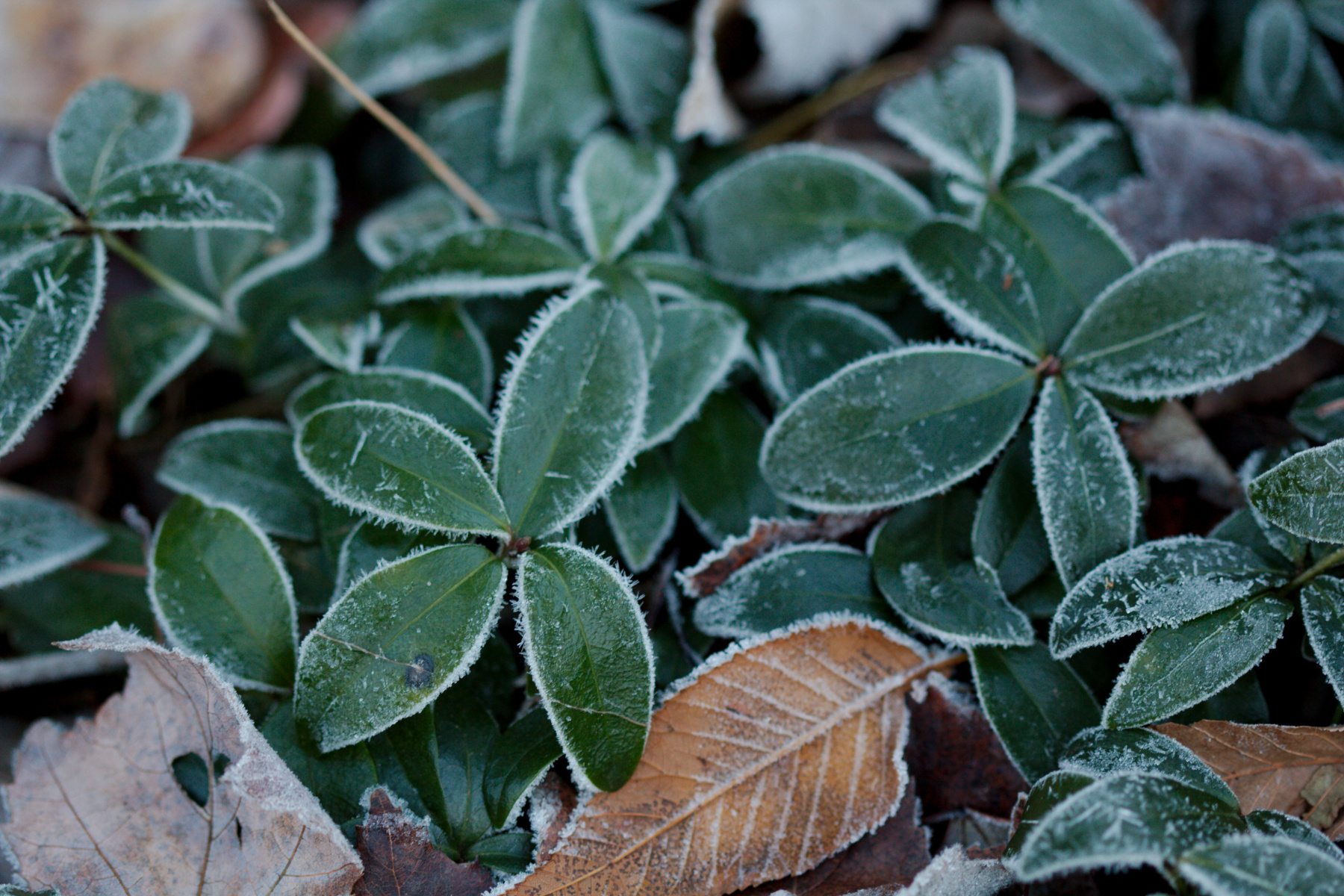
This isn’t our first frost of the year. There have been two or three days when many of the lawns in our neighborhood have been touched with white in the morning. But this is the first time this fall it’s been enough to include the shady areas of our back yard. Waking up and seeing frost in the yard is a good way to remind us of how fortunate we are to have heated homes. So naturally, I went out back to lie on the icy grass to take some pictures. I did put something down to lie on, of course, which made it a bit more comfortable. I love the way the ice limns the edges of these vinca leaves.
Cornus kousa
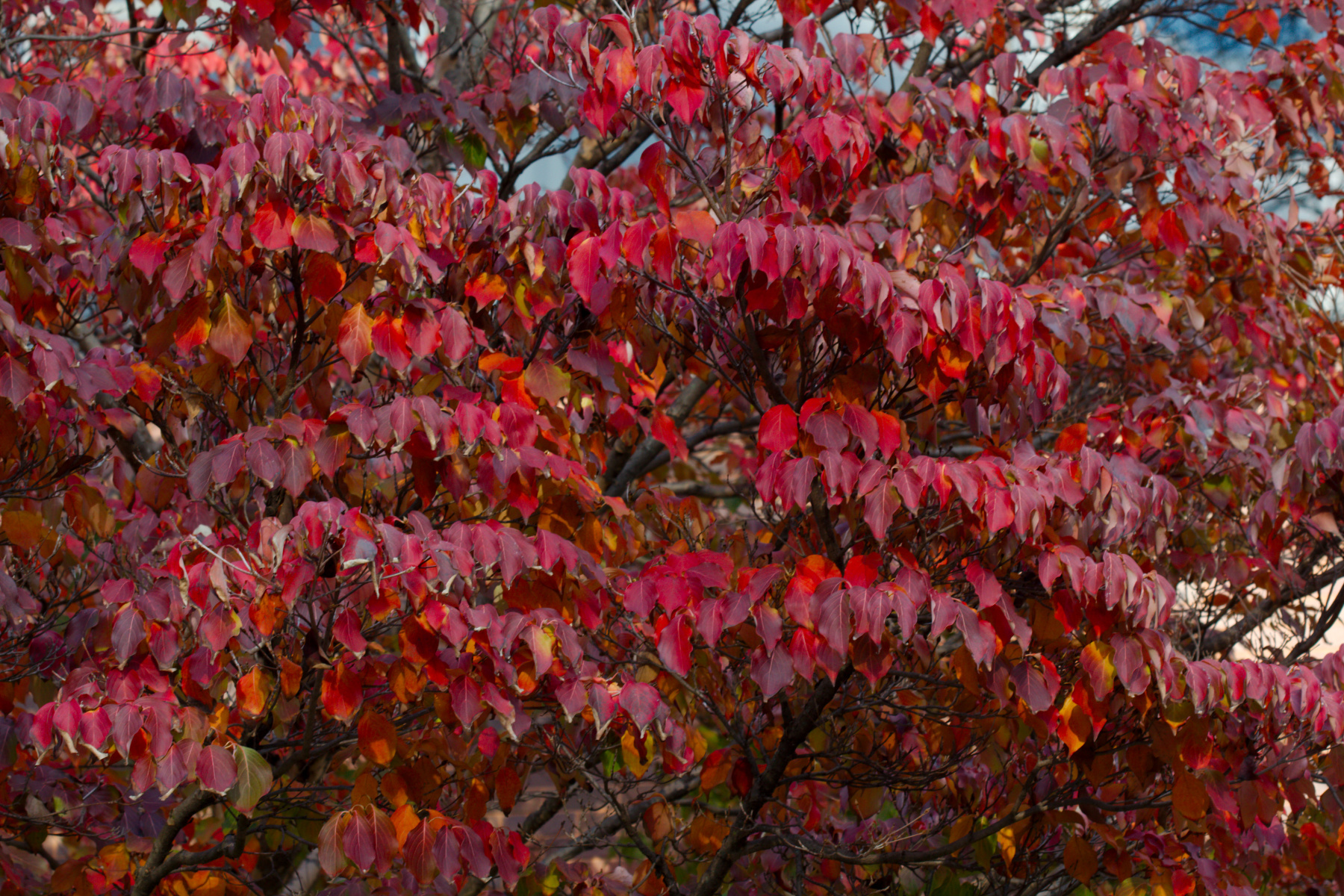
Outside my office building there are quite a few trees. At the front, just around the corner from my office there are kousa dogwood trees (Cornus kousa). Then in the back at the far end there are more. These are in the afternoon sun and this time of year they are quite lovely, blazing in their deep, fiery, orange-red leaves. I know it’s not hip to prefer a non-native but there is a lot to recommend these over our native dogwood. I don’t think there is any danger of the native trees being put out of business any time soon.
Autumn Color, Untamed Version
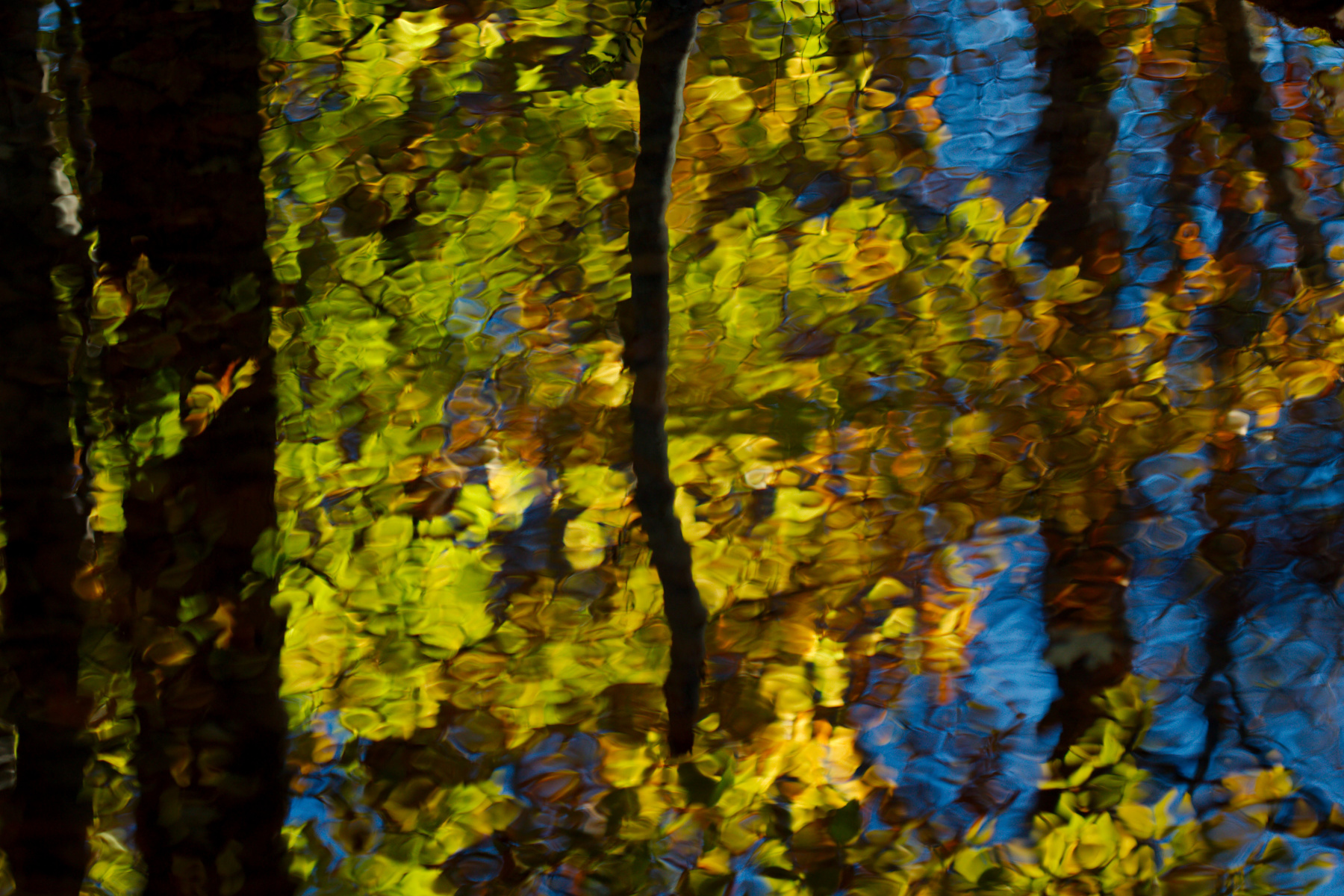
I already posted a picture from today, my Autumn Color, Domesticated Version, but I also wanted to post a few less suburban images. This afternoon, Cathy and I took a walk in the park, which is really a walk in the woods. The path runs through the woods by a stream and in a couple places crosses the stream on bridges. This first picture is of sycamore leaves reflected in the stream from one of those bridges. I was struck not only by the color but by the patters made in the moving water. This is a still picture, of course, and loses something by that lack of movement, but it still reminds me of a stained glass window, made entirely by the creator of all things.
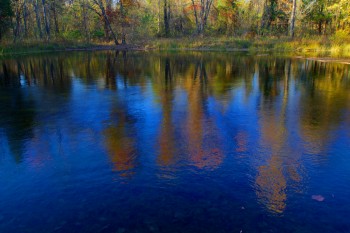
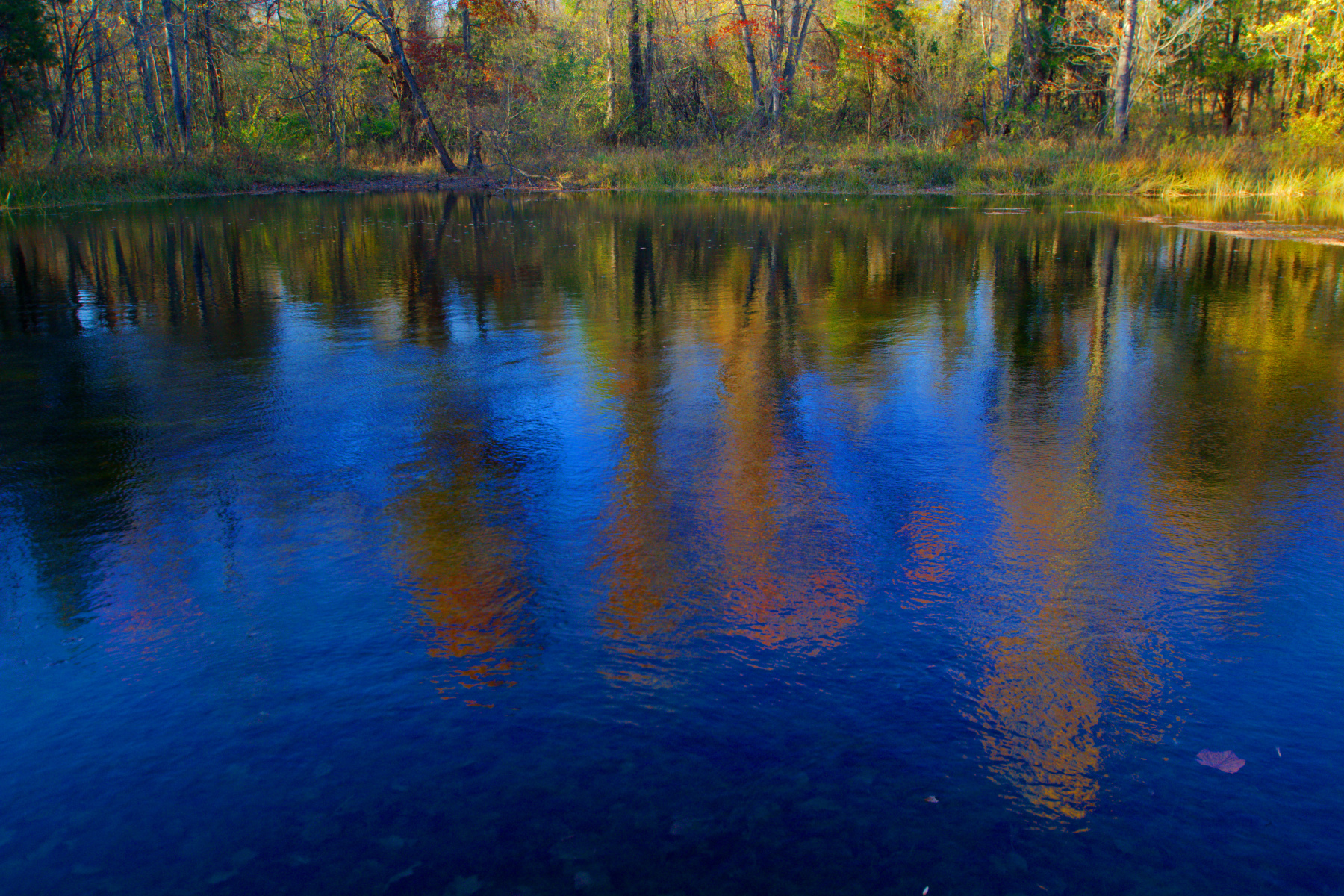
After crossing the creek (wait, it was a stream a minute ago, is it a creek now?) between bridges and also crossing the orange fencing put in to keep us from doing that (the county has been “rehabilitating” the creek for a couple years now, and it looks to continue for a long time to come) we made our way to Sunfish Pond. The mid-afternoon light on the pond was beautiful, As we walked around so that the sun was to our left, the colors deepened and the reflections stood our more brilliantly. I often find myself jealous of people living in Alaska, Colorado, Wyoming, or northern California, where mountains and lakes are so spectacular. This may not be up to the likes of Maroon Lake in Colorado or Lake Louise in Alberta, but for a small pond in a suburban park, I think it’s rather pretty.
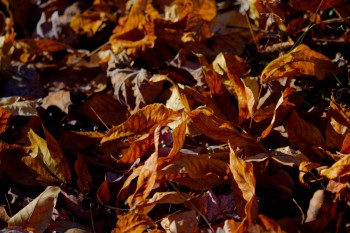
I use Appalachian Melody, October 25, 2012 as the title of a photograph similar to this one of the beech leaves. Nevertheless, that’s what autumn leave make me think of, so I”m using it again. Appalachian Melody, as I said in that earlier post, is the title of a song (and album) by the late Mark Heard, and one of those songs that stays with you (or with me, anyhow). It is one of my favorite songs and I think of it often, usually (naturally) this time of year.
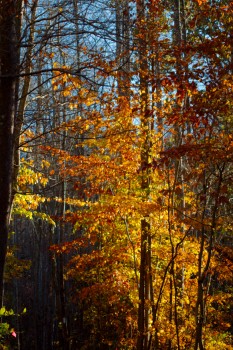
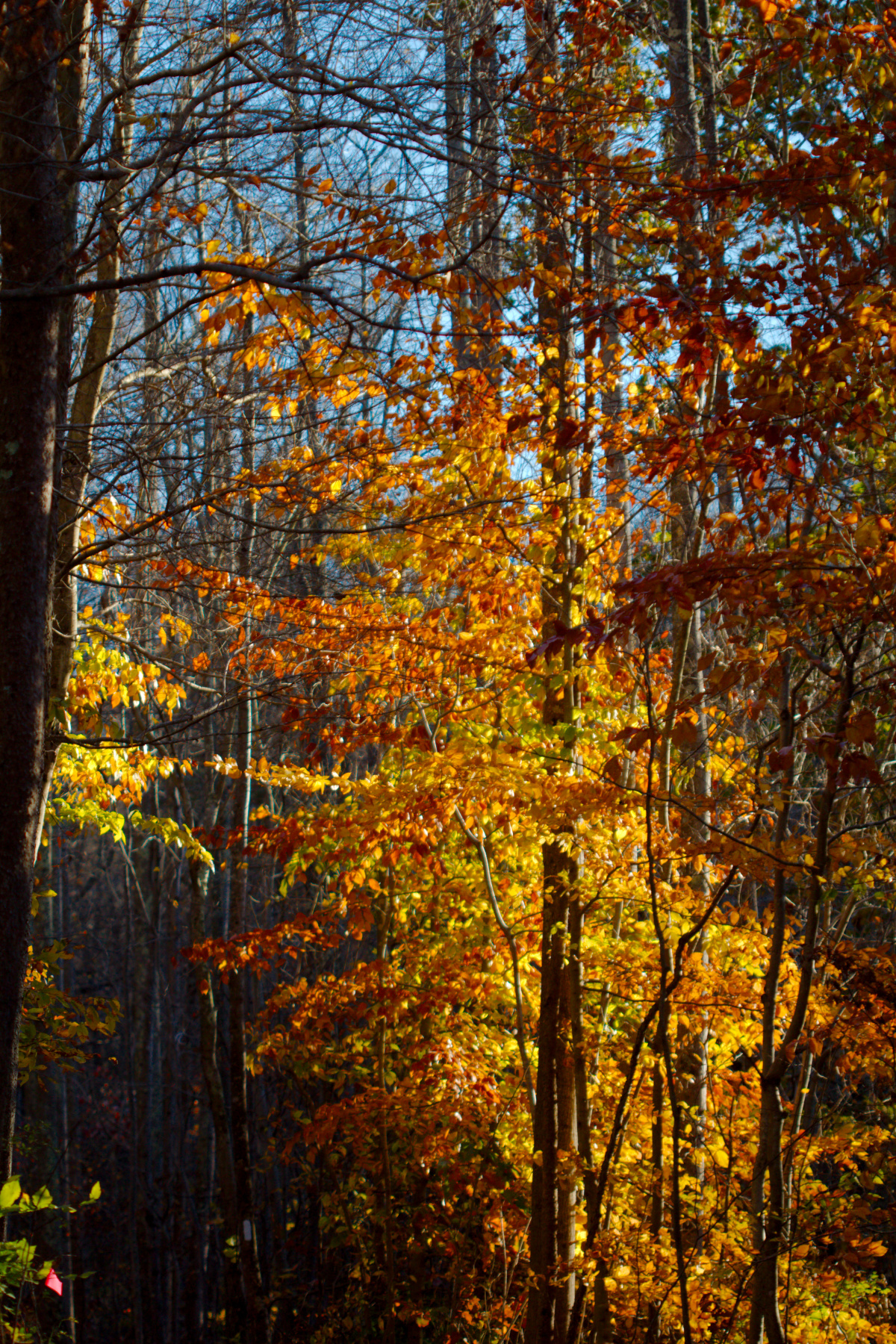
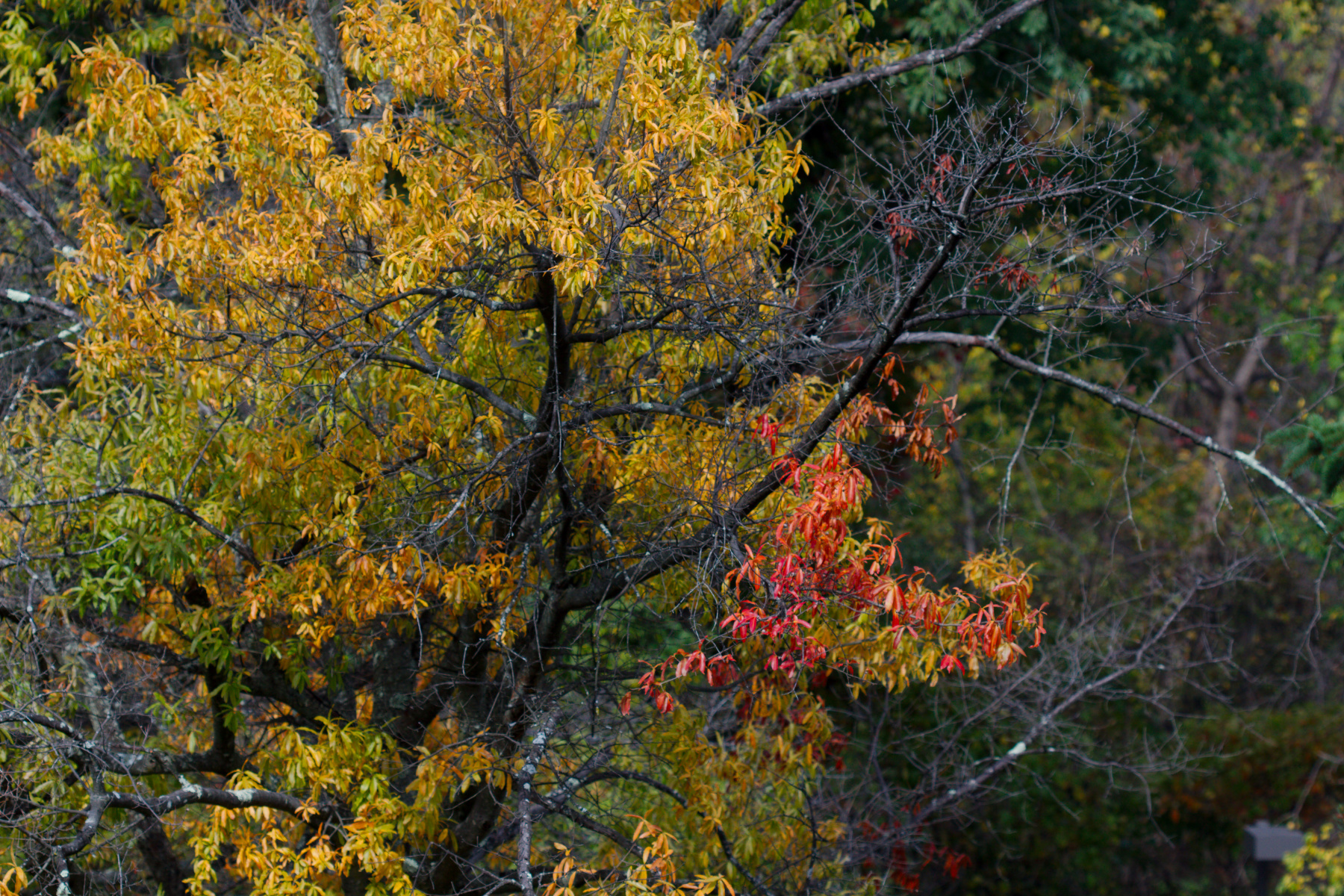
While the first of the four photographs in this post reminds me of a stained glass window, this last one does, as well. The woods were the normal mix of sun and shade this afternoon but in places the sun would hit a tree that still had enough leaves that it would light up in brilliant color. This is one such tree and it was like a blaze in the otherwise brown scenery.
I didn’t actually go check but my guess is that these are beech trees, which often turn a bright yellow before fading to a copper brown later in the fall. They often stay on the tree over the winter, especially on younger trees, giving the woods a bit more character. We are blessed to have both the native American beech (Fagus grandifolia) and the beautiful European beech (Fagus sylvatica) growing locally. They are similarly beautiful trees and there is not much that can compare to a huge old beech tree, either as a specimen in a lawn (but you need a large lawn and a lot of time if you’re going to try this at home) or in a woodland.
Autumn Color, Domesticated Version
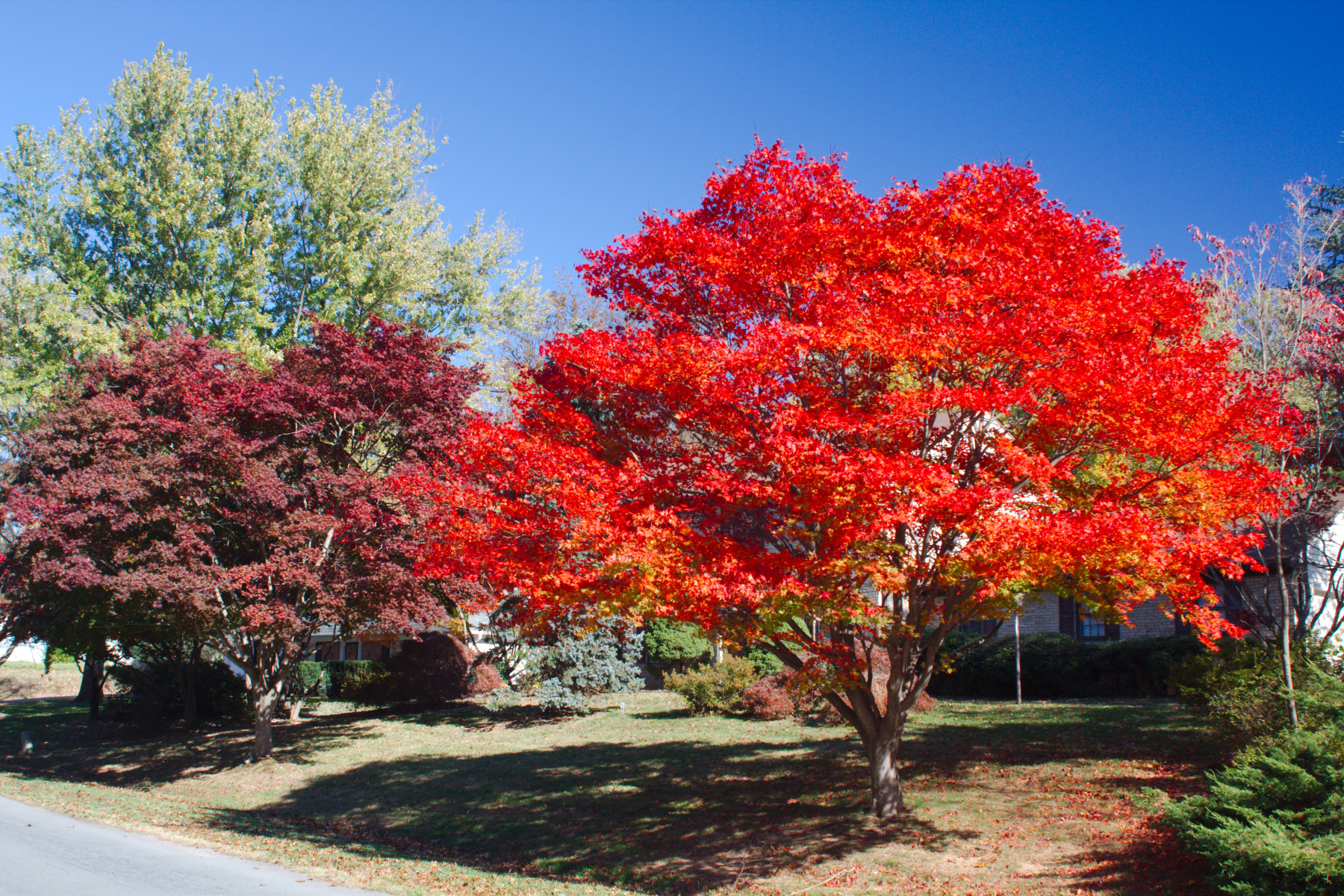
This is the first of two posts for today, both featuring fall color. As the title says, this is the “domesticated” fall color post. The two Japanese maples (Acer palmatum) in this picture have been bred for their fall color (among other things). The one in the background, on the left, is a dark, Burgundy color which is fairly common but still quite nice. The tree on the right, however, which is obviously the main subject of this picture, is an amazing color. I’ve photographed this tree before and even posted a picture, titled Lollipop Tree (November 06, 2013), of leaves from it. It’s got pretty remarkable color and it is consistent from year to year. If I knew what variety it is, I’d plant one, but there are so many varieties, getting one as good as this seems like a long shot. Maybe I should approach the owners and ask if they know the variety and even possibly ask if I could take cuttings next summer (June is the time, apparently). That’s a slow way to get a tree but for this sort of show, it might be worth it.
Asters
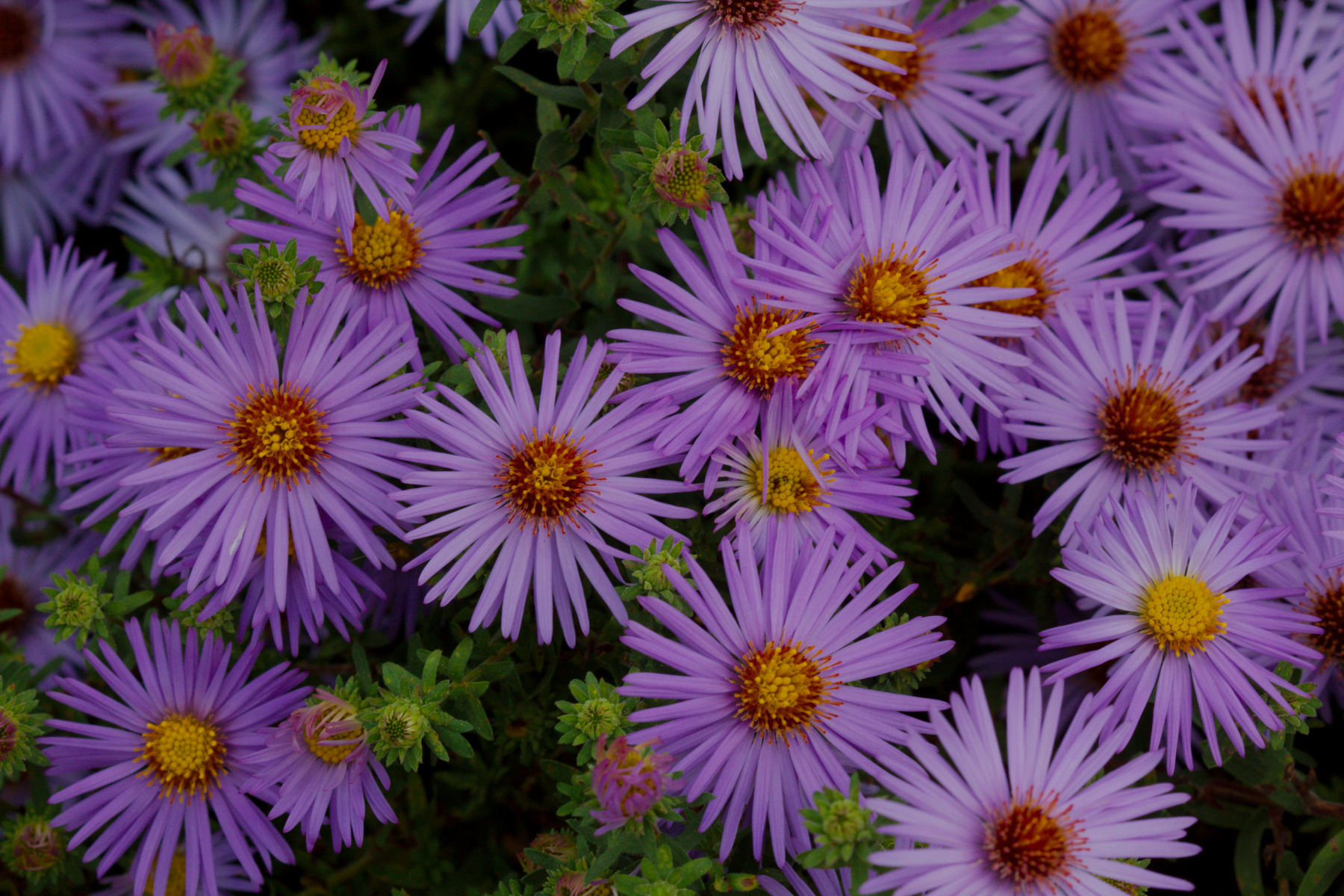
I had a follow-up appointment with the ophthalmologist who did my cataract surgery this morning and all seems to be as it should be. Before returning to work, I took enough time to take a few pictures of a hedge of asters growing along the building across the street from the eye doctor’s building. It’s quite a nice hedge, growing about three feet tall and maybe six feet wide, running nearly the full length of the property, and absolutely covered with flowers. As is often the case with bluish flowers, they turn out more pink if photographs than they appear to our eyes. In this case I have not attempted to fix that and this photo shows them the way the camera saw them.
Late Season Flower and Bee
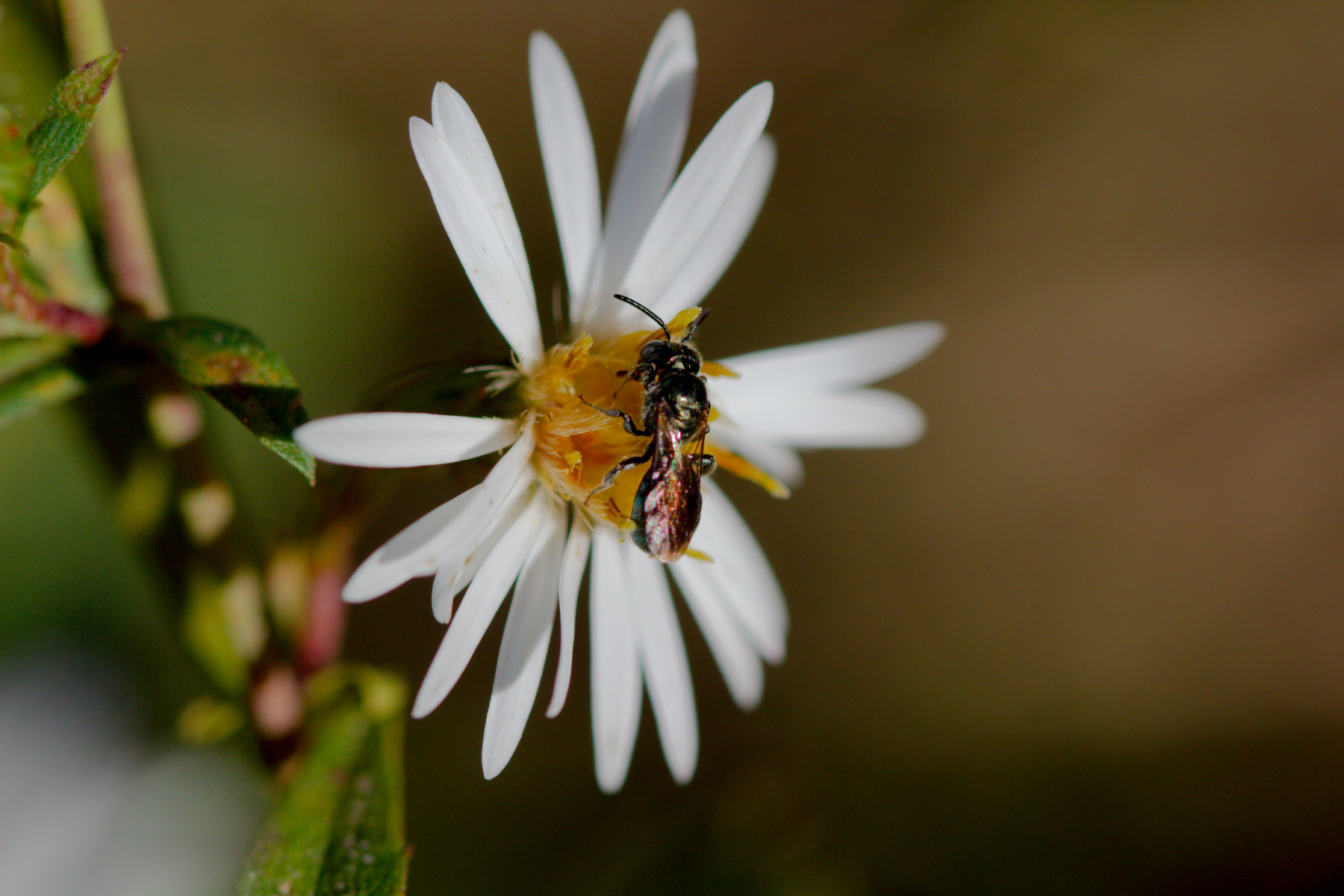
I had a meeting in the next building over today and decided to take my camera with me. After the meeting, I figure I could go through the woods and take some pictures. When the time came, I went a different route, though. There is a pond between our buildings and I normally would walk along the path that crosses the dam. This time, I went down the slope before crossing and walked up that side of the pond, crossing the stream at the top, instead. There are quite a few little aster-like flowers blooming in the sun. They aren’t particularly showy but nice enough, with their bright yellow centers. This one had the added interest of a green bee, possibly a cuckoo wasp. It’s hard to see in this picture but the wasp is a bright, metallic green when viewed in the right light. I did get a few that show it, but they didn’t have the flower, so, I went with this one.
Dogwood Leaves
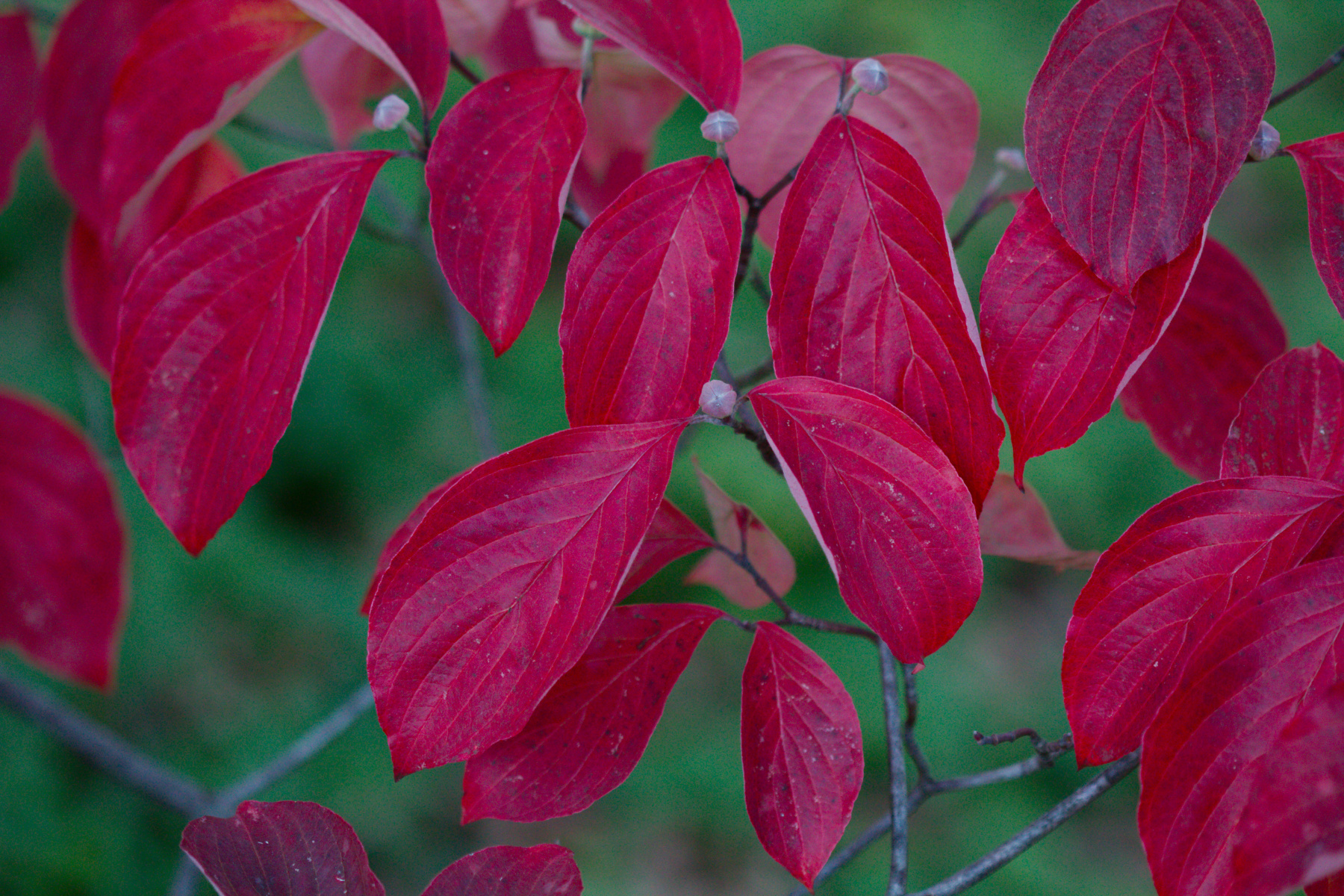
Do you know how you can identify dogwood? By its bark. Also, this time of year, by its leaf color. It seems to me that the trees in our area were taking longer to change colors than normal and I was getting myself ready for a less than amazing year in terms of fall color. In the last few days things have really started to change. The two dogwoods in our front yard are pretty amazingly red. It may not set any records for most colorful, but this year is turning out pretty well.
A Little Fall Color
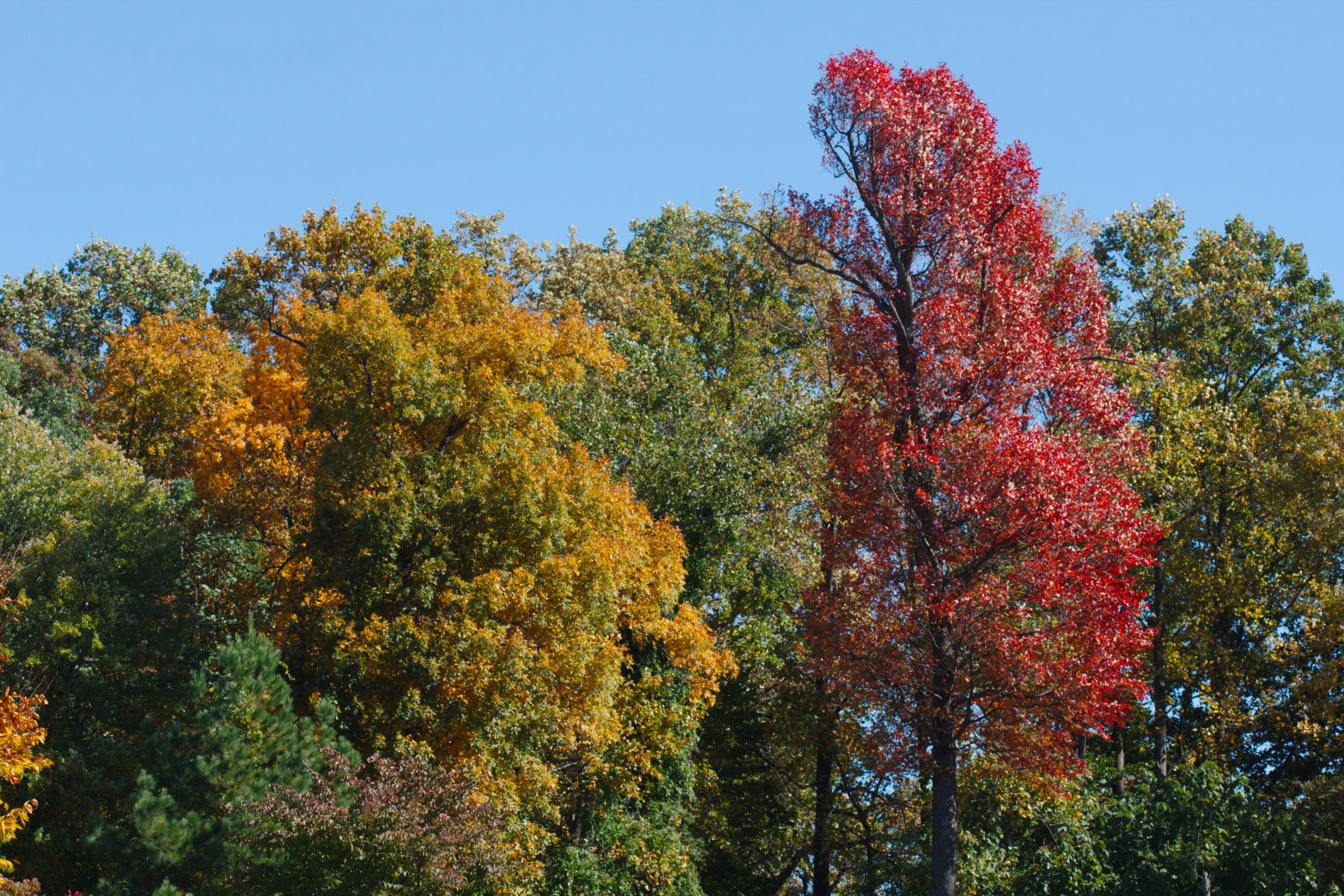
After church today Cathy and I paid a visit to the cemetery where her father’s grave is. We put flowers on his grave and that of a close family friend who died in 1998 and whose grave is fairly close to Jim’s. It was a beautiful, fall afternoon, cool, bright, and clear. This picture could have been taken anywhere and doesn’t really show that we’re at a cemetery, but I thought it was pretty, anyway.
Zelkova Tunnel
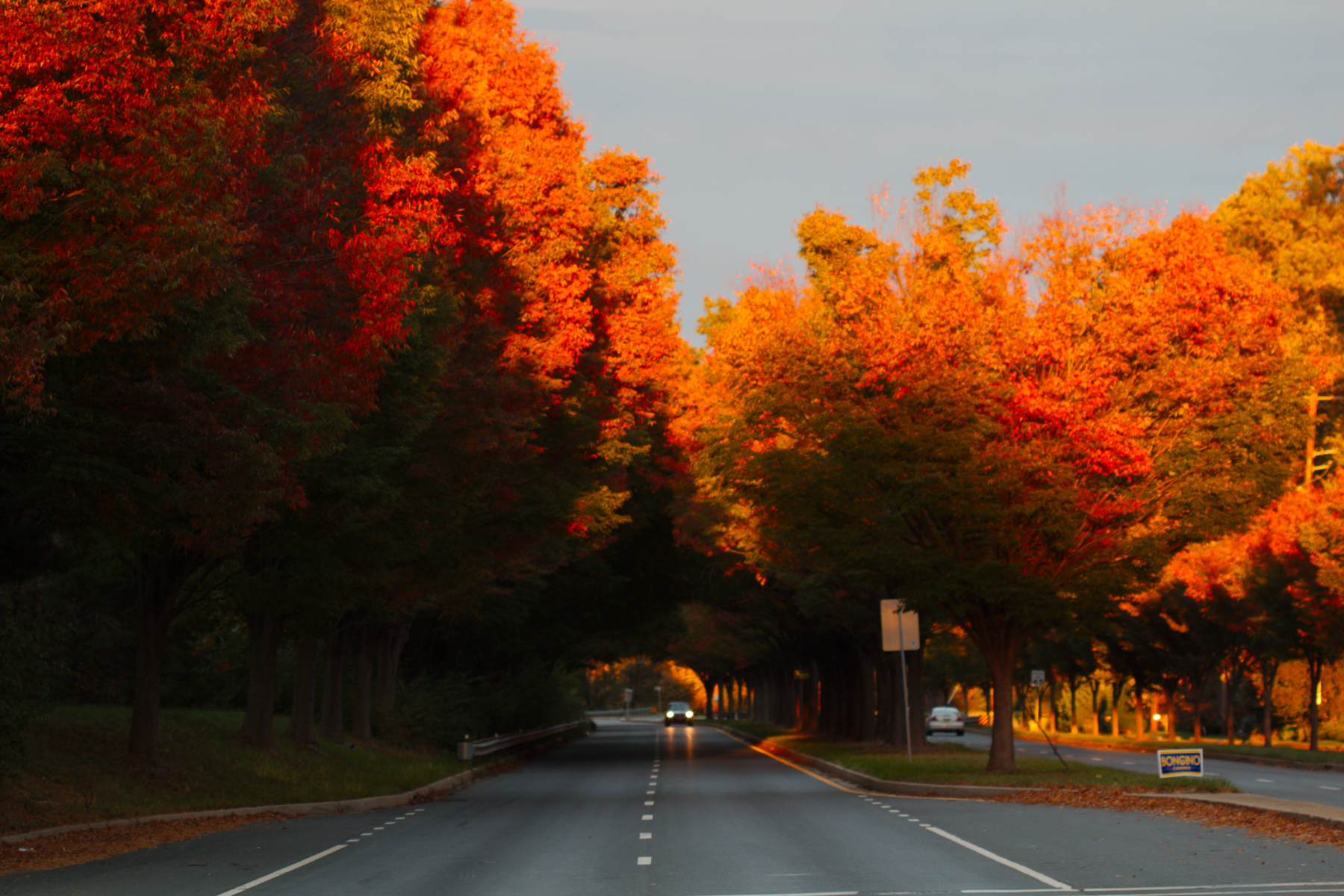
In November of last year (Sunday, November 03, 2013, to be precise) I took a picture that I titled “Autumn’s Chapel.” It was of Zelkova serrata trees that line a busy road near where we live. Today’s picture is of the same trees, this time lit by the late afternoon sun. The photo is a bit dark in the lower portion, but I didn’t have a lot of time to adjust the camera. As you can see, there is oncoming traffic and I needed to get the picture and then move.
Phalaenopsis Orchid
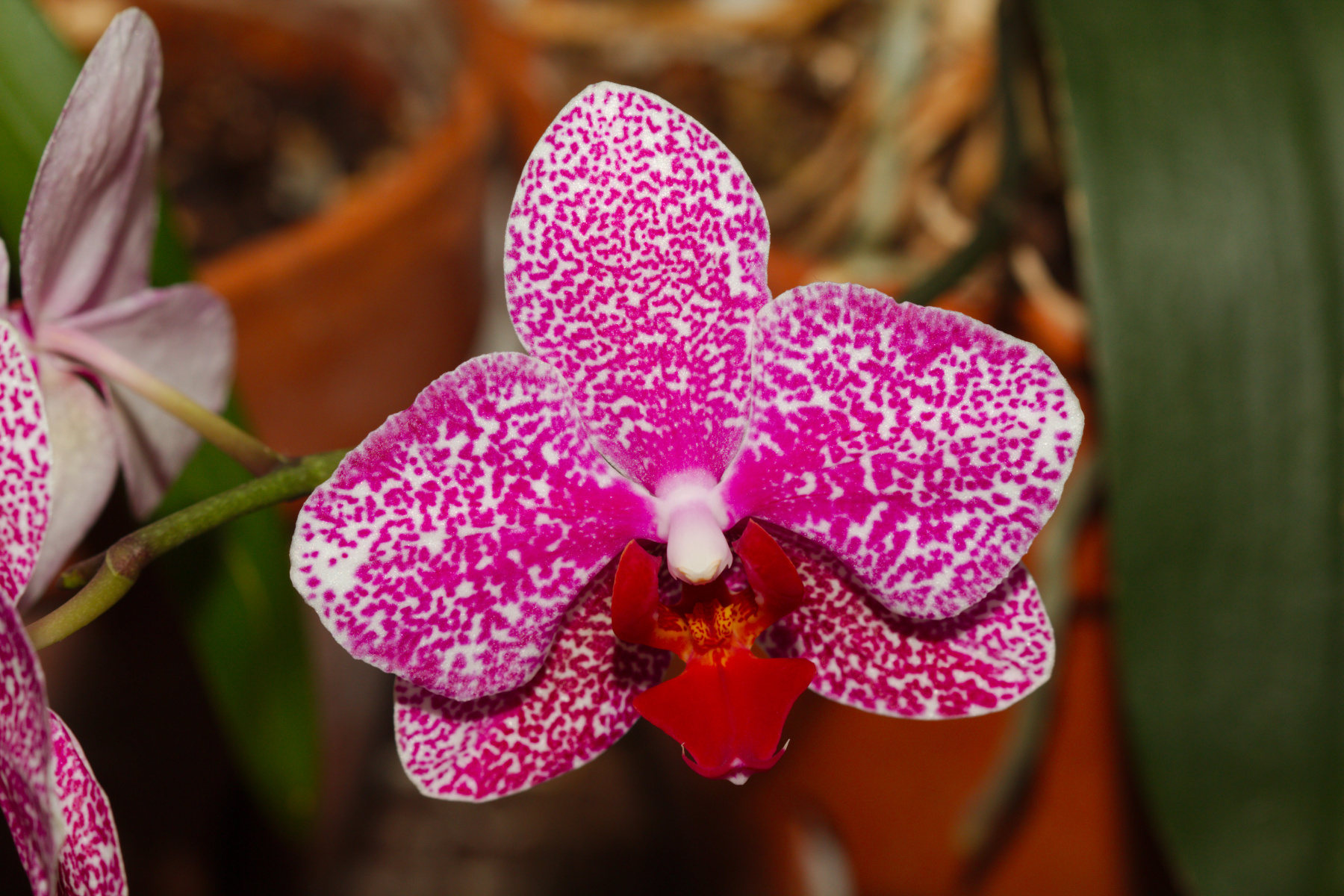
We have four orchids growing in our kitchen. Two of them are older and larger and two were in smaller pots until recently, when I repotted them. The oldest is this phalaenopsis, which has bloomed a few times, most recently almost exactly a year ago. I posted a picture of it on Monday, October 14, 2013. Anyway, it’s blooming again and is quite lovely. Orchids are a bit tricky and I’m not convinced that ours are in the best spot. There is a heating and air conditioning vent not too far from them and I think that contributes to them drying out a bit faster than they like. I’ve been meaning to do something about that, but I’m not sure where I’d move them.
Rhus copallinum (Winged Sumac)
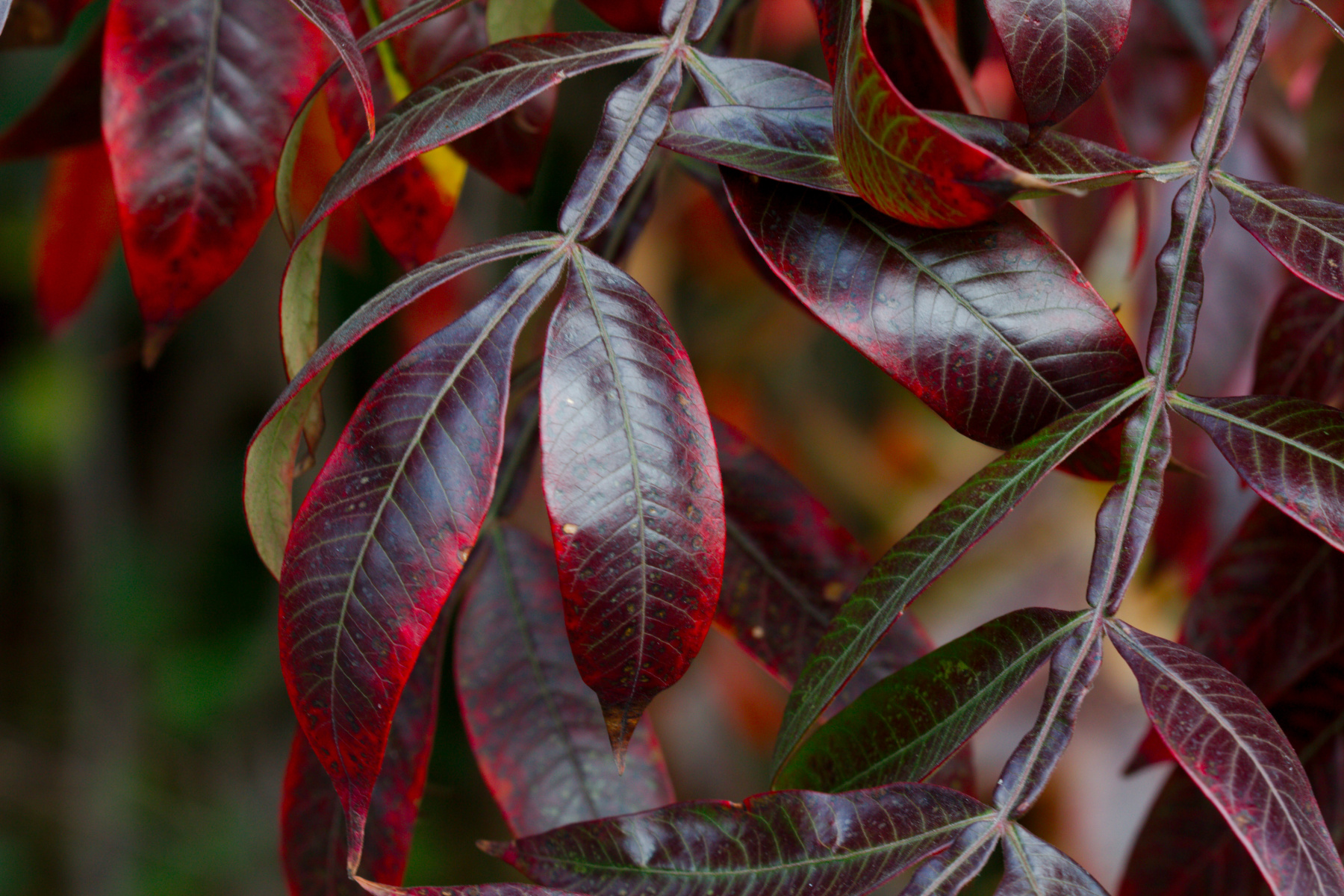
Cathy and I went for a walk around the block at work today. It was a beautiful, sunny (and almost hot) day. I took pictures of a few things along the way, including this one of winged sumac (Rhus copallinum), also known as shining, dwarf, or flameleaf sumac. It’s a weed plant native to the area and there is quite a bit of it growing on the empty lot next to my office, especially around the edges. This time of year the leaves turn the most remarkable, deep burgundy fading to a bright, scarlet around the edges.
Fall Color, Outside My Window
My office isn’t much to speak of. It isn’t terribly large and it certainly isn’t fancy. The furniture is simple, utilitarian, and almost industrial. I don’t have more than a desk and chair, a bookcase, and a file cabinet. Well, I do have some plants and pictures on the wall, so it’s a bit more than a monastic cell.
Also, and this is significant, this is the view out my window. I could do a lot worse, especially this time of year.
Mushroom
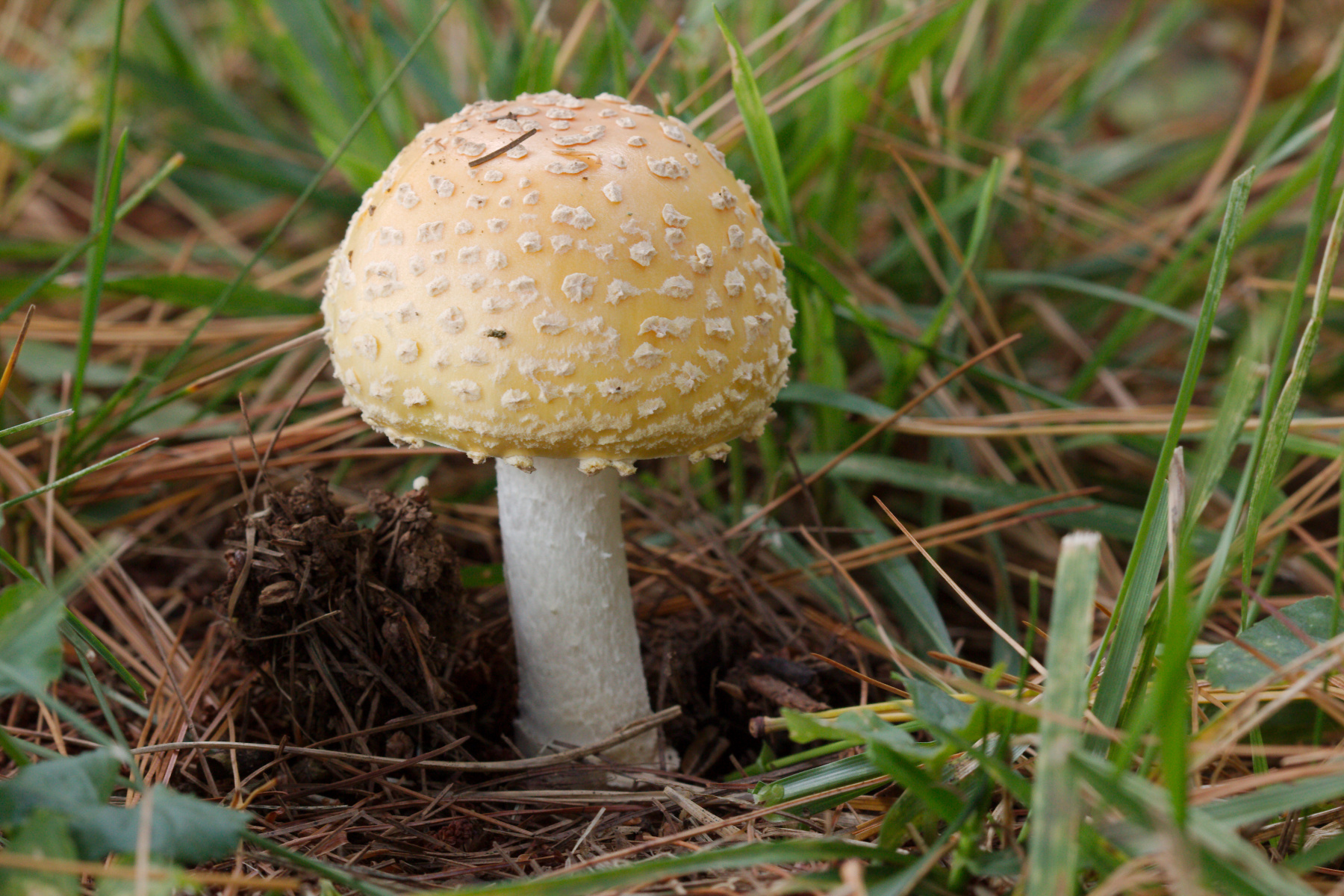
A mushroom person would probably be able to take one look at this and tell us what it is (please speak up, if you can), but I have no real idea. I mean, I know it’s a mushroom but I won’t even hazard a guess at to which type. It’s pretty, though, and was growing under a pine tree in our church yard. Hopefully I didn’t attract too much attention lying on the ground after church. It’s what I do.
Morning Glory
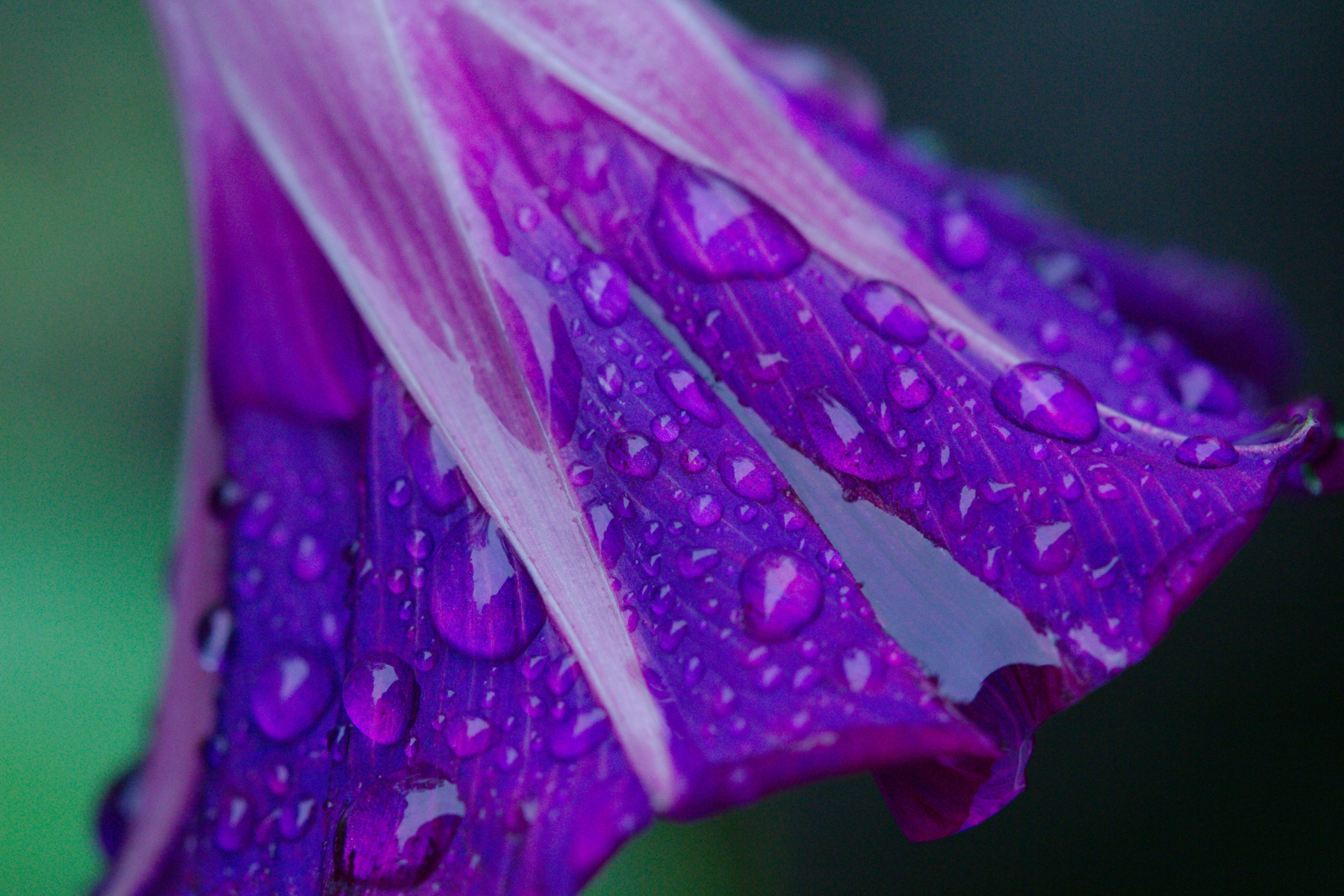
We have a reasonably small purple morning glory (Ipomoea purpurea) growing outside our front door. Many mornings we are greeted by a few new flowers which, by the evening have closed up for the day. If I want a picture, that usually means I need to stop and take it as I’m on the way out the door, which isn’t generally the best time. Today, the fact that the flowers were partially closed and downward facing wasn’t a real problem. The rain we had was covering the outside of the flowers and they were quite beautiful.
American Persimmon
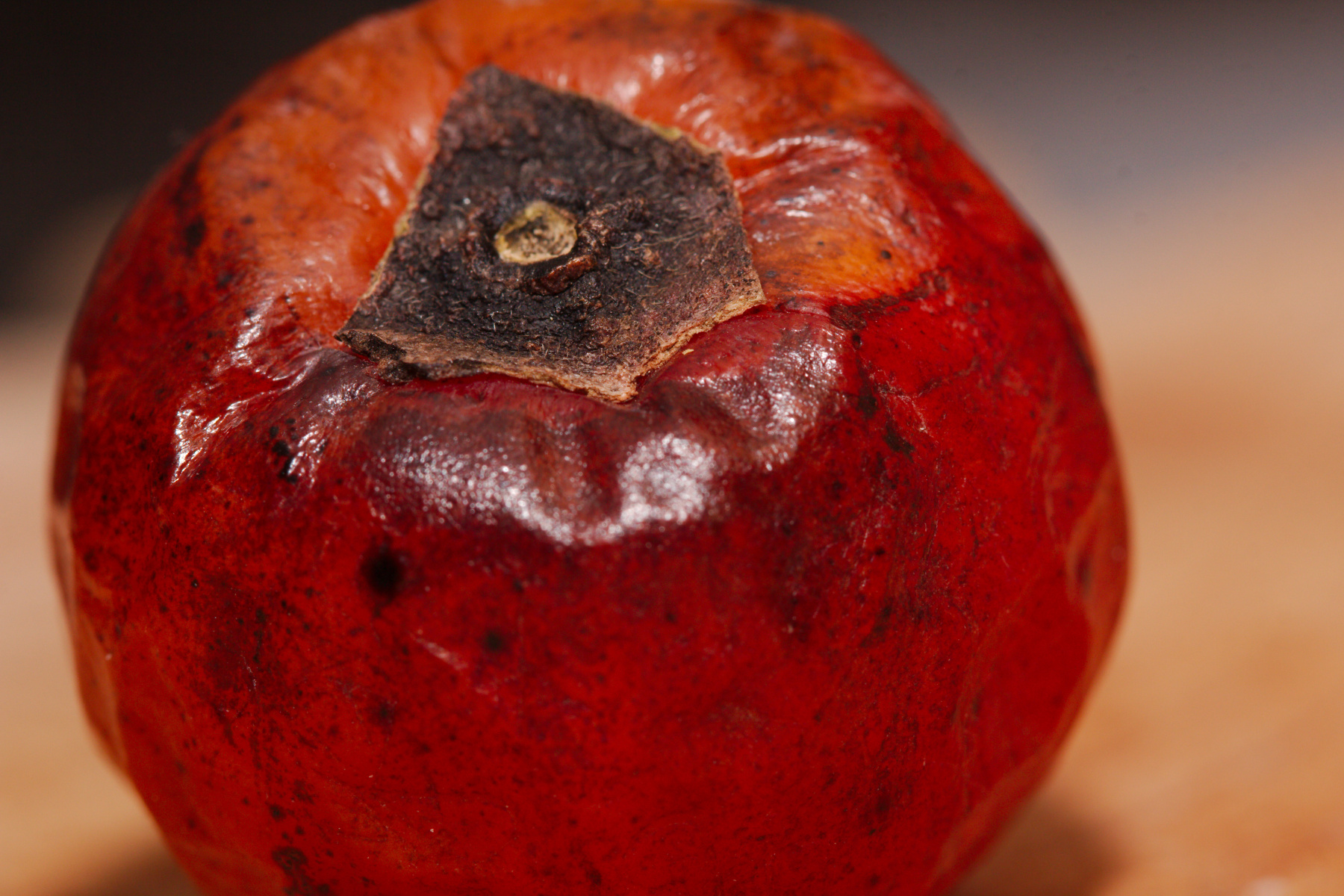
Cathy brought this home today to confirm what she thought it was. It’s an American persimmon (Diospyros virginiana), and is a member of the family Ebenaceae, the ebony family. The heartwood of the persimmon is a wonderful, dark, ebony, although trees have to be quite old before they produce enough heartwood to be commercially productive. The fruit is terrific, as long as you wait long enough to eat it. Before it is fully ripe, it will turn your mouth inside out with its astringency. Usually, at least around here, waiting for the first frost is a good idea.
Milkweed Seed
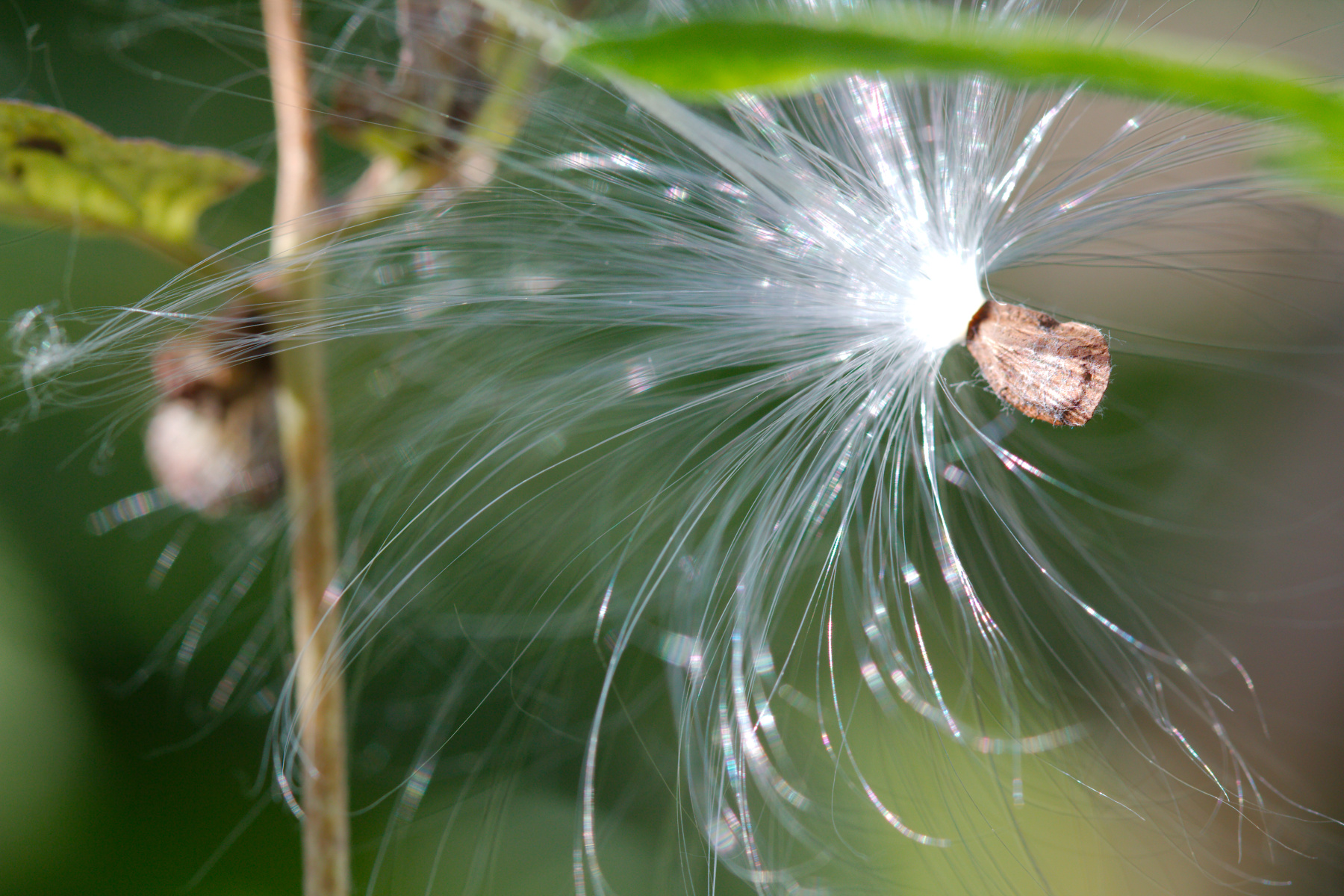
Today, I took a bunch of pictures of milkweed seed. specifically, this is Asclepias tuberosa, butterfly weed). I enjoyed lying on the ground watching the spider-web-thin filaments shimmer in the afternoon sun, trembling in even the slightest breeze. I’m not as happy with the pictures as I might be, but this one is pretty good.
Fall is in full swing here now and most of the flowers have been replaced with seeds, and of course, soon the predominant color in the back yard will be brown.
Drying Leaf
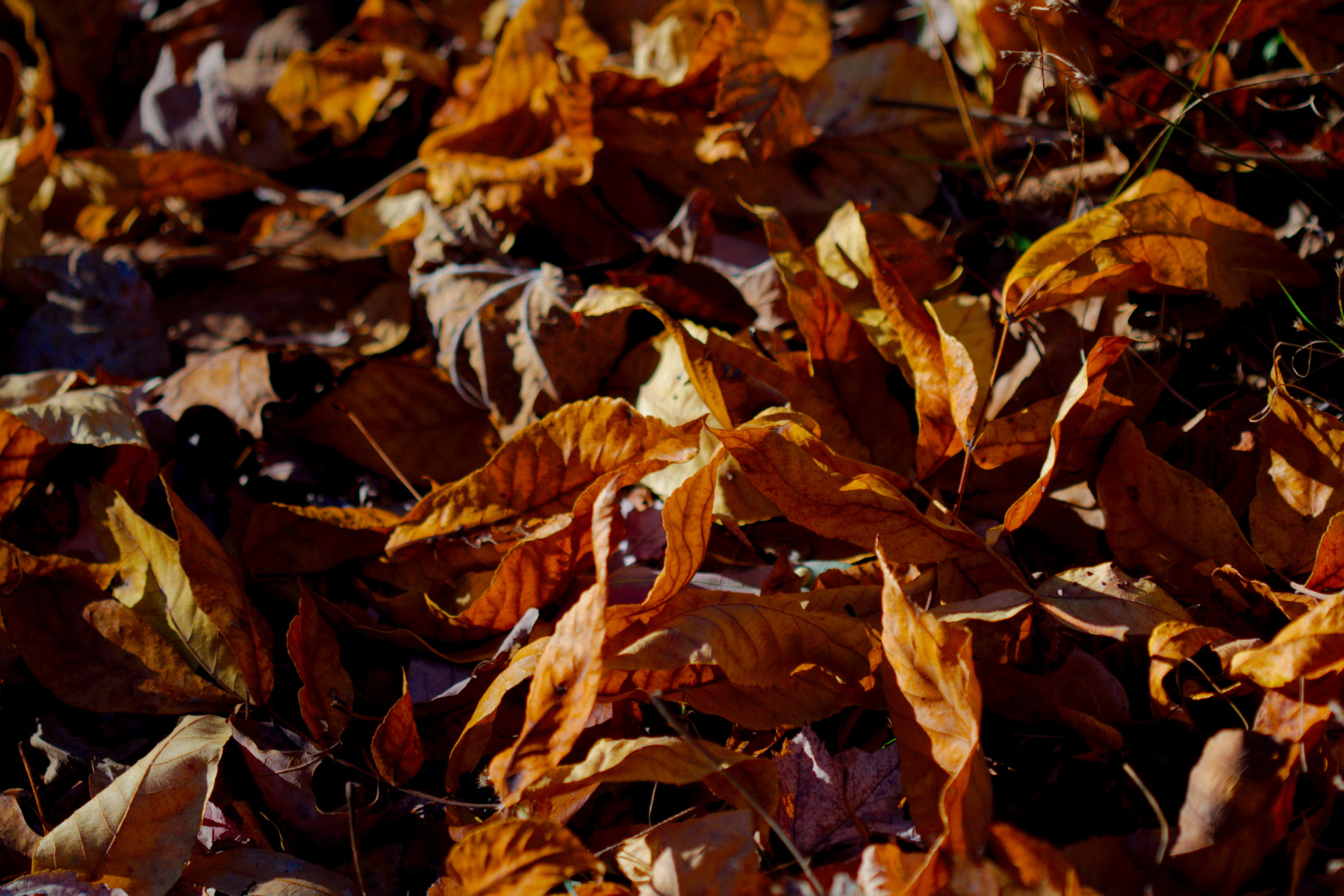
There were some mushrooms in the yard this evening and I got some pictures of one of them, but they aren’t as interesting as the mushroom was in person (or in fungus, I guess). I also took some pictures of leaves that have fallen from the maple tree in the center of the yard. They are mostly read and orange but I found this one to be the most interesting. The picture doesn’t really do it justice but I love the deep, earthy tones of this drying leaf.