Flowers and Plants

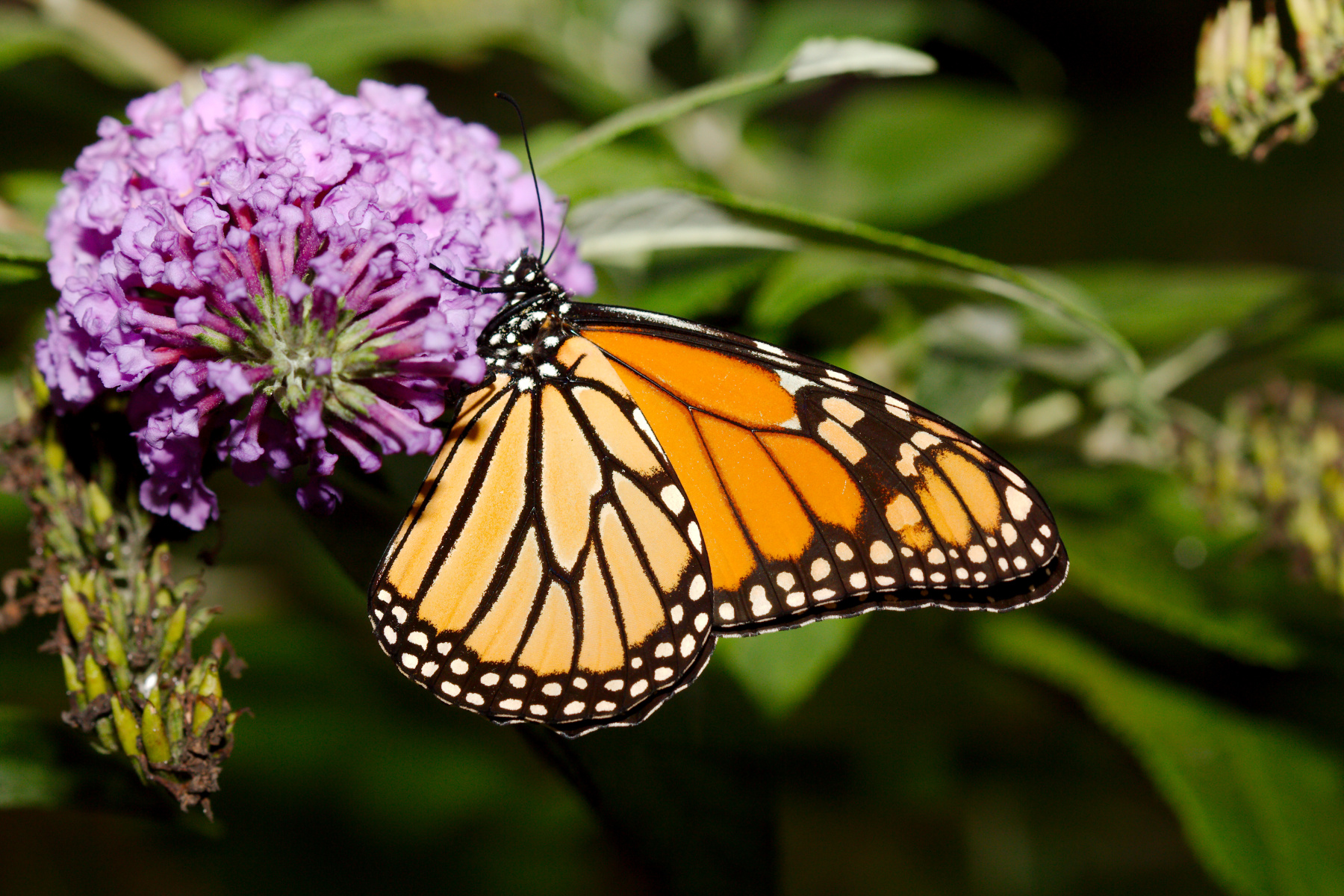
Monarch

Monarch on Buddleia

Monarch on Buddleia

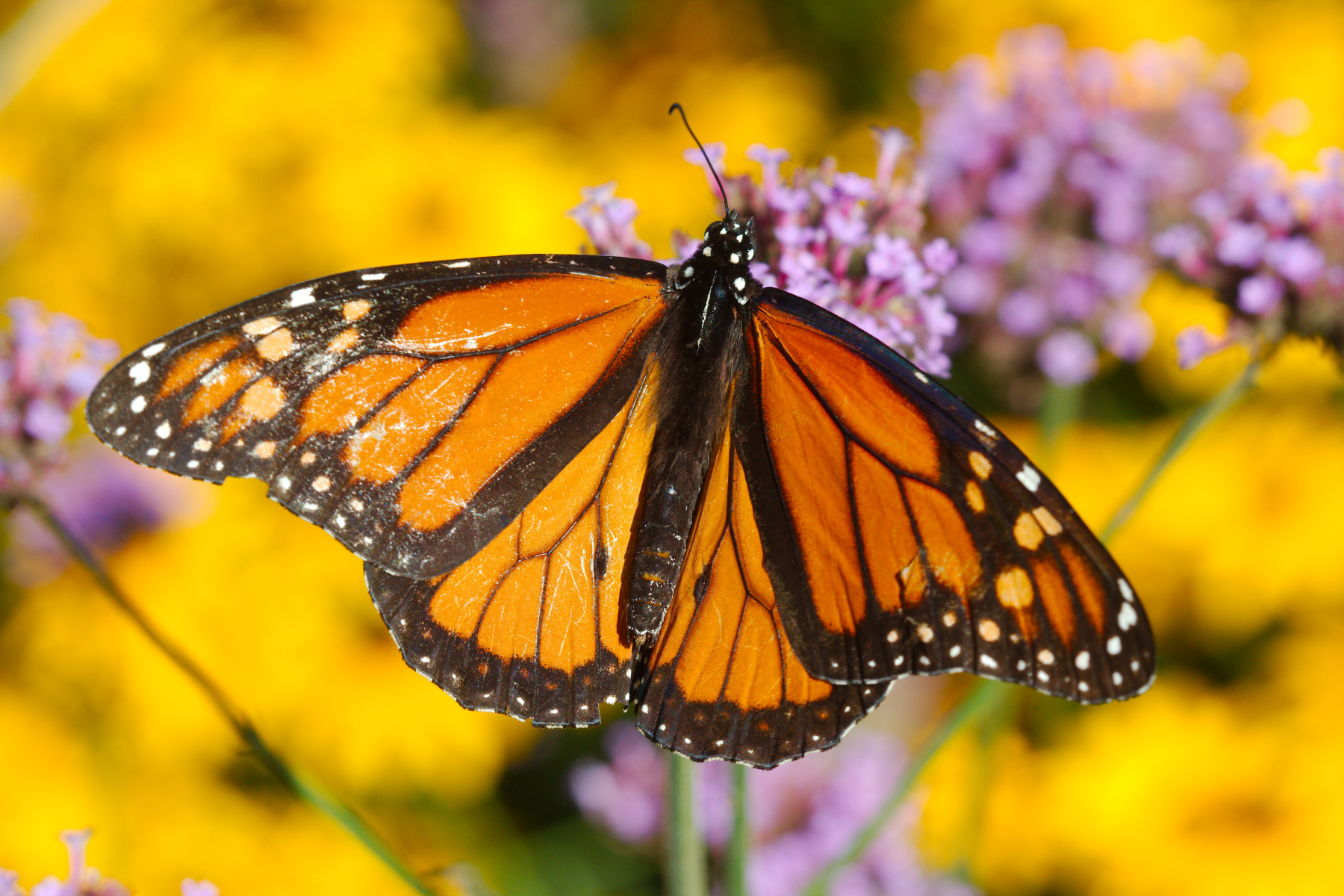
This monarch butterfly (Danaus plexippus, female) was flitting around our buddleia for a while this afternoon and I was able to get close enough for a few good pictures before she left. This late in the summer any butterflies we see are often a bit battered but this one is in remarkably good condition, with no bare patches on her wings.

I’m still a bit behind in posting photographs here, but I have just taken 10 days worth off the camera and will continue adding them as I can. Thanks for sticking around.

Categories: Creatures, Flowers and Plants | Comments Off on Monarch

Autumn

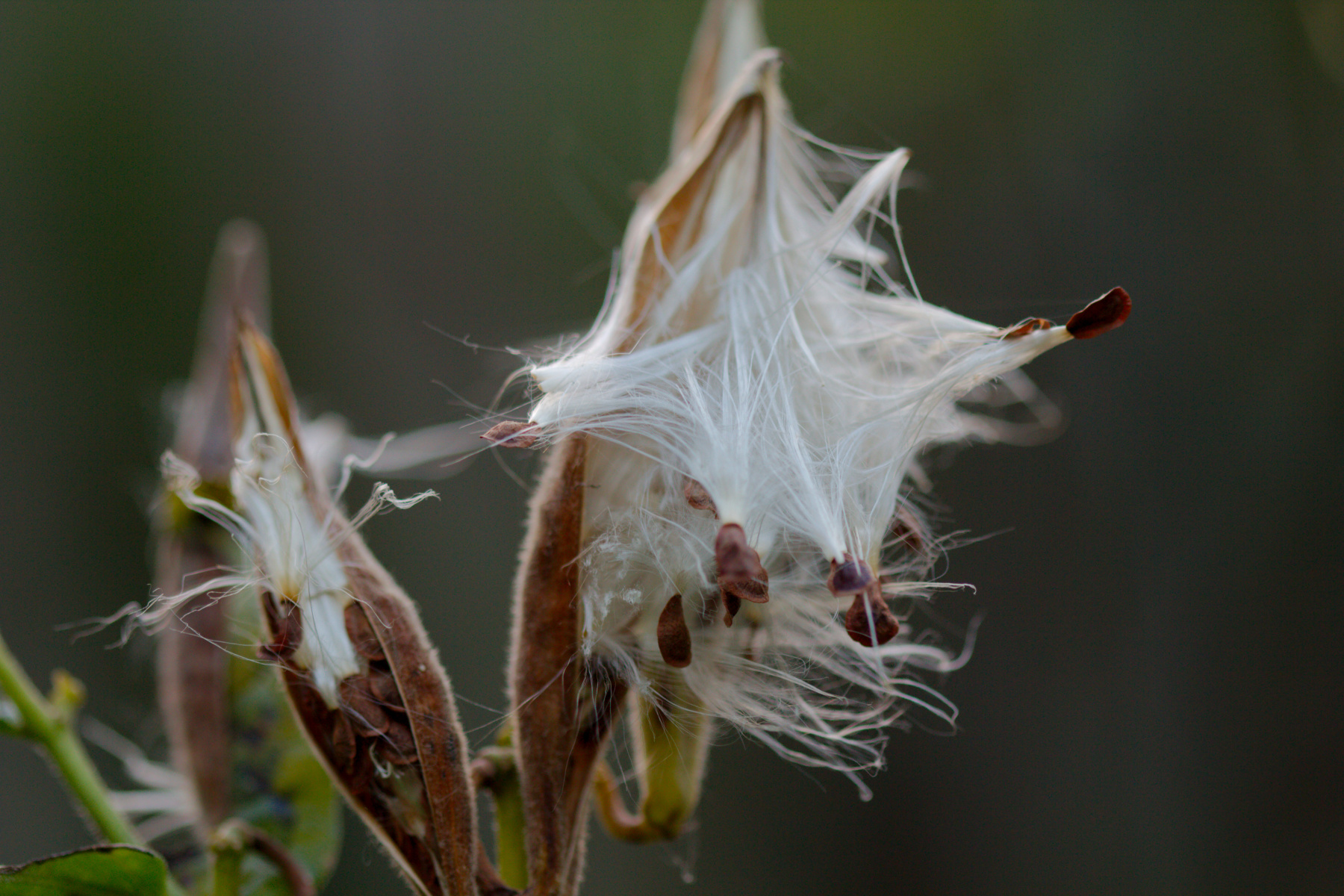
Butterfly Weed Seeds

Butterfly Weed Seeds

Autumn is upon us. The black-eyed Susan flowers have all dropped their petals and trees are starting to get a bit of color in their leaves (color other than green, that is). Many plants that have given us brightly colored flowers all summer are now giving us more subtle things to look at. The Asclepias tuberosa (butterfly weed), with its bright orange or yellow flowers has been transformed through a greed pot stage to this, where the pods are breaking open and the seeds are beginning to emerge. The seeds of the milkweeds have these filaments (called pappus, from the ancient Greek word pappos and Latin pappus, meaning “old man”) which enable them to be carried by the wind and spread far and wide.

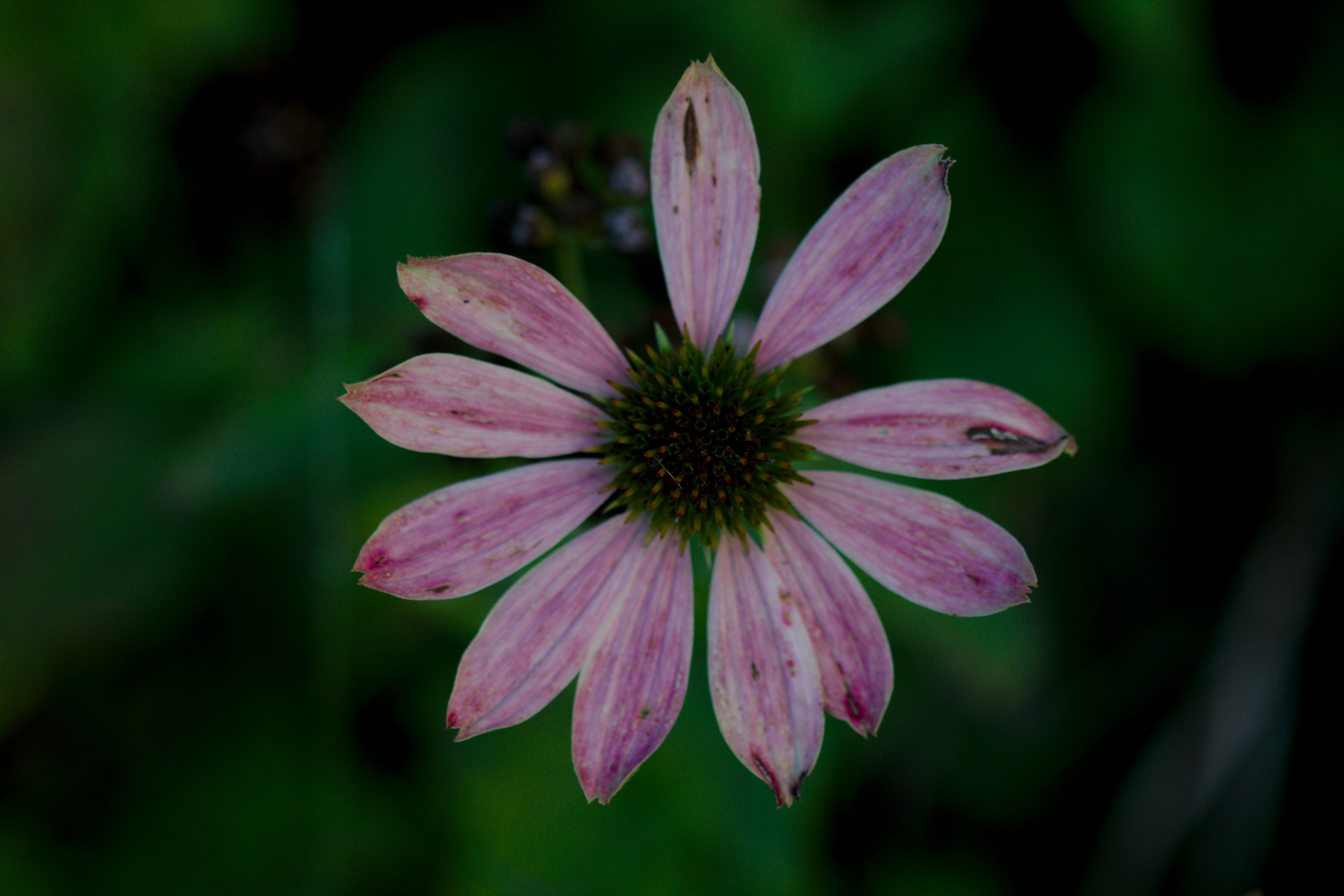
Purple Coneflower

Purple Coneflower

All the black-eye Susan flowers have been reduced to little black balls of seeds. Most of the coneflowers have, as well. This is the last coneflower (Echinacea purpurea) with a bloom still on it. The purple is faded and the petals are splotched and weathered. This, too, shall soon fall, in keeping with our common name for the season. But I don’t mind. Some people love the summer and want it to go on forever. Not me. I love the autumn best of all. Welcome.

Categories: Flowers and Plants | Comments Off on Autumn

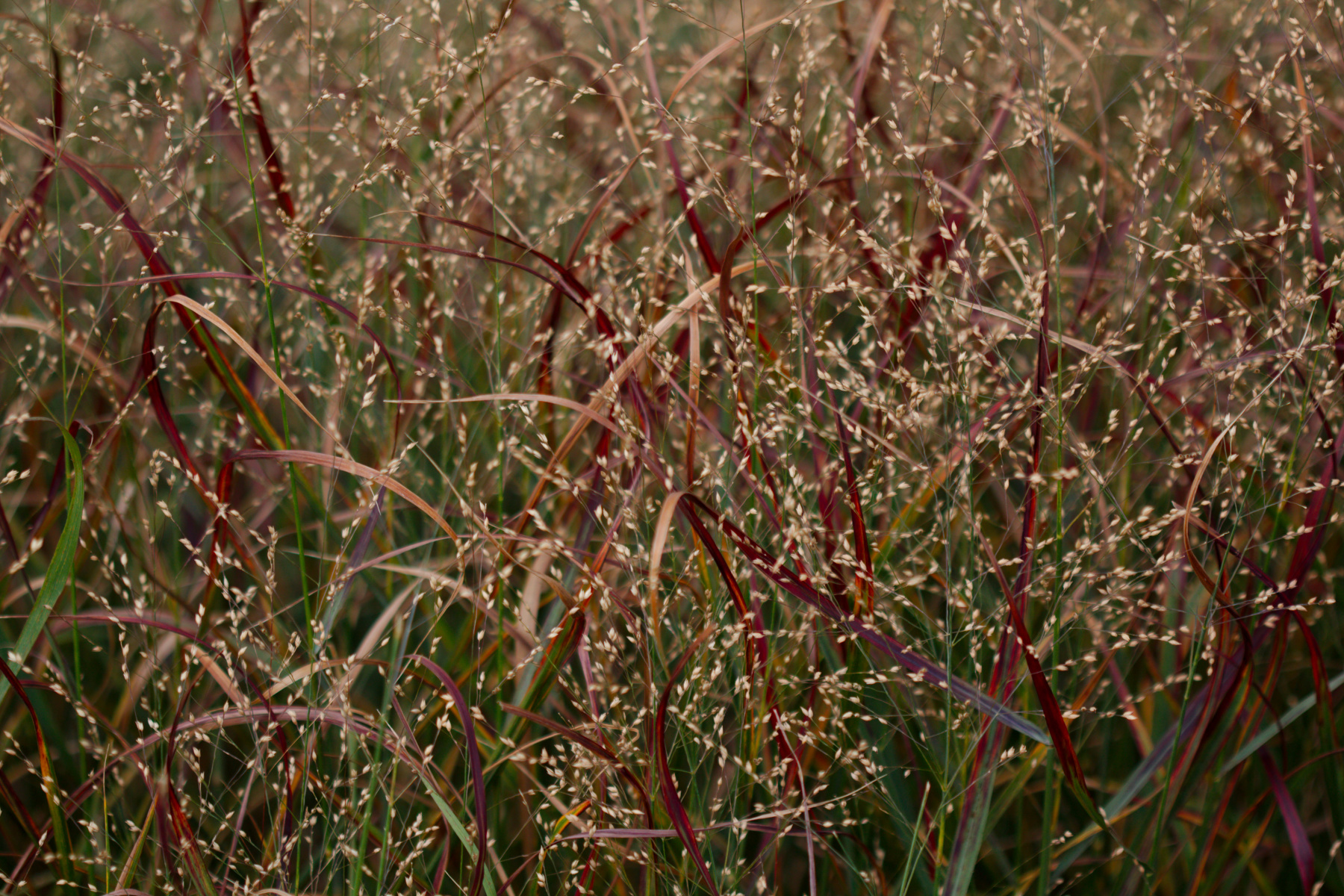
Grass

Grass

Grass

I met Maureen and Sokho for lunch today over at Fallsgrove and when I came back to the car I noticed this grass growing in the area between two rows of cars. Rather than use all underground drainage in parking lots, the current style seems to be to leave spaces every few rows and turn them into drainage ditches but with ornamental plants that can take a certain amount of flooding. I think this is a nice trend and some of the plants used are quite nice. This grass, for example, it nice. This photo has the feel of the country, not the middle of a busy parking lot.

Categories: Flowers and Plants | Comments Off on Grass

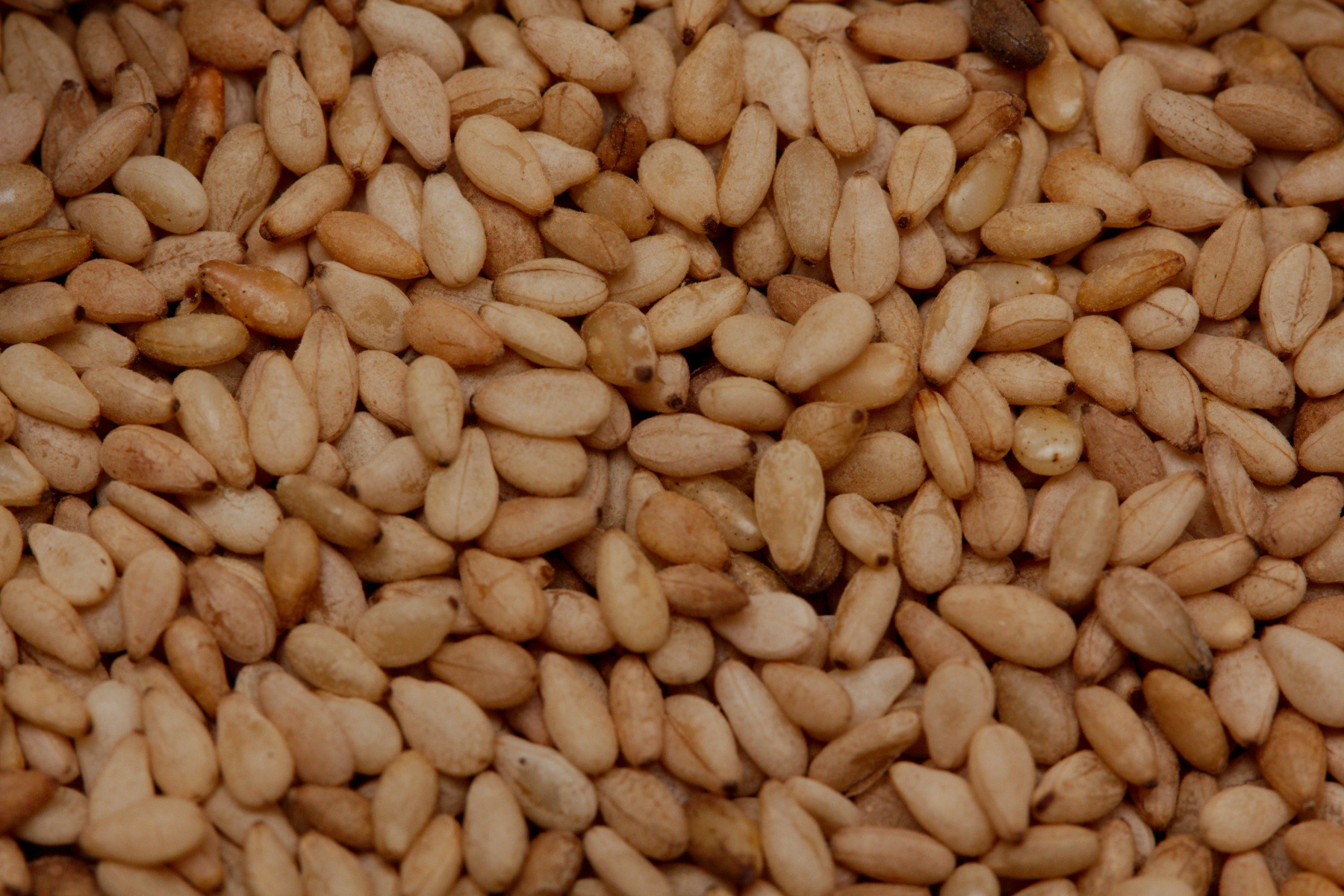
Sesame Seeds

Sesame Seeds

Sesame Seeds

I like plants and gardening and I know a little about both. I try to know a something about the plants from which most of our vegetable foods come. Sesame seeds have been a bit of an exception. I knew that they come from an herbaceous (non-woody) plant that grows in tropical regions, but beyond that didn’t know much about them. Four countries, Burma, India, China, and Sudan account for more than half the world sesame seed production (about 56% of 4.76 million metric tons). The sesame plant, Sesamum indicum, is an annual, growing to about three feet in height, bearing (usually) yellow flowers, and producing the seeds in small capsules.

Categories: Flowers and Plants | Comments Off on Sesame Seeds

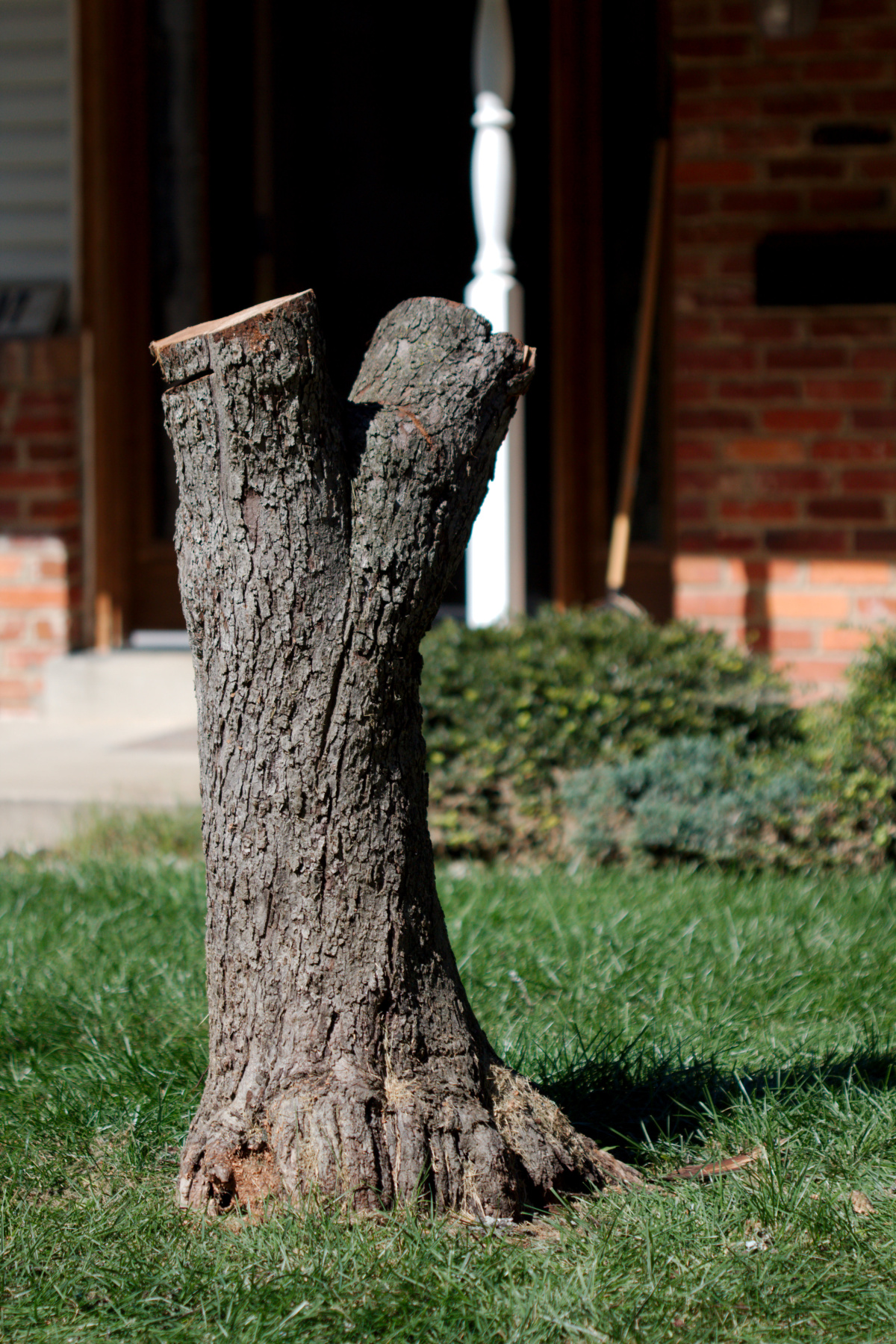
My Own Tree Cutting Adventure

Crab-Apple Stump

Crab-Apple Stump

For yesterday’s photo I posted a picture of a man cutting a fairly tall but completely dead tree in our next door neighbor’s yard. Today I cut down a much smaller but equally dead crab-apple in my Brady and Albert’s front yard. While a chain saw makes a big difference when doing something like this, unless you have a well tuned saw and unless you know how to deal with a few problems, it can be as much a frustration as anything. My saw runs fast. Until recently it ran so fast that when I squeezed the throttle it would stall. I managed to adjust it a bit and now it runs well when cutting. I need to slow the idle speed a little.

The real problem I’m having now is that my shoulder gives out before the work is done. So, I cut a little while, then rest (and rest the saw). Then, back to work. I managed to get the tree down this far before my arm refused to do any more work for the day. Sorry, guys, but I’ll be back to cut the rest of it when I get the chance. Thanks for the firewood.

Categories: Flowers and Plants | Comments Off on My Own Tree Cutting Adventure

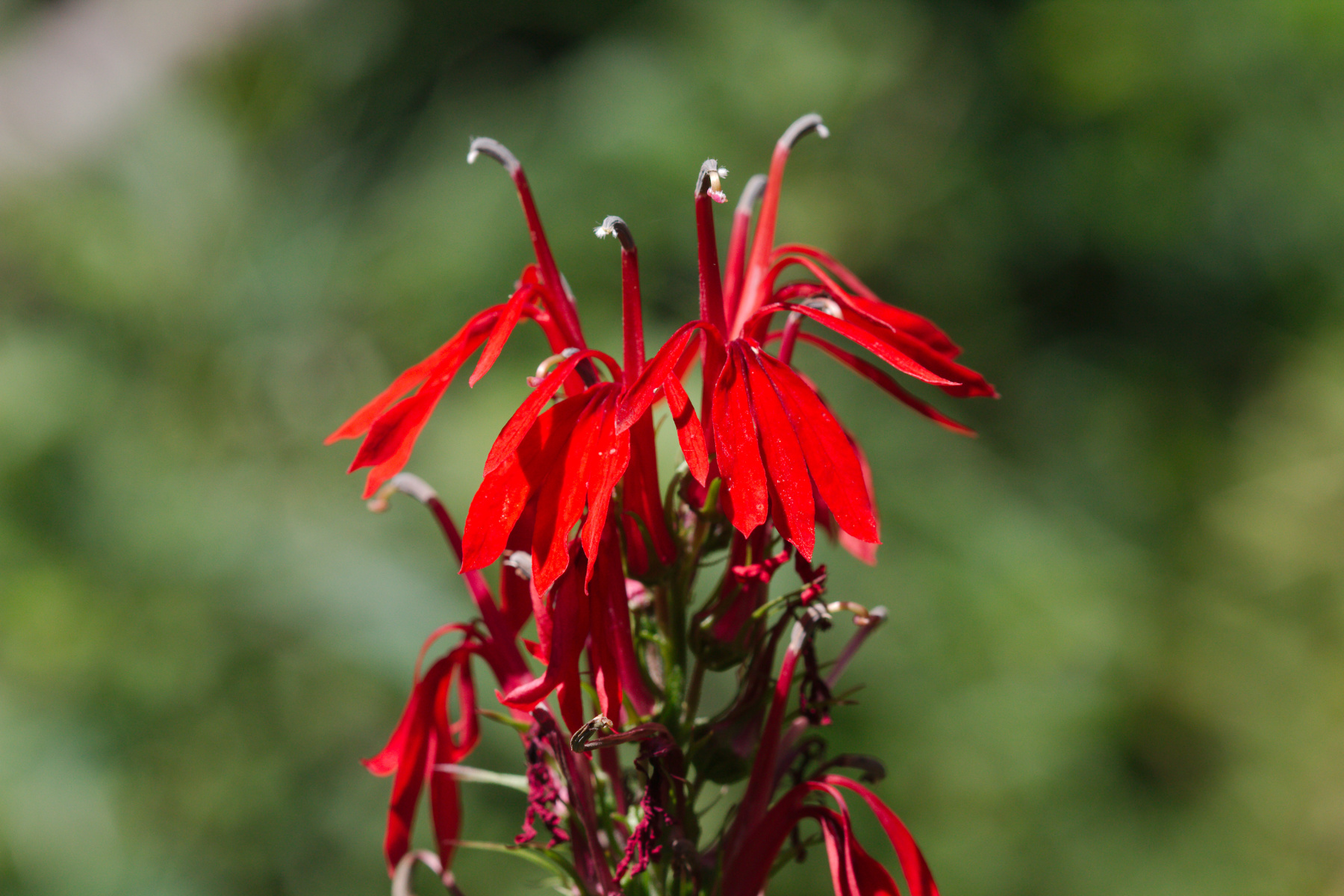
Lobelia cardinalis (Cardinal Flower)

Lobelia cardinalis (Cardinal Flower)

Lobelia cardinalis (Cardinal Flower)

Cathy and I thought we’d go for a walk today, around lunch time. It was unexpectedly hot, so we didn’t go as far as we had thought we might, but we were out a little while. We walked around the edge of the woods near the various buildings of our office campus. In addition to blue mistflower (Conoclinium coelestinum), we saw this cardinal flower (Lobelia cardinalis), one of the showier native wildflowers of our area.

Categories: Flowers and Plants | Comments Off on Lobelia cardinalis (Cardinal Flower)

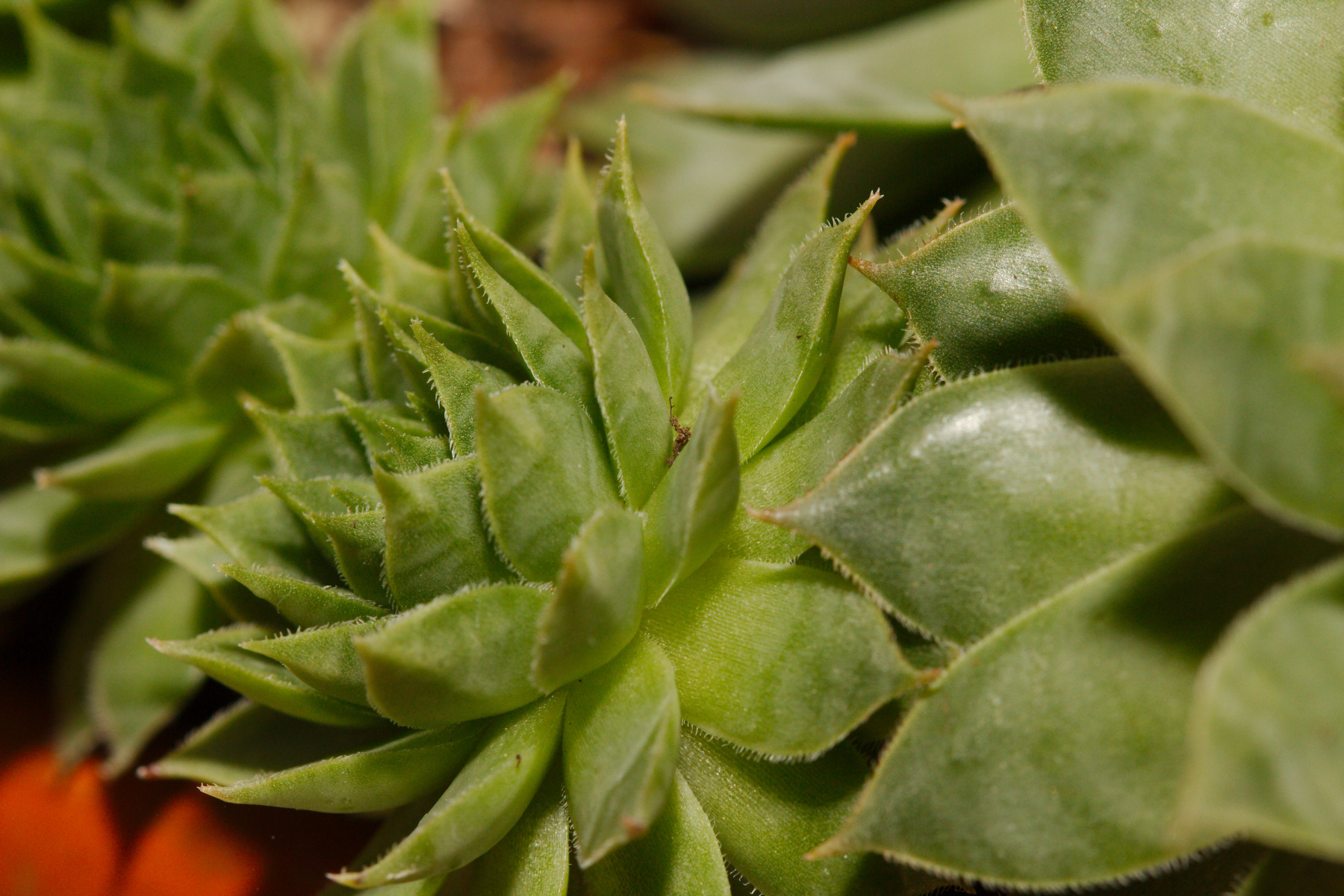
Hens and Chicks

Hens and Chicks

Hens and Chicks

This morning I took a few pictures of a goldfinch on the black-eyed Susans outside our kitchen. Technically, that satisfied my goal of taking at least one picture today. They were not very good, though, so late this evening I took some of some plants, cacti and succulents, that Dorothy has potted up for herself. These are commonly known as hens and chicks and are in the genus Sempervivum which is in turn in the Crassulaceae family, known as houseleeks

Categories: Flowers and Plants | Comments Off on Hens and Chicks

Black-eyed Susan, From Behind

Black-eyed Susan, From Behind

Black-eyed Susan, From Behind

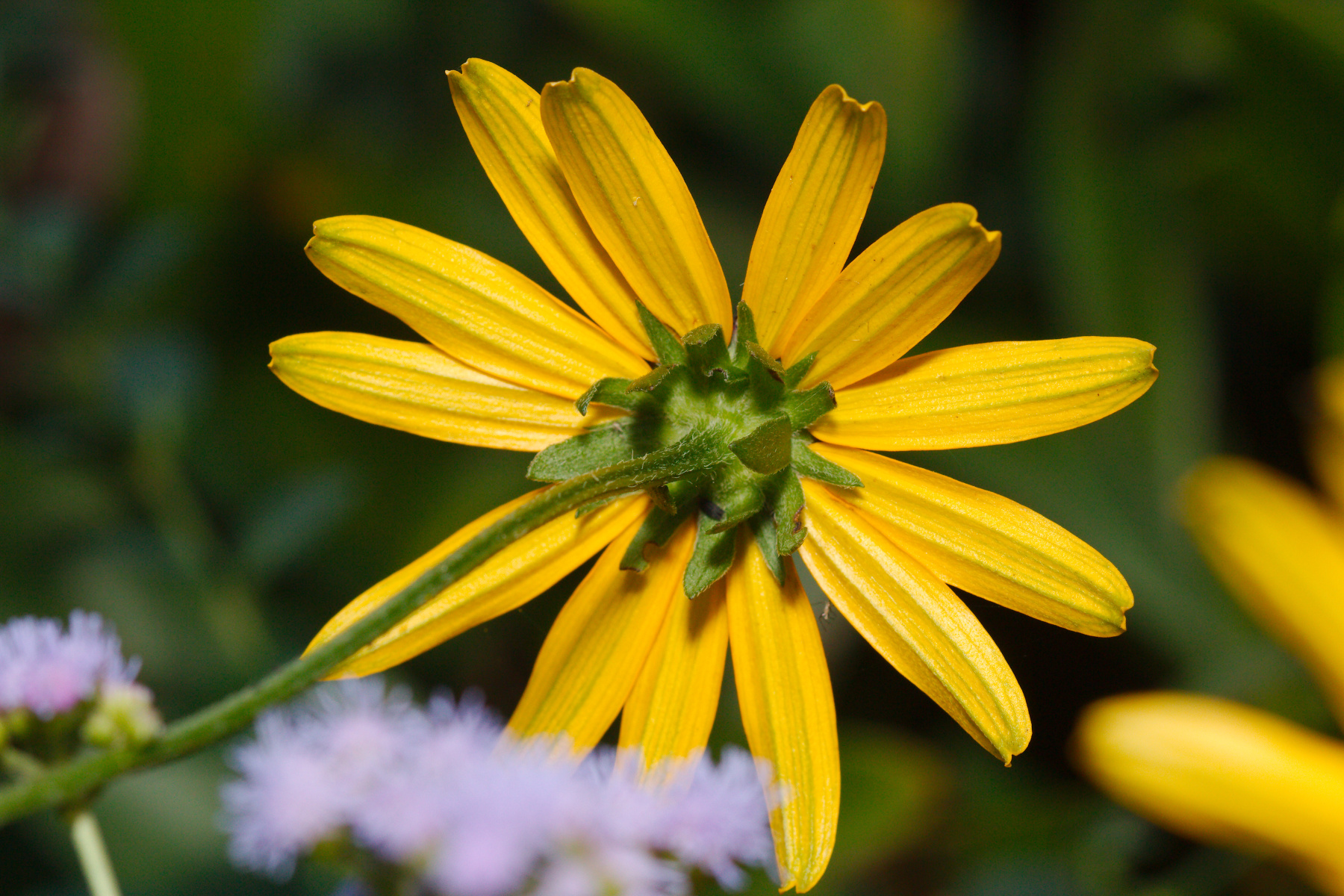
I went out to take pictures this evening and didn’t find a lot new to photograph. There were some old mushrooms and I got pictures of them, but they were pretty ugly pictures of mushrooms turning to mush. There are still a huge number of black-eyed Susans and blue mistflower (Conoclinium coelestinum), a fairly prolific herbaceous perennial with frilly, pale blue flowers. I wanted something different so here’s a photo of a black-eyed Susan from behind, with a bit of mistflower in the foreground. Actually, we have some mistflower with white flowers. I don’t know if that’s a common, natural variation or not, but they are nice. I should photograph them at some point.

Categories: Flowers and Plants | Comments Off on Black-eyed Susan, From Behind

Skipper on Russian Sage

Skipper on Caryopteris

Skipper on Caryopteris

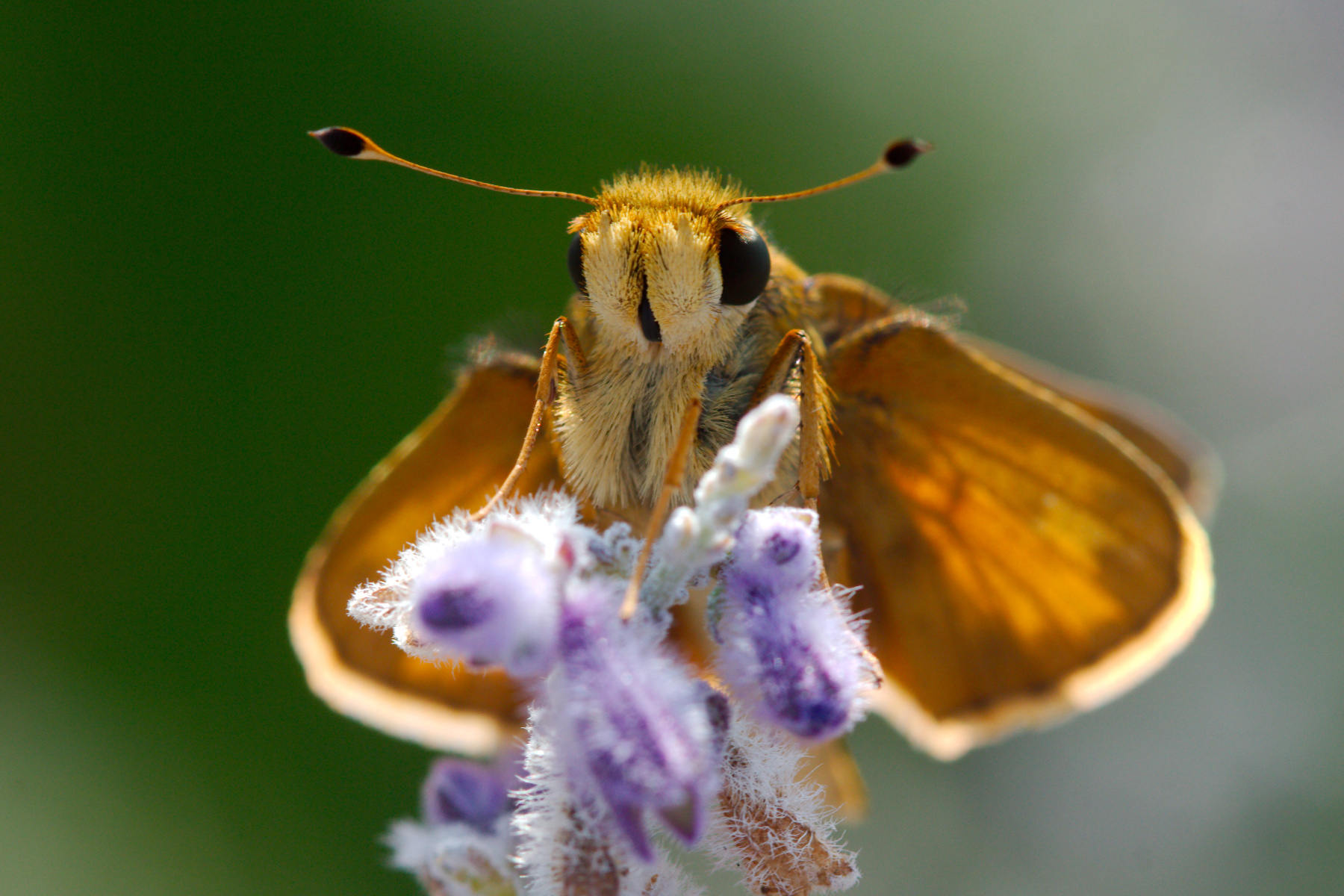
Dorothy and I went in to church early this morning because she was singing and needed to be there for practice. I forgot to bring my book, so I had some free time. There are two small islands in the parking lot planted with caryopteris, which is quite happy there and blooming quite profusely. That’s another good insect magnet and I decided to go see what I could find. I like the head-on pictures I took of a small skipper on the top of a caryopteris stem. It’s a little thing, only about 1.5cm across.

Update: I originally labeled the flower this skipper is on as Caryopteris. It’s not. Instead, it is Russian Sage (Perovskia atriplicifolia). I often get those mixed up in my head, but fortunately, Cathy keeps them straight.

Categories: Creatures, Flowers and Plants | Comments Off on Skipper on Russian Sage

Sunflower

Sunflower

Sunflower

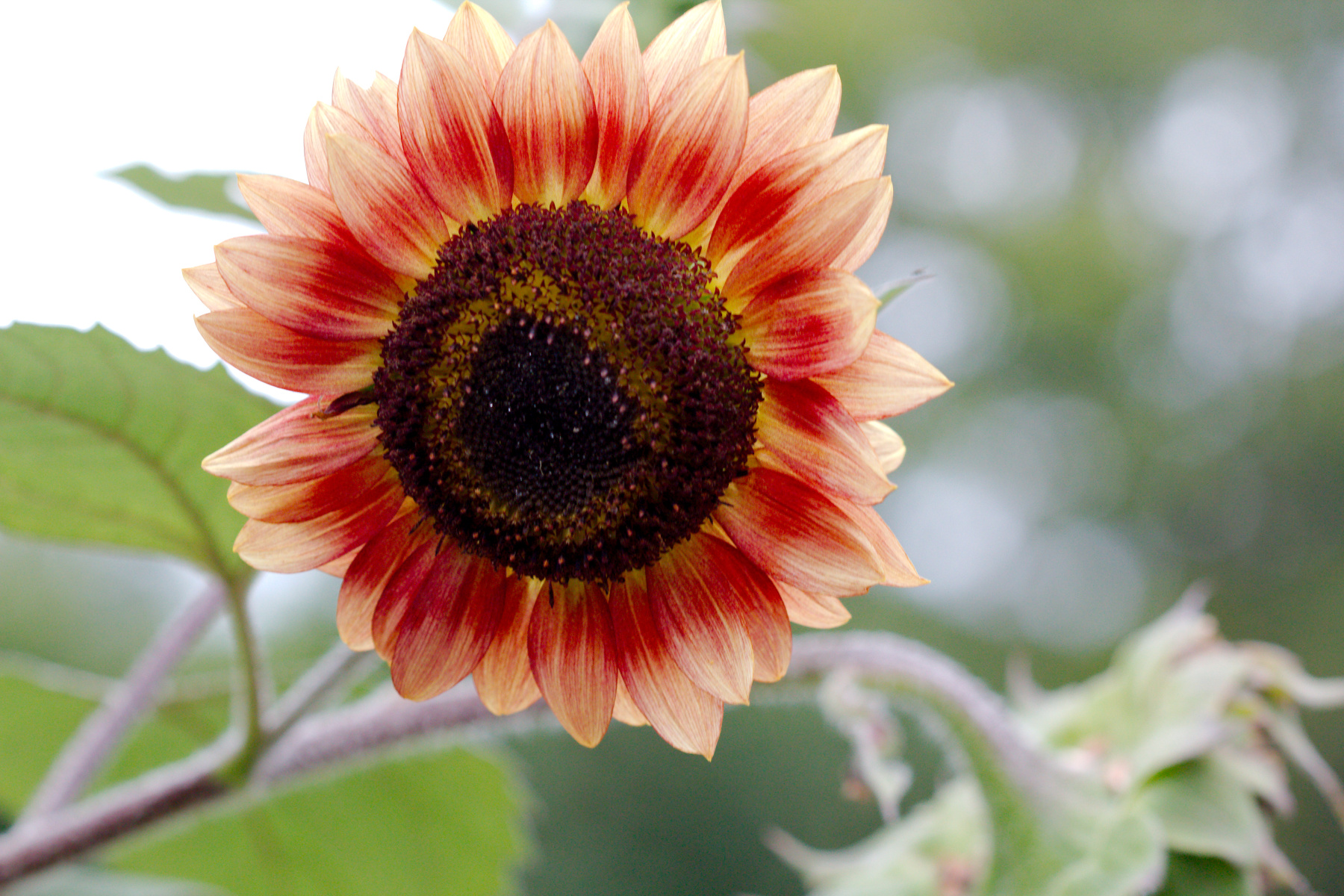
Here’s a second photo from our brief visit to Rocklands Farm in Poolesville. Many of the sunflowers have passed their peak and were starting to dry up but a few were still in fine form. Dorothy and I particularly liked this one, with the red added to the petals. Photographing sunflowers can sometimes be tricky because the are so tall. You often end up with very bright sky behind them. In this case, I moved around until there were at least a few trees behind the flower to put a little something in the background.

Categories: Flowers and Plants | Comments Off on Sunflower

Polites peckius (Peck’s Skipper)

<em>Polites peckius</em> (Peck's Skipper)

Polites peckius (Peck’s Skipper)

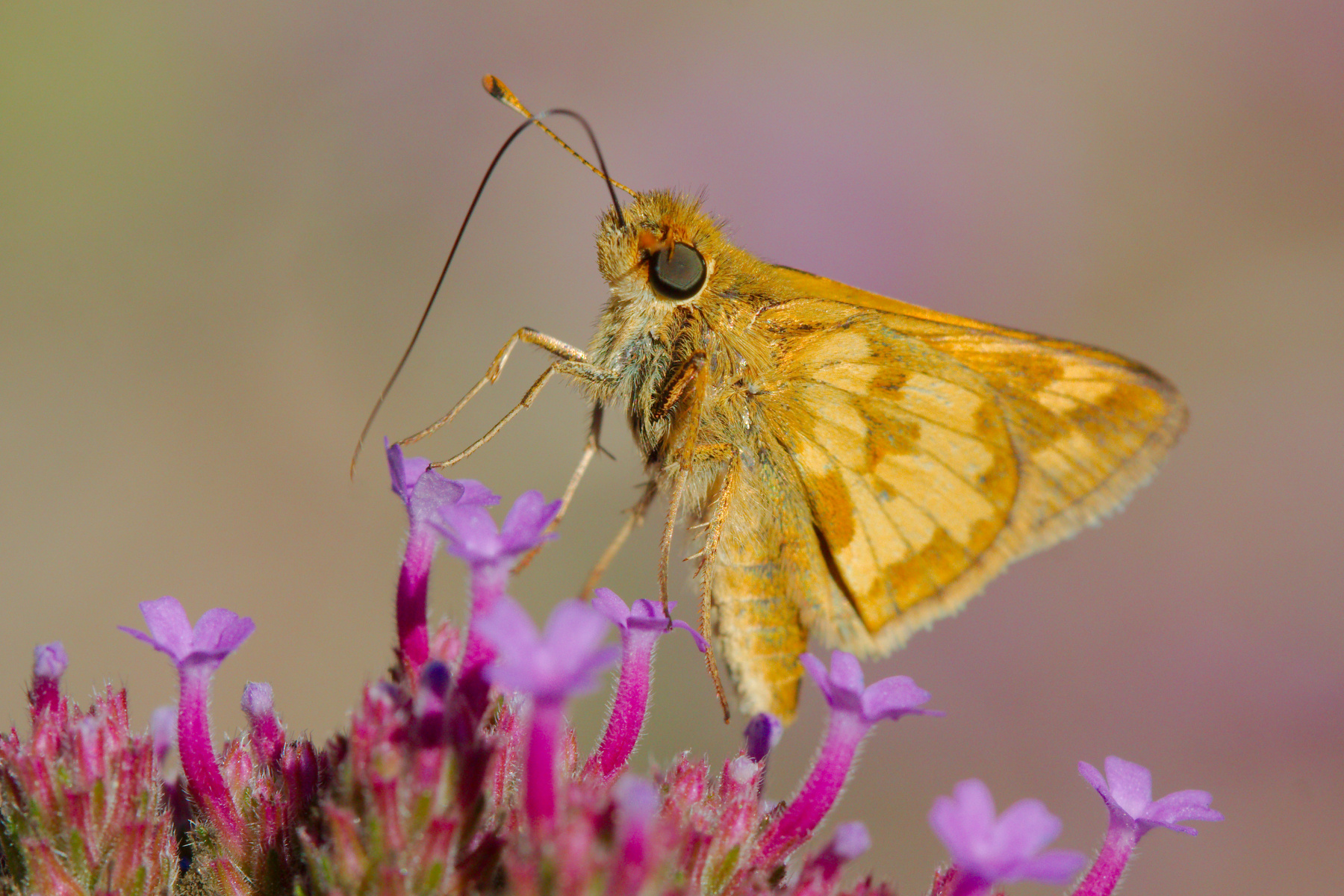
The sun was hot today and the insect activity out back was intense. On the mountain mint (Pycnanthemum muticum) there were bees and wasps of all descriptions. Out in the middle of the yard, on the patch of purple vervain (Verbena bonariensis) there were dozens, if not hundreds of skippers and a handful of cabbage whites (Pieris rapae). This is a Peck’s skipper (Polites peckius) that let me get close enough for a pretty good portrait.

Categories: Creatures, Flowers and Plants | Comments Off on Polites peckius (Peck’s Skipper)

Monarch and Resin Bee

Danaus plexippus (Monarch)

Danaus plexippus (Monarch)

It was another beautiful day, a bit warmer than it’s been, but then it is August. I worked in the yard quite a bit this afternoon, doing a lot of weeding. It was mostly thistles and fleabane, ignoring the smaller weeds. I also cut a fair amount of dead wood out of a few of the roses. The pink multiflora rose was an absolute thicket of canes and my arms are a bit worse for the work, but the rose will be happier for it. When I had filled two barrels with yard waste (packed down quite a bit), I took a break and sat in the shade with a good book and a cold drink. I didn’t get very far in my reading, though.

Megachile sculpturalis (Sculptured Resin Bee)

Megachile sculpturalis (Sculptured Resin Bee)

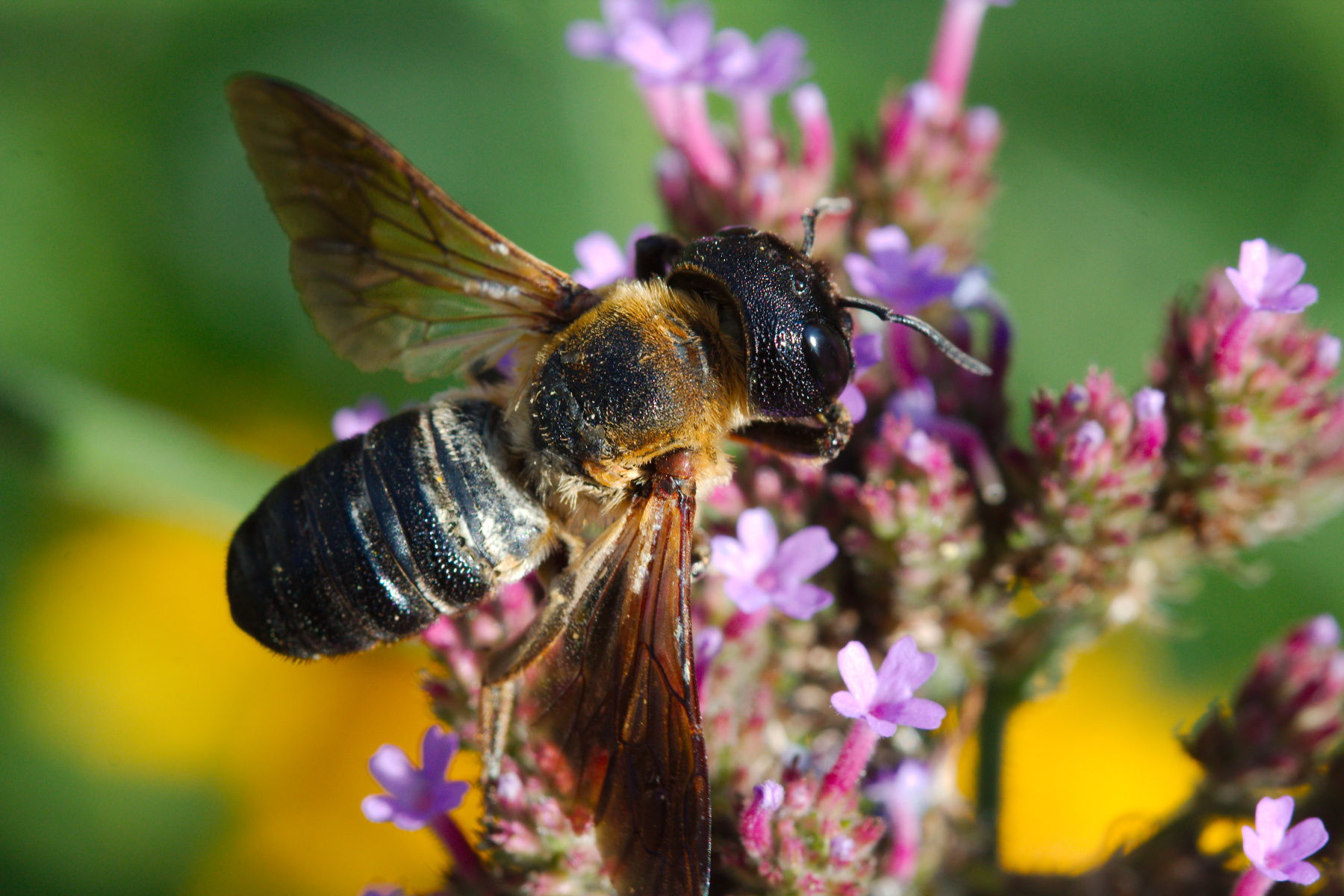
I noticed a monarch butterfly (Danaus plexippus) on the Verbena bonariensis growing in the middle of our back yard. I was able to get pretty close and picked this one as the best, partly because of the bright background of black-eyed Susans. While I was taking pictures of him (it’s a male) I noticed a fairly large bee. It’s about an inch long and is a Sculptured Resin Bee (Megachile sculpturalis). They were recently introduced to eastern north America from their native Japan and eastern China, having first been seen in North Carolina in 1994.

Categories: Creatures, Flowers and Plants | Comments Off on Monarch and Resin Bee

Verbesina alternifolia (Wingstem or Yellow Ironweed)

Verbesina alternifolia (Wingstem or Yellow Ironweed)

Verbesina alternifolia (Wingstem or Yellow Ironweed)

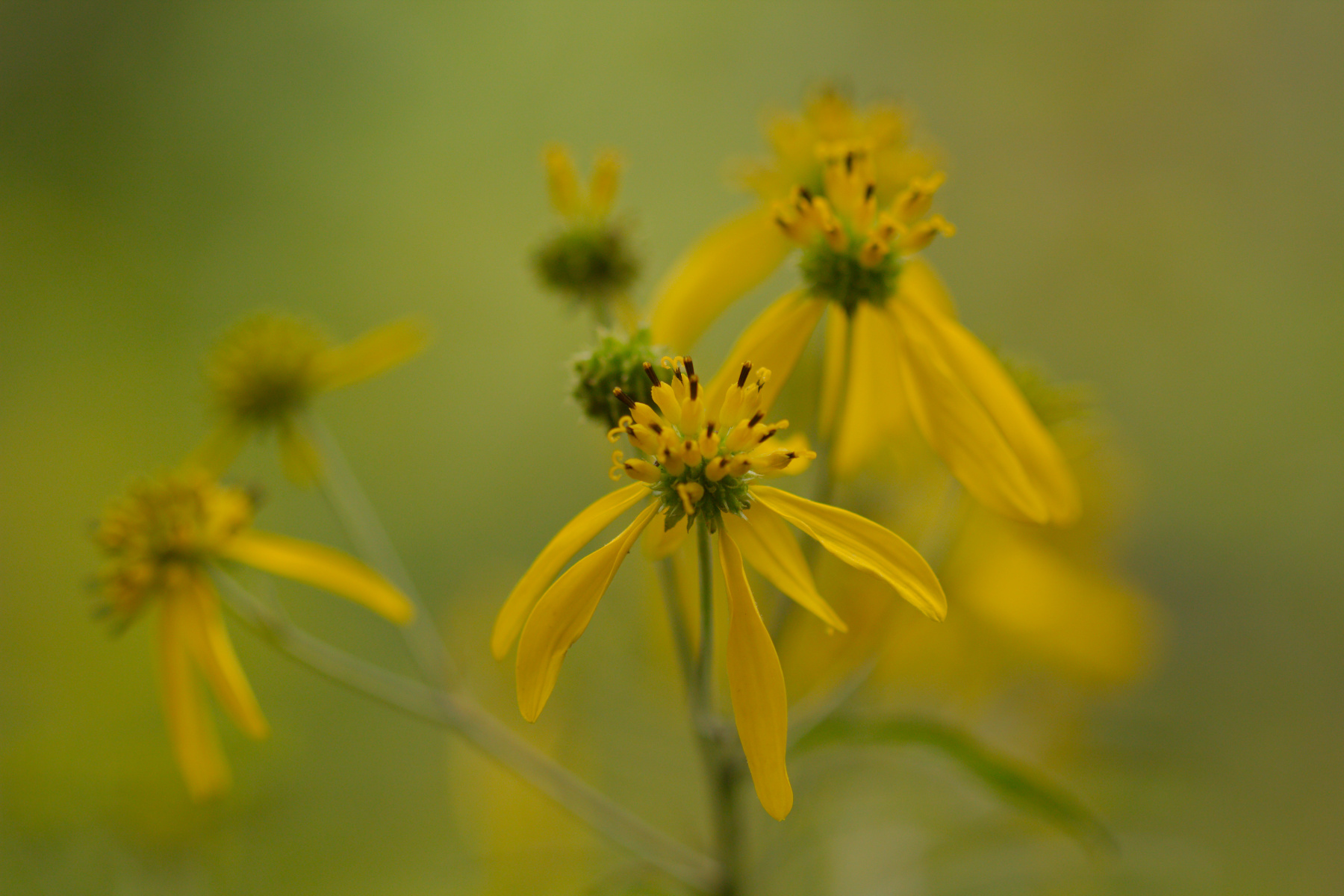
In the past, particularly in my first year of taking a picture every day (2011), I often went out into the “empty” lot next to my building. I put empty in quotes because it is only empty in the sense that there is no building on it. It’s full of other things, like trees, herbaceous and woody perennials, and annuals. There is a stream that cuts across it, as well. Anyway, I went out this afternoon and looked around for something to photograph. This time of year isn’t all that interesting, photographically. The plants are mostly starting to turn brown, flowers are mostly finished but seeds have not yet developed. This plant is an exception. It is, I believe, commonly known as wingstem or yellow ironweed (Verbesina alternifolia). If not, it is a closely related species. Anyway, it’s quite pretty, especially at this otherwise drab time in the woods. The two difficulties photographing this are that it’s relatively dark where they are growing, under a canopy of trees, and they are mostly about eight feet tall, making them a bit hard to see from a good angle.
Categories: Flowers and Plants | Comments Off on Verbesina alternifolia (Wingstem or Yellow Ironweed)

Gartenmeister Fuchsia

Gartenmeister Fuchsia

Gartenmeister Fuchsia

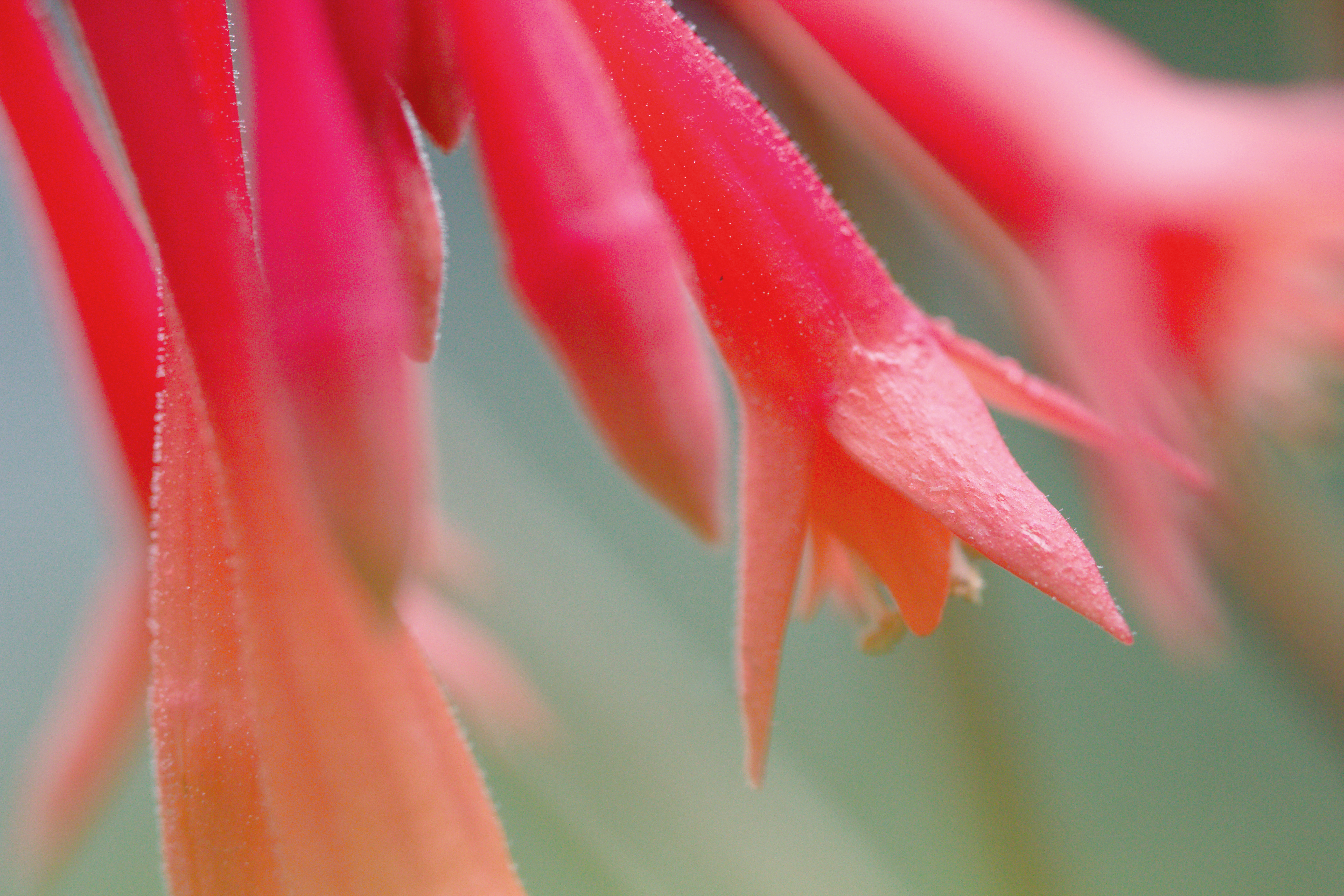
I didn’t take many photos today but went out front after getting home from work. These are flowers on a fuchsia growing in a small container on our front steps. The flowers are pretty, even though the plant could be heathier—it’s just a small thing.

I try to write enough to at least fill the space besind each photograph I post. This time, I just don’t have much to say (so I’ll write about not having anything to write).

Categories: Flowers and Plants | Comments Off on Gartenmeister Fuchsia

Rose ‘Perle d’Or’

Rose ‘Perle d’Or’

Rose ‘Perle d’Or’

This rose, just outside our front door, has done reasonably well this year, all things considered. I had to cut it back pretty hard after the cold winter we had so it’s not nearly as pretty this year as last, but it’s had flowers on it most of the summer. They are not big, bold flowers but small and quietly pretty. One area where it is assertive is the fragrance. On a warm, humid summer morning, when you open the door, its aroma fills the air and it’s lovely. Rose ‘Perle d’Or’ is a China rose, bred by Joseph Rambaux in France, 1884.

Categories: Flowers and Plants | Comments Off on Rose ‘Perle d’Or’

Zinnia Flower Detail

Zinnia Flower Detail

Zinnia Flower Detail

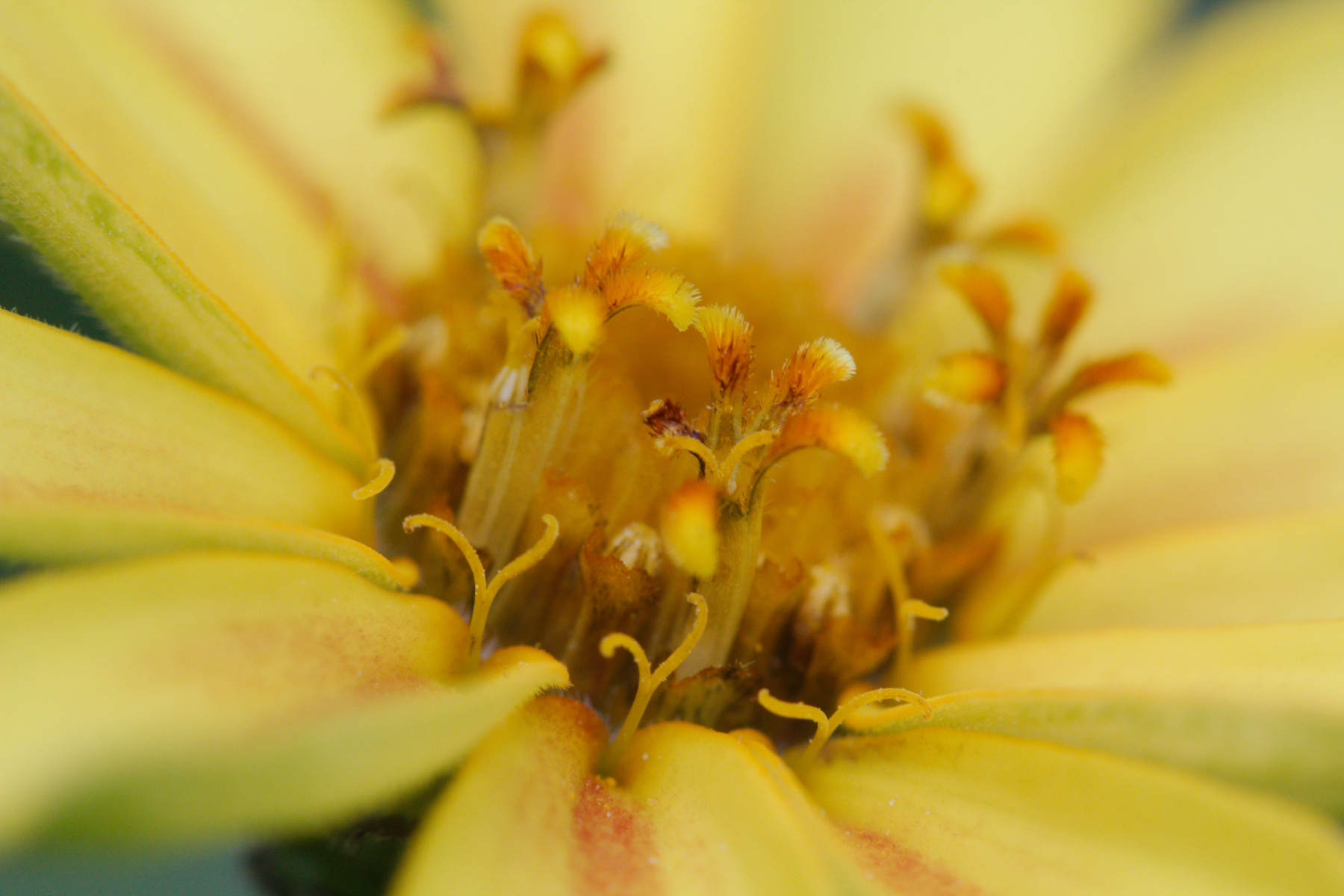
Zinnia flowers are interesting. As members of the aster or sunflower family (Asteraceae or Compositae), they have composite flowers—flowers made up of many little flowers. There are actually two different types of flowers on each ‬single” zinnia flower. Around the outside are ray flowers which have, in the case of the flower shown here, a single petal. Sometimes they have multiple petals, making the overall compound flower “double.” Then, in the center of the compound flower are disk flowers. In the picture here, these disk flowers have orange in their corolla lobes. The little question mark filaments at the base of the ray flowers are their stigmata.

Categories: Flowers and Plants | Comments Off on Zinnia Flower Detail

White Coneflower

White Coneflower (Echinacea species)

White Coneflower (Echinacea species)

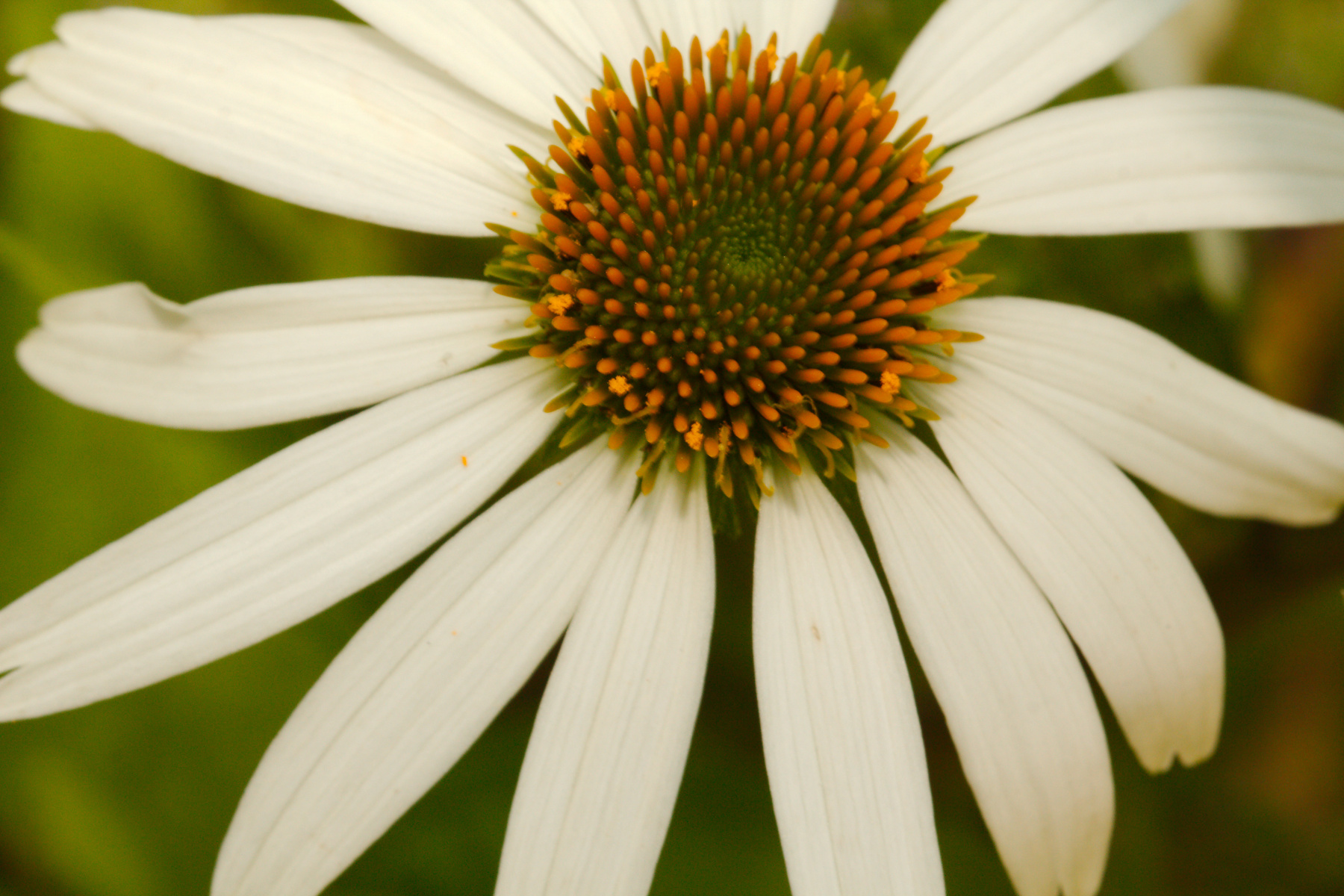
We’ve had an amazing summer. After a rather cold and gloomy winter, which ran over into spring, we’ve had a particularly mild summer. There have been a few hot spells into the 90s, but for the most part it has been quite lovely.

Normally by this time of the summer, the grass in the lawn would be partially brown and the flowers, even the black-eyed Susans and coneflower (Echinacea species), would be bug eaten and starting to dry up. This week, leading up to the middle of August, has been particularly spectacular. The high temperatures have been in the mid 80s and it has been relatively dry, in terms of humidity. And, we’ve had plenty of rain. In extreme years we go most or even all of July and August without a shower.

Categories: Flowers and Plants | Comments Off on White Coneflower

Black-eyed Susans

Black-eyed Susans

Black-eyed Susans

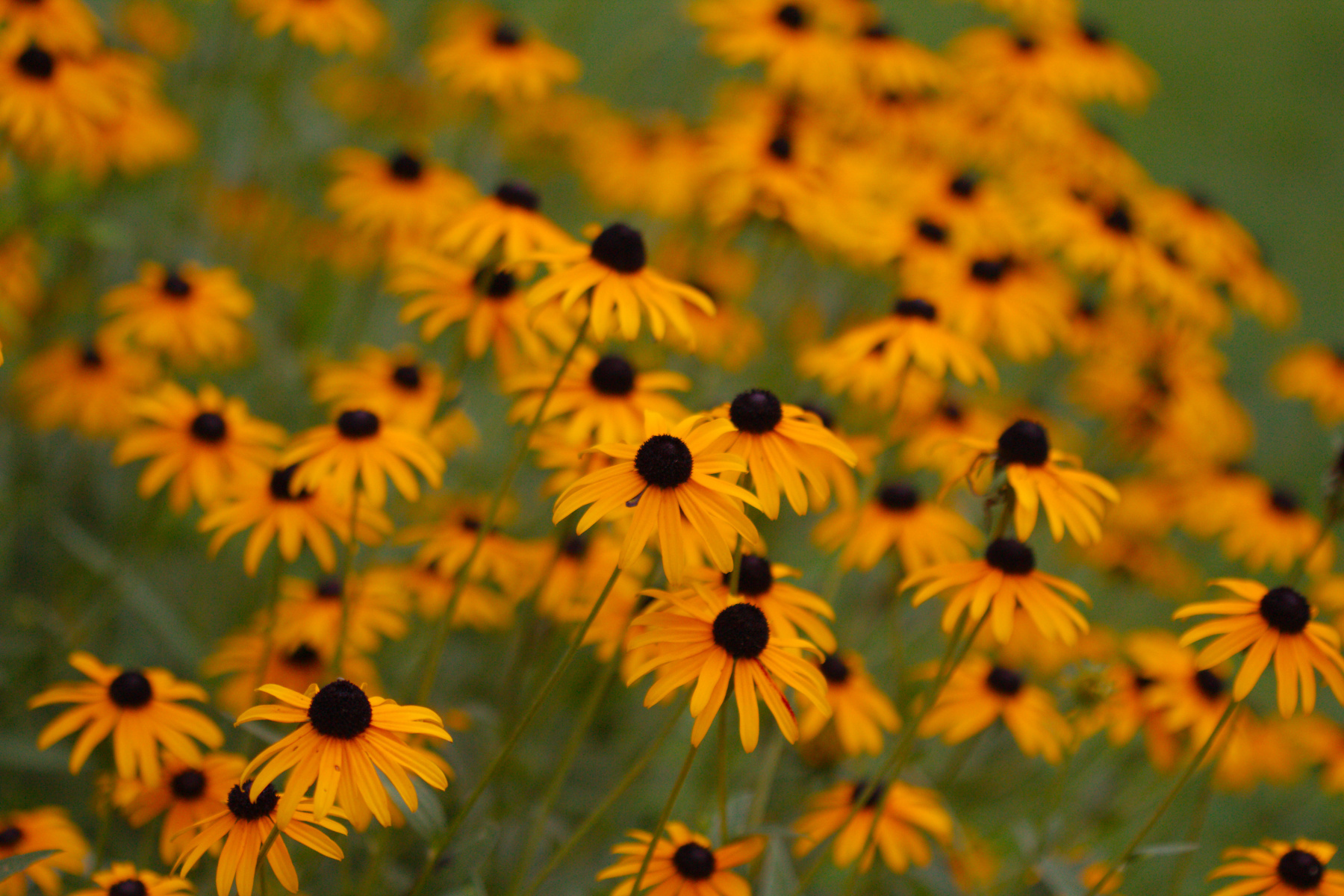
No insects today, just flowers. This is the predominant color in our back yard right now. The great thing about black-eyed Susans (Rudbeckia species) is that they bloom late in the summer, when many other plants have finished. They are also prolific and don’t need any care, to speak of. They happen to be the Maryland state flower, so I guess that makes them particularly appropriate for growing here (in Maryland).

On a technical note, photographing bright, yellow flowers with a digital camera set to automatic white balance it a challenge. Pictures with one predominate color tend to fool the on-board computer into thinking it needs to correct the color balance and yellow seems to be the color that fools it the most. I almost always need to adjust the color of pictures of black-eyed Susans, unless (and I didn’t do this here) I take a shot of a neutral gray subject first and use that to set the white balance. That’s worth knowing how to do, if you take a lot of pictures of brightly but monochromaticly colored subjects.

Categories: Flowers and Plants | Comments Off on Black-eyed Susans

Fireworks

Fennel (Foeniculum vulgare)

Fennel (Foeniculum vulgare)

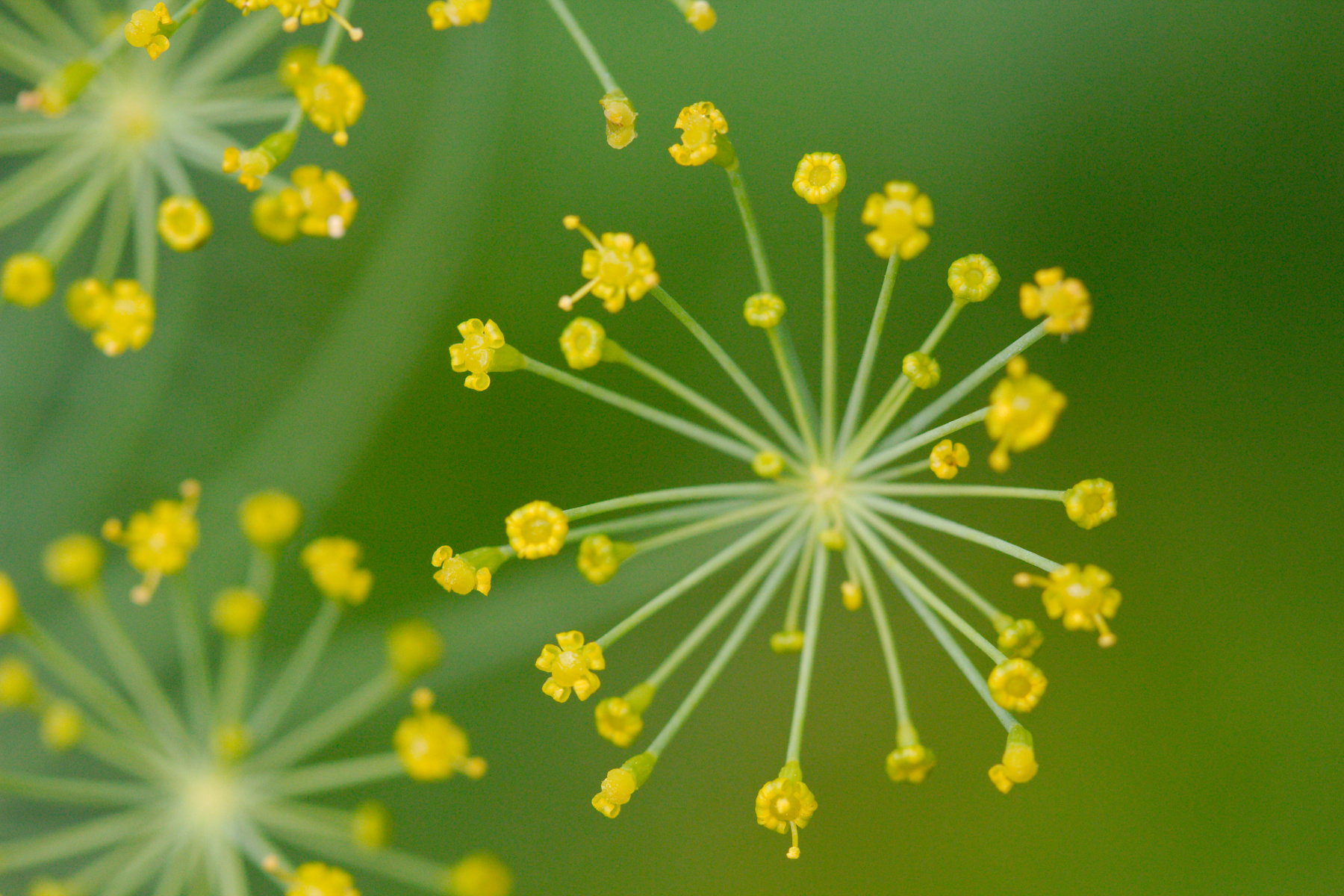
We went over to Albert and Brady’s house early this afternoon and spent a while in their back yard. They have quite a vegetable garden and are discovering the joys of too many cucumbers and zucchini. This is fennel (Foeniculum vulgare), which has pretty but very small yellow flowers arranged in what looks to me like little exploding fireworks. Each of these little explosions is about three quarters of an inch across, so the individual flowers are really tiny.

Categories: Flowers and Plants | Comments Off on Fireworks

Sappy Pine Cones

Sappy Pine Cones

Sappy Pine Cones

Sometime mid-morning Cathy sent me a text saying that there was a pine tree by her parking lot with cones dripping with sap. She sent a picture taken on her phone (which was probably as good as this one) and said I should come take pictures. So, I did. It was pretty windy today so getting the cones in focus was a bit hit or miss, but this one is pretty sharp. When I first saw them, it looked like they were covered with ice, which really didn’t fit the weather we’re having.

I’m not entirely sure why they drip sap and haven’t actually looked it up, but I suspect it’s to keep insects and other critters away from the seeds while they develop. I do know (or think I know, which isn’t exactly the same thing) that the seeds take until the second year to mature. Given how long they need to survive without being eaten, the sap provides a bit of protection.

Categories: Flowers and Plants | Comments Off on Sappy Pine Cones