Flowers and Plants

Green Swamp

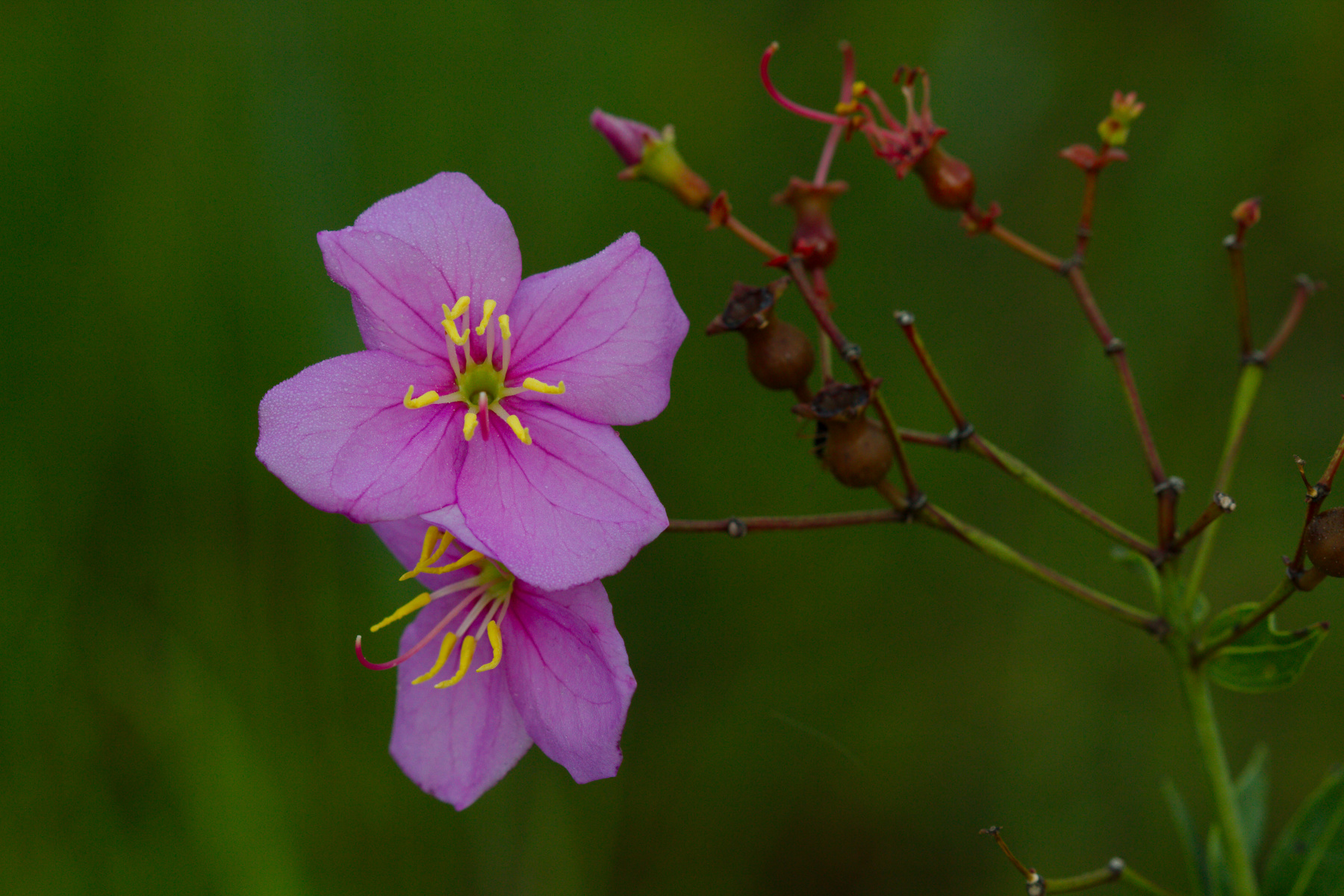
Rhexia virginica (Meadow Beauty)

Rhexia virginica (Meadow Beauty)

I have a largish collection of pictures to post for today but I’m putting them in a single post, because they were all taken at the same place. When we were at the beach few years ago we went to the Green Swamp, north of Supply, North Carolina, because of an article I happened to see in Smithsonian magazine. The article was about Venus flytraps and this is one of the places to which they are native. We had a mostly good experience on that first visit, although we learned a few important lessons, not the least of which is that there are significant biting insects there. Hey, it’s a swamp, it’s going to have bugs.
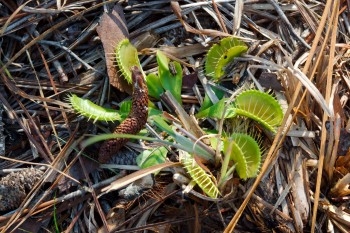
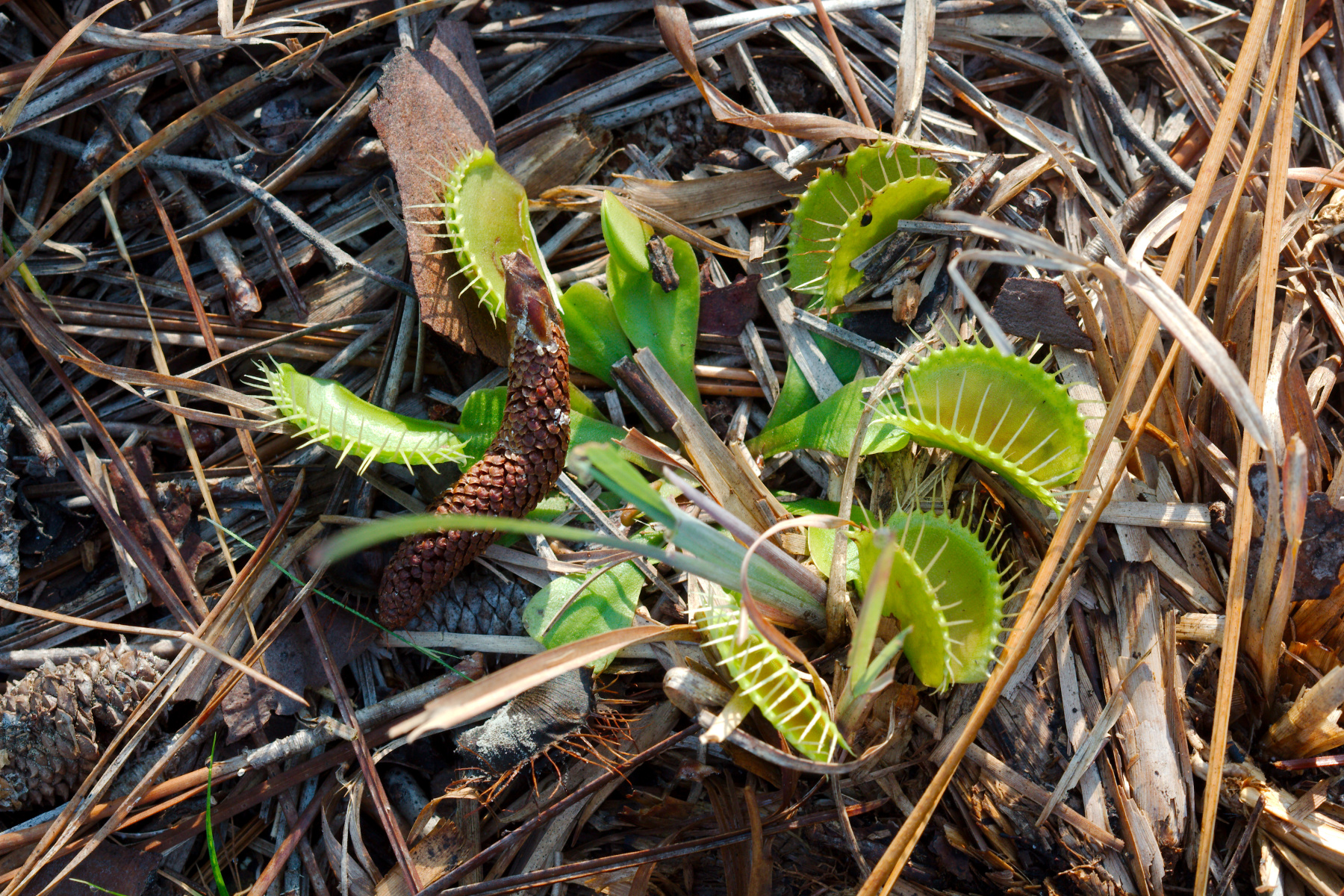
Dionaea muscipula (Venus Flytrap)

Dionaea muscipula (Venus Flytrap)

Mostly we go for the plant life. The main attraction is the collection of carnivorous plants, including but no limited to the Venus flytrap (Dionaea muscipula). My first picture above is a meadow beauty (Rhexia virginica) and they are scattered around the swamp, particularly the first areas you walk through when leaving the small parking area on NC 211. After walking on a boardwalk through the first pocosin, a heavily wooded wetland area, into the next area of (higher and dryer) long-leaf pine savanna, there are Venus flytraps. The are a little hard to find until you’re found a couple and really know what to look for. Then you start to see them everywhere.
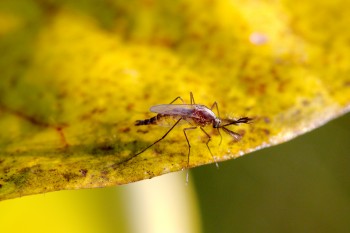
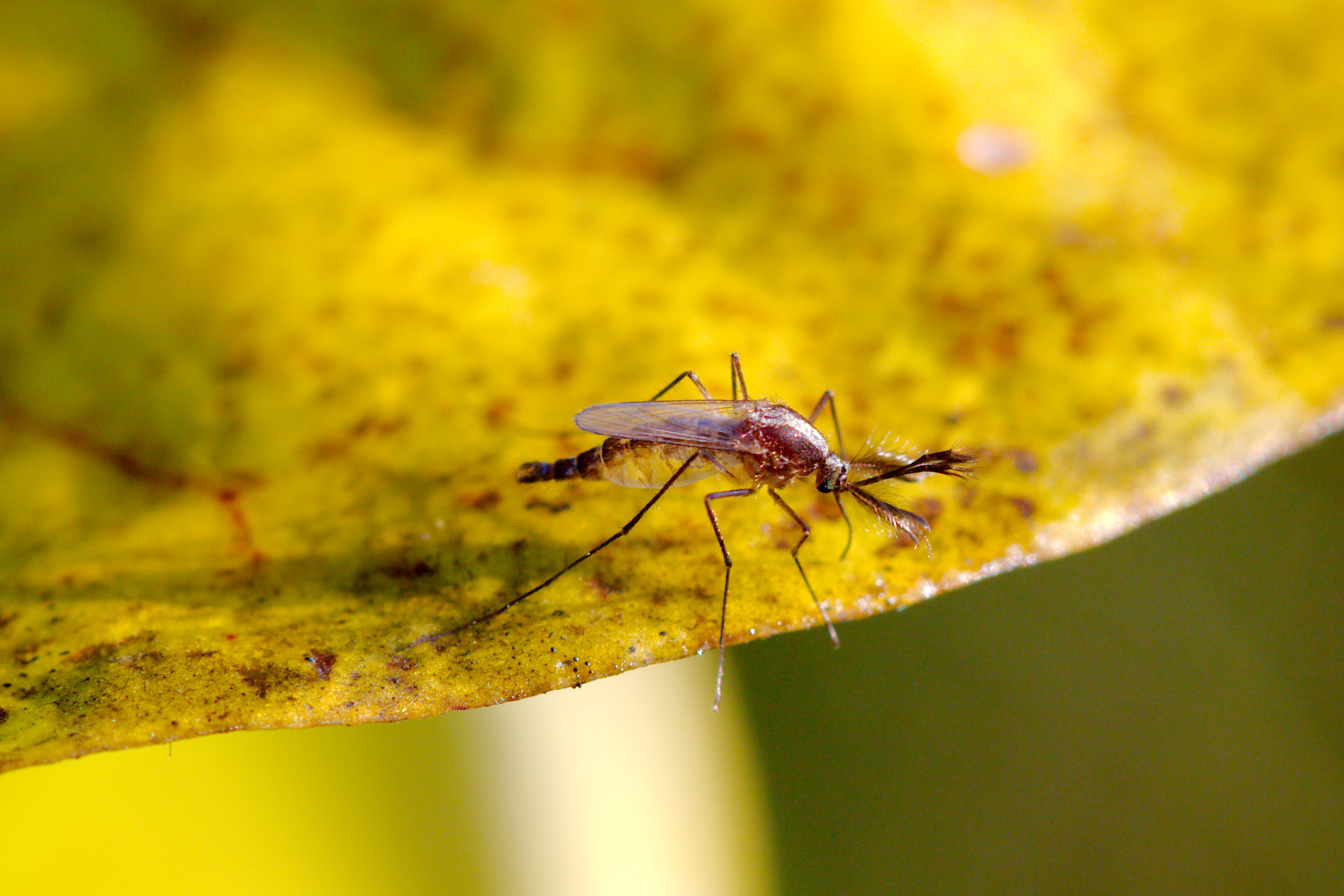
Mosquito (Ochlerotatus atlanticus)

Mosquito (Ochlerotatus atlanticus)

Back to the biting insects a bit. Many of the pitcher plants have a green lynx spider (Peucetia viridans) living on or around them. Because the plants attract insects, it’s a particularly good place for a spider to live, especially one that doesn’t spin a web and hunts for insects “the old fashioned way.” This is the top of a pitcher plant, there is a piece of leaf called an operculum which acts as a hood to the pitcher. Apparently there isn’t a lynx spider on this one, or this mosquito would probably not have lasted so long. Usually I don’t let mosquitoes hang around without being swatted but this one posed for me very nicely. As long as it didn’t land on me, I decided I would let it live. (UPDATE—2014/08/14: This has been identified as a male Ochlerotatus atlanticus. I know you’ve all been waiting with baited breath to learn that.)
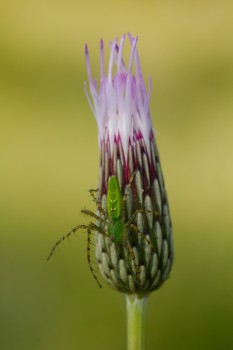
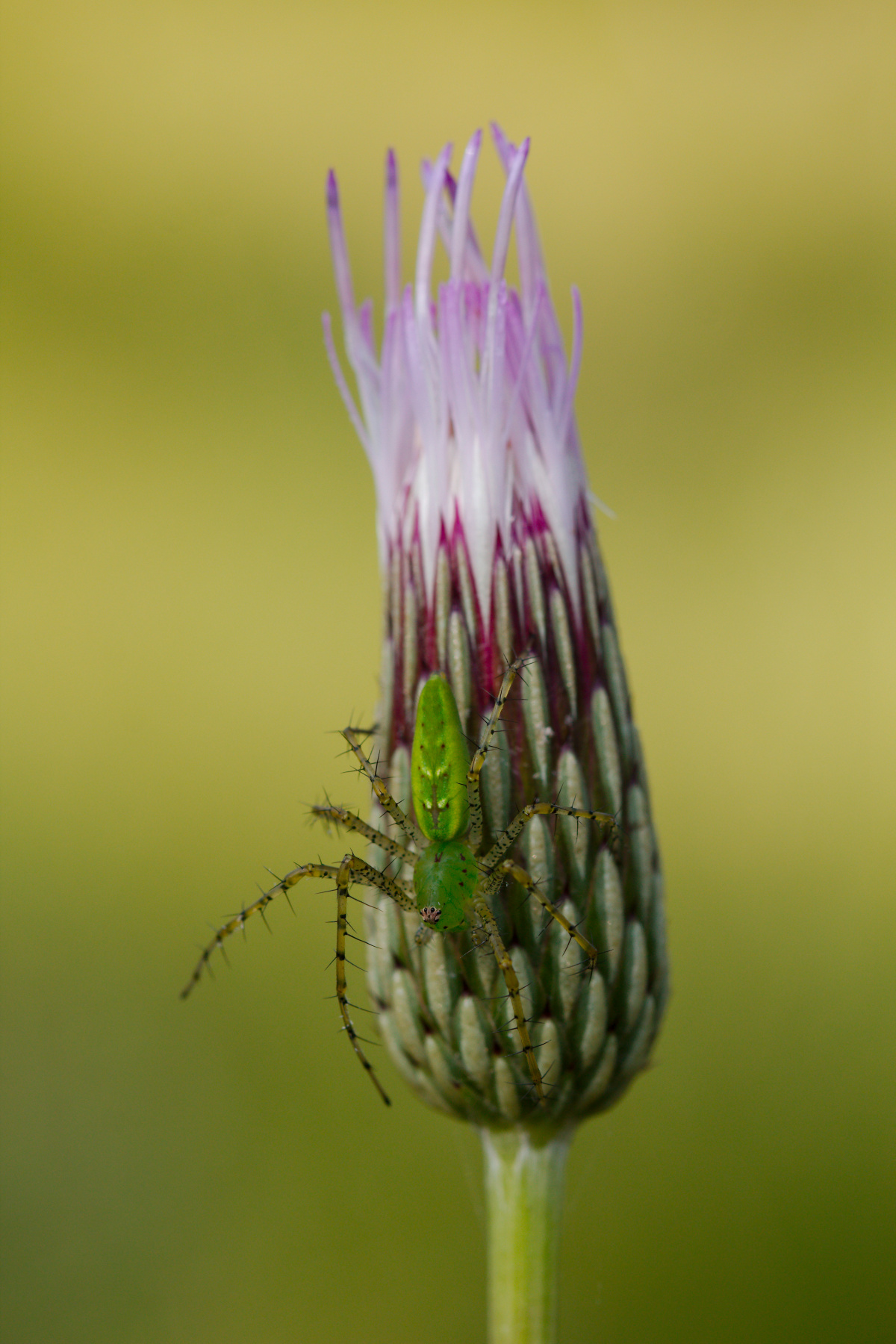
Peucetia viridans (Green Lynx Spider)

Peucetia viridans (Green Lynx Spider)

I did see lynx spiders, though. Both on pitcher plants and on this thistle bud. I like this picture for it’s color and simplicity. These spiders are quite ferocious looking up close, with spines all over their legs and their bright green color, which makes them a bit difficult to see sometimes, as they blend in with their leafy surroundings.

When I got my camera set up, this one moved around to the far side of the thistle bud. I few gentle movements with my finger convinced her to move around to the camera side, however. I did take a few closer pictures that show more detail of the spider but I thought I’d go with this longer view, showing the whole flower. We also saw them on pitcher plants and I took some pictures of that, as well, but they didn’t turn out as nicely as this one, I think.
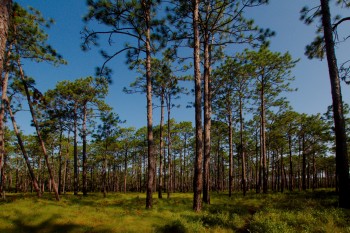
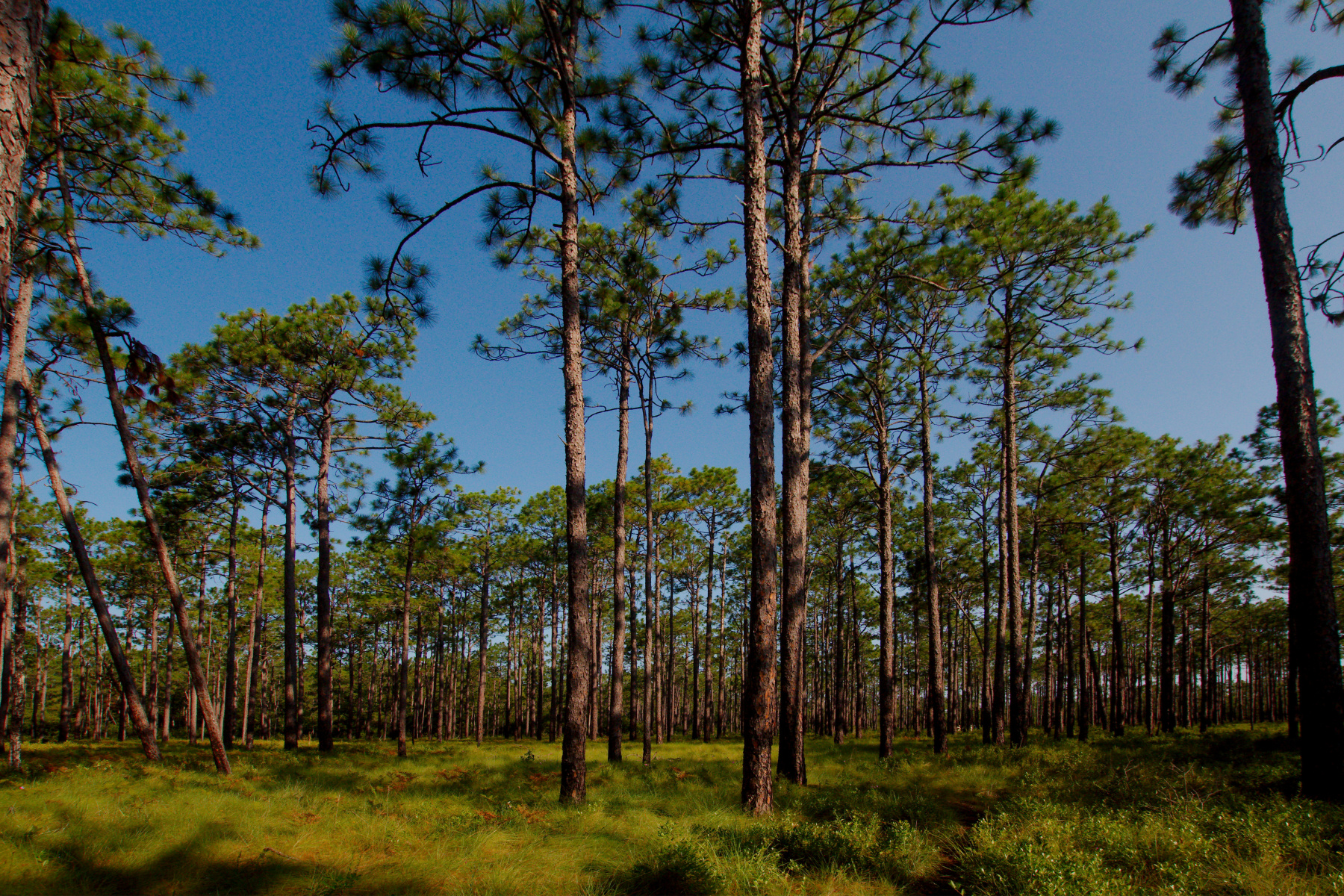
Long-leaf Pine Savanna

Long-leaf Pine Savanna

Here’s a wide angle view of the long-leaf pine savanna we were walking through. In this area are the eponymous long-leaf pines, of course. The most common plant is grass and since we came early this year, it was still quite wet with dew. Our pant legs were soaked long before we got this far into the swamp. You cannot really see them well in this picture but the yellow pitcher plants are scattered through the grass, reaching up through it. The smaller purple pitcher plants are harder to find, because they only grow about six inches tall, at most. Their flower stalk is usually the first thing you see, being much taller than the pitchers.
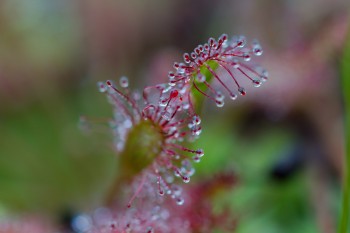
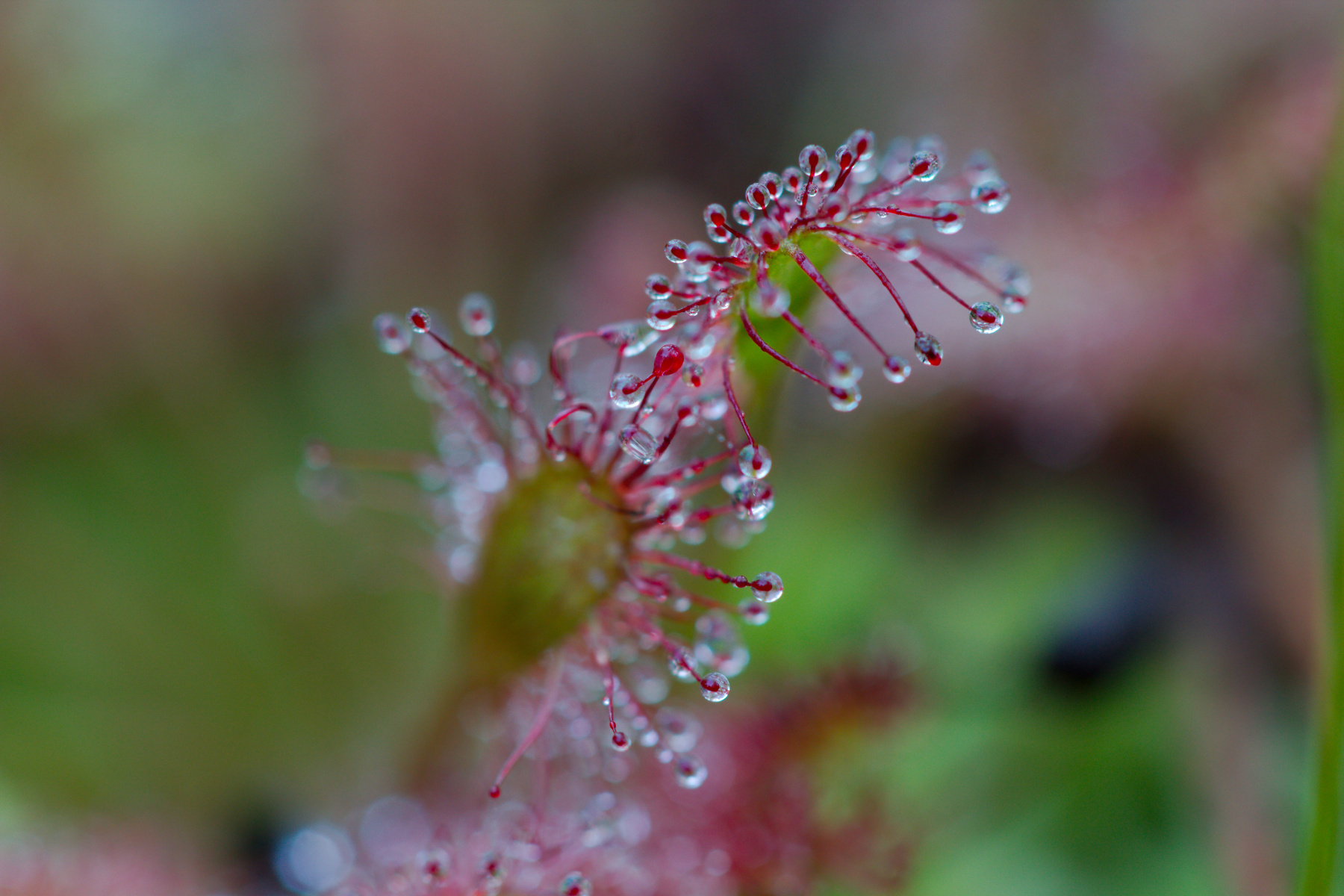
Drosera intermedia (Spoonleaf Sundew)

Drosera intermedia (Spoonleaf Sundew)

On the way out of the swamp we stopped by the pond near the parking area to take pictures of pitcher plants. They grow in the very wet area right on the edge of the pond. They may grow in other areas of the swamp but this is the only place we’ve seen them. They are quite small and it really helps to know what you’re looking for. The leaves of this spoonleaf sundew (Drosera intermedia) are only about 5mm across and the whole plant not much more than 4cm. They have very small, white flower, as well, but I didn’t get any pictures of them this year.
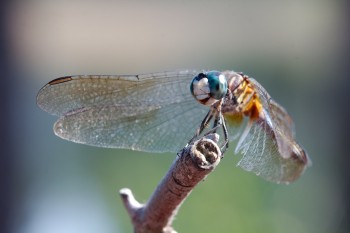
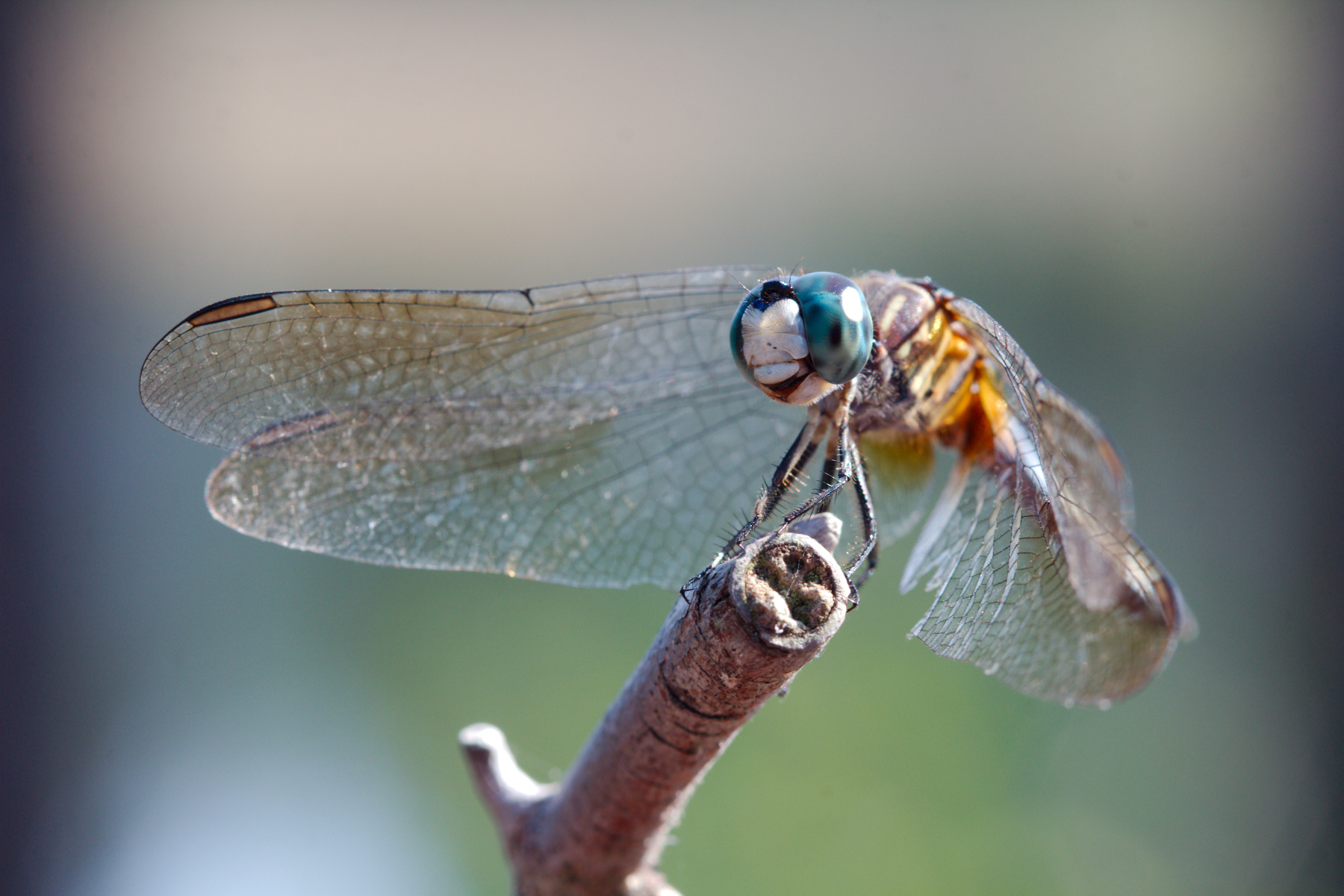
Pachydiplax longipennis (Blue Dasher)

Pachydiplax longipennis (Blue Dasher)

While I was taking pictures of the sundew, the others were enjoying a blue dasher dragonfly (Pachydiplax longipennis) who kept landing on the same twig, making it fairly easy to get close enough for a good picture. After they all had their pictures, they let me have a turn and I got this one, which I like pretty well.

So, another trip to the Green Swamp of North Carolina. If you go, try to pick a cool day and go early, before the sun gets too hot (we were done by 9:30 and it was starting to heat up by then). Put on a lot of deet-based bug repellent and be ready to swat those that ignore it. I prefer long trousers and sleeves, even though it’s hot, because of the bug protection. But be sure to bring a camera, because there’s lots to see.
Categories: Creatures, Flowers and Plants, Travel | 1 Comment

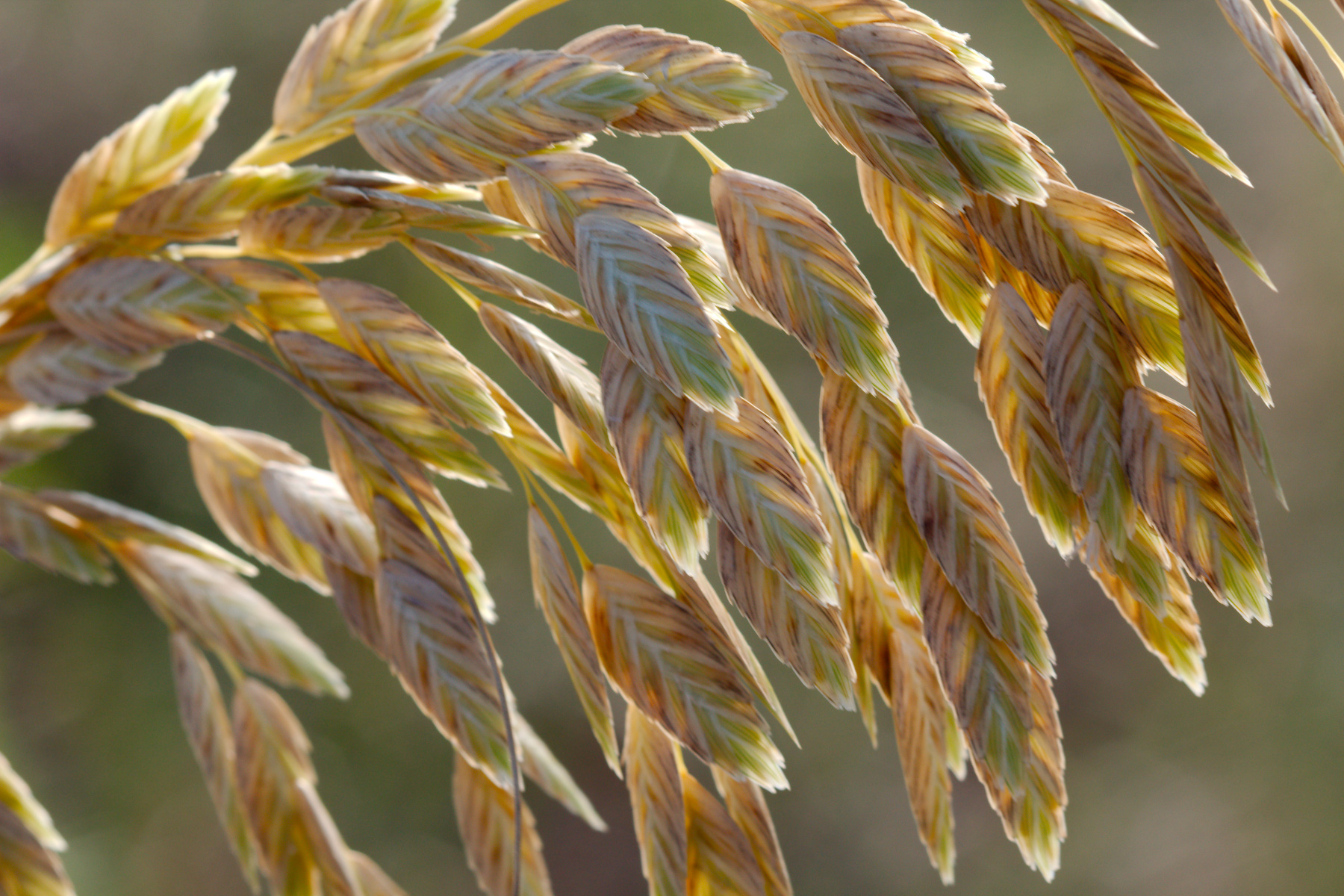
Sea Oats (Uniola paniculata)

Sea Oats (Uniola paniculata)

Sea Oats (Uniola paniculata)

Traveling tends to make getting different pictures for my blog much easier, because I’m not looking at the same things and driving the same routes that I usually see and drive. The only difficulty is that while I’m actually driving, taking pictures is pretty much out of the question, particularly when driving 70 miles per hour on I-95, which is not the most relaxing highway in the country. We left early today, arriving at our destination before the big traffic jam extends over the bridge and well onto the mainland. The only pictures I took today were from a walk on the beach and included this one of sea oats (Uniola paniculata), growing on the dunes between our rental and the ocean.

As I’m writing this after we returned from the beach I can assure you that we had a great time and I got some more interesting pictures than this.

Categories: Flowers and Plants | Comments Off on Sea Oats (Uniola paniculata)

Lotus Seed Pod

Lotus Seed Pod

Lotus Seed Pod

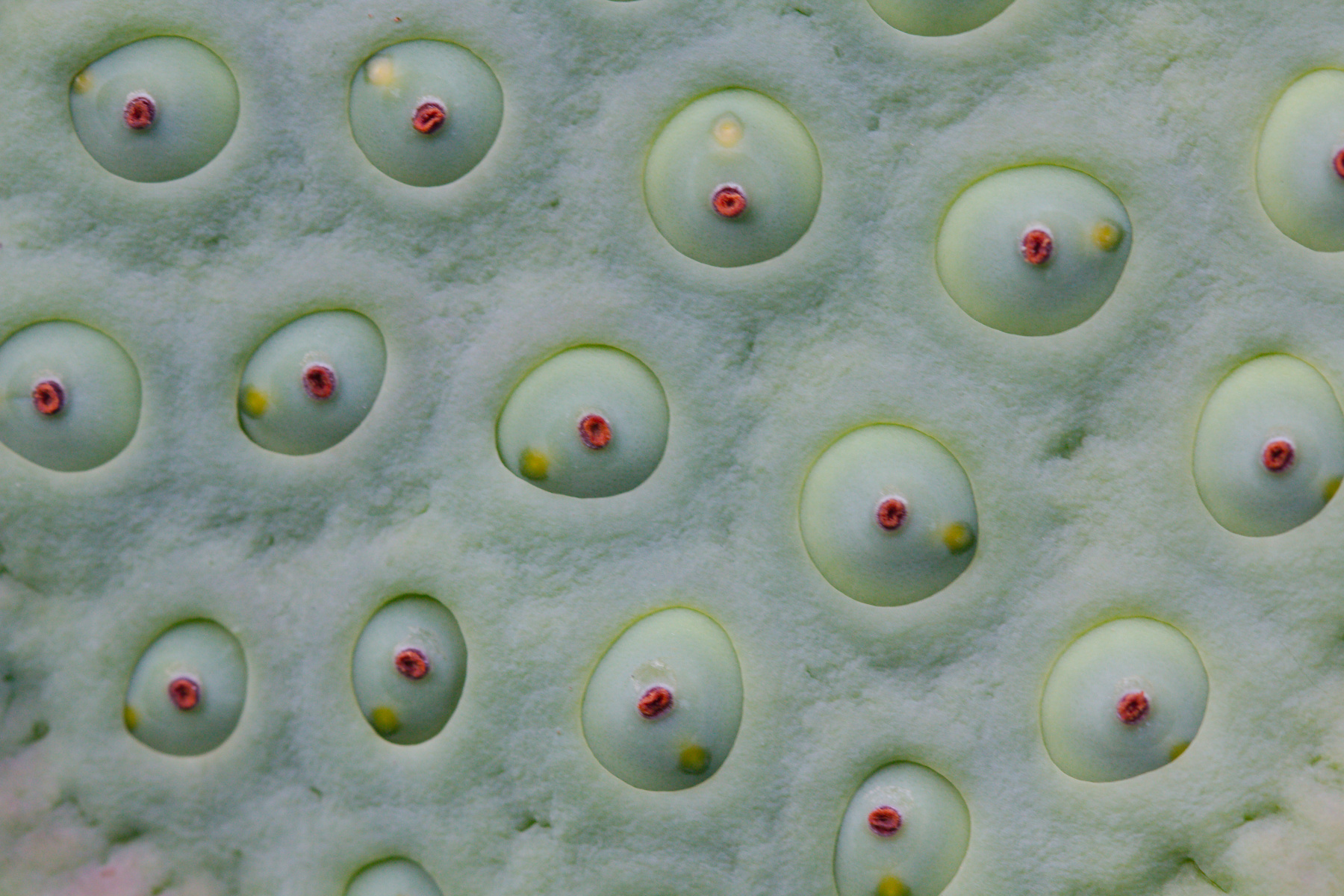
I thought you might enjoy this picture. It’s an abstract sort of image. This is a seed pod of an Indian lotus (Nelumbo nucifera). That and the other extant species, the American lotus (N. lutea) produce seeds in what is often described as resembling the spout of a watering can. These seeds are not fully ripe and are still tightly enclosed in the pod. As they age, they dry and shrink and become loose. Eventually, the pod comes apart and the seeds are released.

If anyone knows what the little yellowish lump on each seed is, I’d love to hear from you. It’s curious. I expect one little lump on a seed, where the shoot would come out, but these have two — the central, red knob and then off center, the yellowish one. Interestingly, the yellow bump is always on the side of the seed closest to the edge of the seed pod, except for in the central seed, where it seems randomly placed.

Categories: Flowers and Plants | Comments Off on Lotus Seed Pod

American Goldfinch (Carduelis tristis)

American Goldfinch (<em>Carduelis tristis</em>)

American Goldfinch (Carduelis tristis)

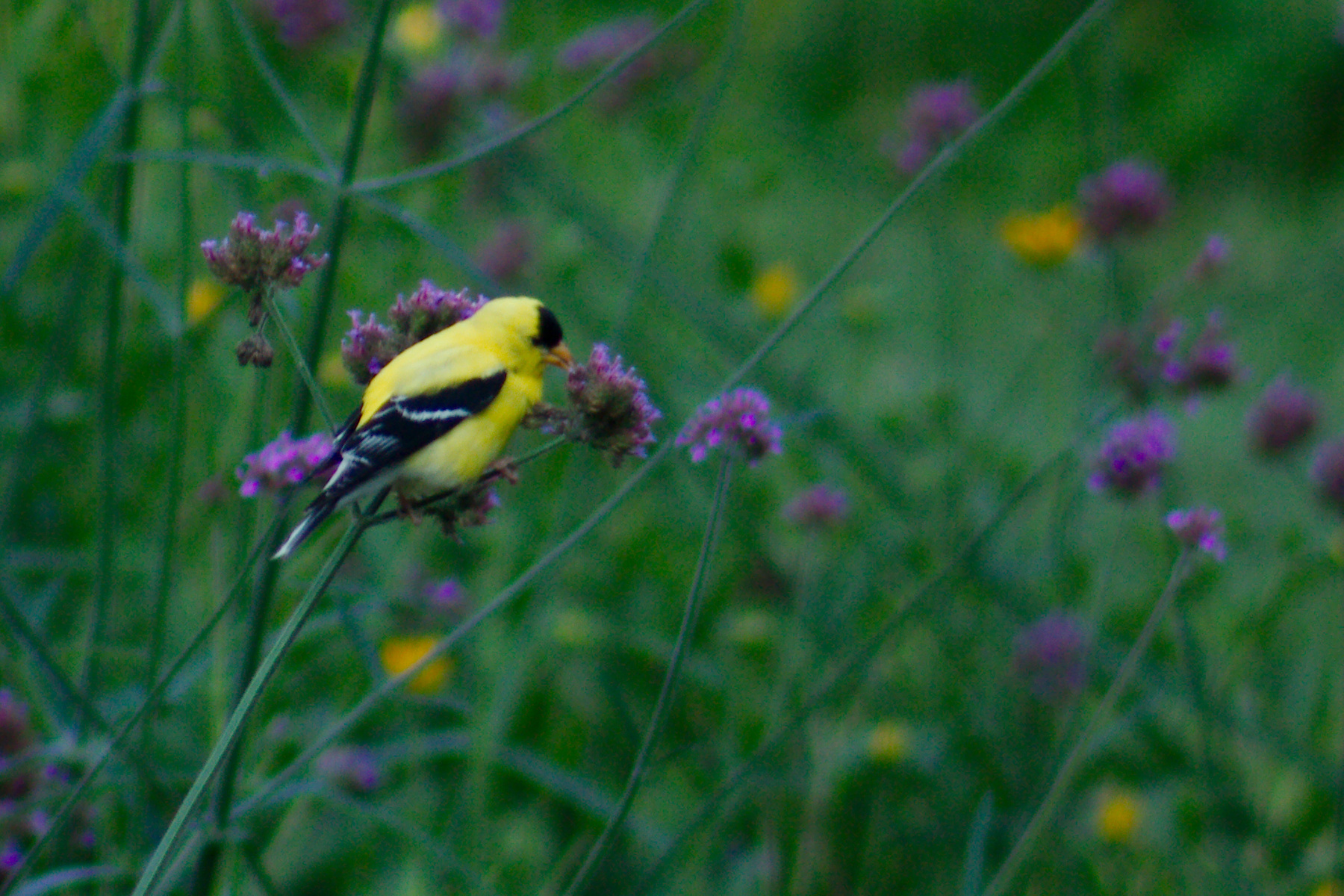
We often see goldfinches (Carduelis tristis) on the purpletop vervain (Verbena bonariensis) in our back yard. This morning he stayed long enough for me to get some pictures. Not terribly good pictures, but pictures, anyway. This was taken hand held with a not-very-sharp zoom lens at 300mm through a pane of ordinary glass in the back door. I guess this is all I could hope for. I’d really like to get something just a little longer and considerably sharper, but that’s going to have to just be on my wish list for now.

Categories: Creatures, Flowers and Plants | Comments Off on American Goldfinch (Carduelis tristis)

Day Lily

Day Lily

Day Lily

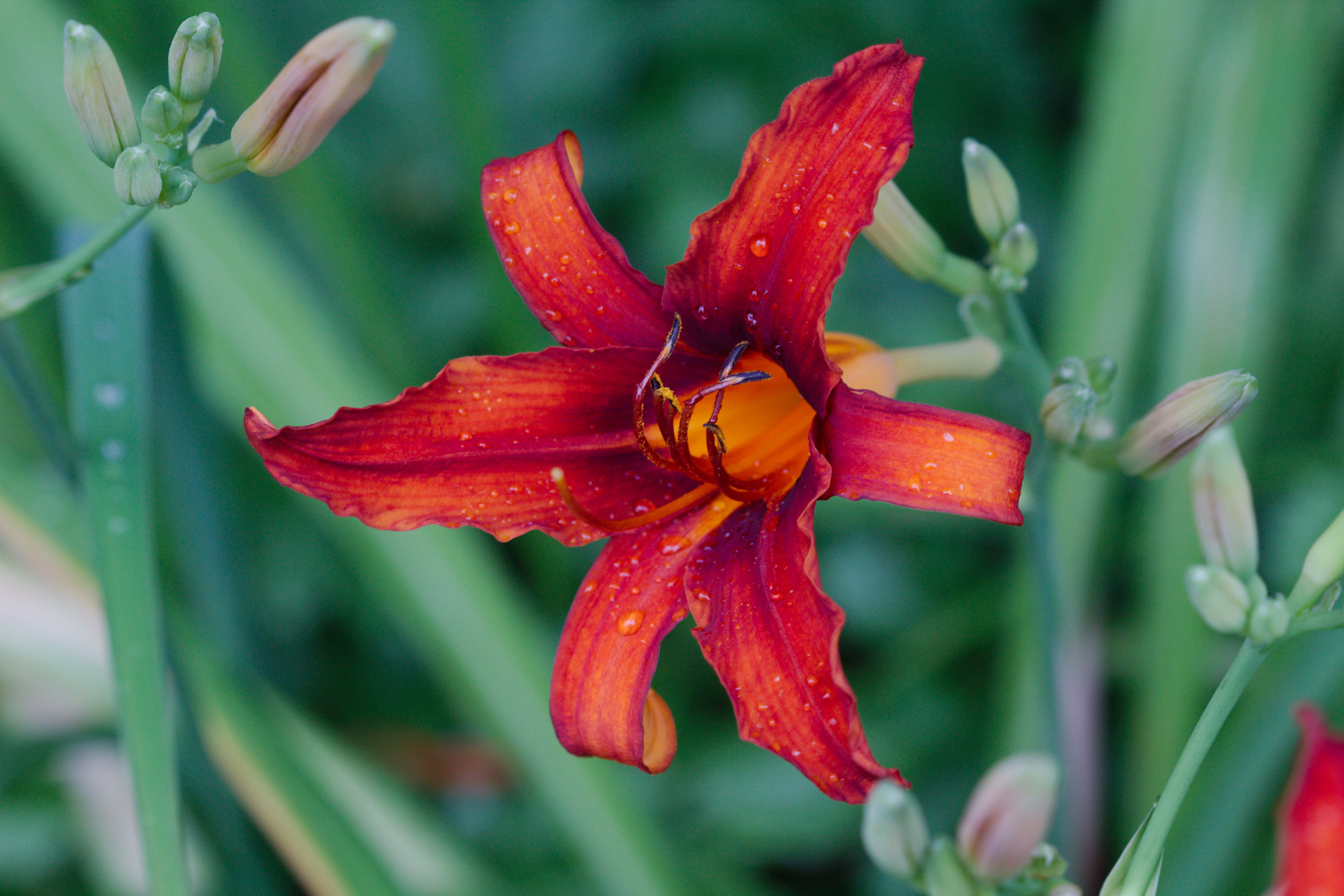
It was a hot, humid day today. When I went out this morning, I pulled out my camera to take a few pictures of this day lily. When I did, the lens fogged up immediately. I cleaned it off and waited a bit, but the pictures from the morning aren’t all that good. In the evening it was still pretty steamy but my camera had a chance to warm up before I got home and I was able to get a few pictures that I was happy with. It rained today, so the flowers were decorated with drops of water, too, which is always nice.

Categories: Flowers and Plants | Comments Off on Day Lily

Datura stramonium (Jimson Weed)

<em>Datura stramonium</em> (Jimson Weed)

Datura stramonium (Jimson Weed)

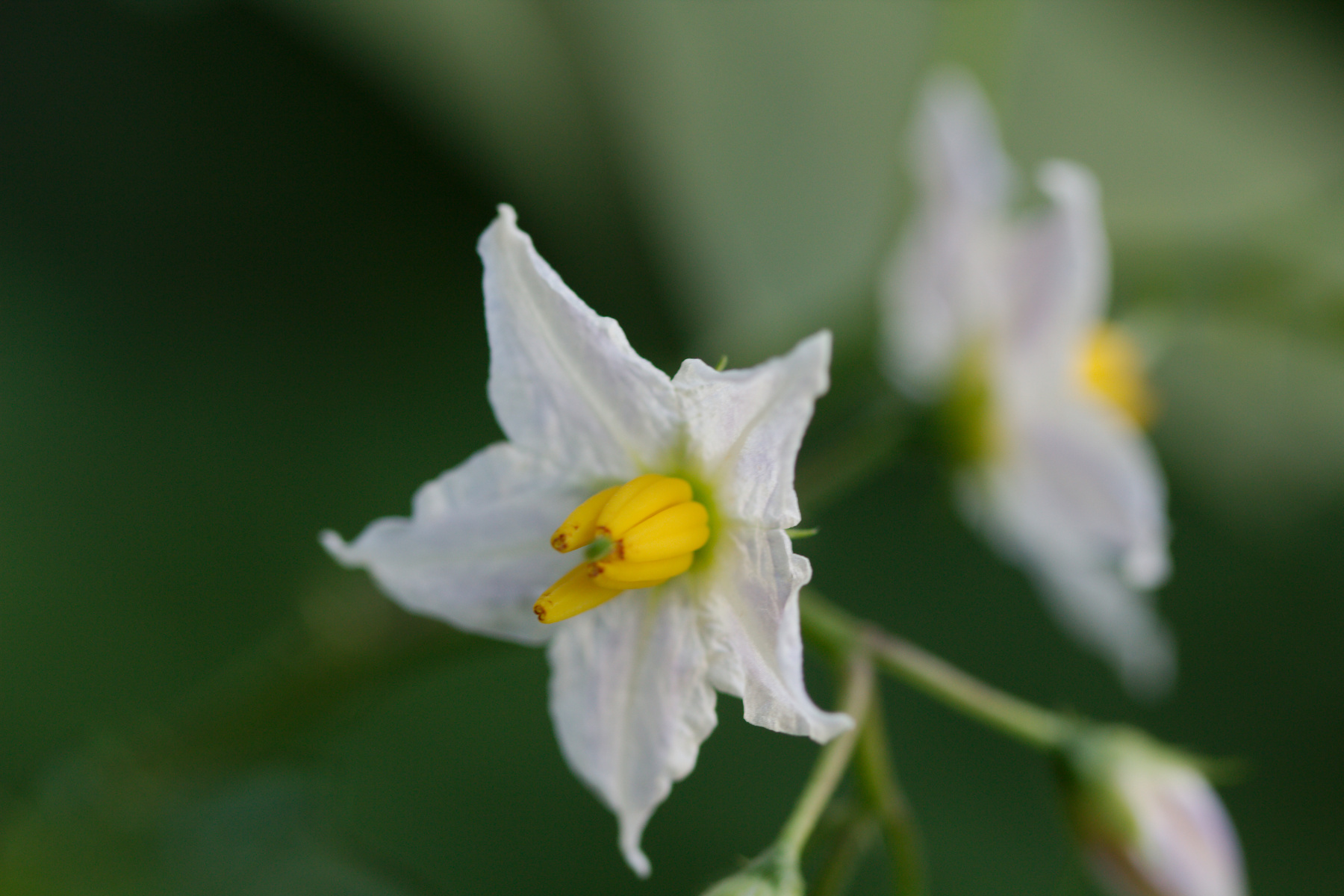
One of the most common of the “large weeds” we have in our yard is Jimson weed (Datura stramonium). It is pretty easy to spot, because if grows into a fairly large bush, surprisingly large for an annual. It has pretty, little, white flowers but it’s a mean plant in most other respects. First, it is covered with spines and you don’t want to be pulling it up without wearing substantial gloves. It’s also quite poisonous, containing dangerous levels of alkaloids. Because they have psychoactive effects and because they are also fatally toxic in only slightly higher amounts, Jimson weed is responsible for hospitalizations and deaths each year. Just pull it up and get rid of it, folks.

Categories: Flowers and Plants | Comments Off on Datura stramonium (Jimson Weed)

Monarda (Bergamot)

Monarda (Bergamot)

Monarda (Bergamot)

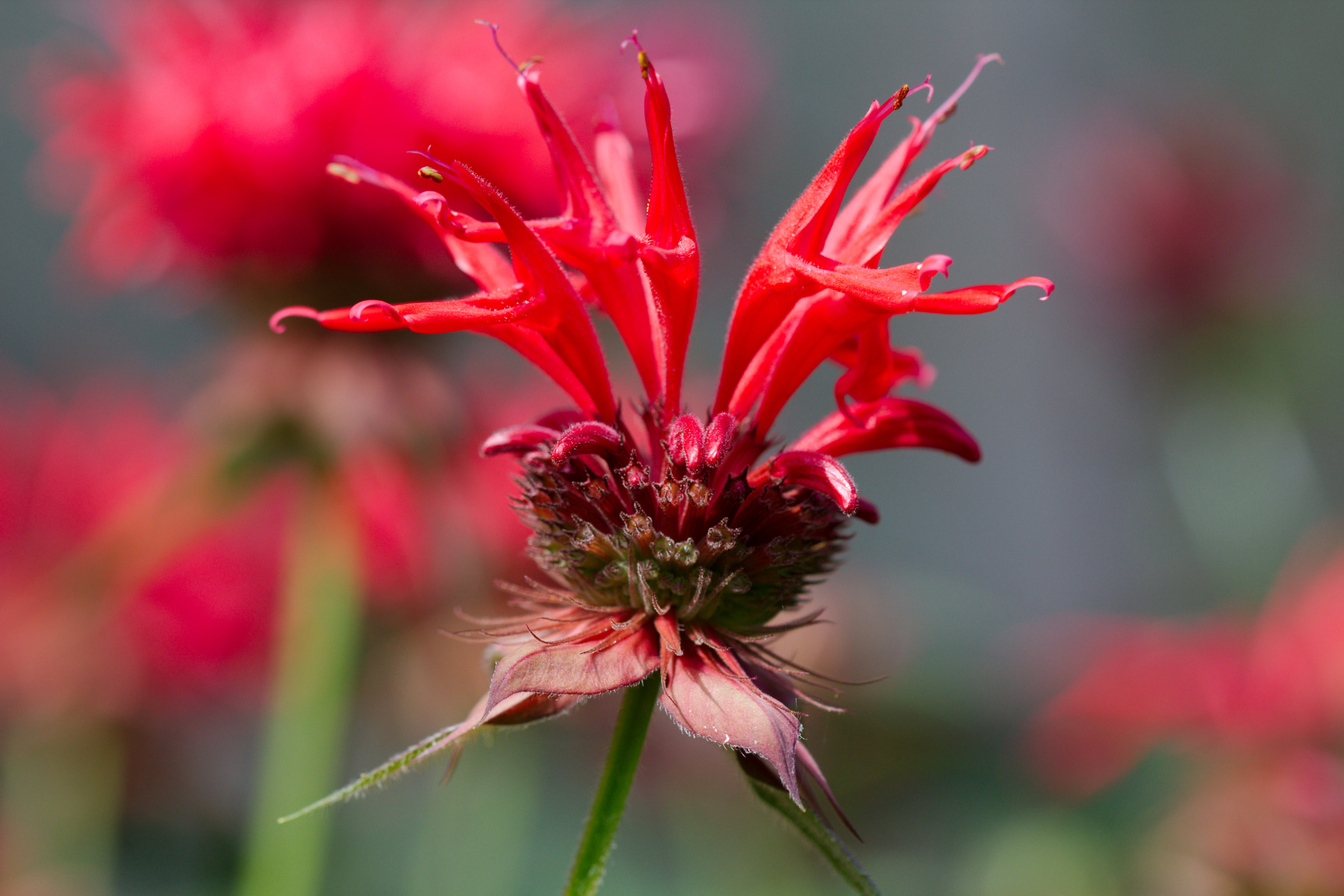
In the back yard we have Asclepias tuberosa (butterfly weed) and Monarda (bergamot) in bloom. The former is bright orange. This is the later, with it’s crown of fancifully shaped, tubular flowers. I love the look of these. They are so different from other flowers and really stand out as a bright spot in the garden. They are growing in the back, along the fence, and make quite a statement.

Categories: Flowers and Plants | Comments Off on Monarda (Bergamot)

Rosa arkansana (Prairie Rose)

Rosa arkansana (Prairie Rose)

Rosa arkansana (Prairie Rose)

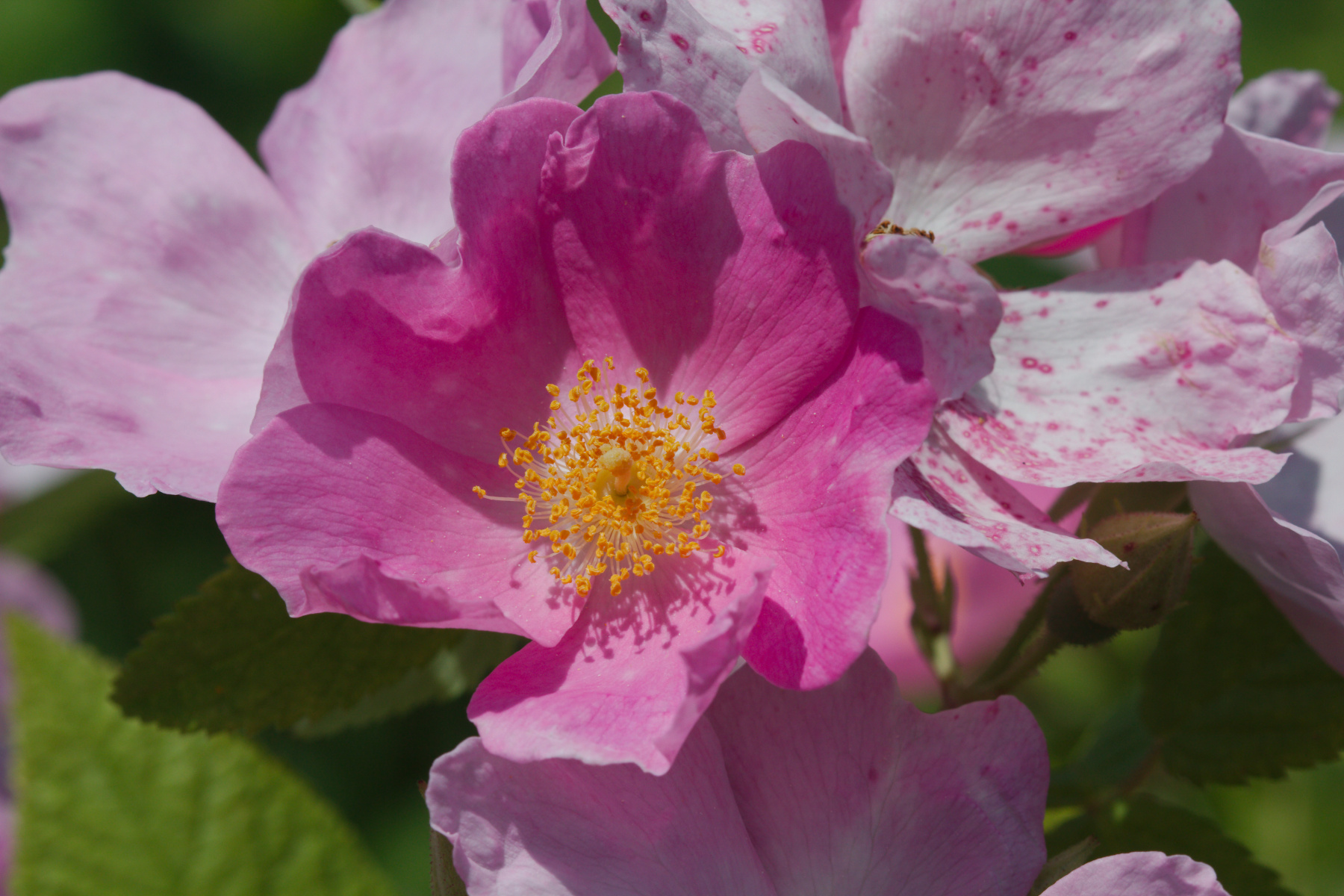
I thought I’d post a second picture from Saturday, because, well, just because. A while back I planted a bunch of species roses up at our place in Pennsylvania. A few of them are living and one or two doing very well. This is the healthiest of them and is a prairie rose, Rosa arkansana. It’s absolutely covered with flowers right now and is pretty impressive. It is a native of the central portion of the continent, from the central Canadian provinces south as far as Texas and New Mexico.

Categories: Flowers and Plants | Comments Off on Rosa arkansana (Prairie Rose)

Yellow Day Lily

Yellow Day Lily

Yellow Day Lily

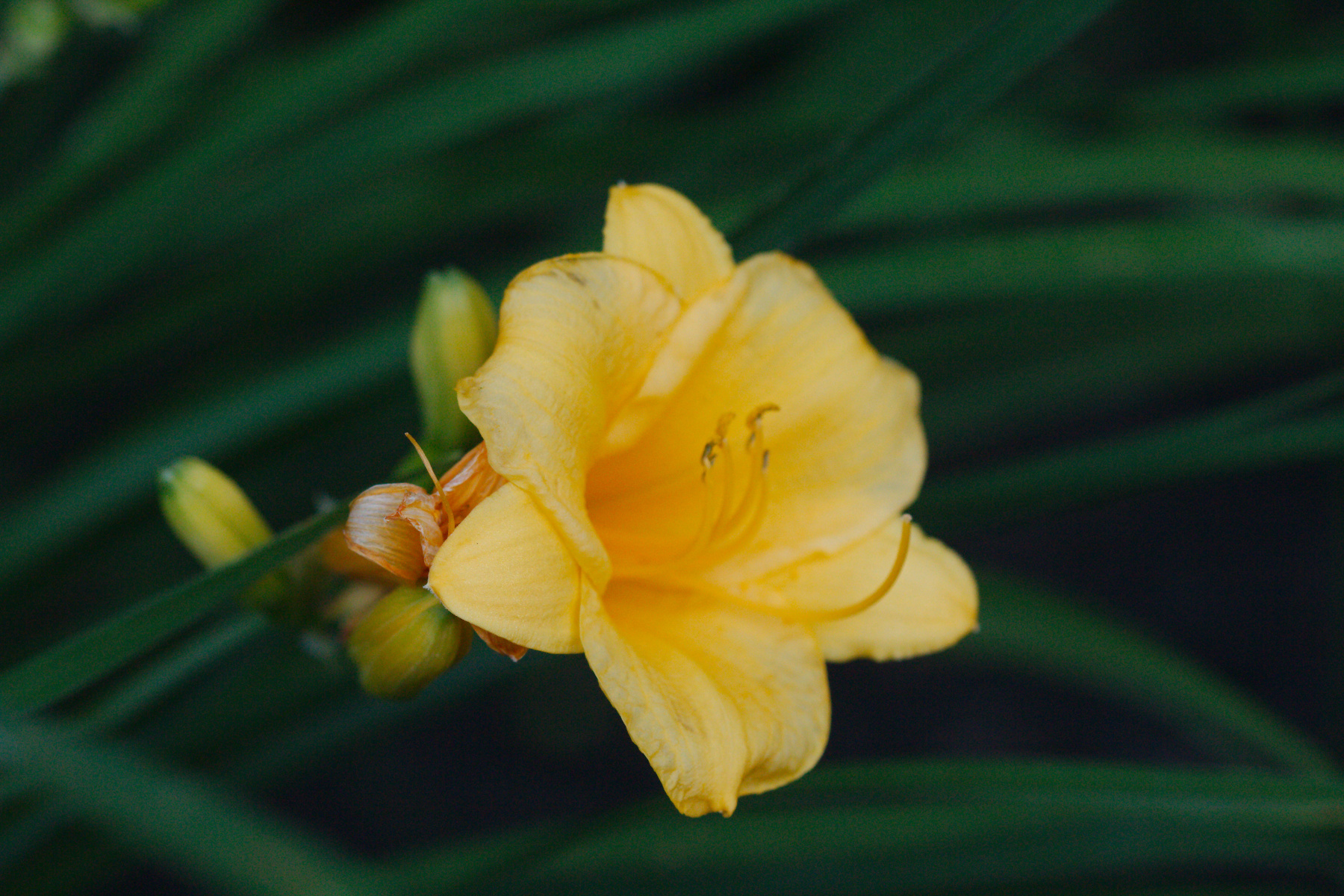
The day lilies are blooming. This is one of the small, yellow varieties that seem to be all the rage these days. I think they bloom over a longer period than the standard, orange kind, which is probably enough to recommend them, although I do think I like the color of the orange better. Any color this time of year is welcome, though.

Categories: Flowers and Plants | Comments Off on Yellow Day Lily

Marigold

Marigold

Marigold

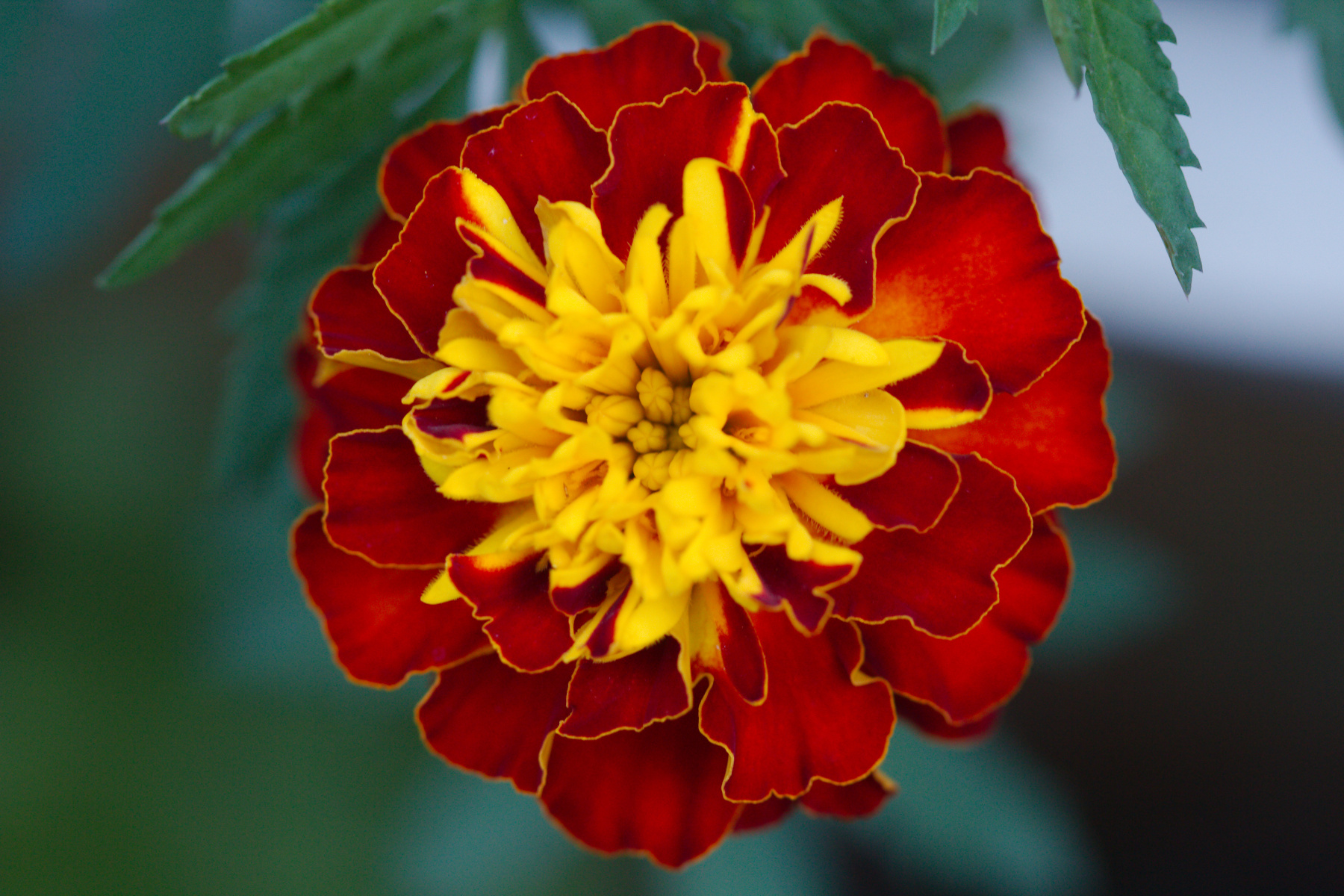
Ten days ago (Saturday, June 14, 2014) I posted a picture of marigolds. A week later (Saturday, June 21, 2014) I posted a picture of a hydrangea that we bought that day at the garden center. We also came home with a pretty good collection of annuals and among them was this marigold, which I think may be the same as those in that earlier picture. They sure are pretty little things and very eye catching. This is among the flowers that greet us as we come up to our house each evening. Nice.

Categories: Flowers and Plants | Comments Off on Marigold

Rainbow Eye Patch

Dorothy with Rainbow Eye Patch

Dorothy with Rainbow Eye Patch

My mom has a few class prisms in her front window and in the afternoon, they cast various rainbows around the room. It’s especially nice when they happen to fall on someone, as here. Dorothy was sitting on the sofa with a rainbow on her face and let me take a dozen or so pictures, with various strengths of fill flash. This is the best of the bunch, balancing the lighting of her face with the brightness of the rainbow eye patch.

Categories: Flowers and Plants | Comments Off on Rainbow Eye Patch

Oenothera speciosa (Pink Evening Primrose)

Oenothera speciosa (Pink Evening Primrose)

Oenothera speciosa (Pink Evening Primrose)

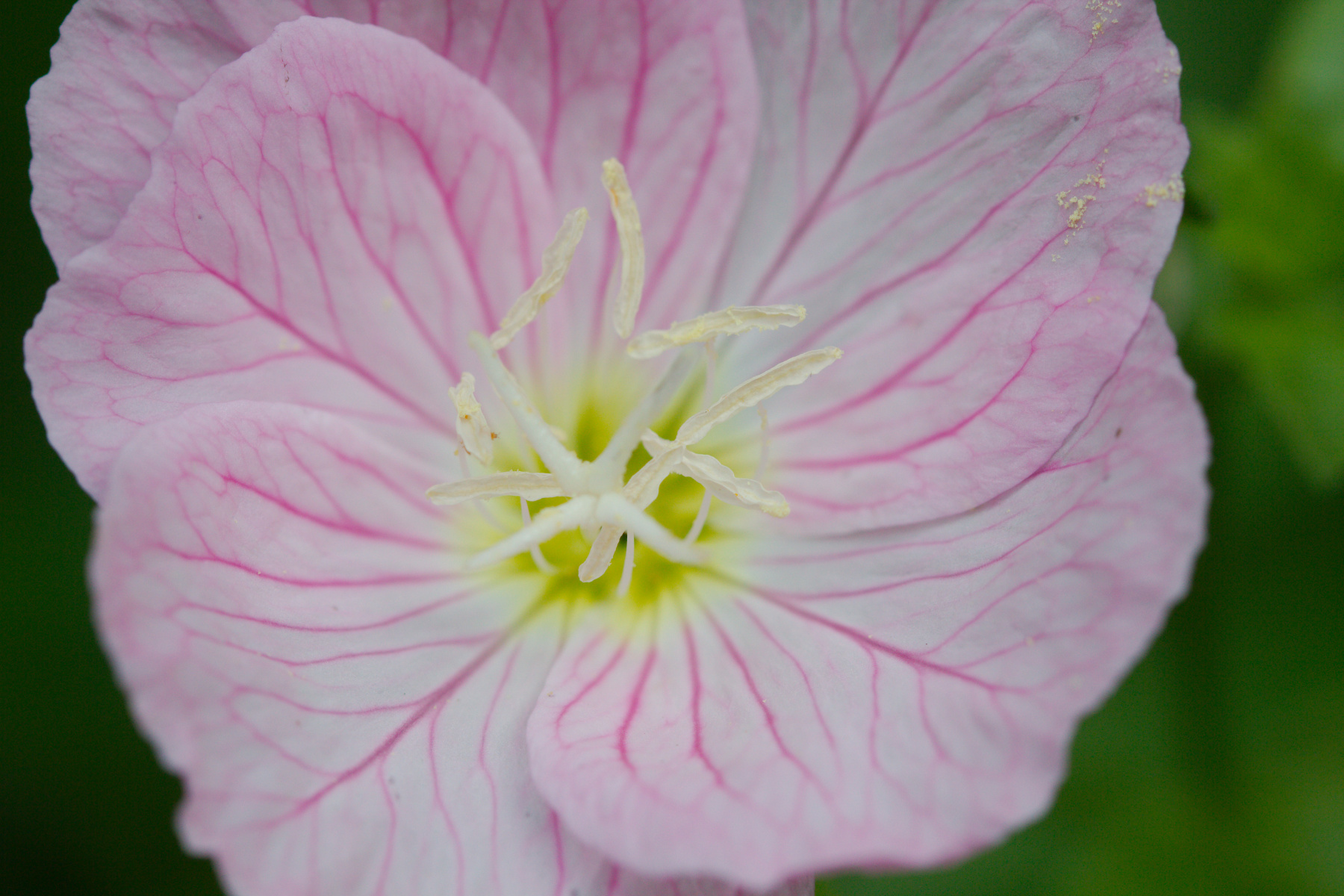
It seems that as soon as I get caught up, or nearly caught up, something distracts me and I fall behind in posting again. So far I haven’t missed a day of taking a picture since I started, but that’s bound to happen at some point. Today (which was a week ago, relative to when I’m posting this), I took some close-up pictures of the evening primroses growing in front of our house. They are scattered around there and in the back border and are pretty little things, opening up as it gets cool in the evening and closing up in the heat of the next day.

Categories: Flowers and Plants | Comments Off on Oenothera speciosa (Pink Evening Primrose)

Hydrangea ‘Big Smile’

Hydrangea 'Big Smile'

Hydrangea ‘Big Smile’

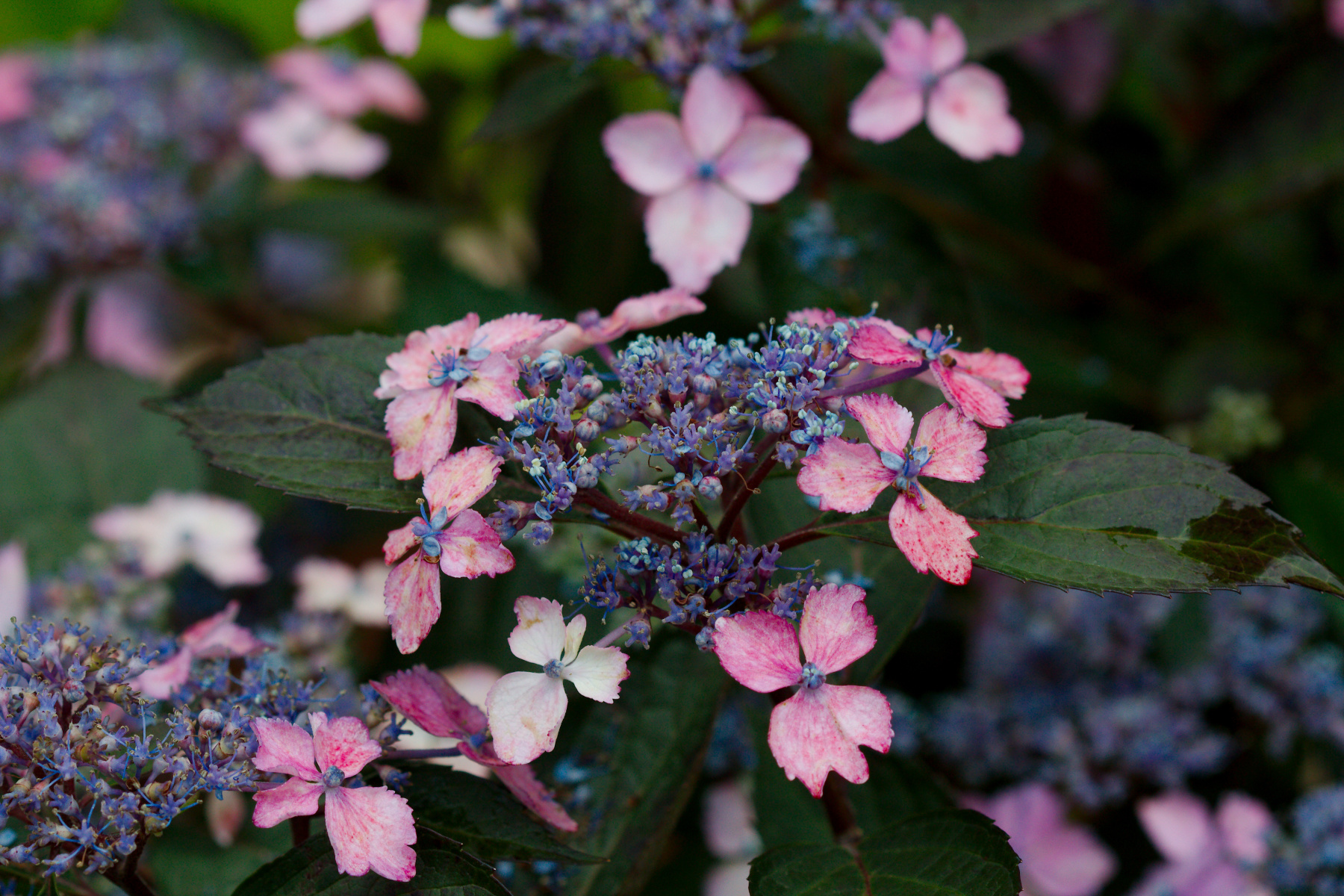
Last weekend we were at a garden center and I posted a picture from our trip that was of a sea of Marigold blossoms. We bought two hydrangeas that day and this is one of them. It is called ‘Big Smile’ and we really like the color of the flowers, with the deep blue of the central fertile flowers and the pink of the larger petals of the outer, sterile flowers. This picture hardly does them justice and I think they are even better from a little distance. It’s still sitting in its pot on our back patio, but it is intended for a partly shaded spot in the back border.

Categories: Flowers and Plants | Comments Off on Hydrangea ‘Big Smile’

Tradescantia virginiana (Virginia Spiderwort)

Tradescantia virginiana (Virginia Spiderwort)

Tradescantia virginiana (Virginia Spiderwort)

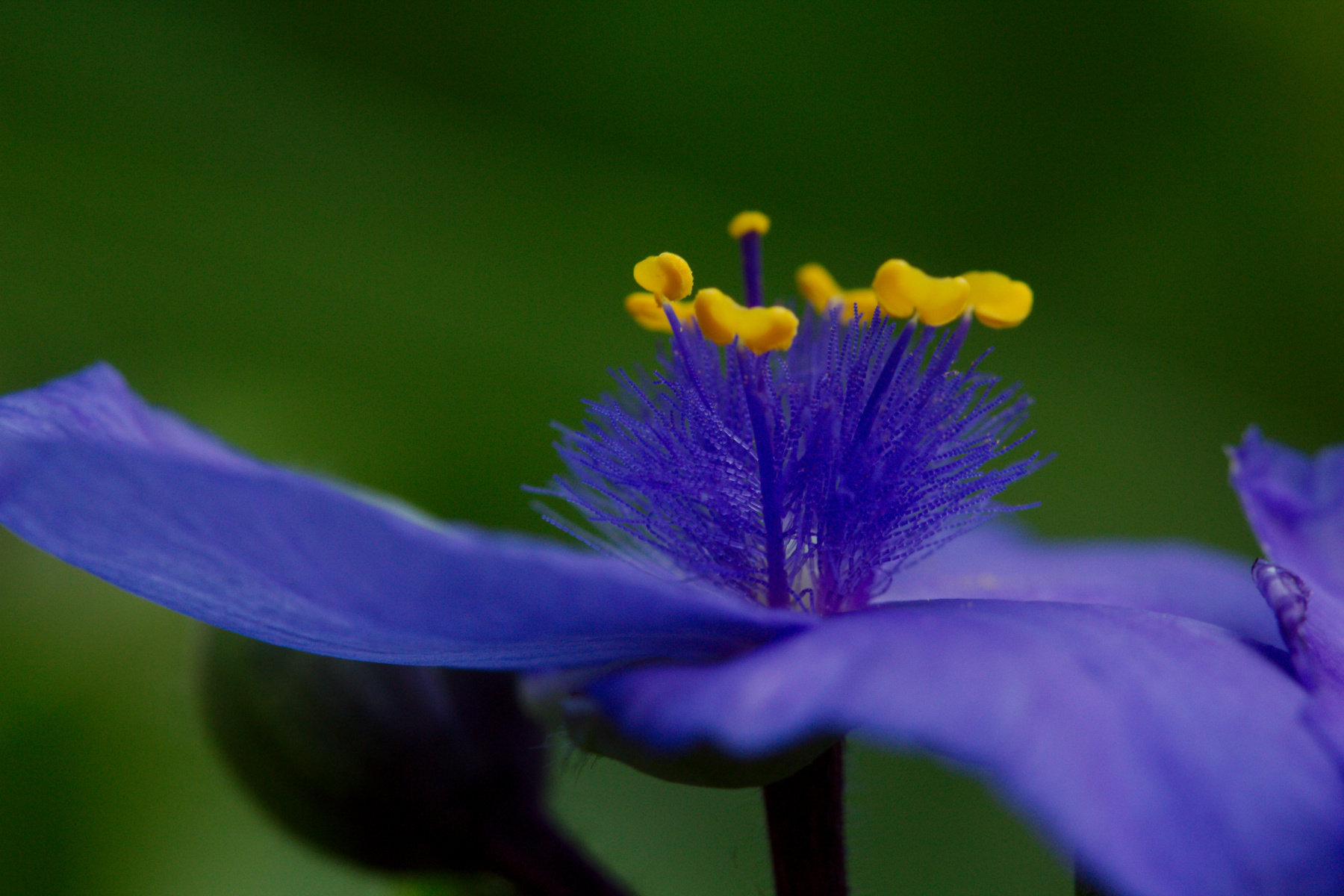
Two pictures today for the price of one and hopefully worth the price of admission. I really like Tradescantia virginiana (Virginia spiderwort). It’s a very vigorous grower but it doesn’t take over the garden. It’s very happy in our climate, not needing much in the way of special attention or soil conditions. And it blooms over a long period with deep, dark, slightly purple blue flowers. They open in the morning and in the evening are all closed up, only to be open again the next morning. I also love the the blue stamen hairs with the bright yellow anthers.

Honey Bee on Tradescantia Flowers

Honey Bee on Tradescantia Flowers

I went out to take pictures this morning and thought I’d get a view across the flowers, as in the first picture here. I think it turned out quite well and really shows the feathery stamen hairs well. They are unique, as far as I know, in that they change color to pink when when exposed to radiation. I don’t know how sensitive they are, so don’t know if they can act as a canary in a coal mine, but I think it’s a cool fact.

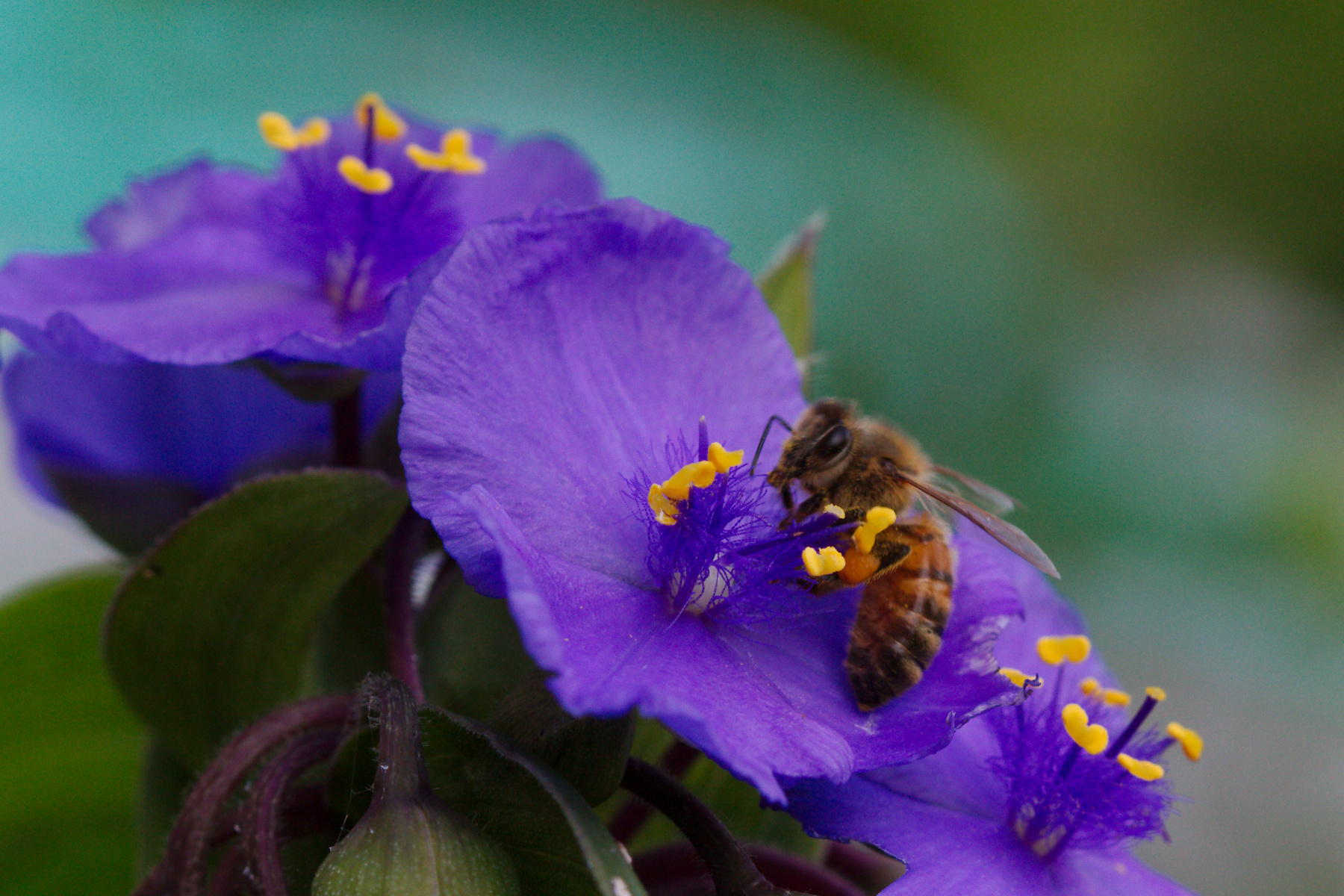
I also enjoyed watching a honey bee going from flower to flower, so figured I better get some pictures of that, as well, and I’m please with the results.

Categories: Creatures, Flowers and Plants | Comments Off on Tradescantia virginiana (Virginia Spiderwort)

Blackberry Lily Leaves

Blackberry Lily Leaves

Blackberry Lily Leaves

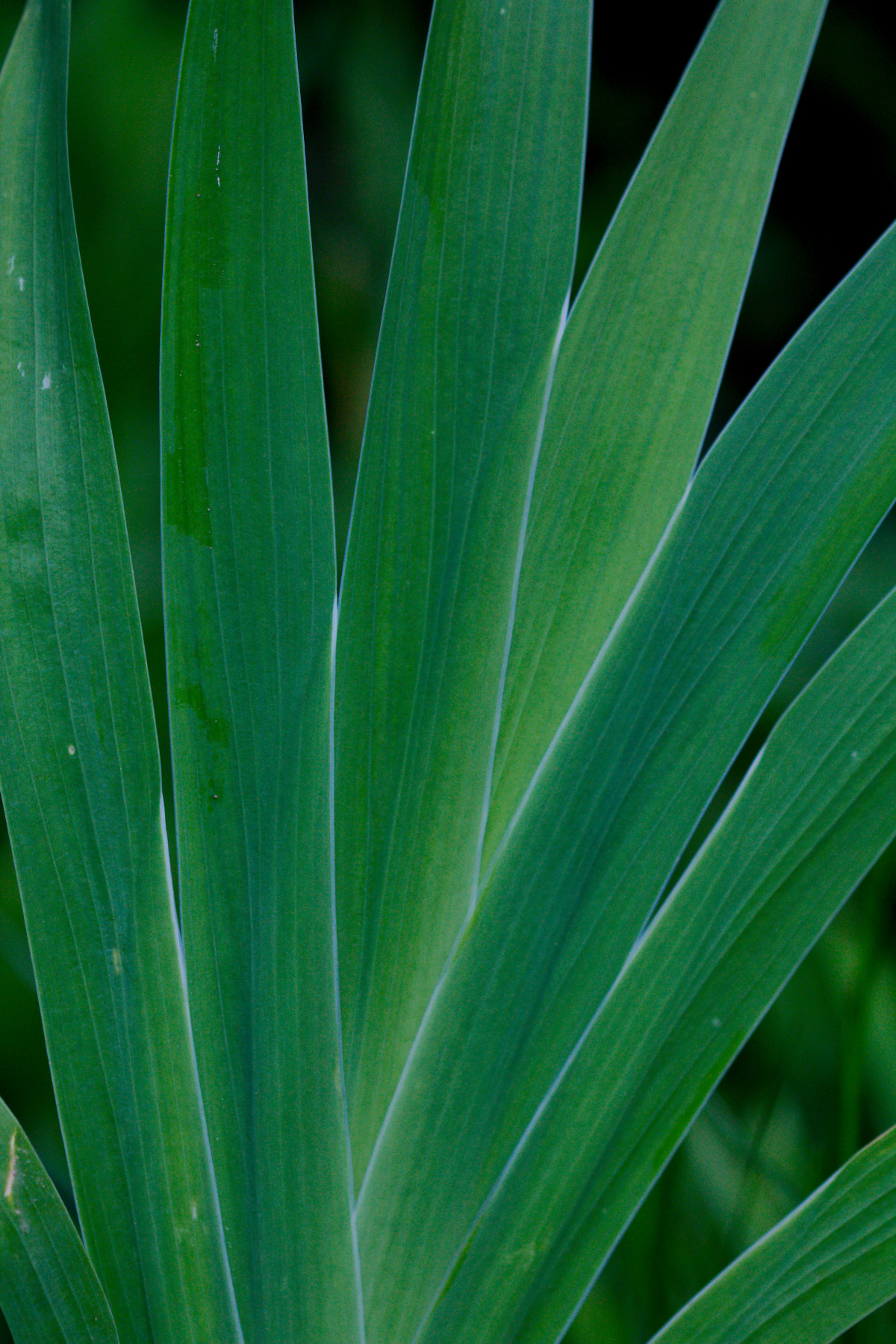
I’ve posted pictures of the flowers of the blackberry lily (it used to be called Belamcanda chinensis but in 2005 was renamed Iris domestica). This picture is of the leaves, which are very much like the leaves of the more familiar bearded iris. They are, if anything, even more compressed into a tight fan. I love the pattern of alternating leaves. We have a few of these now, in various places in the yard. We started with just one that we brought from our old house in a pot. Each year we scatter the seeds quite freely and a few have come up.

I recommend this plant if you want something a little different and that blooms a little later (early to mid July) than the other irises. The flowers are not large, only about and inch and a half or two inches across, but they are bright orange, speckled with red and are borne in happy profusion. The fruit are also attractive. The seeds are single seeded but they form in clusters, looking like huge blackberries, which is where the common name comes from.

Categories: Flowers and Plants | Comments Off on Blackberry Lily Leaves

Orange Asiatic Lilies

Orange Asiatic Lilies

Orange Asiatic Lilies

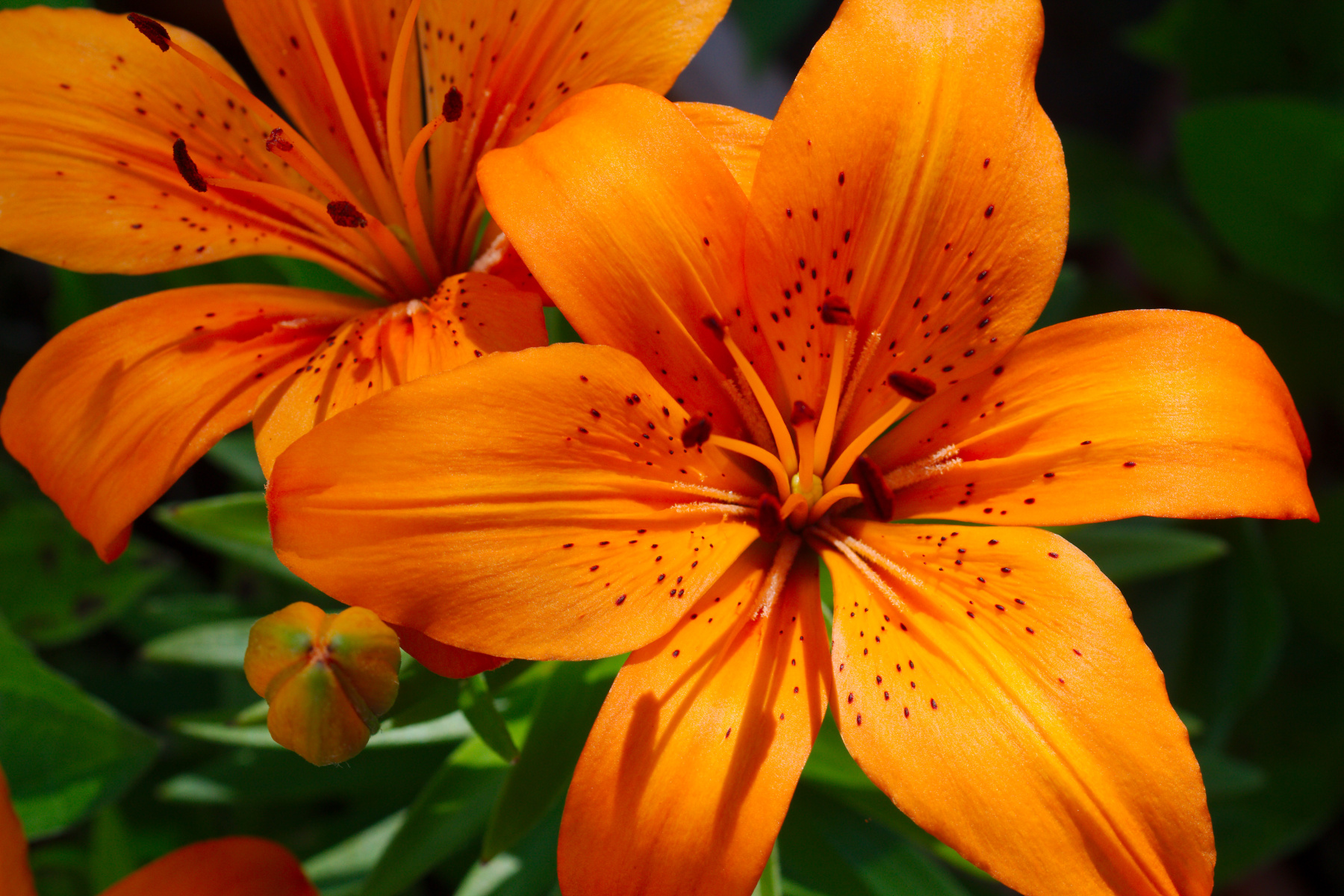
This is a very different photograph from yesterday’s, although the color is quite similar (and of course they are both of flowers). These bright orange Asiatic lilies are in a pot on our back patio and are quite happy and very cheerful. This is something we could have many more of and I wouldn’t complain. We should also get them in the ground, where I think they might do even better. They love the full sun they get on our patio and they repay that with a reflection of the sun’s heat in their vivid color.

Categories: Flowers and Plants | Comments Off on Orange Asiatic Lilies

Marigolds

Marigolds

Marigolds

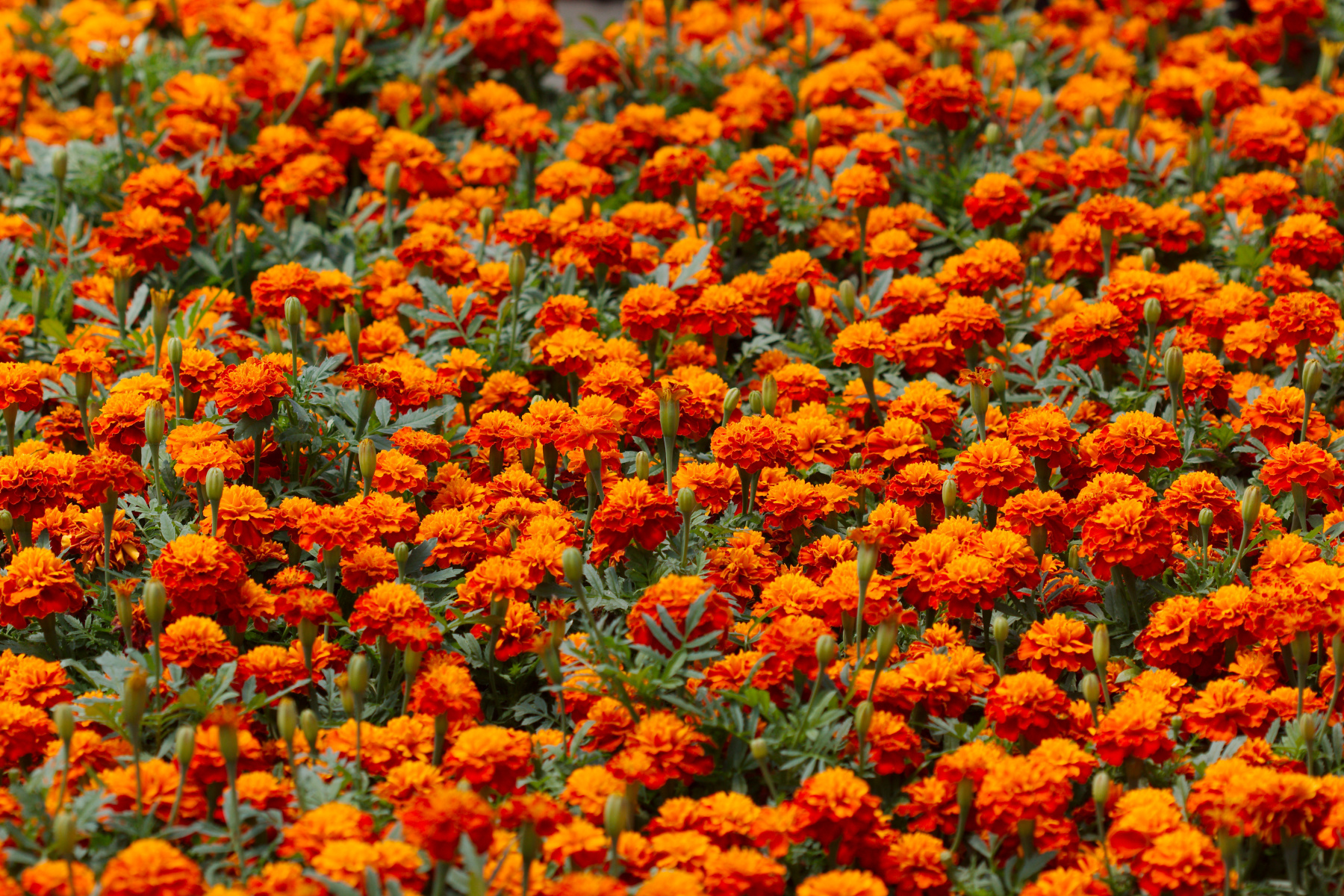
It was a beautiful day again today. We’ve had more than our fair share, although I’m not complaining. It will be too hot for my liking all too soon, but for now, I’m enjoying what we’ve been given. We went to a small nursery this morning and bought quite a few annuals and a couple shrubs. This is part of their collection of marigolds, which basically filled a small greenhouse. I enjoyed the repetitive patterns and bright colors.

Categories: Flowers and Plants | Comments Off on Marigolds

Nick Weber’s Rose Garden

Nick Weber's Rose Garden

Nick Weber’s Rose Garden

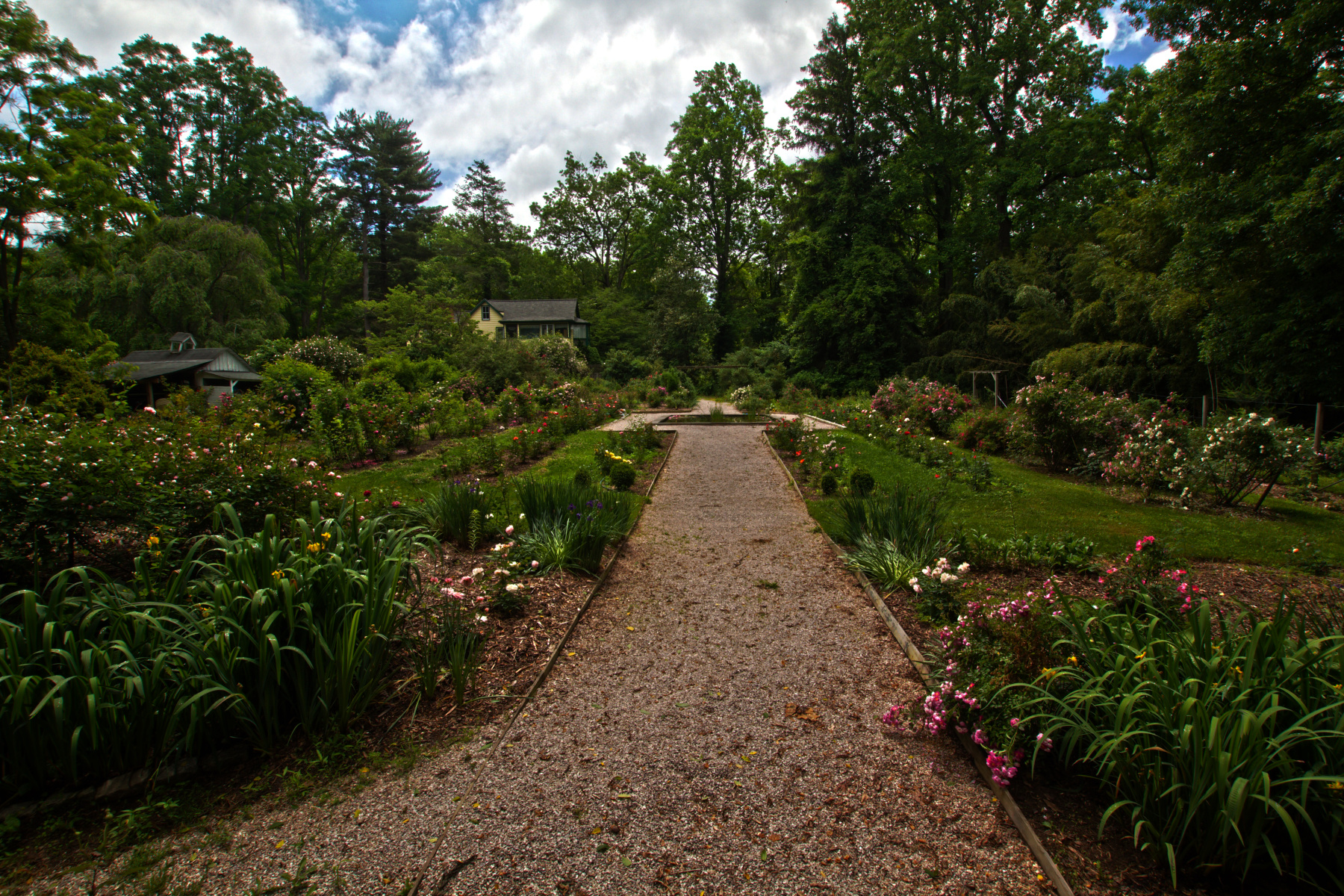
As usual I was at Nick Weber’s Heritage Rosarium on the Saturday of Memorial Day weekend, but as I mentioned at the time, very little was in bloom. Because I was off work letting my eye recuperate from surgery most of this week, and because I was feeling well and it was a beautiful day, I visited again this morning. Even now it isn’t in full bloom, although much more than it was almost two weeks ago. When I compare this image to one taken from the same spot on May 28, 2011, I can see that it’s really only just starting to come into bloom.

Previous posts with photos from Nick’s rose garden are May 24, 2014, May 25, 2013, and May 26, 2012.

Categories: Flowers and Plants | Comments Off on Nick Weber’s Rose Garden

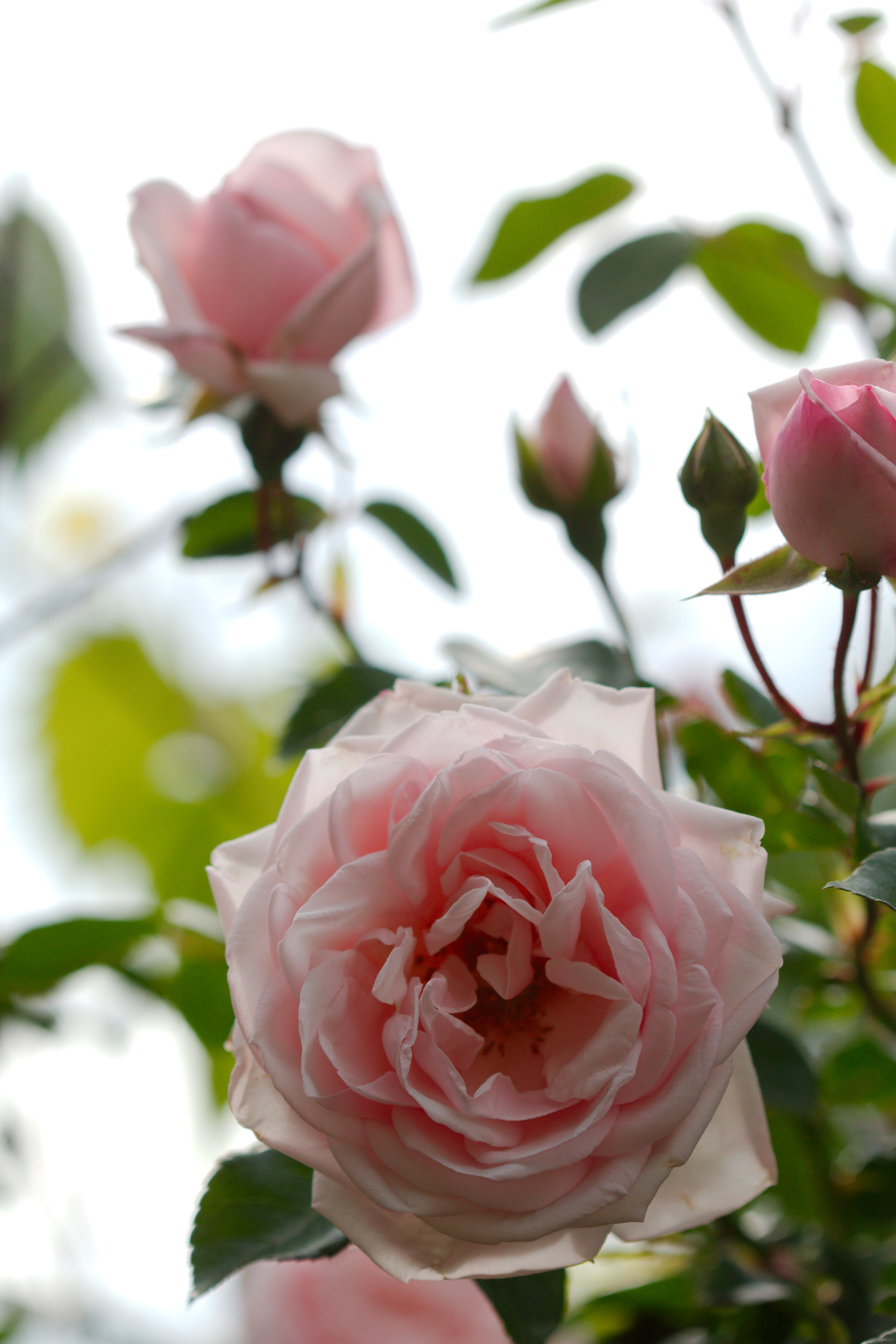
Rose ‘New Dawn’

Rose ‘New Dawn’

Rose ‘New Dawn’

The wonderful, very light pink rose ‘New Dawn’ is in full bloom on our back fence. It’s partially obscured by the rugosa, ‘Roseraie De l’Hay’, which has grown up to about seven or eight feet tall. On either side of that, and just a little over top of it, however, ‘New Dawn’ is in full bloom.

Last year I posted a photograph of the rose ‘Dr. W. Van Fleet’ growing in my cousin Lyn’s back garden. As I mentioned when I posted that picture, ‘New Dawn’ is a repeat flowering sport of ‘Dr. W. Van Fleet’ found at Somerset Rose Nursery in 1930 and has the distinction of having been the first plant to receive a U.S. Plant Patent (it is plant patent #1) on 18 Aug 1931.

In addition to the flowers which are lovely, it has glossy, green leaves that are not bothered by black spot. That and the repeat flowering are enough by themselves to recommend a rose. I was given this by my friend and work colleague, Kamala, as a cutting from hers and I’m very grateful.

Categories: Flowers and Plants | Comments Off on Rose ‘New Dawn’

Clematis

Clematis

Clematis

At the south end of the house I have a large trellis for a climbing rose. I thought the rose had died completely but it’s coming up from the ground and appears not to be the root stock (it’s blooming with the same flowers as the rose had in the past).

Also growing on the trellis is a clematis. It’s small as of yet, but doing well and has a good, sunny spot. I don’t know what variety this is, but it’s got very simple flowers with only four petals. Still, it has a very nice burgandy color.

Categories: Flowers and Plants | Comments Off on Clematis