Creatures

Hypena scabra (Green Cloverworm Moth)

Hypena scabra (Green Cloverworm Moth)

Hypena scabra (Green Cloverworm Moth)

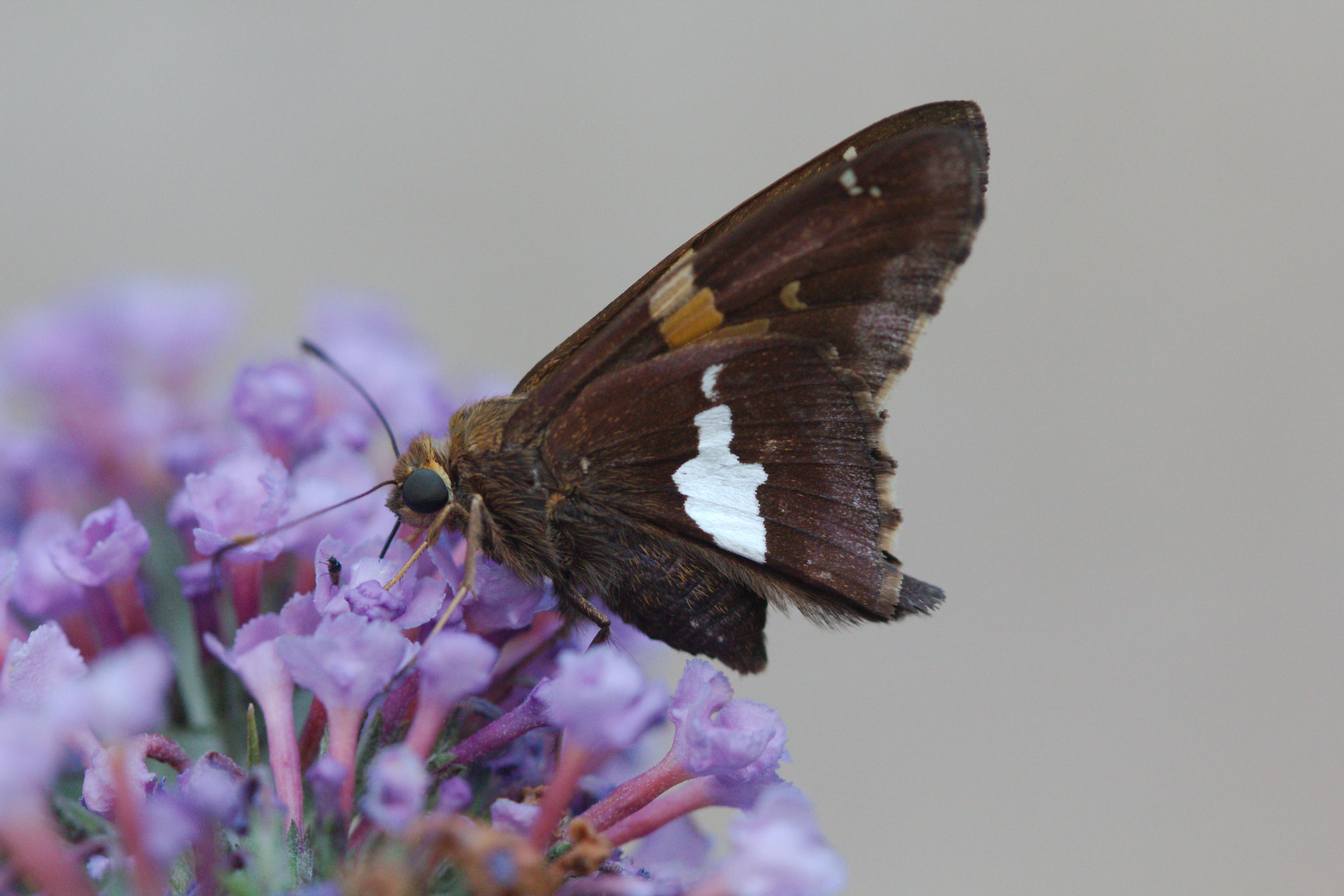
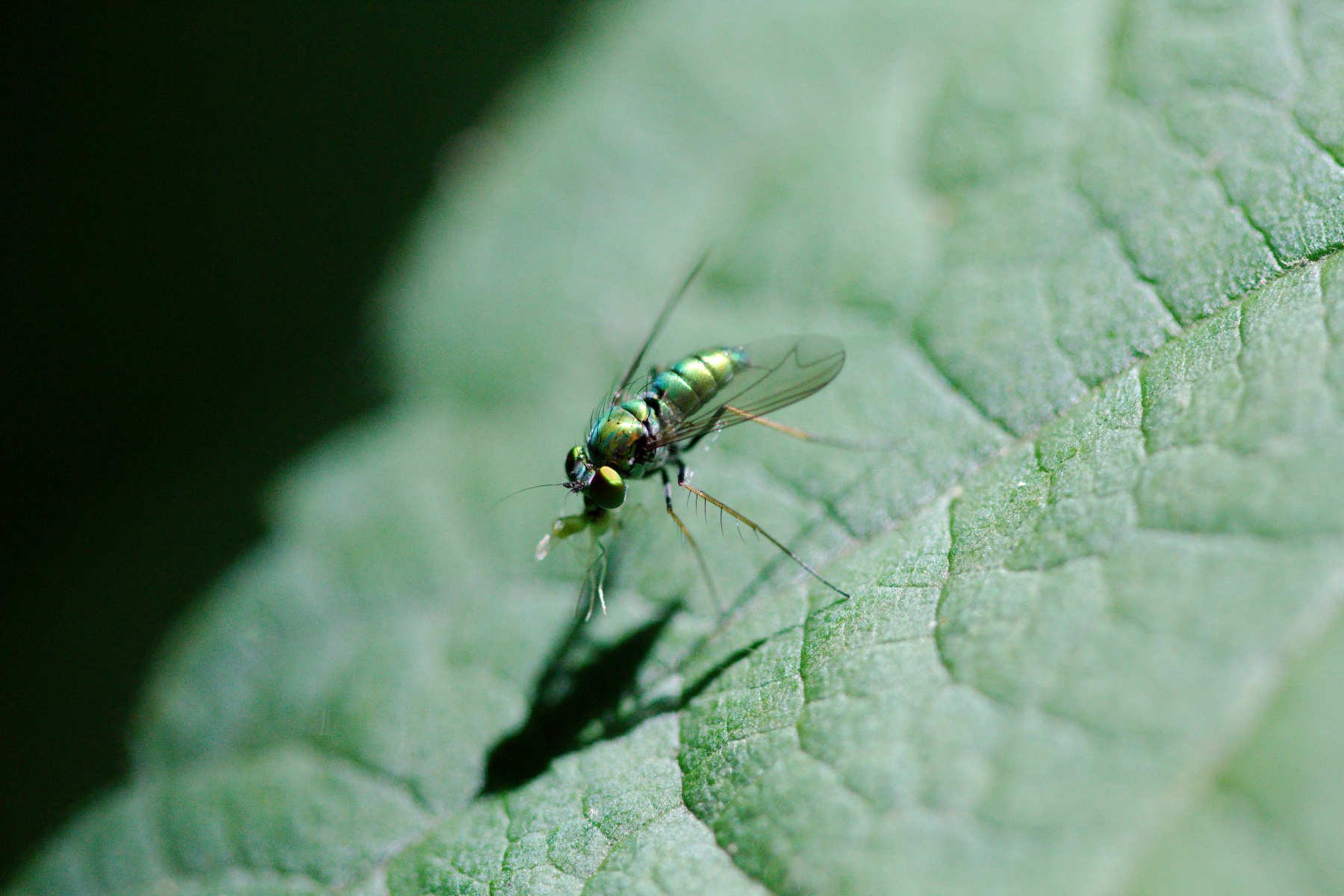
This moth took a little stalking before I could get a good picture. When I first saw it and got a picture the shutter speed was too slow and the first two pictures were not very good. I upped the ISO to 2,000 and got this one at 1/60 second at f/5.7. It still isn’t as good as I’d like. I went inside to get my twin flash macro bracket but when I came back out the moth was nowhere to be found. I did get a few images of a tiny fly (in the Family Lauxaniidae) but I thought most of my followers would appreciate a moth rather than a fly.

Categories: Creatures | Comments Off on Hypena scabra (Green Cloverworm Moth)

Euptoieta claudia (Variegated Fritillary)

Euptoieta claudia (Variegated Fritillary)

Euptoieta claudia (Variegated Fritillary)

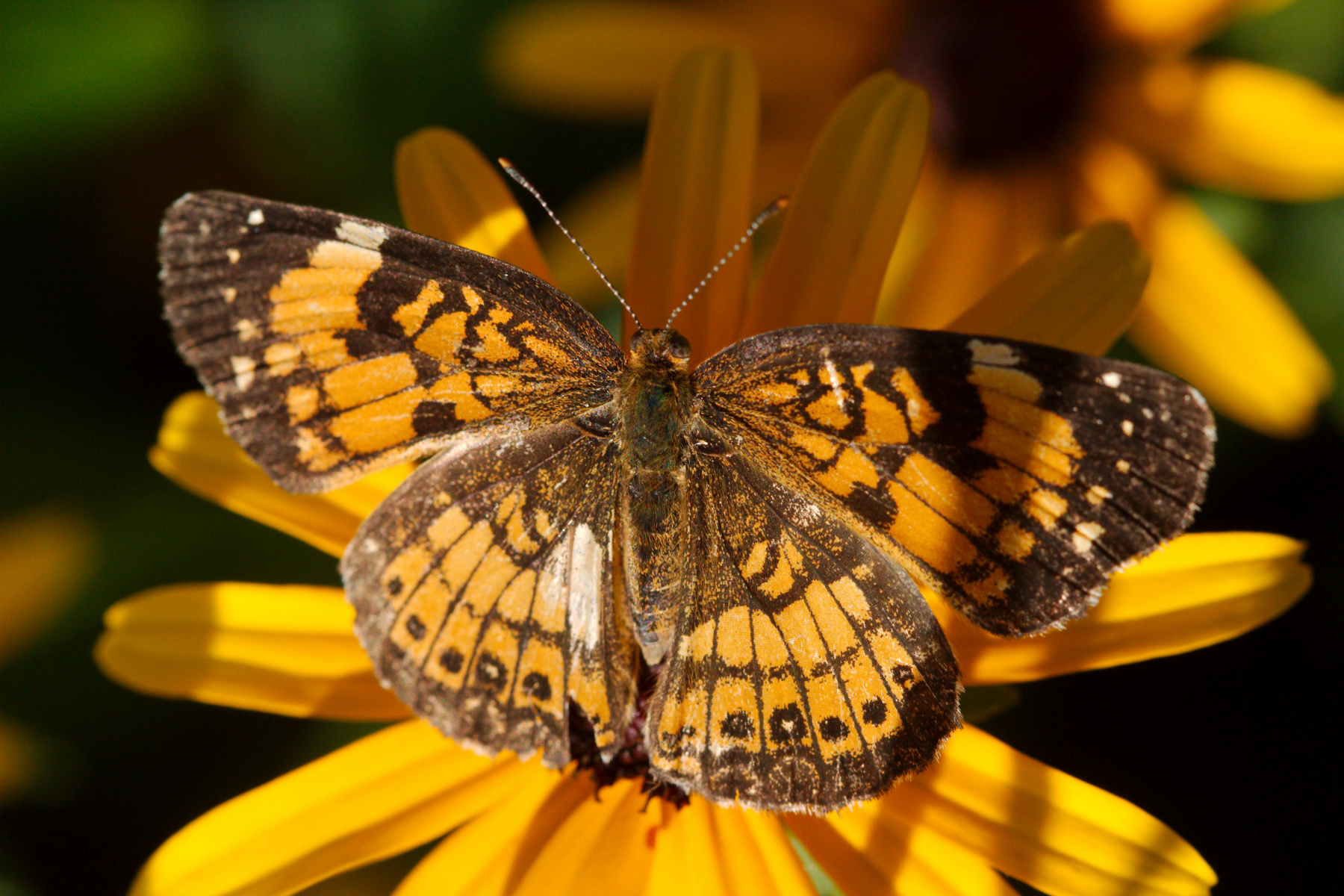
I took more pictures of skippers today and fully expected that I’d post one of those here. But there were two variegated fritillaries (Euptoieta claudia) flitting around the yard (does that make them flitillaries?). For the most part I couldn’t get very close to them but once, as I was standing quite still, one landed within range and I got a half dozen shots in before it left. Most of them were not at an ideal angle but this one and one other turned out pretty well. The skippers are there all the time, so getting pictures of them can wait.

Categories: Creatures | Comments Off on Euptoieta claudia (Variegated Fritillary)

Ruby-throated Hummingbird (Archilochus colubris)

Ruby-throated Hummingbird (Archilochus colubris)

Ruby-throated Hummingbird (Archilochus colubris)

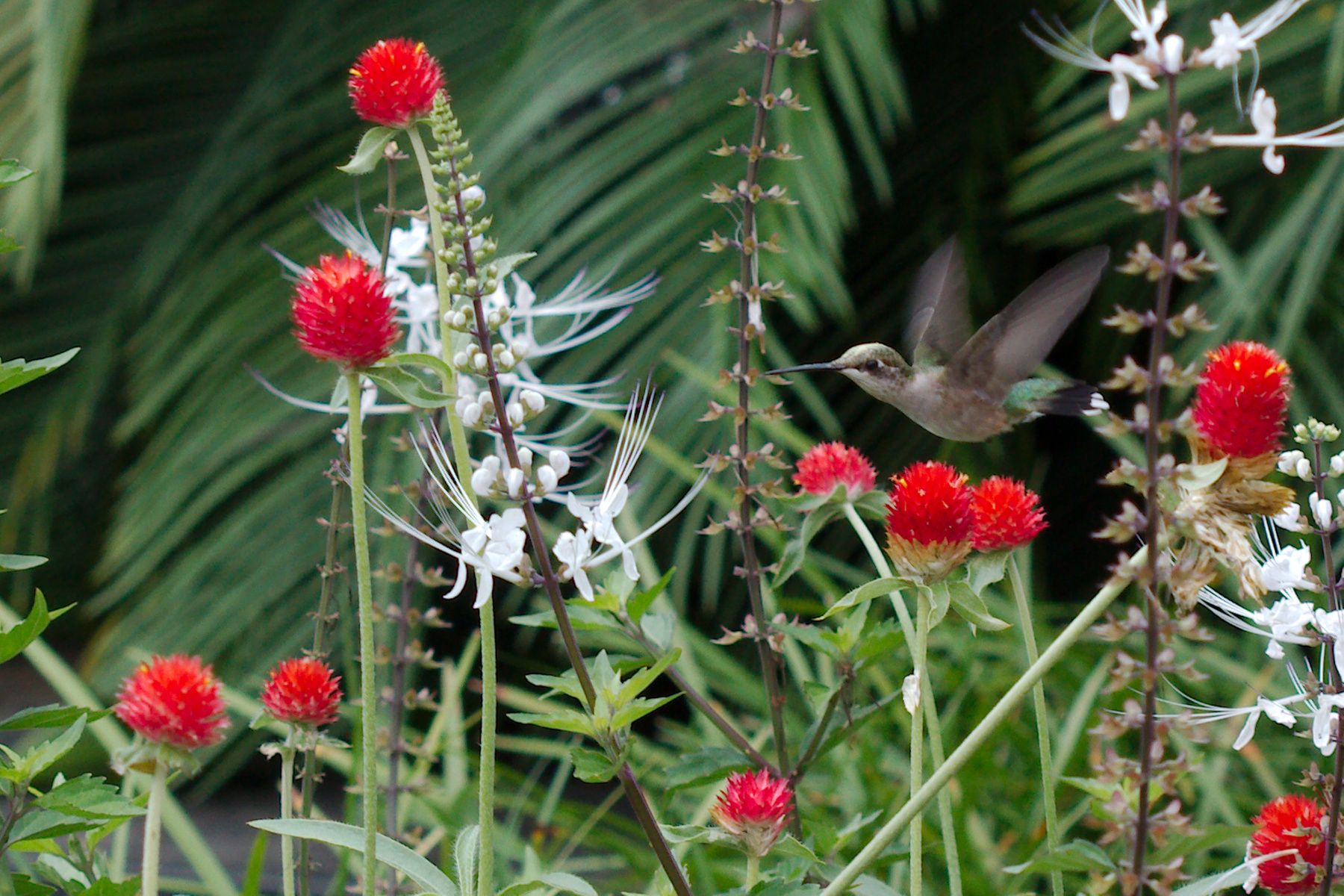
It was getting on for dusk when we arrived at Laurie and Dave’s house this evening but we took a little time to enjoy their front garden with them before the light really started to drop. I took some nice pictures of anemone flowers (which I assume were Chinese anemone, Anemone hupehensis). Then just as we were about to go back inside the hummingbirds came buzzing around. There were two and they came quite close to us. I was able to get a reasonably good shot of a female ruby-throated hummingbird at 1/400 second at f/2.8 at an ISO rating of 1000.

Categories: Creatures | Comments Off on Ruby-throated Hummingbird (Archilochus colubris)

Gea heptagon

Gea heptagon

Gea heptagon

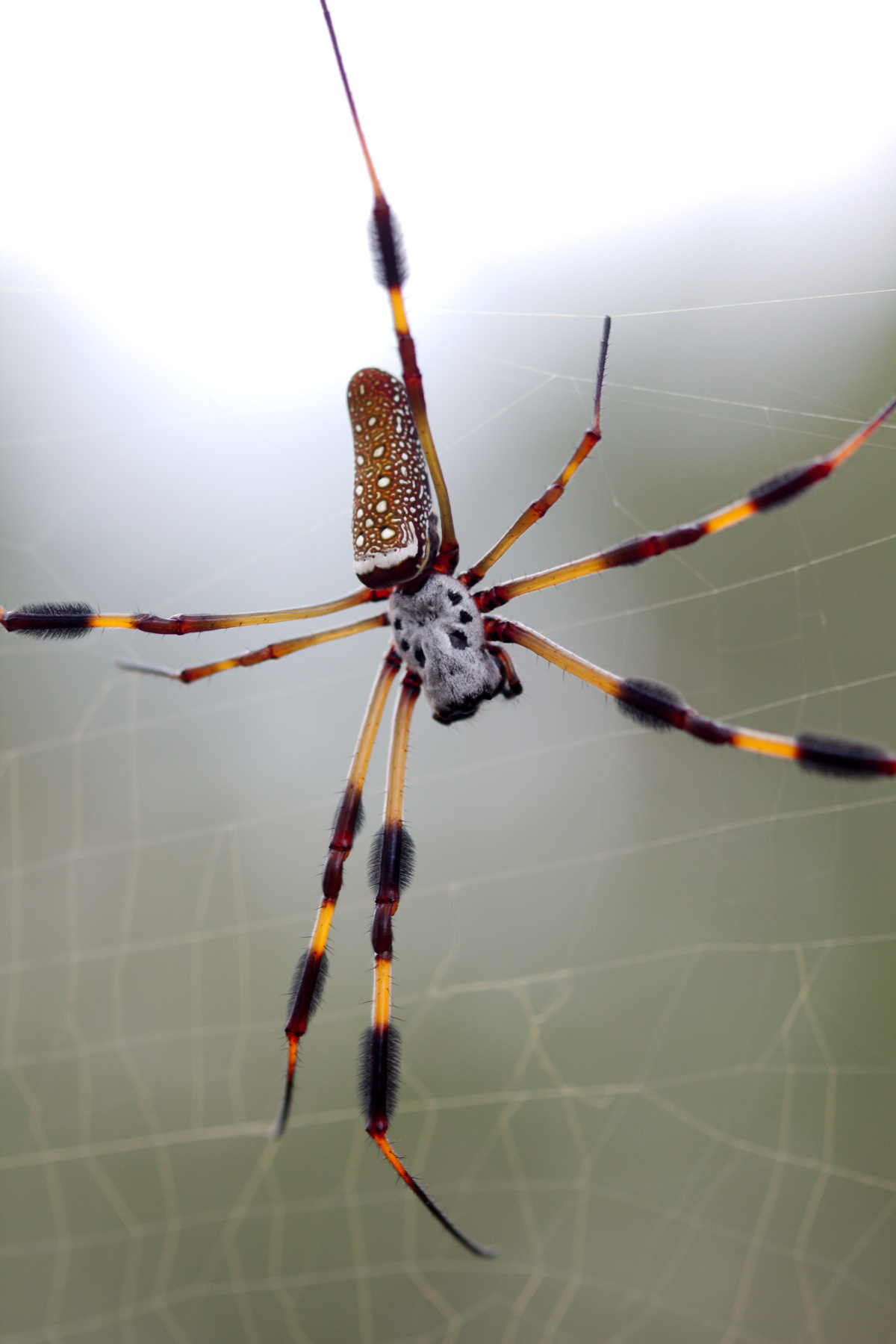
I’m not entirely happy with this image, as it isn’t nearly as sharp as it could be. This is a smallish spider and I’m pretty sure it is a Gea heptagon, the only Gea species listed for USA in the world spider catalog. She’s one of the many orb weavers and I think the web is quite nice. This one was down in the grass on the edge of the garden and considering the number of small flying and jumping insects in our lawn, I suspect she does very well for herself. I’ll try to get back with some additional lighting and see if I can do better, but for now, this image will have to suffice to keep you looking over your shoulder (and around your ankles).

Categories: Creatures | 1 Comment

European Honey Bee (Apis mellifera)

European Honey Bee (Apis mellifera)

European Honey Bee (Apis mellifera)

As you probably know, there were more honey bees in the United States in 2015 than at any time in the preceding 20 years. The numbers have gone down a little in 2016 but we’re still in good shape. The number one colony stressor is the Varroa mite (Varroa destructor). In spite of the severe losses to the mites and to Colony Collapse Disorder, more honey bee colonies are being produced and there is no real danger of losing the producer of one of natures most wonderful substances (honey).

Categories: Creatures | Comments Off on European Honey Bee (Apis mellifera)

Philanthus gibbosus (Beewolf)

Philanthus gibbosus (Beewolf)

Philanthus gibbosus (Beewolf)

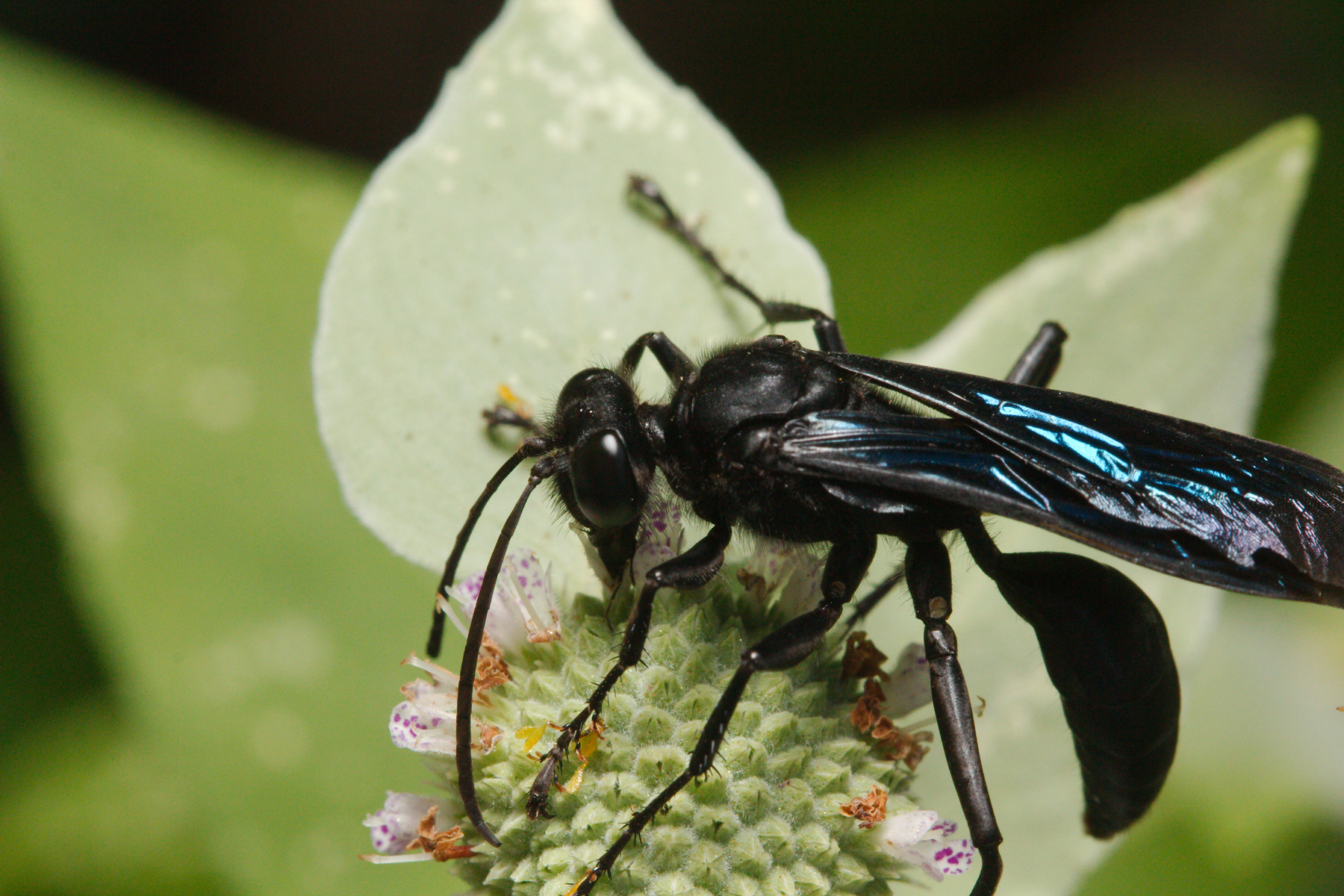
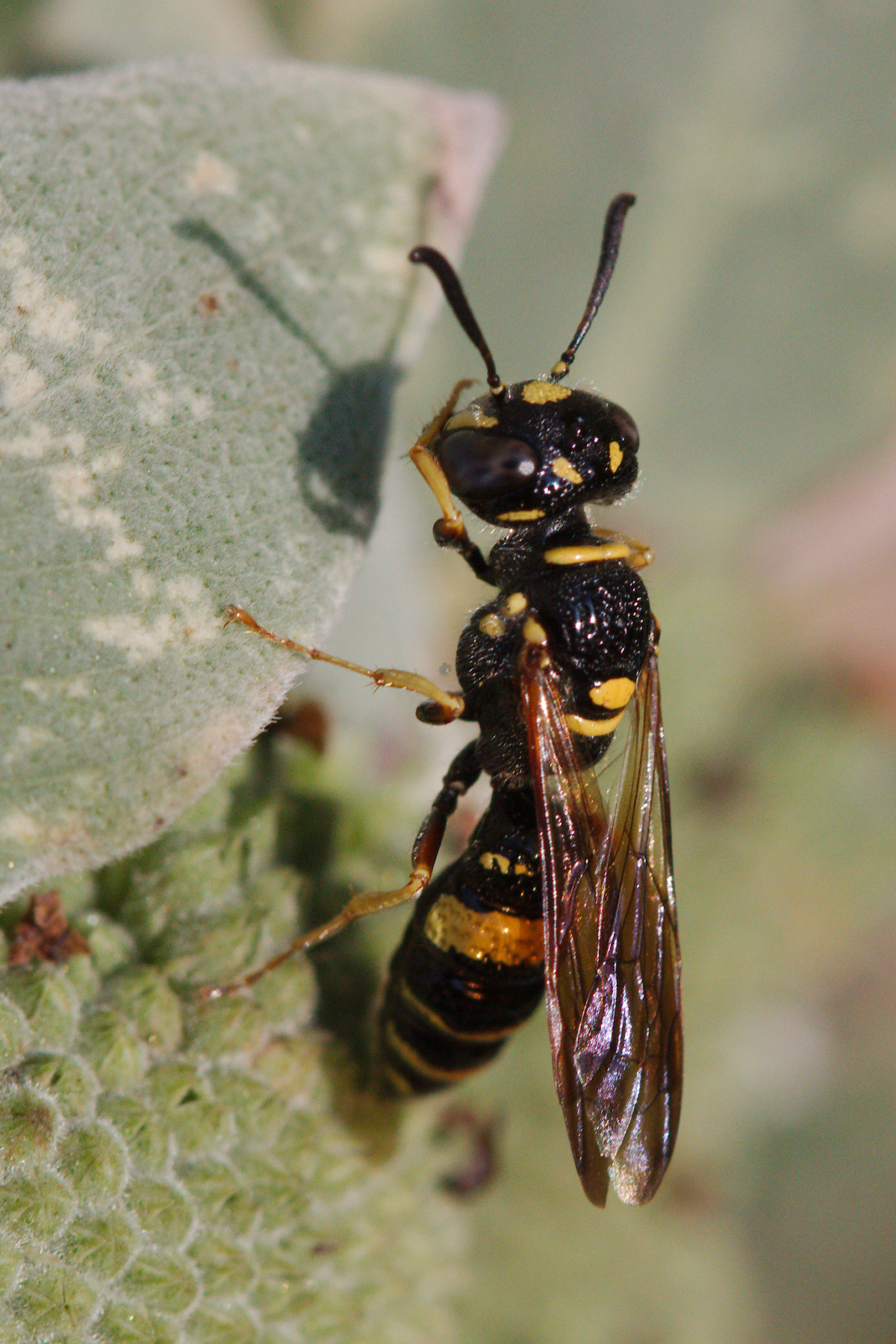
I got some nice wasp pictures today (as well as some reasonable but not great butterfly pictures. This is a beewolf. There are 31 species of beewolf in our area and about 140 worldwide. Although they are called beewolves because they prey on bees, their genus, Philanthus, means flower lover (phil = lover, anthus = flower). I find this to be a beautiful little wasp, with its shiny, dimpled, black and yellow exoskeleton. I love watching these fly around the mountain mint. I’d really be excited to see one capture a bee or other wasp to use as a host for her eggs but I’ve never seen that with this species.

Categories: Creatures | Comments Off on Philanthus gibbosus (Beewolf)

Atlantic Sand Fiddler Crab (Uca pugilator)

Atlantic Sand Fiddler Crab (Uca pugilator)

Atlantic Sand Fiddler Crab (Uca pugilator)

Cathy and I went out into the tidal march on the back side of Ocean Island late this morning. It was quite hot in the sun but it’s a cool place to be and I think we were both glad we did it. Hats and sunscreen were a must, though. I took a few pictures of a common egret (Ardea alba) and a few other birds. Mostly, though, we saw fiddler crabs. Hundreds of them. They would scurry away as we approached, disappearing quickly down their holes. If you stop moving for a while (sometimes a few minutes) they would come out again, as this one did. Of course I was lying down waiting for this one. It made it easier to be still but I ended up all covered with sand. This is an Atlantic sand fiddler crab (Uca pugilator).

Categories: Creatures | Comments Off on Atlantic Sand Fiddler Crab (Uca pugilator)

Habroscelimorpha dorsalis (Eastern Beach Tiger Beetle)

Habroscelimorpha dorsalis (Eastern Beach Tiger Beetle)

Habroscelimorpha dorsalis (Eastern Beach Tiger Beetle)

I’ve already posted a picture for today and I don’t doubt that it will be the more popular of the two, but I wanted to post this one because it’s a new beetle to me. I’m sure I’ve seen them before, as they are fairly plentiful on the beaches of North Carolina, but I either hadn’t noticed them or never bothered to get close enough to take a picture. This is an eastern beach tiger beetle, Habroscelimorpha dorsalis, and it’s a lovely little thing, even if not the most colorful insect around. They skittered away as Cathy and I walked out to the eastern end of the island this afternoon and this time I stopped, moved in slowly, and bent down to get a few good pictures.

Categories: Creatures | 1 Comment

Pachydiplax longipennis (Blue Dasher)

Pachydiplax longipennis (Blue Dasher)

Pachydiplax longipennis (Blue Dasher)

In yesterday’s post I talked about going in the woods to the west of my office and that there is a boggy area. There is also a very old road bed that runs through the woods and at the south end of that, just before you reach the stream that runs betweem my building and the rest of the campus, there is a small, shallow pond. It is silting up but there is still a foot or two of water in it much of the time. It rained quite hard last nught so the water was high today (including in the creek, which I had a hard time crossing). I found a reasonably dry place to sit and took pictures of dragonflies for about half an hour. This is a Blue Dasher, Pachydiplax longipennis (thanks, Brady, for the identification, these dragonflies are too much for me), and a handsome thing he is, too.

Categories: Creatures | Comments Off on Pachydiplax longipennis (Blue Dasher)

Dem Bones

Dem Bones

Dem Bones

With apologies to James Weldon Johnson (1871–1938), I present Dem Bones. In this case, they are (I assume) deer bones that I came across in the woods behind my office building. While yesterday’s picture was taken in the large lot north of my building, these were in a narrow piece of bottom land along a stream, to the west. I go down there now and then but much of the time it’s too we to walk through. With the heat we’ve been having I expected it to be dry but no such luck. It was mostly a boggy mess. These were just up hill from that and are probably the remains of a deer that was struck by a car but not killed immediately. It managed to get into the woods before succumbing to its injuries. Of course, that’s only conjecture. But there are the bones, regardless.

Categories: Creatures | Comments Off on Dem Bones

Harmonia axyridis (Multicolored Asian Lady Beetle)

Harmonia axyridis (Multicolored Asian Lady Beetle)

Harmonia axyridis (Multicolored Asian Lady Beetle)

I went out into the woods beside my building today. When I started working here this property (actually, three separate parcels totaling about 17 acres) was mostly a field with occasional trees. Even as recently as 2011, when I started taking a picture a day for my initial Project 365, there were more open areas than what I’d consider woods. Over the course of the last five years it’s really grown up into a young woodland. I came across a Micrathena spider today but had a hard time getting any pictures and none of them were particularly good. Then I saw this little lady beetle (commonly known as a lady bird or lady bug) and was happy to be able to get a few good pictures of it. I’m pretty sure this is a multicolored Asian lady beetle and that’s what I’ve put in the title. I’ll make a correction here if I discover he’s something else.

Categories: Creatures | Comments Off on Harmonia axyridis (Multicolored Asian Lady Beetle)

Dead Bumble Bee

Dead Bumble Bee

Dead Bumble Bee

Just over a month ago (June 24, 2016) I posted a picture of a dead wasp that I found on the floor of my office hallway. I liked the fact that I could get very close and use a long exposure (because it wasn’t alive and trying to get away from me) to get more depth of field than is usually possible with a live wasp. Today I was walking back from a meeting in another building and saw this dead bumble bee on the path. So, naturally (we’ve all done this, right?) I picked it up and brought it back to my office to get the ‘dead bee treatment.’ This exposure was 0.8 seconds at f/32.

Categories: Creatures | Comments Off on Dead Bumble Bee

Papilio glaucus (Eastern Tiger Swallowtail)

<em>Papilio glaucus</em> (Eastern Tiger Swallowtail)

Papilio glaucus (Eastern Tiger Swallowtail)

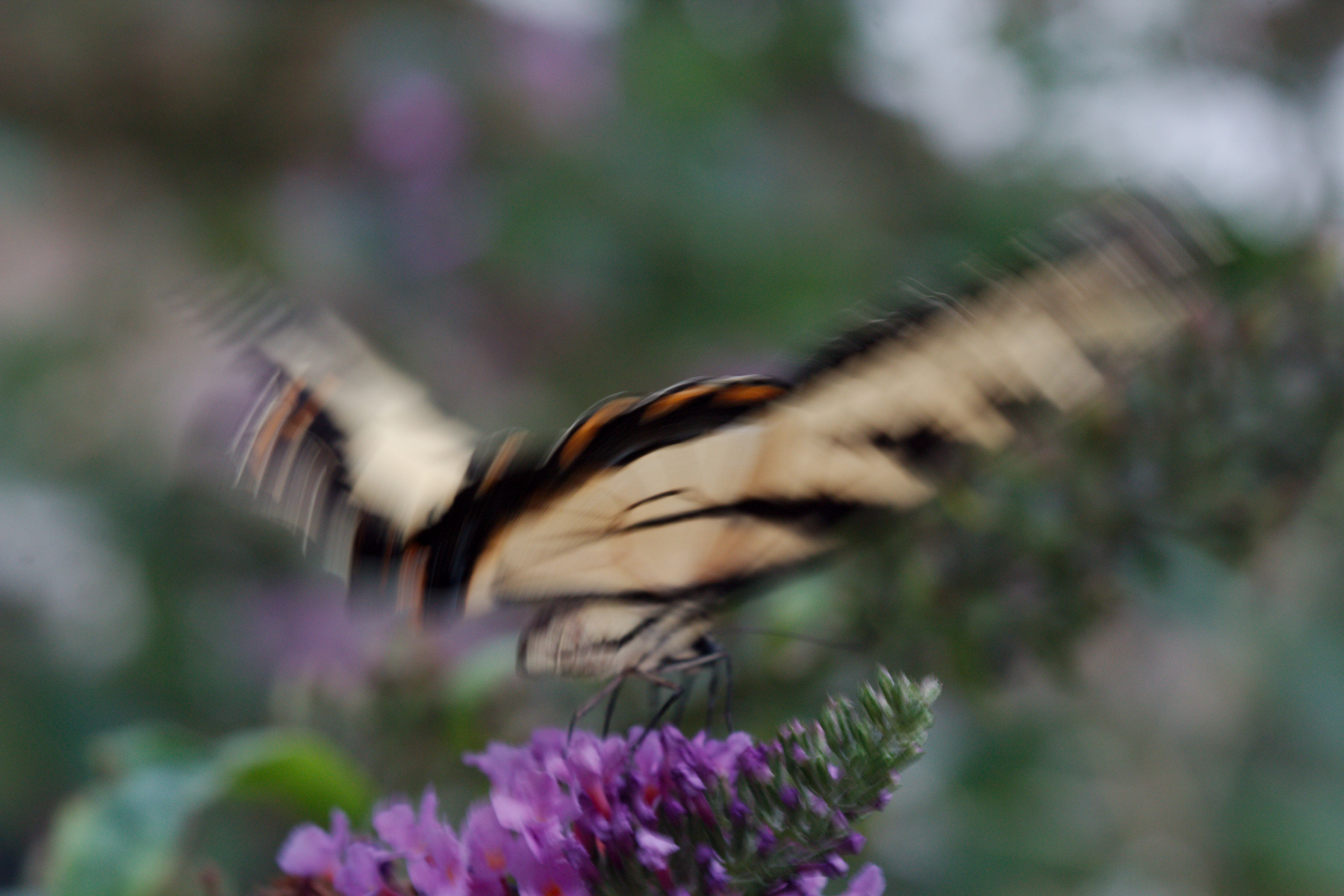
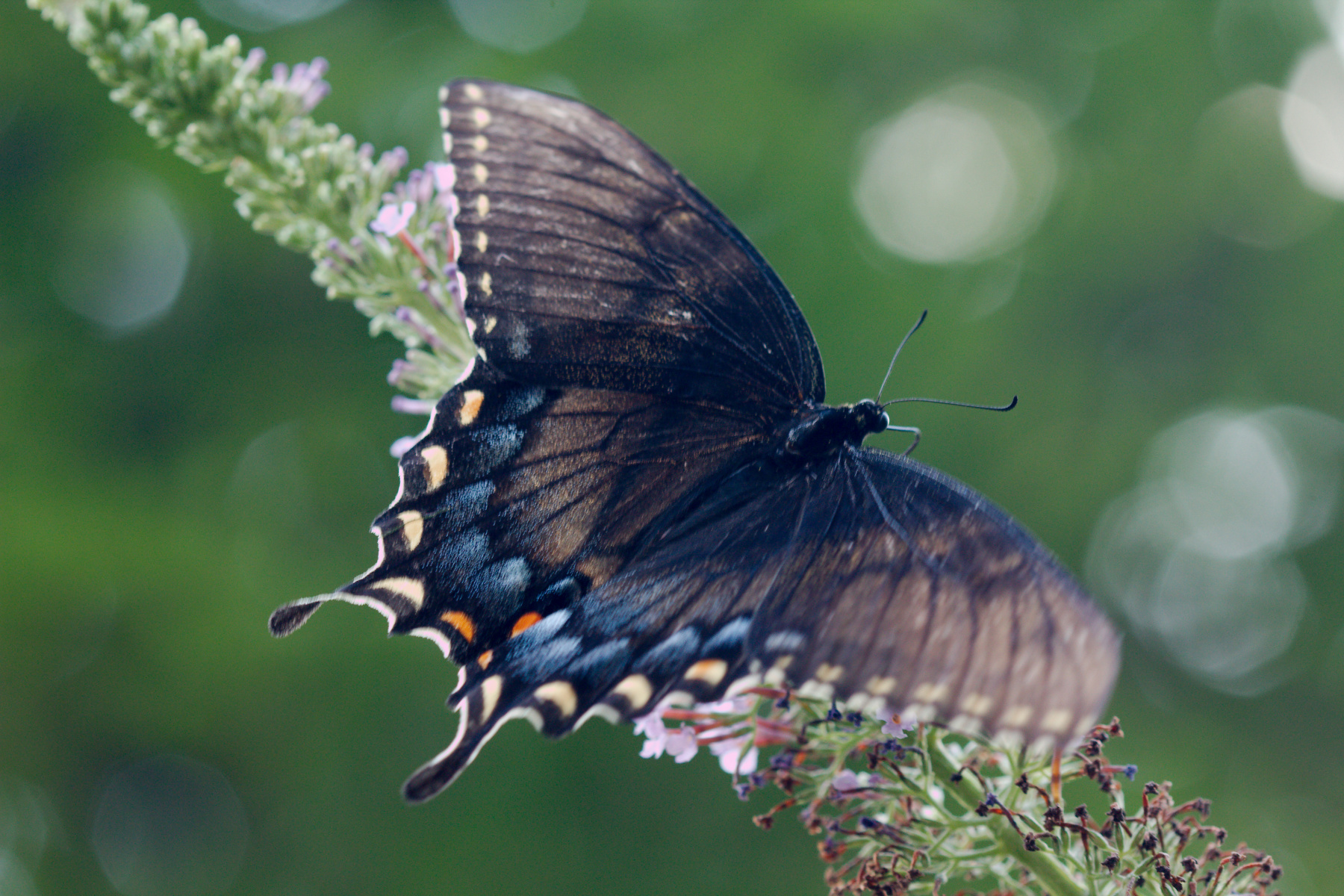
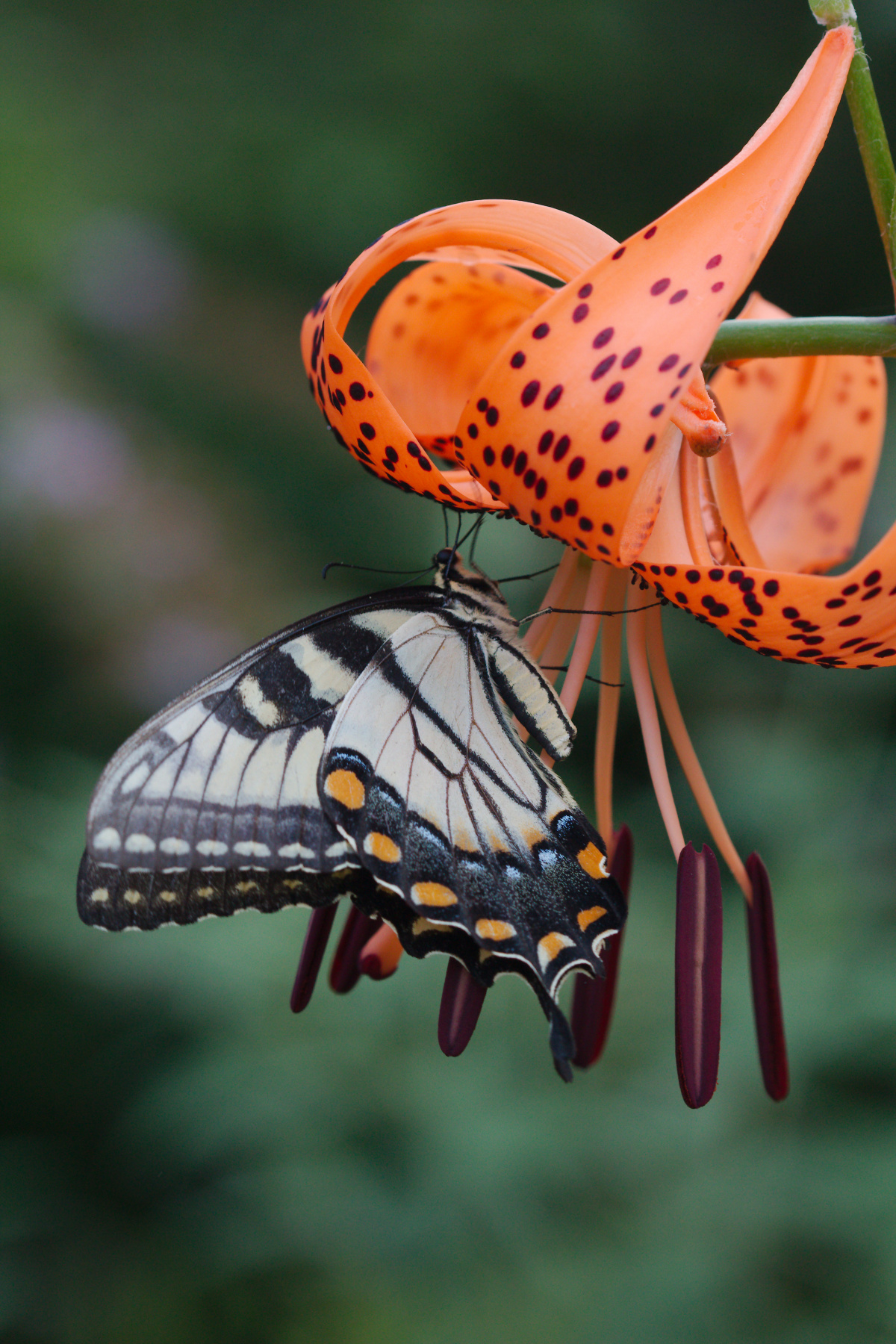
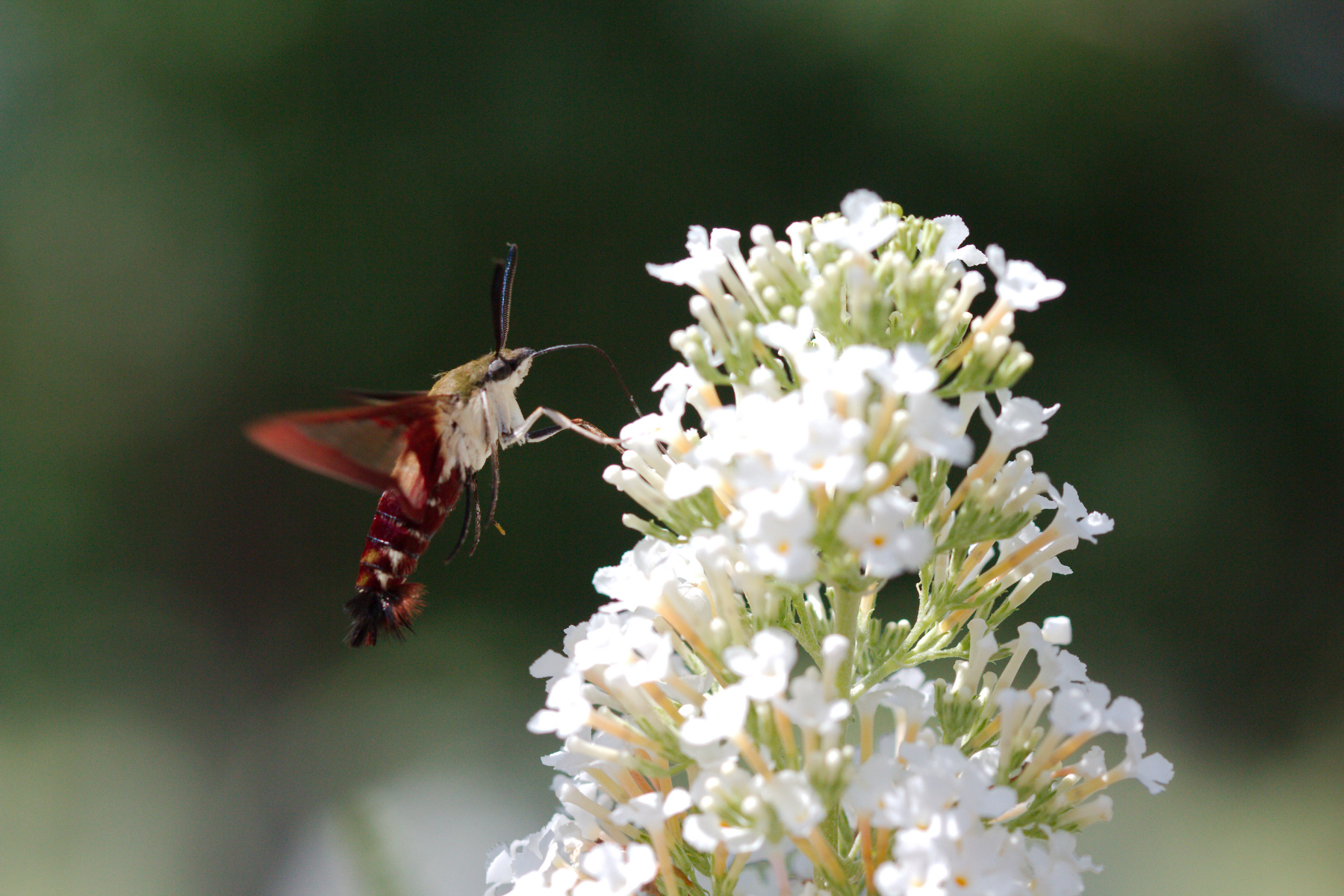
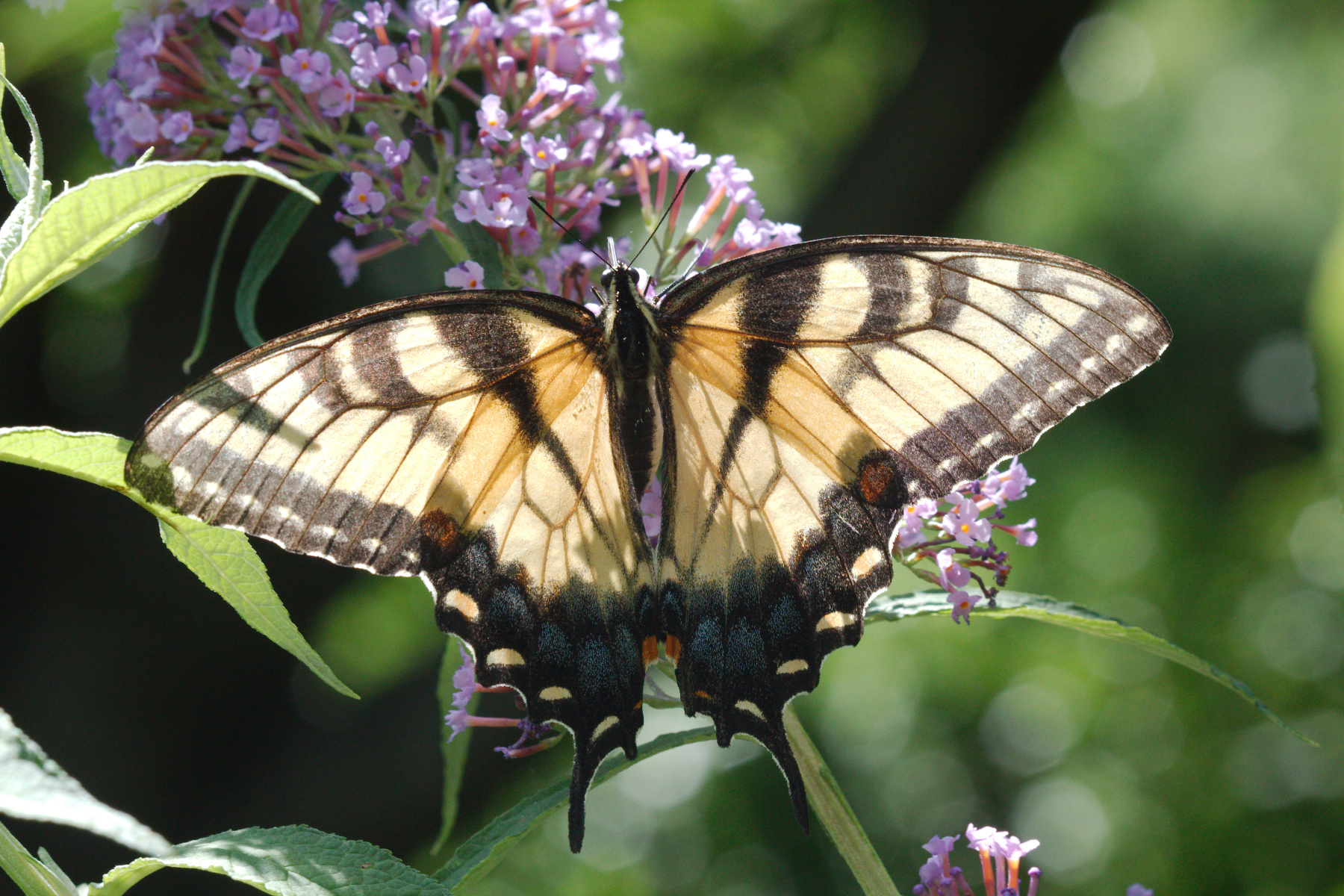
The buddleia is blooming and is attracting the fluttery insects in fairly substantial numbers. The most obvious, if not the most numerous, would have to be the eastern tiger swallowtail (Papilio glaucus). There is generally at least one and on occasion two or three on the little bush at any time. There are also lots of bees, of course and the carpenter and bumble bees seem particularly attracted. I saw a hummingbird the other day and we’ve seen the occasional sphinx moth from our kitchen window. A happy time of year for viewing insects.

Categories: Creatures | Comments Off on Papilio glaucus (Eastern Tiger Swallowtail)

Megachile sculpturalis (Sculptured Resin Bee)

<em>Megachile sculpturalis</em> (Sculptured Resin Bee)

Megachile sculpturalis (Sculptured Resin Bee)

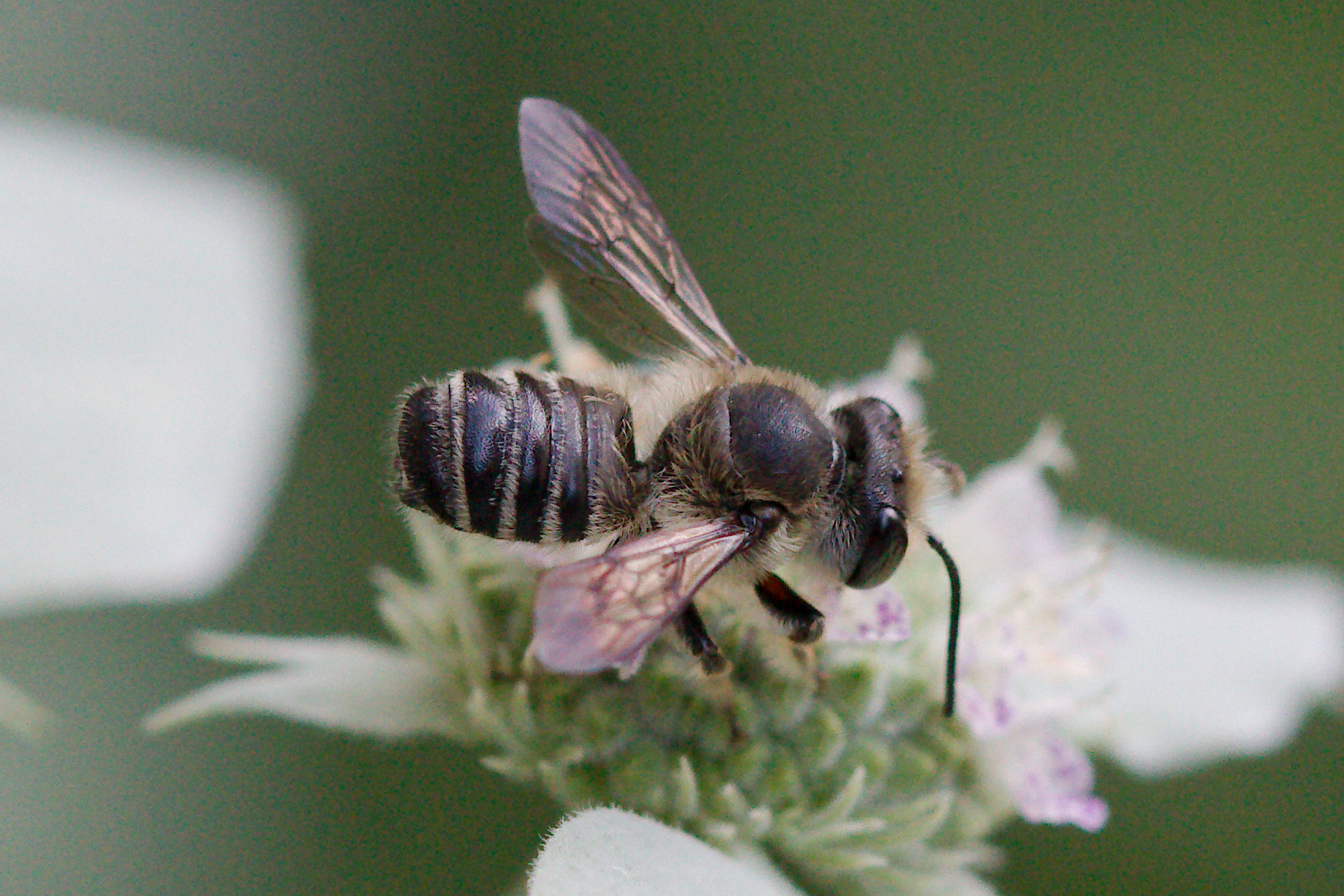
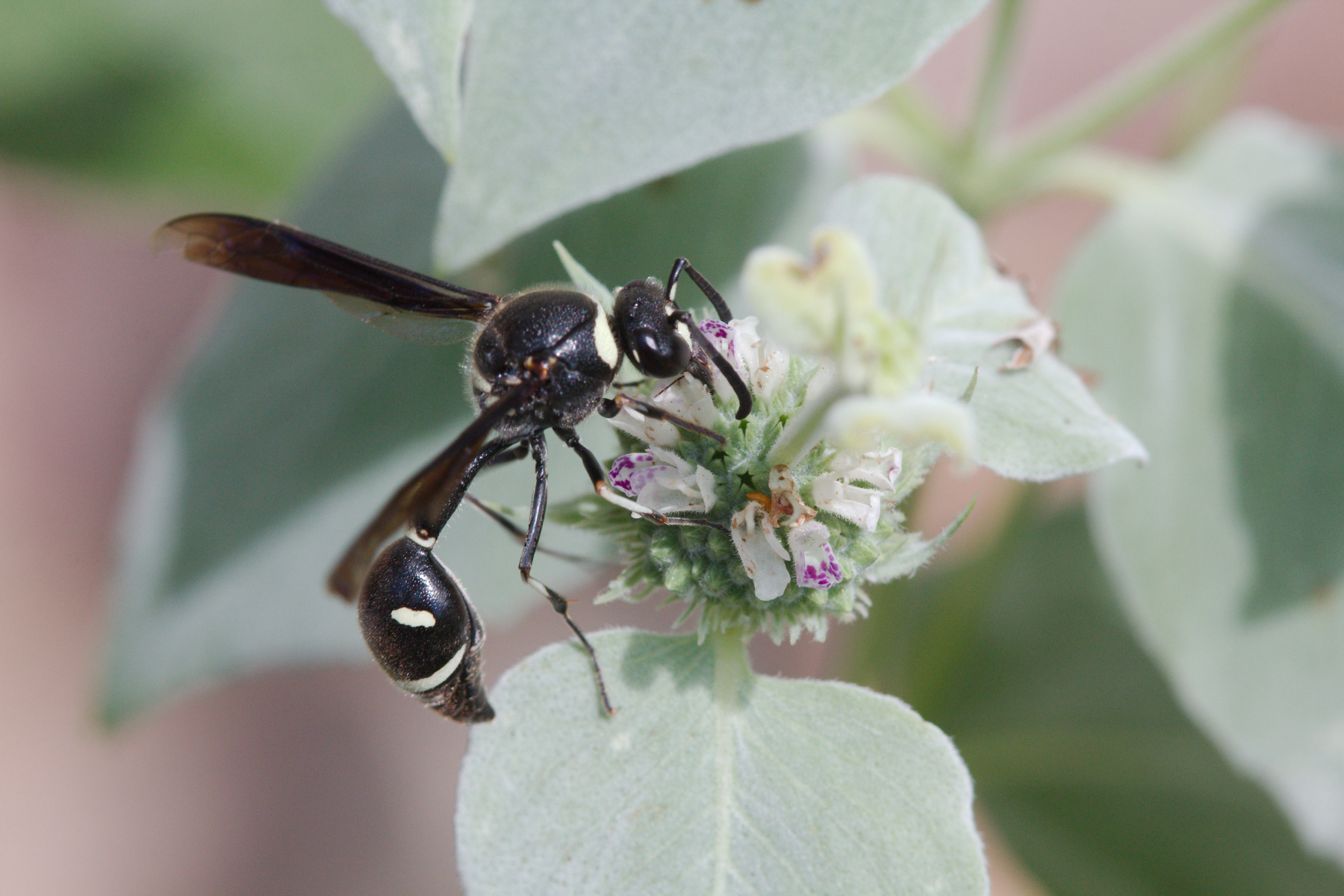
I went out to photograph insects again this afternoon. It was hot out, but that’s when the bees, wasps, butterflies, and dragonflies are at their busy best. The first thing I saw was a four-toothed mason wasp (Monobia quadridens), a mostly black beast with very distinctive ivory markings. There was also a dragonfly out in the yard, which Brady identified for me as a female widow skimmer (Libellula luctuosa). But my favorite bee for the day is this sculptured resin bee (Megachile sculpturalis), which I think is quite pretty, in a stinging-insect sort of way. It is native to east Asia and was first reported in North Carolina in June, 1994 but has subsequently spread over the entire eastern half of the continental United States.

Categories: Creatures | Comments Off on Megachile sculpturalis (Sculptured Resin Bee)

Xylocopa virginica (Eastern Carpenter Bee, Female)

<em>Xylocopa virginica</em> (Eastern Carpenter Bee, Female)

Xylocopa virginica (Eastern Carpenter Bee, Female)

The bees and wasps are out in force and if it were not so hot, I’d be spending more time photographing them. I did go out a little early this evening and got a few pictures, including this one of a female eastern carpenter bee (Xylocopa virginica). This was taken with available light, so it’s not as sharp as and has less depth of field than I’d like, but it’s not a bad picture. You can see the bee’s dorsal ocelli, the three simple (single lens) eyes in the center of her face, just above the two antennae. I happen to think that bees and many insects are among the most beautiful creatures in the world. Of course, the same can be said for fish, birds, mammals, and other classes, so maybe I just like animals. And plants.

Categories: Creatures | Comments Off on Xylocopa virginica (Eastern Carpenter Bee, Female)

Bumble Bee on Nandina

Bumble Bee on Nandina

Bumble Bee on Nandina

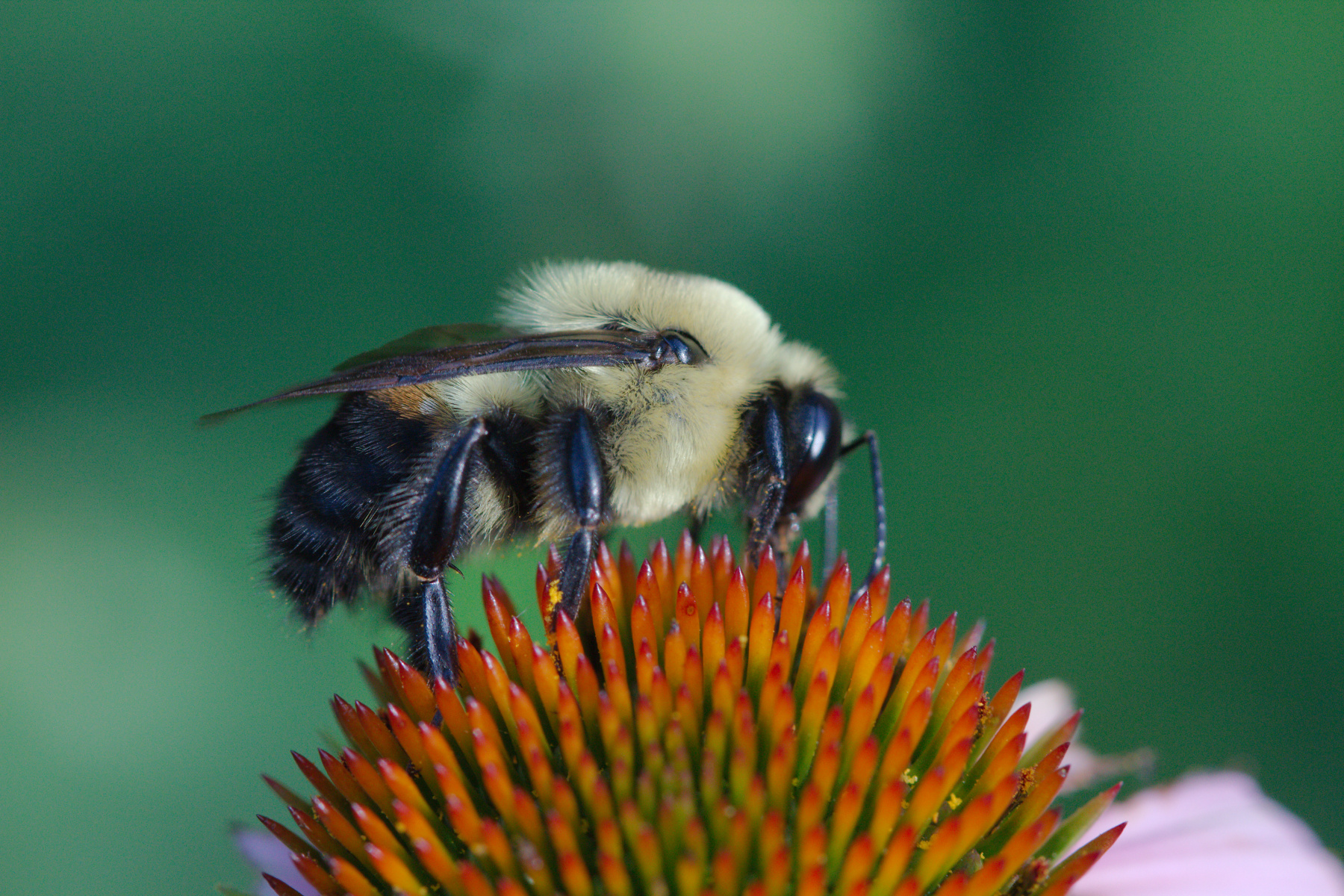
We were over at Cathy’s mom’s this evening, doing a few things. Cathy planted some annuals in the pots on her driveway and I replaced the two buttons for her doorbell, neither of which was working. While Cathy finished up with the plants and before we went out for dinner, I took some pictures. While I was near the Nandina domestica (sometimes called heavenly bamboo for reasons that seem a bit tenuous to me) a bumble bee (Bombus impatiens, a common eastern bumble bee) came around, testing the flowers. This isn’t the sharpest picture of a bumble bee I’ve gotten but it’s the best of what I got on this occasion. I suspect there will be more bee and wasp pictures coming here in the weeks ahead. It’s that time of year.

Categories: Creatures, Flowers and Plants | Comments Off on Bumble Bee on Nandina

Dead Wasp

Dead Wasp

Dead Wasp

I found this wasp on the hall floor of my office building and thought I’d take a closer look. It’s covered with dust but I photographed it pretty much as-is. I think perhaps it is a blue mud wasp (Chalybion californicum) which is a widespread species in North America. It is a beautiful, metallic blue color with hints of green, as well. Since the larvae feed on spiders, most people would consider it a beneficial insect, although spiders in their turn feed on other insects and are beneficial themselves.

Categories: Creatures | Comments Off on Dead Wasp

Eastern Cottontail (Sylvilagus floridanus)

Eastern Cottontail (<em>Sylvilagus floridanus</em>)

Eastern Cottontail (Sylvilagus floridanus)

I’d say that there are a lot of rabbits in our neighborhood but that would be understating it by considerable. This is an eastern cottontail (Sylvilagus floridanus), one of the most common rabbit species in North America. According to AnimalDiversity.org it “has the widest distribution of any Sylvilagus. It is found from southern Manitoba and Quebec to Central and northwestern South America. In the contiguous United States, the eastern cottontail ranges from the east to the Great Plains in the west.” I came out the front door this evening with my camera just as Cathy got home. There were three rabbits in our front yard. We went for a walk and saw more. When we got home, there were not only three in the front yard but a couple in the back.

Categories: Creatures | 1 Comment

Anthrenus verbasci (Varied Carpet Beetle)

Anthrenus verbasci (Varied Carpet Beetle)

Anthrenus verbasci (Varied Carpet Beetle)

These are varied carpet beetles (Anthrenus verbasci) on some sort of wild parsnip relative (similar to Queen Anne’s Lace, but not that). These little beetles, measuring only about 3mm in length, are often found indoors and eat stored food products (e.g., biscuits, cakes, seeds, wheat, maize, oats, rice, cayenne pepper, cacao, and dried cheese). They also are considered to be the world’s most important pest of insect collections. The adults feed on pollen, and that’s what these little fellows (or ladies, I really don’t know) are up to.

Categories: Creatures, Flowers and Plants | Comments Off on Anthrenus verbasci (Varied Carpet Beetle)

A Couple of Critters

Gomphus vastus (Cobra Clubtail)

Gomphus vastus (Cobra Clubtail)

We had a great day being out and about. It was nice to have Cathy’s brother, Jim here and we went to Rocklands Farm for a while. We enjoyed seeing the animals, including three-day-old piglets and lots of chickens. I got a great picture of Dorothy holding an iridescent, black chicken, probably a Black Australorp. We also relaxed a while in the barn and sampled a few wines and enjoyed some cheese. From the farm we went to Riley’s Lock on the Chesapeake and Ohio Canal, where Seneca Creek empties into the Potomac River. As we were heading back to the car we saw this dragonfly eating lunch. I don’t know what it is, for sure, but it is similar (at least to this untrained eye) to a cobra clubtail (Gomphus vastus).

Pantherophis alleghaniensis (Eastern Ratsnake)

Pantherophis alleghaniensis (Eastern Ratsnake)

From there we drove down to between Great Falls and Carderock and walked to the river near Hermit Island. This is along the Billy Goat Trail, Section B, but we didn’t actually go around the loop, just walking out to the river and back. On the way out we saw this eastern ratsnake (Pantherophis alleghaniensis) curled up beside a tree. I was able to get pretty close without spooking it and got what I think is a pretty nice portrait. After I got up the snake slithered into an opening in the tree and disappeared from sight. Not everyone’s favorite critter, I understand, but kind of elegant in its own way, I believe.

Categories: Creatures | Comments Off on A Couple of Critters