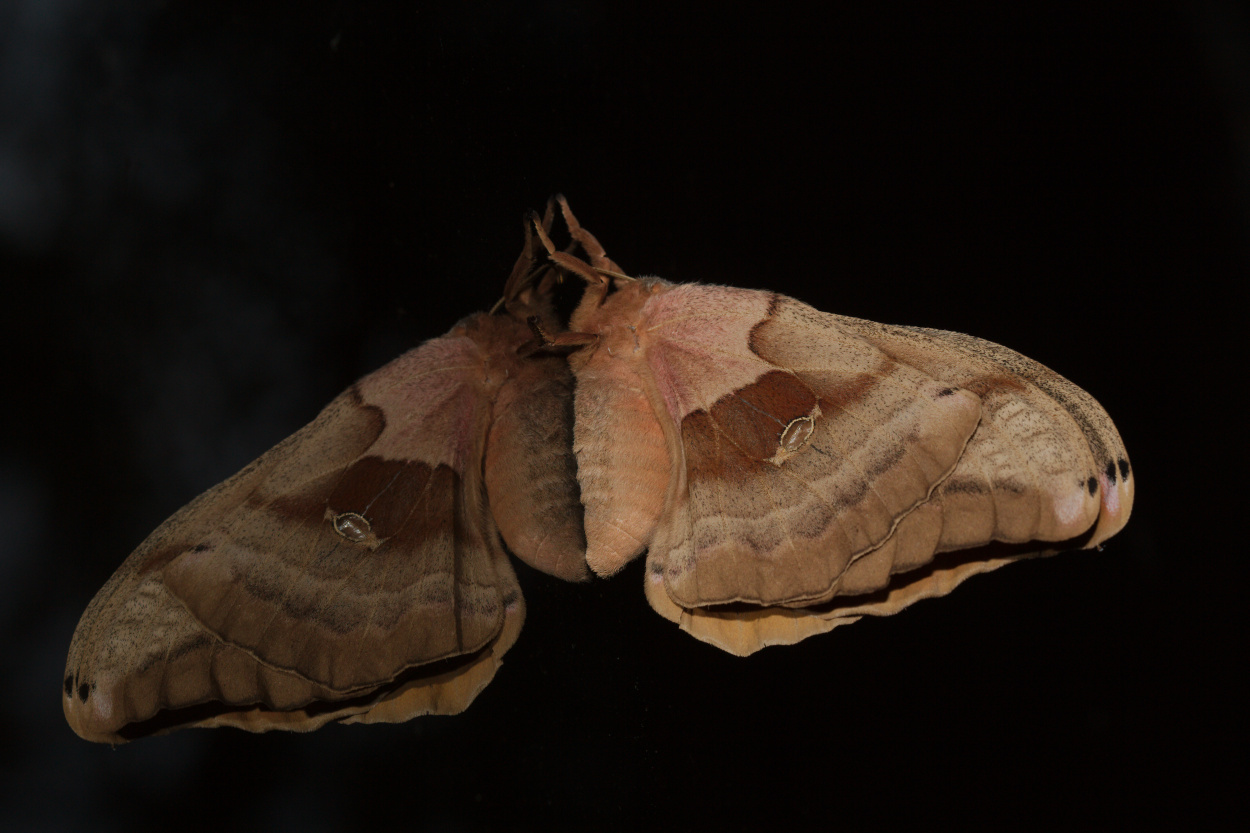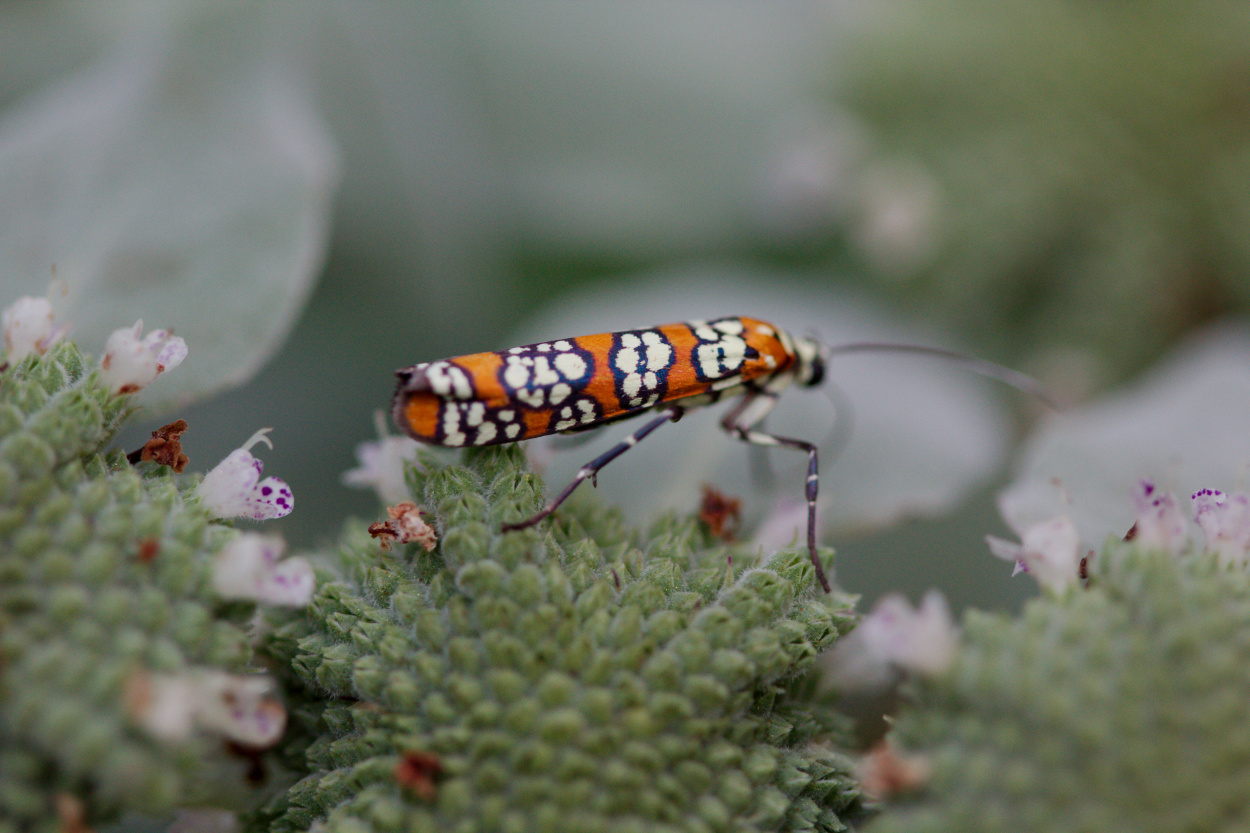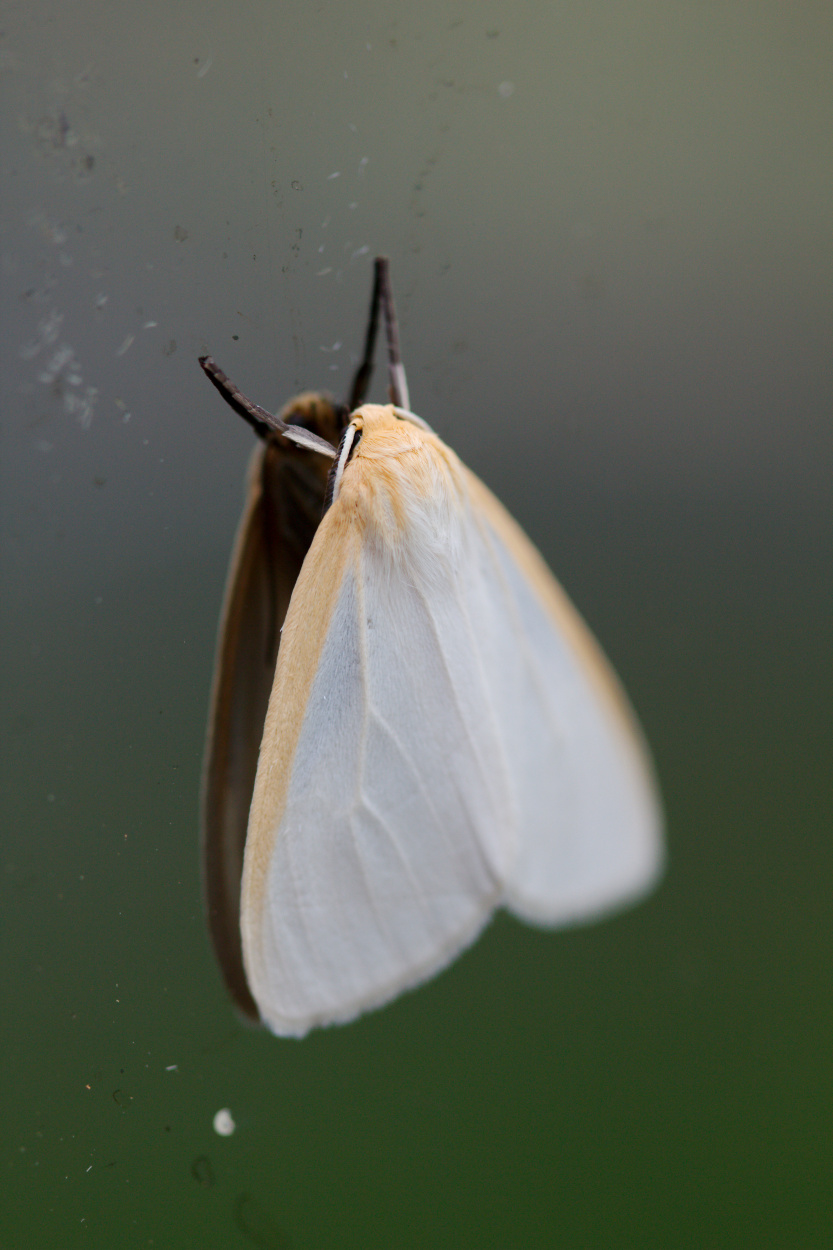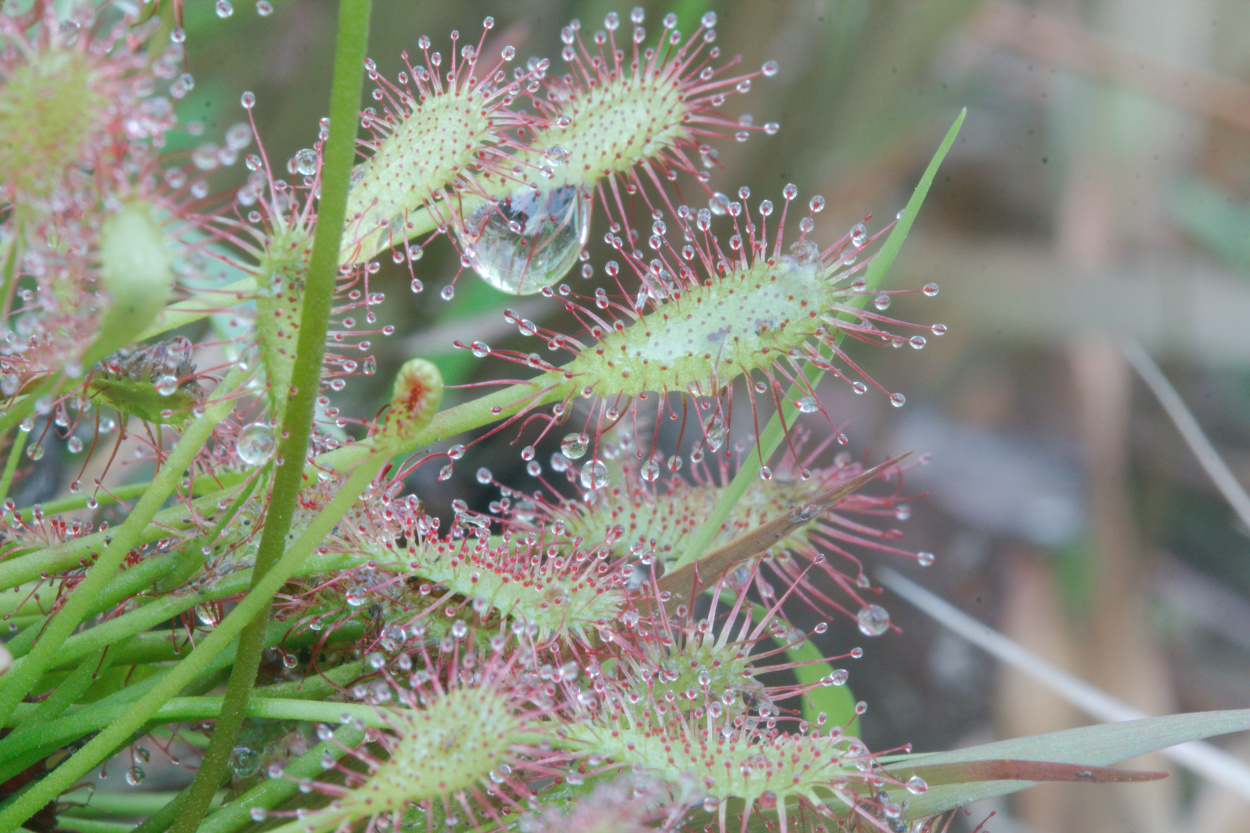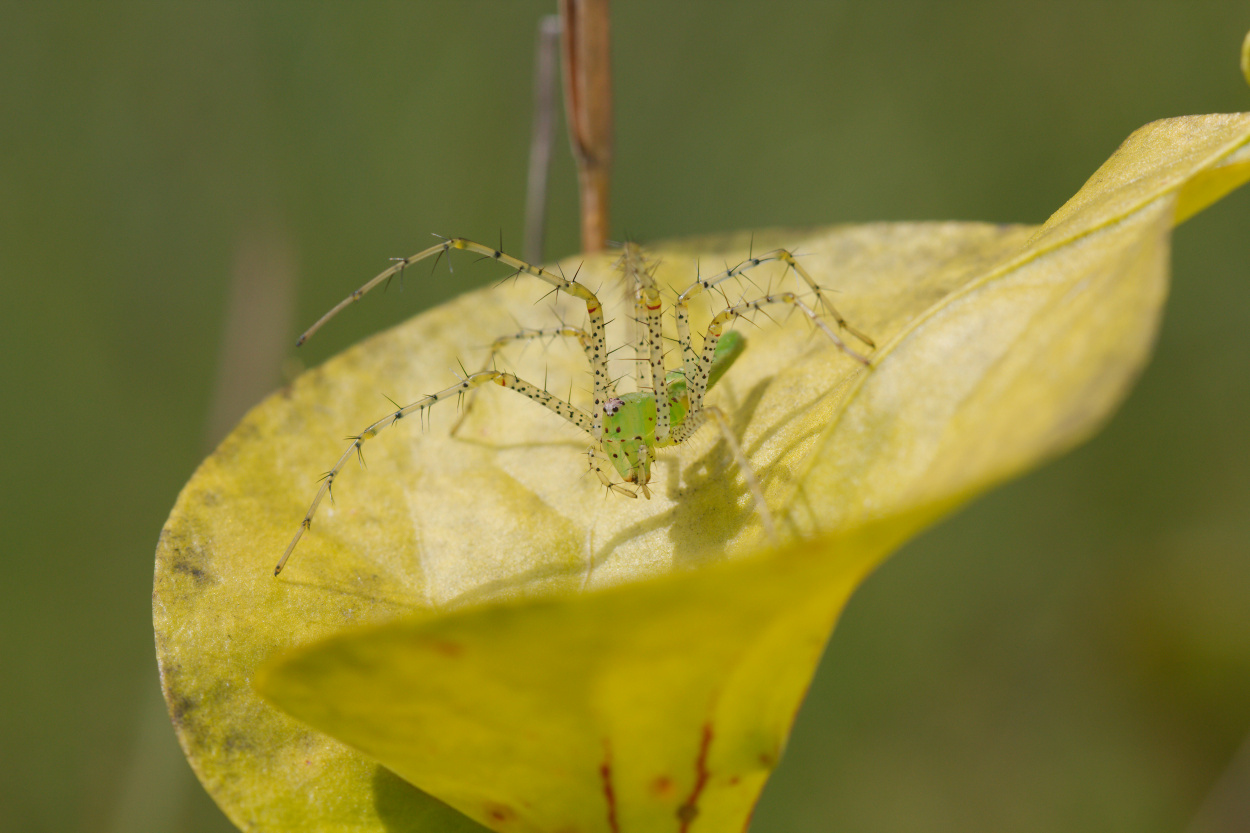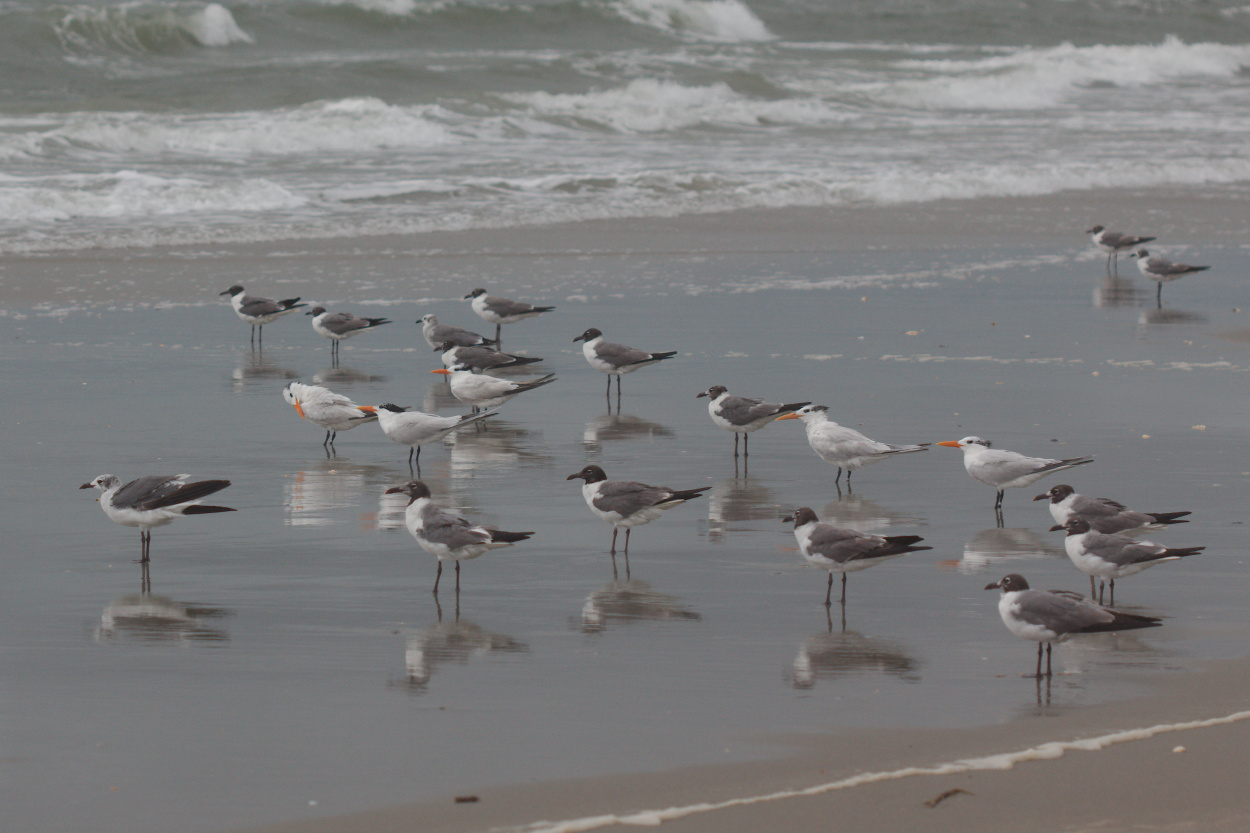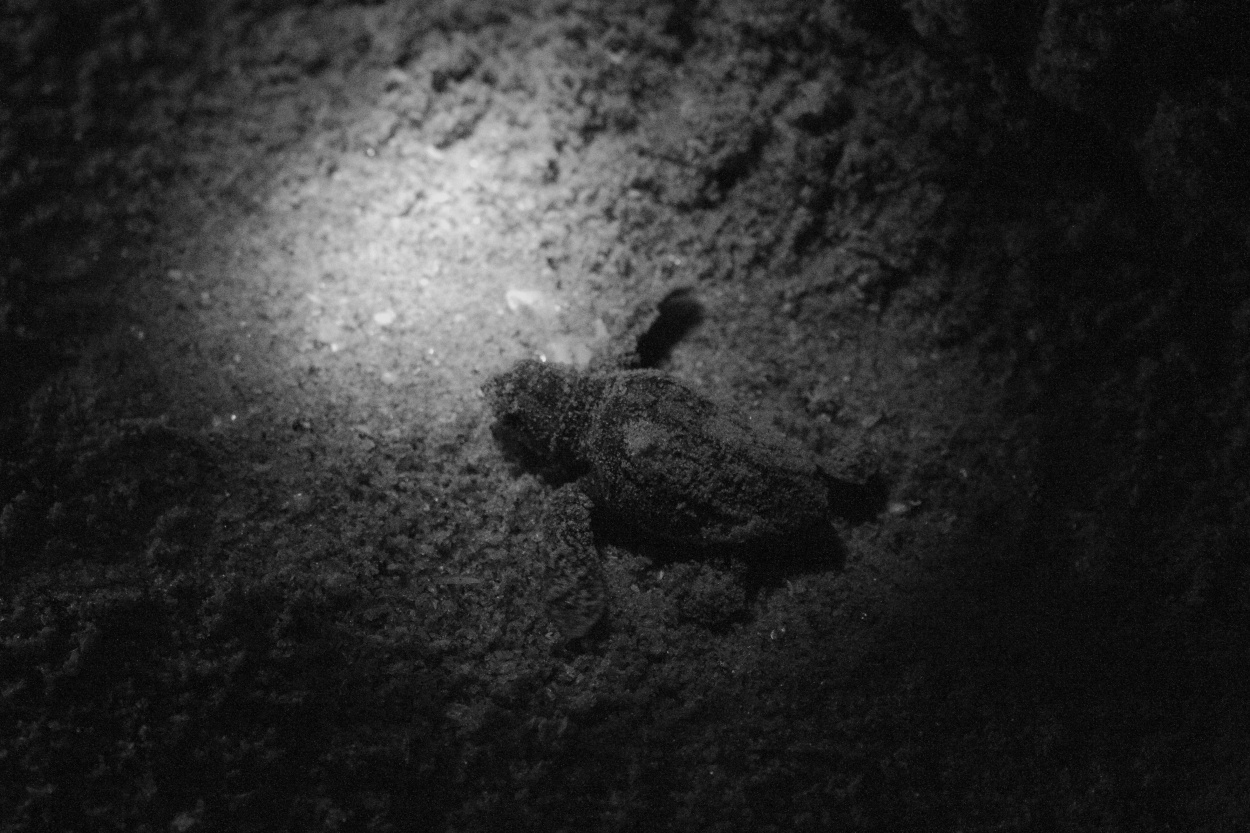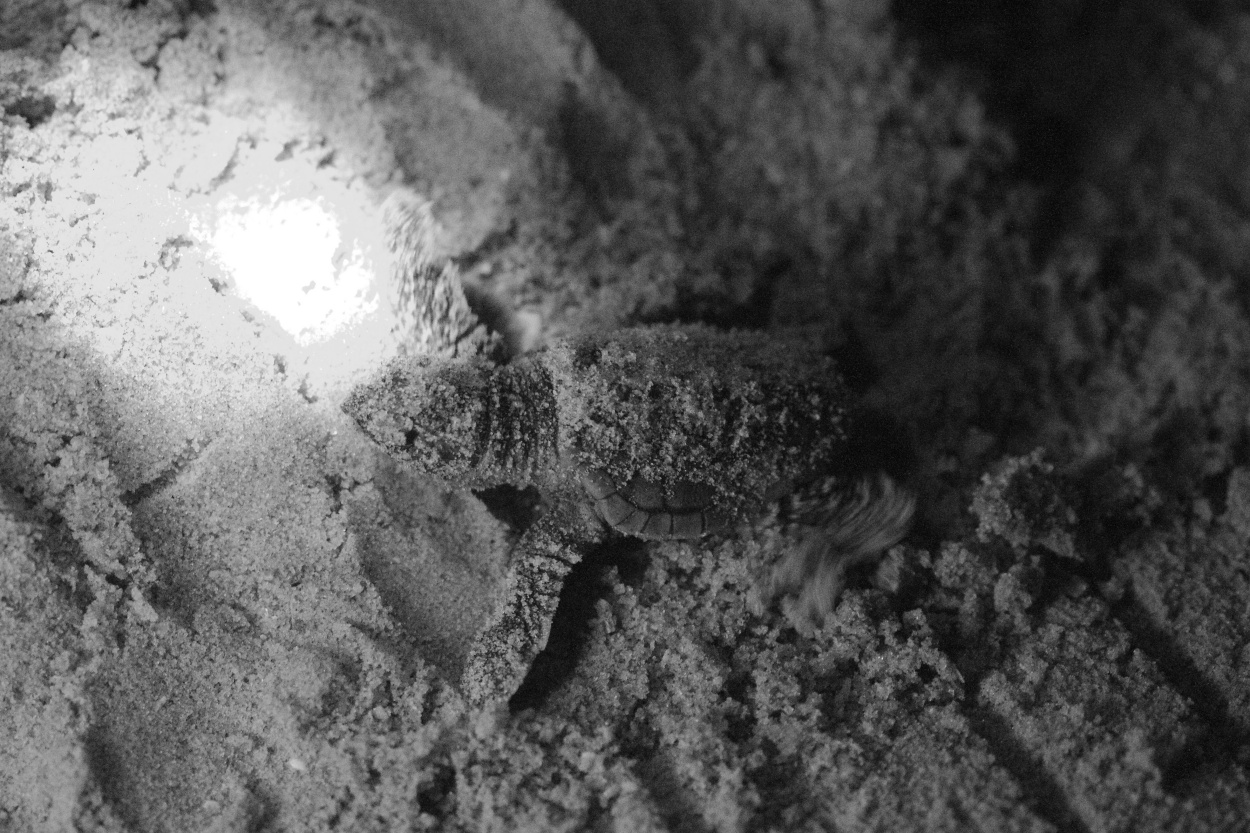
After the snow we had Friday evening through late last night, you were probably expecting me to post another snow picture for today. The snow was 25 or 26 inches deeps in our yard (depending on where we measured and avoiding obvious drifts). That’s a pretty good snowfall for here and I’m getting old enough that a snow blower is starting to look very attractive. Still, we got dug out and went for a walk (well, we went for a walk yesterday while it was snowing, so, what would you expect?). On the way back, I hear this flock of geese calling as they flew overhead. The sky was beautiful all day today, an intense blue with occasional (but friendly) clouds.
Creatures
Great Blue Heron (Ardea herodias)
I had occasion to walk over to the other building about midday today. On the way back to my office I noticed a heron down in the stream below the path. I had my camera bag with me so I was able to get some pictures. I set my bag down, switched to my longer lens and headed into the woods below the path. As I was taking them I heard an exasperated voice from the path, which said, “where in the world is your jacket?” It was a bit cool out today and if I had known I’d be stopping to take pictures I would have preferred to have a sweater on, or at least gloves, but I survived. I think this picture was worth it.
Green and Gold Cory Cat (Corydoras melanotaenia)
Last week I posted a picture of one of the new fish I got for a tank that’s in our breakfast room. That was a red dwarf gourami (Trichogaster lalius). Today’s picture is another fish, bought at the same time and for the same tank. This is one of three green and gold corydoras catfish (Corydoras melanotaenia) that I bought. The cory cats, as they are called, are in the Corydoradinae subfamily, the armored catfish, and are native to South America. They quickly ate the algae that had accumulated in the tank as I was getting it ready for the fish. Now I feed them algae wafers. They are peaceful little things and a bit shy, but a nice addition to the tank.
Red Dwarf Gourami (Trichogaster lalius)
I got a few new fish this week, including this red dwarf gourami (Trichogaster lalius). The dwarf gourami is native to Pakistan, India and Bangladesh but are quite common aquarium fish. I’m pretty sure I remember dad saying that he bred them, back in the day. In addition to this fish (actually, I got two of them), I have three green and gold cory cats (Corydoras melanotaenia), white fin rosy tetras (Hyphessobrycon rosaceus), brilliant rasboras (Rasbora einthovenii), and a Koi Angel (Pterophyllum scalare).
Aphids (Family Aphididae)
Today we get a photo of some of our less desirable creature friends. These things suck. I mean, literally, they suck the juice out of plant stems, sometimes causing serious damage to the plant. In this case, there are few enough of them and it’s late enough in the year that they are not going to cause serious problems for this rose. It’s a large and very robust rose that was nearly killed by the last two winters, which were very hard on roses generally. But it’s coming back and unless this winter is equally bad, should be in reasonable shape by the end of next year. It is growing on a trellis on the south end of the house and the rose can cover the entire thing (which is pretty substantial).
Phyciodes tharos (Pearl Crescent)
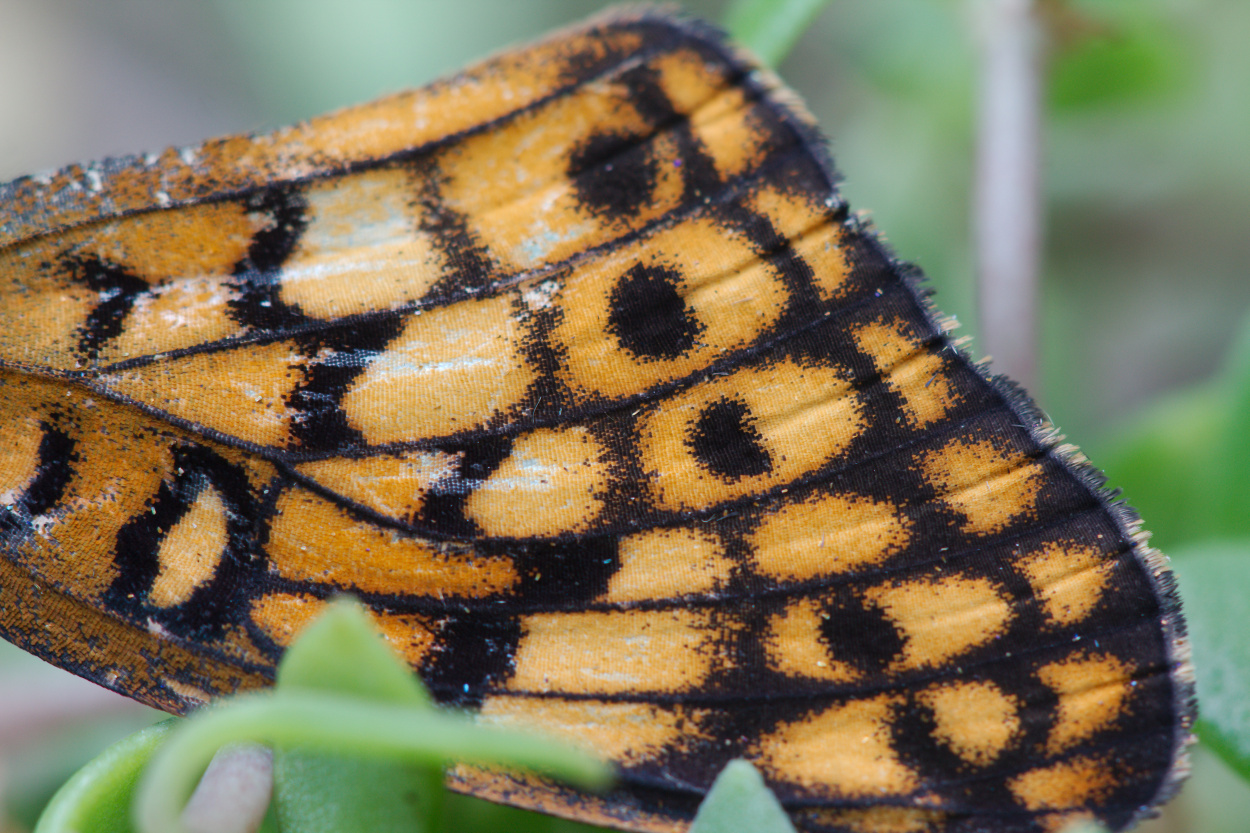
I went out into the back yard again after work today and at first was thinking I wouldn’t see anything interesting to photograph. Then I noticed this little pearl crescent butterfly sitting on the seed head of a black-eyed Susan under our dining room window. He allowed me to get quite close and I took a lot of pictures but only a few where his wings were open. He would open his wings but as soon as my camera got very close, they would close up again. This is one of only three that I got showing the tops of his wings.
Vulpes vulpes (Red Fox)
I happened to walk into the kitchen late this morning and look out the back door. Right in front of me, smack dab in the middle of the yard, was this young fox. I don’t know that it’s young, actually, but it was definitely smaller than the two we had in the yard February, March, and June of 2014. Mostly it was just sitting there scratching itself. Twice it stopped and looked right at me and both times I felt like it was saying, are you going to chase me off, or not? Both times it decided I was not and went back to scratching. Even in this picture, you can see its hind leg is slightly raised, about to start up again.
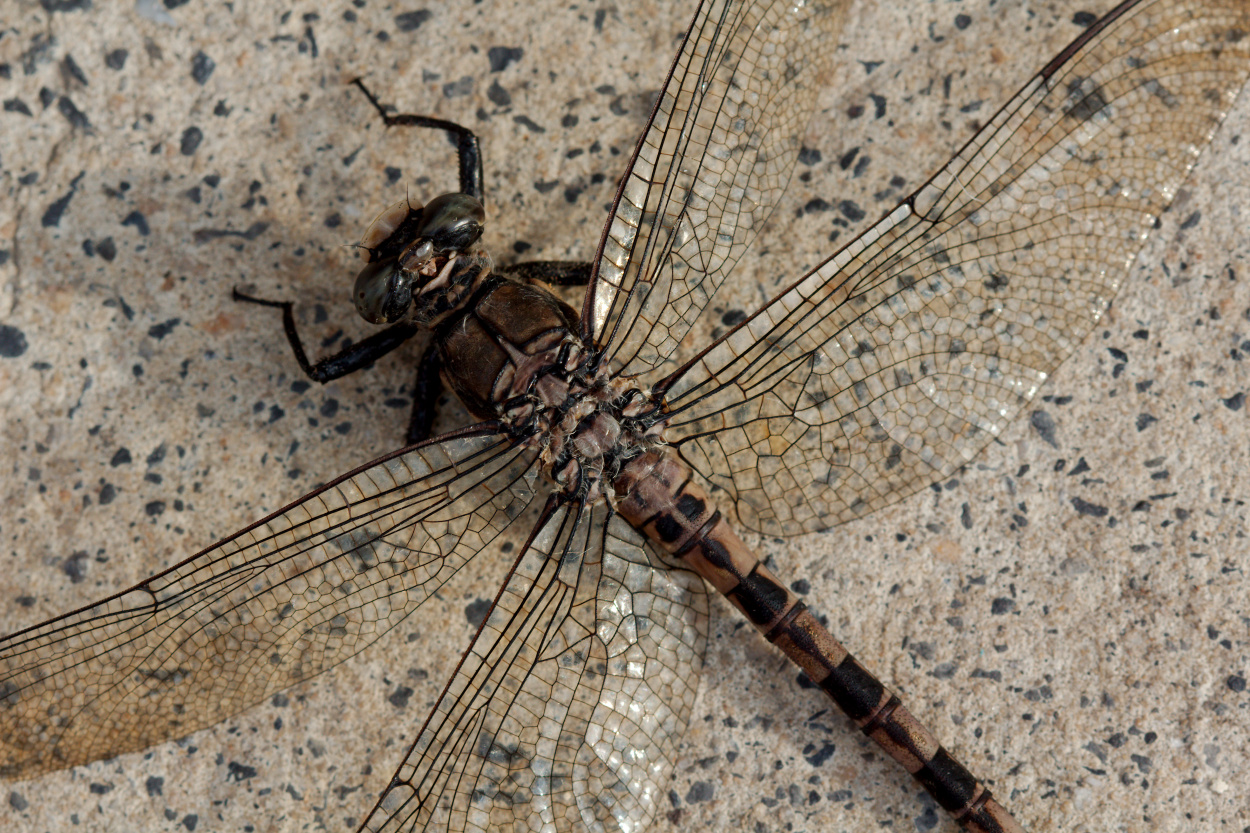
Aeshna umbrosa (Shadow Darner)
I had just returned from the grocery store and Cathy was in the front yard weeding. She called in to say that there was a largish dragonfly on the Queen Anne’s lace (Daucus carota) by the driveway. I grabbed my camera, slapped on the macro lens and was able to get a half dozen photographs before he flew away. This is a male shadow darner (Aeshna umbrosa), identified by my sister-in-law with that confirmed later by bugguide.net.
Grasshopper, Family Acrididae
I went out into the empty lot next to my building today. It’s getting fairly deeply overgrown and it’s harder to make my way through it. I did find a few pathways, probably made by deer, and that helped a bit. I came across this little grasshopper and was able to get close enough for a few photographs. I cannot say more than that I believe it is in family Acrididae. That narrows it down to about 620 species in North America (and 8,000 worldwide) and I’m not even 100% sure of that. So, we’ll just call it a grasshopper, shall we?
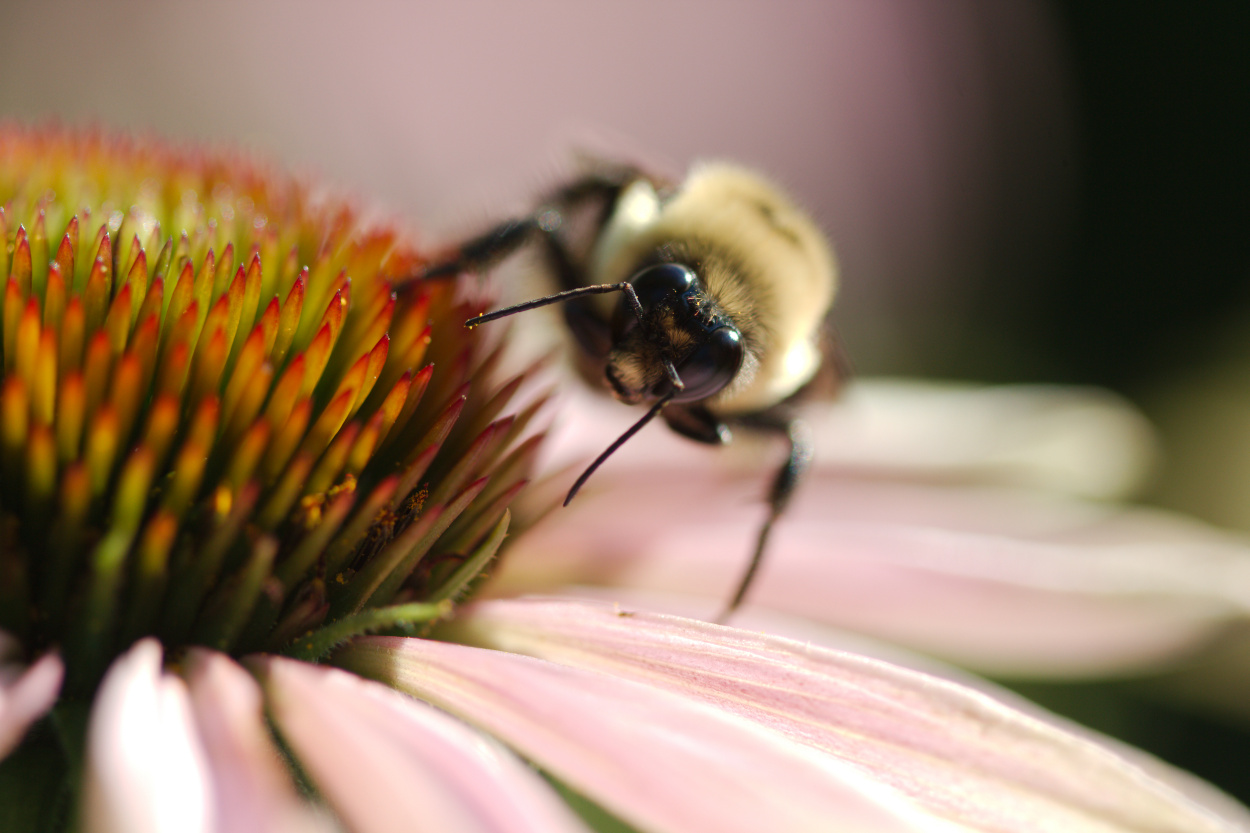
Bombus impatiens (Common Eastern Bumblebee)
I took pictures today of a bumble bee, a carpenter bee, and a spider. I’ve posted pictures of all three this summer, so whatever I post, it’s going to be a repeat. While some like my spider pictures, they tend to be a little less popular for some reason, so I decided to go with the bumble bee. One of the characteristics that allows you to distinguish the bumble bee from the carpenter bee is the presence or absence of hairs on the abdomen. You can see them fairly clearly in this picture. A bald or nearly bald abdomen (the rear-most section of an insect—head, thorax, and abdomen) mean carpenter bee. Harry means bumble bee. They are actually quite different in terms of their eyes, as well, and the male carpenter bee has a big white patch on his face.
Philoscia muscorum (Common Striped Woodlouse)
As a kid we knew anything that looked at all like one of these as roly-poly bugs or potato bugs. The more proper roly-poly, the pillbugs in family Armadillidiidae, are also known colloquially as armadillo bugs. They are mostly not native to North America but are fairly common, now. This is a common striped woodlouse, Philoscia muscorum, a genus and species also introduced from Europe. I was actually on the ground photographing a persimmon (Diospyros virginiana) that had fallen from a tree, when this little fellow started crawling up onto the fruit. Compared to other woodlice, this is a speedy little thing and I kept having to turn him around so he wouldn’t get away. I didn’t bother him for long, though, and he went on his merry way.
Agelenidaea (Funnel Weaver)
Late in the summer, spider webs start to appear in pretty great numbers in the ground cover throughout our yard. For the most part, the spiders themselves are not seen, but once in a while, if you are patient, they will come out. This appears to be one of the funnel weavers or possibly a grass spider from the family Agelenidaea. It’s a largish spider and fairly menacing looking from the front. Their webs are horizontal and have a small funnel-like tube off to one side. They retreat into this ‘den’ when startled.
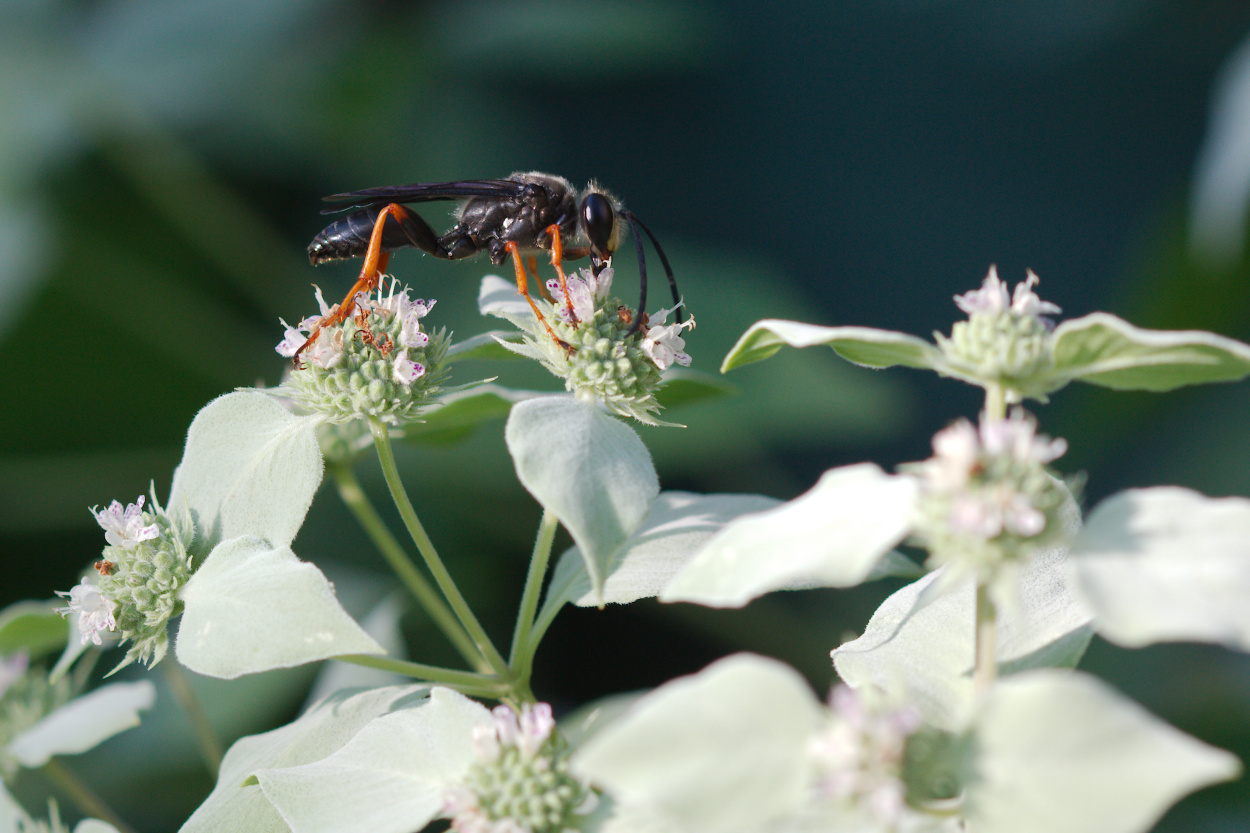
Genus Ammophila (Thread-waisted Wasp)
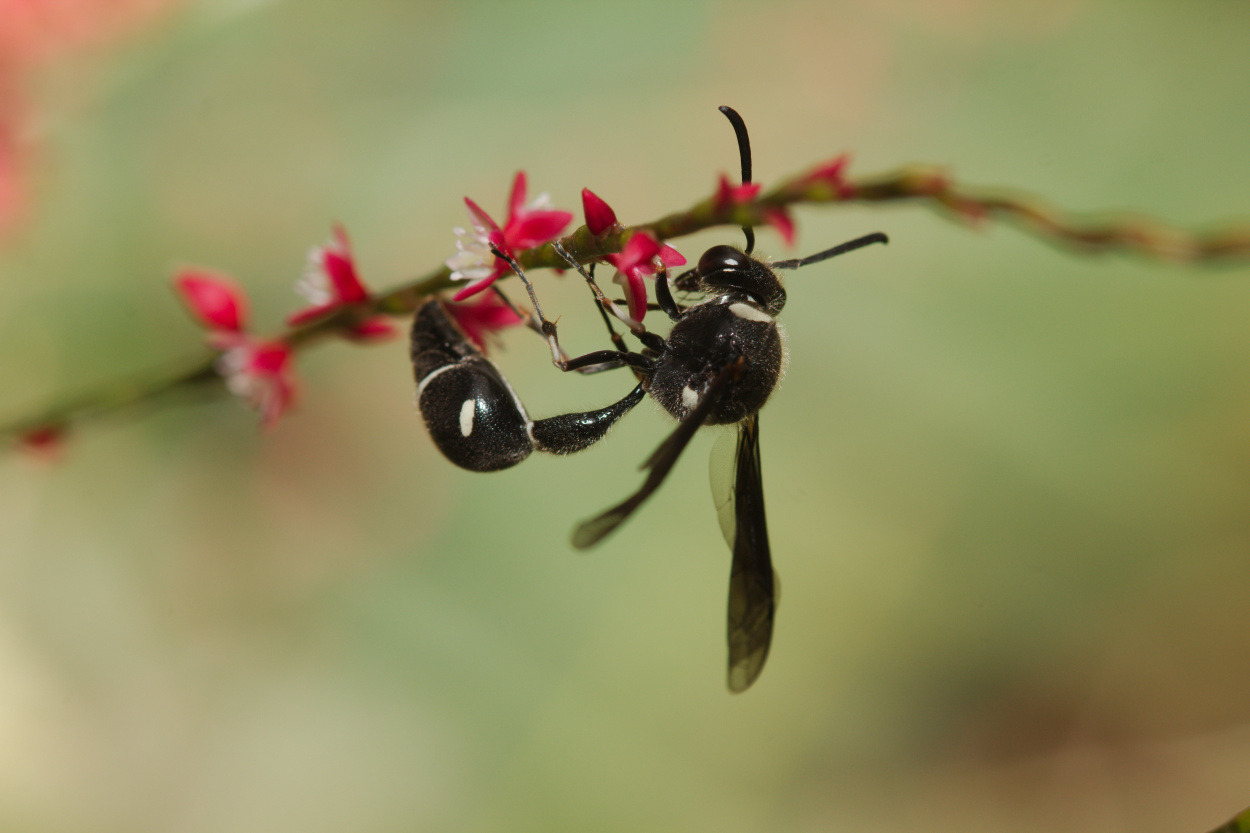
It was only last week, on September 11, 2015, that I posted a picture of a thread-waisted wasp in the genus Ammophila. Generally I try to avoid pictures of the same type of animal or plant in the same year. Sometimes they are different enough, like the nymphs and adult large milkweed bug pictures, posted on August 29, 2015 and earlier today. Nevertheless, I’m posting this because I think it’s a cool picture and it lets you see this wasp from a different angle. Besides, this is my blog and I can do what I want. If you don’t like it, no one is forcing you to come here and see my pictures. One of my favorite things about this picture is the pollen that is all over the wasps thorax.
Oncopeltus fasciatus (Large Milkweed Bug)
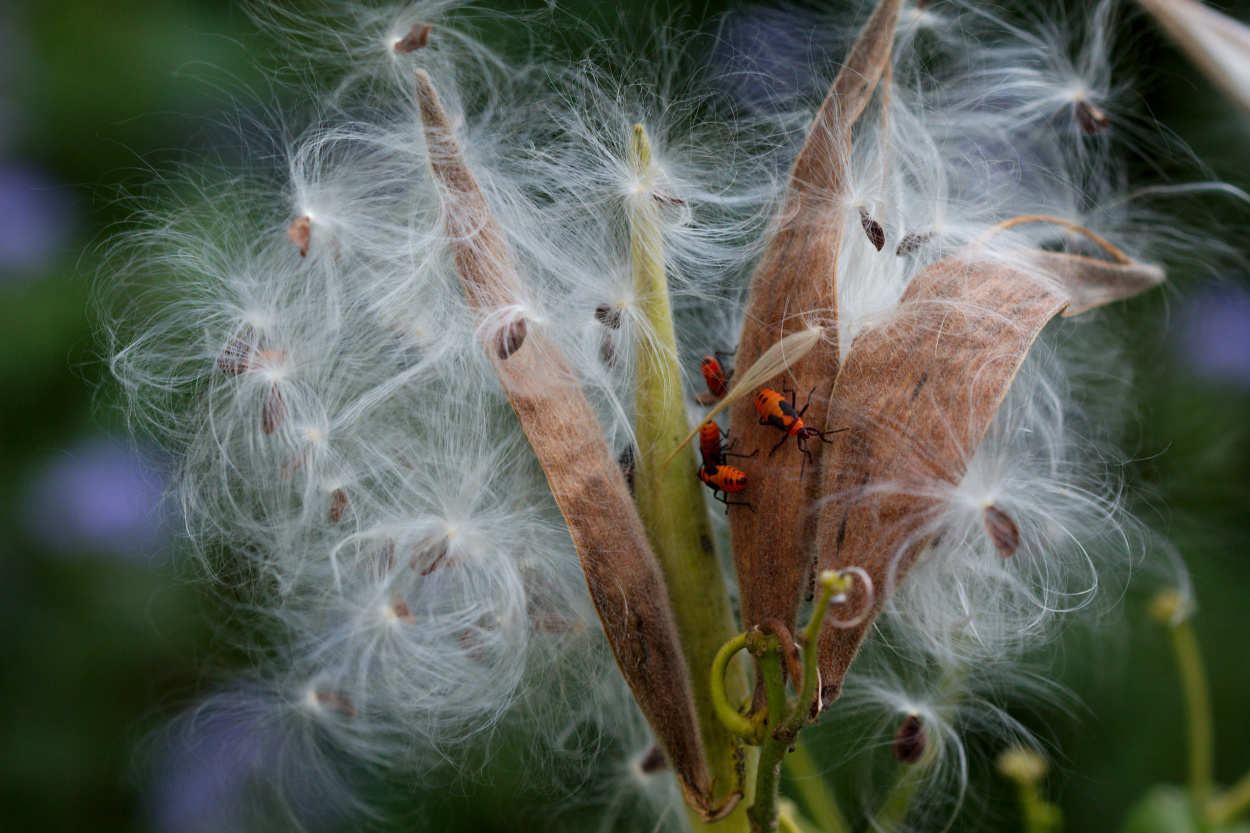
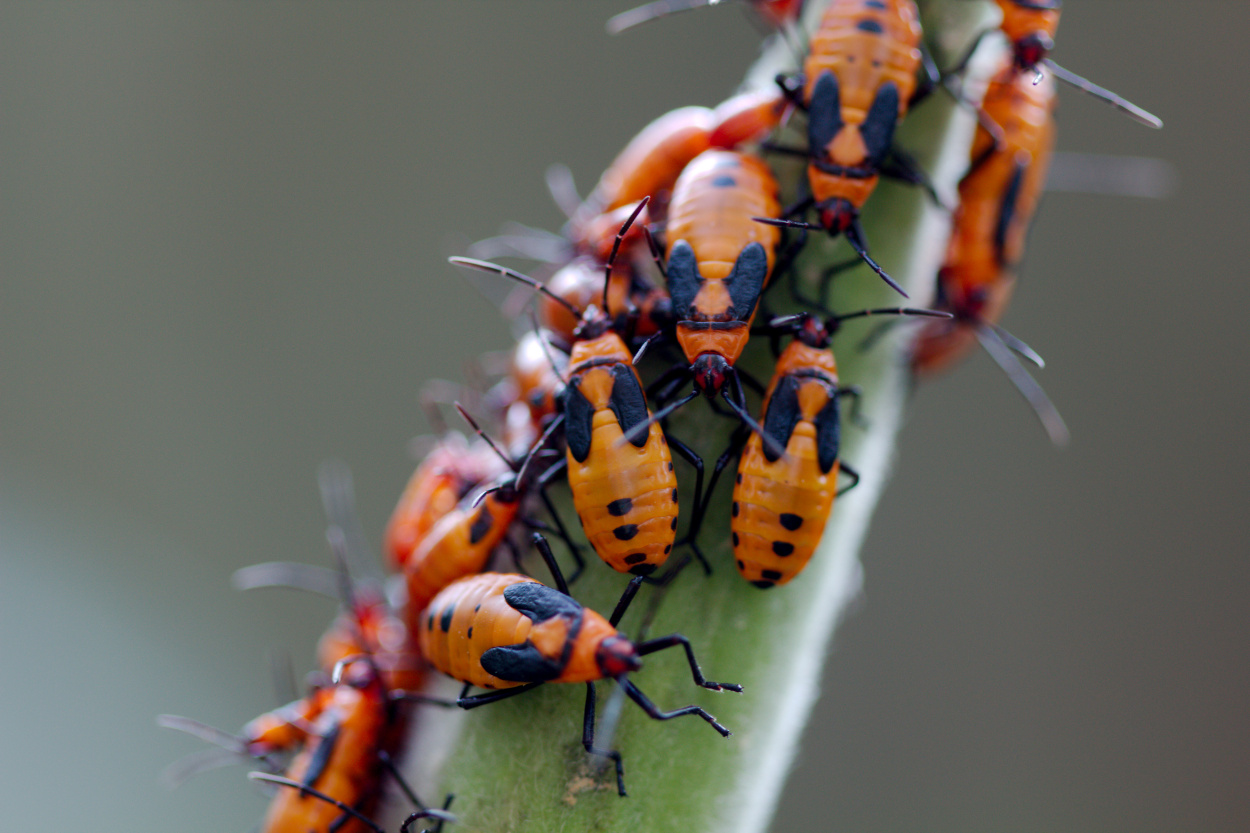
On August 29, 2015 I posted a picture of nymphs of large milkweed bugs (Oncopeltus fasciatus). They quickly grow into adults, like this one. They are mostly gone now, off to wherever adult milkweed bugs go. I think they are really cool looking. I especially like that you can see one of its three simple eyes (the red dot above the larger, compound eye). Many insects have them, but usually we don’t get close enough to see them very well.
A Jaunty Catbird
There were a lot of birds in the back yard this morning, coming down to the bird bath on the edge of our patio. They often fly to the lower branches of the nearest maple tree first, and then fly down to the edge of the bath. The goldfinches often land on a metal pole, even closer. Then there are the catbirds (grey catbirds, to be precise, Dumetella carolinensis). They land in and around the potted plants and often perch on this leaning garden ornament (which doesn’t light up any more, but we haven’t gotten around to removing it). I especially like watching the way birds stand on sloping and moving objects, with a sophisticated auto-balancing system that works wonderfully to keep them upright with little or no effort.
Cupido comyntas Eastern Tailed-Blue
I’ve found a way to get a bit closer in. This photo of an eastern tailed-blue turned out nicely. It was bopping from flower to flower and let me get quite near, which was unusual, and I got a couple pretty clear shots. It’s a pretty little thing and the upper side of its wings are a lovely, metallic blue with the same orange spots, which are quite striking against that blue. But I wasn’t able to get any pictures with its wings open. Maybe next time.
Genus Ammophila (Thread-waisted Wasp)
This is one of a few species of Ammophila (the thread-waisted wasps), probably (but by no means certainly) Ammophila nigricans or Ammophila procera. They are difficult to identify, particularly from photographs and in this case, my photographs don’t show some of the distinguishing characteristics. In any case, this is one of only a few I’ve seen this summer. The wings are hiding the long, thread-like petiole, but it’s quite distinctive. I managed to get three decent pictures of this one before she flew away (I’m guessing on the sex—the orange is paler on the males but without them being side by side, it’s not always easy to tell).
Lucilia sericata (Common Green Bottle Fly)
I hope you aren’t too tired of insect photographs. It won’t be long and they will be a lot harder to find, so my photography will shift into autumnal mode, with colored leaves and such. For now, the insects are still going string. We were supposed to have heavy rain today and in Annapolis they got nearly 3¾″. We got enough to make the ground wet, but not under trees.
This is a common green bottle fly (Lucilia sericata), also known as a sheep blow fly. While the larvae feed on flesh, they only eat partially decomposed tissue. They have actually been used to clean wounds, eating the necrotic tissue and leaving healthy tissue alone.
Euschistus Species (Stink Bug)
I came across a little stink bug this evening. It isn’t the “dreaded” brown marmorated stink bug (Halyomorpha halys) that made such a stink the last few years (if you’ll pardon the expression). The genus consists of about 20 species in our area and the darkish spot at the center of the scutellum (the triangular bit in the center of its back) and less obvious dark patches on the wings (not really visible in this angle) are distinguishing to the genus. It’s a little fellow and it was climbing around close to the ground on the leaves of blue mistflower (Conoclinium coelestinum).
Augochlorella Species
I took some wasp pictures this evening. I didn’t get anything spectacular, but since I don’t want to miss posting a picture for today, I have to post a less than perfect one. This is one of a few species of Augochlorella, a genus of sweat bees (family Halictidae). It’s a fairly small bee, as you can see by comparing its size to the central part of the black-eyed Susan on which it is feeding. I was only able to get two shots of it before it flew off and neither is really as sharp as I’d have liked.