Creatures

Euptoieta claudia (Variegated Fritillary)

Euptoieta claudia (Variegated Fritillary)

Euptoieta claudia (Variegated Fritillary)

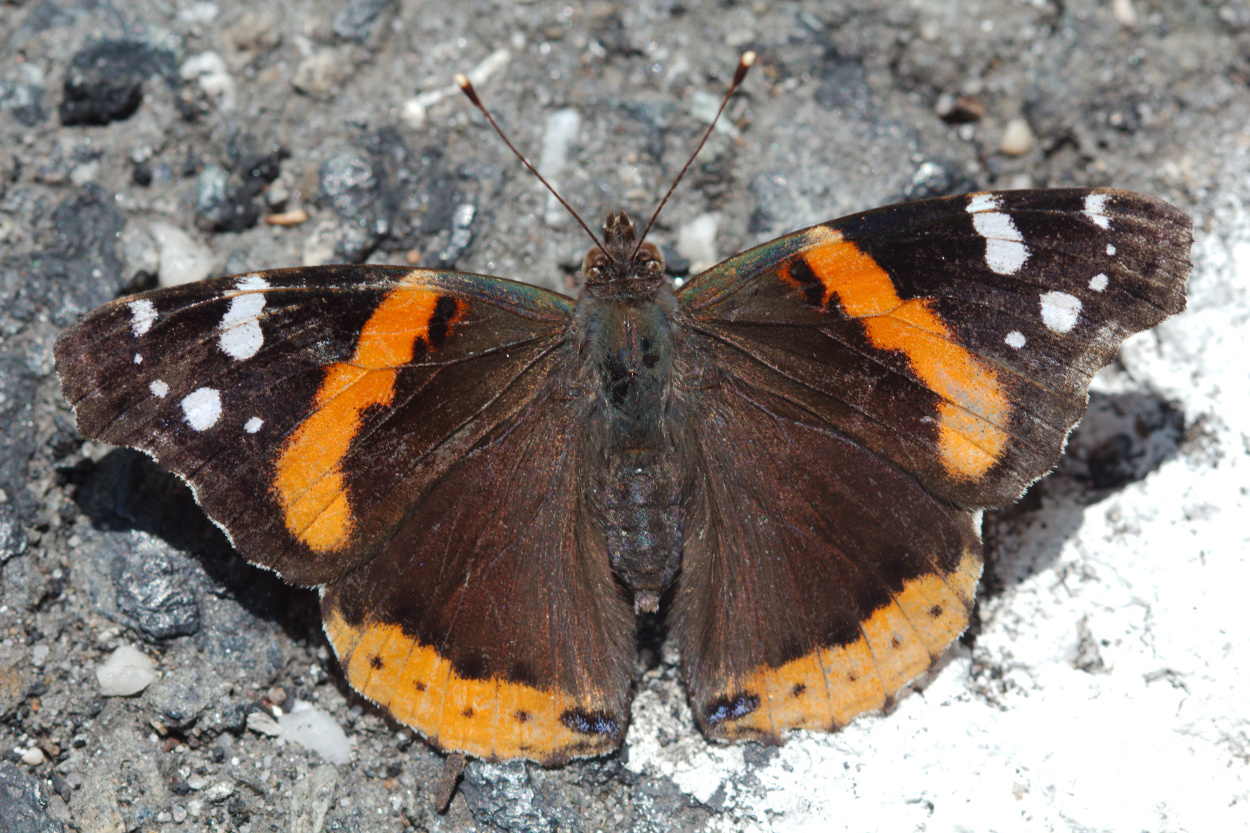
It was a beautiful, if somewhat hot day. Summer has not really abated at all and it continues to be very dry. We thought it would be a nice day to visit the demonstration garden at the county’s agricultural farm park, so that’s what we did. It won’t come as any great surprise that I brought my camera and spent much of my time photographing both flowers and insects. The first of two images that I’m posting is of a variegated fritillary (Euptoieta claudia), a smallish fritillary and one that is difficult to get close to, but I managed to get two pretty good shots of it with wings spread.

Categories: Creatures | Comments Off on Euptoieta claudia (Variegated Fritillary)

Megacyllene robiniae (Locust Borer)

Megacyllene robiniae (Locust Borer)

Megacyllene robiniae (Locust Borer)

I’ve already posted the picture of the variegated fritillary (Euptoieta claudia) taken at the demonstration garden at the county’s agricultural farm park. This picture won’t be so popular, because everyone loves butterflies, but I thought it was a pretty enough beetle to deserve a shot at fame. Actually, the locust borer (Megacyllene robiniae) is a pretty significant pest. The larvae live in and eat the wood from black locust trees. The adults eat pollen, particularly from goldenrod (Solidago species). This one is worn. The yellow bands that usually go all the way across the back of the thorax have been rubbed off in the middle. Most of the yellow on the abdomen is gone, as well. Still, it’s a handsome and distinctive horned beetle.
Categories: Creatures | Comments Off on Megacyllene robiniae (Locust Borer)

Cisseps fulvicollis (Yellow-collared Scape Moth)

Cisseps fulvicollis (Yellow-collared Scape Moth)

Cisseps fulvicollis (Yellow-collared Scape Moth)

The autumn clematis (Clematis paniculata) has started to bloom. This is a plant that Cathy dug up (with permission) from someone’s yard and planted. It’s finally reached a size that we need to keep an eye on it so that it doesn’t get out of control. It’s growing on the fence and over top of one of the many buddleia bushes that have come up in our yard. This particular buddleia was actually planted but it’s a good location for the clematis, as well. The new flowers attract new insects. This one appears to be a yellow-collared scape moth (Cisseps fulvicollis).
Categories: Creatures | Comments Off on Cisseps fulvicollis (Yellow-collared Scape Moth)

A Walk In The Woods

Verbesina alternifolia (Wingstem or Yellow Ironweed)

Verbesina alternifolia (Wingstem or Yellow Ironweed)

Cathy and I took a walk this evening, heading from our neighborhood park down Manor Run (the creek that runs through) to Sunfish Pond and eventually to North Branch Rock Creek. It was a pleasant evening, quite warm but nice out. There is quite a bit of yellow ironweed (Verbesina alternifolia) all through the woods and it seems quite happy, although even that is starting to notice the lack of rain. August was fairly dry, even for August and we haven’t had any rain in September so far. We really could use a nice, long, soaking rain.

Butorides virescens (Green Heron)

Butorides virescens (Green Heron)

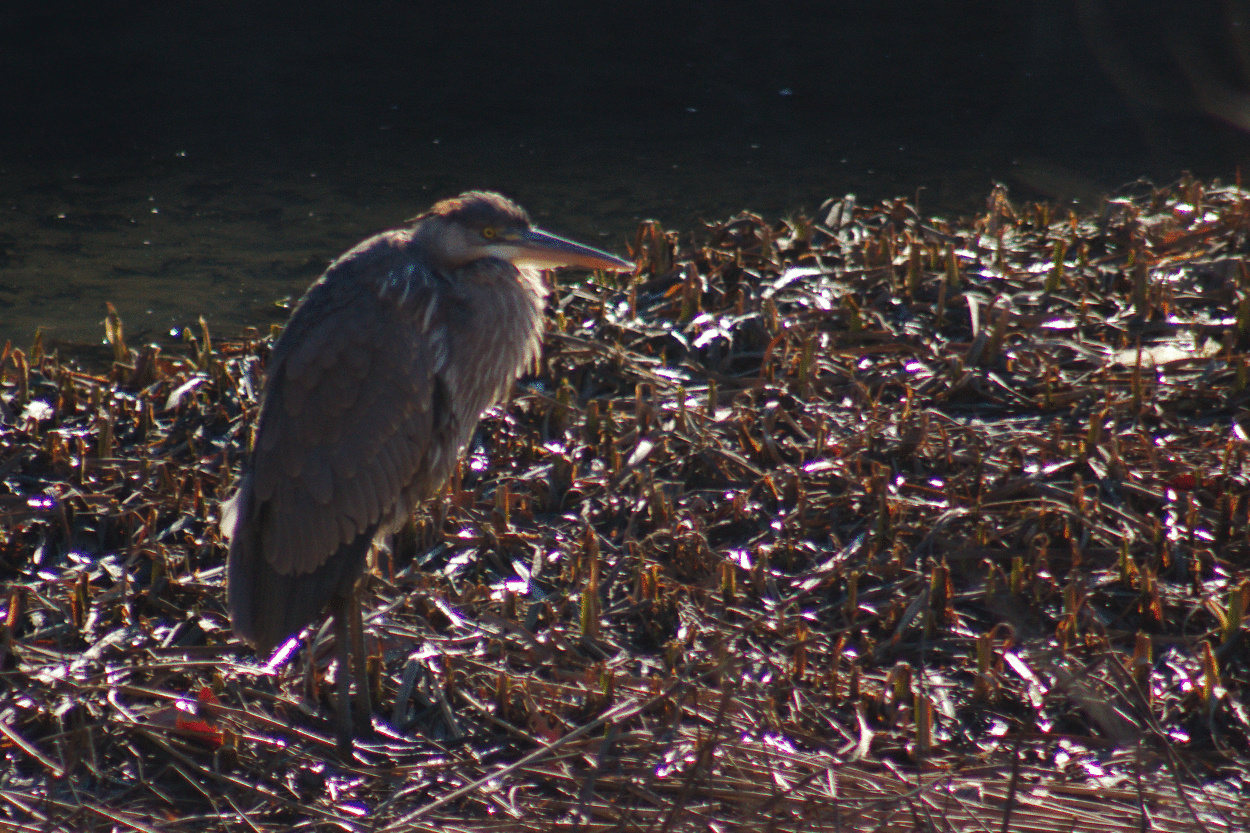
We looped around and came up to Sunfish Pond via a different route. As we looked over the pond, a pair of green herons (Butorides virescens) took off and flew in a big loop around the pond, finally coming to rest at the far end. This one was on a fallen tree and the other was on a branch, a bit further away. I only had my 100mm lens, unfortunately, so this is cropped from the best picture I was able to get. A handsome bird.

Categories: Creatures, Flowers and Plants | Comments Off on A Walk In The Woods

Tylozygus bifidus (Leafhopper)

<em>Tylozygus bifidus</em> (Leafhopper)

Tylozygus bifidus (Leafhopper)

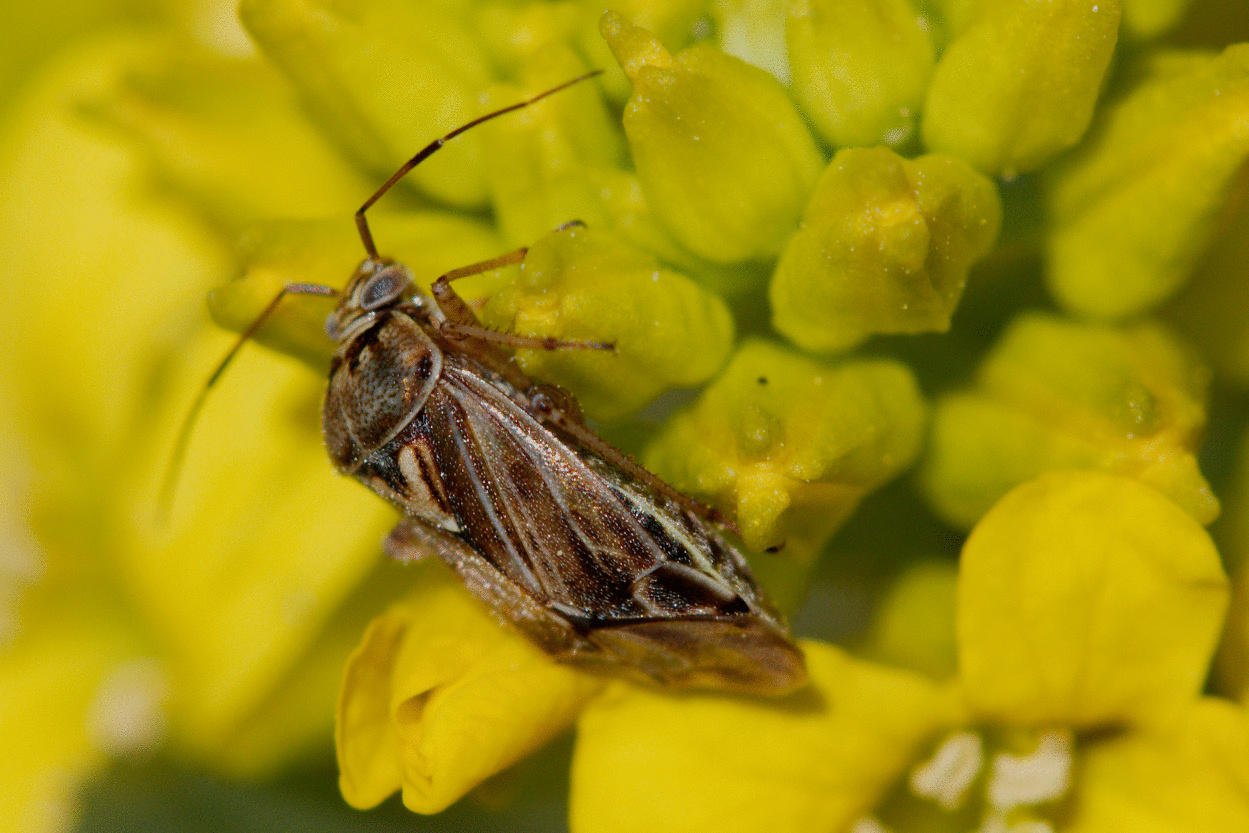
I enjoy macro photography, partly because I enjoy small things. I like photographing insects because I find them so fascinating. Their small size and relative mobility makes them something of a challenge, of course. As I increase my skill at capturing them, the challenges continue to appear. As I get to the point where I believe I am able to photograph a bee or a butterfly quite handsomely, there are ever small and quicker insects that are just out of my reach. Take this little leaf hopper (Tylozygus bifidus). It is only about 5mm long and with my current set up, using a 100 mm lens that focuses to 1:1, I’m just not able to get close enough. There’s always something smaller, always another challenge.

Categories: Creatures | Comments Off on Tylozygus bifidus (Leafhopper)

Bombus impatiens (Common Eastern Bumble Bee)

Bombus impatiens (Common Eastern Bumble Bee)

Bombus impatiens (Common Eastern Bumble Bee)

The bumble bees and the carpenter bees look a bit alike, both being fairly large and a combination of black and yellow or orange. The bumble bees are in a separate subfamily from the carpenter bees, being in the subfamily Apinae along with the honey, Long-horned, Orchid, and Digger Bees. This one is considerably smaller than the carpenter bee I posted a photo of recently, probably being at most about two centimeters long.

Categories: Creatures | Comments Off on Bombus impatiens (Common Eastern Bumble Bee)

Oncopeltus fasciatus (Large Milkweed Bug)

Oncopeltus fasciatus (Large Milkweed Bug)

Oncopeltus fasciatus (Large Milkweed Bug)

Generally, I’m not very partial to insects that eat plants that I like. There are levels of dislike, of course. Those that simply suck on the sap aren’t as bad as those that eat leaves and stems which in turn are less of a problem than those that bore into plants, particularly woody plants. Still, they can be bad enough. This is particularly true early in the season, when even sucking insects can seriously stunt the growth of plants and prevent them from blooming. Blooms, after all, are why we grow many of these pants.

The large milkweed bug (Oncopeltus fasciatus) is somewhere in the middle of this continuum. It doesn’t do significant damage to the plant on which it feeds, either in its nymphal or adult stage. It eats the seeds of milkweed plants. In this case, these large milkweed bugs are on Asclepias tuberosa (butterfly weed). They do cause damage, of course, because the eaten seeds will reduce the amount of self-seeding that the plants can do. But they don’t do any real harm to the plants themselves, which are fairly tough perennials. So, I let these alone. They are quite pretty, anyway.

Categories: Creatures | Comments Off on Oncopeltus fasciatus (Large Milkweed Bug)

Limenitis arthemis astyanax (Red-spotted Purple)

Limenitis arthemis astyanax (Red-spotted Purple)

Limenitis arthemis astyanax (Red-spotted Purple)

It’s wings are in pretty bad shape, at this point but they seem to be over-engineered enough that it didn’t seem to have any trouble flying with them. This is a less common butterfly than the eastern tiger-swallowtails (Papilio glaucus) and even the monarchs (Danaus plexippus) that we see most often. It was moving between the black-eyed Susans and the buddleia. It’s a pretty butterfly, even with much of its hind wings missing. The orange spots are quite vivid and the pattern is unmistakable. Both sides of the wings, but in particular the upper surfaces (not seen here) show a decidedly iridescent blue color in bright sunlight. In certain light it can appear purple, which accounts for the common name, but red-spotted blue might be a more obvious name.

Categories: Creatures | Comments Off on Limenitis arthemis astyanax (Red-spotted Purple)

Xylocopa virginica (Eastern Carpenter Bee)

Xylocopa virginica (Eastern Carpenter Bee)

Xylocopa virginica (Eastern Carpenter Bee)

The bumble and carpenter bees were thick this afternoon. One nice thing about them is that they are much more slow moving than most of the other bees that are about and they allow me to get pretty much as close as my lens will focus. The fact that they are so large means that I can fill the frame with a bee and not need to crop it at all. This one turned out pretty well. The white face indicates that this is a male.

Categories: Creatures | Comments Off on Xylocopa virginica (Eastern Carpenter Bee)

Leucauge venusta (Orchard Orbweaver)

Leucauge venusta (Orchard Orbweaver)

Leucauge venusta (Orchard Orbweaver)

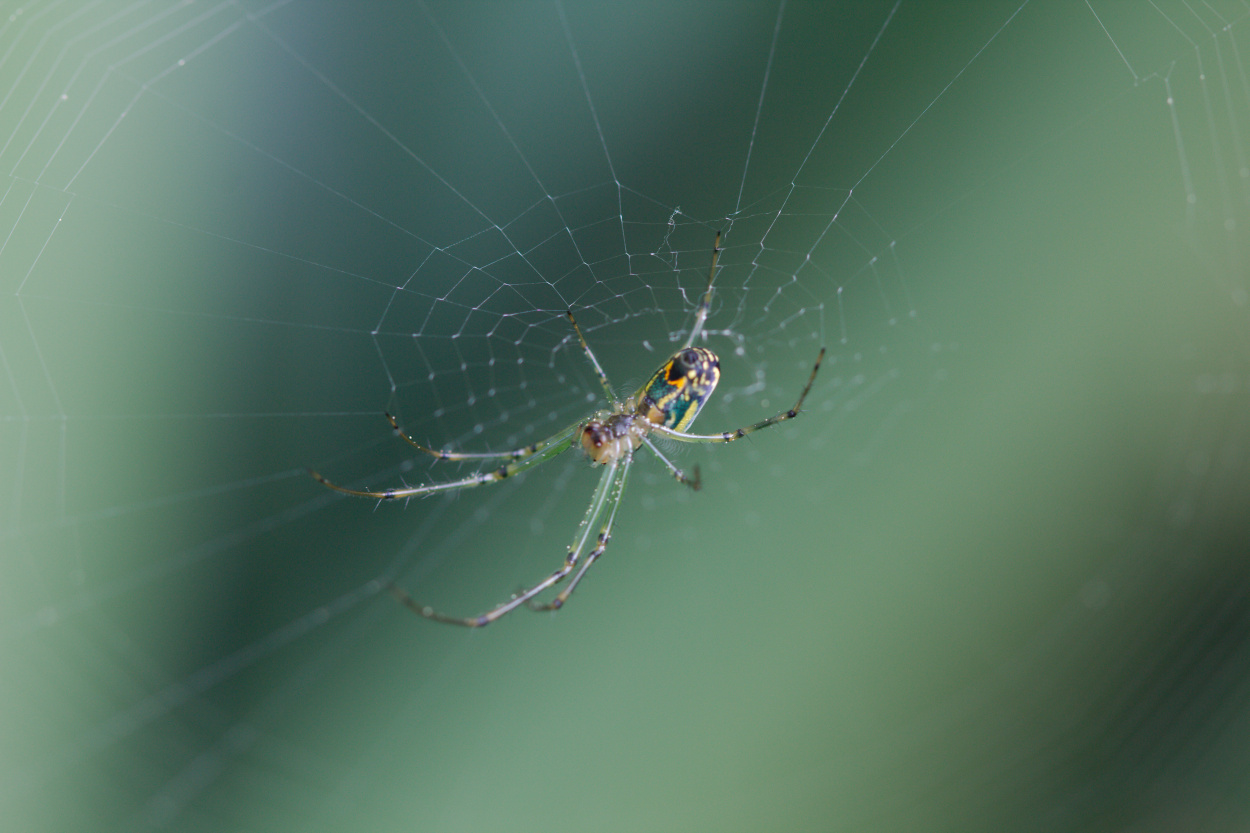
Almost two weeks ago, on August 13, I posted two pictures, one of which was of a basilica orbweaver spider (Mecynogea lemniscata). A few people on Facebook couldn’t actually make out what it was (and those who could were generally not excited by the picture, in any case). Well, today’s picture should be easier to identify (if not to actually appreciate). This is an orchard orbweaver (Leucauge venusta). They are not as closely related as I would have guessed, belonging to different families: the basilica orbweaver is a member of family Araneidae (Orb Weavers) while the orchard orbweaver is in family Tetragnathidae (Long-jawed Orb Weavers). This one was moving from the center of her web up into the relative protection of some leaves, because I got a bit too close.

Categories: Creatures | Comments Off on Leucauge venusta (Orchard Orbweaver)

American Goldfinches (Spinus tristis)

American Goldfinches (Spinus tristis)

American Goldfinches (Spinus tristis)

There were a bunch of American goldfinches in the back yard this morning. I wouldn’t say there was a flock of them, but there were more than two. I would say “a family” but I have no idea if they were related in any way. I’m not nearly the birder that my brothers are, but I’m going to say that the bird higher up in this picture is a female rather than an immature bird. There is another, lower down, that I know is a male. They were, as you can see, in the black-eyed Susans, just on the edge of our patio, so fairly close. This was taken through the glass, kitchen door, though, which accounts for some of the softness in the image.

Categories: Creatures, Flowers and Plants | Comments Off on American Goldfinches (Spinus tristis)

Phyciodes tharos (Pearl Crescent)

Phyciodes tharos (Pearl Crescent)

Phyciodes tharos (Pearl Crescent)

I went up to Pennsylvania with mom and Seth today. We spent a little while doing what amounts to heavy yard work but took a little time to relax and enjoy the quiet, as well. It was hot, particularly out in the sun, but otherwise a beautiful day. Before we left, I wandered off with my camera for a bit and chased little butterflies as they moved from flower to flower. They often have their wings folded when they are on flowers, but I wanted to get a picture with them open. Typically they will open and shut them at somewhat regular intervals and I managed to capture them mostly open in this picture.

Update: I originally titled this post “Fritillary” but that was wrong. It is a “Crescent,” probably a pearl crescent or something similar.

Categories: Creatures | Comments Off on Phyciodes tharos (Pearl Crescent)

Swallowtail, Up Close

Swallowtail, Up Close

Swallowtail, Up Close

I was trying to see how close I could get to the tiger swallowtails (Papilio glaucus) today. This one let me get pretty close and you can see the hairs on her body. I have a question for any botanist out there who happens to come across this page. It is my understanding that one of the three characteristics unique to mammals is hair. If that’s the case, then what are the hair like things on this butterfly? Is there some definition of “hair” that lets it include mammal hair but not the apparent hair on other animals? If so, please let me know.

Categories: Creatures | Comments Off on Swallowtail, Up Close

Mecynogea lemniscata (Basilica Orbweaver)

Mecynogea lemniscata (Basilica Orbweaver)

Mecynogea lemniscata (Basilica Orbweaver)

This is one of the many (3,500 species worldwide, with 180 occurring north of Mexico) orbweaver spiders. It’s hard to tell from this angle, but a picture I got of her back shows me pretty conclusively that this is a Basilica Orbweaver (Mecynogea lemniscata). I came upon it in the woods next to my office. Fortunately I saw the web before I walked into it. I hate it when that happens, especially with spiders as large as this.

Categories: Creatures | Comments Off on Mecynogea lemniscata (Basilica Orbweaver)

Calycopis cecrops (Red-banded Hairstreak)

Calycopis cecrops (Red-banded Hairstreak)

Calycopis cecrops (Red-banded Hairstreak)

I was following this pretty, little butterfly around the back yard, trying to get close enough for a decent picture. When it finally let me get close enough, I got a bonus in the form of a small (but unidentified) spider. I’m pretty pleased with how this pictures turned out, although getting the spider in better focus would have been nice. This is one of a few hairstreaks that we see fairly often in the area, and is probably the most common.

Categories: Creatures | Comments Off on Calycopis cecrops (Red-banded Hairstreak)

Blue Jay Feather

Blue Jay Feather

Blue Jay Feather

So, two days in a row with two pictures posted for the day. Crazy. Of course, I don’t think anyone actually reads what I write. Most people see my pictures on Instagram or Facebook, which is fine, but they don’t see the text there, just a link to it here. I’d be surprised if anyone actually follows that link. If you do, and if you are reading this, well, thank you very much (and I’d be delighted if you let me know). Today’s second picture is a feather from a blue jay (Cyanocitta cristata). While the darkness of the woods made getting a clear picture of the butterfly difficult, it made the color in this feather all the more beautiful.

Categories: Creatures | Comments Off on Blue Jay Feather

Lethe portlandia (Southern Pearly Eye)

Lethe portlandia (Southern Pearly Eye)

Lethe portlandia (Southern Pearly Eye)

Cathy and I took a walk along Rock Creek between Lake Frank and where the creek goes under Muncaster Mill Road today. It was late in the afternoon and the light wasn’t very bright under the trees so this is the best I could do getting a picture of this butterfly, a southern pearly eye (Lethe portlandia). It’s a pretty little thing, flitting about around puddles in the dirt path.

Categories: Creatures | Comments Off on Lethe portlandia (Southern Pearly Eye)

Sphex nudus (Katydid Wasp)

Sphex nudus (Katydid Wasp)

Sphex nudus (Katydid Wasp)

I was out with my dual-flash macro bracket this afternoon and I got a few reasonably good pictures, including this katydid wasp (Sphex nudus). I got some more of the transverse flower fly (Eristalis transversa) featured in my post on Friday, July 31, 2015. I’m still trying to figure out how to control the light properly from the three flash heads (the on-camera flash and the two wireless slaves). In certain situations it seems to produce an overexposure no matter what I do. It seems to be related to how much dark background there is in the frame, which sort of makes sense. Always learning.

Categories: Creatures | Comments Off on Sphex nudus (Katydid Wasp)

Papilio glaucus (Eastern Tiger Swallowtail)

Papilio glaucus (Eastern Tiger Swallowtail)

Papilio glaucus (Eastern Tiger Swallowtail)

This is a female eastern tiger swallowtail butterfly (Papilio glaucus), by far the most common large butterfly that we have in our garden. The males and females are easily distinguished by the blue on their hindwings, as seen in this photo.

There was a little delay in getting this picture up on my server. I’ve been approaching capacity on the 3TB drive (which is really only 2.7TB) that has most of my photos on it and as I was uploading today’s batch of photos, I reached it. I ordered a new, 5TB drive (which is really only 4.4 TB). I installed it on Monday (8/10) and then spent about 24 hours copying everything to that. It’s now up and running (as I write this on 8/12) and I’m back in business.

Categories: Creatures | Comments Off on Papilio glaucus (Eastern Tiger Swallowtail)

Epargyreus clarus (Silver-spotted Skipper)

<em>Epargyreus clarus</em> (Silver-spotted Skipper)

Epargyreus clarus (Silver-spotted Skipper)

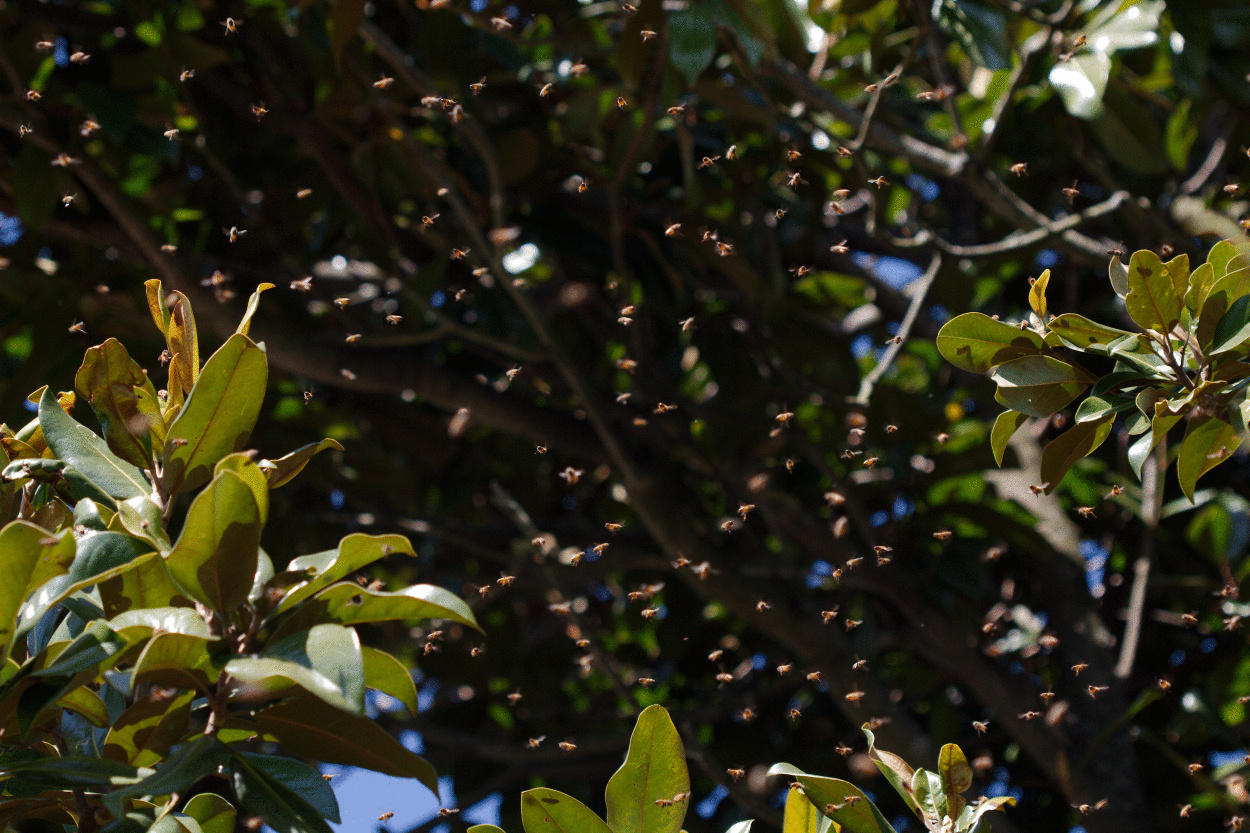
This is one of the larger skippers and is quite conspicuous because of the bright, white streak on the hind wings, visible when it is at rest. It is a harder thing to get a picture of than the smaller skippers, being more shy to being approached. Even this picture isn’t everything I could have wanted, but I suppose it’s good enough. The bees on the mountain mint, all around where I was standing when I took this, were quite thick. I wish I could take a picture to show you how many of them there are, but to show the whole area, I need to get far enough away that the bees are too small. It’s the motion that I really love.

Categories: Creatures | Comments Off on Epargyreus clarus (Silver-spotted Skipper)