Creatures

Mosquito

Mosquito

Mosquito

I have a feeling this isn’t going to be as popular a picture as some. Even the picture of the fly I posted recently (Eristalis transversa, Transverse Flower Fly) was popular because in spite of it being a fly, it’s a beautiful fly. Mosquitoes, on the other hand, are pretty much universally disliked, however they look. I haven’t done much with identification of mosquitoes so I’m not sure which this is. At first glance, I think it may be Orthopodomyia signifera, but I wouldn’t place a great deal of confidence in that. The picture may not be sharp enough, really, to get a definitive ID, but I’ll see what I can find out from the experts at BugGuide.net.

Categories: Creatures | Comments Off on Mosquito

Pieris rapae (Cabbage White)

Pieris rapae (Cabbage White)

Pieris rapae (Cabbage White)

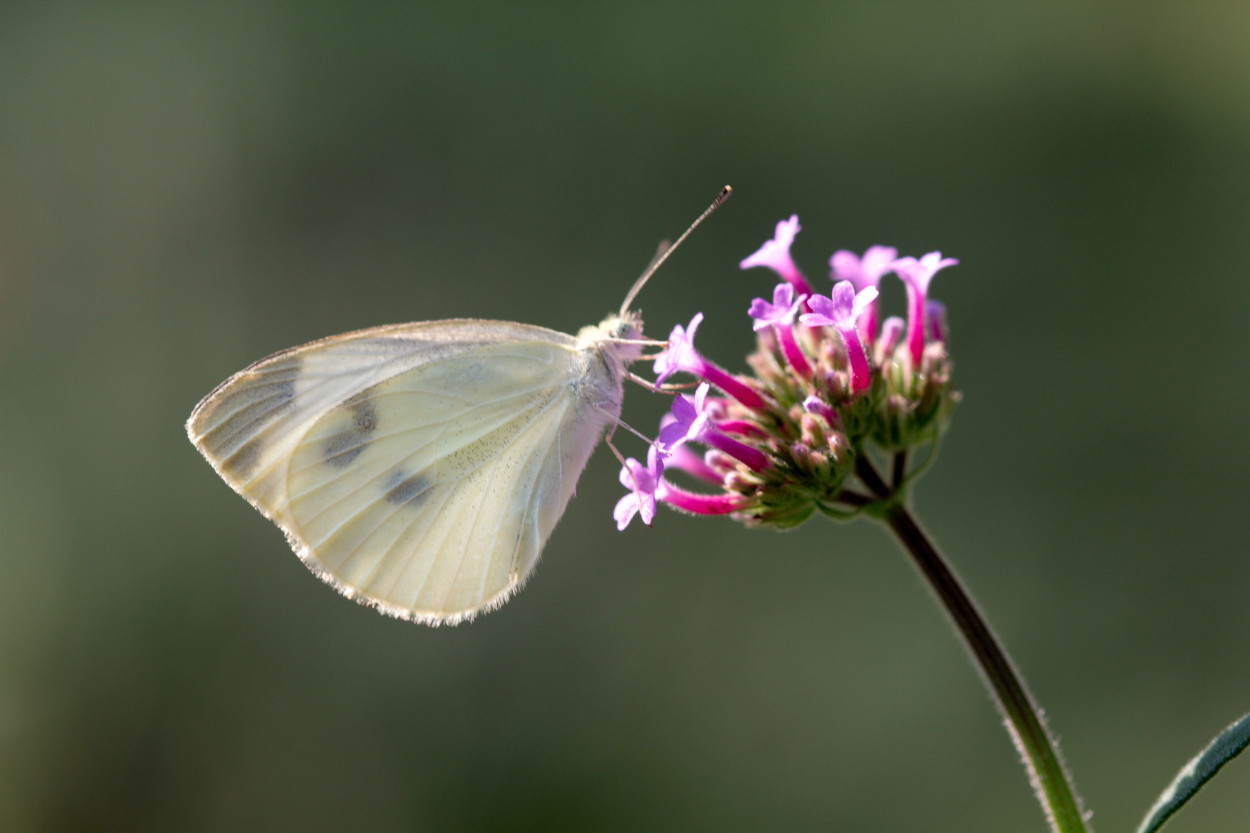
I spent a little time in the back yard chasing butterflies today. In numbers, the various skippers are by far the most prevalent in our yard. The most noticeable are the tiger swallowtails. After that, I would have to say, come the cabbage whites. Most times you can see one or two flitting about. The are in the air a much higher percentage of the time than their more common cousins and they don’t like to be approached. That means finding a likely spot and waiting. Out of all the photos I took of this one, only two were in anything like decent focus. Even they were not perfect, and that, I’m afraid, is what you will get today. Pieris rapae, the Cabbage White, on Verbena bonariensis, purple vervain.

Categories: Creatures, Flowers and Plants | Comments Off on Pieris rapae (Cabbage White)

Eristalis transversa (Transverse Flower Fly)

Eristalis transversa (Transverse Flower Fly)

Eristalis transversa (Transverse Flower Fly)

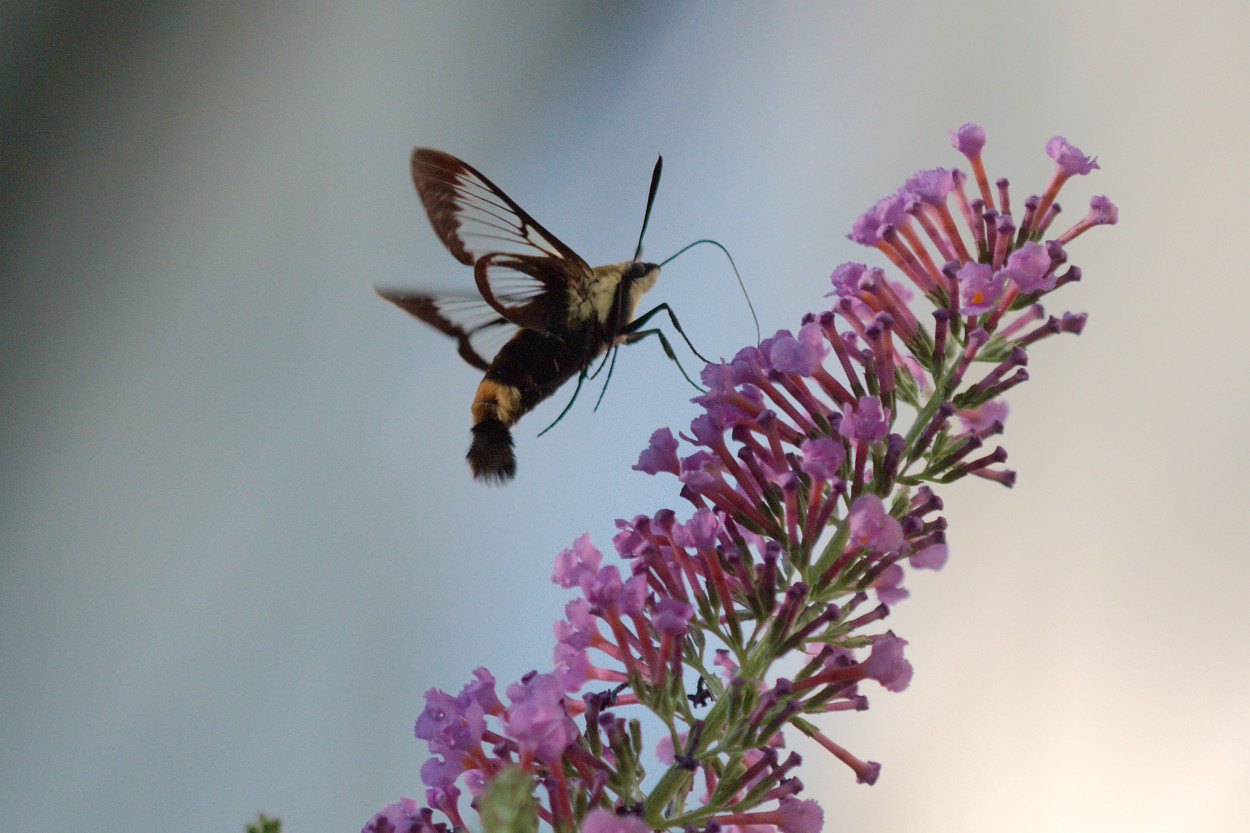
I saw a sphinx month today, which is always nice. They are such interesting things, not looking like what most people think of when the picture a moth. I got some pictures of that but decided to go with this one, a fly that I haven’t seen before today. It is a transverse flower fly, Eristalis transversa, and in this picture is on the center of a black-eyed Susan flower. I know flies are not everyone’s cup of tea, but some of them, like this one, are quite beautiful. I particularly like the way the yellow of the fly matches the yellow of the flower.

Categories: Creatures, Flowers and Plants | Comments Off on Eristalis transversa (Transverse Flower Fly)

Grass Skipper (Subfamily Hesperiinae)

Grass Skipper (Subfamily Hesperiinae)

Grass Skipper (Subfamily Hesperiinae)

I got some pictures of grass skippers this afternoon. I don’t know which of them this is and there are quite a few to look through. I have identified Peck’s Skipper (Polites peckius) in the past and it could easily be that, but I think I will simply leave it at that. There are quite a few skippers in the back yard right now, mostly on the Verbena bonariensis and the Buddleia. That and Tiger Swallowtails (Papilio glaucus). I’m not sure how to attract a wider variety of Lepidoptera (a.k.a. the butterflies and moths).

Categories: Creatures, Flowers and Plants | Comments Off on Grass Skipper (Subfamily Hesperiinae)

Willet (Tringa semipalmata)

Willet (Tringa semipalmata)

Willet (Tringa semipalmata)

I already posted a picture from our first day (evening, really, because we didn’t arrive until after 5:30) at the beach. Cathy and I walked on the beach for a little while before we had dinner. I took a few pictures and I’m pretty pleased with this one of a willet (Tringa semipalmata) that let me get reasonably close. It would have been better had he been facing the sun, to the left, but when I asked him to turn around, he just flew off. Temperamental bird.

Categories: Creatures | Comments Off on Willet (Tringa semipalmata)

Goldfinch In The Garden

American goldfinch (Spinus tristis) on Verbina bonariensis

American goldfinch (Spinus tristis) on Verbina bonariensis

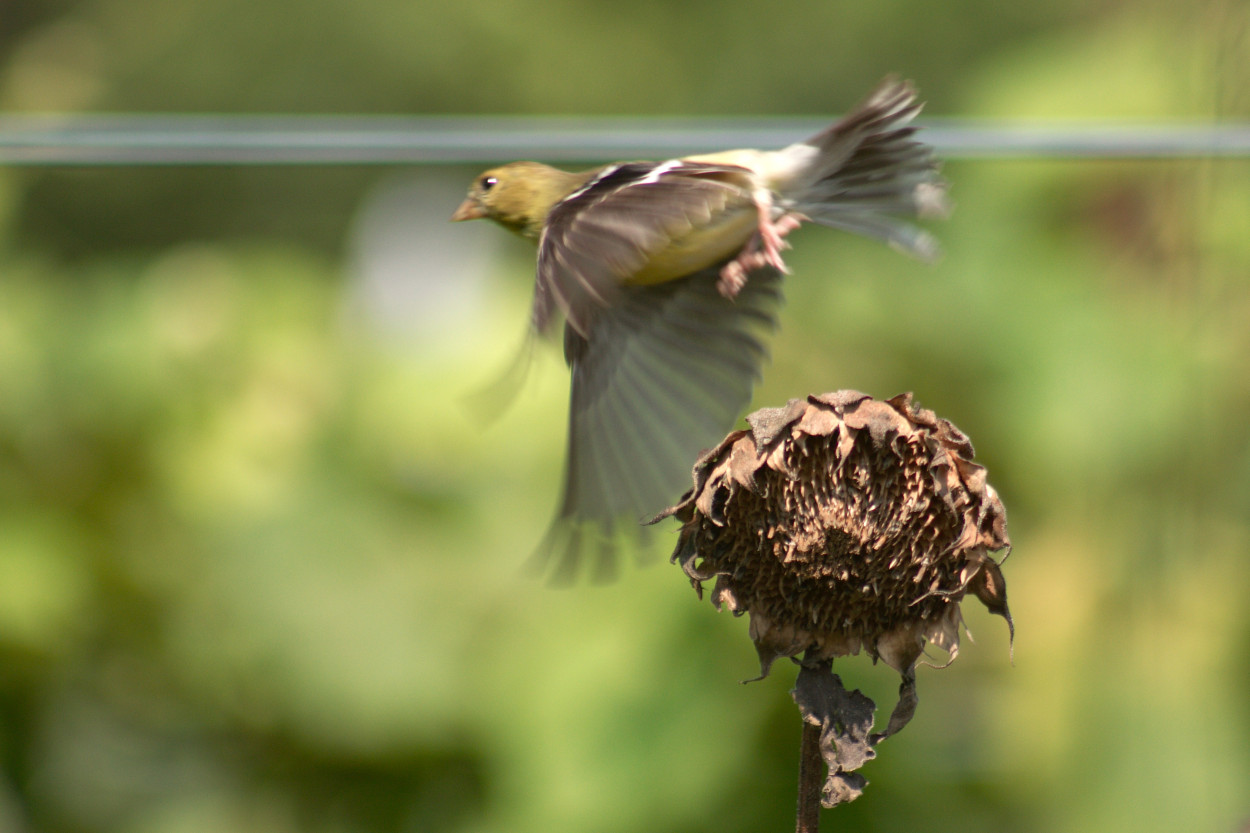
There were a lot of American goldfinches (Spinus tristis) around this evening. Actually, the bird activity seemed higher than usual overall. I don’t know if it was because of the heat and the open water of our bird bath, but that seemed to be part of it. We had cardinals, goldfinches, a immature titmouse, and catbirds over the course of about 15 minutes. This isn’t the sharpest picture ever but we especially enjoy the goldfinches when they are on the Verbina bonariensis (purple vervain). The stems are generally strong enough to hold them up but they wobble back and forth as the birds move. Sometimes they are a little tough to spot because of the yellow black-eyed Susans behind them.

Categories: Creatures, Flowers and Plants | Comments Off on Goldfinch In The Garden

Apis mellifera (European Honey Bee)

Apis mellifera (European Honey Bee)

Apis mellifera (European Honey Bee)

We have a lot of European honey bees (Apis mellifera) this time of year, mostly on the mountain mint (Pycnanthemum muticum) but also on the other flowers that are blooming right now: black-eyed Susan, Buddleia, Conoclinium coelestinum, purple coneflower, and Asclepias tuberosa, among others. Contrary to what you may have been hearing, the world population of honey bees is steady or growing. In the USA, “the number of honey-producing colonies has been generally steady for about two decades and has risen four of the last five years – including an increase of over 100,000 hives last year. The bee population is up nearly 13 percent since 2008, recovering after the initial findings of colony collapse disorder.” Many people also are under the false impression that only honey bees are suitable pollinators for food producing plants. This leads to the also false impression that without honey bees, the country would become a barren wasteland. Remember, there were no honey bees in North or South America until they were brought here by European colonists. Many other bees, wasps, flies, butterflies, and moths pollinate flowers. Some of them are actually better pollinators than honey bees. Of course, they don’t have the significant fringe benefit of producing honey, and losing that would be a loss indeed.

Categories: Creatures | Comments Off on Apis mellifera (European Honey Bee)

Papilio glaucus (Eastern Tiger Swallowtail)

Papilio glaucus (Eastern Tiger Swallowtail)

Papilio glaucus (Eastern Tiger Swallowtail)

The butterfly bush (Buddleia) plants that come up like weeds throughout our yard are in full bloom and are attracting the most common of the large butterflies in our area, the Eastern Tiger Swallowtail (Papilio glaucus). This is a male, which can be distinguished from the female by the lack of blue near the trailing edge of its hindwings. Getting a good angle for a photograph is the trick, as they are generally well overhead, but this one turned out fairly well. I like the shadow of the flowers showing through his wings.

Categories: Creatures, Flowers and Plants | Comments Off on Papilio glaucus (Eastern Tiger Swallowtail)

Xylocopa virginica (Eastern Carpenter Bee)

Xylocopa virginica (Eastern Carpenter Bee)

Xylocopa virginica (Eastern Carpenter Bee)

This bee (Xylocopa virginica, the eastern carpenter bee) was on our front walk when we came home and I thought I’d get down close for a picture, if it would let me. Turns out it didn’t have much say in the matter, as it wasn’t living. Why it had died is anybodies guess, but there you are. This picture turned out reasonably well. The eastern carpenter bee is extremely common and probably one of the two or three most prevalent bee species in our yard throughout most of the summer, certainly of the larger bees, anyway.

Update: I initially had this labeled as a common eastern bumble bee (Bombus impatiens), but that was wrong.

Categories: Creatures | Comments Off on Xylocopa virginica (Eastern Carpenter Bee)

Iris domestica (Blackberry Lily) with Aphid

Iris domestica (Blackberry Lily) with Aphid

Iris domestica (Blackberry Lily) with Aphid

The blackberry lily, formerly Belamcanda chinensis, but now Iris domestica, has started to bloom. I collected seeds for this many years ago and I’ve had it growing around the yard ever since (and our previous yard before that). I gather the seeds each fall and spread them liberally and I’m pretty much happy to have them come up wherever they can. This one has a very tiny aphid on the stigma.

Categories: Creatures, Flowers and Plants | Comments Off on Iris domestica (Blackberry Lily) with Aphid

Megachile (Leaf-cutter Bee)

<em>Megachile</em> (Leaf-cutter Bee)

Megachile (Leaf-cutter Bee)

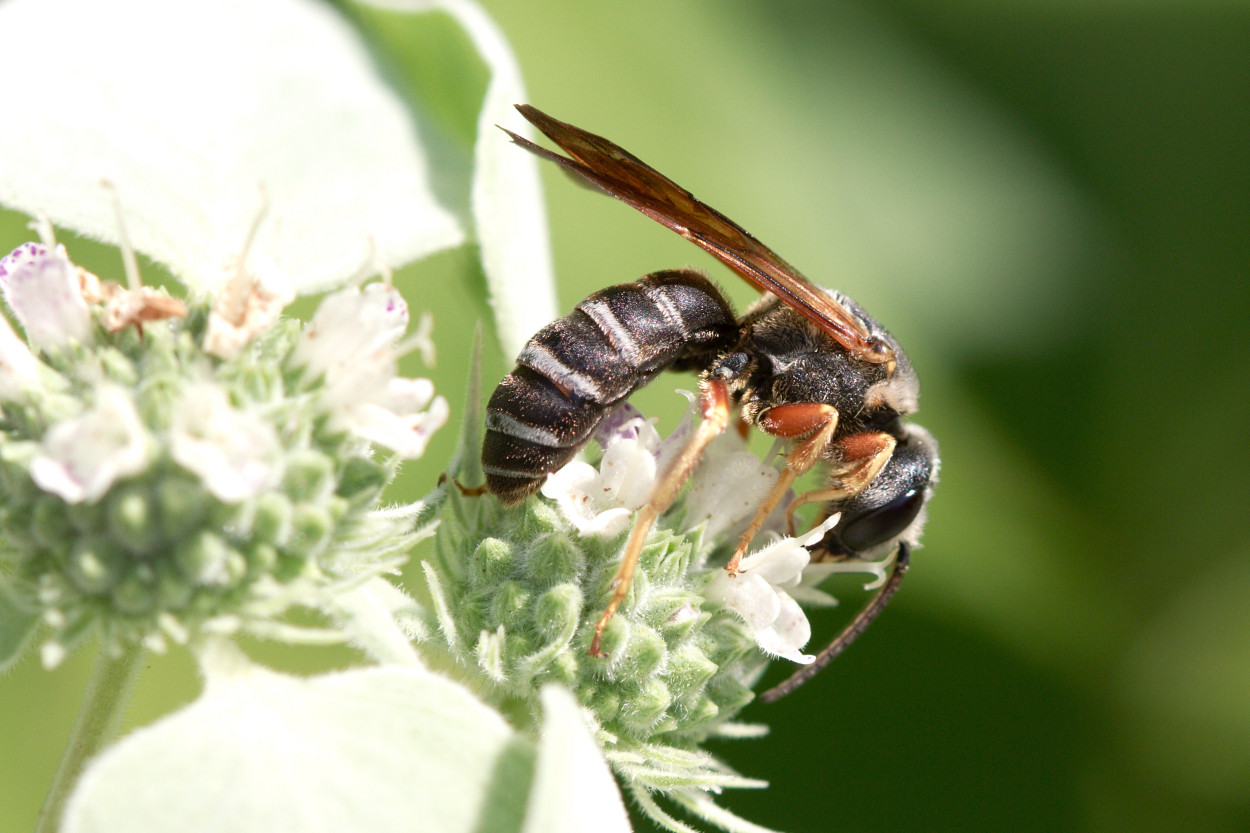
I haven’t taken the time to get a firm identification on this little bee, and the picture isn’t really good enough for a definitive ID in any case. I’m pretty sure, off the top of my head, that it is a leaf-cutter bee in the genus Megachile. The mountain mint (Pycnanthemum muticum) is at its peak (which lasts for a good long while, actually) and the bees are all over it, particularly when the sun is shining on it. That’s good for photographing them, of course, as the more light the easier it becomes, but it does mean I’m working in the bright, afternoon sun. Still, it’s one of my favorite things to do on a Saturday.

Categories: Creatures, Flowers and Plants | Comments Off on Megachile (Leaf-cutter Bee)

Calopteryx maculata (Ebony Jewelwing)

Calopteryx maculata (Ebony Jewelwing)

Calopteryx maculata (Ebony Jewelwing)

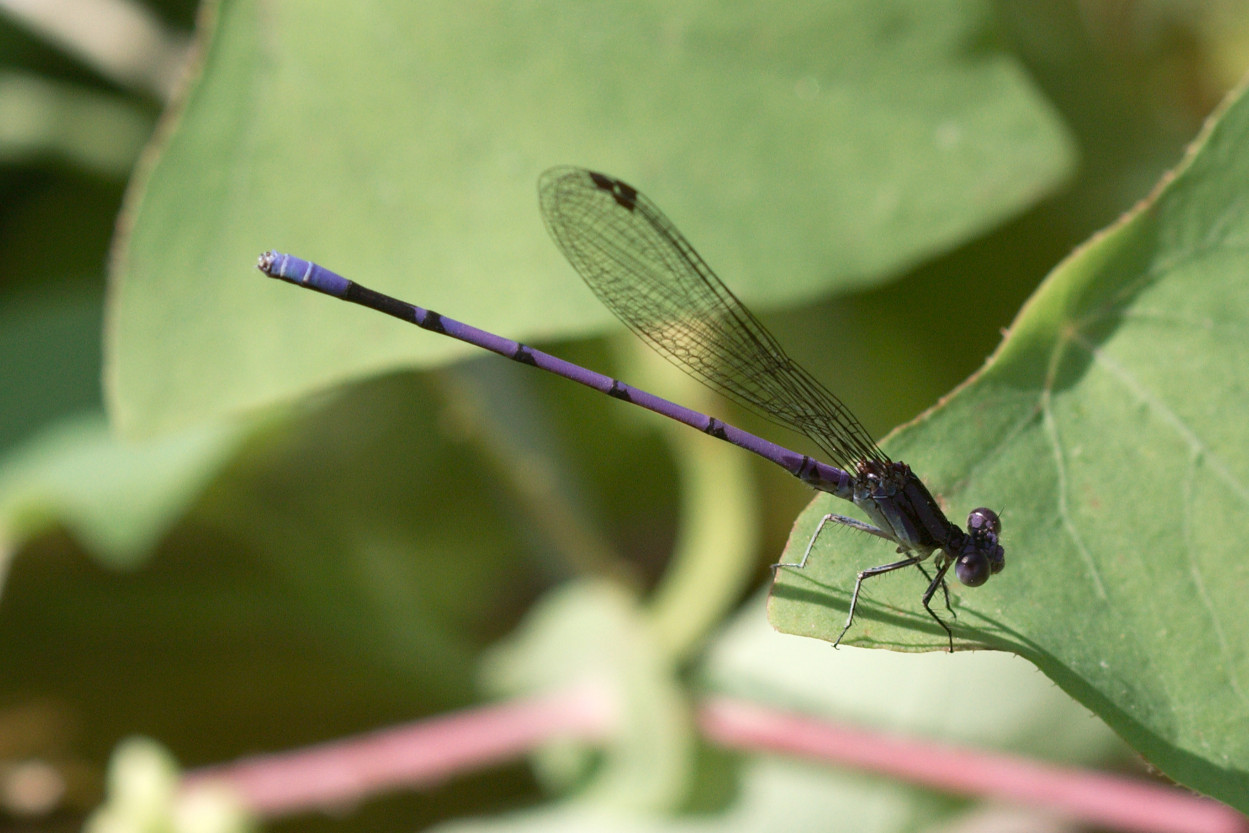
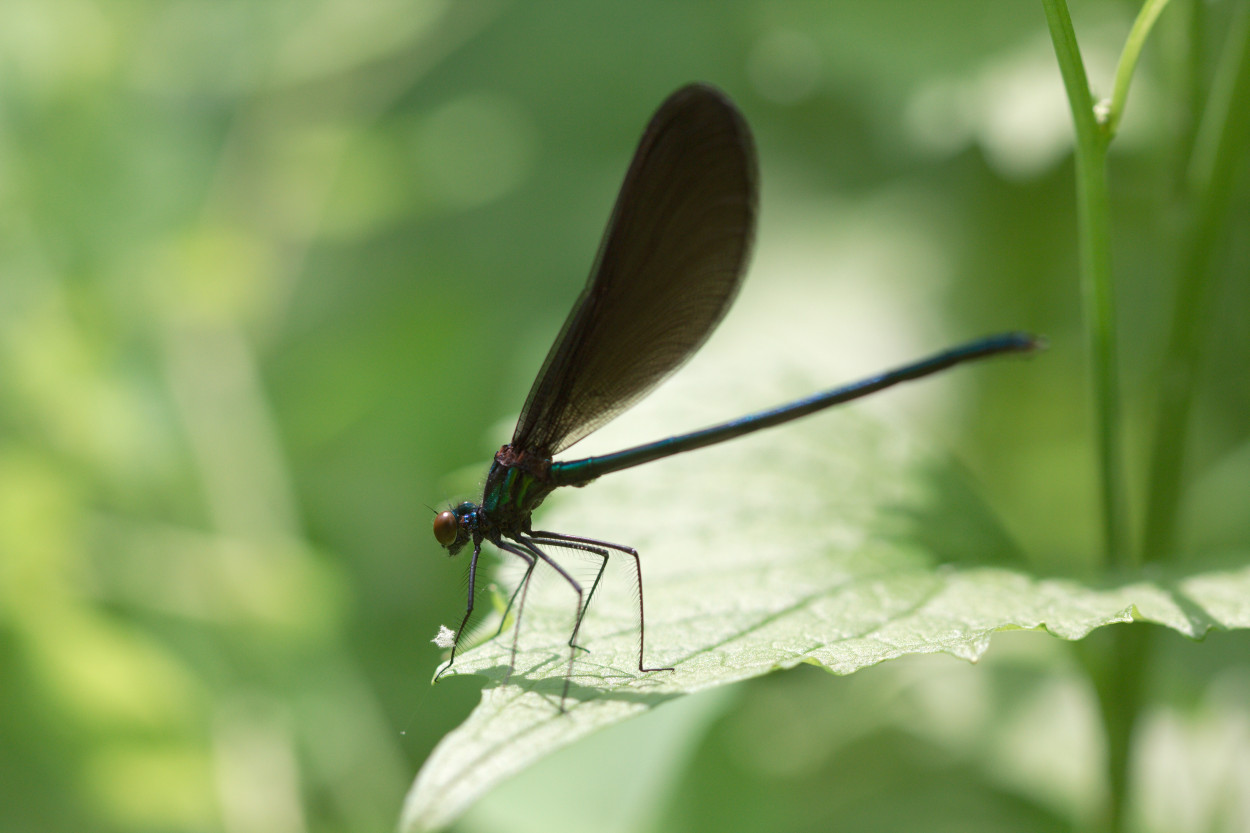
It’s high season for dragonflies and the pond next to my building is a good spot for finding them. Of course, taking pictures of them takes a little more than a camera and a good location. You also need a fair amount of patience. They tend to be shy and fly away when you get too close. Getting close is fairly important, though. I found a good spot, got reasonably comfortable, and waited. This female ebony jewelwing (Calopteryx maculata) landed nearby and then moved even closer. Close enough for a pretty near view.

Categories: Creatures | Comments Off on Calopteryx maculata (Ebony Jewelwing)

Bumble Bee on Monarda

Bumble Bee on Monarda

Bumble Bee on Monarda

The bees are starting to get quite active now. They start when things start blooming, of course, and are never really far. But in the heat of July, when the flowers of summer are at their densest, they are easiest to find. The monarda (the aptly named bee balm) seems particularly attractive to bumble bees. The flowers are a bit past in terms of their looking all pretty for photography but the bees don’t seem to mind. I went out this evening and spent a while chasing bumble bees (Bombus impatiens) from flower to flower. This shot turned out reasonably well—the body if fairly sharp while the wings are blurred with motion.

Categories: Creatures, Flowers and Plants | Comments Off on Bumble Bee on Monarda

Two Fawns!

Two Fawns

Two Fawns

Generally I try not to post a picture of the same general subject two days in a row. If we’re travelling then I might, or if there is some multi-day event going on, but particularly in the when I’m just taking pictures in the back yard, I try not to. Well, for yesterday I posted a picture of a white-tail deer fawn. This evening there were two. How could I not go out and take pictures of them and post one of those? So, here are two white-tail deer fawns.

Categories: Creatures | Comments Off on Two Fawns!

White-tail Deer Fawn

White-tail Deer Fawn

White-tail Deer Fawn

For the last few days we’ve had this white-tail deer fawn in our back yard. He seems to sleep in the center of the yard, under a tree in the middle of a bed of lesser periwinkle (Vinca minor) and lily-of-the-valley (Convallaria majalis) but if disturbed he will run behind the roses along the back fence. Like most fawns he is safest if predators don’t see him, so he remained alert but still as I approached this morning. When I got too close, of course, he had no choice but to get up and move. Not that I’m a predator, exactly, but he doesn’t know that.

Categories: Creatures | Comments Off on White-tail Deer Fawn

Albuquerque Botanical Garden

Sedum Flowers

Sedum Flowers

David was going to pick up his and Cathy’s mom later this morning so Cathy and I had a little free time. We drove to the botanic garden, which is part, along with the zoo, aquarium, and Tingley Beach, of the Albuquerque Biopark. It is a relatively green and lush oasis in the high New Mexico desert, close to the Rio Grande and near the heart of the city. We enjoyed pretty much each of the various gardens and the two conservatories. One of the two conservatories is dedicated to Mediterranean plants and is very lush and wet. One thing they have a lot of there are sedums, of which Cathy is very fond. I particularly like them in bloom and this first photo is of a couple sedum flowers.

Cathy at the Albuquerque Botanical Garden

Cathy at the Albuquerque Botanical Garden

Cathy posed next to a large container of sedum and fern (the sedum is the brownish colored plant). We enjoyed the well established portion of the rose garden. There is a new section that looks like it was only completed this spring and the plants are still quite small but should be very nice in a year or two. The Japanese garden is lovely, although the local, southwest plants predominated, the feel was still appropriate for the name. Wood ducks and a black-crowned night heron were a nice addition.

Dragonfly

Dragonfly

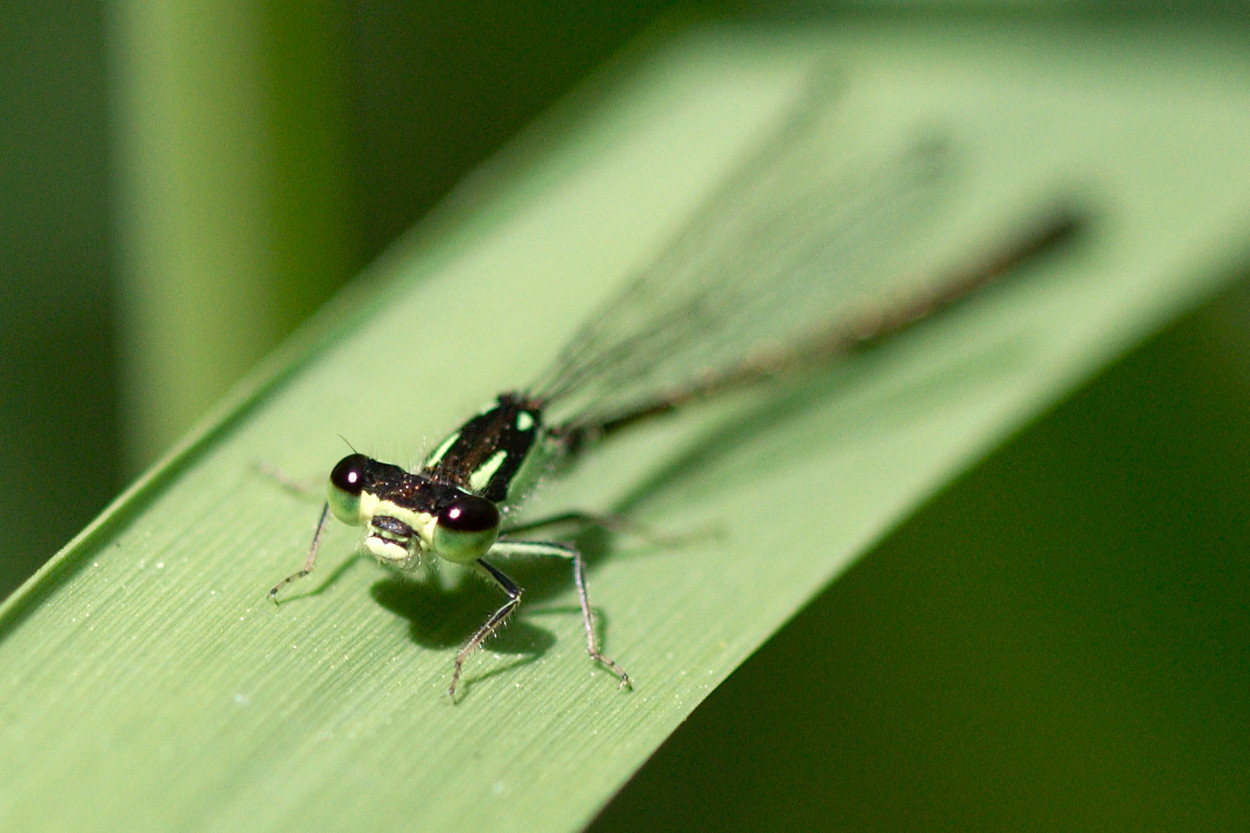
We walked out to the farthest garden area of the park, past Heritage Farm to the Cottonwood Gallery. This is a more natural setting with all native and naturalized plants, predominated by the local cottonwood tree. They were shedding their seeds, which are attached to cottony hairs, giving the trees their common name, and covering the ground with a cottony fur. We saw a cottontail rabbit, as well, and lots of dragon- and damselflies, including this blue damselfly.

Categories: Creatures, Flowers and Plants, People, Travel | Comments Off on Albuquerque Botanical Garden

Neurocolpus nubilus (Clouded plant bug)

Neurocolpus nubilus (Clouded plant bug)

Neurocolpus nubilus (Clouded plant bug)

We have a daisy like flower called feverfew (Tanacetum parthenium) growing in various places around our yard. It’s a happy plant and although it self-seeds fairly liberally, it isn’t so invasive that it’s a real pest. I was taking pictures of the flowers today when I noticed this bug crawling from flower to flower. It is one of the plant bugs in the genus Tanacetum and I think it is T. parthenium, the clouded plant bug, although I’m not 100% sure of the species. They all look fairly similar. I’ll update this once I hear the expert opinion of This image at BugGuide.net.

Categories: Creatures, Flowers and Plants | Comments Off on Neurocolpus nubilus (Clouded plant bug)

Brandon and Solomon

Brandon and Solomon

Brandon and Solomon

I happened to send a text last week to our good friend Kristine and it turns out she was going to be in town this week with her son, Brandon. So, we had them over for dinner this evening. I don’t suppose many of you will be at all surprised that I took some pictures, particularly of Brandon. We went out into the back yard and I got pictures of him jumping and doing hand stands, as well as some of him just sitting in the grass. Those turned out pretty well.

Before they left, however, Solomon wanted to come out and get into some pictures. I have a few of Solomon sitting on Kristine’s shoulder but he really wanted to have his picture taken with Brandon. Brandon, on the other hand, was a little less enthusiastic about it, but he reluctantly agreed. Here is one of the pictures that I got of them. I think it’s pretty good, don’t you?

Categories: Creatures, People | Tags: | Comments Off on Brandon and Solomon

Leucauge venusta (Orchard Orbweaver)

Leucauge venusta (Orchard Orbweaver)

Leucauge venusta (Orchard Orbweaver)

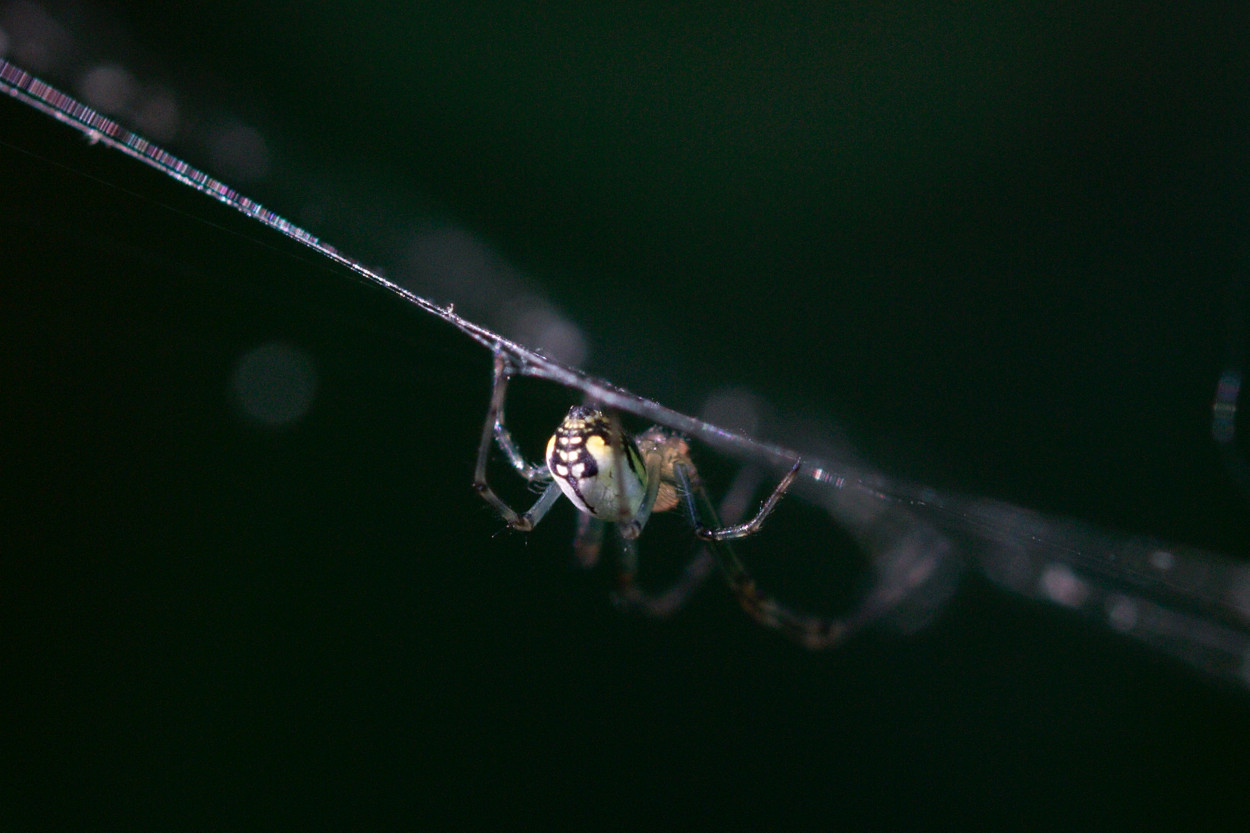
As I was going out to look for things to photograph this evening, Cathy mentioned a spider web above one of her patio pots. It was an orchard orbweaver (Leucauge venusta), a fairly common, outdoor spider in these parts. This will be my fifth orbweaver photo since I started the blog and my second this year, but never mind.

I know not everyone likes spiders but, particularly outdoors, they are quite good friends to have and I don’t mind them at all. This one is particularly beautiful, I think.

Categories: Creatures | Comments Off on Leucauge venusta (Orchard Orbweaver)

Orgyia leucostigma (White-marked Tussock Moth)

Orgyia leucostigma (White-marked Tussock Moth)

Orgyia leucostigma (White-marked Tussock Moth)

When I left to head to work this morning I noticed this little lad (or lass) on the tire of my car. I took a few pictures of it there before moving it down onto the pavement and taking a few more, including this one. It’s a fairly pretty little caterpillar, although the tussock moths are pests of trees and therefore not necessarily desirable visitors. Note that contact with hairs may cause an allergic reaction.

Categories: Creatures | Comments Off on Orgyia leucostigma (White-marked Tussock Moth)