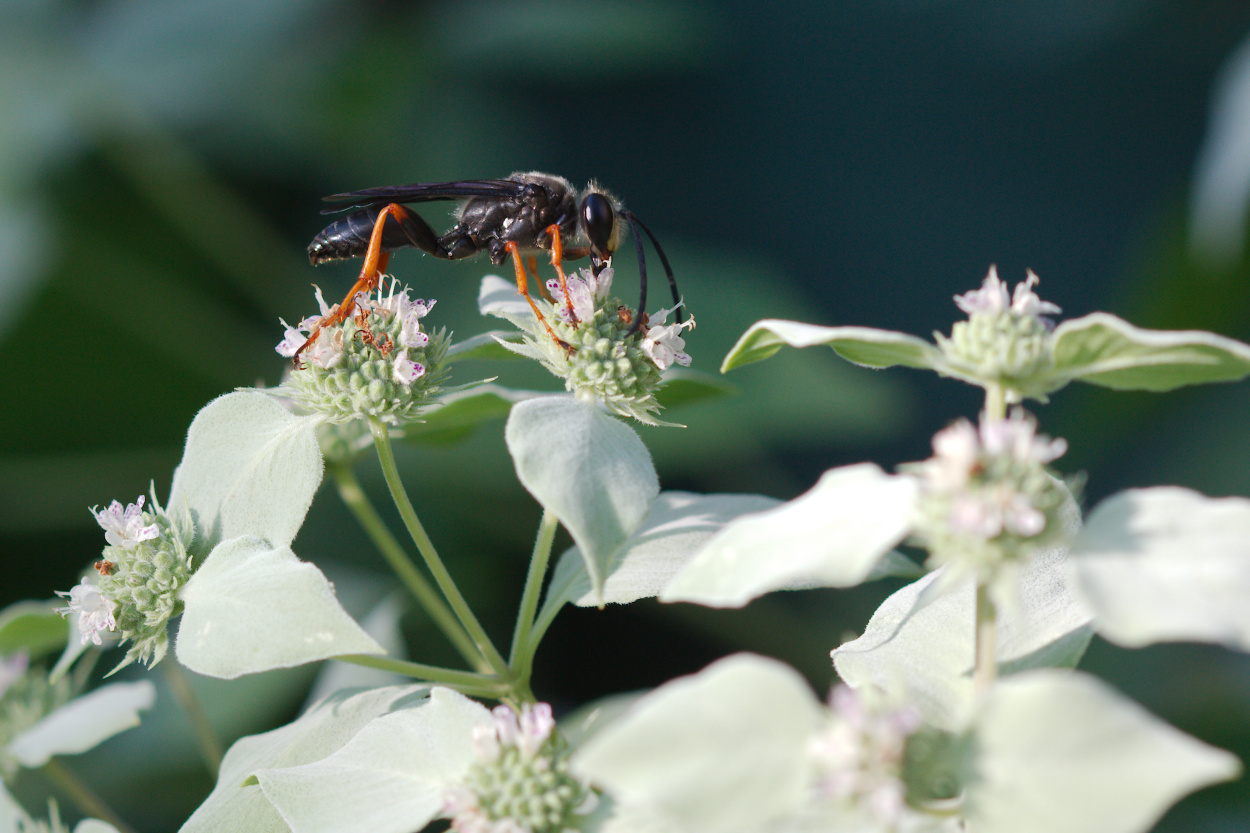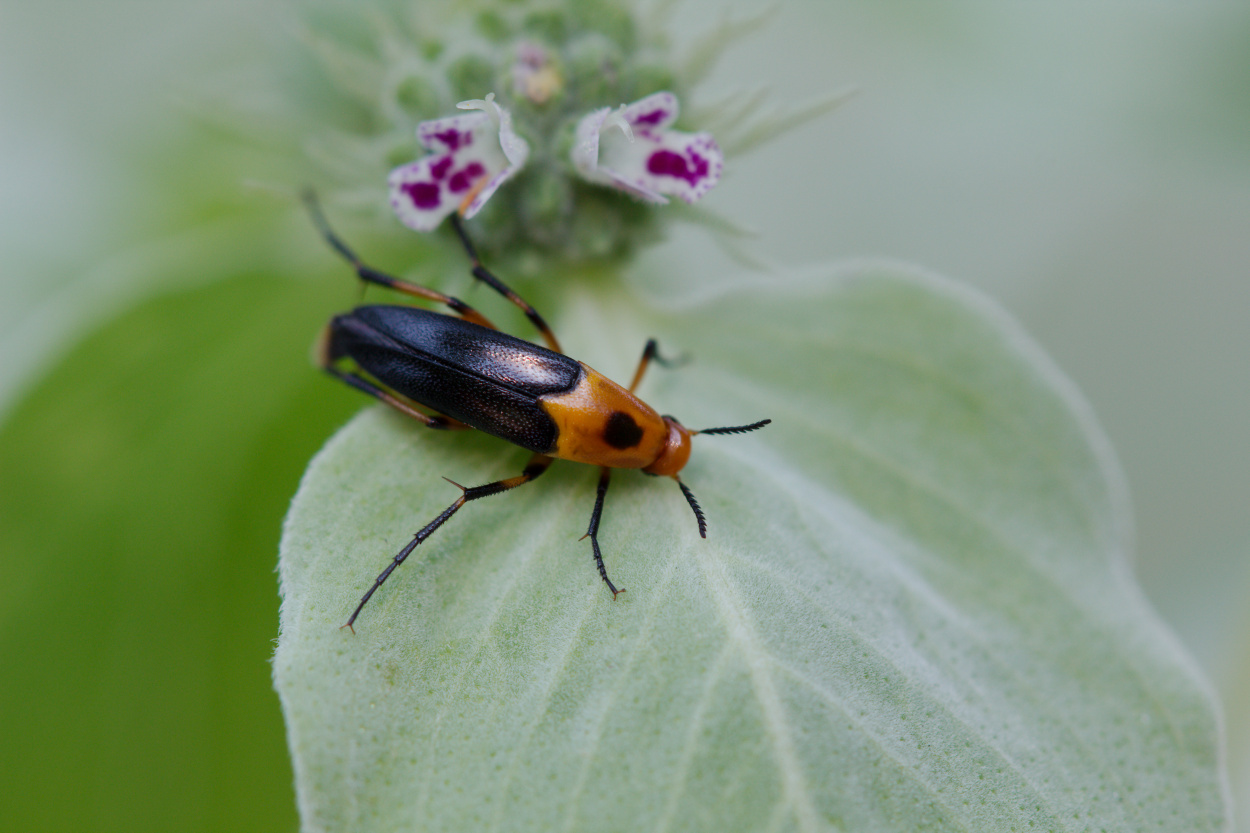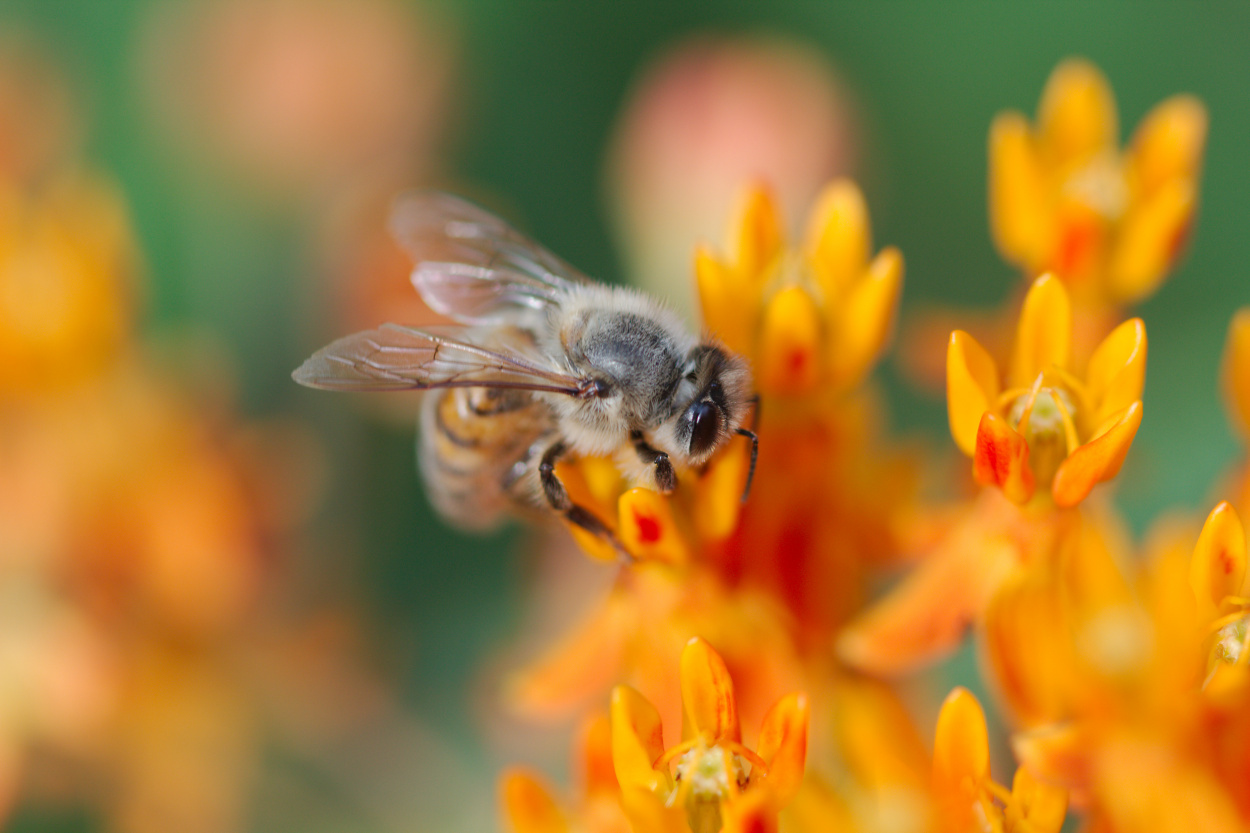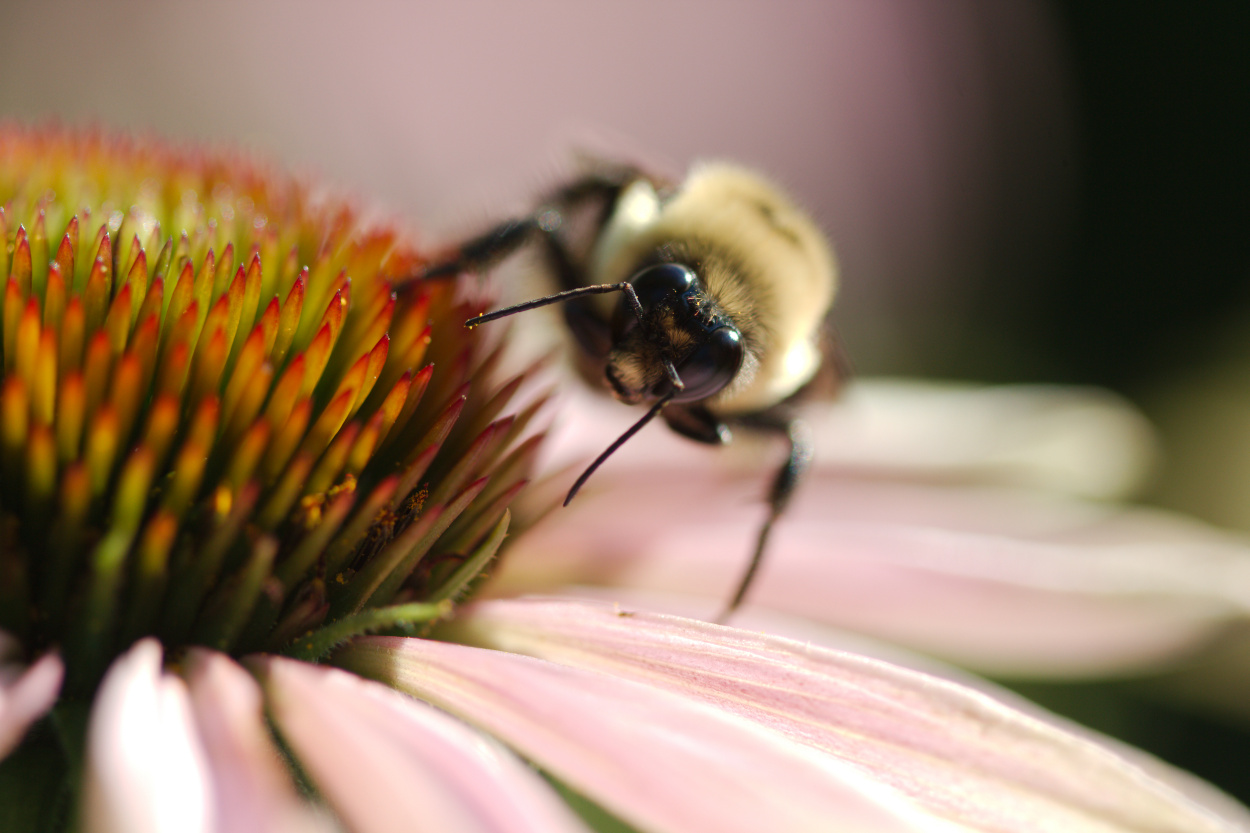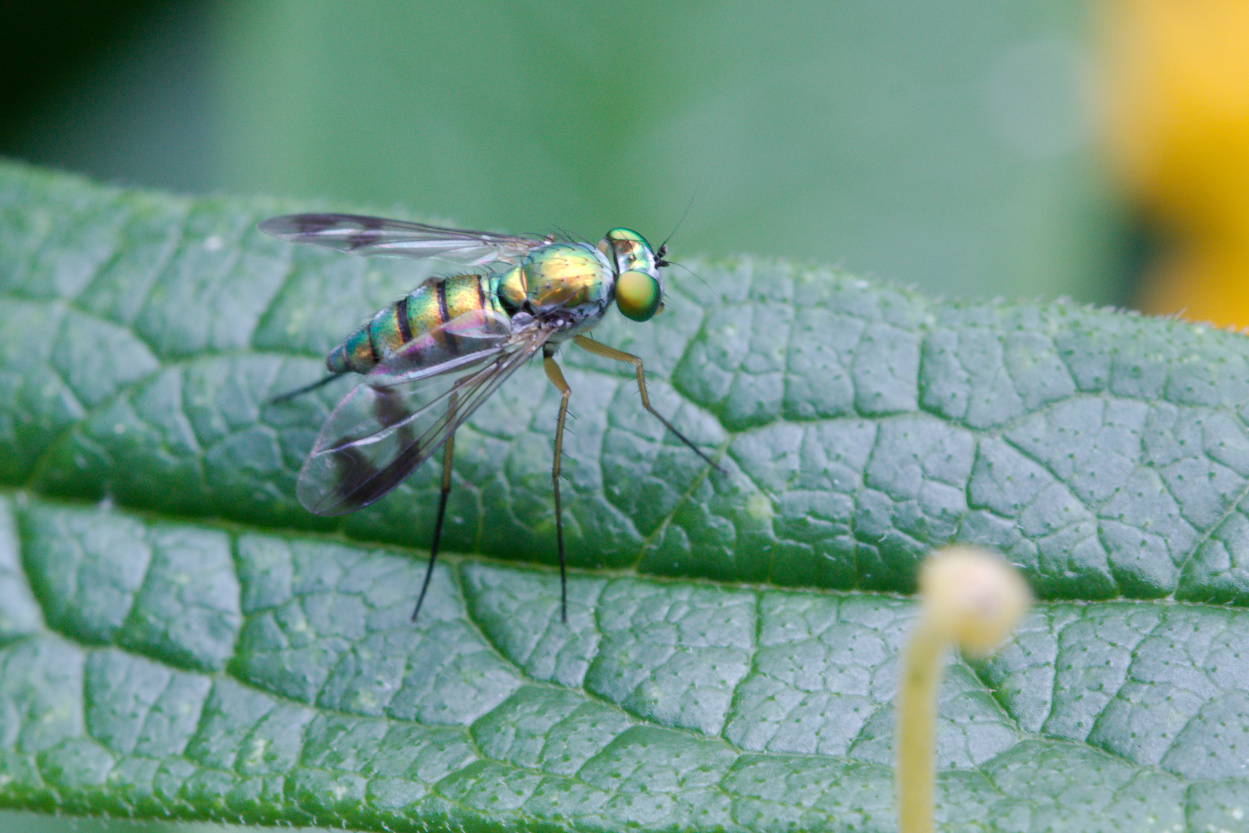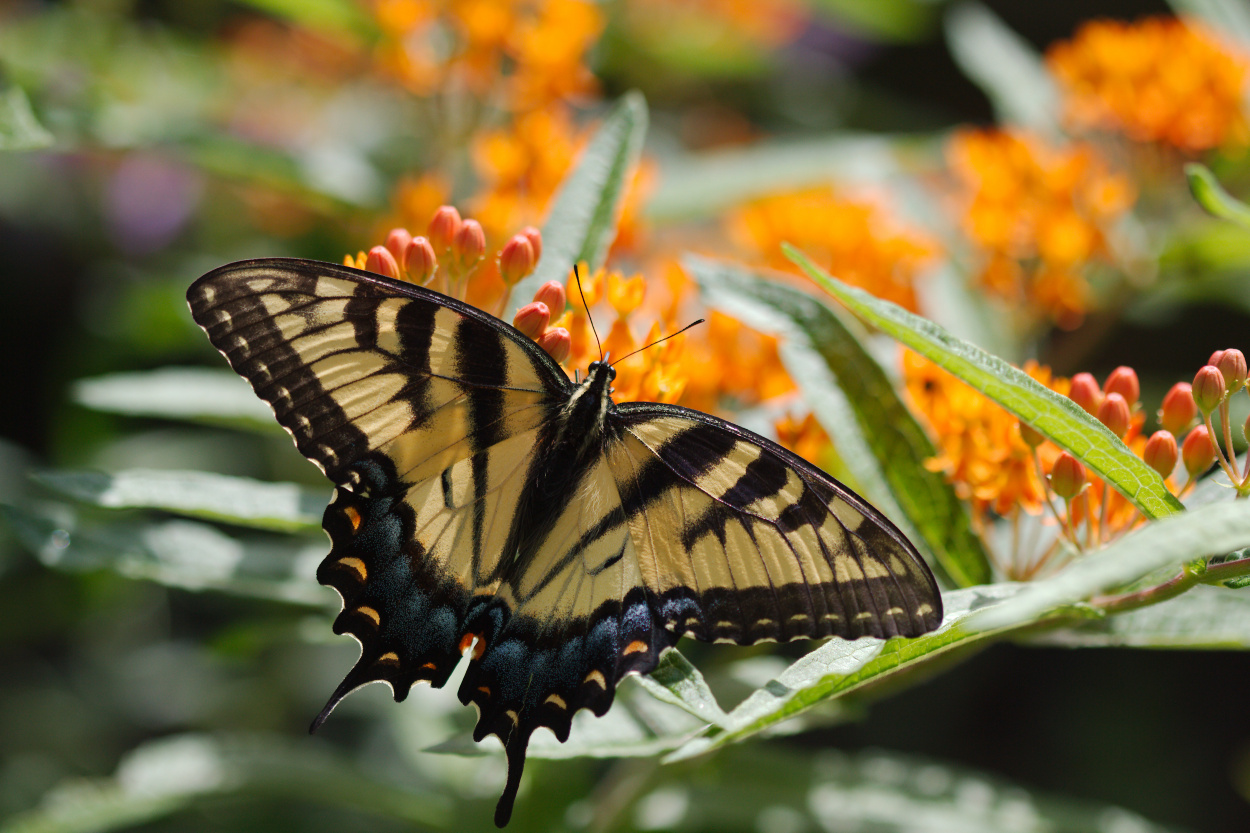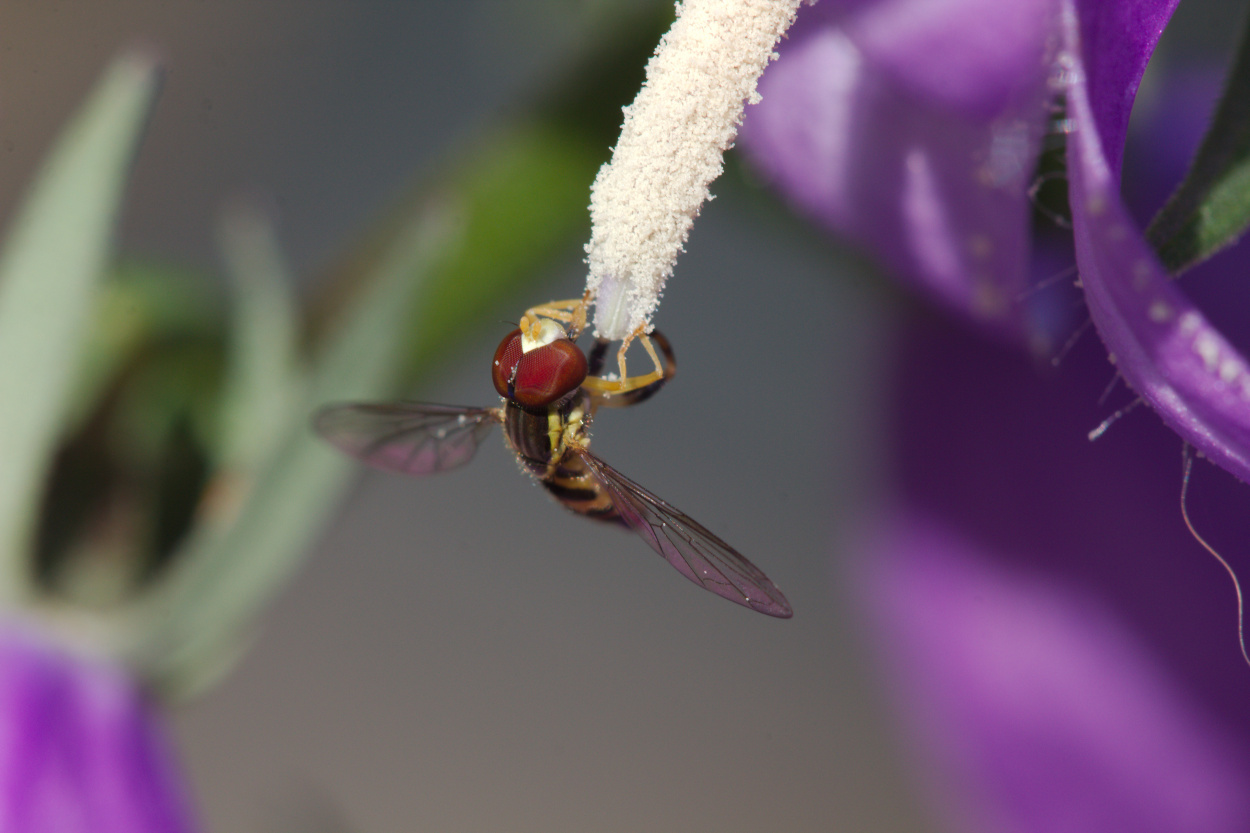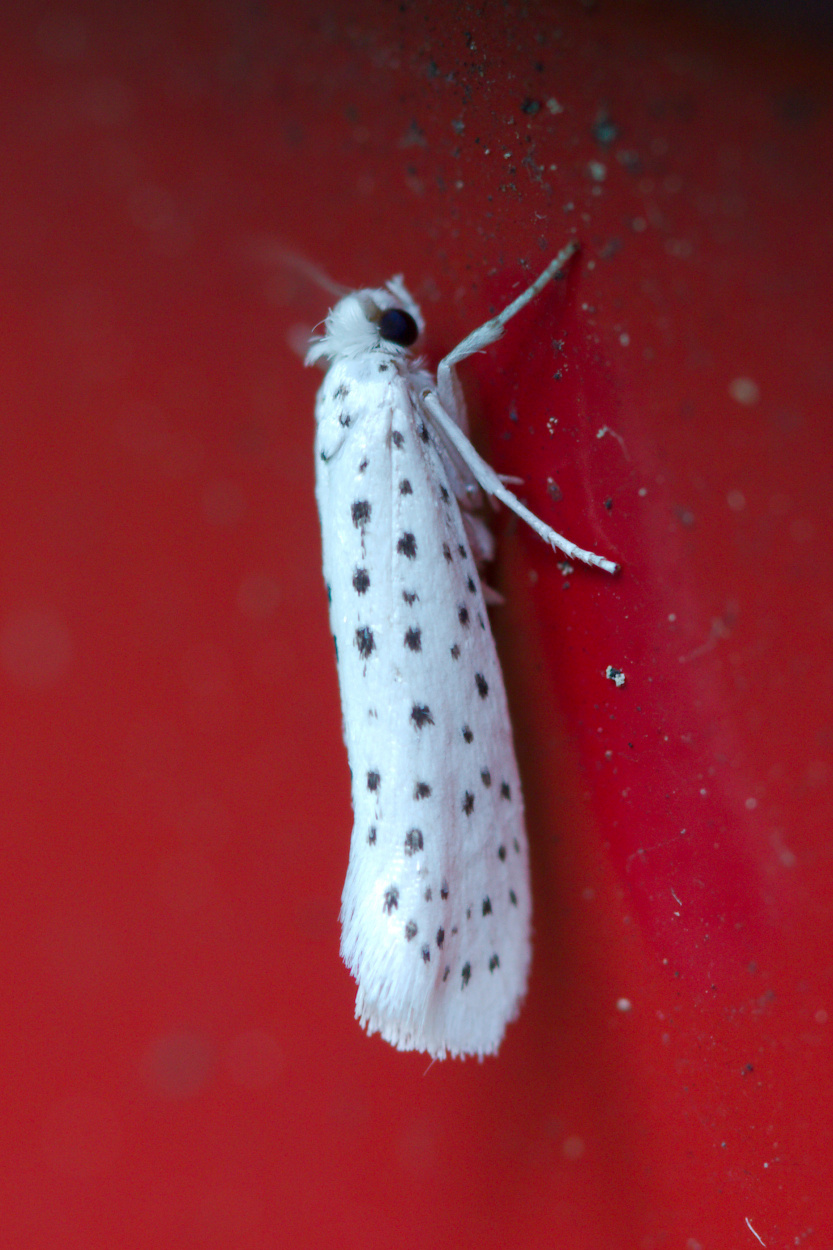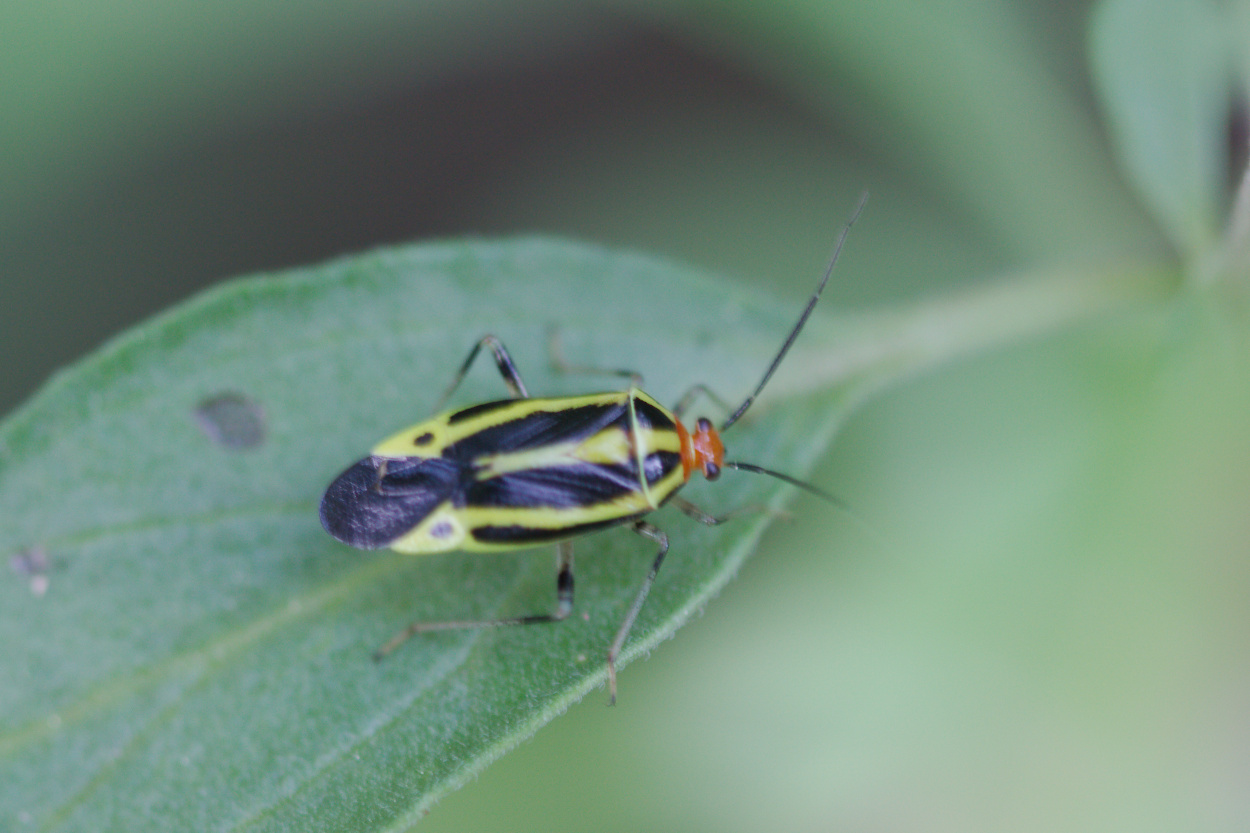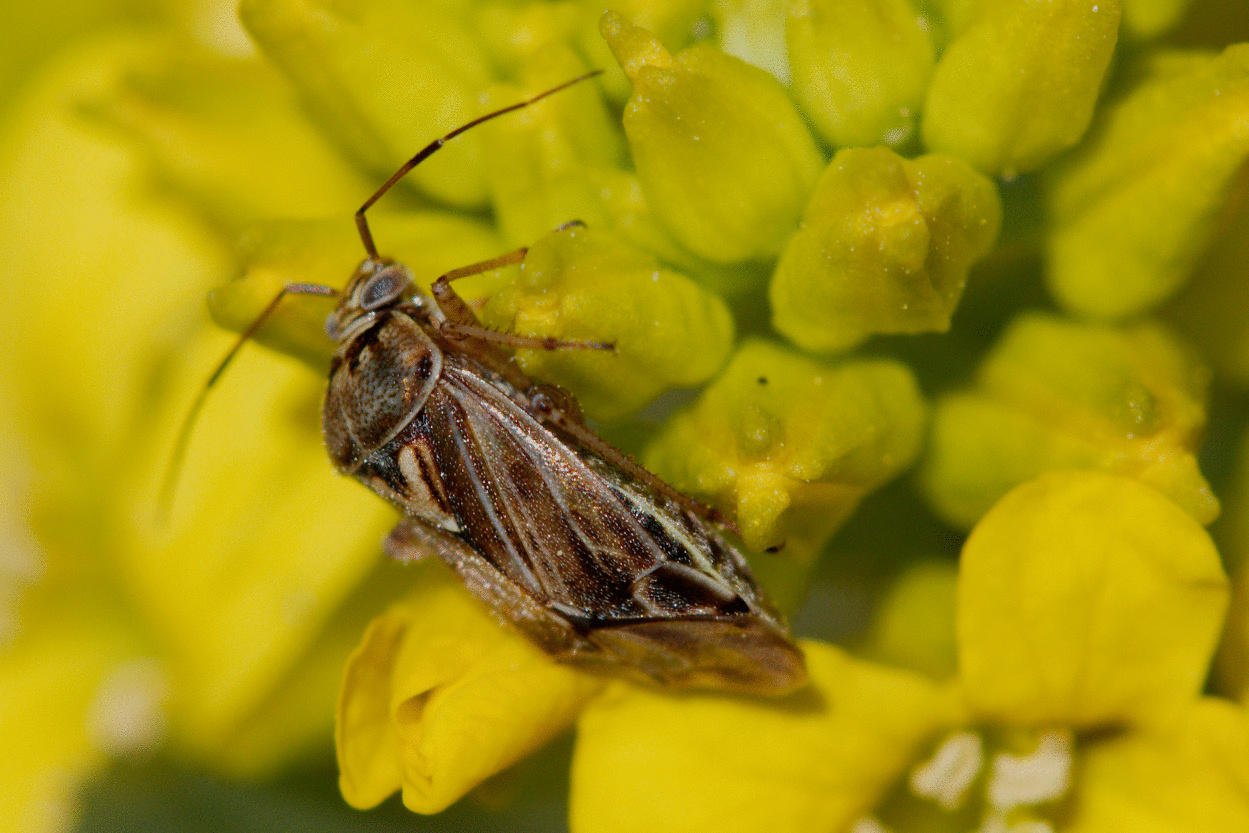
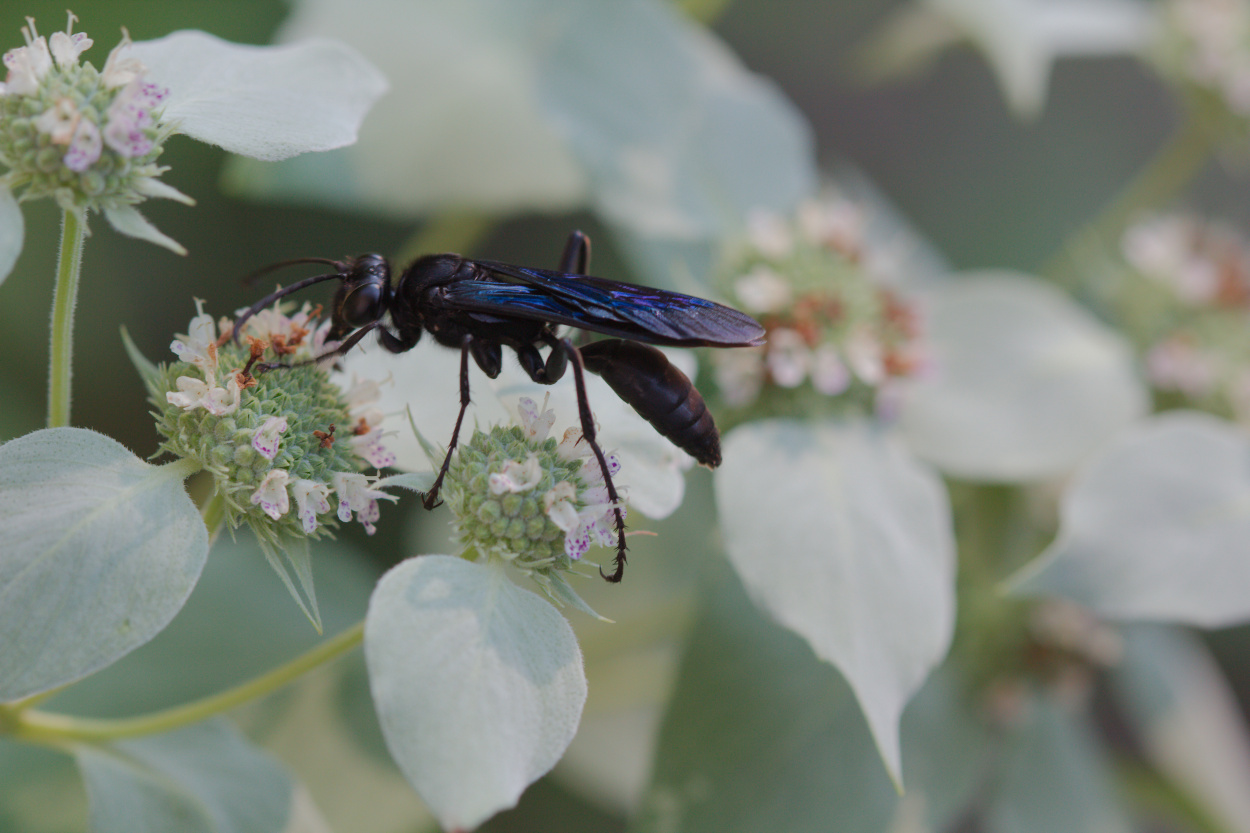
We’ve noticed that some of our plants are showing signs of attack. At least some of the damage is caused by a great many of these little critters. The four-lined plant bug has a fairly short life span and only produces one generation per year, so their damage is caused during a relatively short period. The plants seem to mostly recover and should be fine again before too long. Still, it’s a nuisance.
Creatures
Poecilocapsus lineatus (Four-lined Plant Bug)
A Day At The Races
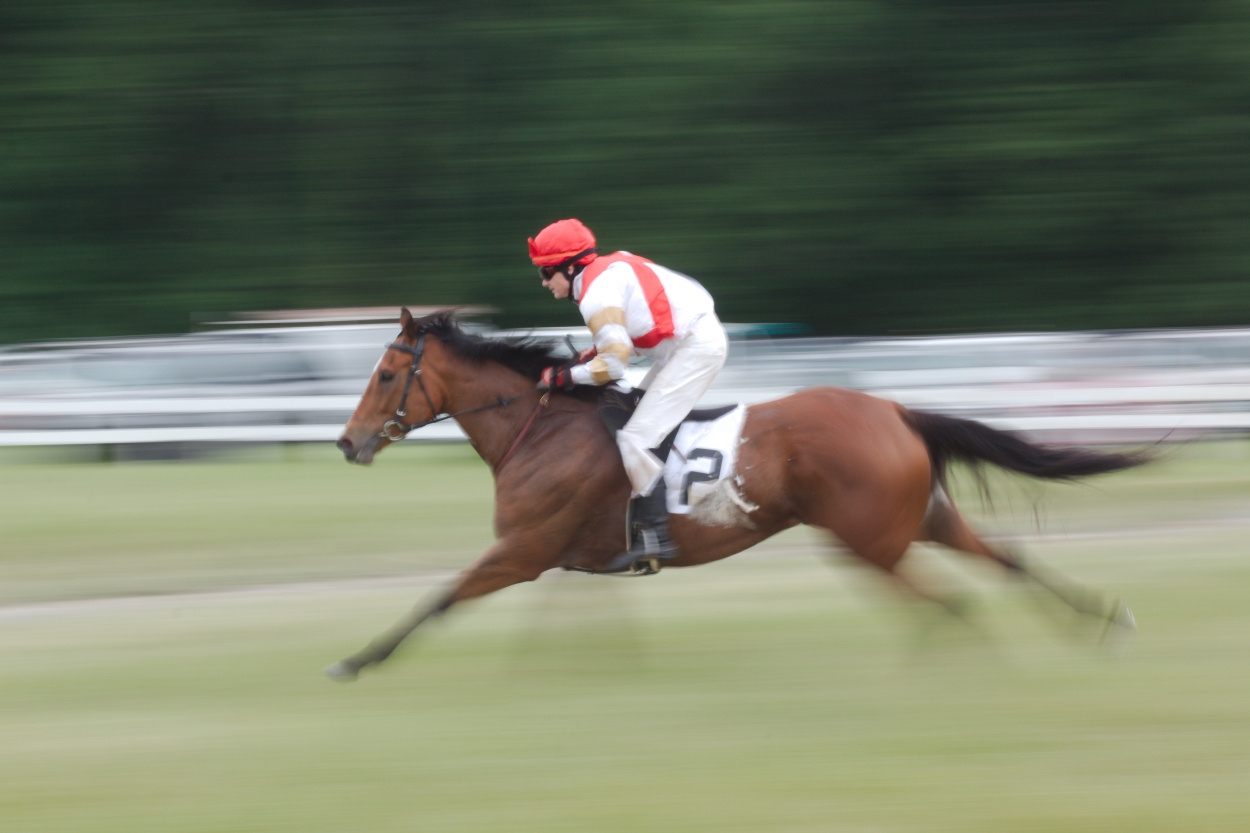
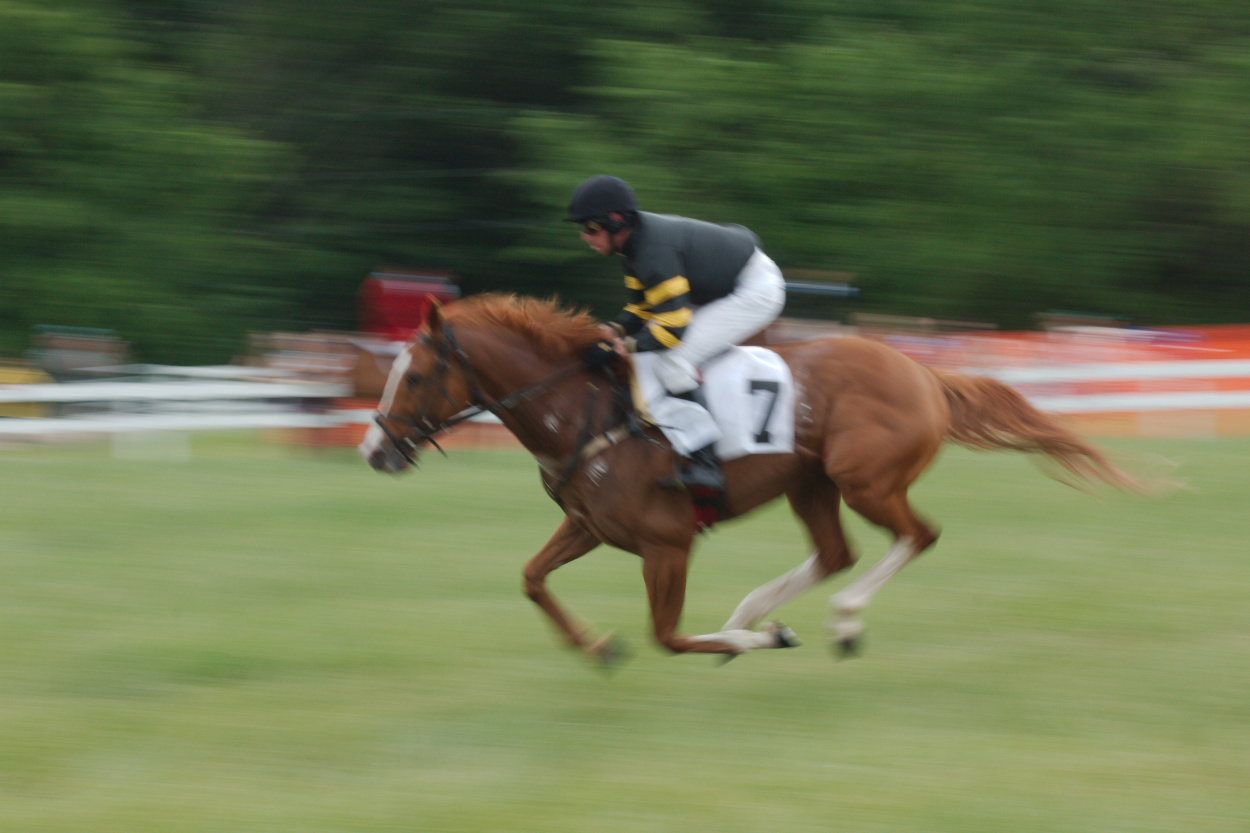
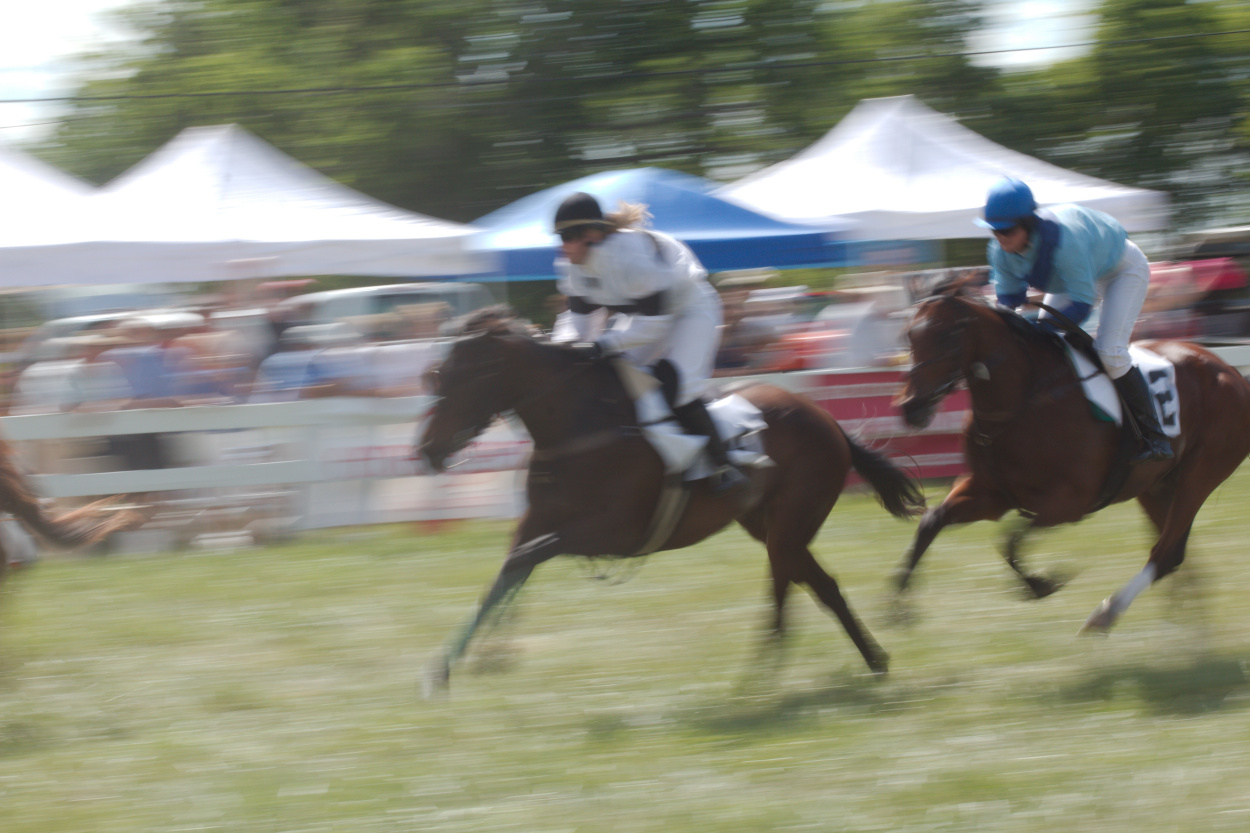
Were were invited by our good friends, the Glenns, to come to the Potomac Hunt Races today. The weather was wonderful and the horses were fast. Actually, I have no idea how they compare to any other horses. We aren’t really in the horsey set and I don’t think I’m often described as being racy. Anyway, we enjoyed sitting in the shade of the canopy and eating a nice picnic lunch with friends. It’s always nice to see them and we don’t as often as we’d like. Little Elsie and Benton are certainly growing and are as cute as ever. We also met the Elkans, a name we’ve heard but never had faces to associate.
I was able to get some nice action shots showing the horses with all four feet off the ground. Of course I was trying to blur them, so I used a much slower shutter speed than I could have done. Photographic technology has come a little way in the last 140 years, I’d say.
From Wikipedia: In 1872, the former governor of California Leland Stanford, a businessman and race-horse owner, hired Eadweard Muybridge for some photographic studies. He had taken a position on a popularly-debated question of the day — whether all four feet of a horse were off the ground at the same time while trotting. The same question had arisen about the actions of horses during a gallop. The human eye could not break down the action at the quick gaits of the trot and gallop. Up until this time, most artists painted horses at a trot with one foot always on the ground; and at a full gallop with the front legs extended forward and the hind legs extended to the rear, and all feet off the ground. Stanford sided with the assertion of “unsupported transit” in the trot and gallop, and decided to have it proven scientifically. Stanford sought out Muybridge and hired him to settle the question.
In 1872, Muybridge settled Stanford’s question with a single photographic negative showing his Standardbred trotting horse Occident airborne at the trot. This negative was lost, but the image survives through woodcuts made at the time (the technology for printed reproductions of photographs was still being developed). He later did additional studies, as well as improving his camera for quicker shutter speed and faster film emulsions. By 1878, spurred on by Stanford to expand the experiments, Muybridge had successfully photographed a horse at a trot; lantern slides have survived of this later work. Scientific American was among the publications at the time that carried reports of Muybridge’s groundbreaking images.
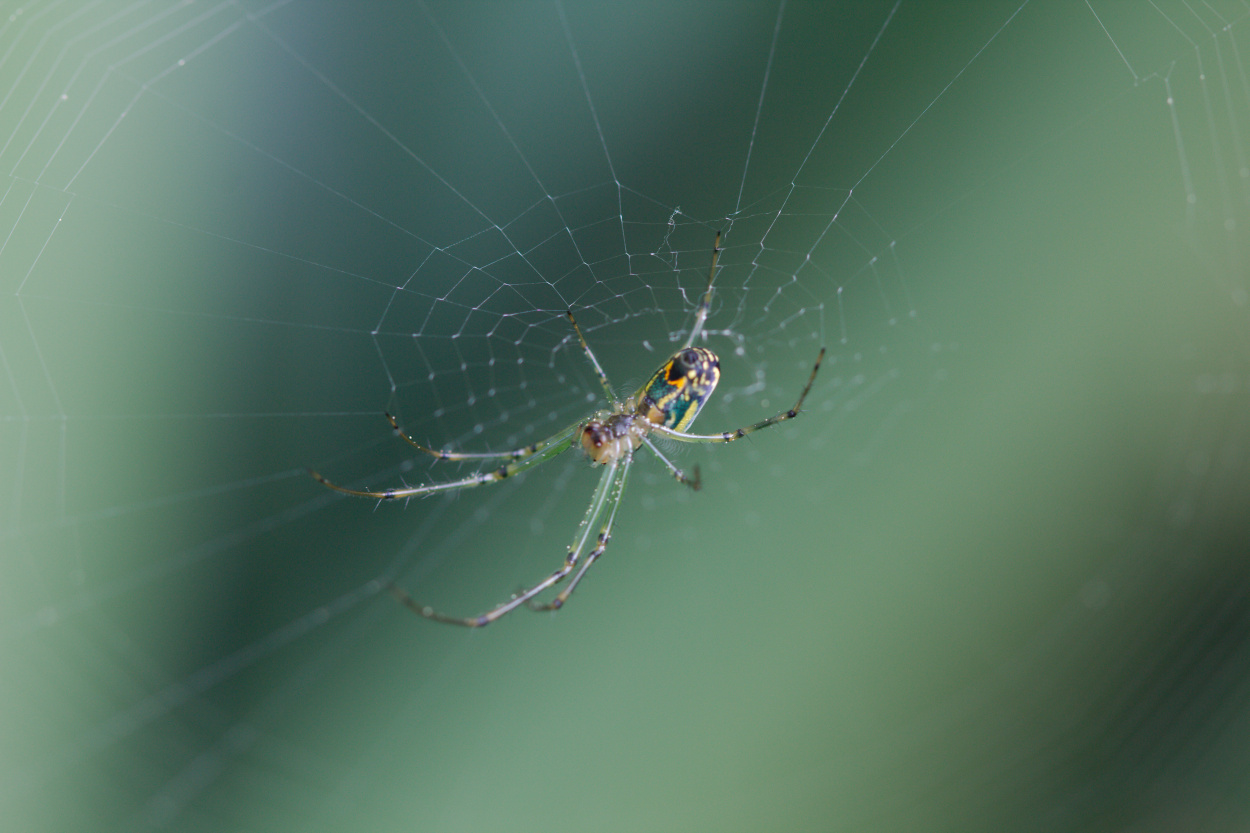
Leucauge venusta (Orchard Orbweaver)
I came home and took some pictures of flowers in the yard (see the previous post) but then I came across this spider, hovering over some iris leaves. Each time I moved my tripod a little closer and bumped the web supporting leaves the spider fled to the side but she came back and took up her post again after a little while. I’d like to have gotten a bit closer still, but this is the best I could do without disturbing her web (which I didn’t want to do — spiders are our friends!).
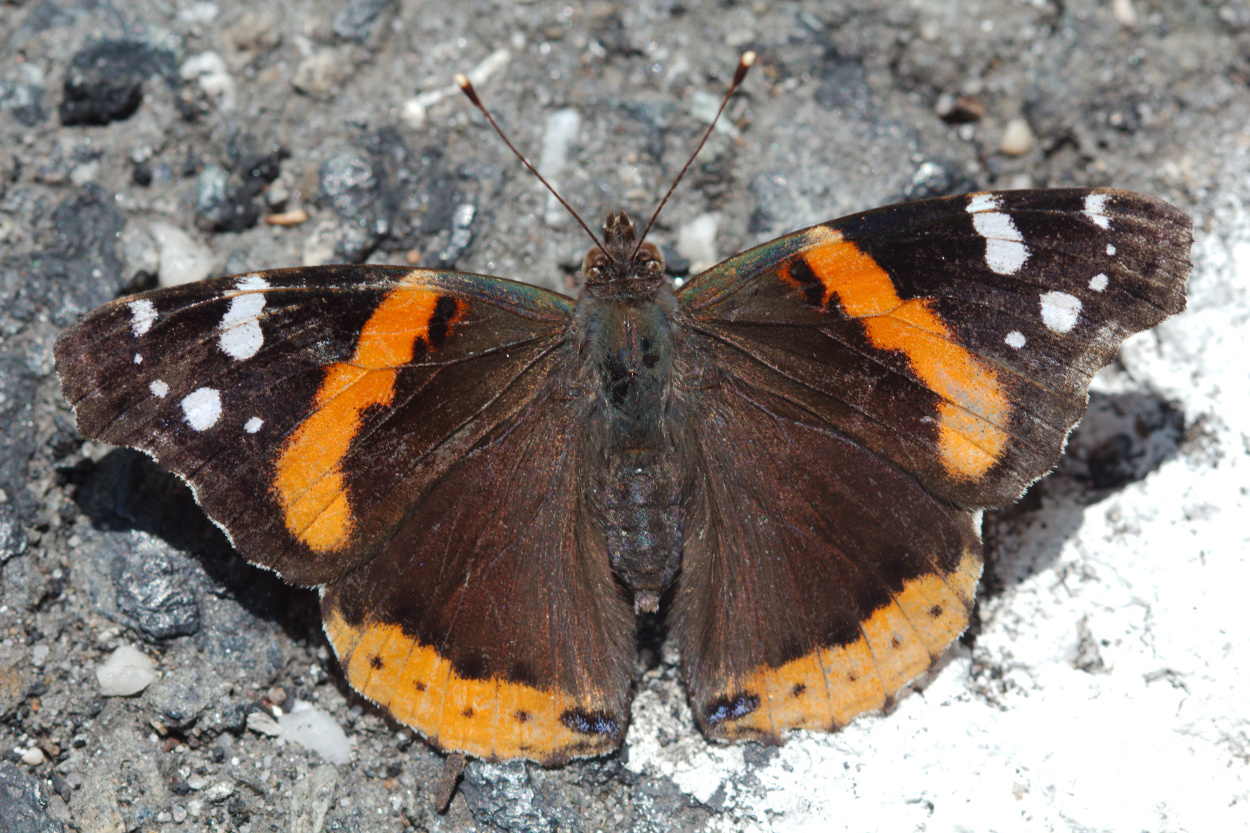
Red Admiral
As I was getting out of my car at work today, this Red Admiral (Vanessa atalanta) was fluttering around. It landed almost at my feet and stayed there long enough for me to grab my camera and take a few pictures.
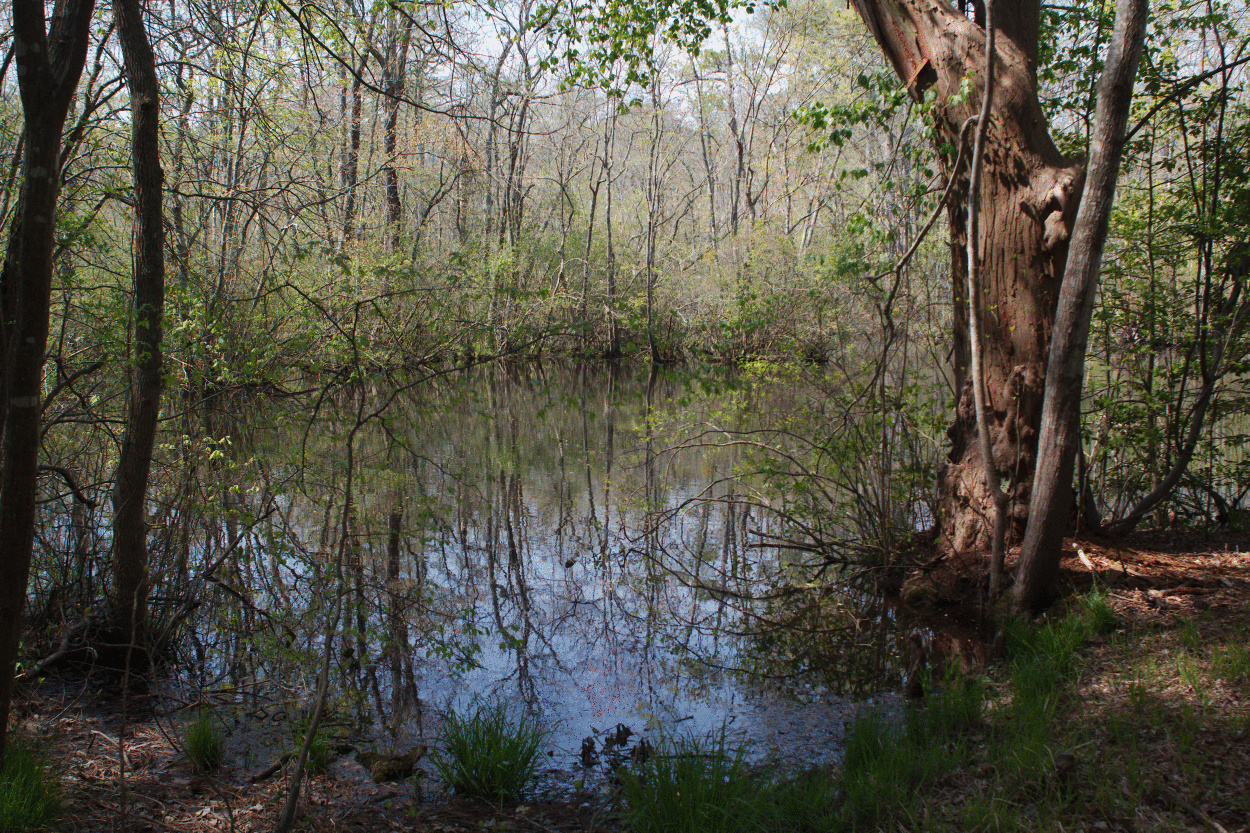
Pocomoke River
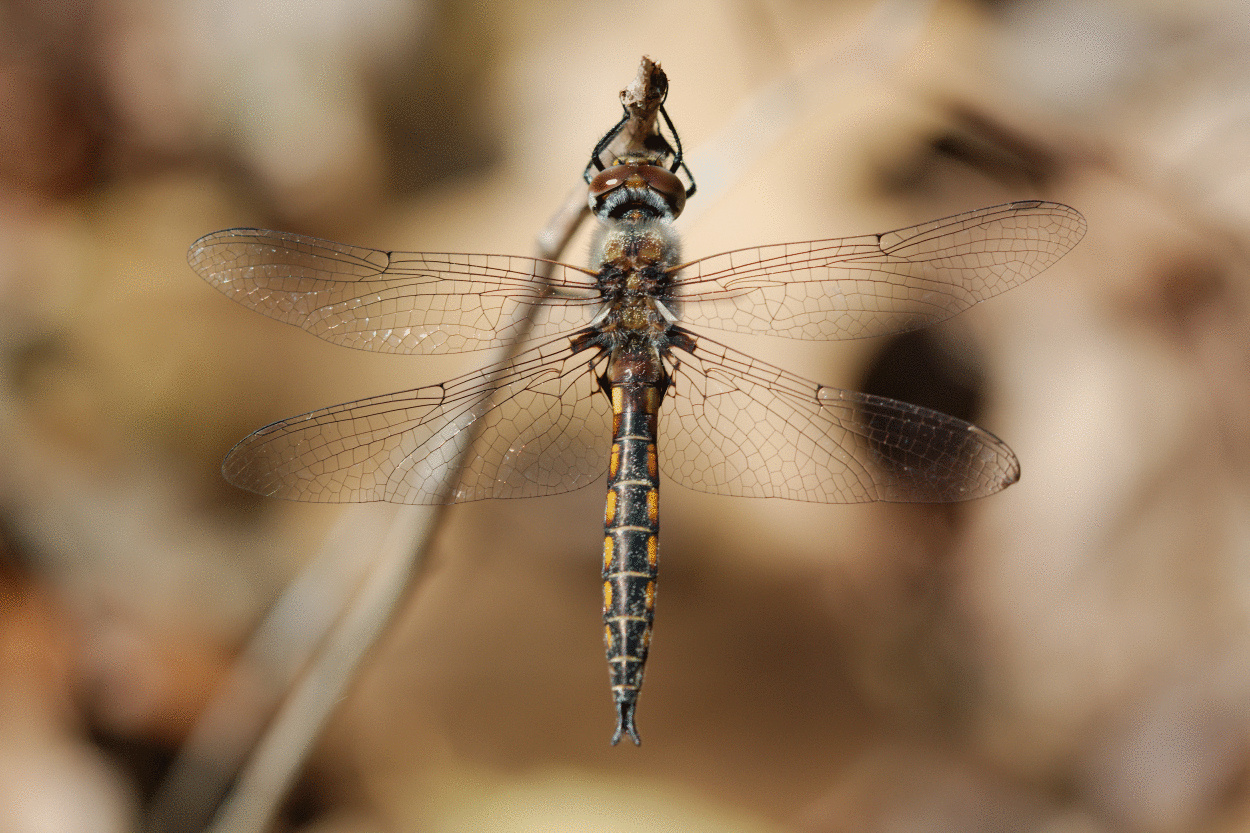
Yesterday I had a nice drive out onto the eastern shore and was able to spend a little time in a place I haven’t been in about three dozen years. When I was young we used to go camping at Shad Landing State Park (here: 38° 08′ 20″ N, 75° 26′ 28″) on the Pocomoke River. I stopped in to see how much is was like I remember it. Parts were exactly how I recall but other parts were a bit different. For instance, I thought we used to put out boat in at a wide area on the Corker’s Creek but there was nothing like that now. Perhaps I remember it wrongly or perhaps it’s changed, I don’t know. I did find a trail to this wide area that looks a bit like what I remember but not really all that much like it. I simply don’t know. Anyway, it’s quiet and serene, which does match my memory. I also saw this dragon fly, which was happy to sit for me as I took a photograph.
- Dragonfly
- Corker’s Creek
- Corker’s Creek
Honey Bee Swarm
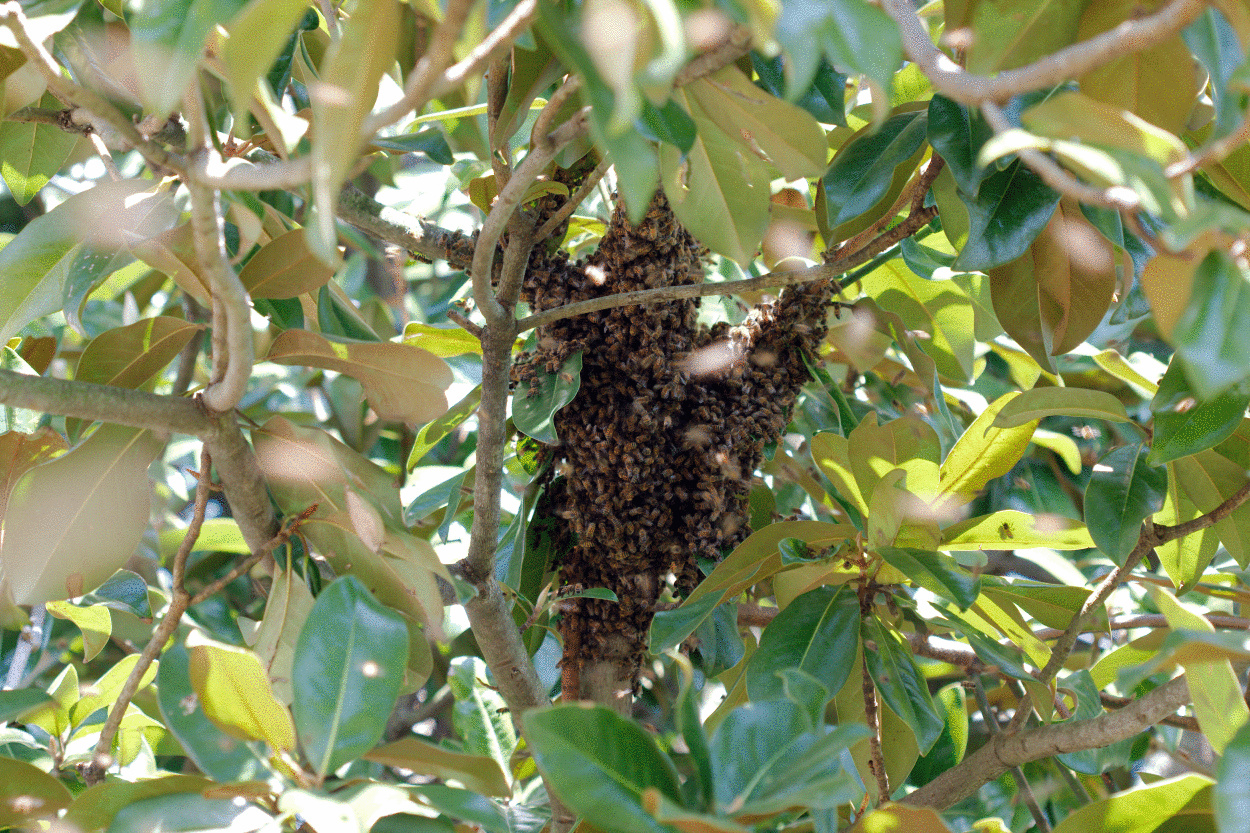
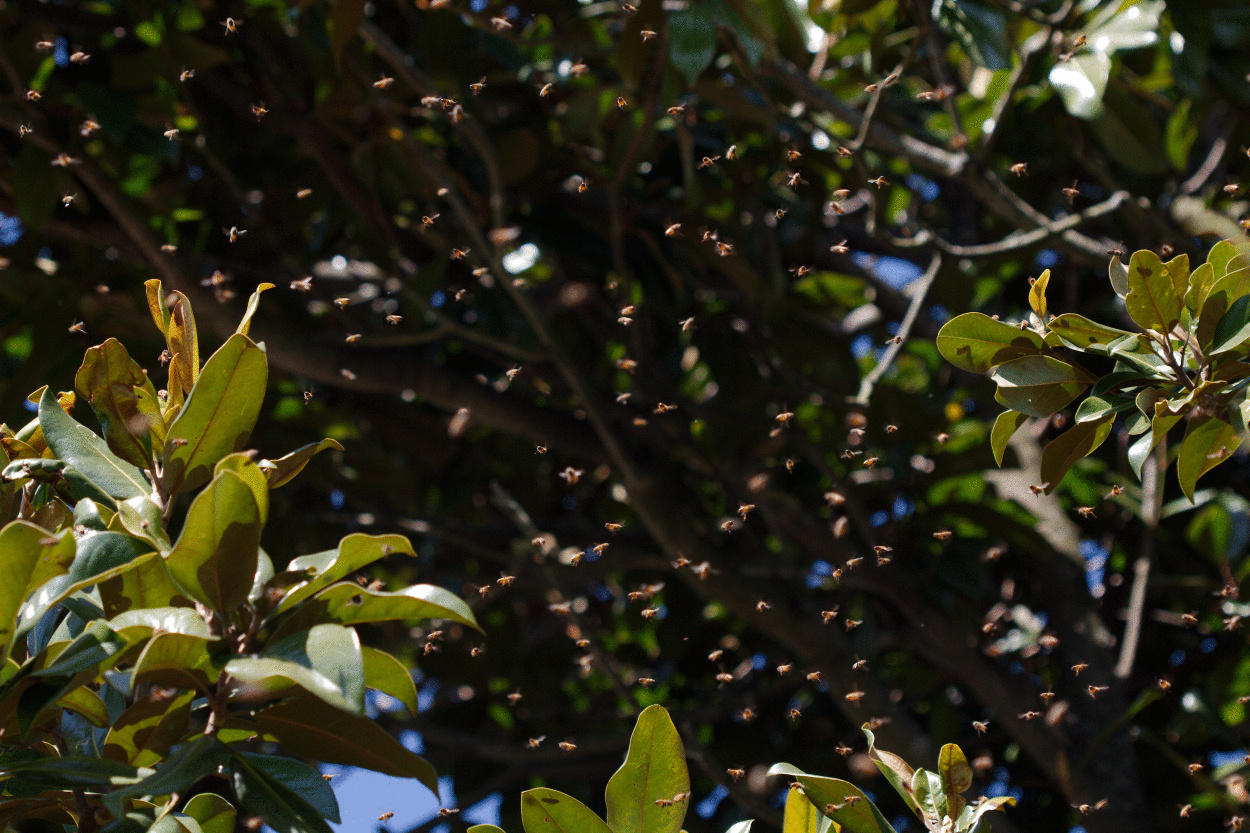
Have you ever seen an honest to goodness swarm? I don’t think I have, at least not recently. We were out at Rocklands Farm today, visiting and enjoying a beautiful spring day gamboling with the goats. Naturally I took a lot of pictures. Shortly before we left, Greg came in and said we should come see the swarm of bees, which was gathering on the southern magnolia in front of the house. The air was filled with the buzzing and on a branch, about 15 feet up in the tree was a seething mass of bees. The bees were flying all around us but seemed totally oblivious to our presence. A few even flew into us but they recovered and continued on their way without incident. The out-of-focus spots in the first picture are bees.
In the second picture you can see how full the air is. They were in constant motion and you could hear it from a good distance away.
Very cool.
Syrphid Fly and Plant Bug
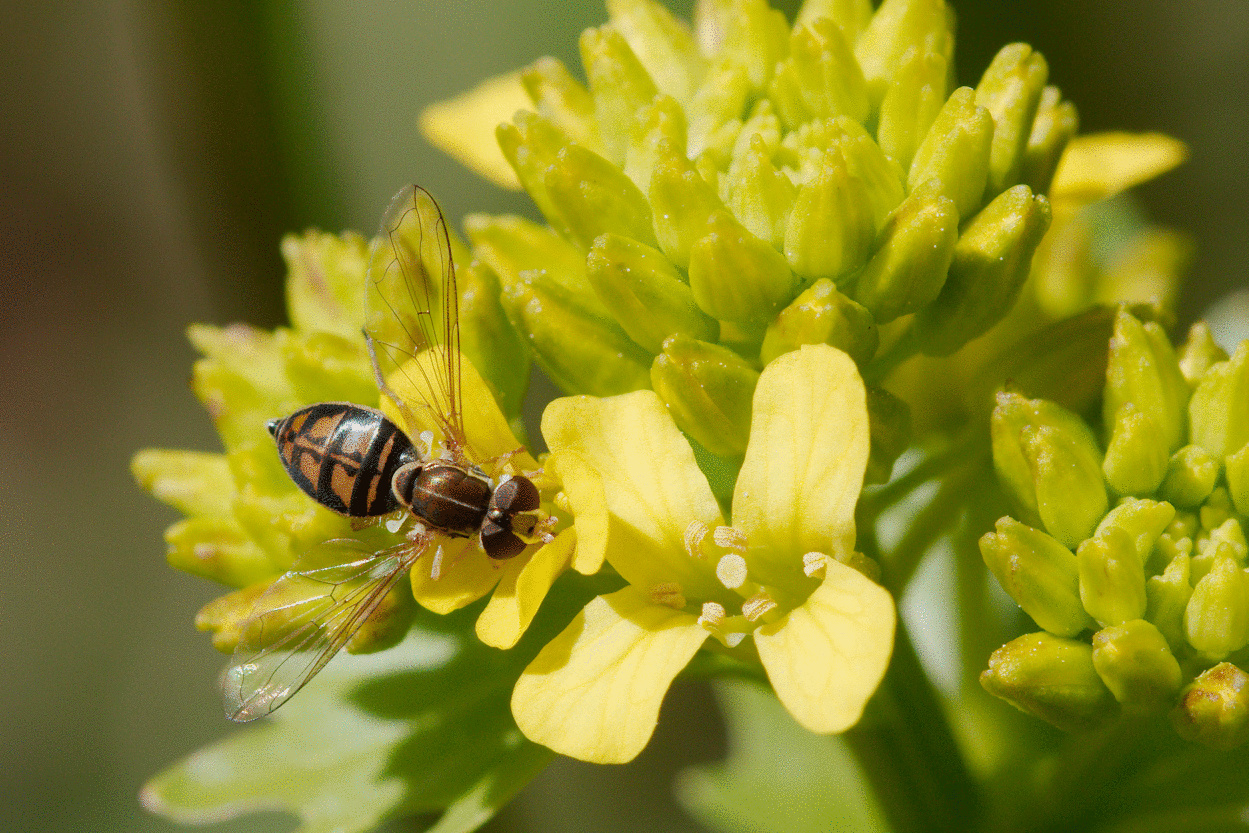
I went out into the empty lot next to my office again today. What a beautiful day it was, too. It’s not like summer yet but there was a fair amount of insect activity. I sought out some weeds that are flowering (yellow rocket, Barbarea vulgaris, also variously known as Bittercress, Herb Barbara, Rocketcress, Yellow Rocketcress, Winter Rocket, and Wound Rocket — which is why I like to stick to Latin binomials). After a little waiting, I was rewarded by the appearance on some nearby Shepherd’s-purse (Capsella bursa-pastoris) of a syrphid fly. He (or she, I have no idea) moved to the yellow rocket and I got a few more pictures, including this one. I identified it, with the help of BugGuide, as Toxomerus marginatus.
Then I noticed another insect, some sort of plant bug (family Miridae) I think, on the next plant to my right. My guess is that this is Lygus lineolaris, the tarnished plant bug, but I’m waiting for confirmation (or correction). There are a lot of bugs that look similar to this.
The Bugs Are Back In Town
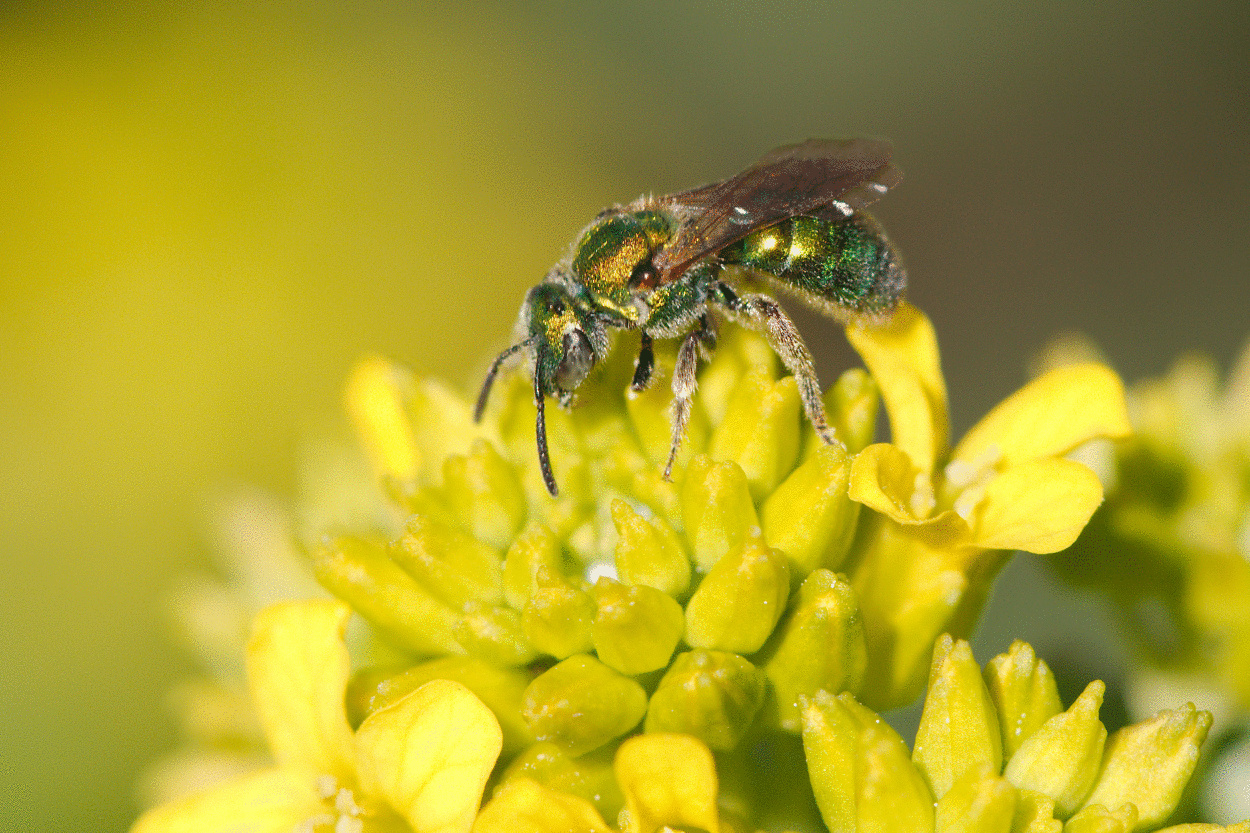
Not surprisingly, with all the flowers blooming, there are lots of bees about, from the humble but industrious bumble and carpenter bees to the flashy, green cuckoo wasp, they are all over both tree and weed. Mostly doing yeoman’s work pollinating flowers in their effort to collect their daily bread (so to speak), they add motion and even color to a static, if already colorful, scene.
I love bees.
[Update: this has been identified by the good people of BugGuide as genus Augochlorella. The yellow flowers are Barbarea vulgaris, which goes by various common names including yellow rocket and bittercress.]
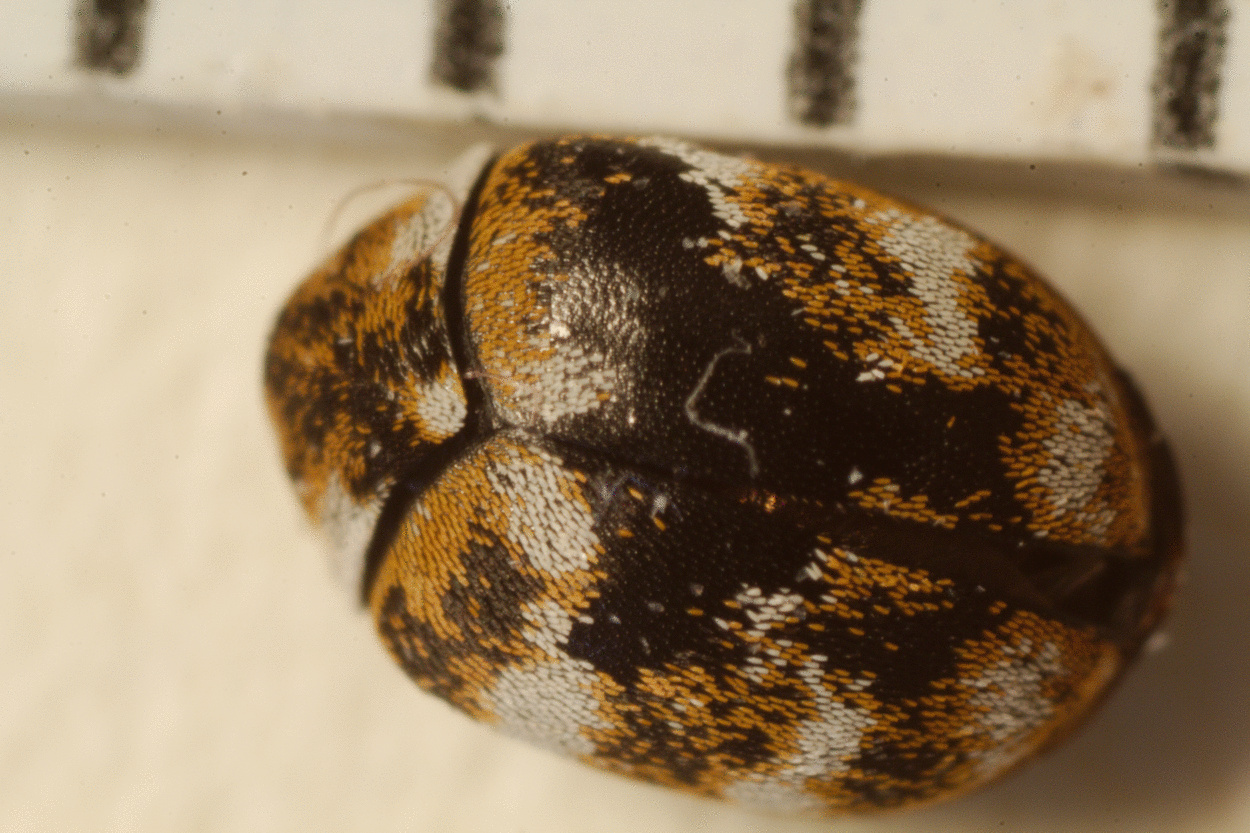
Anthrenus verbasci (Varied Carpet Beetle)
I wasn’t particularly pleased to find this tiny beetle in my house today. It is a varied carpet beetle, Anthrenus verbasci and it is quite small (those are millimeter markings on the ruler next to it). Fairly common, apparently, I had never seen one before. Not as bad as finding termites, perhaps, or even having a problem with wool eating moths, it’s still not something you want when you have “treasures on earth, where moth and rust destroy.”
Hunting Wabbits
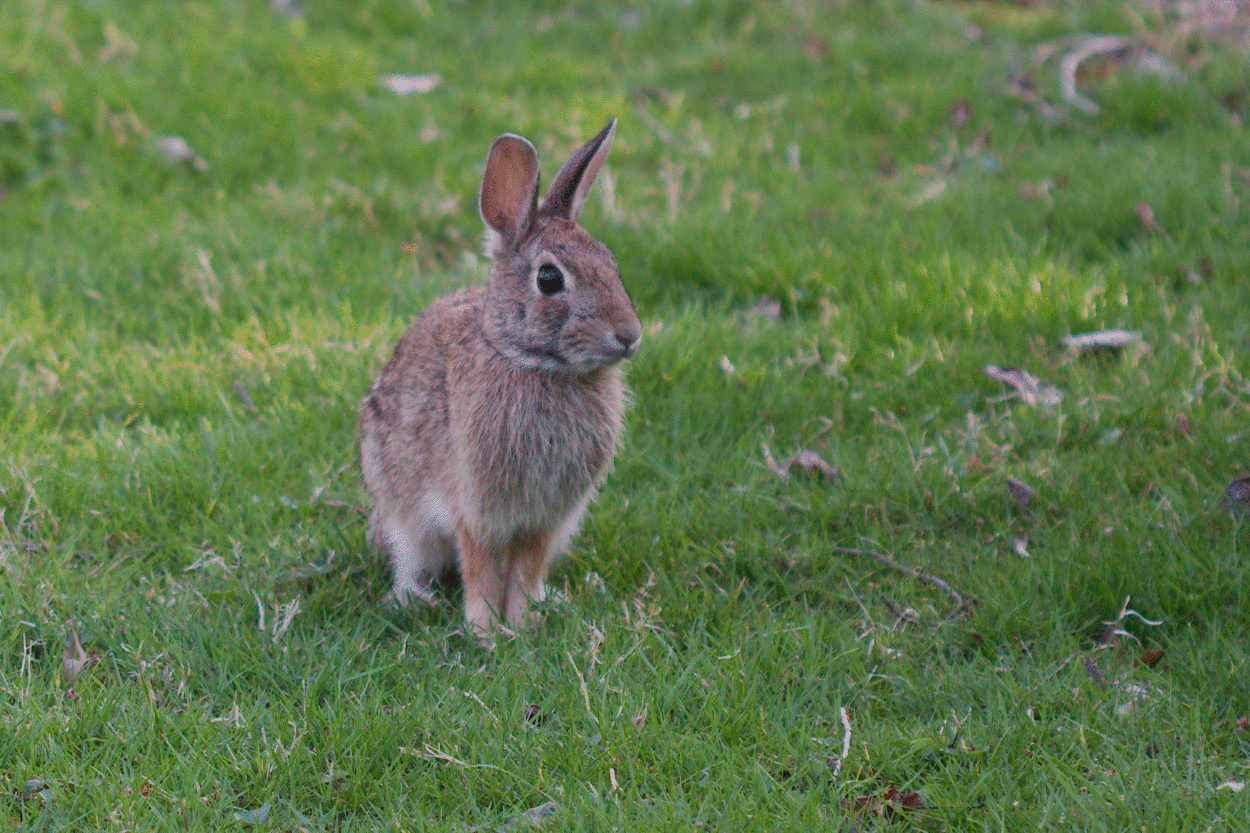
Shh. Be vewy, vewy quiet. I’m hunting wabbits.
I came home to find this fellow chomping away in our garden this evening. No, it didn’t go after it with the rake a la Mister McGregor but I can’t say the thought didn’t cross my mind.
Soaring
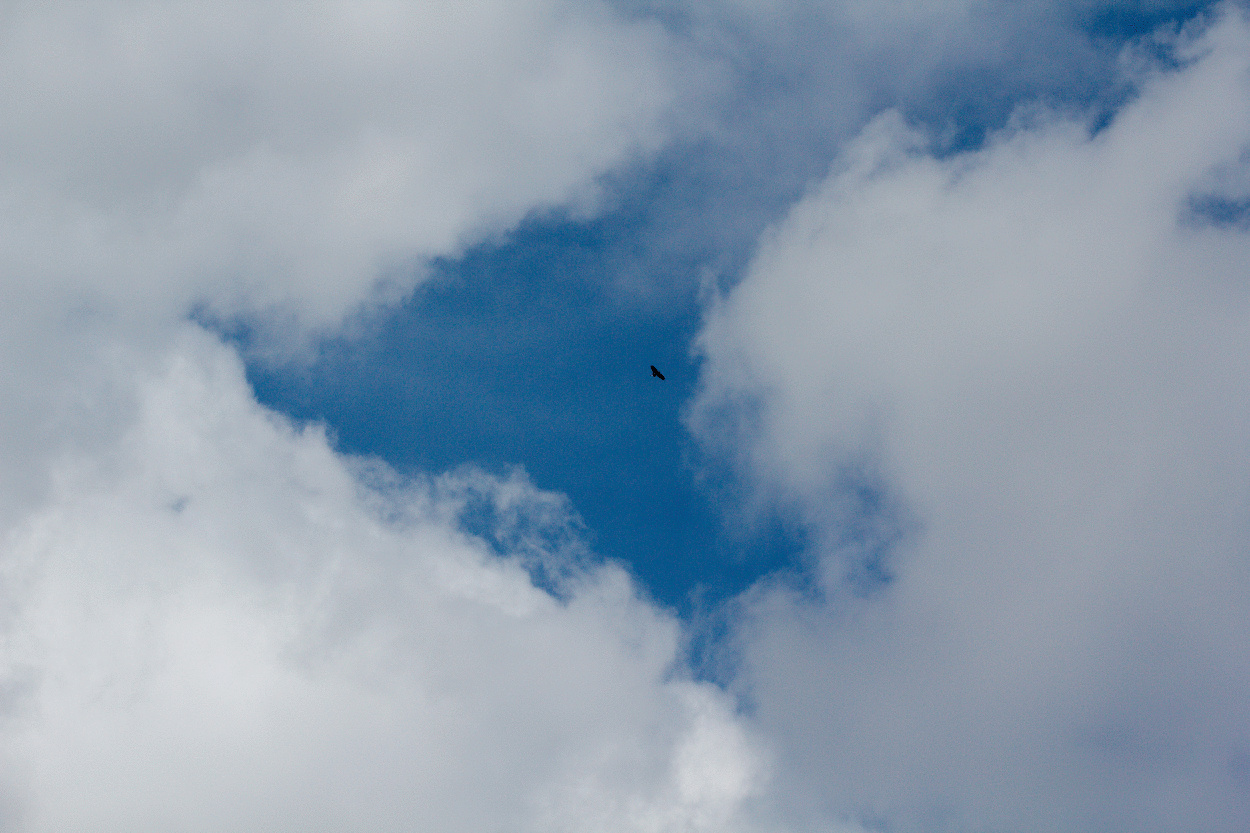
I took a two minute break today and stood at my office window enjoying the clouds and the multitudes of green that are beginning to appear on the other side of the parking lot. Looking up I saw this hawk circling overhead, looking for a meal.
More Blues
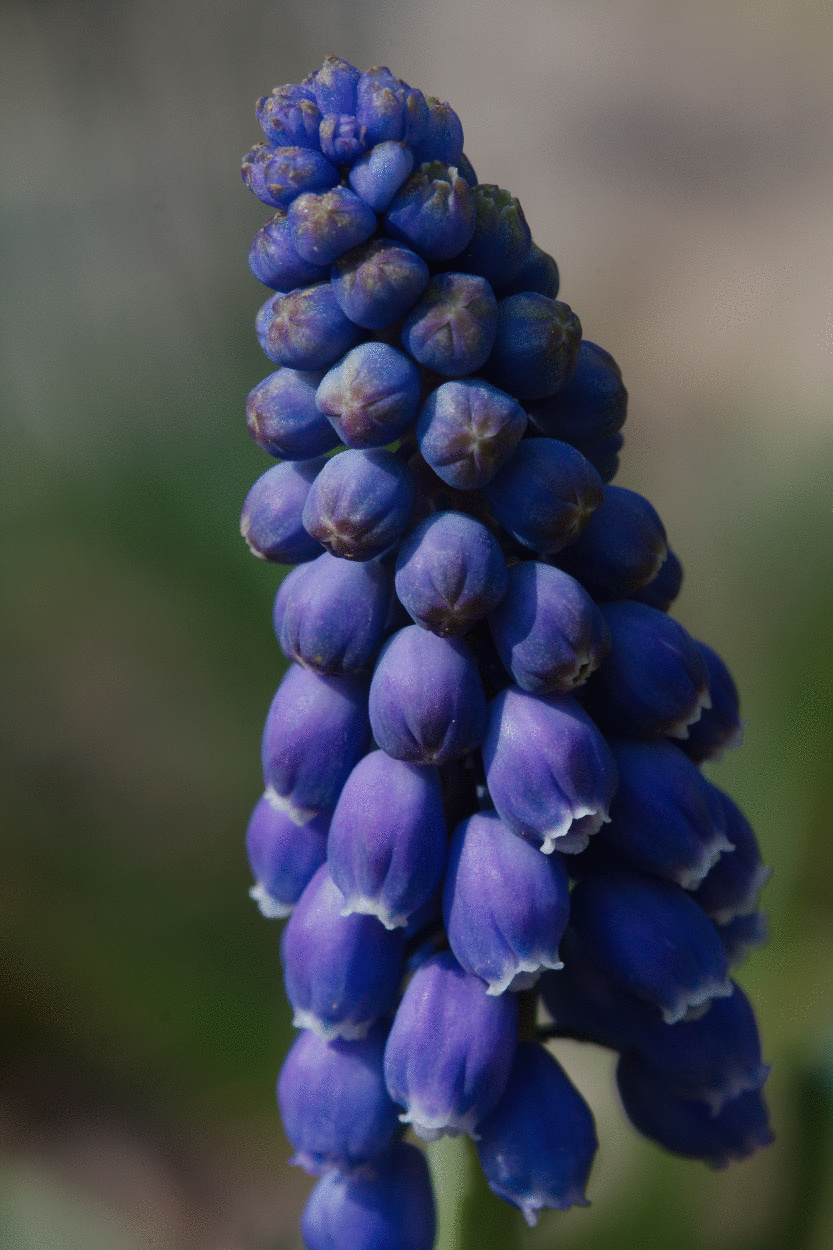
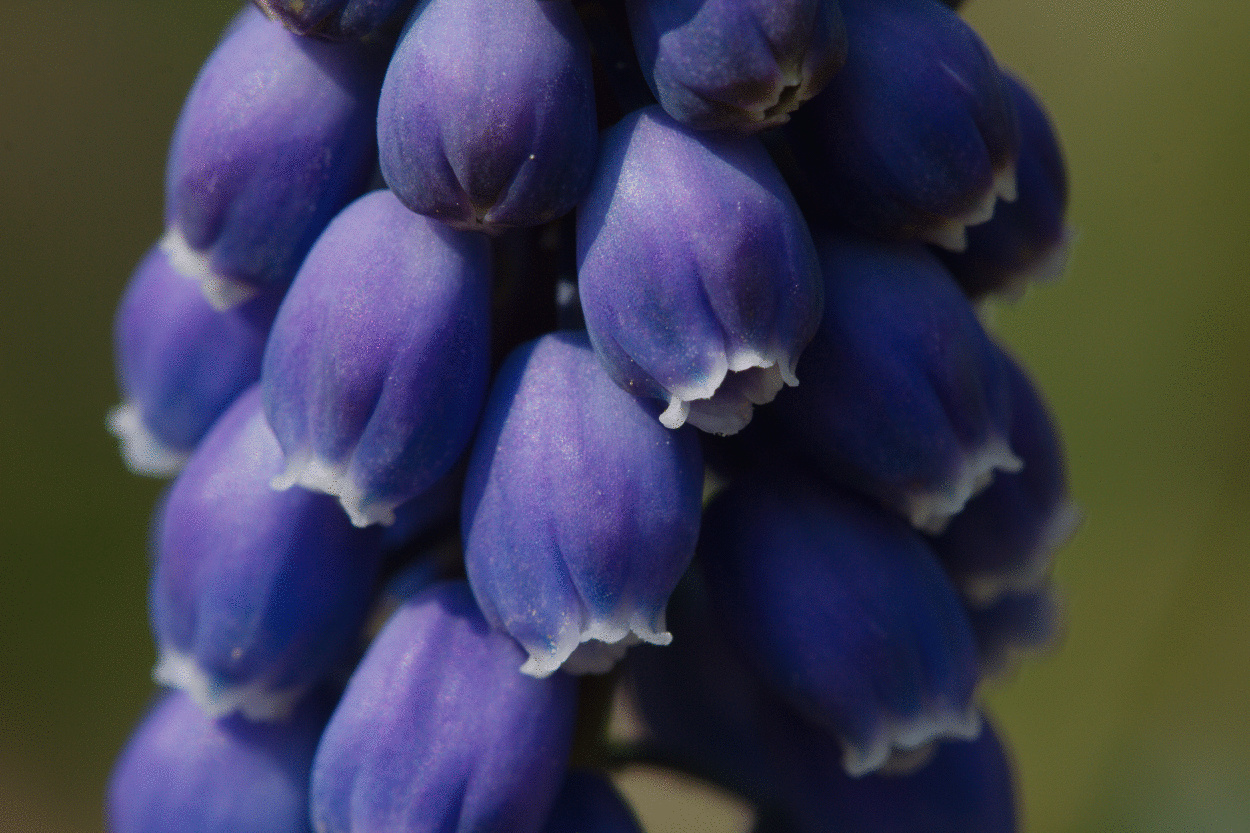
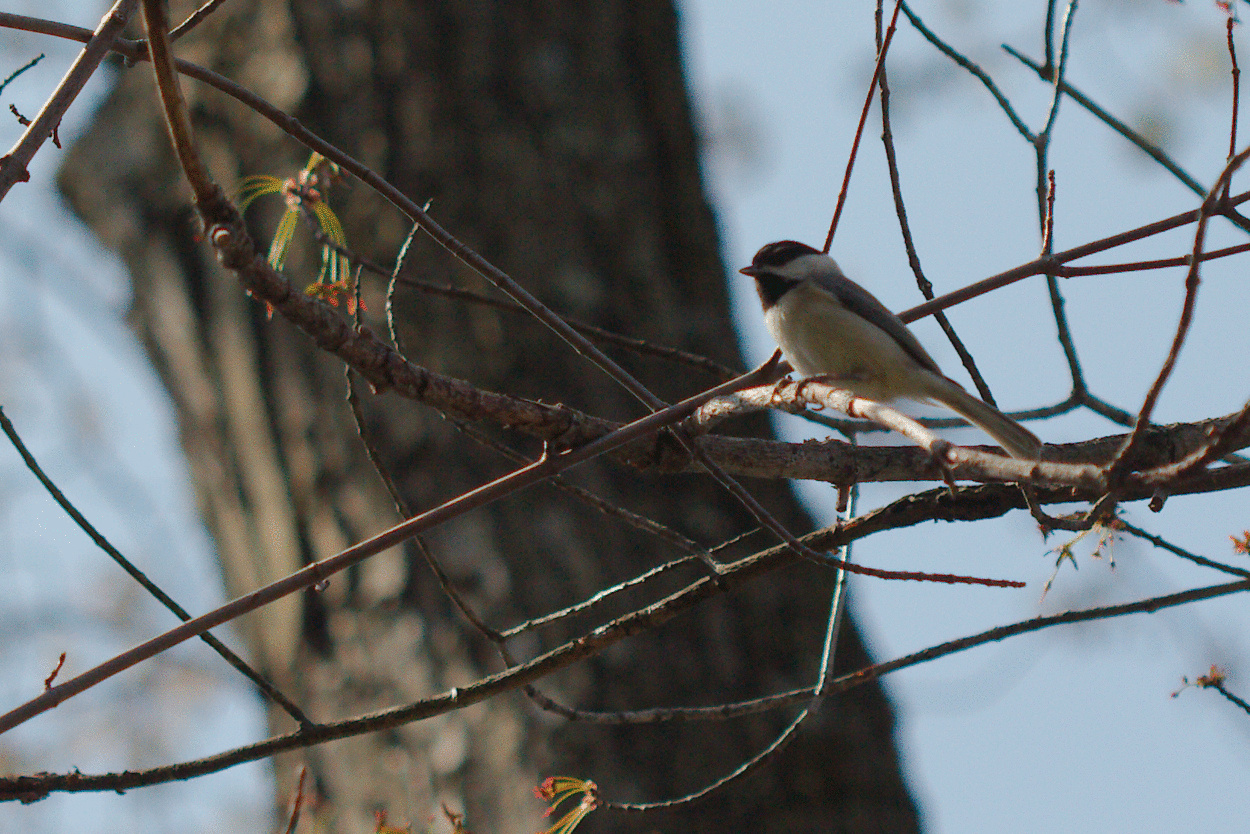
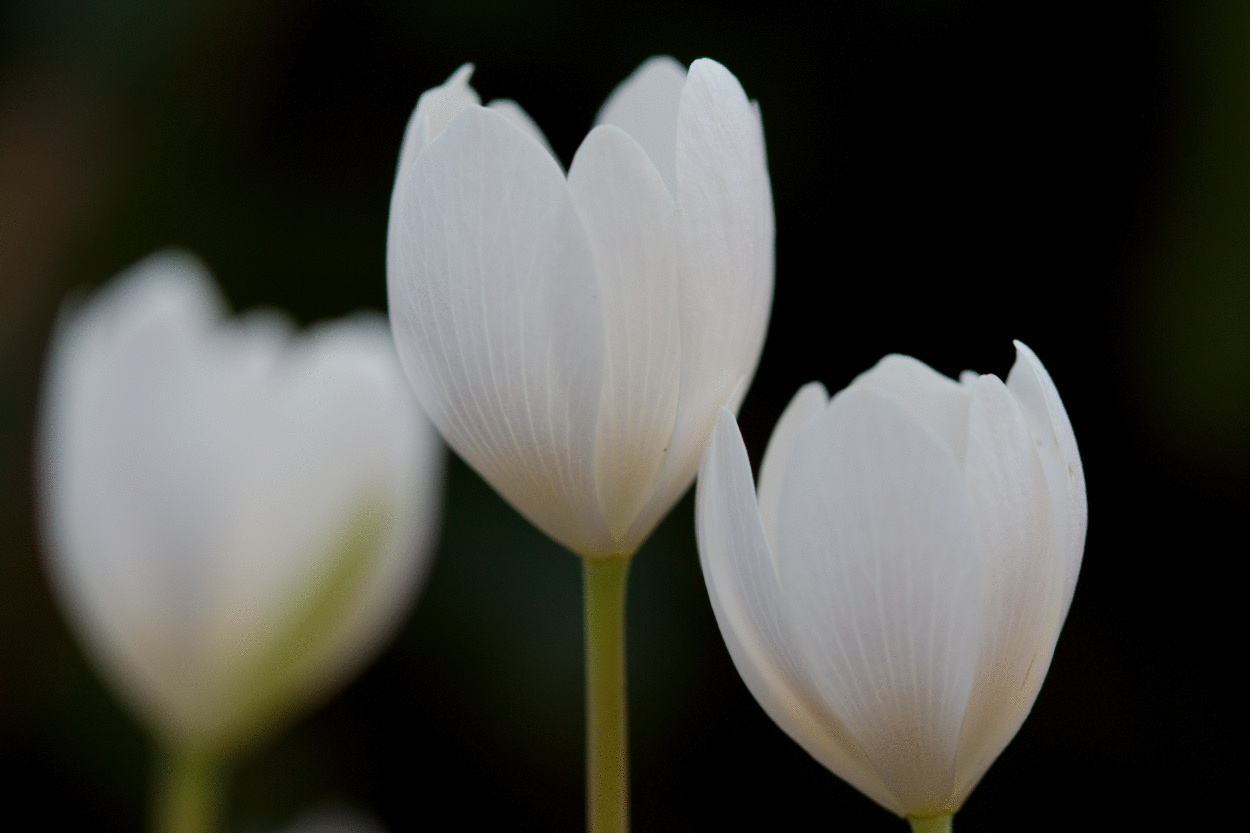
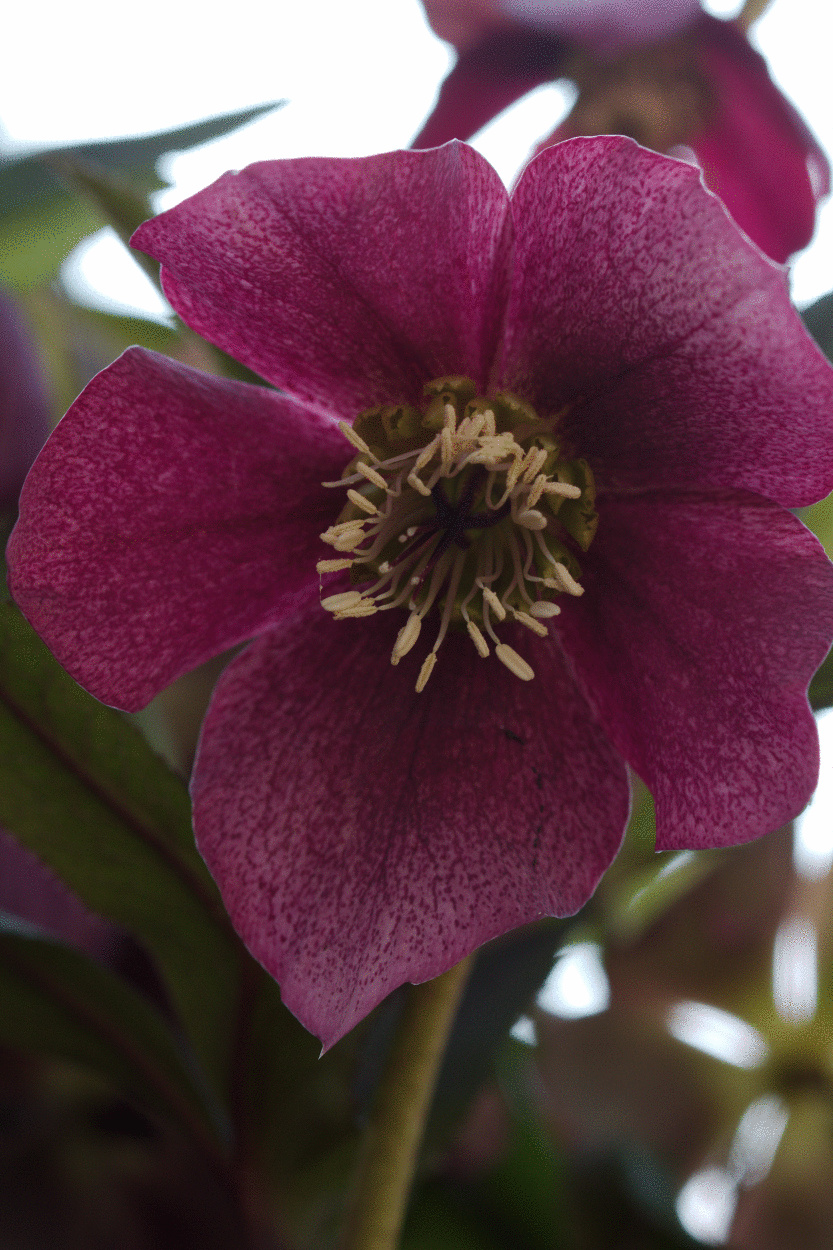
A few of my very favorite flowers. Muscari are terrific. I only wish they were around longer. Even more fleeting are the beautiful white flowers of bloodroot, Sanguinaria canadensis. I’ll try to get some pictures of the flowers tomorrow morning while they are still open. Soon they’ll be gone and the interesting hand shaped leaves will open up. There were lots of birds out this afternoon. A cardinal was singing off and on all day. There were also a bunch of chickadees around but only one got close enough for a picture.
- Muscari armeniacum
- Poecile atricapillus (Black-capped Chickadee)
- Sanguinaria canadensis (Bloodroot)
- Helleborus orientalis (Lenten Rose)
The Ides of March
The spicebush is in bloom and the little things that like flowers are active. It was another warm day today and I took time to go out and enjoy it a little. I wandered around in the woods next to my office and took pictures of spicebush flowers as well as some daffodils that are blooming there. There was a tiny spider on the daffodil and this ant on the spicebush.
Toad In The Grass
It isn’t as sinister as a snake in the grass but a toad in the grass is something to look out for. Cathy came across this fell while working in the yard this afternoon. After I took a few pictures I tried to clear the grass away for a better shot but he didn’t like that and backed down into the ground and disappeared.
Spring Purple
It was cool again today but mostly sunny and beautiful. The last few days, with the alternating warm and rain, has brought out the smaller daffodils and crocuses. There are occasional cherry trees already in bloom although we’re not really close to them all being out yet. There are likely to be lots of daffodil pictures in the coming weeks so I decided to stick to posting crocuses today, mostly just pictures of purple.
I was out in the yard, lying on a tarp because the ground is still very wet. I rolled over and was watching the clouds go by when I saw a nuthatch bopping around on the tree overhead. This picture of it (the third one here) was taken through small branches which accounts for much of the fuzziness. Cute little thing, though.
- Purple Crocus
- Purple Crocus
- Nuthatch
Signs of Spring
After yesterday’s rain and this morning’s fog, it was a perfectly beautiful day today, sunny and quite warm. I took a break to go outside and take some pictures at lunch time and got some more pictures of maple flowers as well as some feral daffodils blooming in the woods next to my building, being enjoyed by a bee, as well.
- Maple Flowers
- Maple Flowers
- Maple Flowers
- Bee and Daffodils
Great Blue Heron
As I pulled into the parking lot at work today I saw this heron down by the water. I parked, slowly opened the door and squeezed off three shots before he got spooked and flew away. The lighting was a bit rough and this long lens of mine is really not very sharp. Gotta save up for something better. Then again, I want something new on the wide end, as well. So many lenses, so little money.
Colias philodice (Clouded Sulphur)
Cathy and I took a walk at lunch time today and I saw a few sulphur butterflies. February seems like the wrong time of year for them, but for all I know they are active throughout the year. Anyway, it’s been a fairly mild winter, so it isn’t too surprising, anyway. This isn’t a particularly good picture but we were on a walk together rather than me being out specifically to chase butterflies. Also, no tripod.
Bald Eagle
When we first went to Alaska we’d be out and about and were constantly looking for bald eagles. We’d see a big bird and get excited only to get closer only to find it was a raven or sometimes not even a bird at all. It’s one thing to know you’re looking for a big bird but another thing once you’ve seen how very big they actually are.
I was out at Brighton Dam today, taking a few pictures and enjoying a fine, warm winter’s day when I looked up and saw this bird overhead. I really wish I had a better long lens—this is pretty fuzzy—still, it’s a bald eagle, which isn’t something you see every day around here.
- Bald Eagle
- Bald Eagle