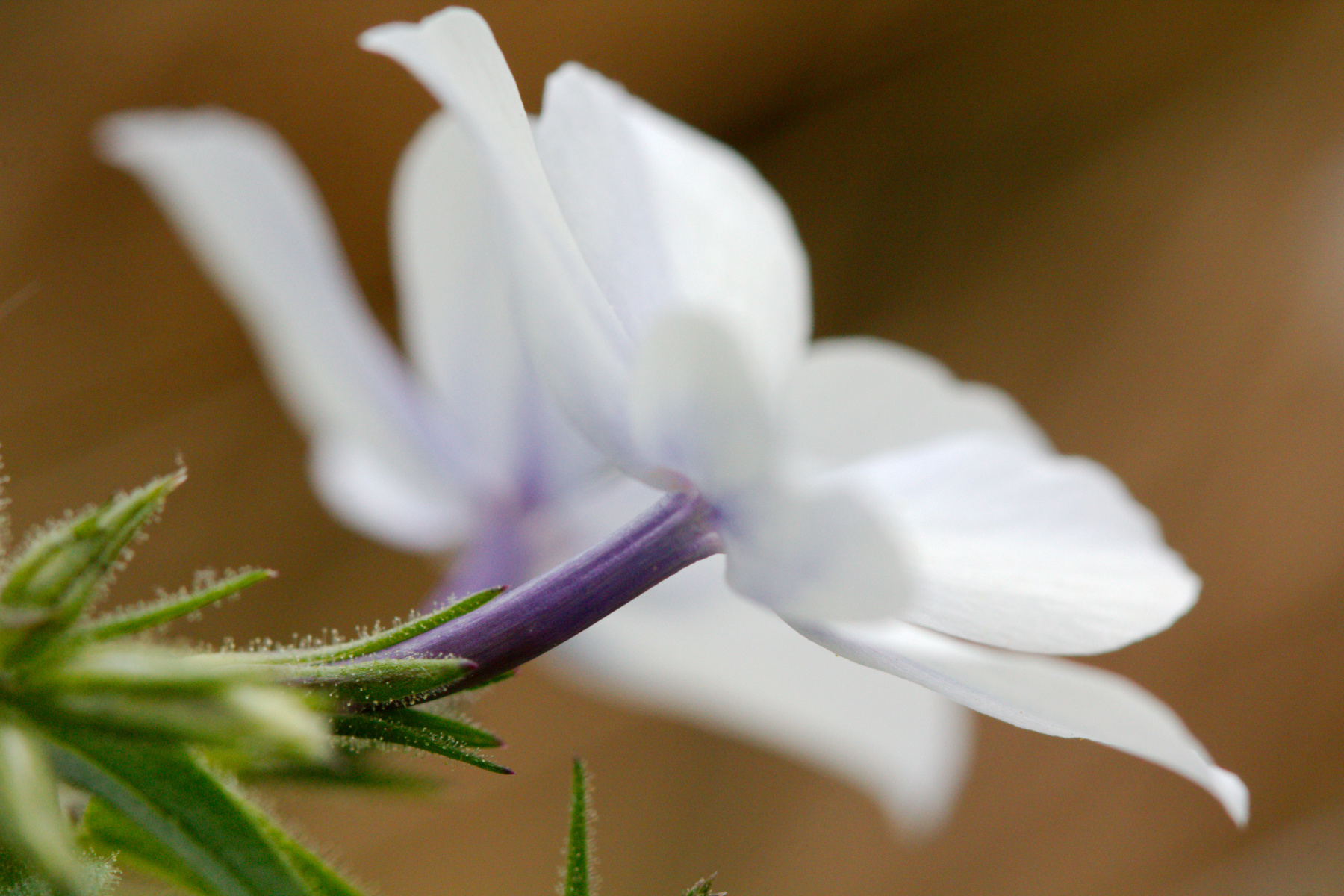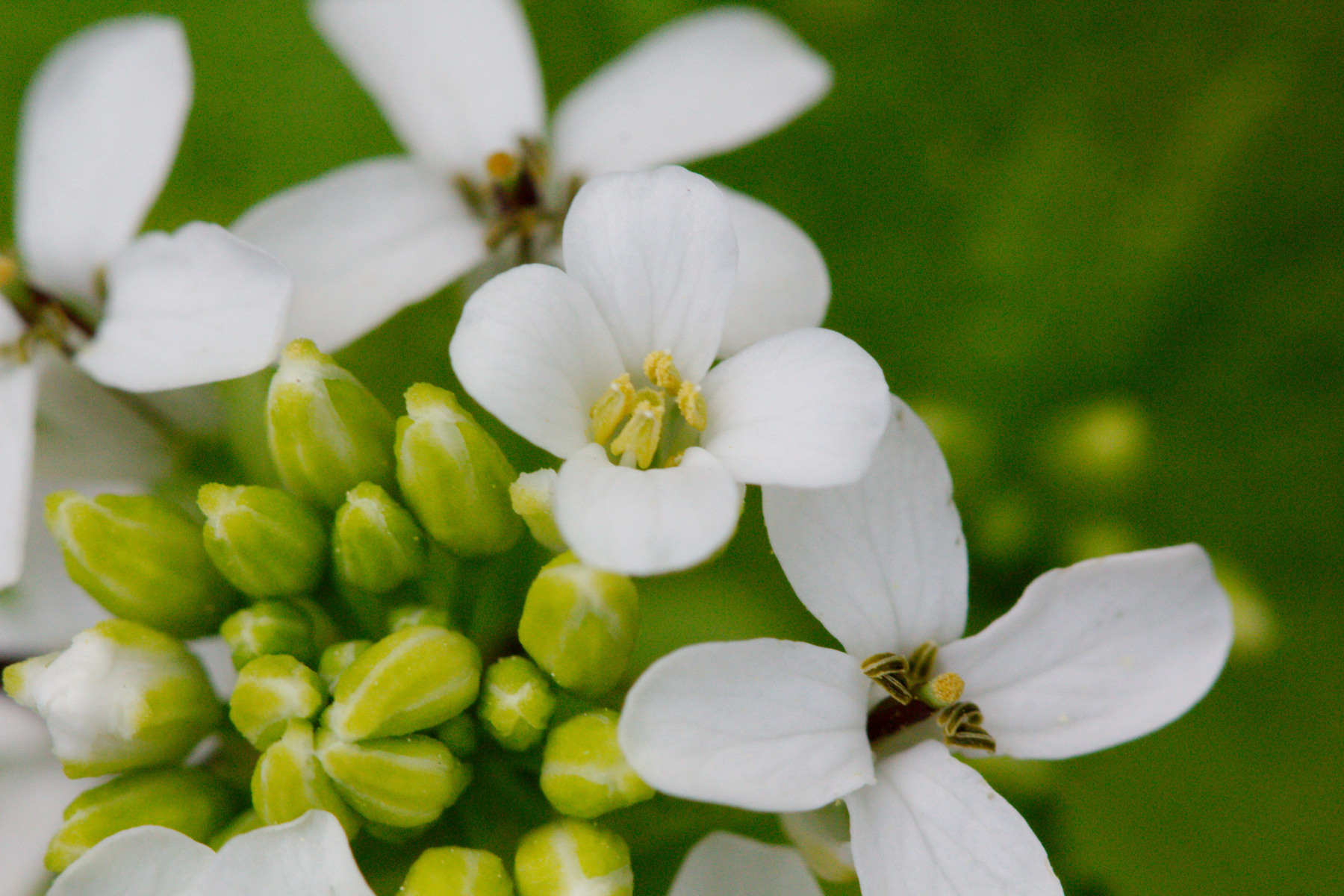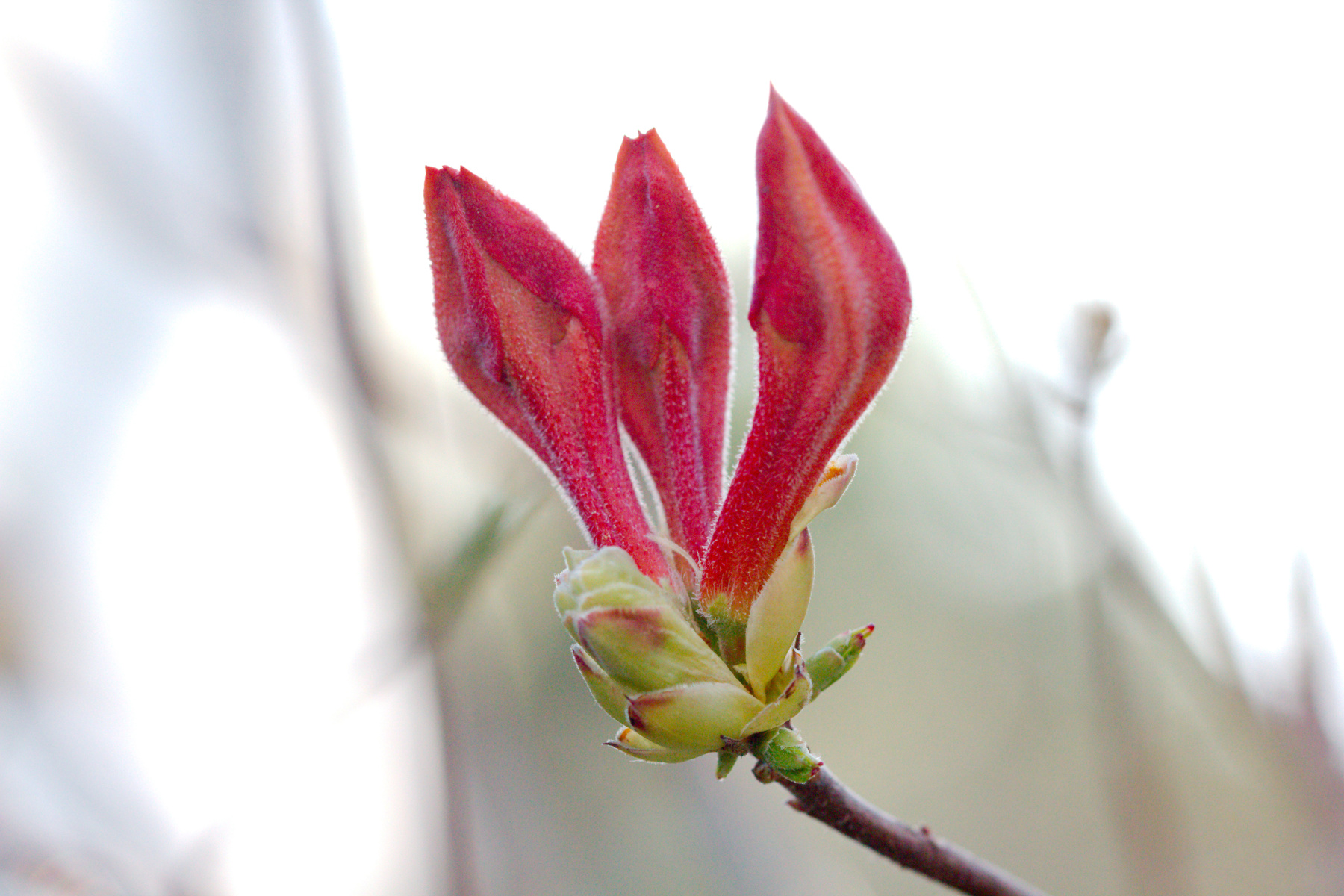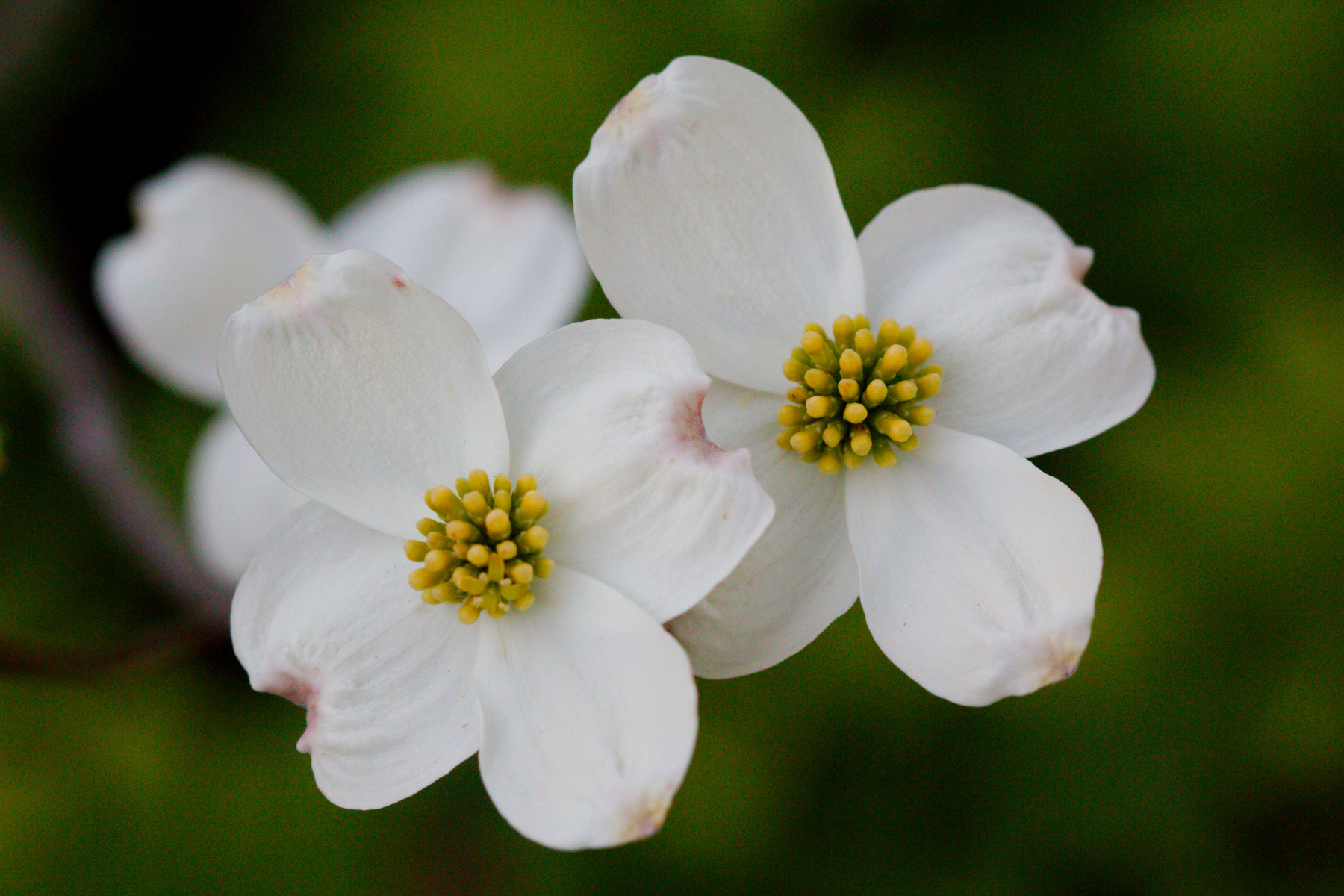
There are columbine (Aquilegia species) scattered around our yard. Most of them are self-seeded volunteers and most of them are this dark, rather compact-flowering variety that seems to come true from seed. I don’t know what its origin is, whether we brought it here or it’s a natural hybrid from some that we had, but it’s quite successful, coming up year after year. It isn’t the most colorful columbine you’ll find, but it’s nice enough and I’m not going to turn down a zero-effort, flowering perennial like this.
Flowers and Plants
Columbine (Aquilegia)
Chives
I have chives growing in two pots on the back patio and they are starting to bloom. They are quite reliable, year after year, and have lovely purple flowers that are always appreciated. I don’t use chives in my cooking all that often, although with such a ready source I probably should. This time of year, though, I sometimes use the flowers to give both flavor and color to food. They have a nice, mild, oniony flavor that goes well with many savory dishes. The chopped up flowers sprinkled over a meat sauce or over a nicely grilled steak are a treat.
Omar Bradley Oak
The family traveled to Pennsylvania today. It’s always good to get everyone together but today was a mixture of joy and sadness. Joy because we were with family, outdoors on a cool day in May. Sad because we came to bury Albert’s ashes. We decided that it would be appropriate to bury them under this large tree, a North American white oak (Quercus alba, not to be confused with the English white or common oak, Q. robur). Based on its circumference, estimates of its age range from about 250 to over 300 years, although we’ve never had it actually dated with a core sample. We’ll just continue to assert it predates the American Revolution.
We used to have a tire swing on this tree and in the 1960s we camped near by in the field that later came to be called the Christmas Tree Field. It’s now difficult to see where the woods ended and the field began, as it’s all pretty much grown up with trees, although there is still a wood duck house on a tree that’s near what was the edge of the field. After we started camping in what is now the yard, we didn’t get over to the tree quite as often.
As for the name of the tree, that was given by some neighbors shortly after the death in 1981 of General Omar Bradley. There is, in some circles, a tradition of naming large oaks after generals and when one of the neighbors mentioned the name to dad, he liked it and it’s pretty much stuck. It’s all very unofficial, of course and this tree is just in the woods on our property, not in a park or other public place. Omar Bradley was the last of nine five-star officers in the US military, having been promoted to General of the Army in September, 1950. Only George Washington and John Pershing, Generals of the Armies (plural) have ranked higher than the nine five-star officers.
Myosotis sylvatica (Woodland Forget-me-Not)
Cathy planted some woodland forget-me-nots (Myosotis sylvatica) shortly after we moved here. It is a short-lived perennial but it self-seeds so we’ve had it around in various places since. It has beautiful, powder blue flowers that help fill the gap between the bulbs, which are basically done, and the summer flowers, which are still a ways off. They are also not generally eaten by rabbits and deer, which is important in our yard. It has continued to be a cool spring but the forecast is for very warm weather tomorrow through Friday and I’m not sure if these will be around much after that. The azaleas are starting to bloom, though, so we’ll still have some color.
Lily of the Valley (Convallaria majalis)
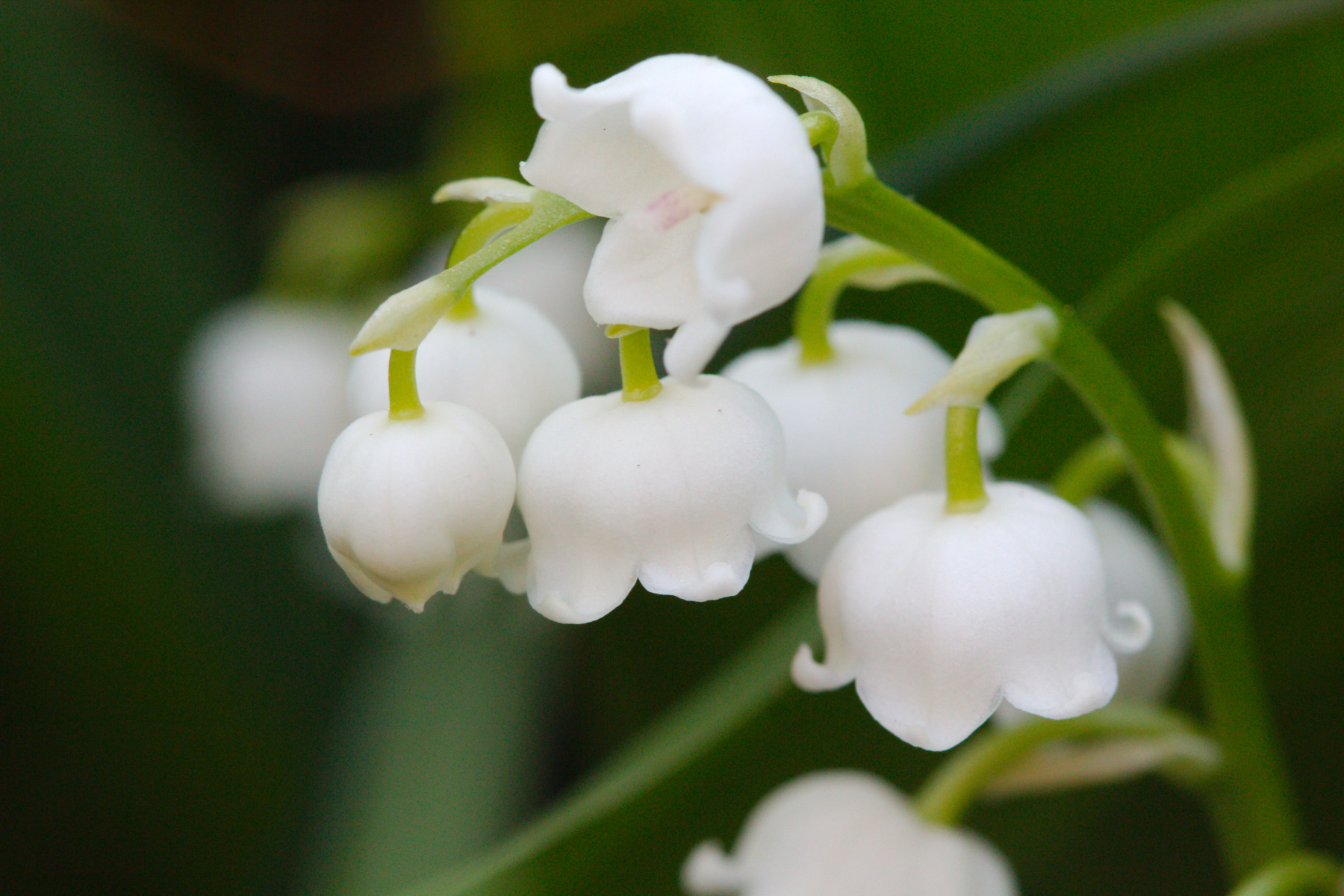
The lily of the valley (Convallaria majalis) is starting to bloom. This is a beautiful little plant and quite tough. It does take quite some time to get established and it’s fairly expensive to buy but it’s worth having. When we lived in our old house, we dug up a bunch (with permission) from a yard that was being bulldozed in order to widen a road. There were places it was growing up through asphalt. One thing about it, though, is that it seems to want to ‘move’ through the garden. That is, as it expands in one direction, it dies off where it was. So we have this mass of lily of the valley but as a unit, the whole mass is moving. In our case, it’s moving out into the yard and leaving an empty space behind. I’m not sure how to reverse that.
Pieris japonica
Yesterday I had a picture of relatively inconsequential flowers. Well, they are inconsequential to us because they aren’t all that pretty, but they are fairly consequential to the plants that have them. Also, they have a wonderful, sweet aroma. Today, we have leaves that are as pretty as (or prettier than) many flowers. They have no aroma, of course, but they are quite striking. This is a variety of Pieris japonica (Japanese andromeda), possibly ‘Mountain Fire’ or something similar. The new leaves are a bright red, visible from quite a distance against the glossy green of last years foliage. By the middle of summer these new leaves will have faded to green, as well, but for now, it’s a brilliant display.
Holly Flowers
We don’t normally think of hollies as being flowering tress but of course they are, as members of angiosperms (a.k.a. the magnoliophyta) they are flowering plants. Their flowers are not nearly as showy as their fruit, however, consisting of tiny, yellow flowers. Holly flowers are generally greenish white and as you can see in this picture, on this particular holly they are grouped along the stem in. They have four petals and this holly, like most species of Ilex is dioecious, meaning that there are separate male and female plants. This one is apparently male, as it has flowers each year but never has fruit.
Shade Garden
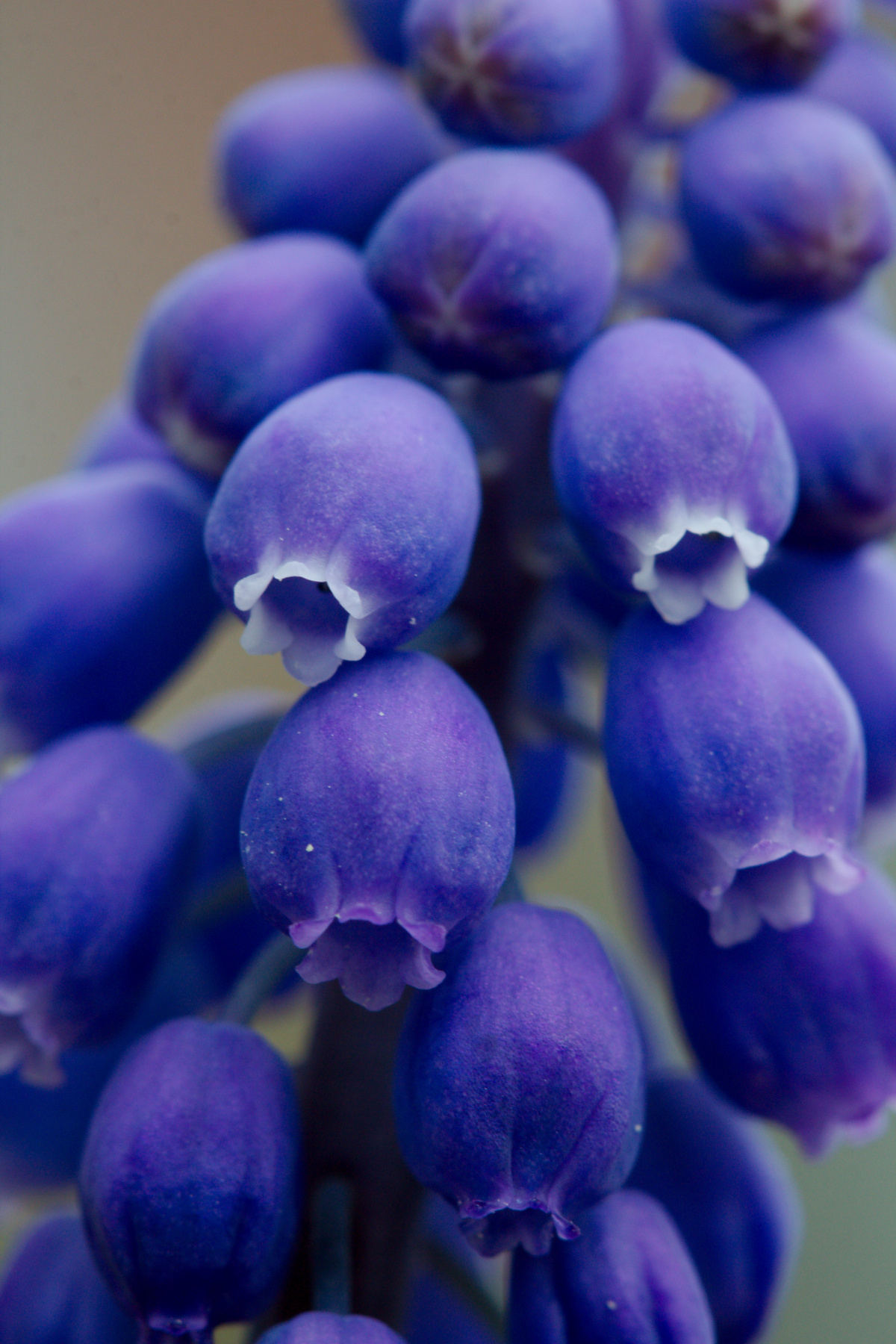
In the shade under the dying cherry tree that I mentioned yesterday is a shade garden. There is Japanese spurge (Pachysandra terminalis). We’ve added a few things, including the sweet woodruff (a.k.a sweetscented bedstraw, Galium odoratum) and some bulbs including the grape hyacinths (Muscari armeniacum) seen on the right. There are also a few ferns of various types and I wouldn’t mind more of them. There are Spanish bluebells (Hyacinthoides hispanica) in the upper left that will be blooming in a little while and I’ll probably have pictures of them when the time comes.
Cherry Blossoms
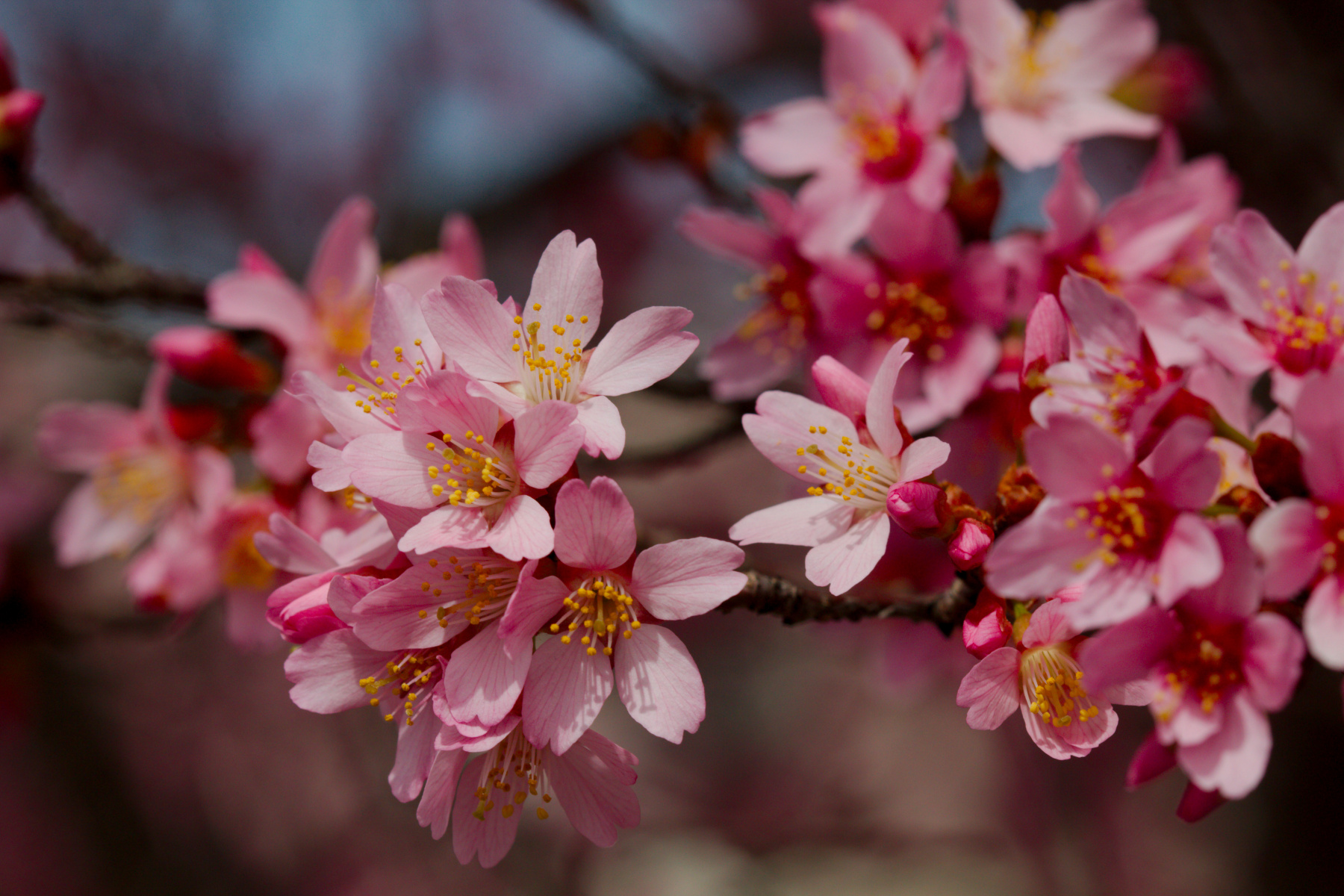
Our second cherry tree is in full bloom. The two trees are different varieties and are quite different from each other. The first to bloom has small, single, pale pink flowers. This one, which blooms two to four weeks later, has large, frilly, double flowers of a much more vibrant pink. It’s also a healthy tree. The first to bloom is slowly dying. Each year, another branch goes. I’ve planted an apple tree not too far from the dying cherry and that will eventually will take its place. There is a second apple behind this cherry. They are ‘Goldrush’ and ‘Arkansas BLack’, the former a late-maturing yellow apple and the latter a dark red.
Aquilegia (Columbine)
This is a little columbine (Aquilegia) plant that Dorothy potted up. It’s a very little thing but has two, beautiful blooms, one of which is shown here. Cathy moved it to the concrete bench outside our front door (which we call the stone table, with apologies to C. S. Lewis). So it greets us as we go out and welcomes us back when we go in. We have a few plants scattered around the yard but those in the ground are not blooming yet.
Narcissus ‘Lemon Beauty’
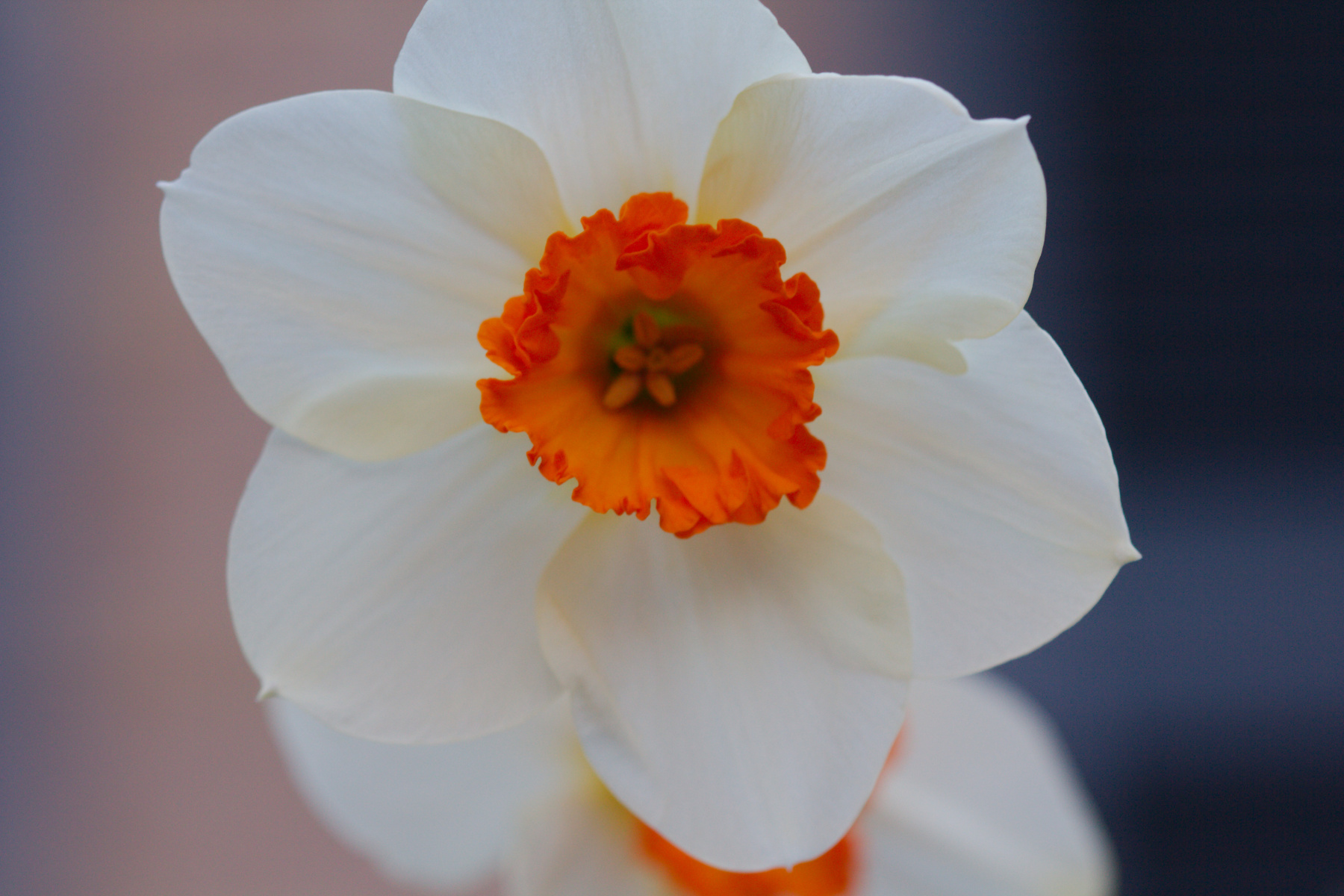
The daffodils are generally past their peak but there are a few that are still going strong. These pretty, mostly white daffodils, called ‘Lemon Beauty’ are later than some and still look quite good. I planted them in the fall of 2014 and they seem to have settled in well enough. They are on the western side of a bed that is around a nearly dead Colorado spruce (Picea pungens). I need to cut the tree down and replace it with something more ornamental (and what isn’t more ornamental then a mostly dead spruce?). But the daffodils can stay, of course. I bought these bulbs from John Scheepers. Their description of this variety, is:
Lemon Beauty is a rapturous 4″ Lefeber Papillion-type with a bright ivory-white perianth accented by a radiant, star shaped lemon-yellow heart. Narcissus Class: Split-Cup Papillon (Royal Horticultural Society Division 11). Bulb size: 14/16 cm. April. 16″. HZ: 4-8.
Silver Maple Leaves
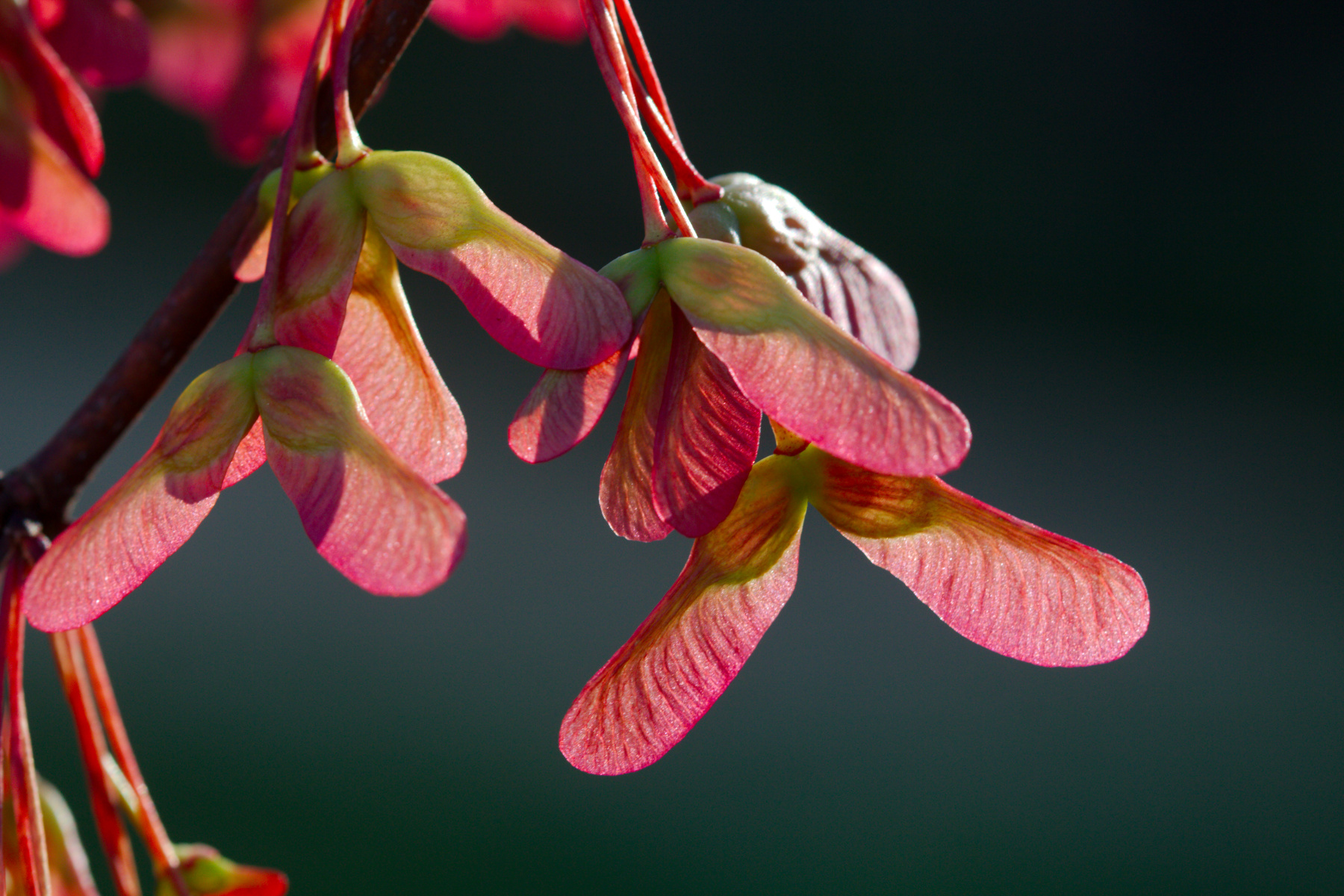
We spent the better part of the day on the deck at Cathy’s mom’s house today, going through boxes of papers. We found some interesting things, including Cathy’s first passport. There was a little bit of chaff among the grain, of course. The sun was out and shining on the newly opening leaves of a silver maple (Acer saccharinum) growing above the deck. They are a lovely orange color. Soon they will turn green, of course, but that’s just for the purpose of soaking up the sunlight. Come October they will return to orange in their lovely fall finery.
Lilacs
Cathy grew up with parrots in the house. Her father’s family had one when he was young and after they moved back to the states in the 1960s, they had two for many years, Roscoe and Red Head. When Red died, Jim planted these lilacs in his honor and they continue to bloom, year after year. They are a bit leggy, at this point, and could do with a bit of pruning (and a bit more sun, truth be told) but they are still quite beautiful. The only lilac I have in my yard is one grown from seed that I got from The Seed Guild (no longer extant, I believe). It is doing well but has never bloomed. My memory is that it was called a Korean Lilac, but it doesn’t look like Syringa meyeri, which sometimes goes by that name. I’ll have to see if I can find my notes from many (many) years ago.
Flowering Almond
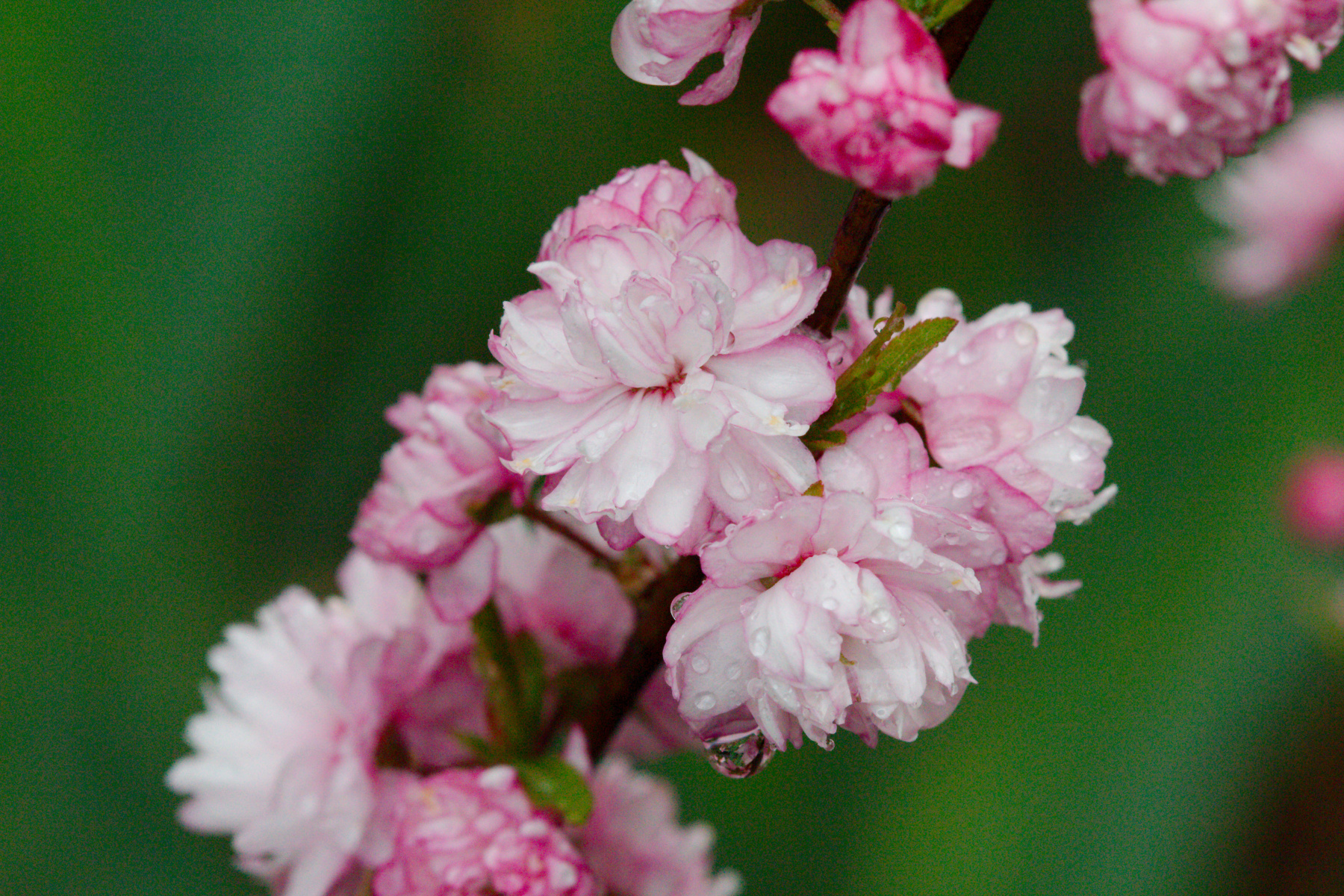
This little shrub seems to barely make it through each winter but then in late April, it surprises us with stems covered with beautiful, very double flowers of delicate pink. I don’t know that I’d go out of my way to find this plant for my garden if I didn’t already have it, but I’m certainly glad for it, since I already do. It isn’t spectacular and it isn’t large. On the other hand, it takes virtually no care. I just cut off the branches that have died from the previous year and it continues to do its thing. Who could ask for more?
Thalictrum thalictroides (Rue Anemone)
After church Cathy said I should go into the woods because there were some wildflowers that I might like to photograph. There were, indeed. They are rue anemone (Thalictrum thalictroides), a native to eastern North America and a pretty little spring flower. As you might guess from the common name, the plant is quite similar to the meadow rue (in leaf form) and to the anemone (in flower form). It’s a pretty little woodland flower and would be a nice addition to a shade garden.
Camellia japonica ‘Pink Perfection’
Some things are worth waiting for. If they were not, we’d have a hard time planning for anything farther away than next week, I guess. Some things, like trees and to a lesser extent shrubs, take a while to be worth planting. In the spring of 2010, I planted a small Camellia japonica called ‘Pink Perfection’. It was small to begin with and struggled through the first couple years. I’ve lowered the pH of the soil around it, and that seems to have helped significantly. It bloomed a few times the first year but hasn’t bloomed since until now. Hopefully it is becoming well enough established that it will begin to grow and we’ll get more like this in the years to come.
Narcissus ‘Arkle’
I hope you’re enjoying the spring flowers. I know some of my followers are in the south and your flowers started earlier and your daffodils may be finished by now. Others are to the north and the daffodils are only just getting started. The early dafs are done here but there are quite a few still in full bloom and one or two that are yet to come. This is a large, bright yellow daffodil called ‘Arkle’ that I planted in the fall of 2014. This being only their fourth year here, they are not as well established as the very similar ‘Marieke’ planted five years earlier. Still, they’re putting on quite a show.
Helleborus ‘Red Racer’
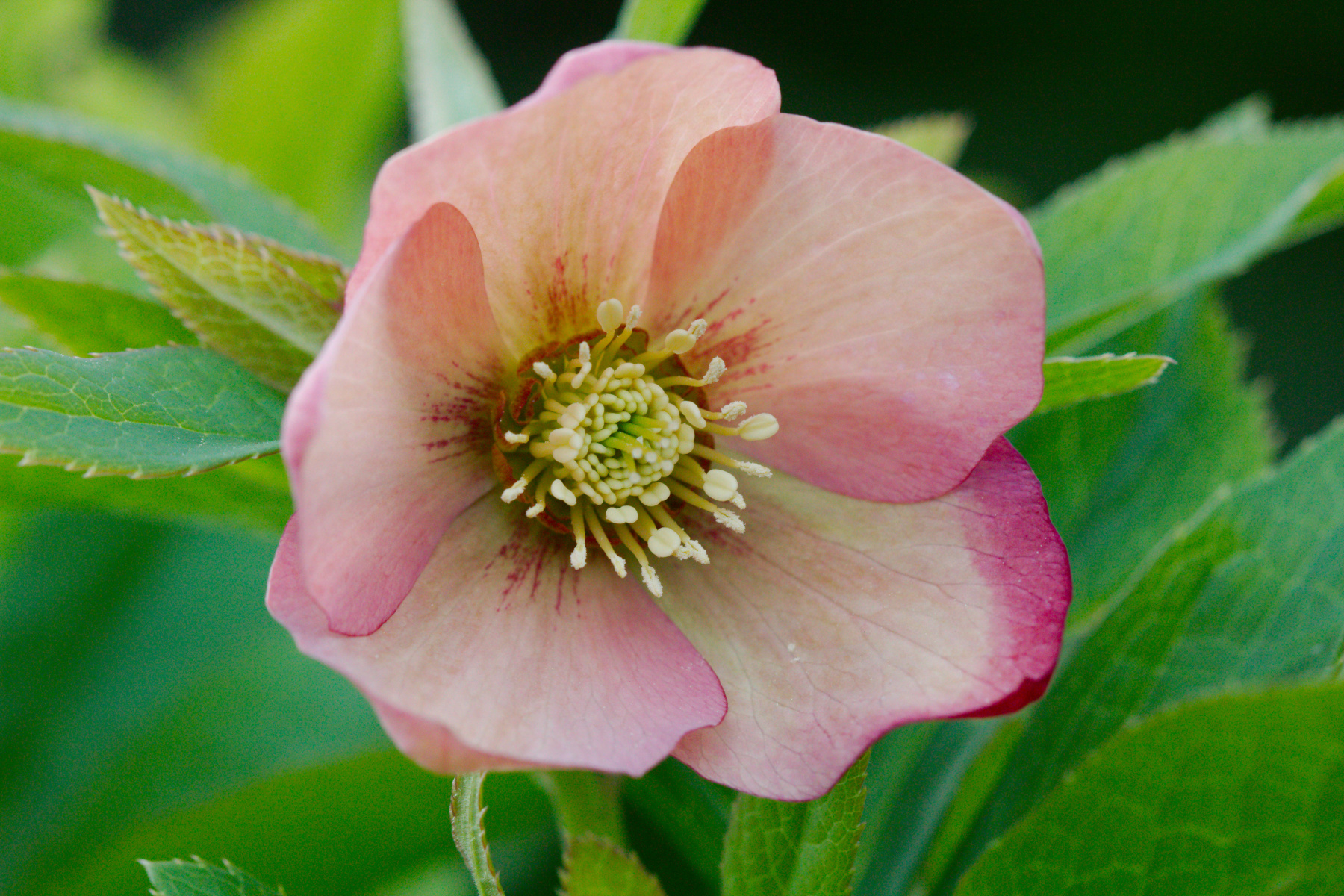
One of my favorite things is the color of flower petals (or leaves, for that matter) with the sun shining through them. Even flowers that are beautiful on their own, like this Lenten rose (a Helleborus called ‘Red Racer’) are even more lovely lit from behind. At least that’s my opinion. I bought two of these from McClure & Zimmerman in the fall of 2014 but they no longer list it on their web site. I bought three others at the same time, two ‘Rose Quartz’ and one ‘Mango Magic’. We also have some white or nearly white varieties that we got from Brady when Brookside Gardens was replacing them with something else.
Daffodil
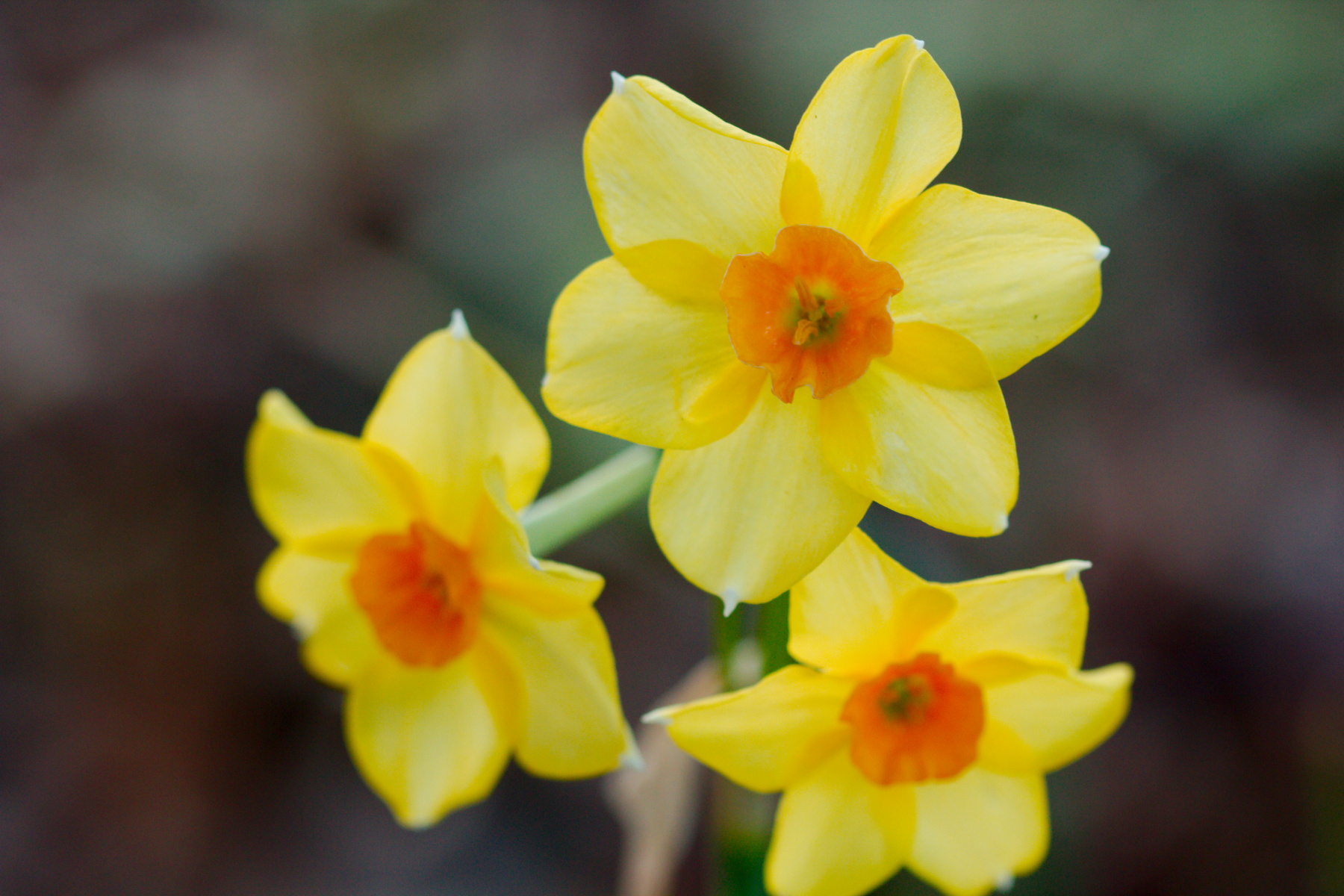
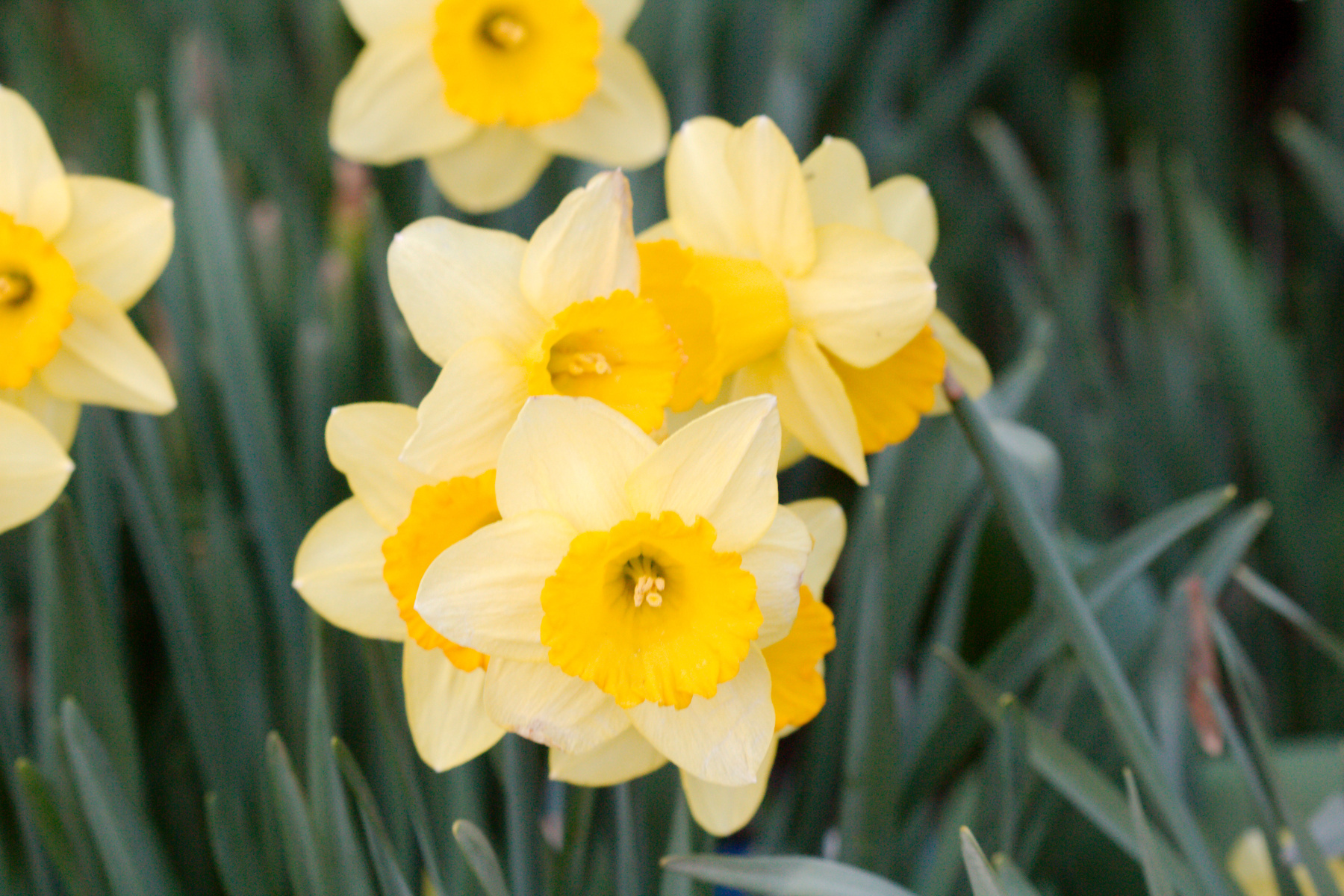
This is among the first things I planted when we moved here eleven years ago. These bulbs and a few others were given to me by a good friend as payment for taking some family photos for her. They’ve done very well between our front walk and the house and always give good value. Daffodils have some exceptional qualities. For one thing, they are very reliable, coming up every spring without so much as a peep of complaint. A late freeze or snow fall doesn’t bother them, the deer and rabbits leave them alone, and every year the clumps get larger, eventually growing together into drifts that brighten a rainy spring day. What’s not to like?