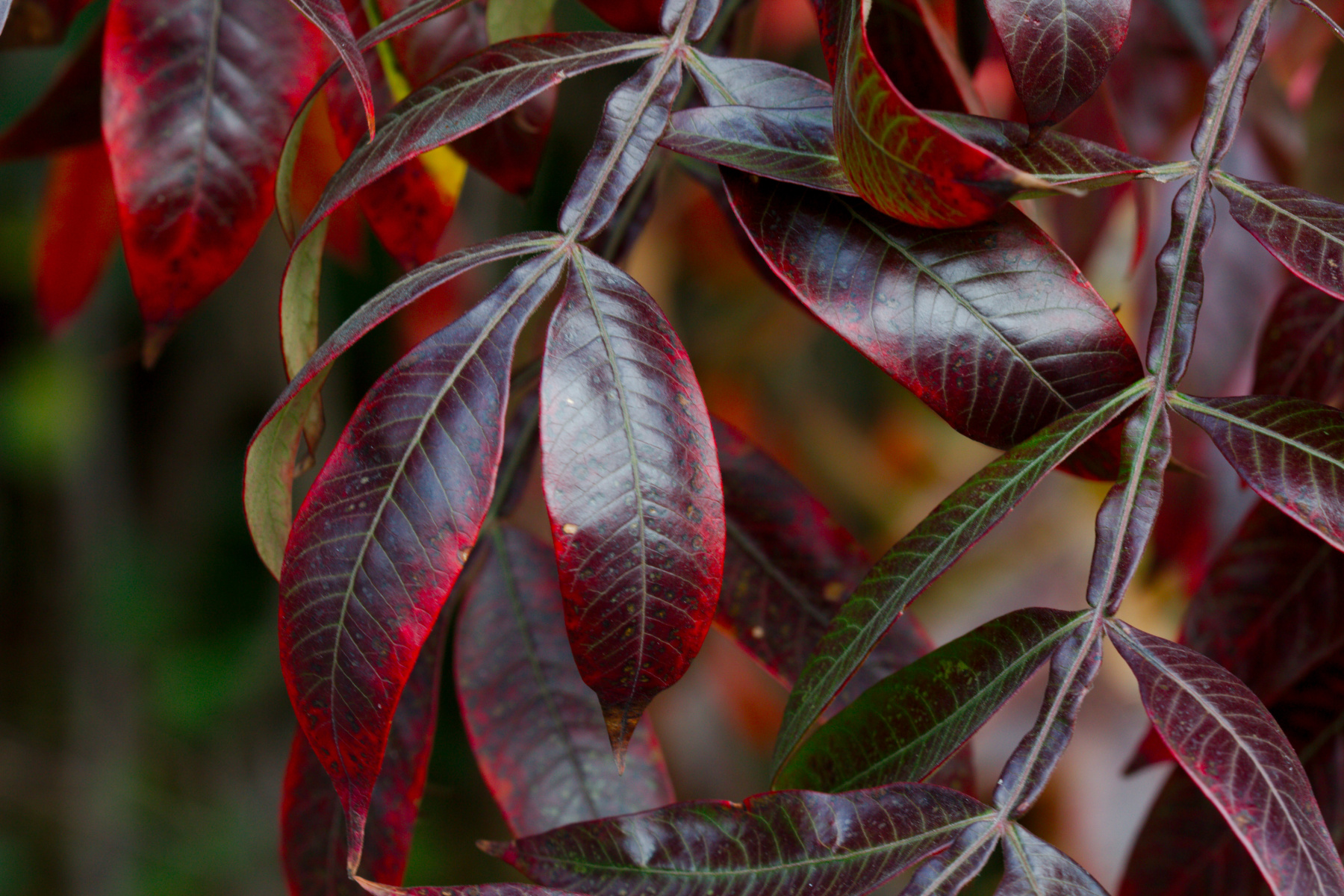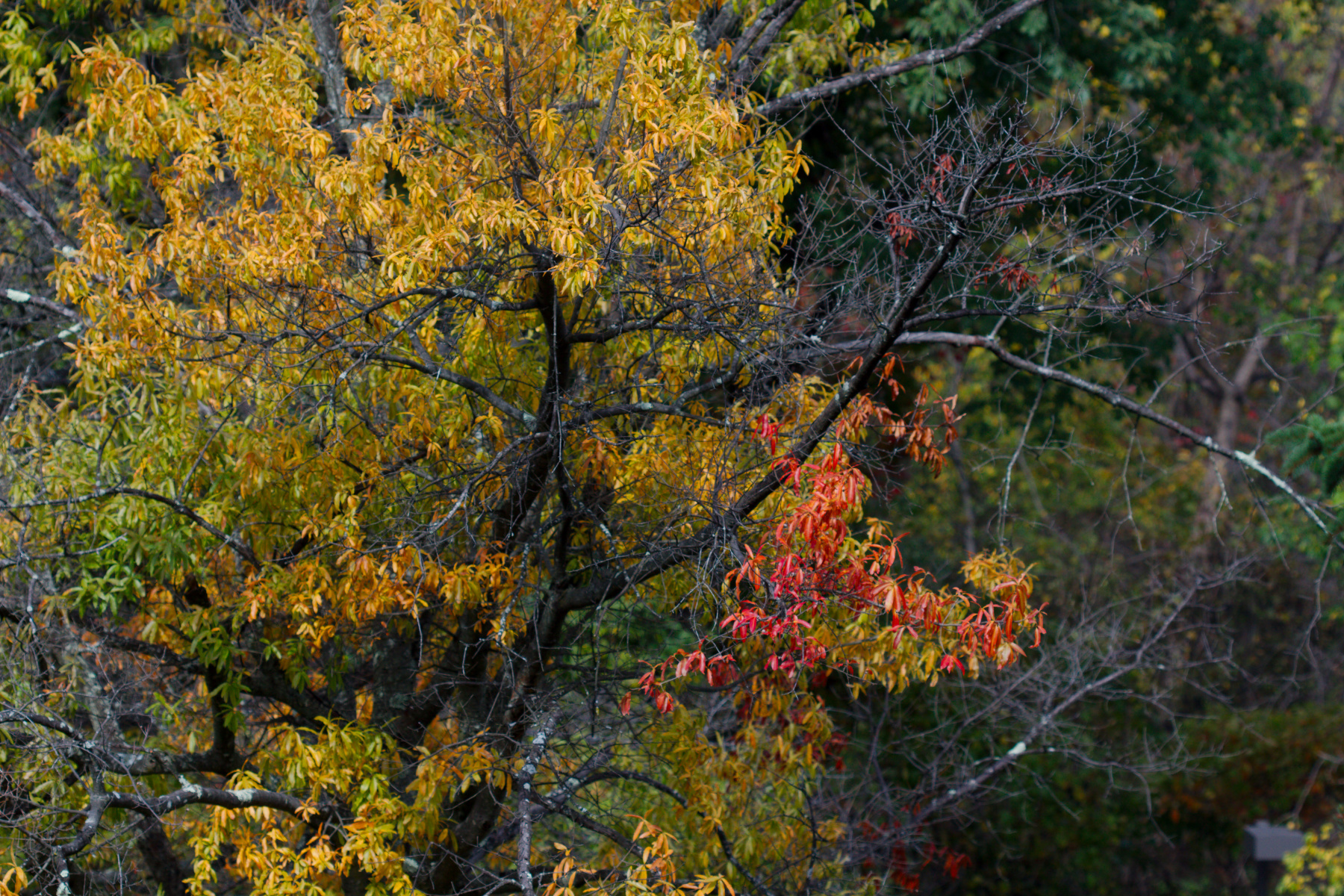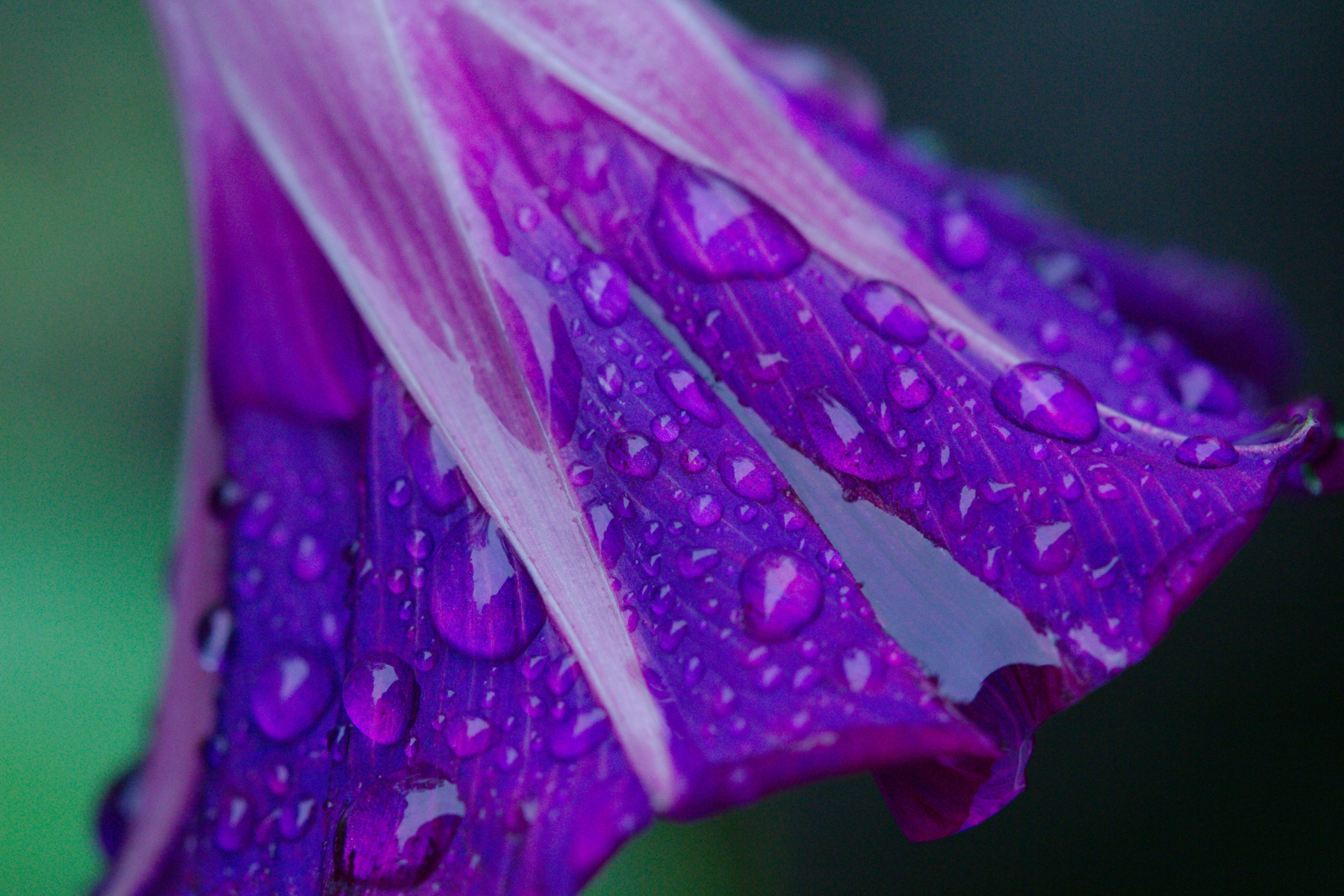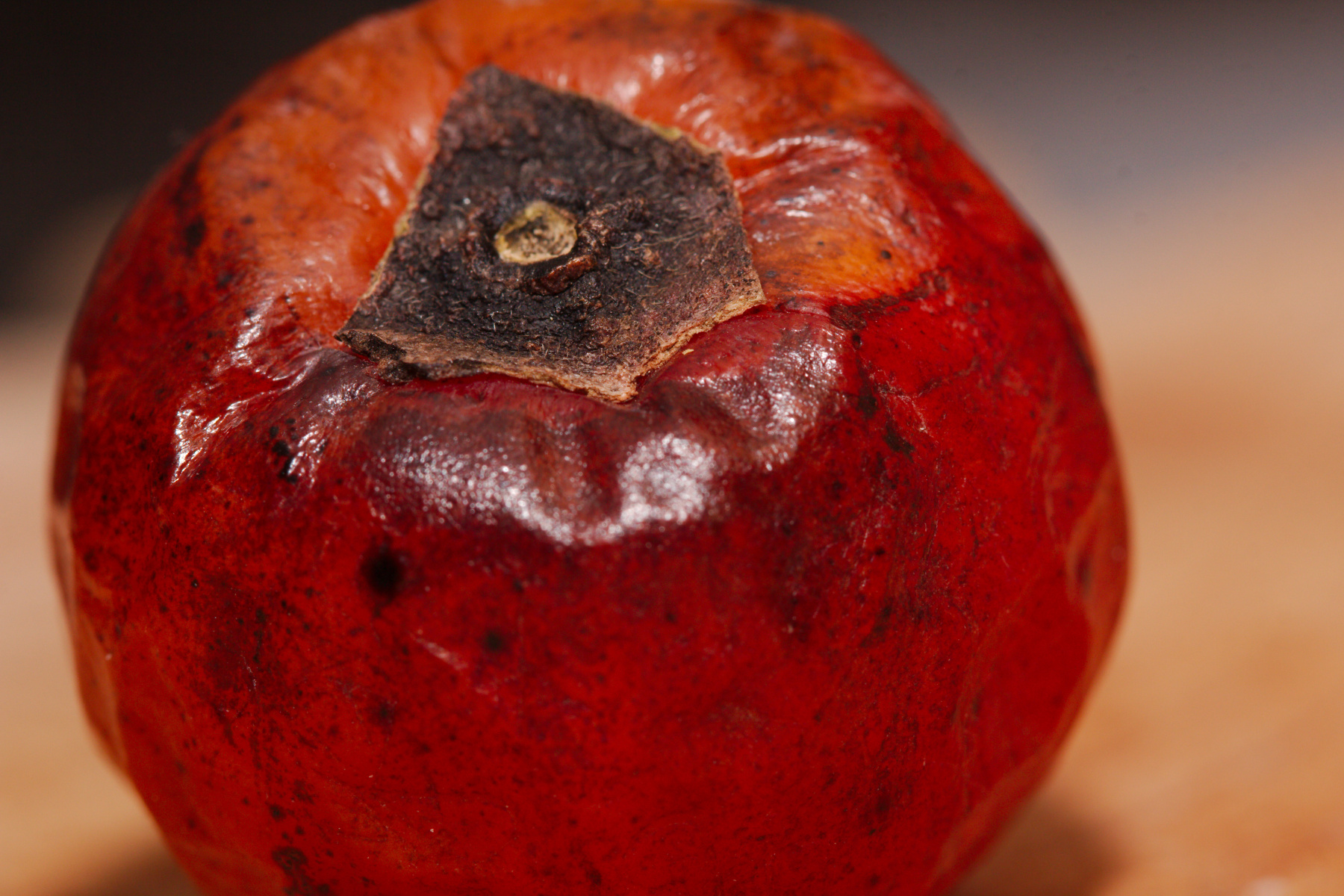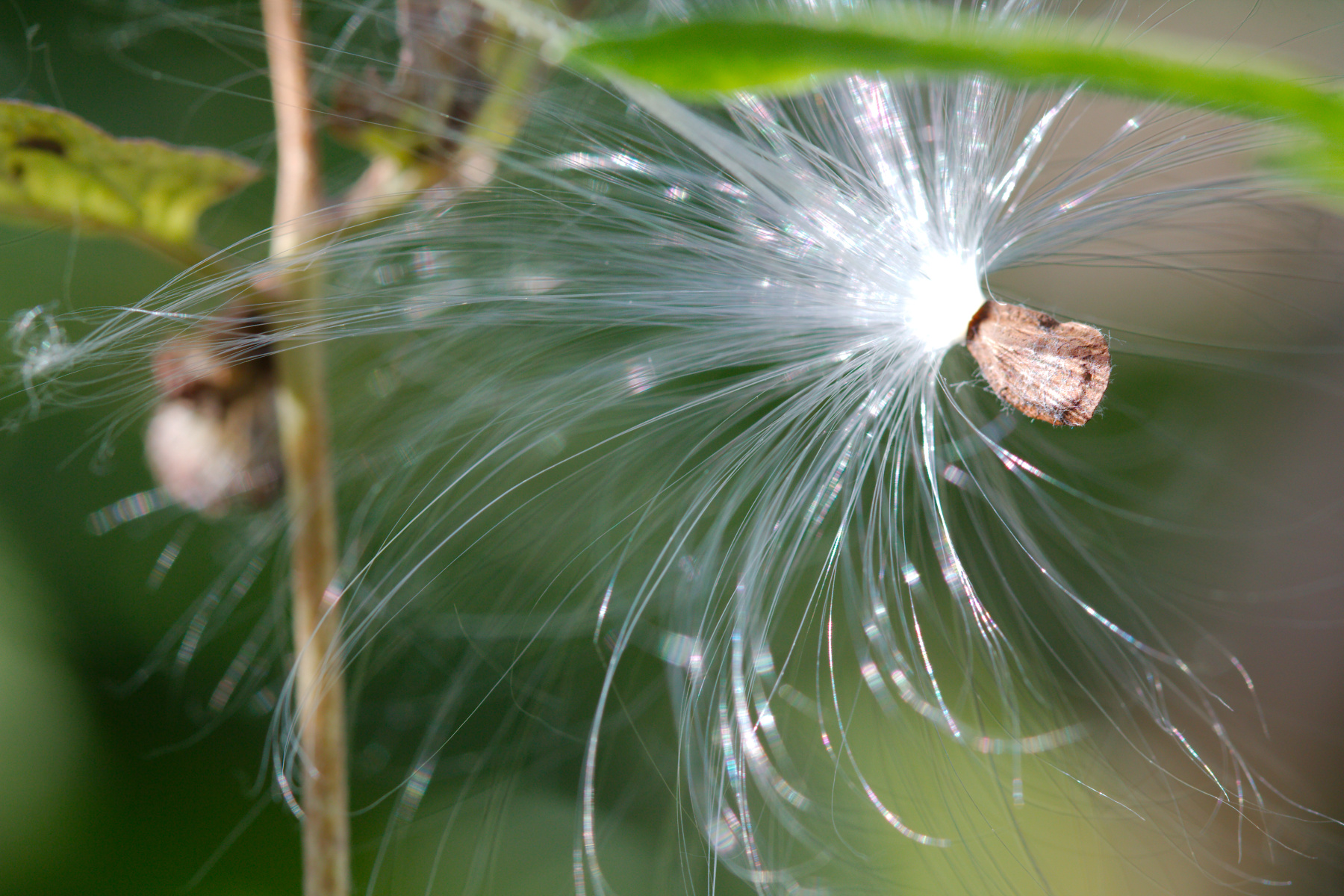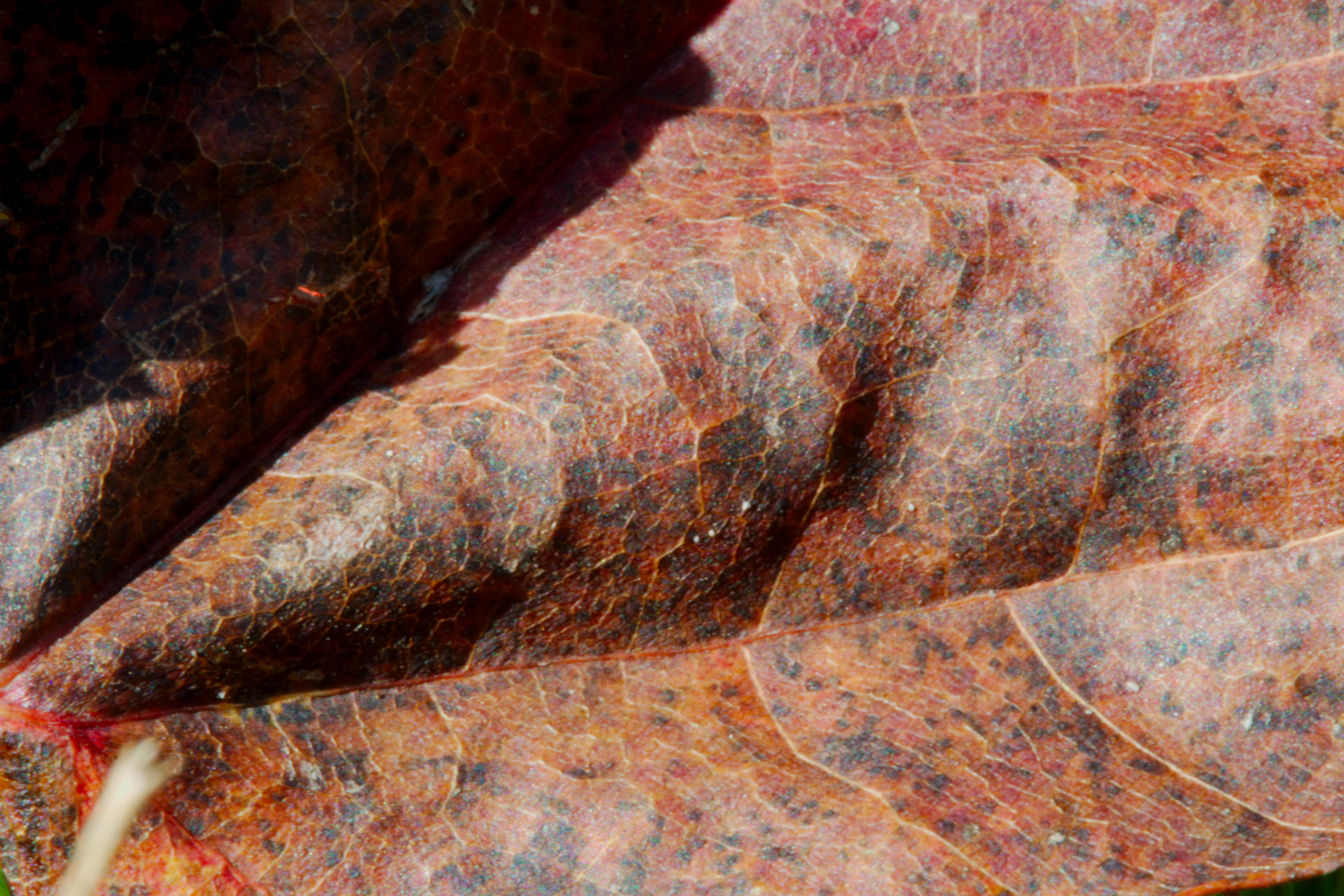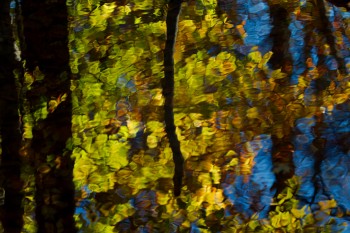
A few years ago I planted a few fastigiate English oaks. The English oak, Quercus robur is a handsome tree with beautiful, gracefully lobed leaves, similar to the white oak, Quercus alba of North America. The trees I bought were a cultivar that grows very narrow and upright (which is what fastigiate means). I bought a bunch of small trees and planted planted them in various places around the yard, assuming some would not live but hoping at least one would. There is one growing to the north of the house and another in the back of the back yard. This leaf is on the second tree, in the back, and something has been eating the bulk of the leaf, leaving a skeleton and actually one surface of the leaf intact. I think it’s kind of beautiful, in spite of the fact that this is insect damage. There are enough untouched leaves that I’m not worried for the tree.
Flowers and Plants
Brookgreen Gardens and Lowcountry Zoo
A bunch of us went to Brookgreen Gardens today. Seth, Iris, and Tsai-Hong stayed until about 1:00 before moving on to the lowcountry zoon and then headed back to the beach. Cathy, Dorothy, Jonathan, Dot, and I had lunch and then did a bit more walking in the gardens before hitting the zoo. I took a lot of pictures of sculpture and a few of dragonflies and grasshoppers (the huge eastern lubber grasshopper, Romalea microptera). I really enjoy both the sculpture and the setting. It was hot today but not really hot by South Carolina in August standards. In the shade it was actually pretty pleasant. This first picture is of my favorite tree at Brookgreen gardens. It is in the corner of the Palmetto Garden and really is part of the Live Oak Allée that’s just across the wall. I think it’s magnificent.
Of course we also went to the lowcountry zoo where we saw black-crowned night-herons (Nycticorax nycticorax) as well as a few egrets and an ibis. The otters were very active and we enjoyed watching them swim around for a while. It was actually feeding time at the alligator pond but the alligator we saw must be well fed because he was pretty blasé about the whole thing.
After leaving Brookgreen, we drove to Murrill’s Inlet for an early dinner at Nance’s. Dorothy, Jonathan, and I shared a half bushel of steamed oysters while mom had soft-shell crab and Cathy had a crab cake.
Tiger Lily In The Rain
We had rain today (and as I write this a week and a half later, it’s raining again). We often go for weeks in the summer without significant rain but we’ve had a reasonable amount this summer. I’m not complaining, I actually prefer a slightly wet to an overly dry summer. The plants generally do better and it tends to cool things off a little. Cloudy days (rain or no rain) tend to make colors more intense, as well. You can certainly see that in this picture of a tiger lily (Lilium lancifolium) dripping with rain, especially with the green background to set it off.
Green
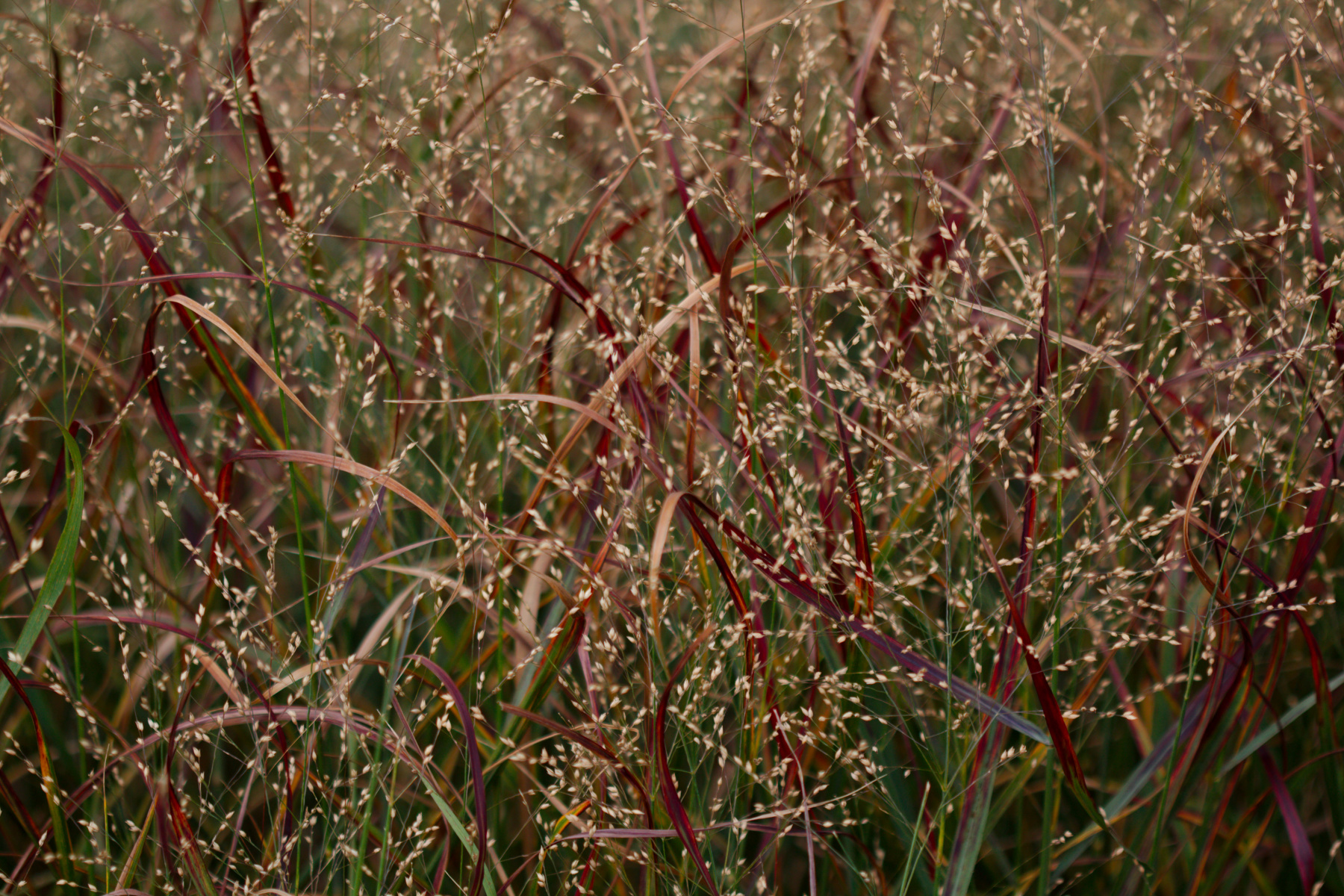
As you may have noticed, I’ve been going out into the field next to my office a bit lately. Although it’s fairly hot out in the sun, it’s still a nice break from work and worth the heat (for a little while). Two things that I particularly like about being there are the solitude and the colors. Solitude is sort of obvious. Much of the property is hidden from the road by a large mound of soil that was scraped up when the owners began preparing the site for building (building that has not happened, twenty years later). Even when I’m close enough to the road to be seen by passers by, the ragweed is tall enough that if I sit in a clearing I cannot be seen. As for the colors, they are mostly greens and browns. I really love the various shades and this photograph, which is somewhat abstract, captures some of them pretty well.
Catharanthus roseus (Madagascar Periwinkle)
After work today I did some prep work and then we went over to Cathy’s mom’s house where I fixed Panang curry for dinner. Cathy wanted to plant some annuals and we hadn’t seen her in a little while, anyway. While I cooked dinner Cathy worked with her plants. I took a short break while the curry was simmering to take a few pictures, including this one of Madagascar periwinkle (Catharanthus roseus). It is a woody based perennial where it is hardy (USDA Zones 10-11, so not here) but it is grown as an annual in colder regions. The species has rosy-pink to red flowers with mauve throats but cultivars with other color flowers, like this while variety, are what is commonly found in garden centers.
Blow Fly on Monarda
I got a few insect photos today, including a few of large milkweed bugs (Oncopeltus fasciatus) on milkweed (Asclepias tuberosa), an eastern tiger swallowtail (Papilio glaucus) on buddleia flowers, an eastern bumble bee (Bombus impatiens) on a coneflower (Echinacea purpurea), and some sort of longlegged fly (family Dolichopodidae). Finally, I got some of this blow fly (family Calliphoridae) on scarlet beebalm (Monarda didyma). It’s not my favorite insect. In fact, I’d have to rank it in the bottom half rather than the top. I don’t mind wasps and bees in general but flies and particular what I consider to be the ‘annoying flies’ are in the negative side of the scale, along with mosquitoes and horse and deer flies. But their metallic green bodies are pretty cool, in spite of that.
Clivia in Bloom
Each spring we move our clivia (Clivia miniata, also known as Natal or Kaffir lily) into a shady spot in our back yard. It cannot take the summer sun and so it needs to be in a protected spot but it’s also best if it’s in a place that will get rain (if we have any) because we sometimes forget to water it. This is a fairly tollerant plant, though, and can actually take a little neglect. When I got it from a co-worker who was leaving the it had outgrown it’s container. It had also fallen over and out of its pot a few times. I repotted it into a larger pot and it is very happy, blooming most summers in the yard. This picture was taken after a rain storm.
Cathy on the Back Patio
Cathy plants annuals in pots for our back patio each year. Every year, however, they are needed less and less as a primary focus and more as accents under the increasingly dense wall of black-eyed Susans that grown around the perimeter. Many of the flower pictures that I take are of a a single flower or at most a few together. It’s good, from time to time, to see the bigger picture (so to speak) and look at the forest instead of the trees. Adding Cathy to the picture can’t hurt, either.
Flowers
This morning I took some pictures of a print that was left with us on Saturday for Tsai-Hong. It was made by one of Ralph’s caving friends who came to the memorial and it’s a somewhat impressionistic scene from a cave. But late this evening I realize I hadn’t taken any other pictures today and I didn’t want to post a picture of something that’s copyrighted as my photo of the day. In consequence, today’s picture is of some flowers that my mom got for the memorial and which have been on our dining room table since.
Oncopeltus fasciatus (Large Milkweed Bug)
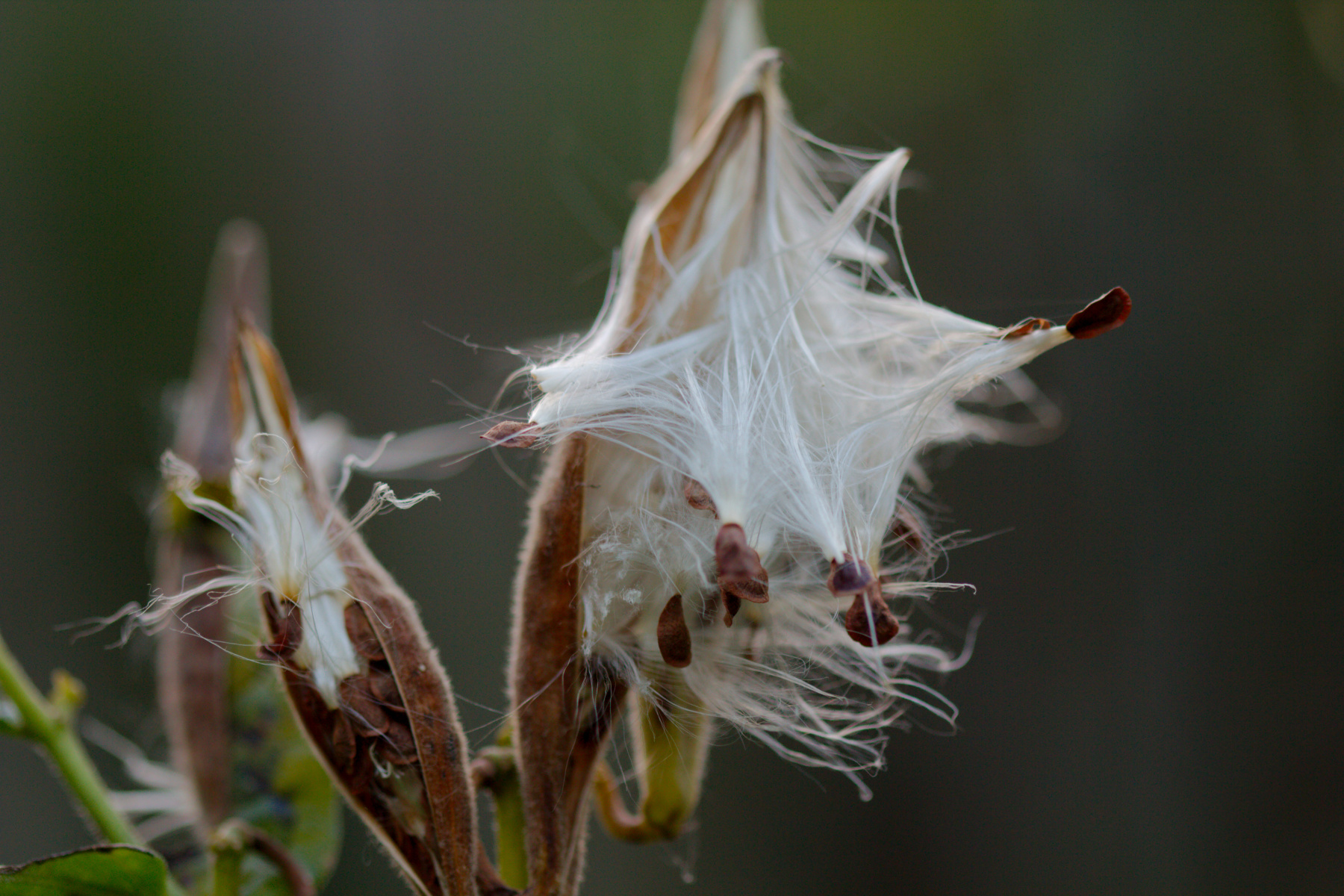
The butterfly weed (Asclepias tuberosa) is in bloom and it’s a lovely, orange accent in the back of the garden. I’d be happy to have more of this, either the standard orange or the lovely, yellow variety. I’d also like to get some Asclepias curassavica, known as blood flower, although that’s not winter hardy anywhere near this far north. It can, apparently, be grown easily as an annual from seed. I might also try to get some Asclepias purpurascens, commonly called purple milkweed. It’s a native and I am pretty sure I’ve seen it at the farm, so I could dig some up there or get some seeds.
The large milkweed bug (Oncopeltus fasciatus) is a common visitor to butterfly weed (one of the milkweed family) and is particularly well suited for hiding among the flowers of A. tuberosa.
Mushroom
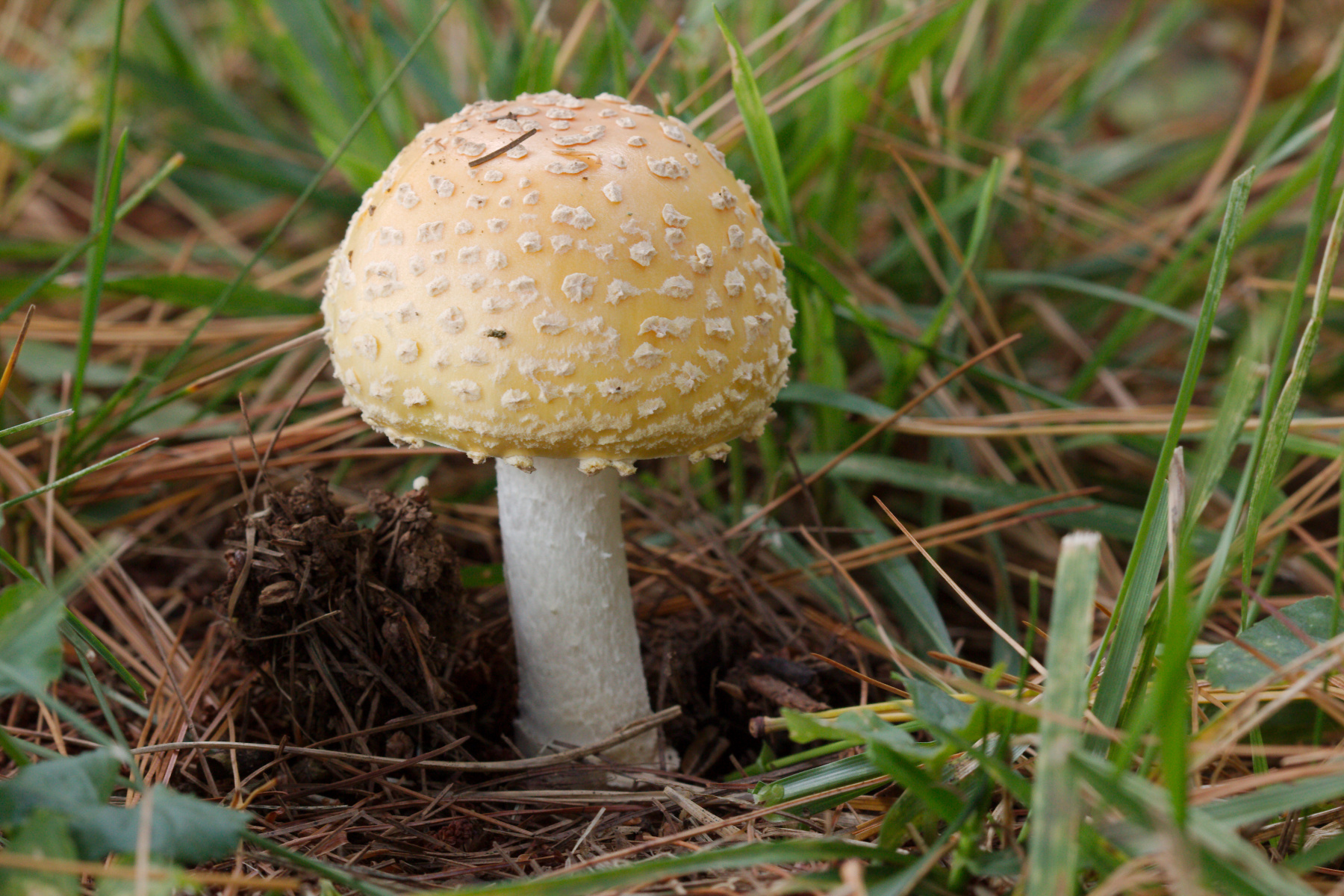
I’m not all that happy with this picture, but it’s what I have for today. We’ve had a pretty good run of insects and flowers, with a few people pictures interspersed among them. This mushroom appeared a couple days ago but today it was open. I took a bunch of pictures from the edge and then tipped it over so I could see the gills on the underside. Wikipedia describes a gill as “a papery hymenophore rib under the cap of some mushroom species.” I like that. I think from now on, I’ll call them papery hymenophore ribs.
Tiger Swallowtail (Papilio glaucus) on Buddleia
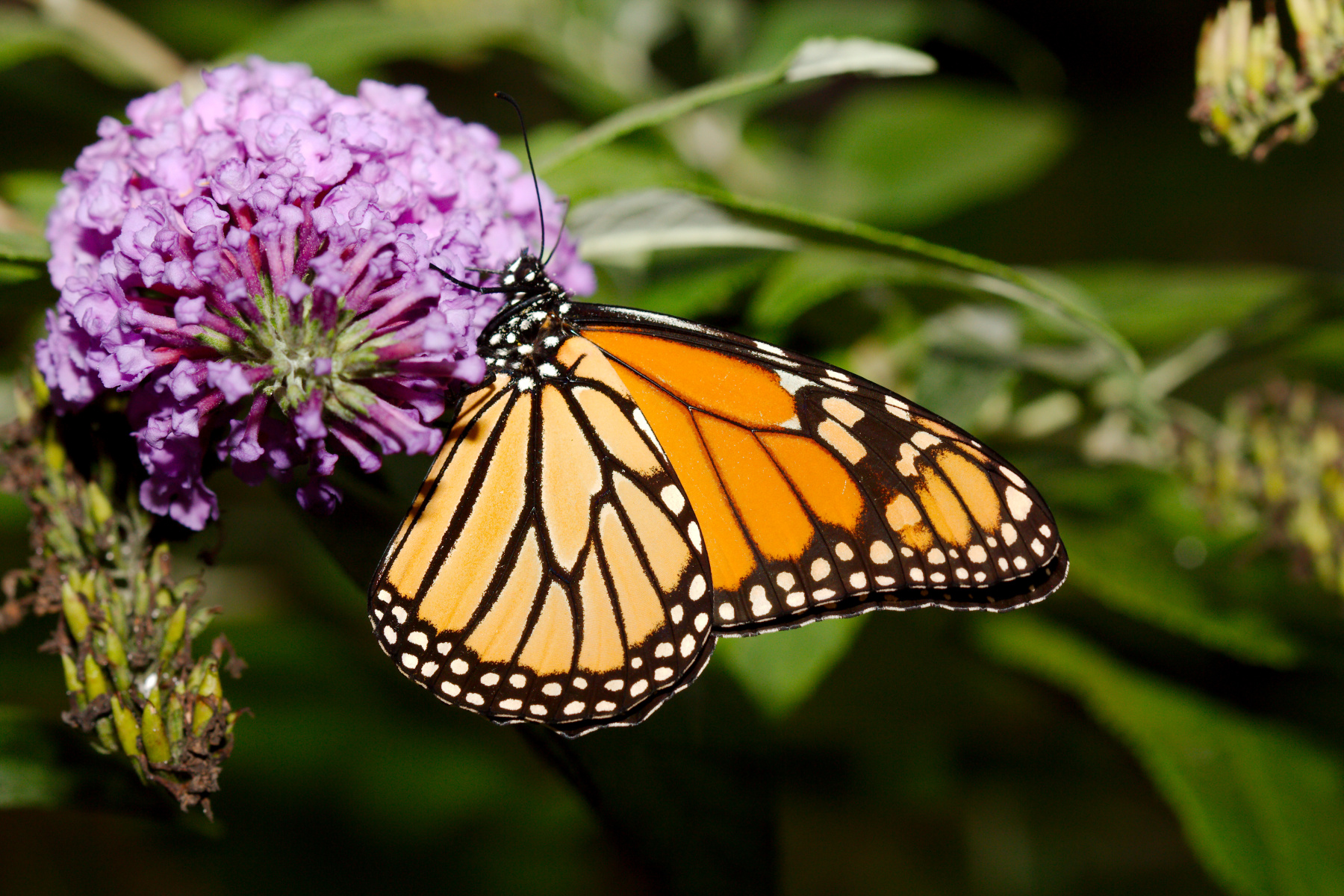
Once the buddleia comes into bloom, which has happened in the last week or so, it’s a rare day when there isn’t at least one tiger swallowtail (Papilio glaucus) fluttering around the yard. They aren’t anywhere as near as common and the many skippers (family Hesperiidae) that we have by the dozens or even as the cabbage whites (Pieris rapae), but pretty common. And of course they are much more striking. I particularly like then when the sun is on them or even shining through them and they are against a clear, blue afternoon sky, as this one is. The color on the upper side of the hindwings identifies this as a female, just in the act of taking off from the flower.
Iris domestica
This is the so called blackberry lily, formerly known as Belamcanda chinensis but now renamed to Iris domestica. It’s a pretty little thing. each individual bloom lasts a day (or a fraction of a day, really) but they come one after the other for a nice, long while. They are, as you can see, very eye-catching. Each year we collect the seeds from them and scatter them around in other parts of the garden. Of course, they get moved by birds, as well. This is a seedling, growing on the edge of a garden bed in the center of our back yard, among the Verbena bonariensis, with which it contrasts very nicely.
Bumblebee on Coneflower
I didn’t get out of the office today to go take pictures. Most of the day it was raining and then I just didn’t have time in the afternoon. I was a little busy but actually more frustrated than anything else, so going out would have been nice. Nevertheless, when I got home I took some pictures of a common eastern bumblebee (Bombus impatiens) on one of the purple coneflowers (Echinacea purpurea) outside our dining room window. I like bumble bees and they are out in pretty good numbers right now. In prior years it seemed that they were outnumbered by carpenter bees (Xylocopa virginica). This year I’m seeing a lot more bumblebees. That’s just anecdotal evidence, of course but that’s the way it seems to me.
Water Droplet on Spruce Twig
Summer is definitely here and we’ve had a few really hot, really muggy days lately. Today was no exception but in the mid afternoon a thunderstorm rolled through and dropped a fair bit of rain in about a half hour. The wind was blowing and it was beautiful. I sat under cover of the back of the house and watched it, getting a little damp, but really enjoying the show. As the rain slowed and water dripped from the trees, I went out with my camera and took a couple dozen pictures, including this one of a drop of water, gathering on the end of a twig. A second after I took this, it fell and a new droplet began to form.
Callicarpa americana (American Beautyberry)
These tiny flowers of the American beautyberry Callicarpa americana are, you won’t be surprised to learn, followed by beautiful berries. There will be clusters (called cymes) of the slightly pale, purple berries (called cymes) around the stems at each leaf axil (see December 7, 2013). The flowers are not nearly as showy as the fruit, or maybe it would be called American beautyflower. I still think they are pretty, though. And judging by the proliferation of berries, the insects sure must like them.
Bumble Bee Balm
I’ve been able to get a fair number of flower pictures so far this year but the insects are not out in all their force yet. I’ve seen many around but haven’t been able to photograph many of them. This is my first bumble bee of the summer. It isn’t the best bumble bee picture I’ve ever taken but it makes me happy, with the brightness of the bee balm (Monarda didyma) contrasting with the black of the common eastern bumble bee (Bombus impatiens). I’m sure there will be many more to come. As for the title of this post, it’s the sort of thing that shows up in crossword puzzles fairly often, two words or phrases that overlap in the middle. Bumble Bee and Bee Balm.
Eryngium
I went over to pick up something from Tsai-Hong this afternoon and decided to take a few pictures in the garden. There is a small clump of Eryngium in the front garden, beside the driveway, and that’s what is in this picture. I have no idea what species it is or if it is a hybrid of some sort. We had three or four different Eryngium species in our garden in Gaithersburg and this reminded me that we need to get some for our current garden. They are mostly blue or purple and add such a nice point of interest in a sea of green. They are not really related to the holly (Ilix), of course, but it’s easy to see how they came by their common name, sea holly.
Echinacea purpurea (Purple Coneflower)
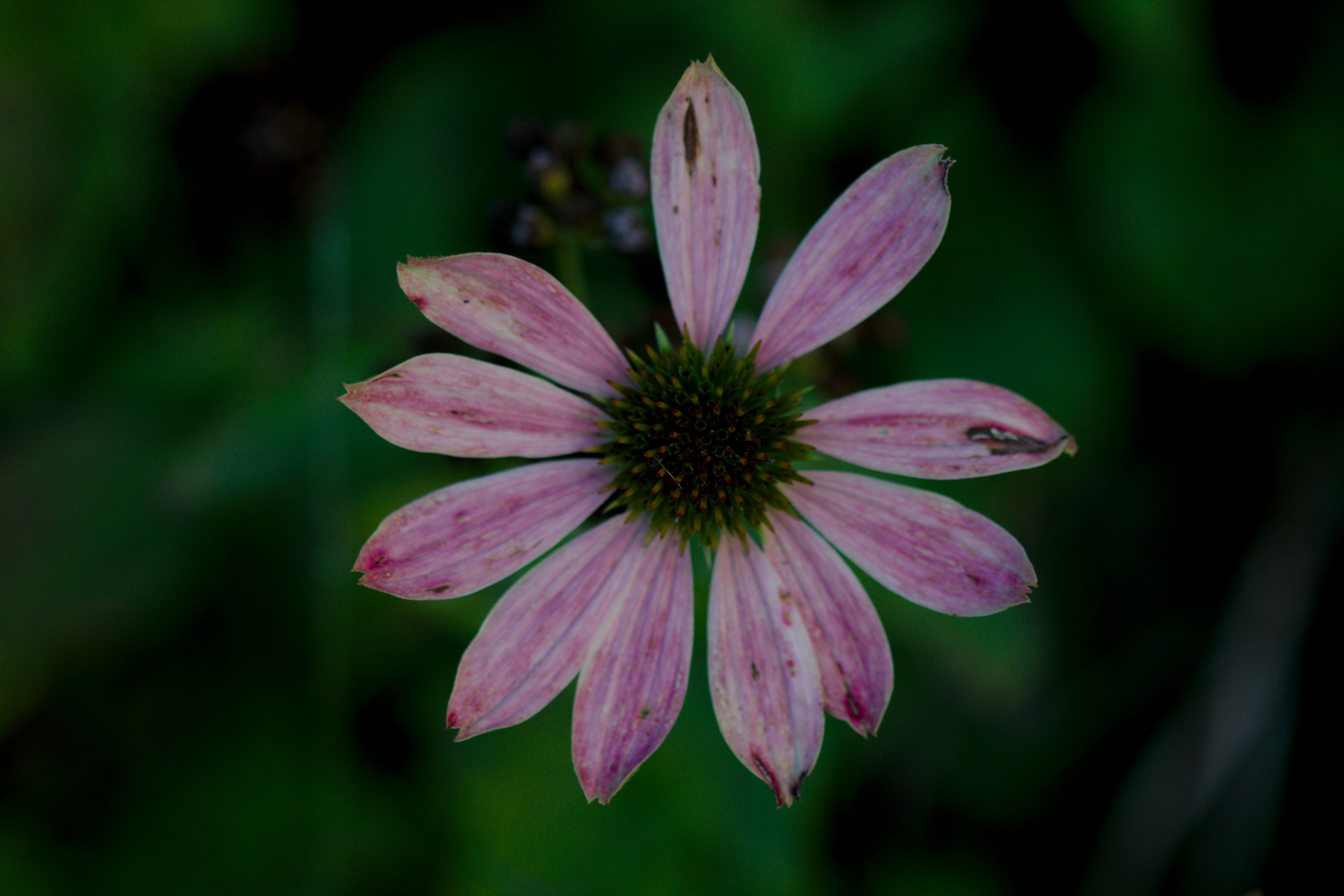
The coneflower (Echinacea purpurea) has started to bloom. I often have a difficult time getting good pictures of this, because the ray florets (the ‘petals’) are often eaten into by some insect or other. They are still pretty from a distance and in mass but individually, they get to look a bit tattered. I also took some pictures of day lilies today but they put out new flowers each day and they fade before the critters have a chance to do them any harm. So, they will be around for more pictures on another day.
Lonicera sempervirens
Dorothy went to camp this morning so I gave Jonathan a ride to the farm. He plans to stay there for the week and Dorothy will pick him up on Friday. While I was there I took a few pictures of this trumpet honeysuckle (Lonicera sempervirens) growing on a post in front of their garage. This is a native honeysuckle to the southeastern United States. The flowers are not fragrant but are quite pretty, with scarlet to orangish red on the outside and yellowish inside. They are attractive to hummingbirds, butterflies and bees.