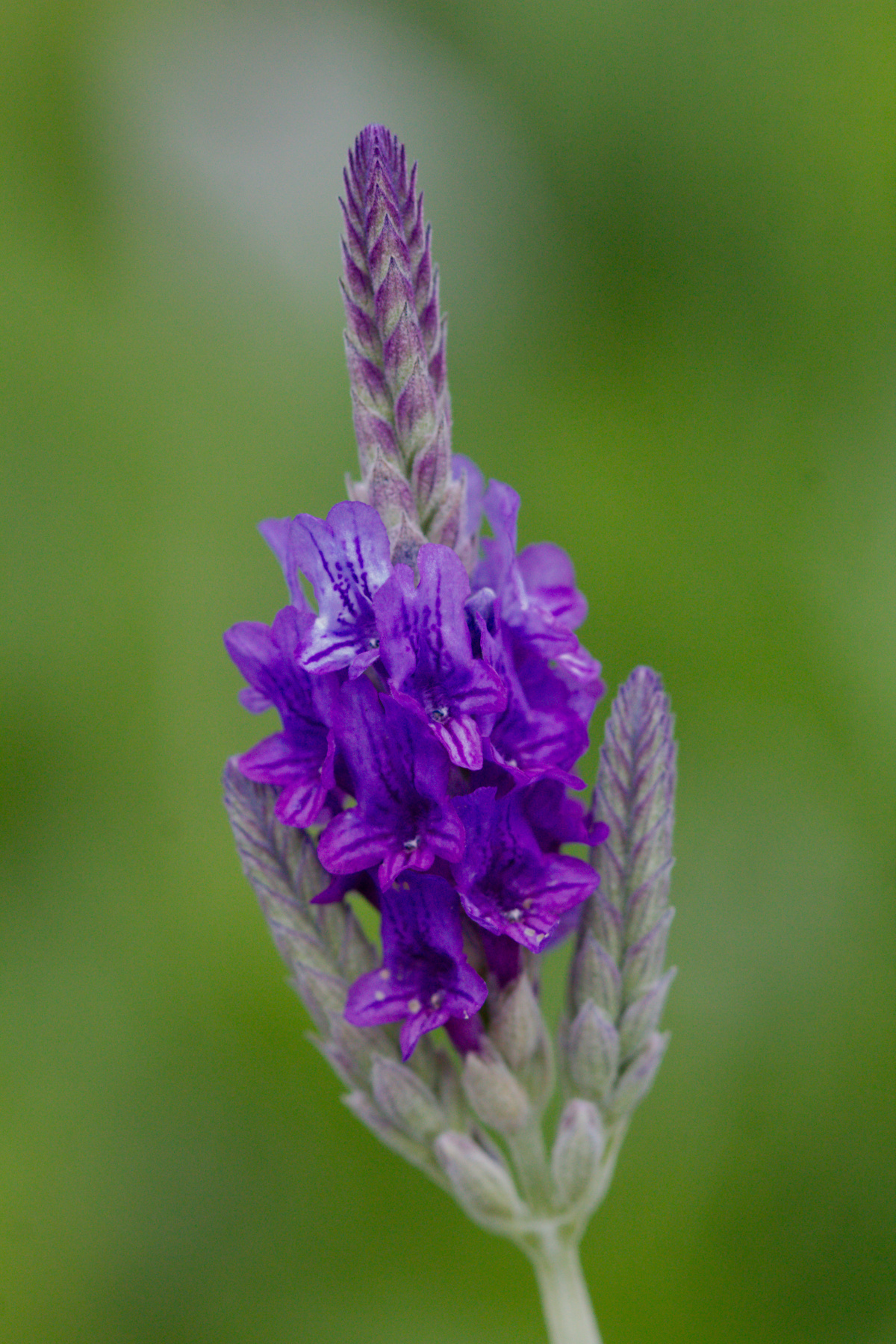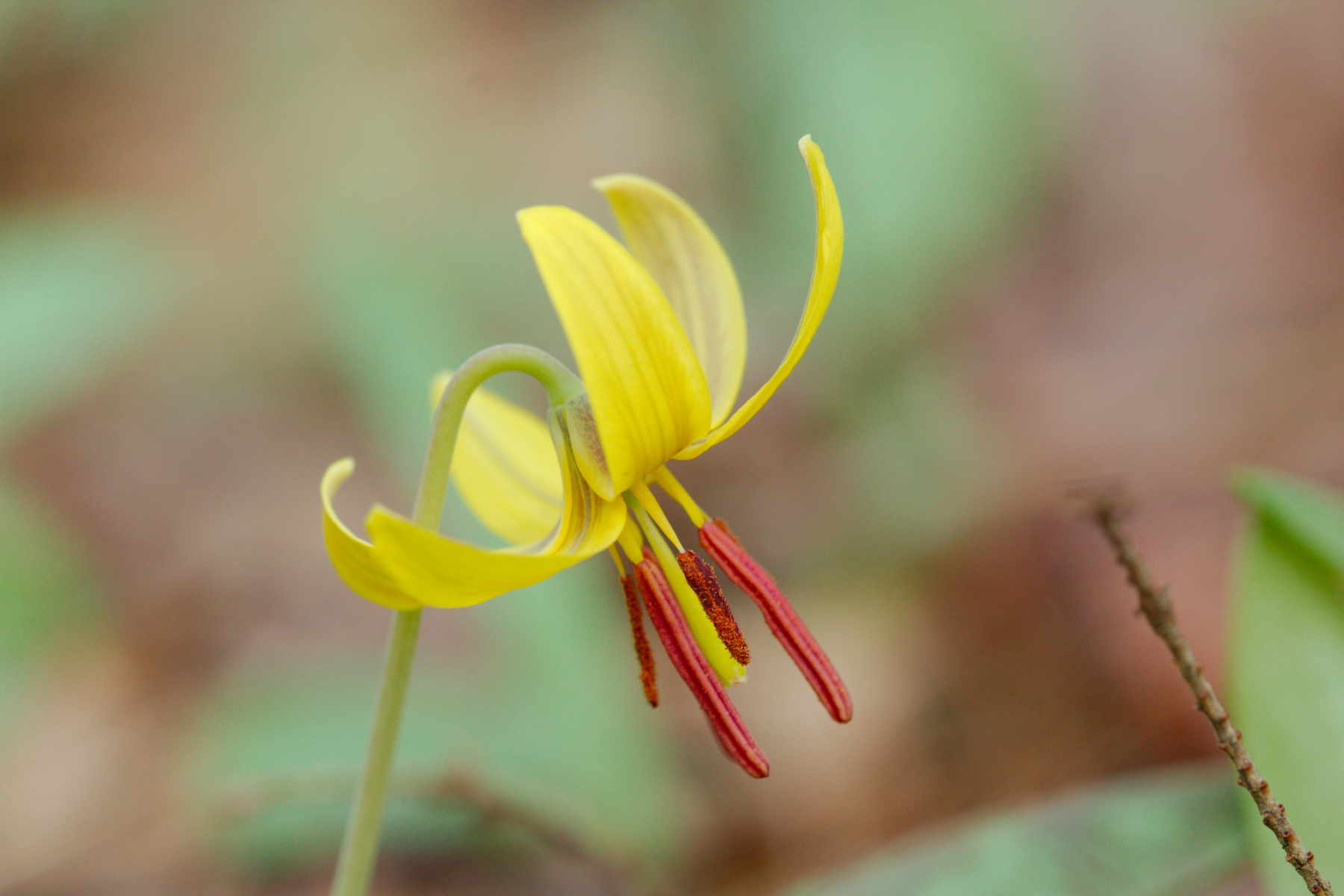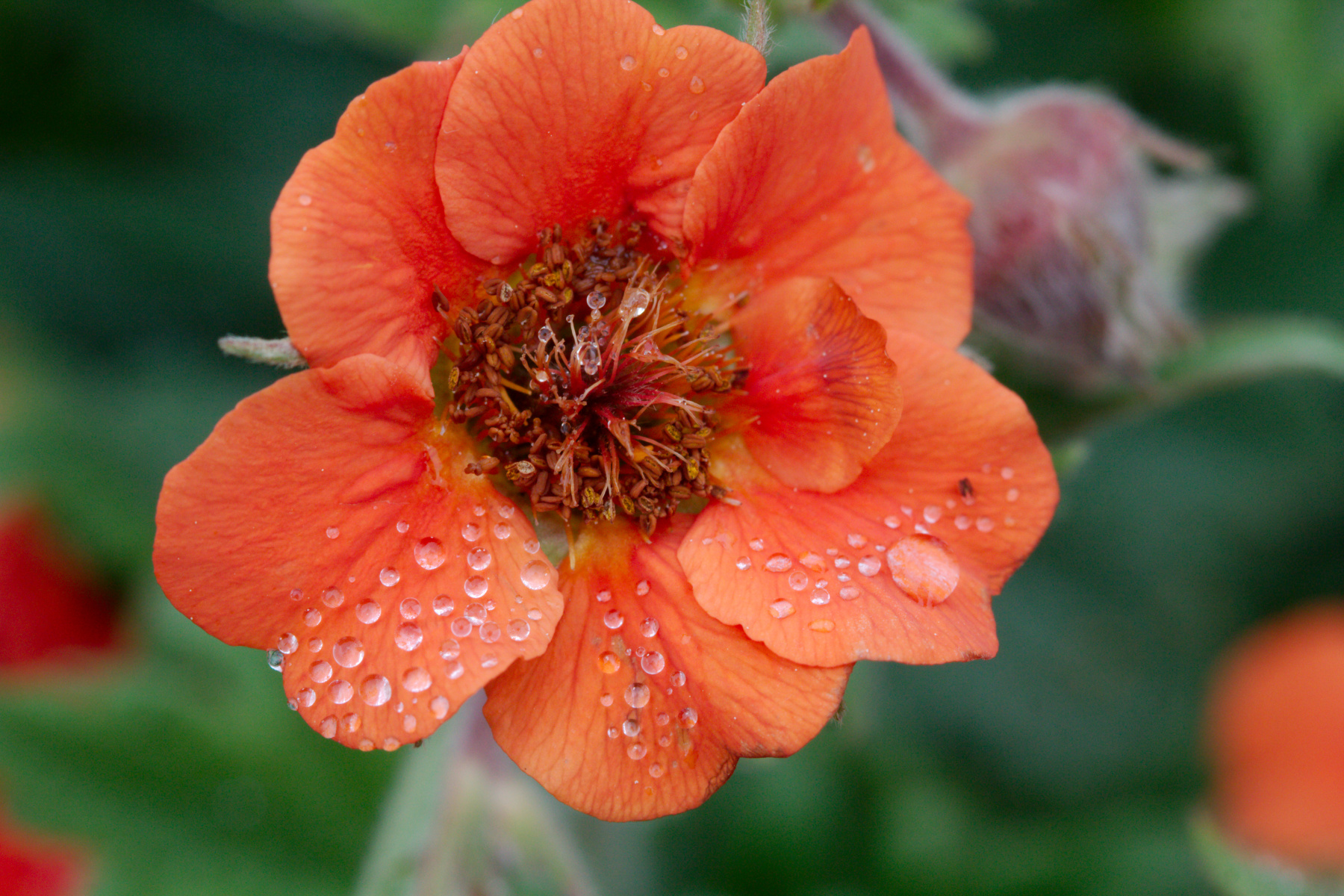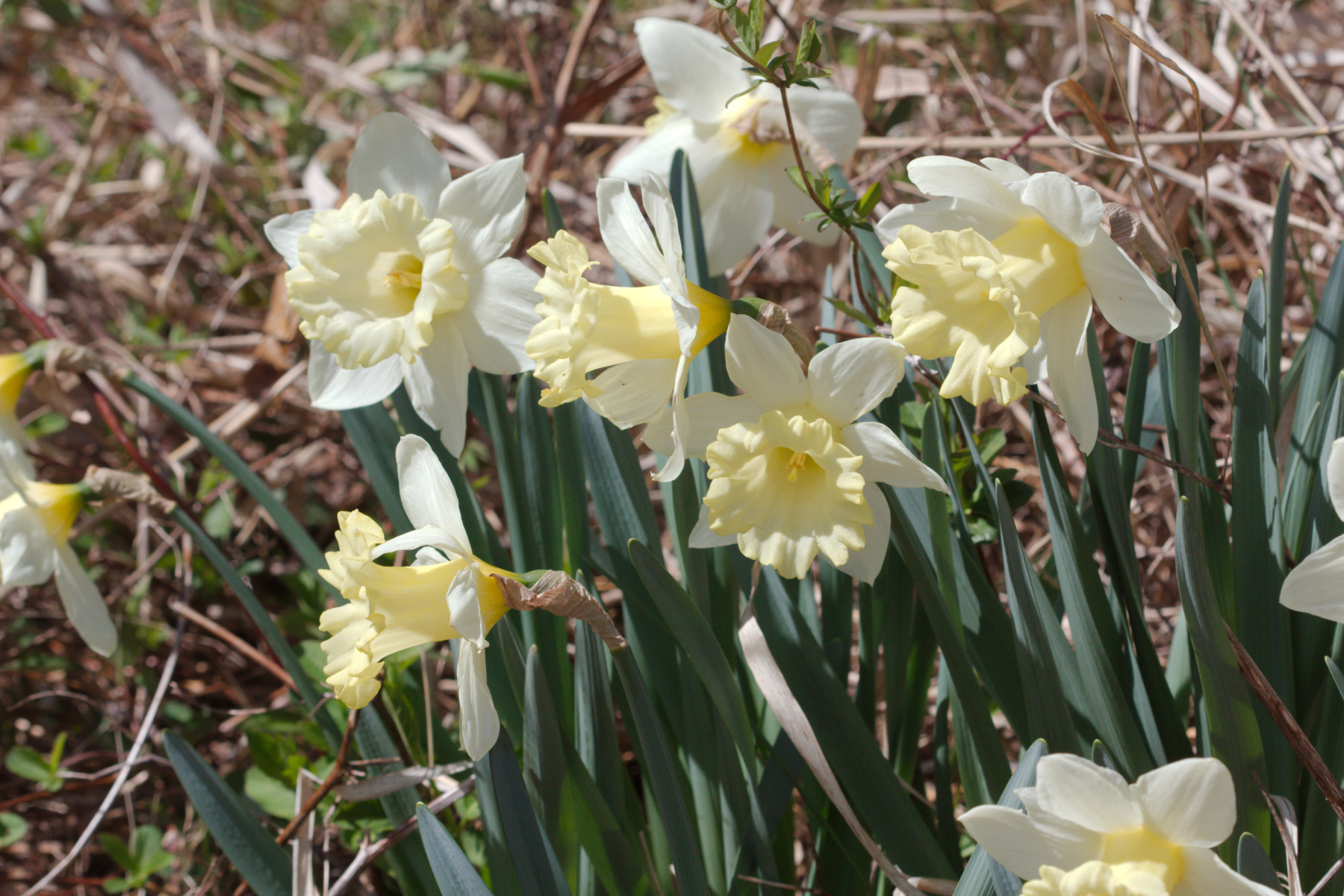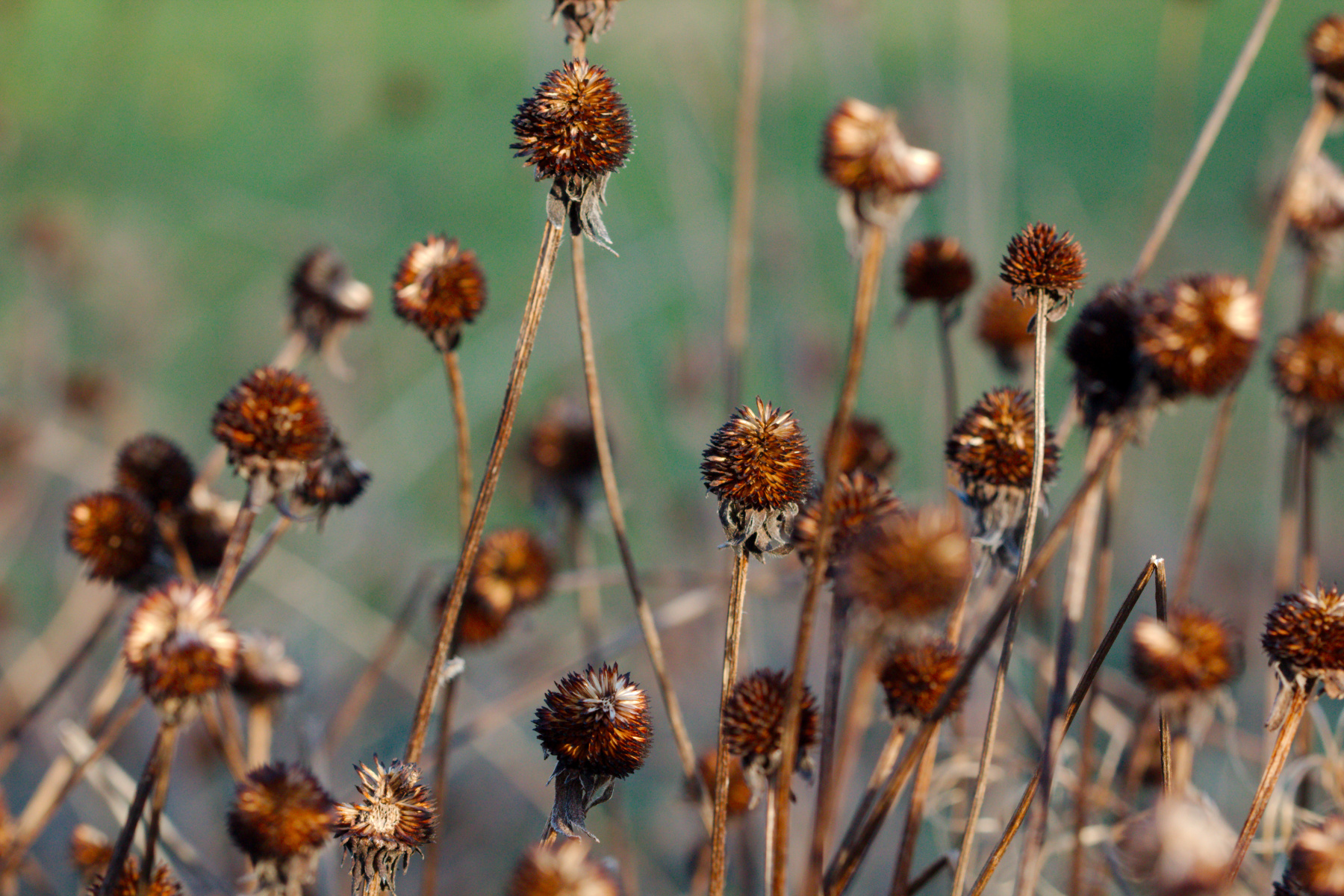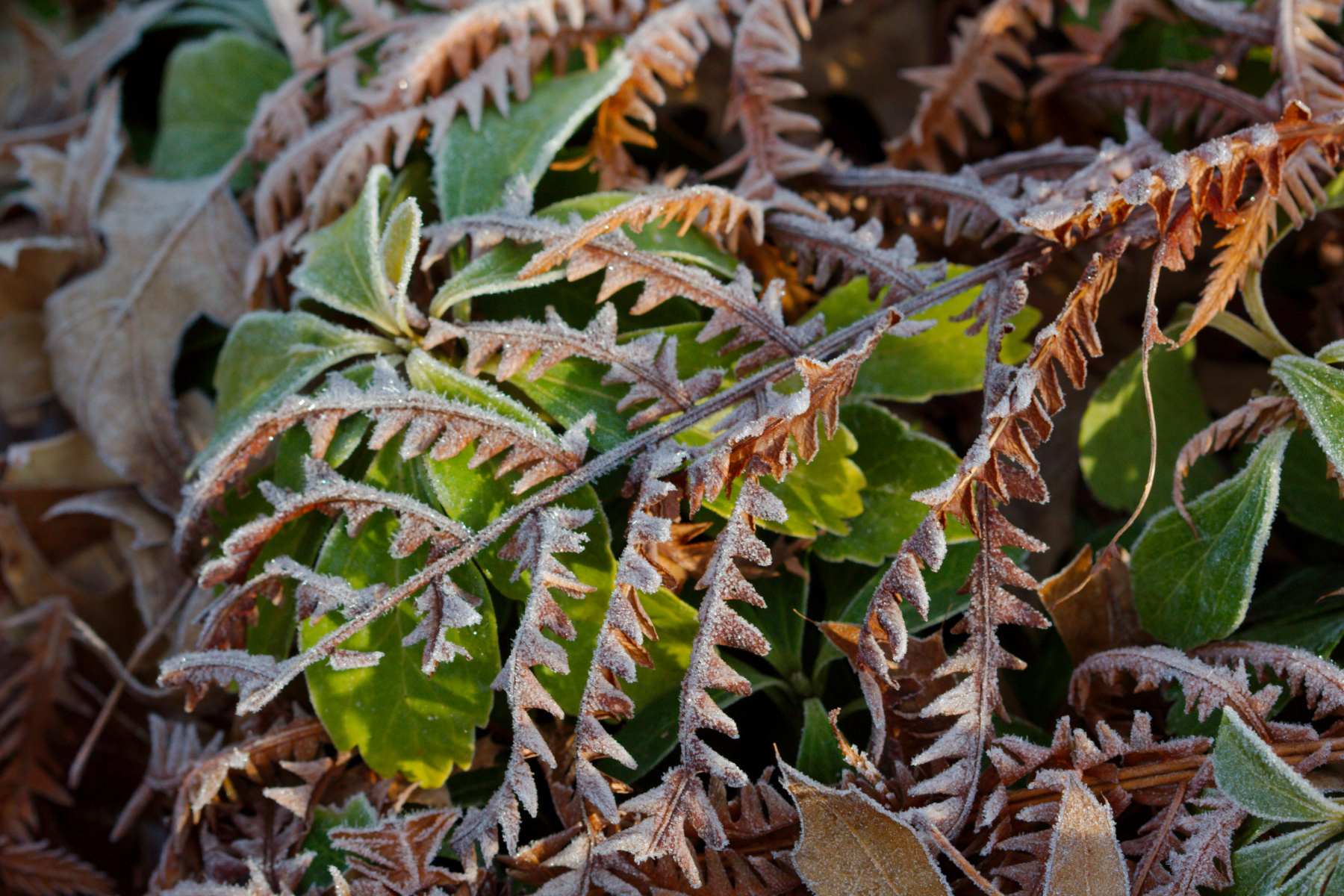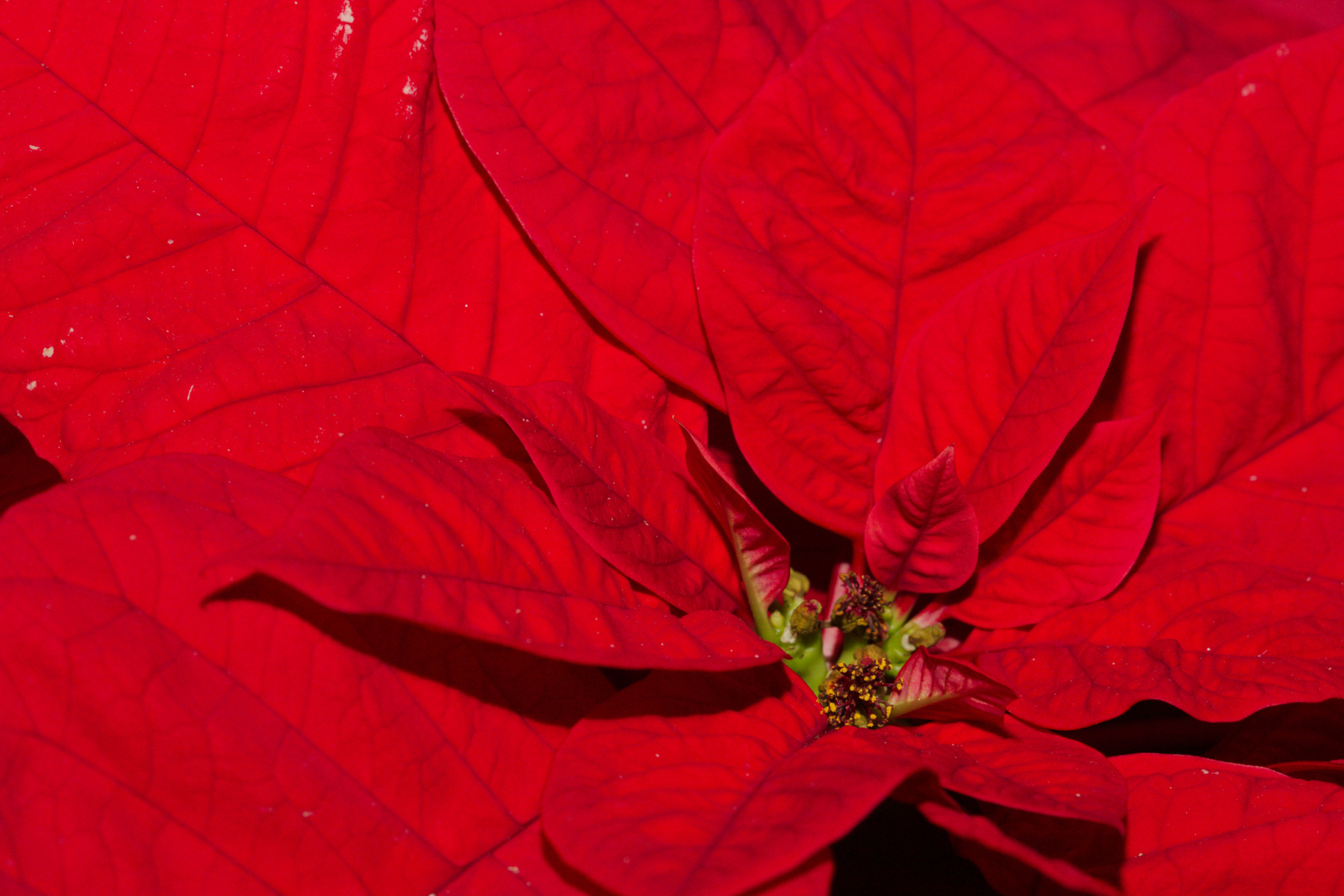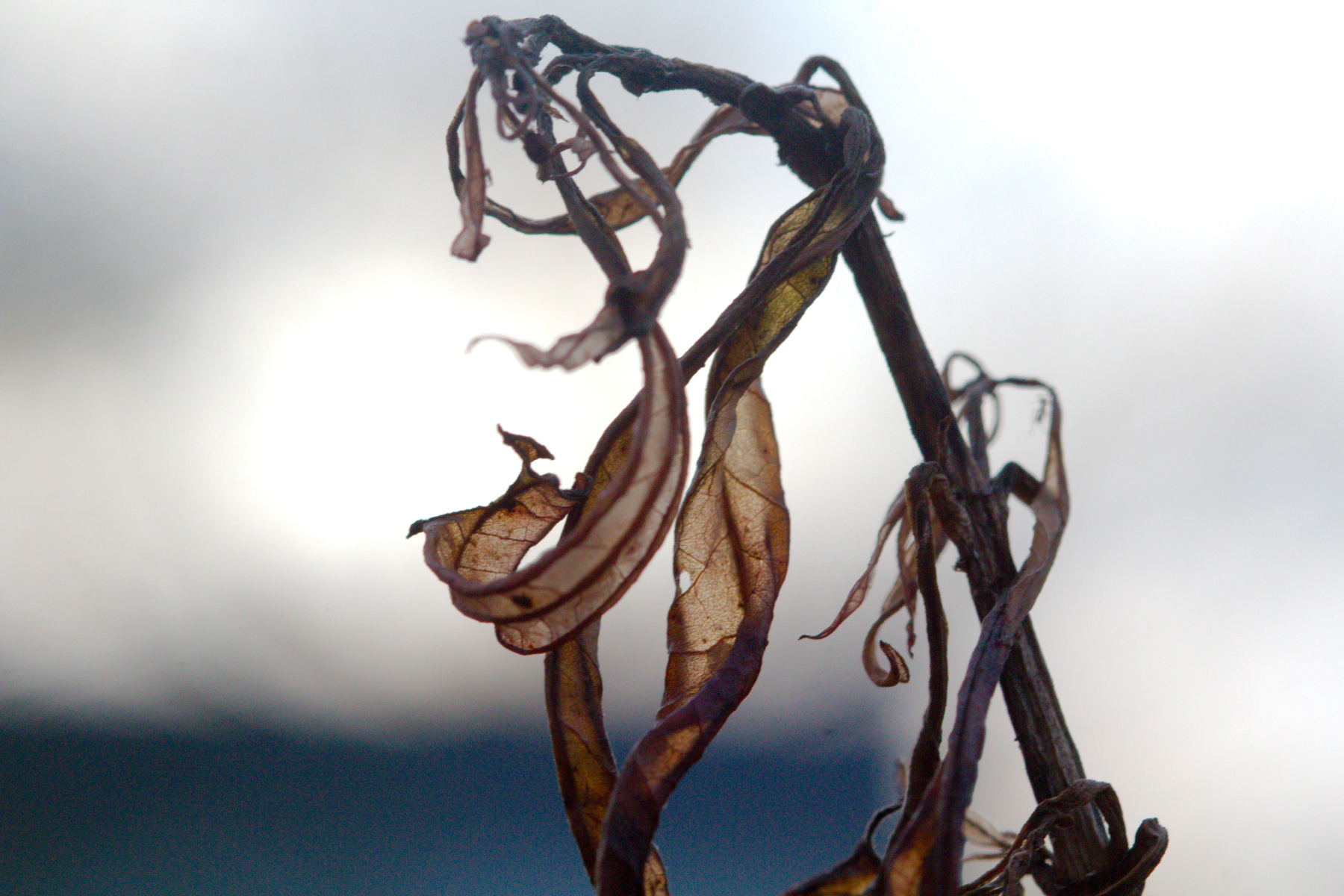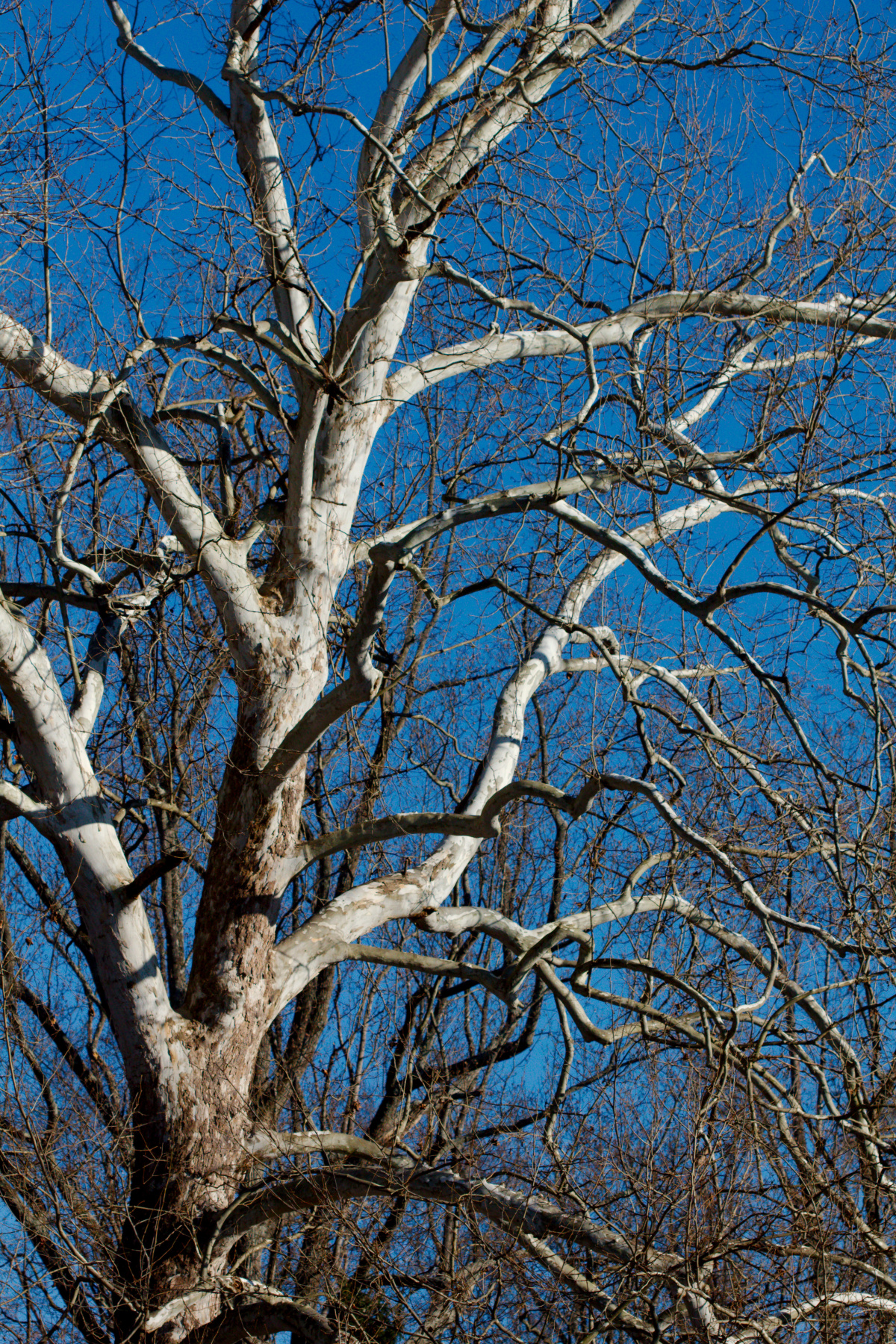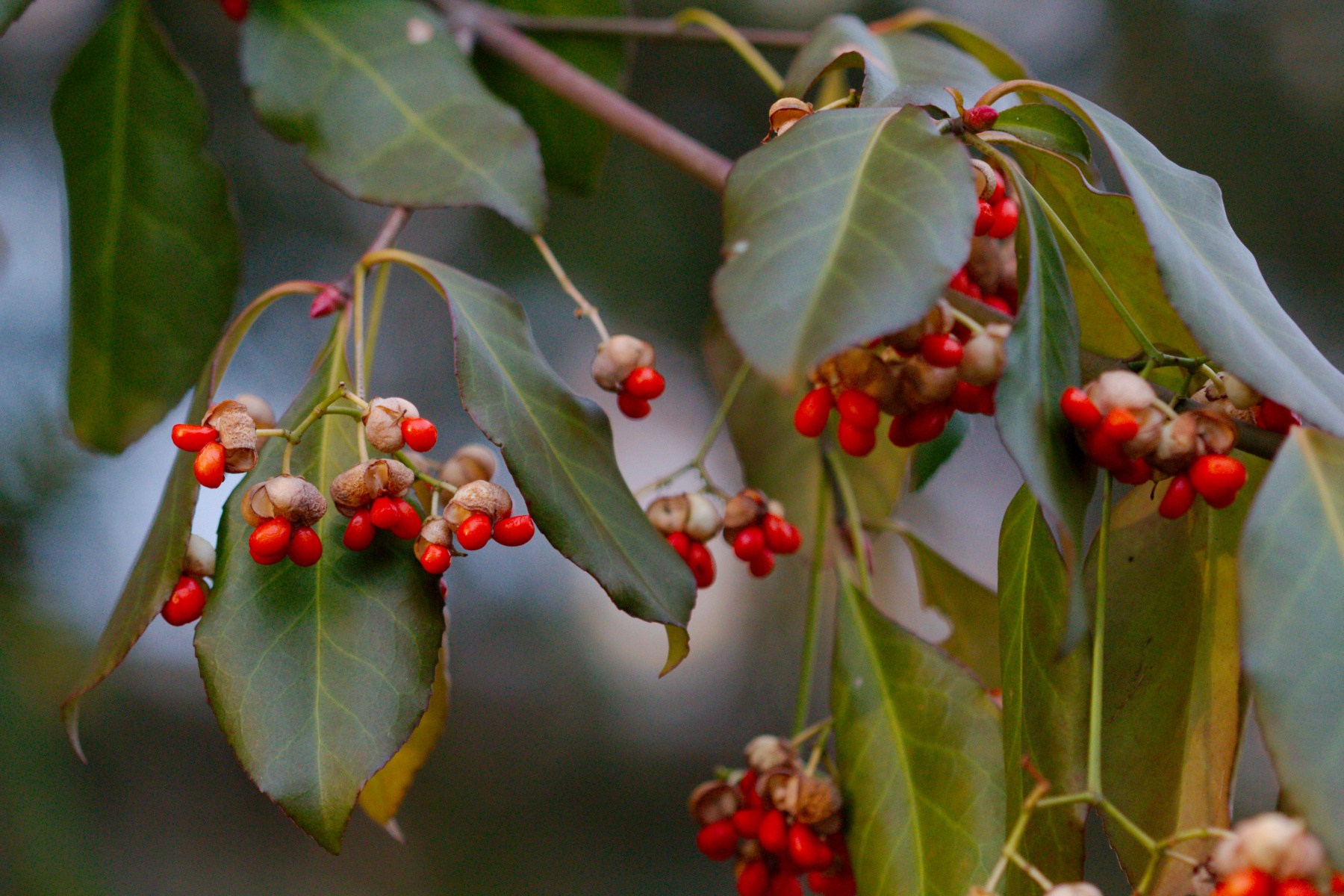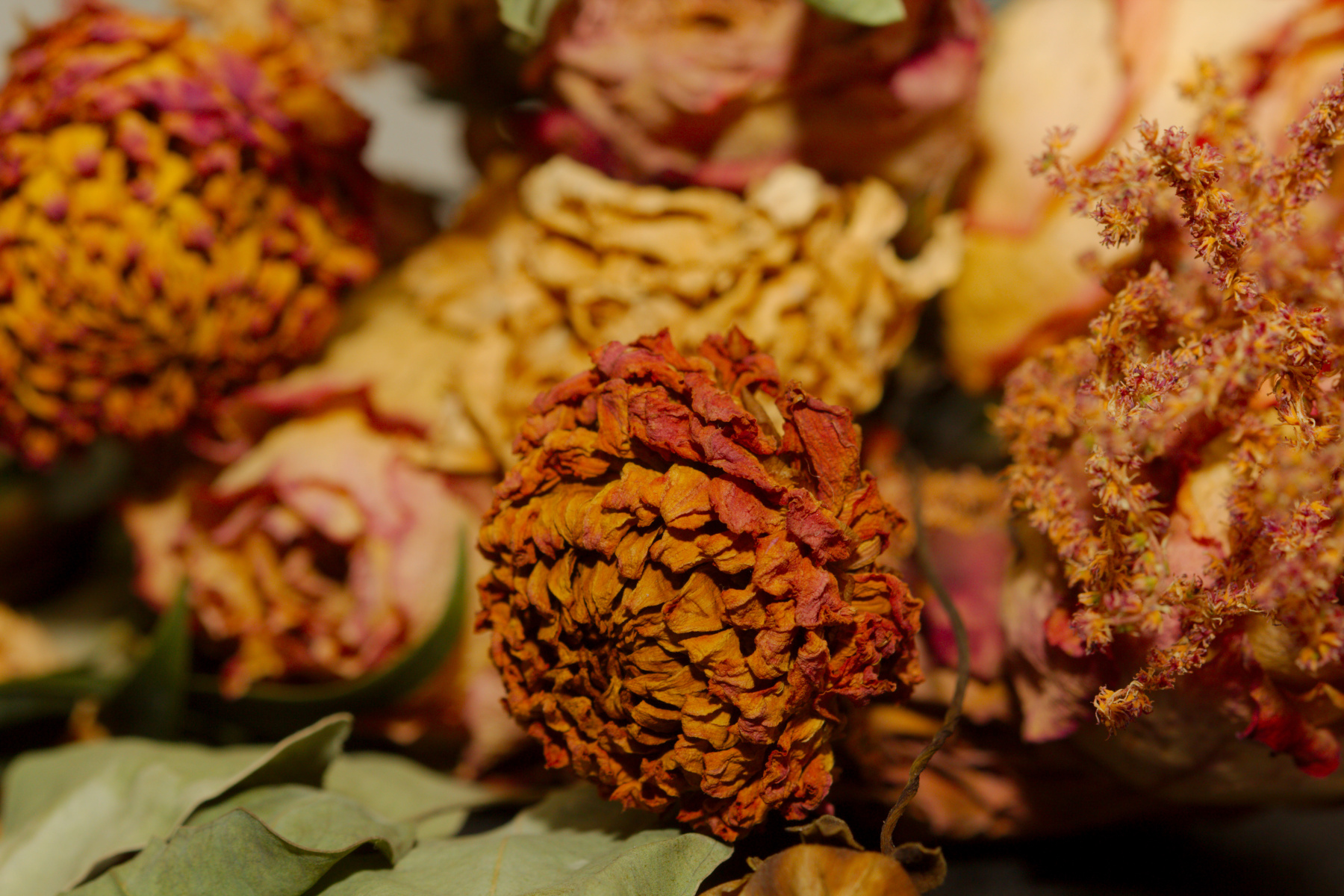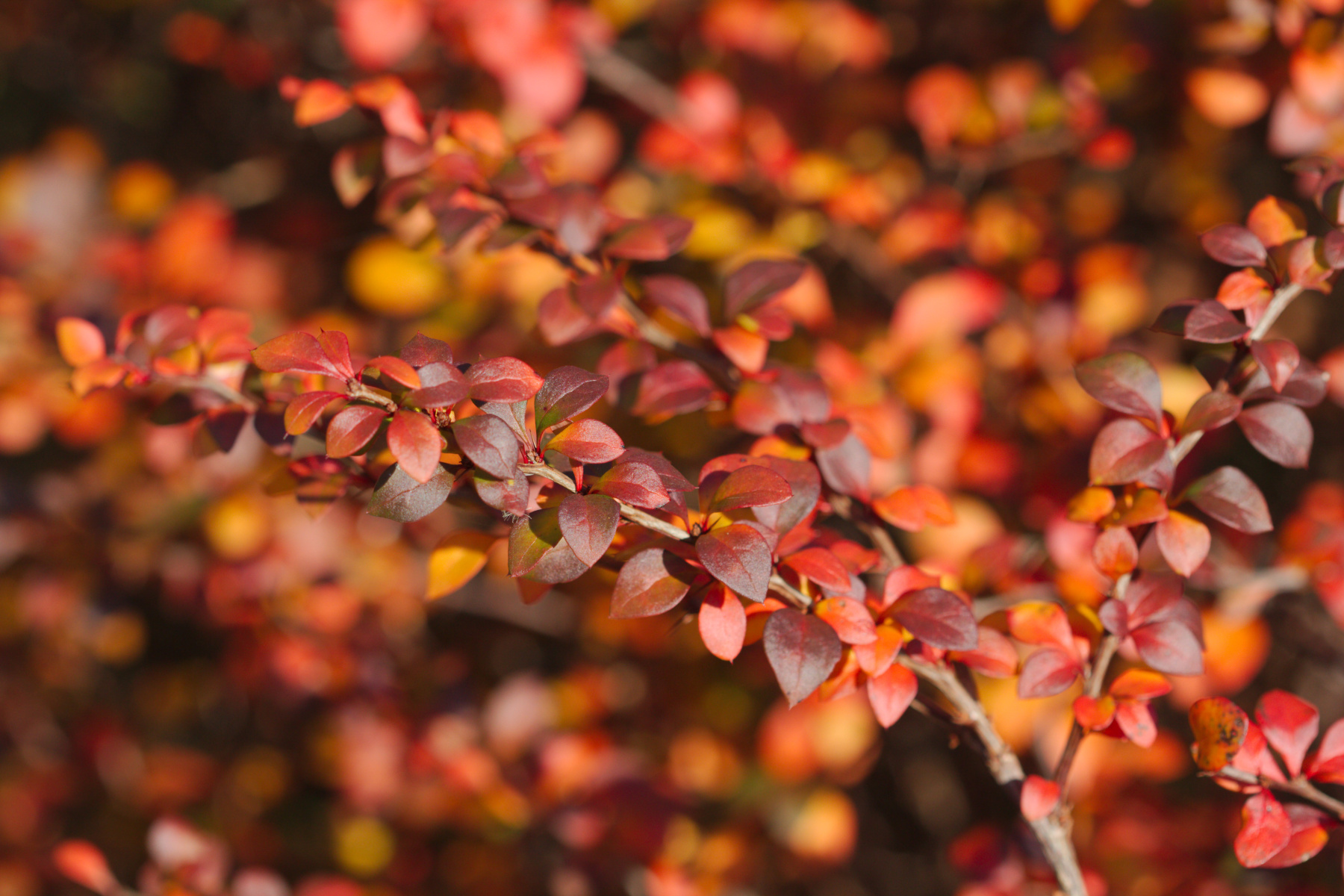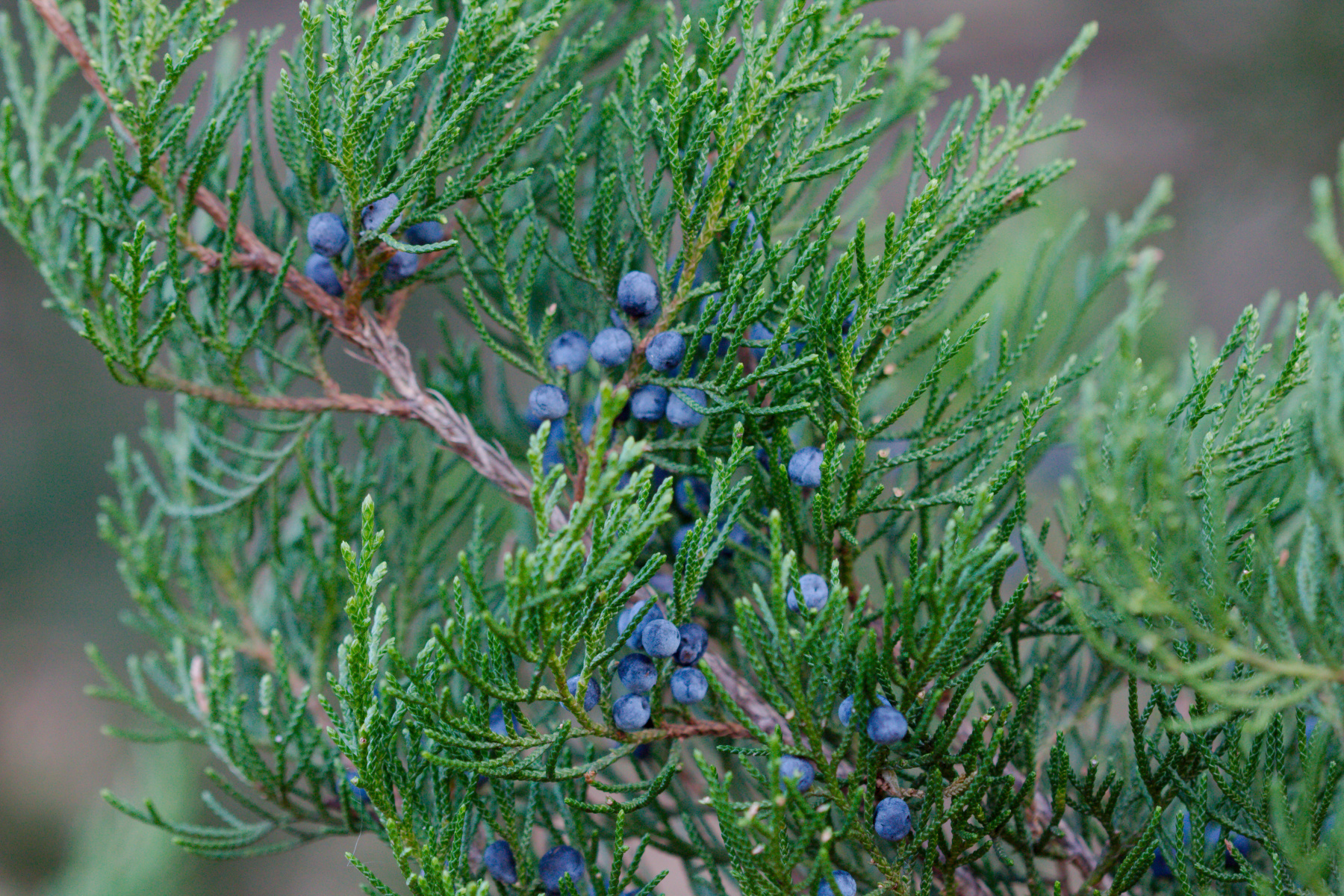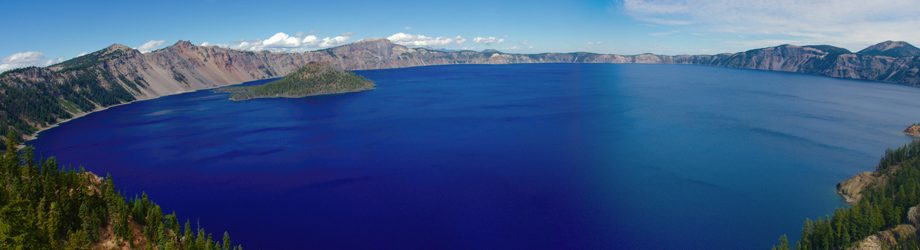
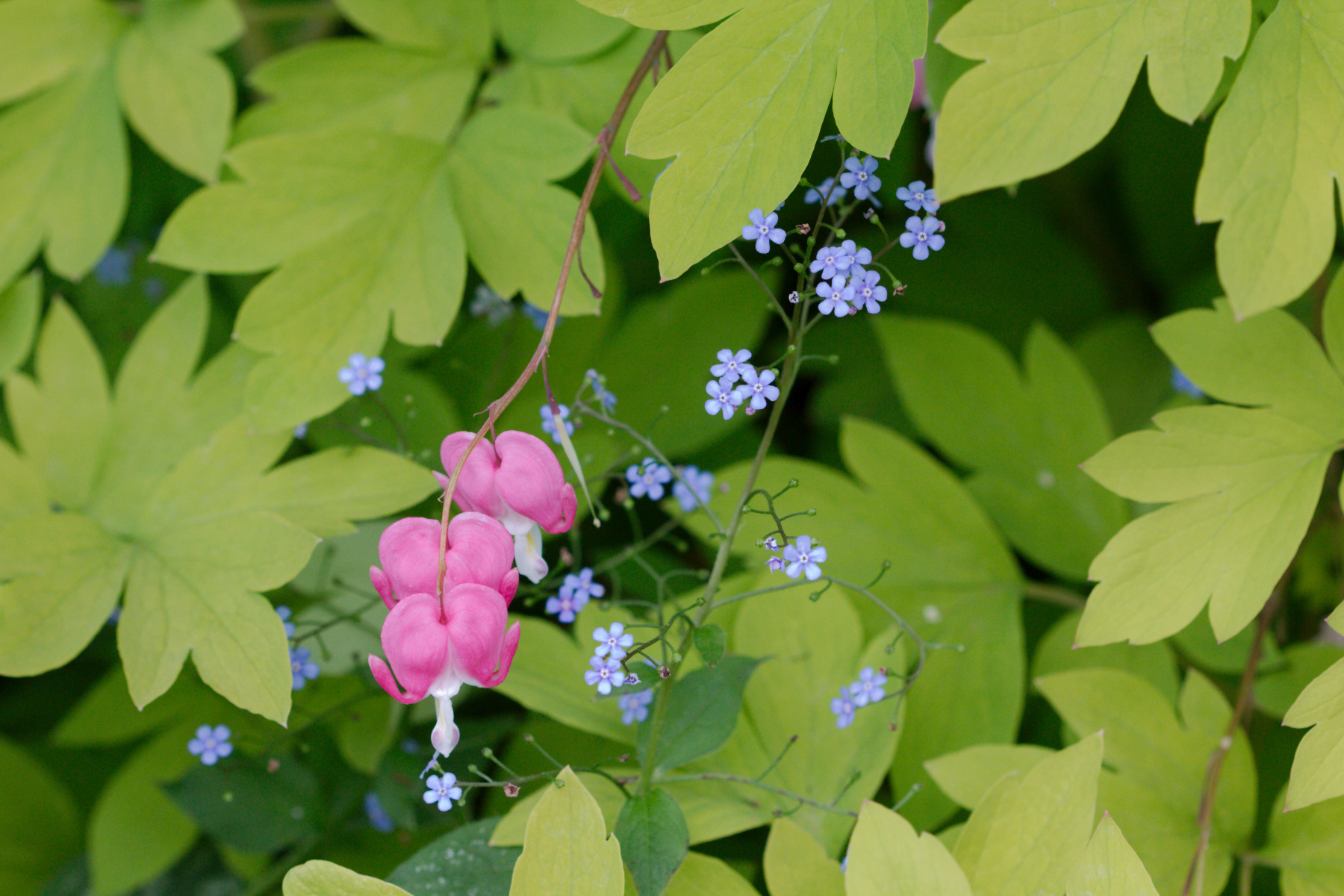
We have the day off for Martin Luther King, Jr. Day today, for only the second time. It’s nice to have something after New Year’s Day, although we still have a fairly long gap before our next holiday, Memorial Day near the end of May. Still, we’ll take what we can get. There was a little snow on the ground today but the sky was clear and it was sunny and nice. We took a walk in the neighborhood and enjoyed being outdoors. I also finished reading Evenor, a collection of three short stories, by George MacDonald and started reading Piers the Ploughman, written sometime around 1370 by William Langland. So, a nice day, overall.
Flowers and Plants
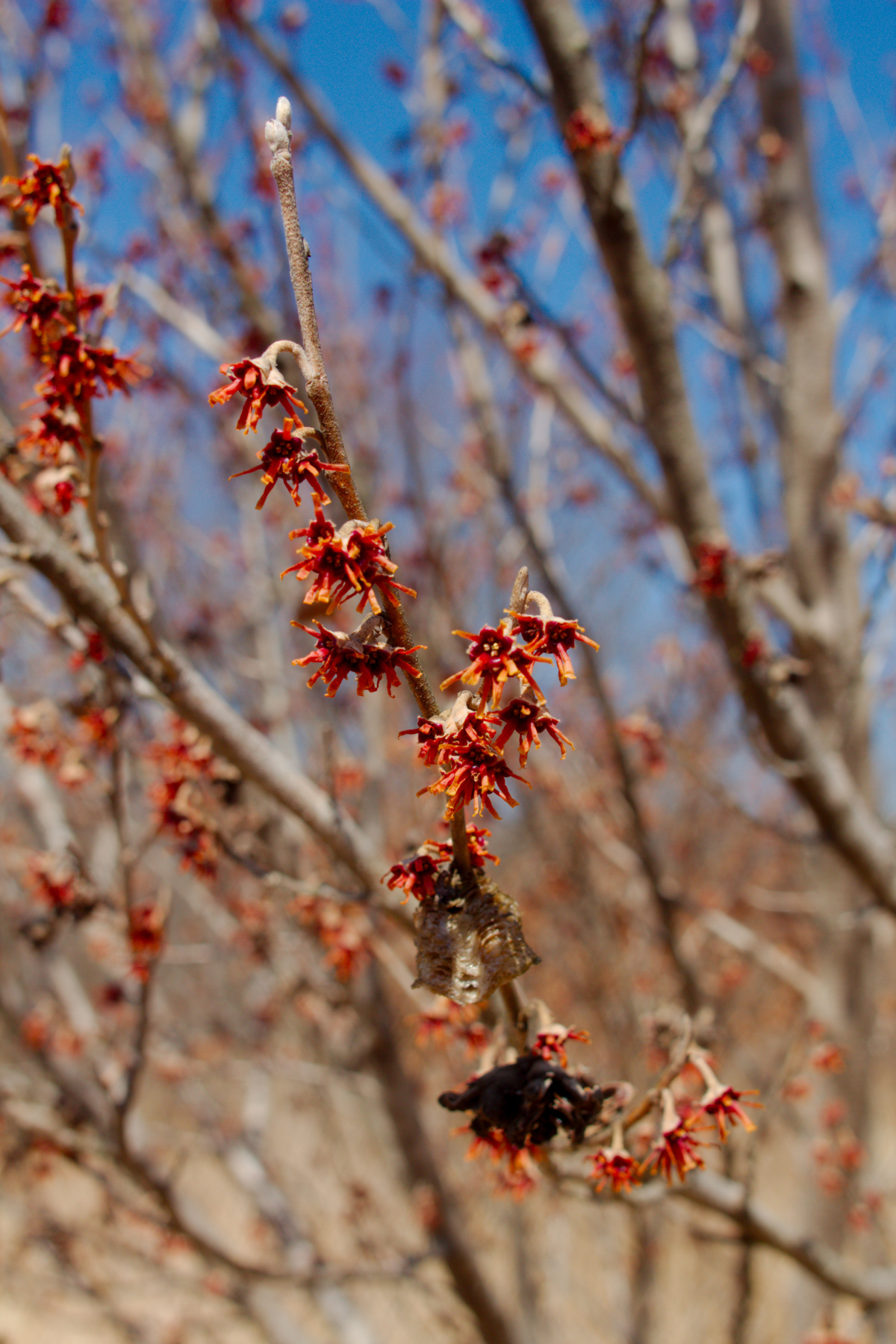
Hamamelis x intermedia ‘Robert’ (Witchhazel)
We decided to go to Brookside Gardens today. It’s one of the county’s nicest places. They have two, connected conservatories, the first of which has mostly permanent plantings while the second changes more often and more extensively with the seasons. In addition to spending time in amongst the green, we walked in the grounds. It certainly wasn’t crowded on this fairly cold day but it was worth if to see the witchhazel starting to bloom. If you’re looking for a small, flowering tree that will give you joy in late January or early February, you could do a lot worse. This is Hamamelis x intermedia ‘Robert’.
Paperwhites
I bought Cathy some paperwhites and planted them in mid-December. They started growing almost immediately and have given us a wonderful display. I’m not particularly fond of the smell, but it’s a small price to pay. They really are lovely and at a time when flowers of any kind are quite welcome. They are a variety of Narcissus tazetta, which is quite cosmopolitan, with sub-species found native to Europe, through the middle east and into southeast Asia. In contrast to many bulbs which require a period of cold in order for them to bloom, paperwhites don’t need any special treatment. Simply plant them, keep them properly watered, watch and enjoy.
Tree Cutting
As mentioned about a week ago (see Tuesday, December 14, 2021), these two trees are leaning and needed to be taken down. I got two quotes which were not vastly different. That made it a little harder to pick the company that would do the work because I couldn’t simply say, “these guys were a lot cheaper.” I basically flipped a coin in my head. The company I picked could do the work fairly soon as they were coming to do some work next door today and could get both that and our work done in the same day. Certainly a plus. I took some photos of the work being done, including 11 pictures taken in the two seconds or so that this branch took to fall to the ground.
Sinuous Vines
Coleridge, in his poem Kubla Khan, mentions “gardens bright with sinuous rills.” That came to mind today as we were walking the circuit around Lake Frank. I know that rills are not vines, but that’s what came to mind, anyway. Sue me. The Lake Frank area isn’t exactly “twice five miles of fertile ground, with walls and towers … girdled round.” Nor, this time of year, “blossomed many an incense-bearing tree.” Nevertheless, we found the walk quite enjoyable (and probably preferable to “caverns measureless to man; down to a sunless sea”). Also, I doubt Coleridge had poison ivy in mind when he spoke of the gardens of the Khan’s pleasure dome.
We did see quite a bit of recent damage done by beavers and also found the beaver lodge. We had a good look at the bald eagle nest, although there was no sign of any eagles today. Hopefully they will use it again this year. All in all, a very nice day for a walk.
Leaning Trees
Cathy asked me to look at these trees in our back yard and wondered if they’ve always leaned like that. No, that’s new. There is a hole in the ground to the left of them, but that’s been there since before we moved in, more than 15 years ago. The trees are not straight but they seem at least reasonably healthy. Nevertheless, they have started to lean and their roots are pulling up a large mound of earth. If they were to fall they would not hit the house but it’s quite likely they would hit our back fence. Not the end of the world but it’s a hassle we’d just as soon avoid. So, I called a couple tree services to get estimates.
Of course, the fact that they are part way down will tend to make the estimates a little higher, because of the danger of them falling while they are being worked on. At least the fact that nothing will drop on the house works in our favor. But it’s a bigger job than I can handle safely and the trees really do need to come down.
Stay tuned…
Celastrus orbiculatus (Asian Bittersweet)
Cathy and I went for another walk after church today (that’s pretty common, as you might have noticed). This time we went to the Blue Mash Trail on Zion Road behind the Laytonsville land fill. I didn’t take many pictures and most of them were of Asiatic bittersweet (Celastrus orbiculatus) as in this photo. I particularly like this picture because of the added color of the juniper (most likely eastern red cedar, Juniperus virginiana). We have a native bittersweet (Celastrus scandens) but I’ll confess that I could not readily differentiate between the two, basically assuming that anything we see is the more aggressive C. orbiculatus.
Rose Leaves
Abba and Josh are still in town but only stayed with us through yesterday, so life returned to normal (or as close to normal as we can get. Cathy and I went to the Ag. Farm Park after church and took a nice walk around two large fields. This time of year is challenging in terms of photography.Colors are generally less extreme with the exception of berries and other late-season fruits. I photograph those fairly often but I don’t want to post the same type pictures too often. There are still a few plants with leaf color. I really love the colors of these rose leaves.
Under the Pines
Cathy and I went out for a walk around Redgate park today, making a circuit of the entire former-golf course. We didn’t see a lot of wildlife, although we did see a great blue heron at a pond and quite a few Canada geese. There were, as usual, lot of little birds in the bushes at the edges of the woods and in the dried weeds that now fill most of the old fairways. We are pretty sure some were bluebirds but beyond that we didn’t really identify any. Almost certainly many were sparrows.
A Little More Fall Color
We went for a longish walk on the C&O Canal today, starting from Riley’s Lock and heading towards Washington. We passed Violet’s Lock and turned around a little past Blockhouse Point. We saw a bald eagle (although I didn’t get a photo), a pair of deer, and lots of vultures. The nicest part of the walk was the fall colors. They are mostly past at this point but there area a few trees, mostly maples, that are still quite spectacular. The sky was the deepest blue and reflected in the still water of the canal, it was really lovely (although you can’t really see it much in this photo.
From there we met Dorothy at Rocklands and helped her set up the flowers for a friend’s wedding reception. We hadn’t really planned on that but it was a nice addition to our outing. I also got a photo of Dorothy wearing Janis’ mink stole and a vintage hat, which was a bonus.
Red Maple Leaves
The red maple (Acer rubrum) in our back yard is in full fall color mode. Like the wonderful flowers of spring, the glorious colors of autumn are more beautiful for their evanescence. Here today and tomorrow only a memory, they are precious to us. I look forward to autumn and it’s brilliance, which varies from year to year much more than do the blossoms of spring. The colors are intense and they full the woods, much more than the spring blooms. Withing a few days, the leaves will all be gone, onto the ground, brown and brittle, mulch for the lawn. But for a few short days, they sing the glory of creation.
Manchester Cedar Swamp
Cathy and I drove up to the Manchester Cedar Swamp this morning. I know swamps aren’t everyone’s cup of tea but I actually like them quite a bit. This little park, owned by the Nature Conservancy, only had a relatively small area of swamp and stand of Atlantic white cedar (Chamaecyparis thyoides). This photo was taken on the edge of the swampy area and features a black gum or tupelo tree (Nyssa sylvatica) estimated at over 450 years old (the large tree on the left). I did take some photos of the cedar trees, but taking photographs of woods it difficult and rarely conveys the feel of a place. It was actually quite lovely. Also, this may be the best time of year to be there, as there were no mosquitos.
Busy As A…
Cathy and I went to Stadler Nursery late this morning. I bought a ninebark (Physocarpus opulifolius) called ‘Fireside’. It has very dark leaves which are a really lovely red early in the year and darken until they are nearly black in the late summer and fall. As usual I also took some flower photos. Getting an insect on the wing is not something I’ve had much success doing but this one turned out pretty well. It’s a common eastern bumble bee (Bombus impatiens) leaving a Rudbeckia ‘Herbstonne’ flower. We have a lot of Rudbeckia in our yard but most of it is one variety that is quite invasive. I wouldn’t mind thinning that out and replacing some with different types and this one is pretty nice.
Early Fall Color
I worked in the office today, as opposed to working from home. Then I had lunch with three work friends, including my former—now retired—boss. It was great to finally get together again and get caught up on what’s been going on for the last year and a half. A couple of those who had planned to come couldn’t at the last minute so we’ll need to plan another get together before too long. After work Cathy and I went for a walk in the neighborhood and I took this photo of some early fall color. It’s not really fall yet, but there are hints that it’s on its way.
U. S. National Arboretum
We decided to drive over to the National Arboretum today. It was a pleasant morning, although it got quite warm over the course of the day. We parked near the grove of state trees, which allowed us to park easily and in the shade. From there we walked to the National Capital Columns, which originally were part of the East Portico of the U. S. Capitol Building. An addition to the east side of the Capitol was constructed in 1958 and the columns removed. They were erected as you see them here in the mid-1980s, along with a pavement made from stone steps, also from the Capitol building as well as the reflecting pool added in the foreground. They site on a rise in a 20 acre meadow, filled with yellow Helianthus and other wildflowers. There are also a few trees, including a pair of Cornus officinalis (Japanese Cornel) and Gingo biloba, both heavily fruited.
From there we walked to the National Herb Garden. Although it wasn’t at its best, it is nice any time of year. Then into the National Bonsai & Penjing Museum. I particularly liked the shapes and symmetry of the plants and the contrast of the plants with each other and with the white wall. It was quite warm by this point so we headed back to the car via the nicely shaded woods of the azalea collection, including both the Frederic P. Lee Garden and the walled Morrison Garden, one of my favorite spots, although it’s showing its age and perhaps not getting the upkeep it deserves.
We drove past Fern Valley and stopped at the Asian Collections. Although there was not really much in bloom, we very much enjoyed the amazing range of greens in the dappled shade of larger trees. It’s on a steep slop and a nice place to wander. It also reminded me why I love Camellias so much. I have six, but somehow that doesn’t seem like enough. But we only have so much space.
Dahlia ‘Bloomquist Jean’
We took a walk on the upper Rock Creek late this morning. It had been threatening rain all morning and it started to come down just as we got out of the car. Because we were in the woods most of our walk, it wasn’t really all that noticeable but we did end up fairly damp. Still, it was good to be out. The spicebush (Lindera benzoin) plants are covered with berries and many of the American Hornbeams (Carpinus caroliniana) are decorated with their winged fruit. After our walk we stopped briefly at the dahlia garden. I particularly like this flower, called ‘Bloomquist Jean’.
Cleome
We took a walk in the neighborhood this evening and I took a few pictures of this Cleome blooming a few blocks from our house. The yard in question is one of the nicer gardens in the neighborhood, filled with quite a variety of plants and with something in bloom pretty much the entire spring, summer, and fall. We’ve had Cleome in the past but currently don’t have any. It’s fairly easy to grow from seed, so we should try to get some for next year. The seeds are not particularly hardy, so it’s safest to keep them indoors before planting them in the spring.
Dahlia ‘Pam Howden’
After church today we decided to go to the Agricultural Farm Park and look at the dahlias. While were were there, a woman told us that there were dahlias being displayed and judged over near the farm house. This is one of my favorites of those that were displayed. It’s a dahlia called ‘Pam Howden’ and was hybridised by Gar Davidson. It’s a really lovely waterlily type dahlia with really amazing color. I was able to ask about a dahlia that I photographed last year (see Saturday, September 26, 2020). While I thought it was really amazing, apparently it didn’t make the grade because it didn’t produce enough blooms. Pity.
Colorful Bracket Fungus
Cathy and I took a walk in Meadowside Nature Center this evening. It wasn’t terribly hot this evening but it was very humid. I took pictures of a few different types of flowers including Vernonia (Iron Weed), Senna, Helenium (Sneezeweed), Lobelia cardinalis (Cardinal Flower), and Eutrochium (Joe-pye Weed). We tried to identify the leaves that looked a little like a rue-related plant. They had small flowers but it wasn’t until we saw the seeds that we were able to identify it as tick-trefoil (Desmodium Species). This bracket fungus was on the side of a fallen log. I think it’s really beautiful.
Magnolia and Chamaecyparis
After church today we went to Stadler Nursery in Laytonsville. We only bought one small plant but we enjoyed looking around. I think a little later in the year we will be back to buy a few shrubs, including a dark red leaved nine bark (Physocarpus opulifolius) and possibly a crape myrtle (Lagerstroemia indica). I photographed varieties of both that I’m interested in. As we were out in the large shrub and tree area, I took this photo of a Chamaecyparis (possibly C. obtusa, the hinoki cypress, but I didn’t actually make a note of it). I think the juxtaposition of the big, bold Magnolia grandiflora (southern magnolia) blossom with the more delicate foliage is really nice.