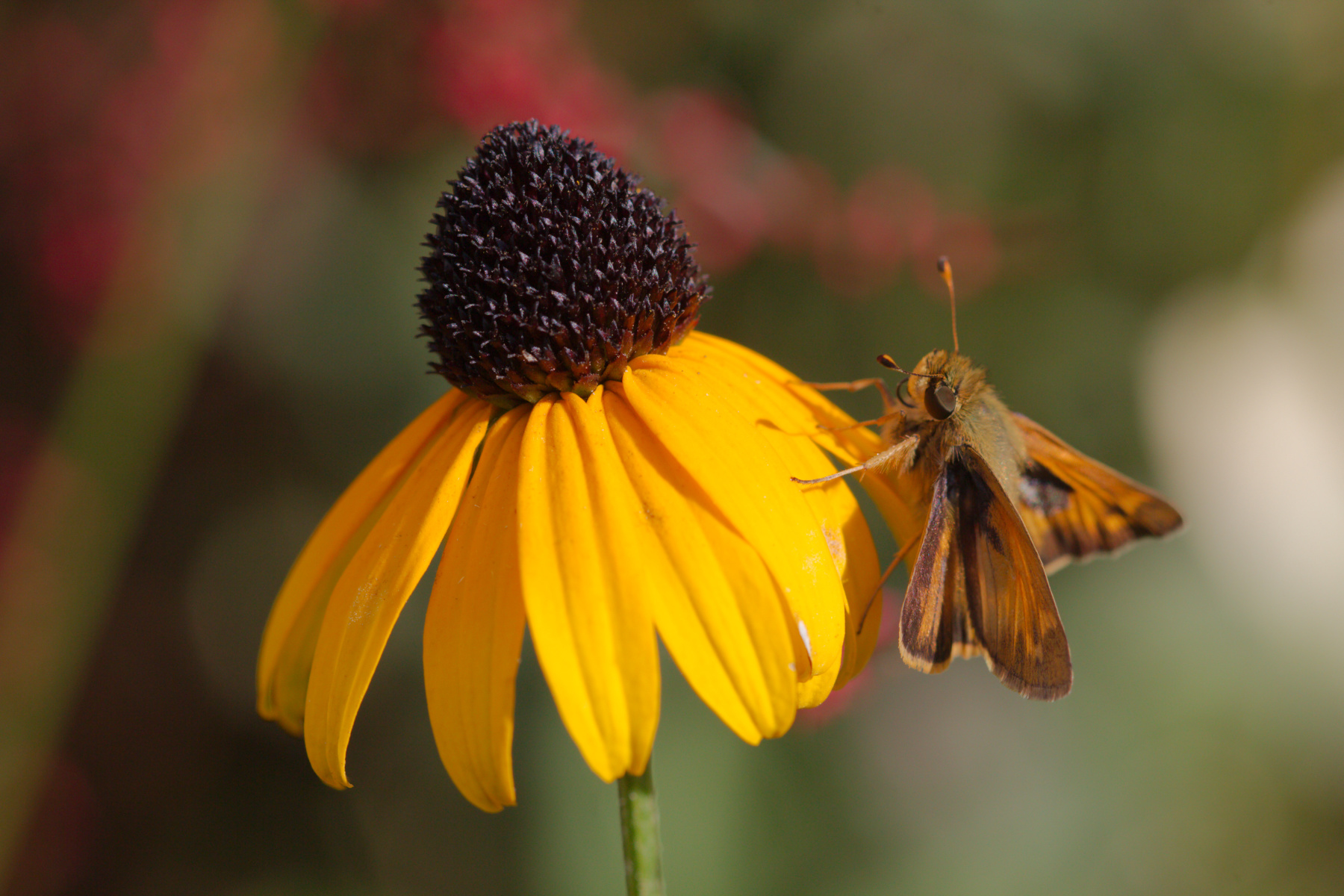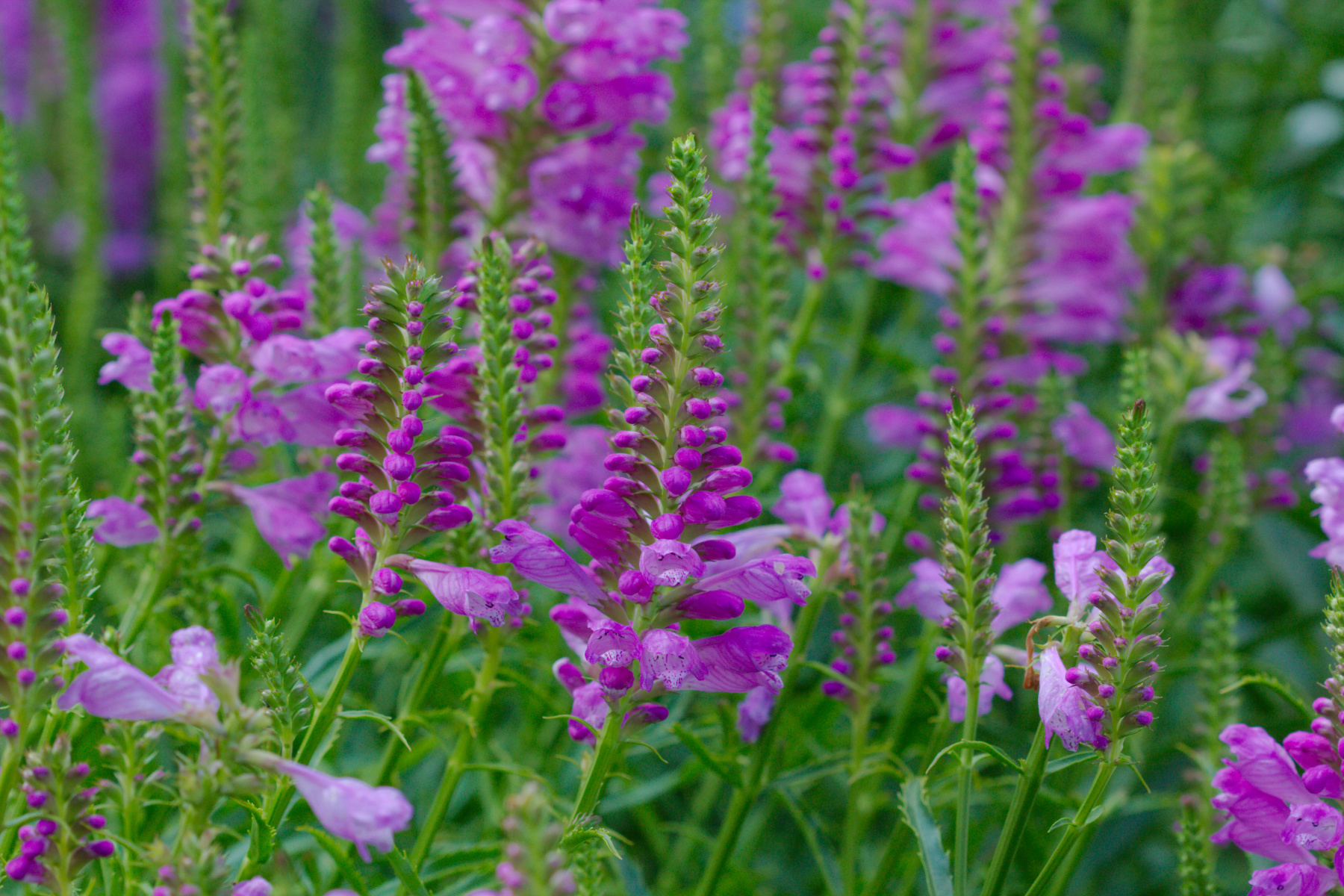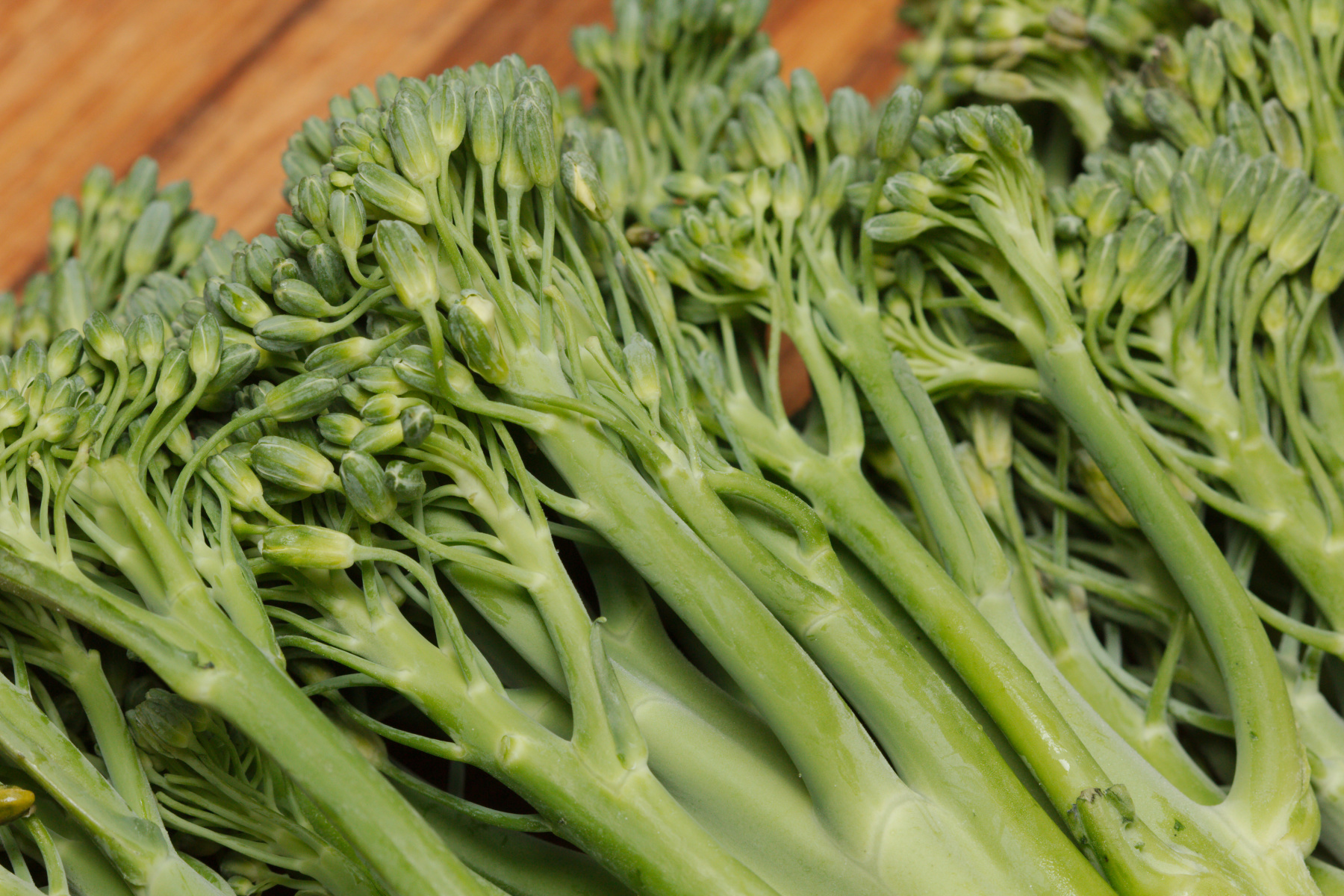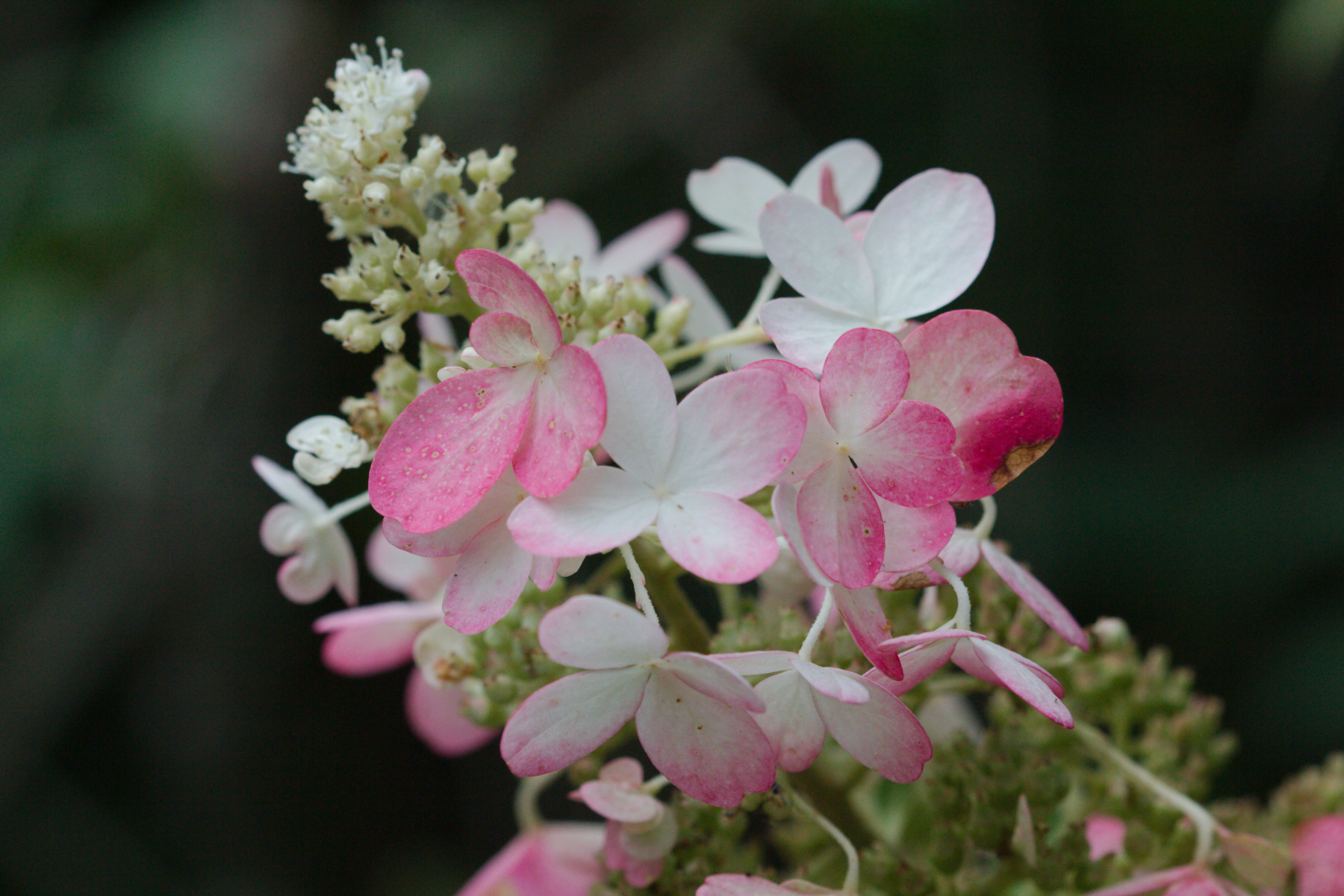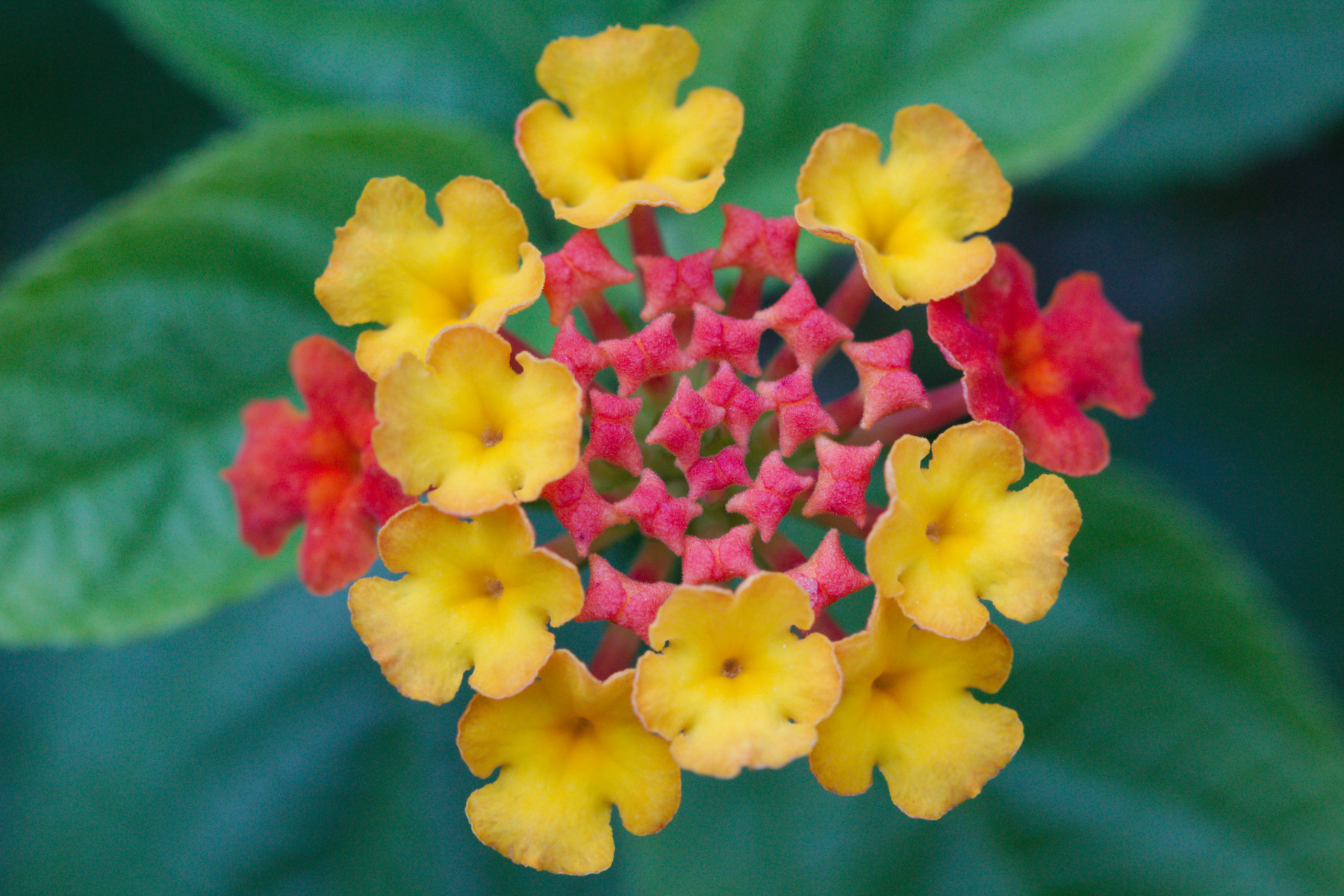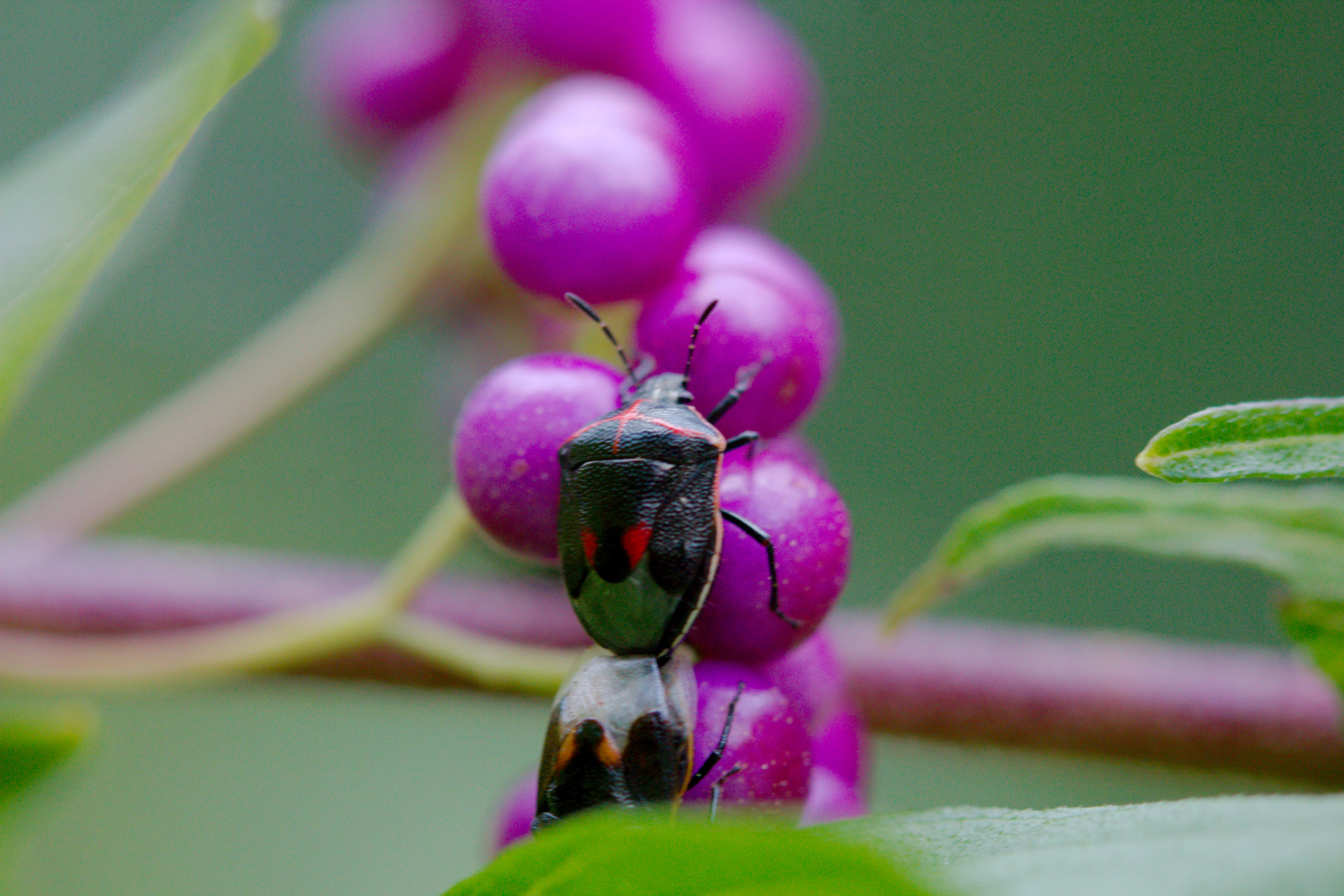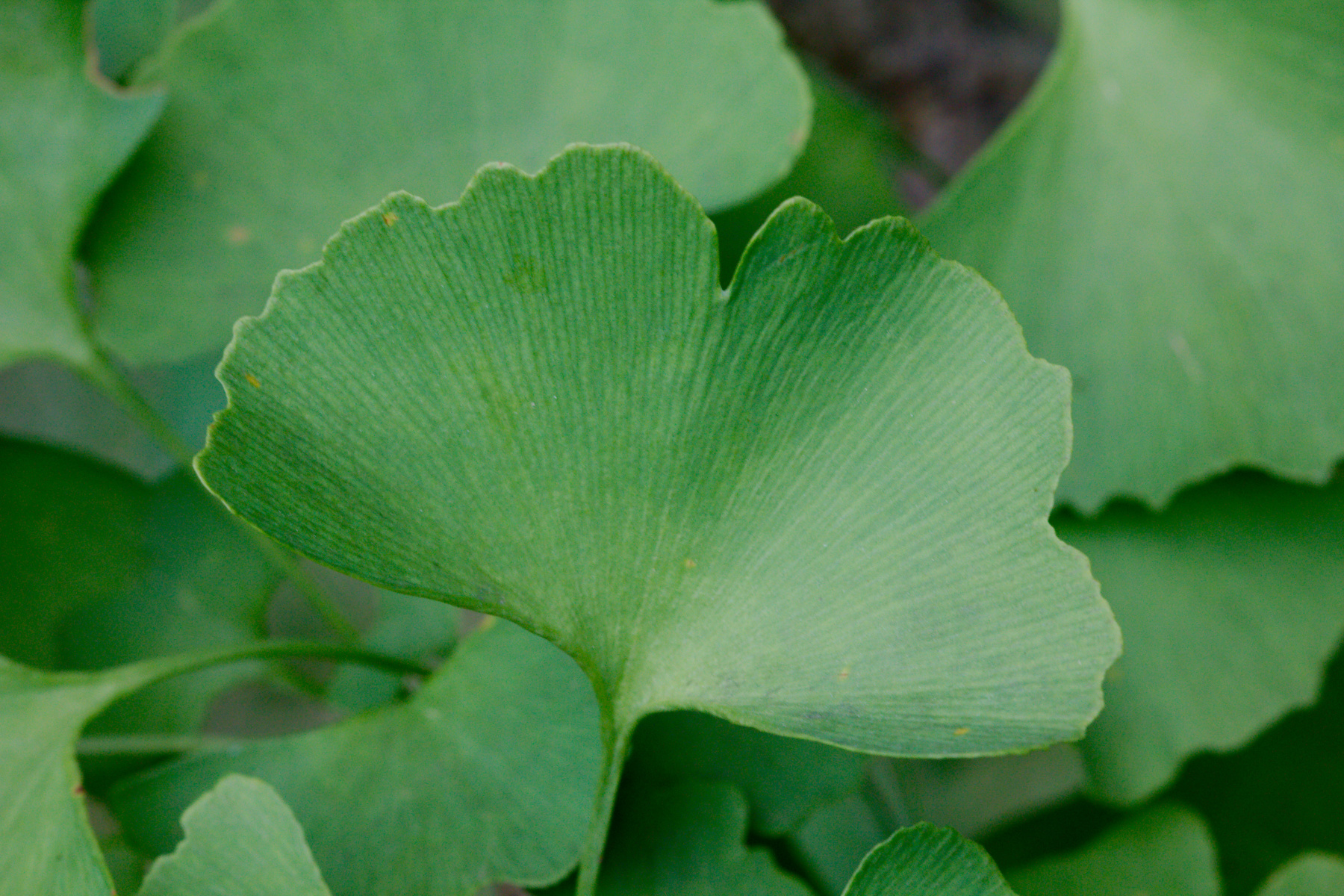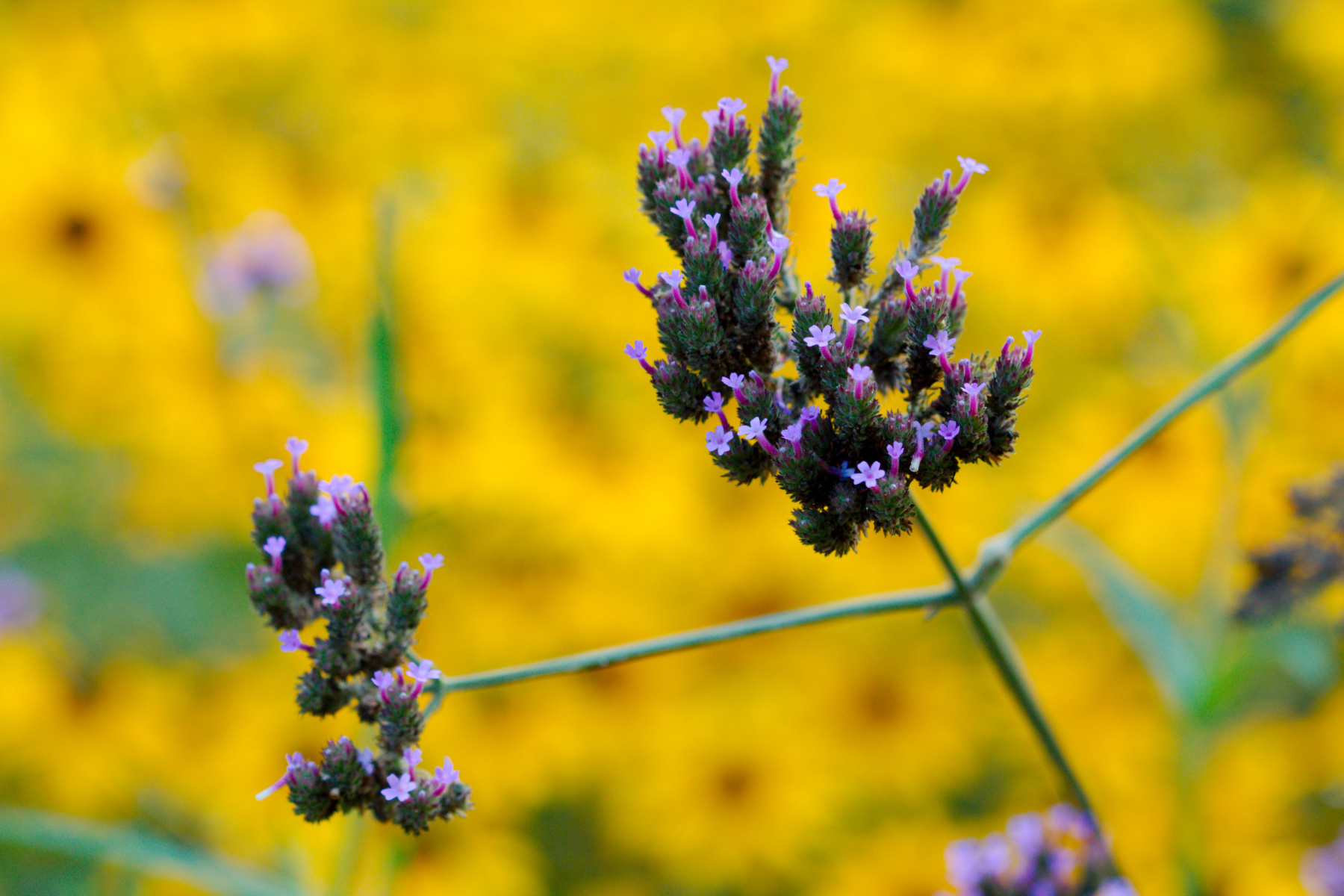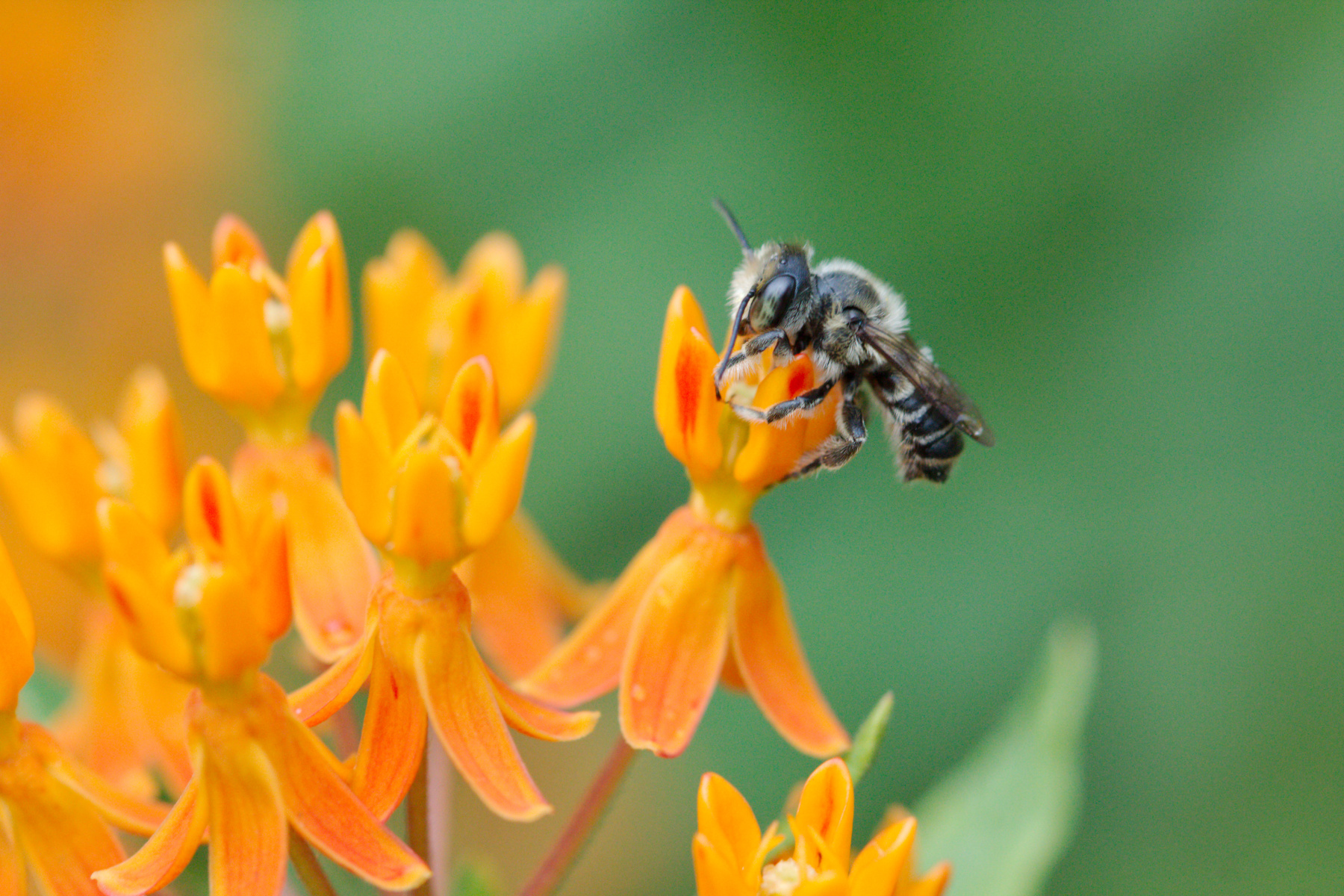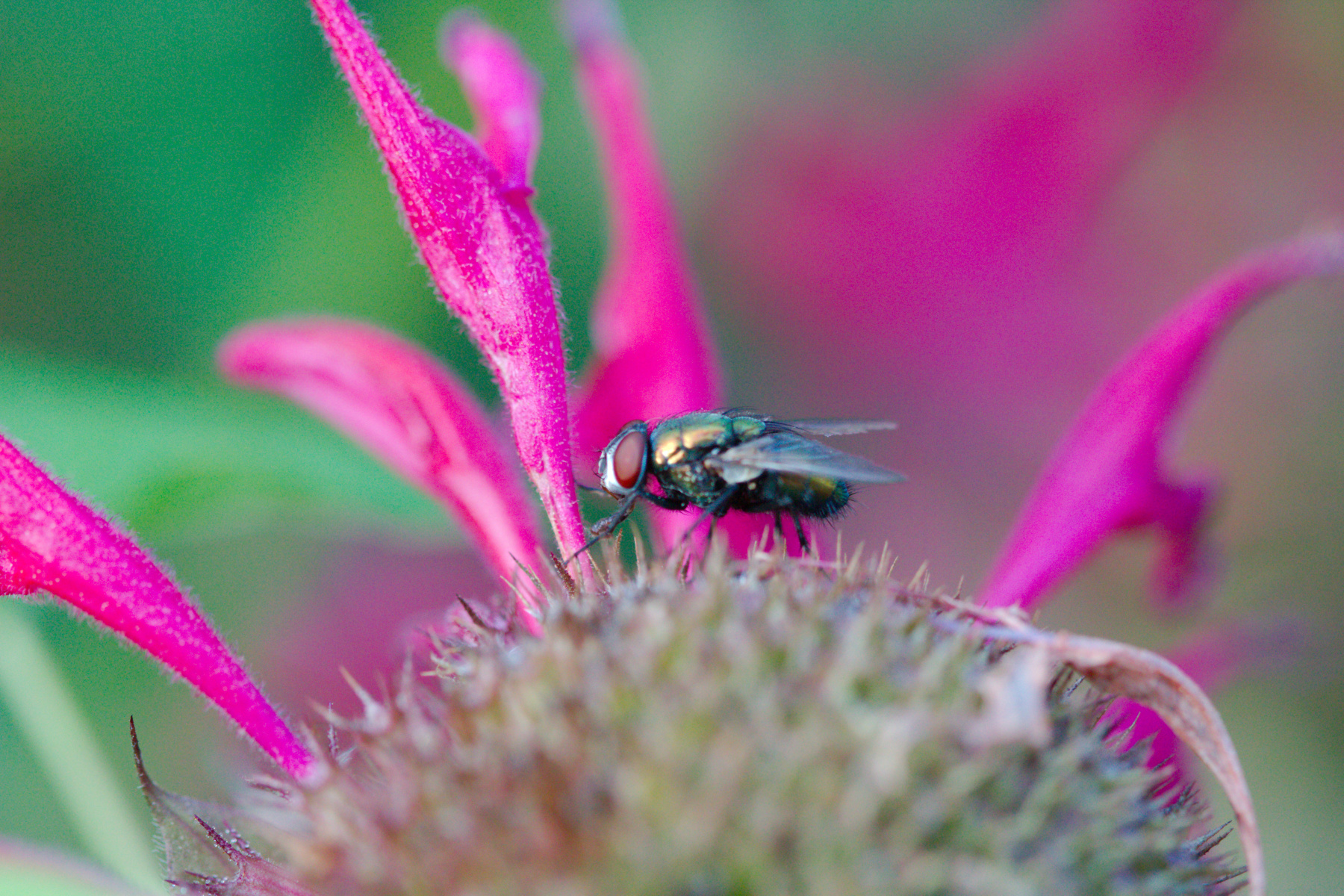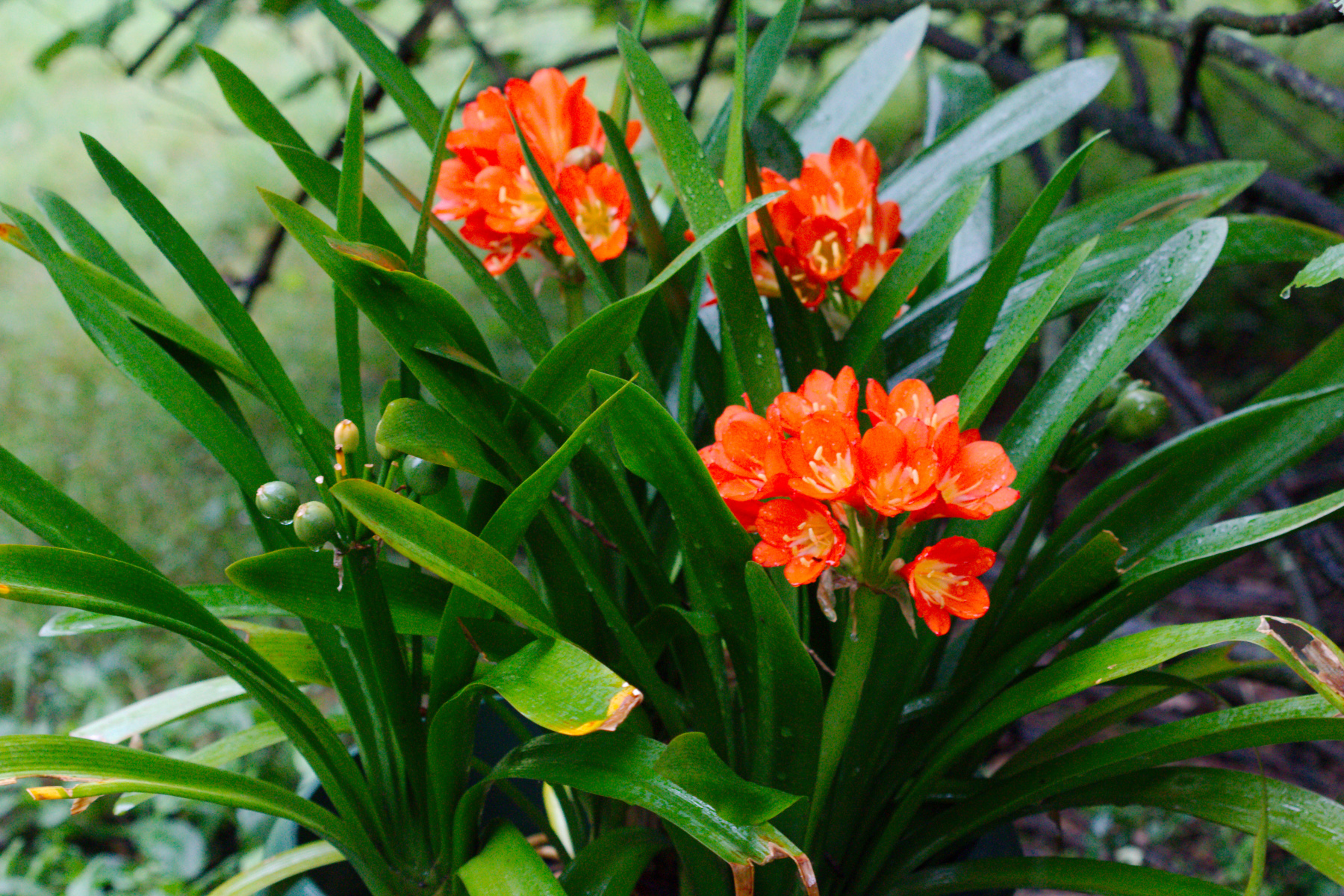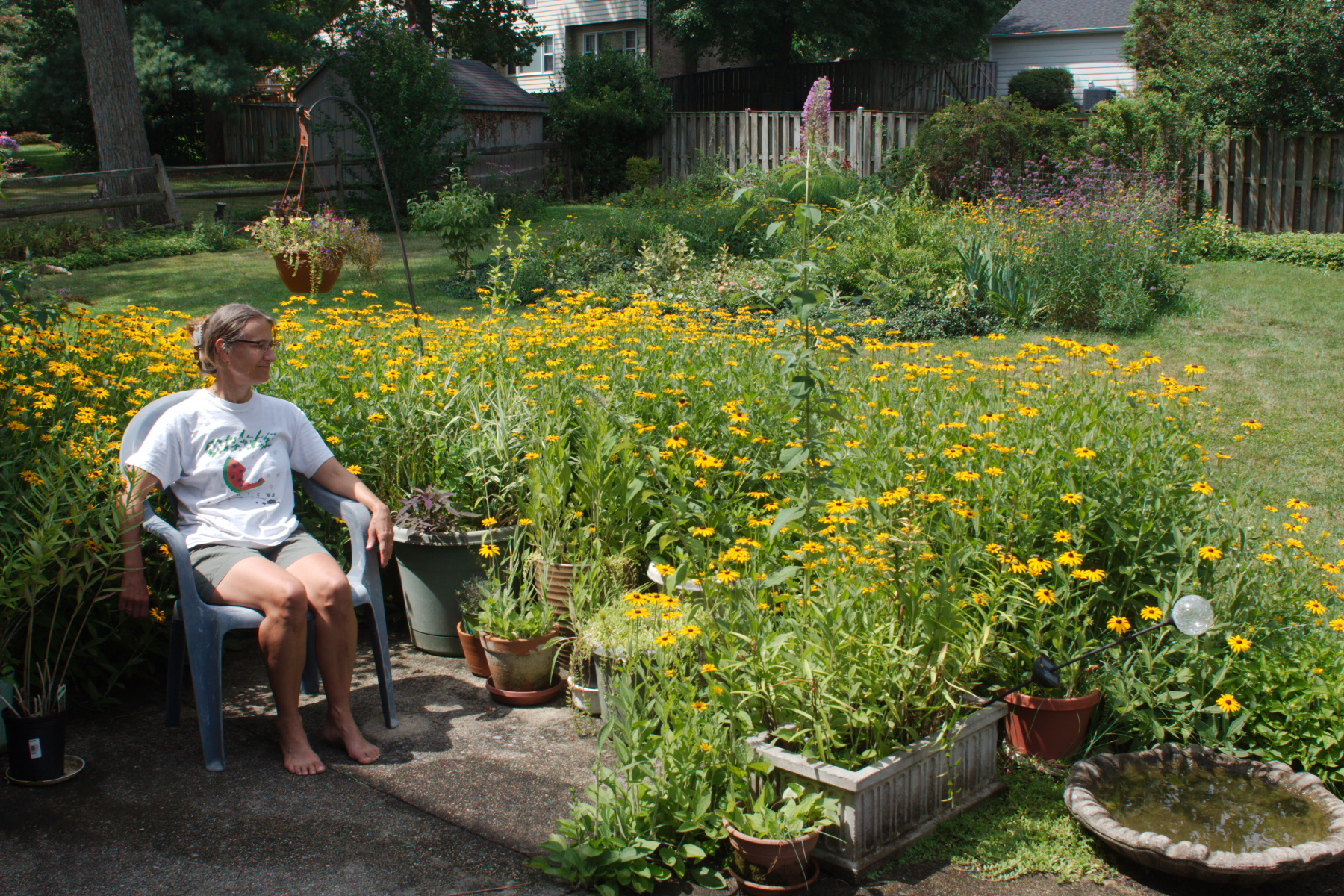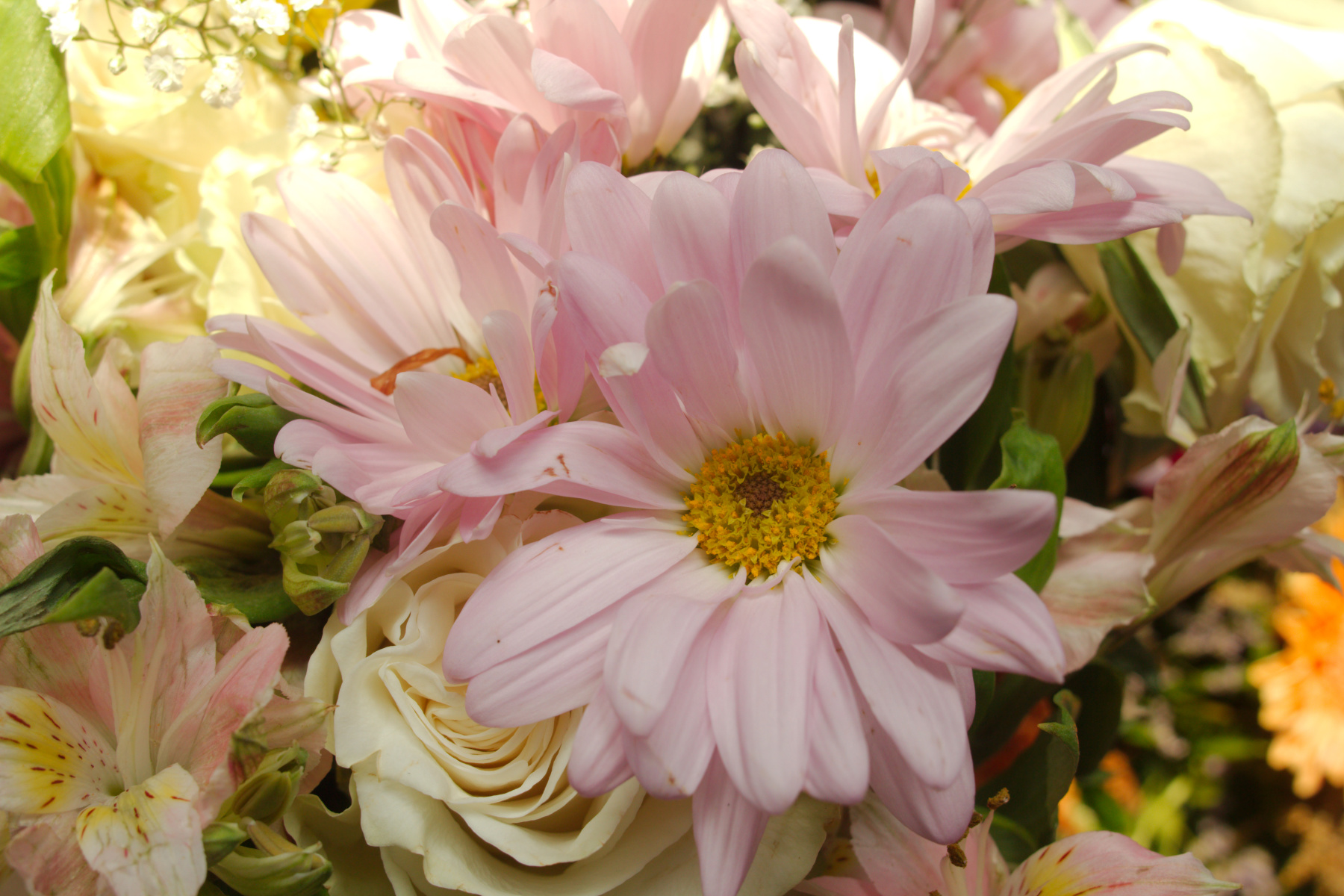
There are quite a few really amazing coneflower (Echinacea purpurea) varieties now and if I had the space and the time and the money, I’d consider a collection of the as one aspect of a large garden. They vary in color from the “standard” pinkish-purple bracts and with orange spikes, as seen here, to all sort of oranges, yellow, and darker purples. They flower shapes vary, as well, and they are all lovely. Sadly, there are enough plant-eating insects that enjoy them that they don’t often last in pristine condition. Photographing them in their prime means getting them when the flowers first open, because the bracts get holes in them almost immediately. Still, they provide color in a time when not a lot is blooming.
Flowers and Plants
Coneflower
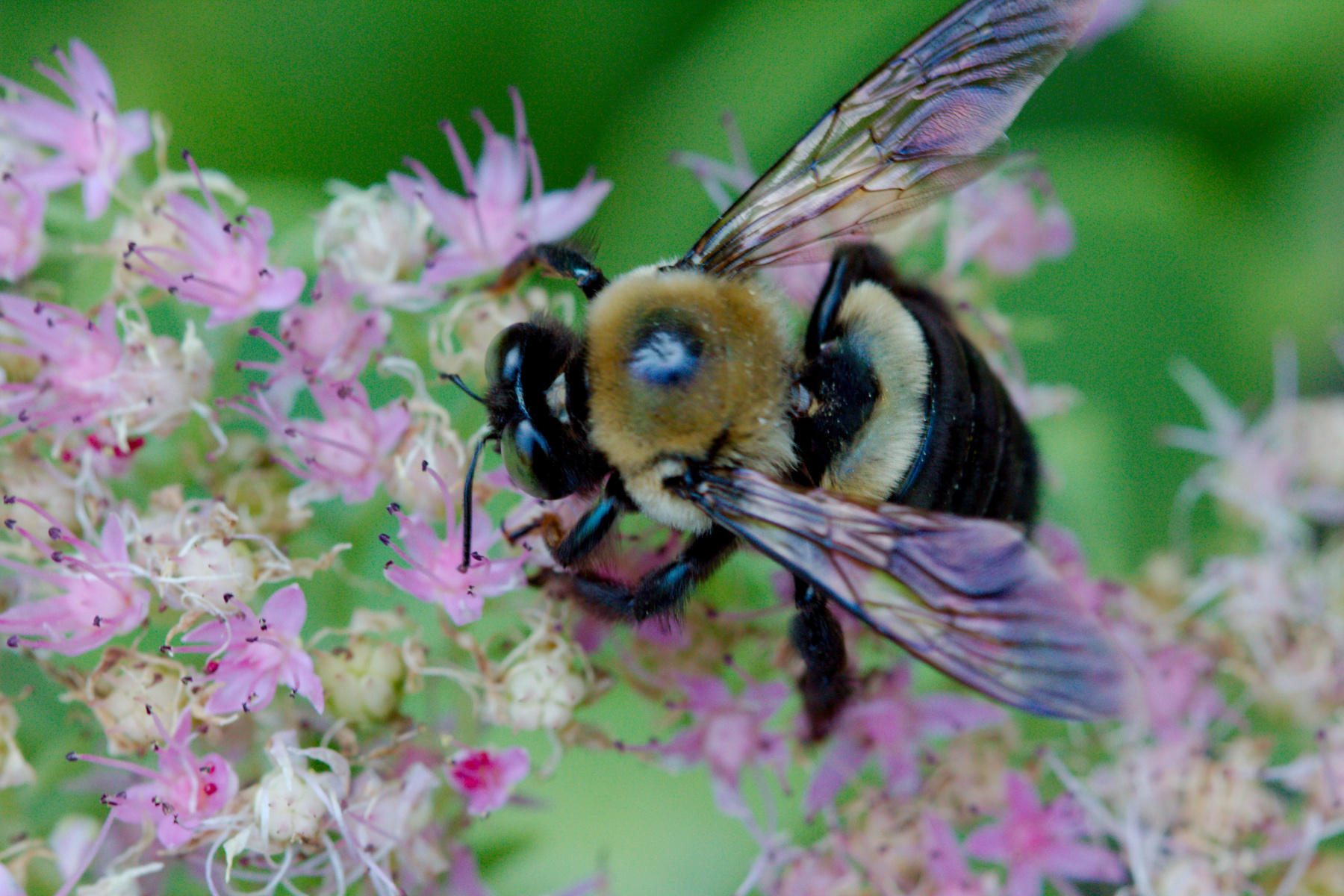
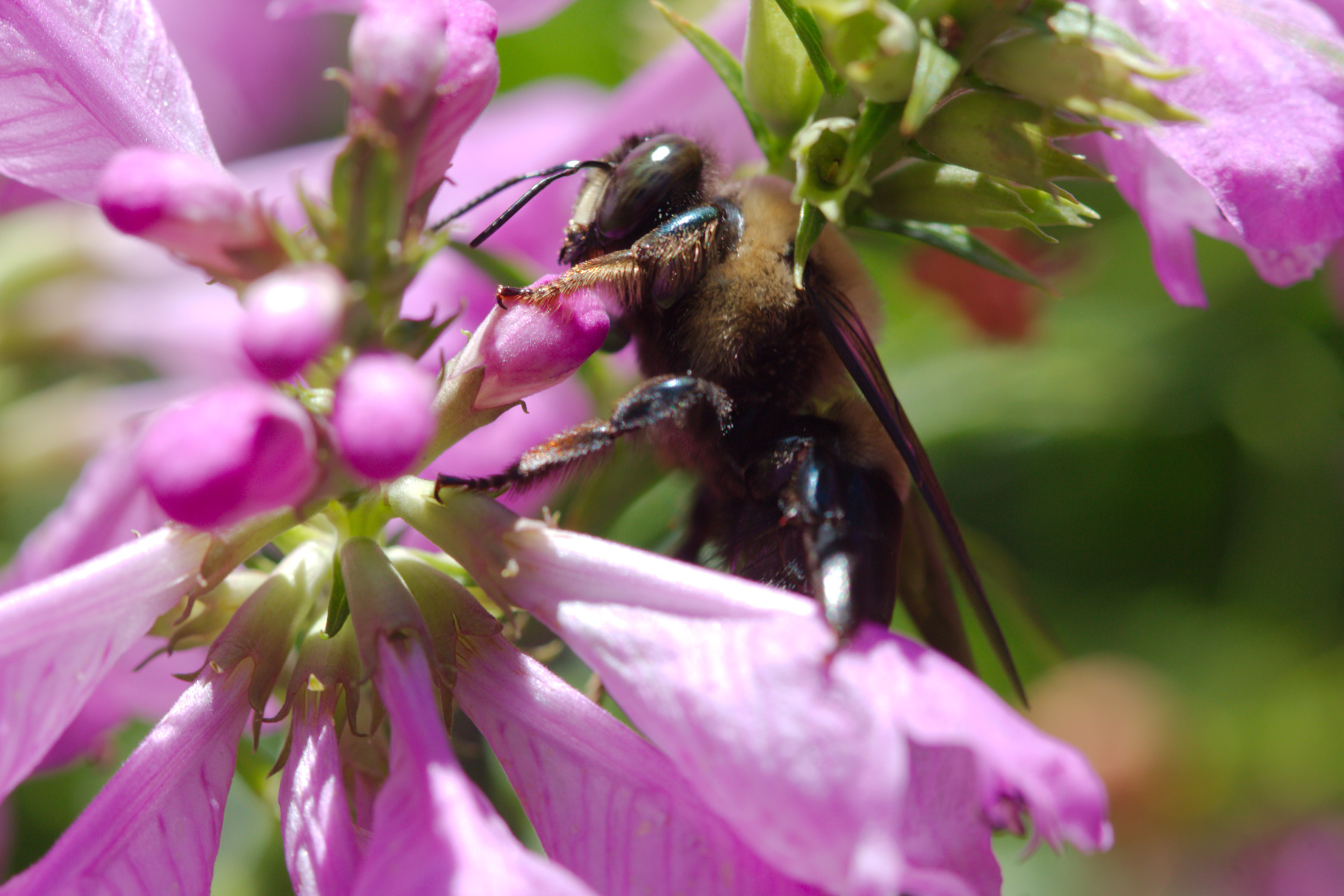
Eastern Bumble Bee
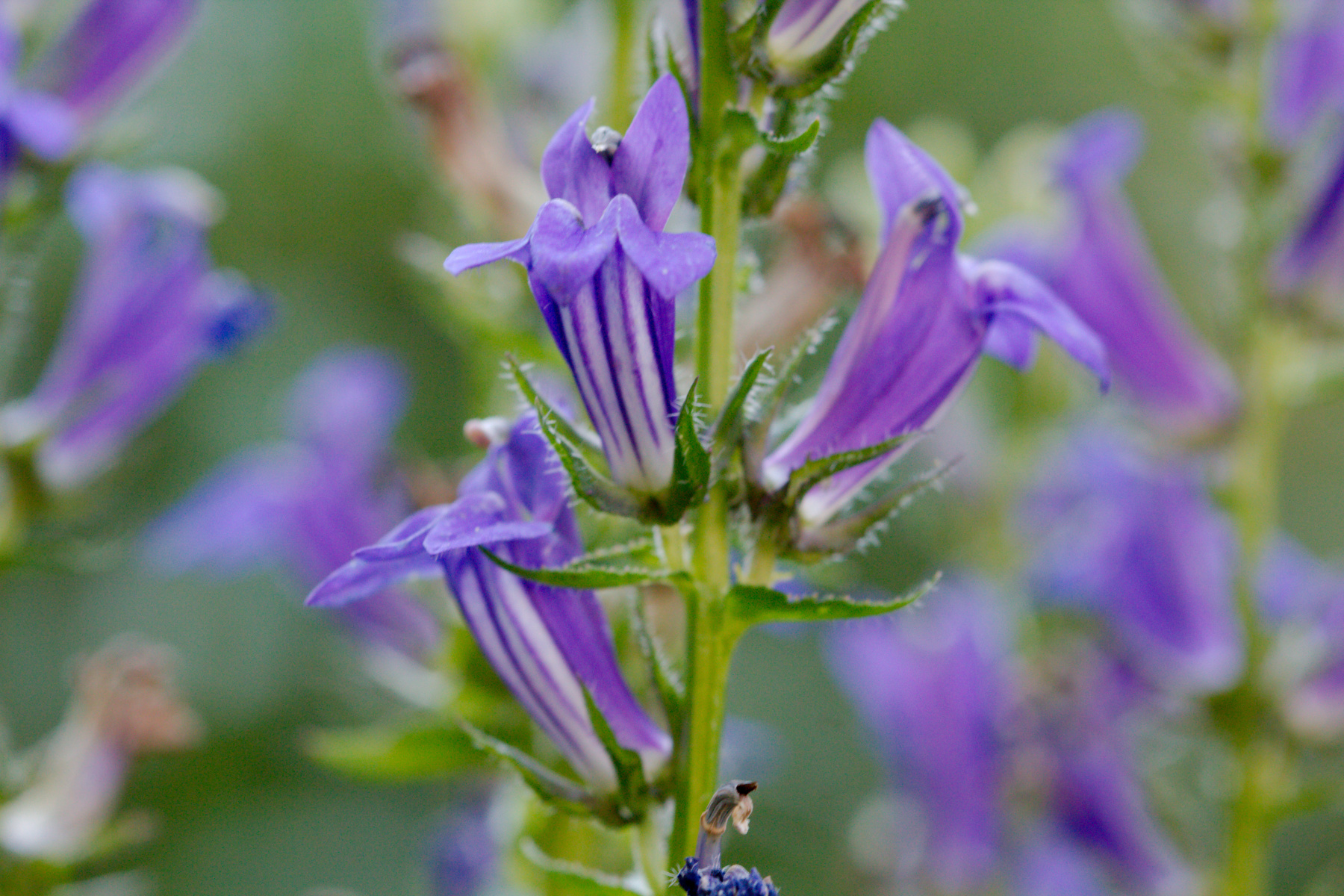
I went out looking for pictures as usual this afternoon, when I got home from work. There is Campanula in bloom in the yard, and I took some pictures of those flowers. They don’t tend to come out the same color in photographs as they are in real life. Not entirely sure why. Then I moved over to the gooseneck loosestrife (Lysimachia clethroides), which is a real attraction to the bees. It’s quite invasive and I really would recommend against planting it in the strongest language, but if you already have it, you might as well enjoy the bees. There were a few honey bees but mostly it was the common eastern bumble bees (Bombus impatiens) that were moving quickly from flower to flower.
Hydrangea macrophylla
We have a pair of Hydrangea shrubs growing along the back of our garden. one of them is fairly large and growing strongly. The other, this Hydrangea macrophylla, is not so big but it’s blooming, at least. The deer seem to like it, so we’ve allowed the Forsythia to grow in front of it a little, to help protect it from them. Of course, that makes it harder for us to see, as well. You can’t have everything. The sterile florets, which have large petals, are a very pale pinkish with touches of blue. The much smaller fertile florets are quite blue, and the combination is quite nice.
Strawflower
Cathy bought some strawflower, also known as golden everlasting (Xerochrysum bracteatum) this spring and has it in a container on the back patio. They are quite bright and lovely to see from the kitchen door. As the flowers open, the center is a bright orange that complements the yellow of the stiff petal-like bracts. As the flower ages, the central disk turns brown, as seen here, but the bracts remain. This gives the flowers their “everlasting” common name. They are already basically dry, so they don’t dry out and turn brown, but rather keep their yellow color. Apparently in their native Australia they grow in sweeping drifts in open grassland, which must be quite beautiful indeed.
Day Lily
The day lilies are coming into bloom. These are great plants and easy to grow. They like full sun but are quite tolerant of a bit of shade (with a bit of reduced blooming, though). You often see them growing in ditches along road sites in the country. Those that we have are from a very small town that no longer exists in rural Pennsylvania. The houses are all gone, except for a few stone basements slowly being filled by the passing of time. around one of them is a huge patch of day lilies. They are in fairly deep shade, so don’t bloom profusely, but they are happy and continue spreading their roots. I dug up a few many years ago and they really responded to the sun and never fail to satisfy.
Callicarpa americana (Beautyberry)
This native shrub has self seeded in our back garden. I’m of two minds about it. The beautyberry (Callicarpa americana), also known as rench mulberry, sourbush, bunchberry, or purple beauty-berry, does have pretty fruit, from which it gets both its common and its generic name. On the other hand, it’s not really growing where I would have planted it. Every year I think about either taking it out or at least transplanting it to another part of the garden. It certainly grows strongly enough and would probably do well in another location. The flowers, shown here, are not very significant. The big clumps of purple berries that follow are quite nice, though.
Mushroom
Those of you who have followed my photographic endeavors for any length of time know that some days I just don’t have anything particularly interesting to share. That’s going to happen when you say you’re going to post a picture from every day. I suppose there are people whose lives are so varied that they always have something interesting going on, but my life has many days that are just like most of the others. I go to work and I come home. My commute doesn’t take me by any grand vistas and there are no mountains or waterfalls to be seen. My yard is fairly pedestrian and while I have flowers and bugs to photograph, it can all seem a bit the same from day to day. This is a mushroom that was in our back lawn, presumably growing on the decomposing roots of one of the trees that we have had to take down. Not much, but it’s one more glimpse of nature.
Egyptian Walking Onion
I planted a few of these years ago at our old house, after having taken a few bulblets from the top of some growing in a garden we visited. A few years ago I decided to get rid of them, but that’s easier said than done. This one is growing in the grass outside the fenced herb garden that I made a while back. I think we need to be a bit more ruthless in pulling them up. They are interesting, though, and if we had a lot of space, I’d have a bunch. The stems, which are really tubular leaves, have flower clusters at the top. Then bulblets form and sometimes there are flower clusters growing from those bulblets. When the top becomes heavy from the size of the bulblets, the whole plant falls on its side, those bulblets take root and new plants spring up. It’s that spreading action that gives rise to the “walking” part of their name. Anyway, if you’d like some, feel free to ask and I’ll give you a few bulblets and you can start your own colony.
Asclepias curassavica Orange
This butterfly weed, Asclepias curassavica, is also known as blood flower. Cathy recently bought a few plants in both orange (this one) and all yellow. Sadly, it is not hardy enough for in-ground planting as a perennial here, but it should do well in containers and brighten up the back patio. This one is in a container right outside our kitchen door and looks great against the green backdrop of Rudbekia growing around the patio. I especially like the bi-color nature of this one, although the all-yellow variety is nice, too.
Asiatic Lilies
We have some Asiatic lilies in the bed where there used to be an oak tree in front of our house. The oak has been gone for long enough that I don’t remember when it was cut down (and I don’t feel like searching through my journal to find out). The lilies are doing quite well and they are surrounded by other plants which seems to have kept the deer and rabbits from eating them, which is nice. As you can see, they are a very hot orange and are quite spectacular. The tiger lilies, which won’t bloom for a while yet, are much taller and more obvious. These blooms are only about 18 inches from the ground and face upwards, which is terrific.
Heuchera sanguinea
We’ve had coral bells (Heuchera sanguinea) growing in our garden and in containers pretty much since we have been able to have a garden. It’s not the sturdiest of plants and we’ve had to replace them from time to time. I may be forgetting something but I think this is currently our only plant, growing in a container in the driveway. It’s fairly happy, probably because the containers get watered more regularly throughout the summer than the in-ground plantings. Also, although this gets a bit of direct morning sun, it’s in bright, open shade by early afternoon so it doesn’t bake. It seems to be happy and it blooms quite freely, which is nice.
Cleome ‘Senorita Blanca’
On Sunday, as I mentioned, we went to Stadler Nursery in Laytonsville. Cathy bought a few things, including two Cleome plants, one white and one very pale pink. The white one, shown here, is called ‘Senorita Blanca’ and the other is ‘Senorita Mi Amor’. We’ve had Cleome ‘Senorita Rosalita’ in the past and these are (I assume) related plants with different coloration. My understanding is that they are sterile and will not self-seed, which is both good and bad. Annuals that do self-seed can become a real nuisance and get out of control. But some, if they only just manage to hold on, are really nice. Nigela is a good example of the latter. In our experience, it just self-seeds enough that we have it for a few years before needing to plant more. Other annuals, of course, go totally native and sterile plants are a real boon.
Adiantum pedatum (Northern Maidenhair Fern)
I’ve posted pictures of this fern before and I’ll probably do so again. It’s a pretty fern and worth growing, if you have any interest in ferns. I actually have it in a less than ideal spot that gets pretty much full sun from about noon onwards. It would be happier in full shade. The Missouri Botanical Garden page on this plant says, “High summer heat may cause fronds to brown by mid to late summer, particularly if good soil moisture is not maintained and/or plants are grown in too much sun.” Yep, that happens here. I really need to move it, or at least take a piece or two of it to grow in a better location. It does amazingly well in the sun, but it could be so much happier.
Landscape Rose
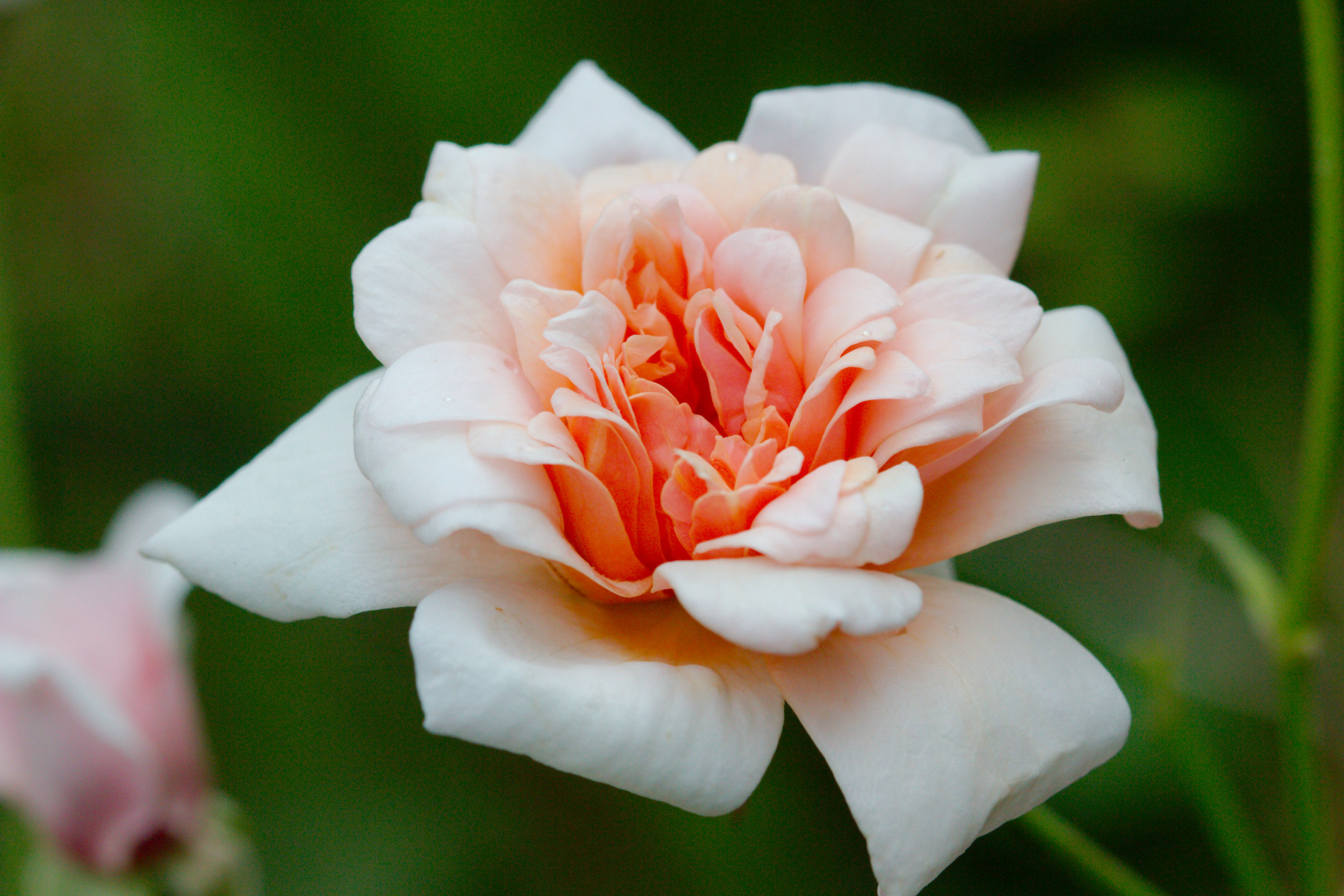
I really like roses and I’ve posted photos of them here fairly often, trying to get each of my roses featured at least once a year. I also like to visit my friend Nick, who often opens his rose garden on Memorial Day weekend. He didn’t this year, for personal reasons, but I thought I’d post a rose photo, anyway. The rose that’s blooming that I haven’t featured yet this year is a landscape rose that our neighbor gave me a few years ago. It’s growing in a nice, sunny spot behind our garage and is quite happy there, blooming profusely (as you can see). I’m not as big a fan of these roses as I might be, mainly because they have little to no fragrance. But I can’t fault them in terms of blooming and ease of care. If you want a rose that will bloom all summer and which you can basically ignore, this is probably the rose for you. They really are quite spectacular when they really get going.
Allium moly
Allium moly, commonly known as golden garlic, is a pretty, ornamental flowering onion with bright yellow flowers. I have this growing long side our front walk, although it has been surrounded by other plants so it isn’t as prominent as it was when it was first planted. I really should have more of this. It blooms after the majority of bulbs are done, so helps fill a gap in the blooming cycle. It’s also a lovely, bright yellow, which is hard to miss. I have it growing next to a small Siberian iris called ‘Eric the Red’ and the two go very well together, with purple and yellowing being a really good combination. They are also on the small side for their respective genuses. Highly recommended.
Peony ‘Coral Sunset’
This is one of three peonies that I planted in 2014, named ‘Coral Sunset’ that are growing will in the back garden. I’m a big fan of peonies and if I had a lot of space I might devote and entire garden room to them. There are both herbaceous and woody stemmed peonies and the are both worth growing. They do take a while to get established but they don’t really require much care. The reward in the huge, brightly colored flowers every spring. There is a nice peony garden at Seneca Creek State Park, if you are interested. I haven’t had a chance to go this year and it isn’t looking like I will, but it’s worth a peek, if you can get there when they are in bloom.
‘Perle d’Or’
In the continuing series of roses, this is one of my favorites. I’m down from a high of 13 roses in the garden to 5. One of those, Crépuscule, was nearly killed a few years ago after being by far the largest rose I had, covering a 20 foot trellis on the south end of the house. This on, a small china rose called Perle d’Or is growing just outside our front door. It lost a few canes to the cold this winter but is in full bloom now, really showing off and giving off a wonderful fragrance.
‘Champneys’ Pink Cluster’
We’re coming up to the peak of rose season. Many roses bloom all summer, of course, and we naturally love that about them. But even those that repeat bloom start the season with the best display of the year. This rose, a Noisette rose bred by Champneys in 1811, is a reliable repeat bloomer but it is getting set to be absolutely covered with flowers. It is growing on the south end of our house where it gets plenty of sun and seems to be fairly happy. We need to work to keep the bindweed off of it, but other than that, it requires little care. And such a pretty little thing.
Cathy
We took our annual Mother’s Day outing to the garden center today for Cathy to buy the annuals that she’ll plant around our yard and garden. After a hot and clear day yesterday it was quite cool and rainy today. When we got to Fehr’s Nursery in Burtonsville we were the only customers there. Others came and went while we were there, though, and considering the weather, they were doing pretty good business. Much of what Cathy was shopping for is in their greenhouses, so the rain didn’t really affect us too much. I did what I usually do in these situations, wander around with my camera and take pictures of flowers. I was taking pictures of these flats of red-flowered begonias when Cathy happened to come by, so I got this picture of her in front of them.
Weeds
Weeds are incredible. They grow so fast, are hard to get rid of, and can easily take over your yard. I’ve mentioned that last year we didn’t do a lot of gardening and the weeds got the upper hand. This spring they are coming up in force. In the big patch of lily of the valley (Convallaria majalis) the Canada thistle Cirsium arvense was so thick you could barely see the lily of the valley. I spent the morning pulling it up and it looks so much better. I also dug up some pokeweed (Phytolacca americana). That’s what is photographed here, leaves and root of pokeweed (and you can see a little Canada thistle at the top). This huge root was a bit of work to get out. I’m not naive enough to believe it won’t come back from the small amount of root left in the ground, but getting this huge root out is a necessary first step.