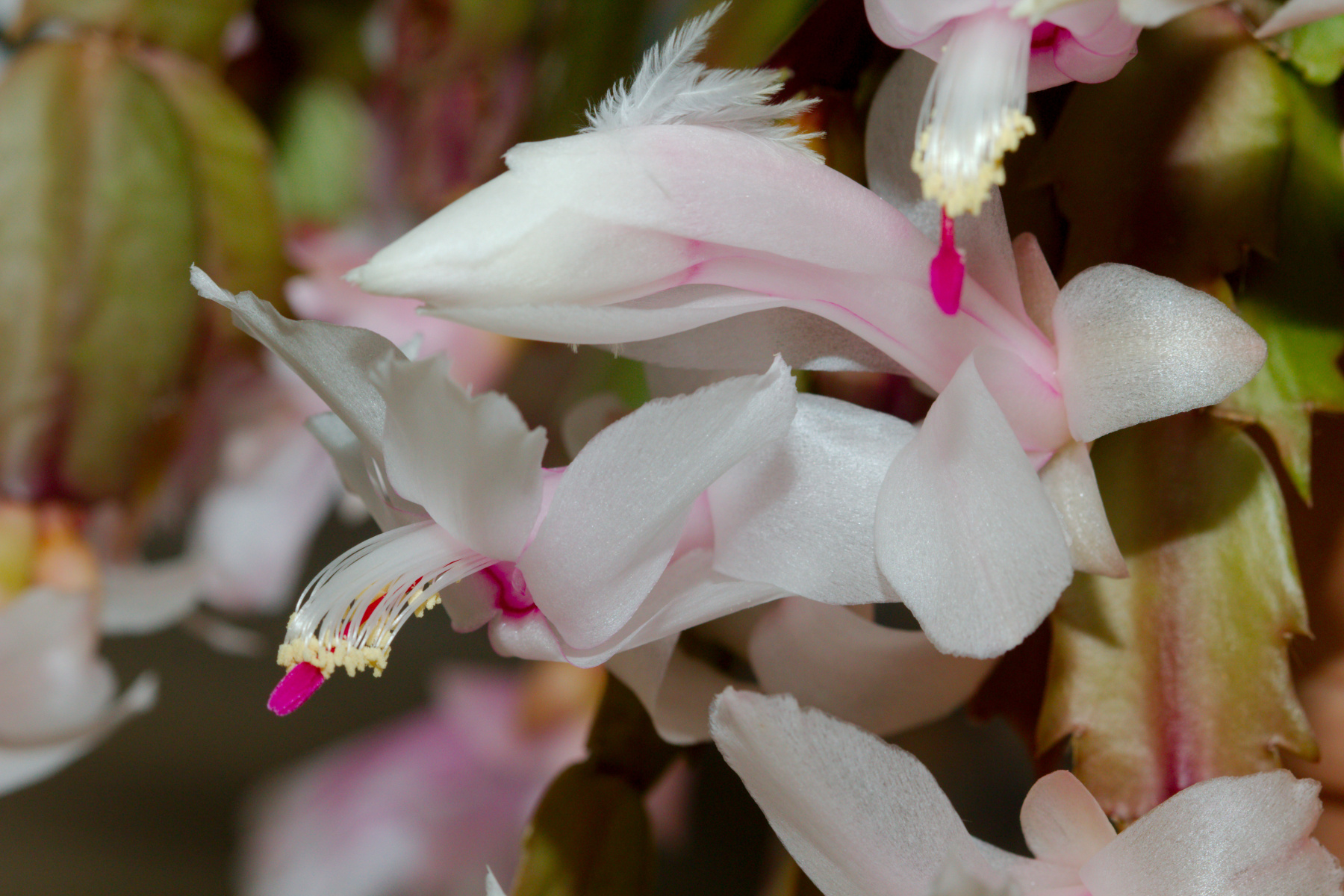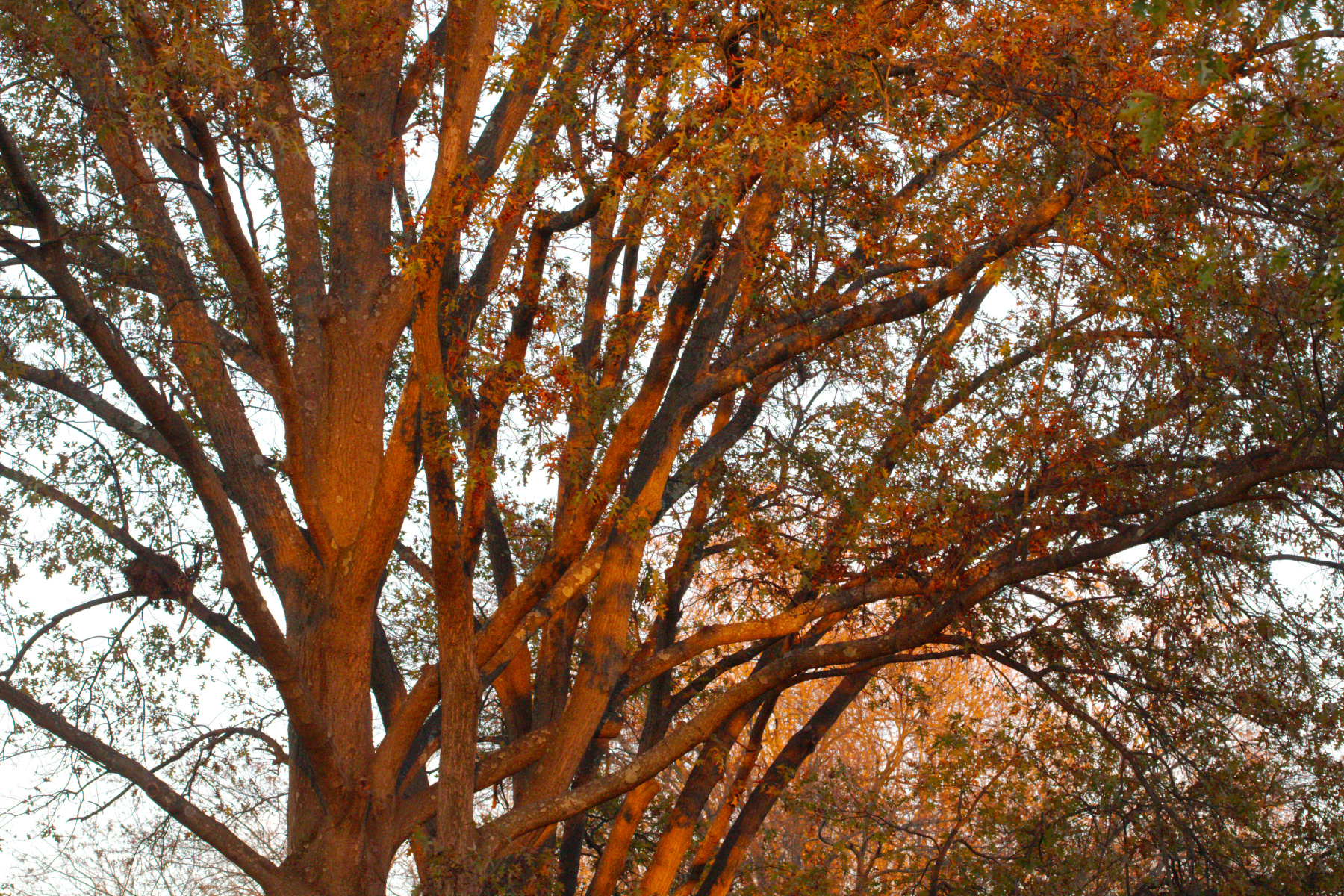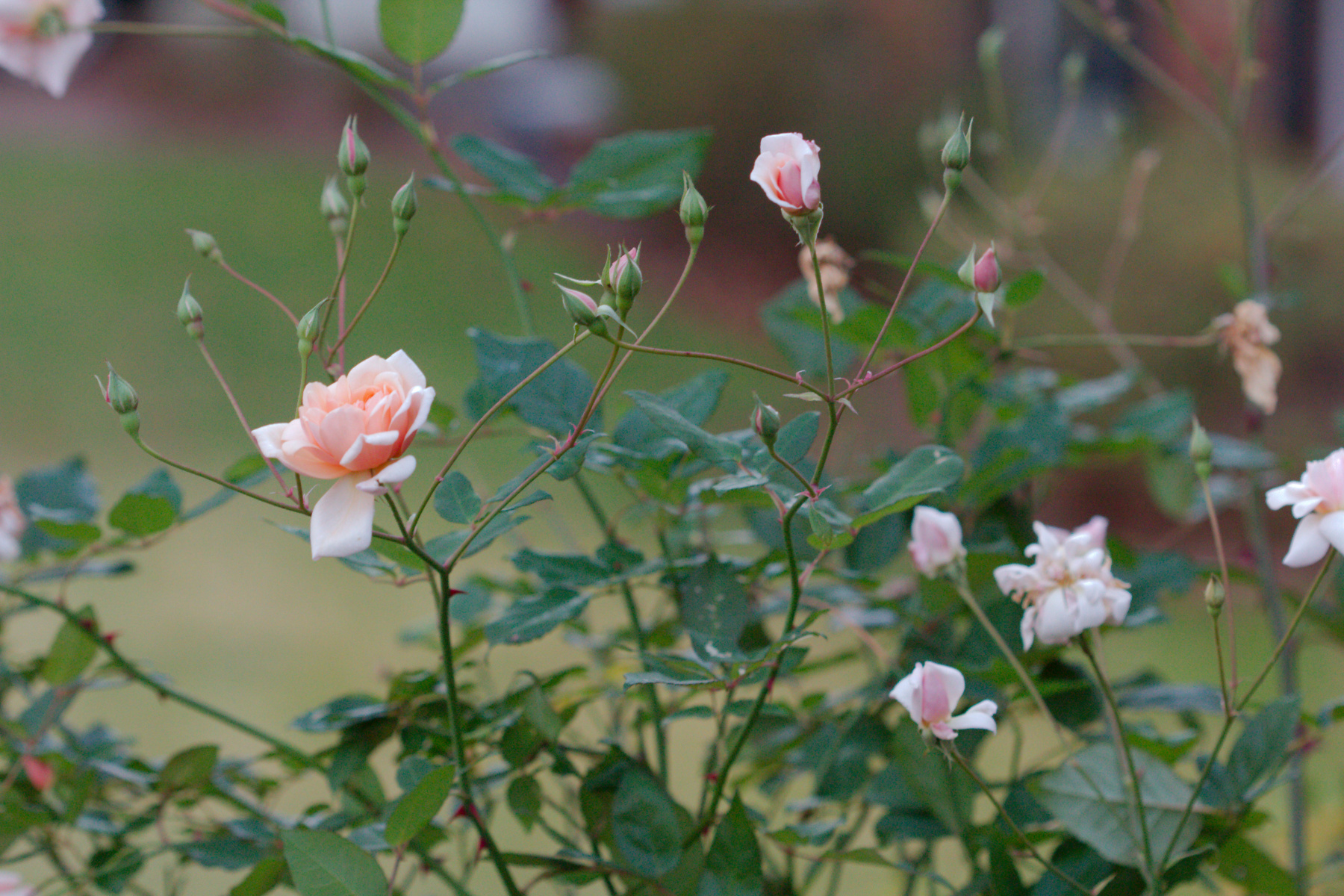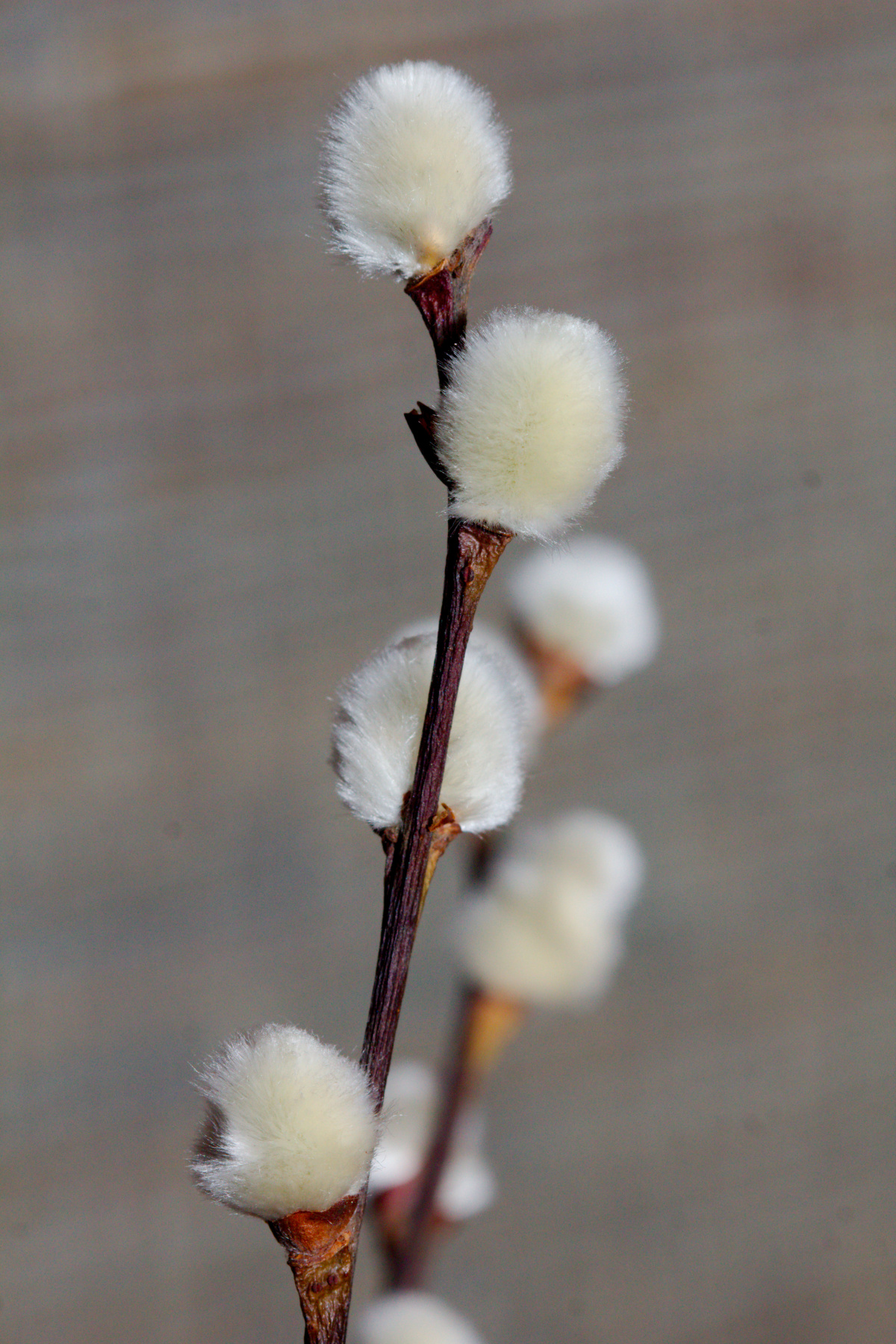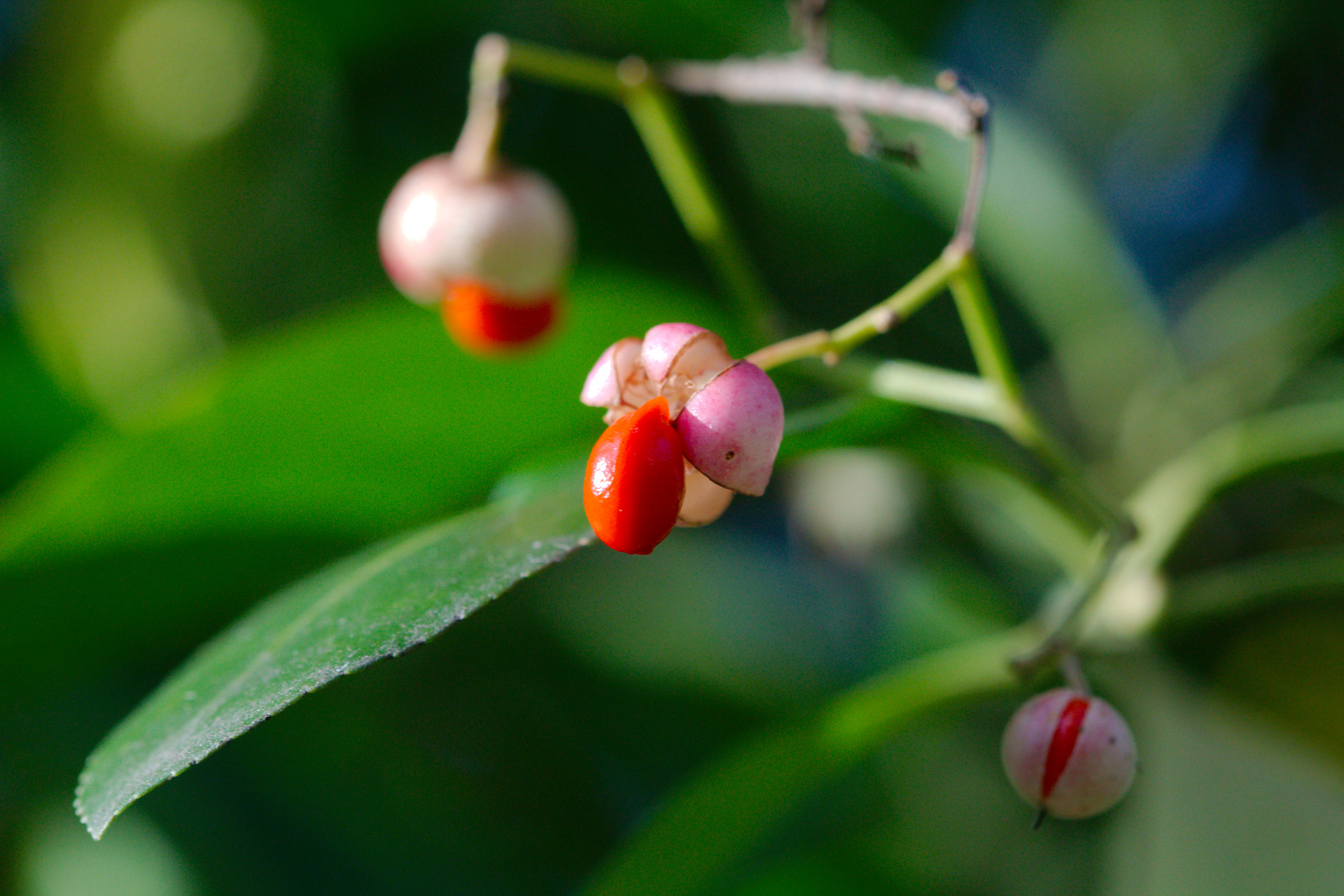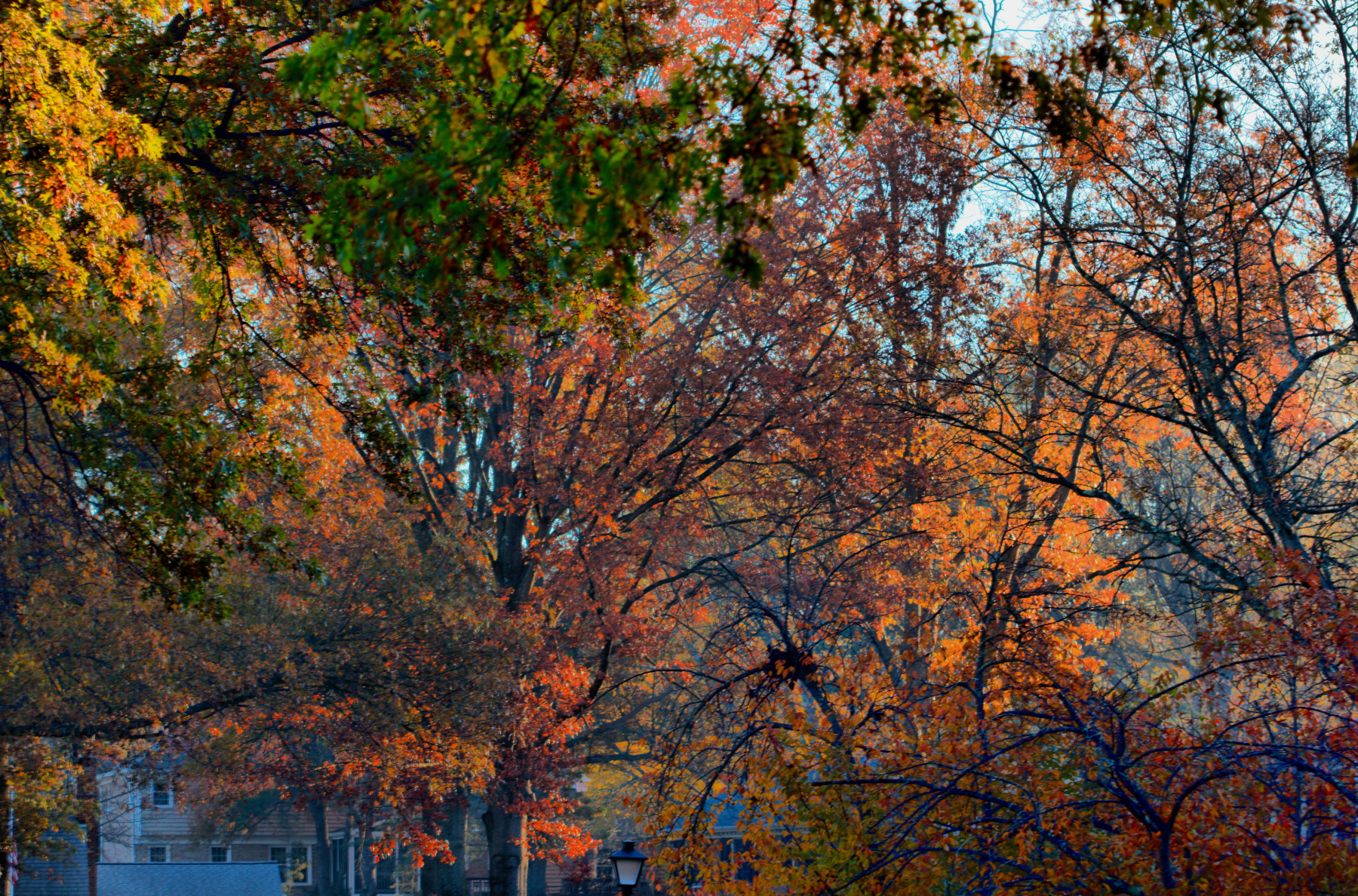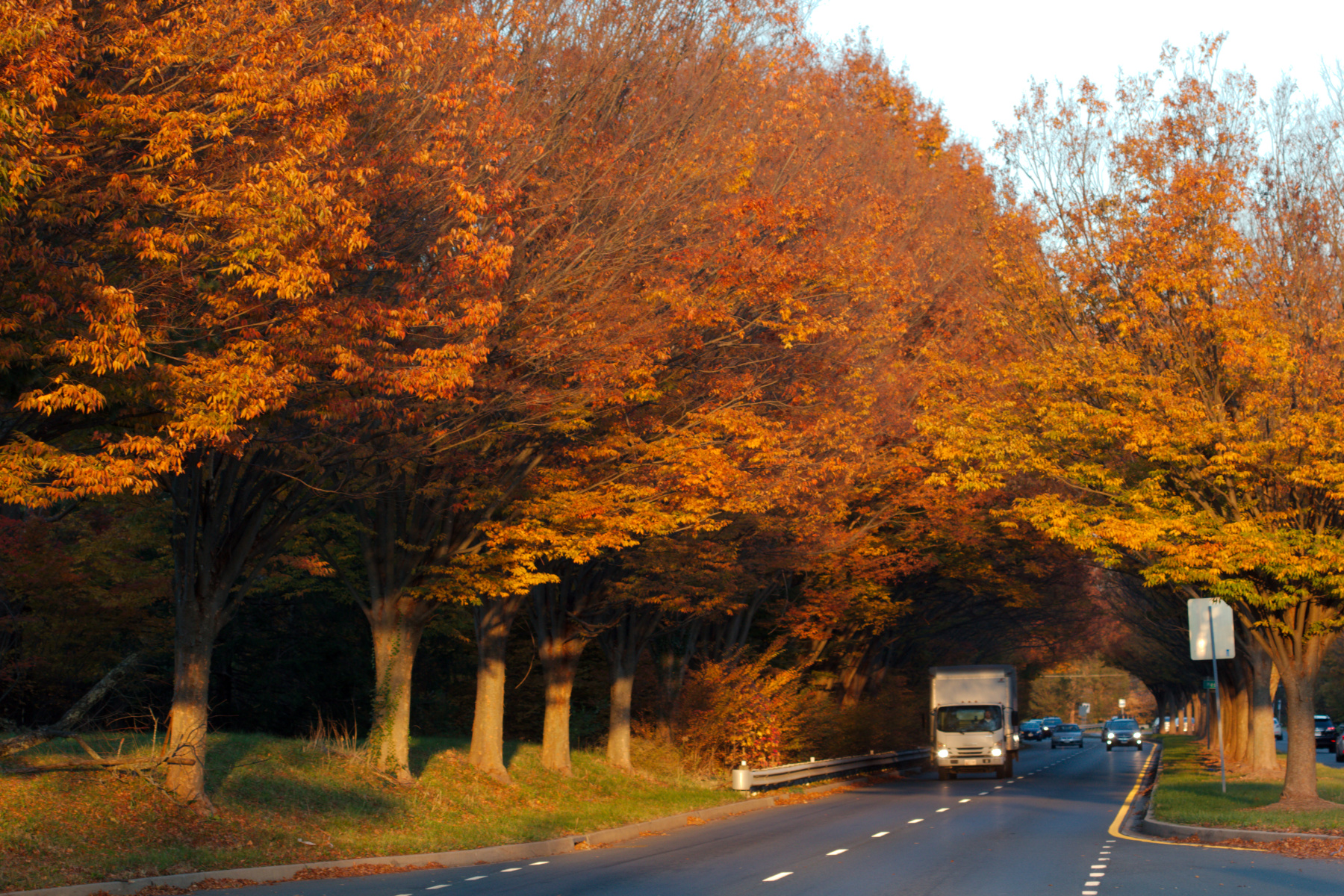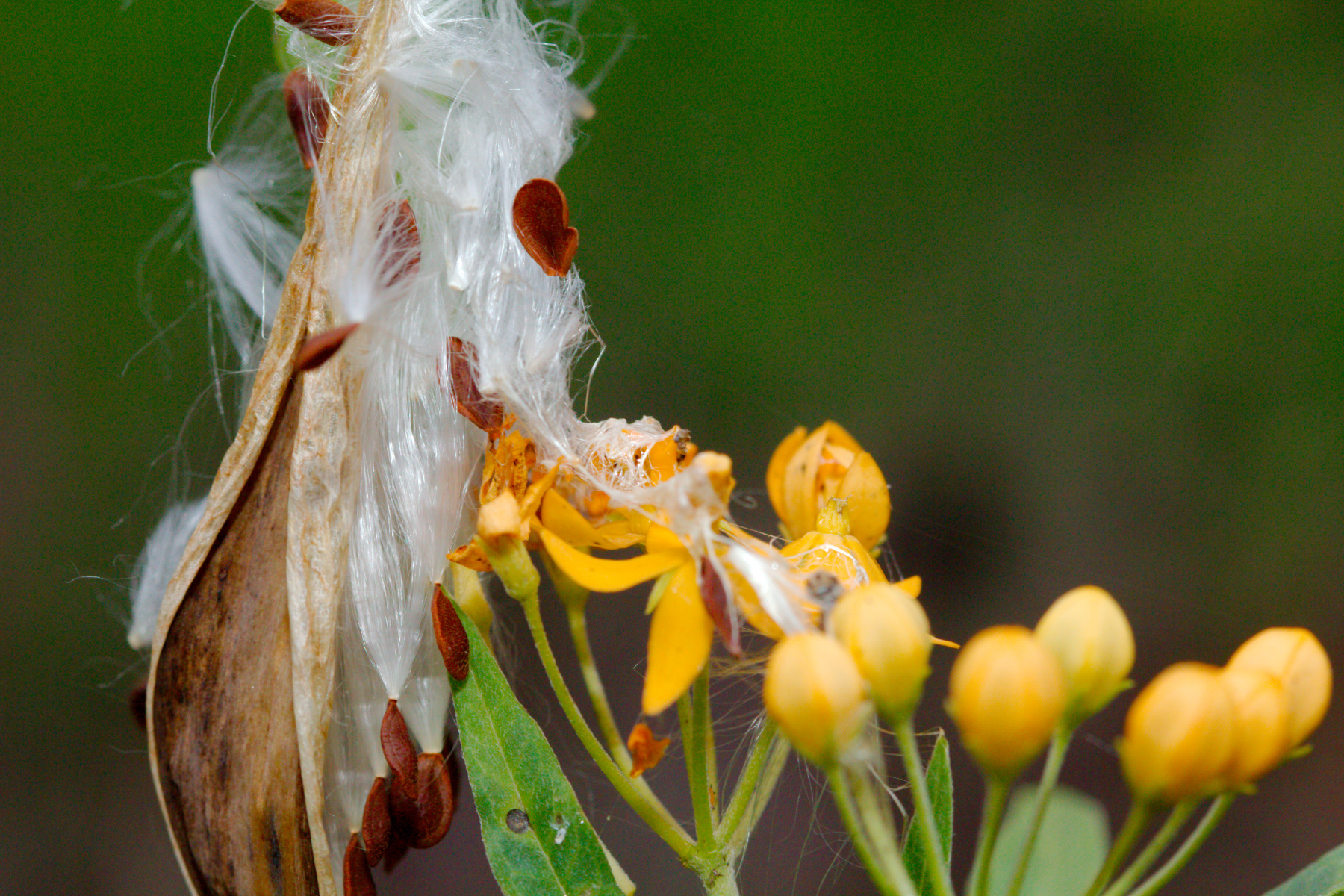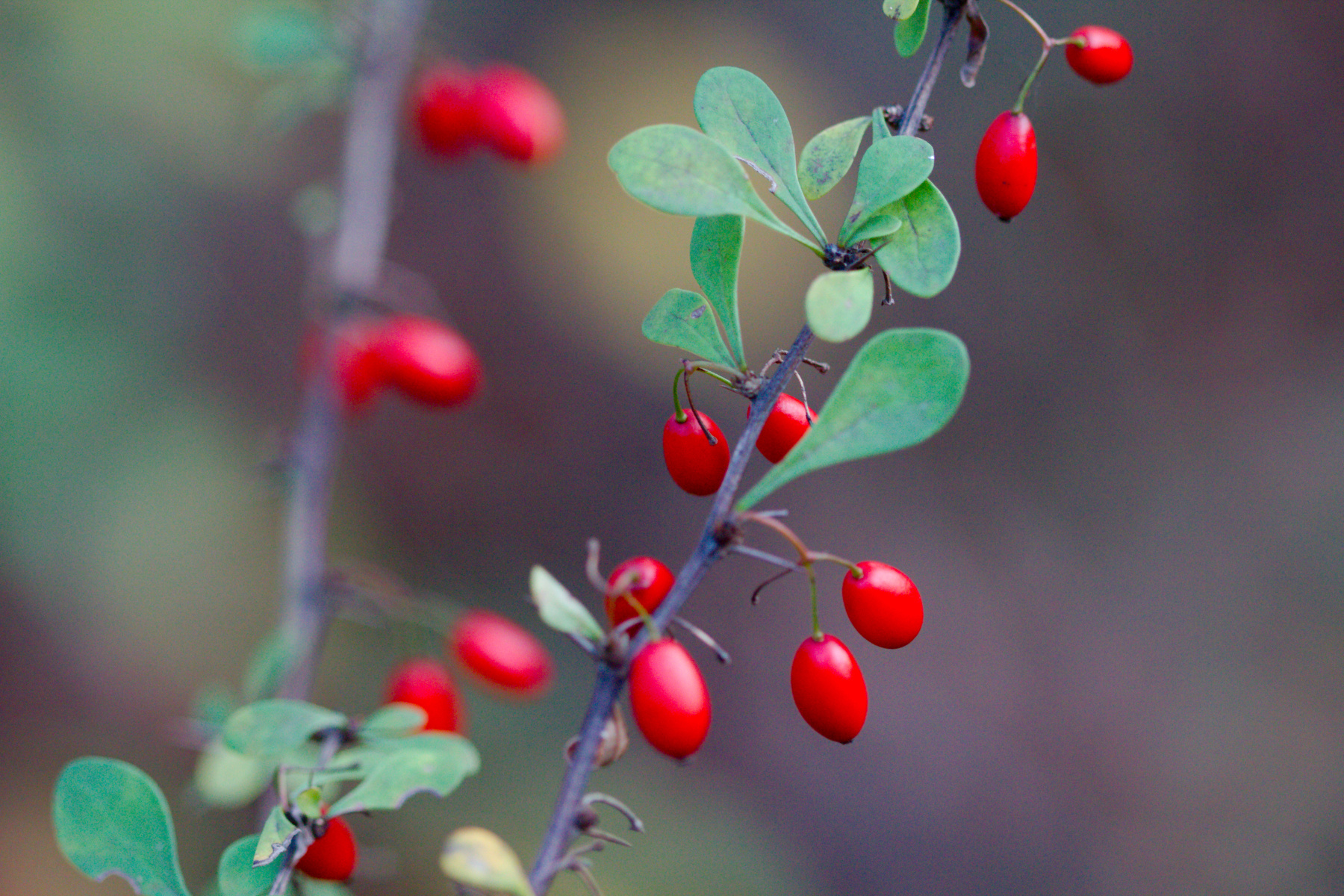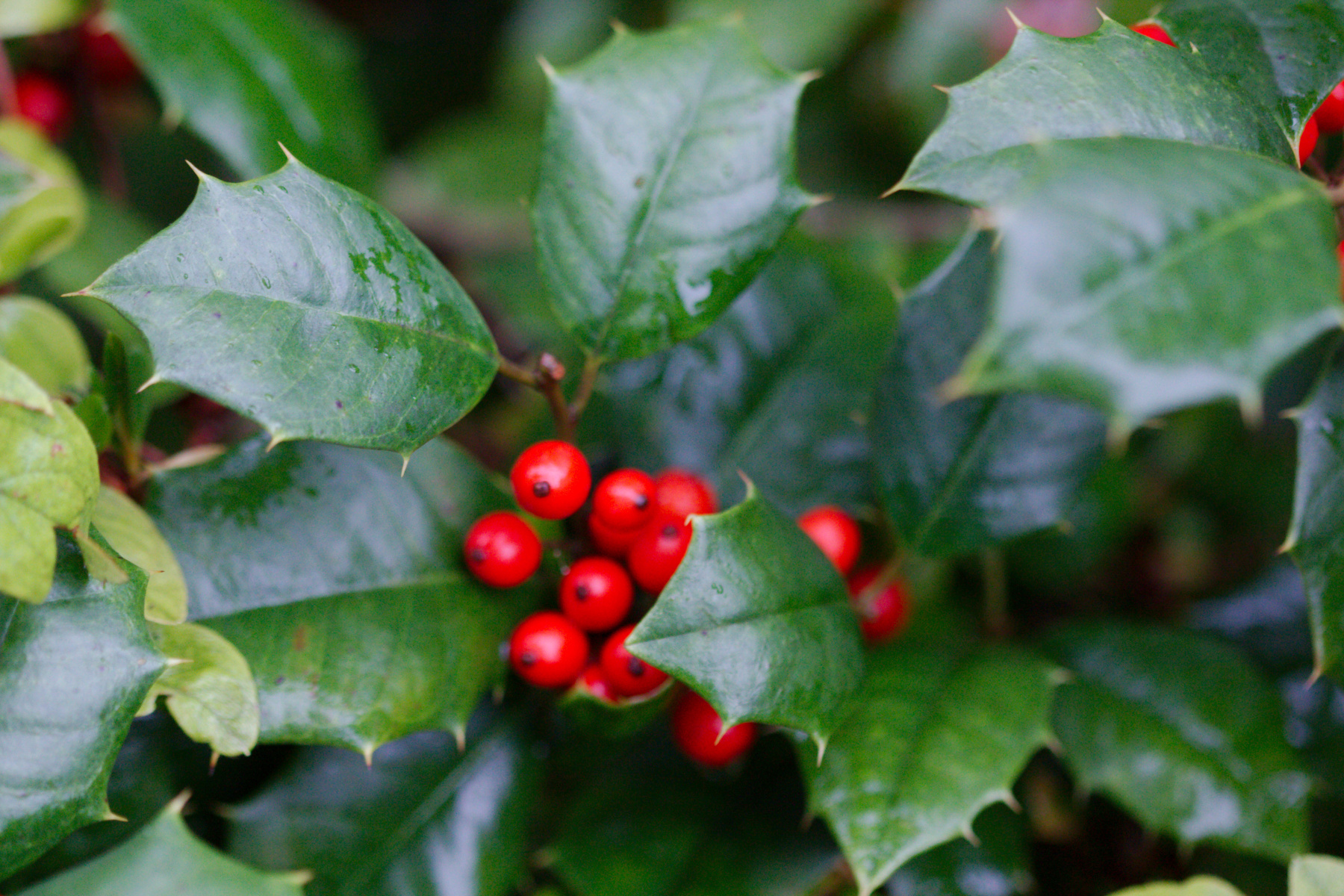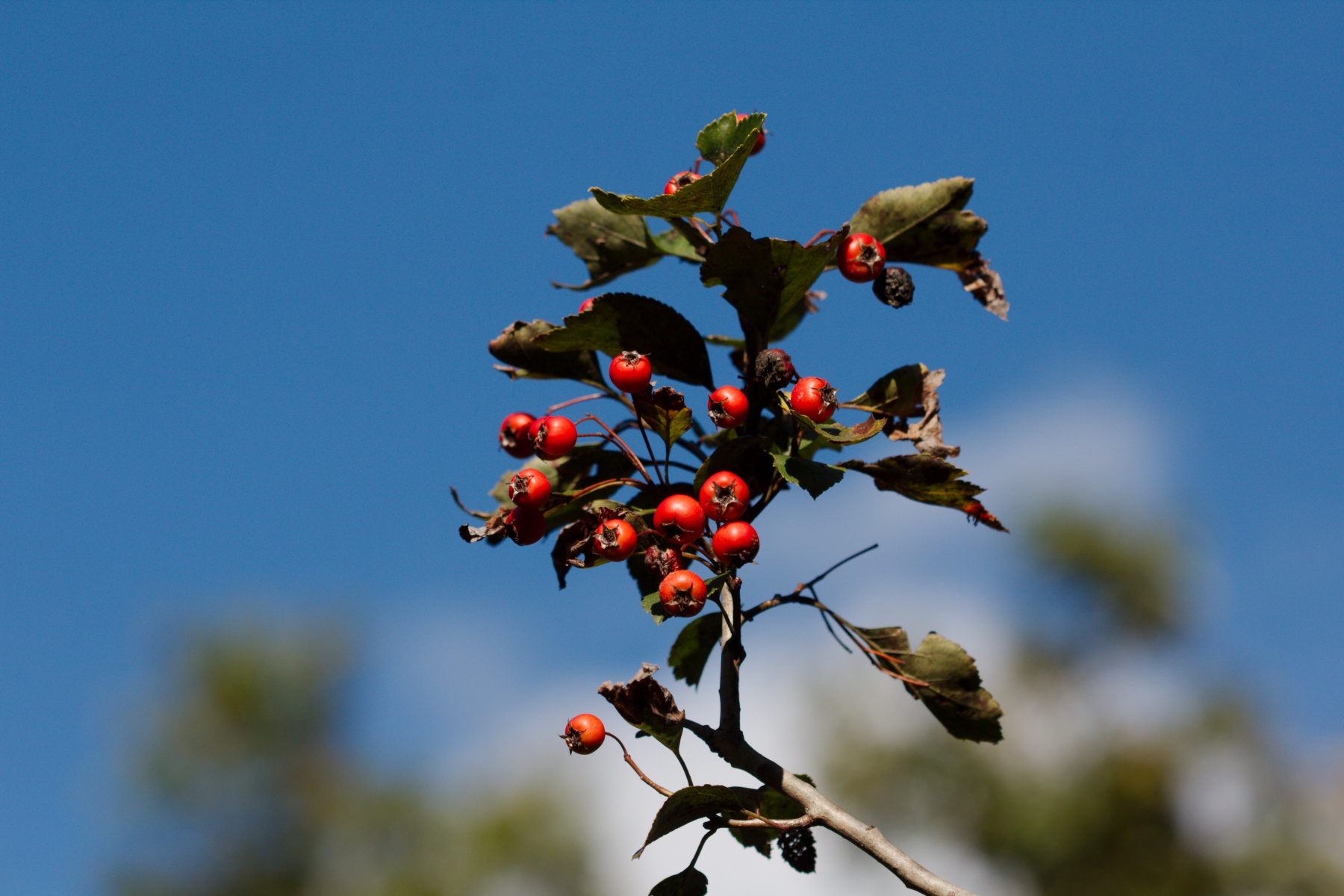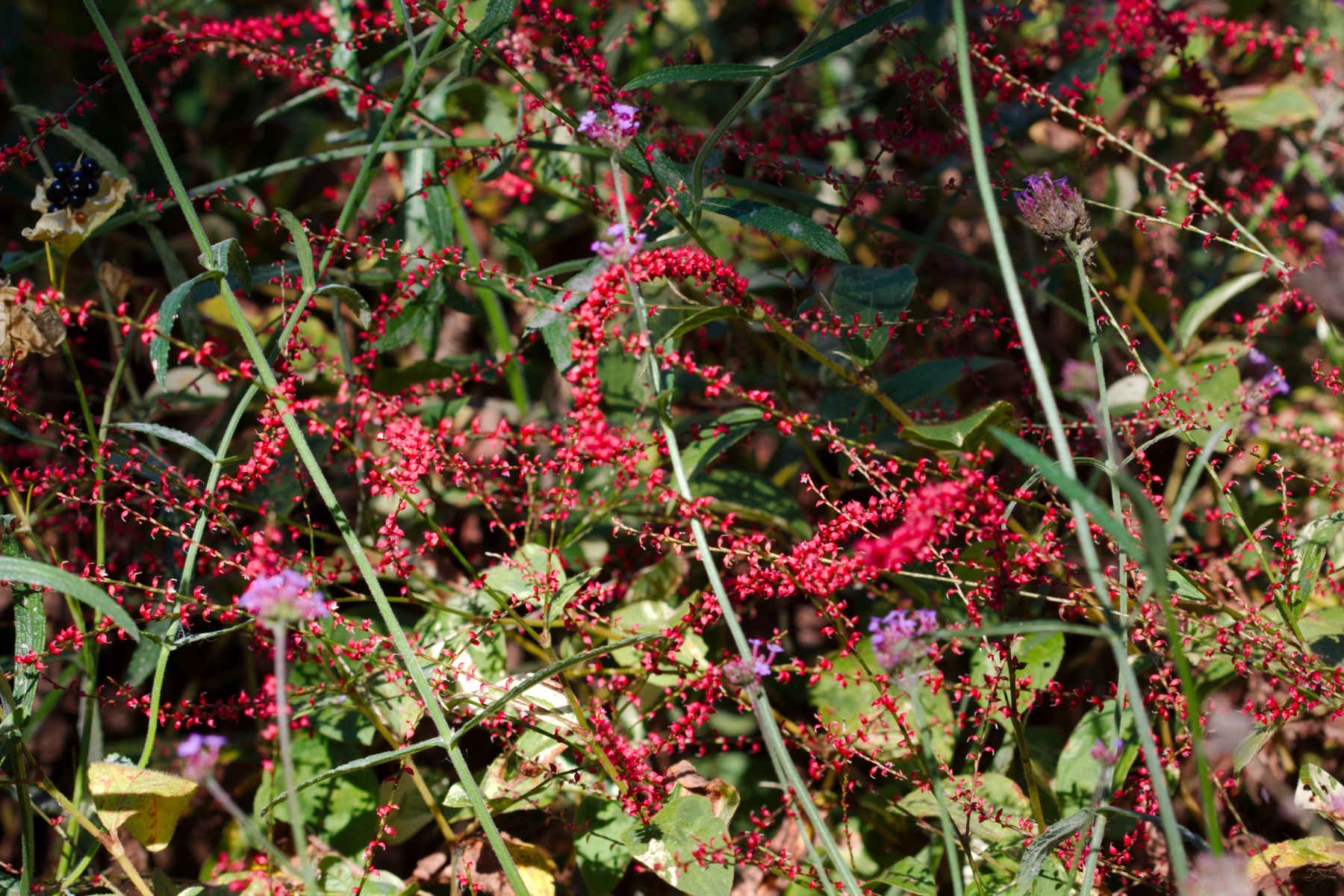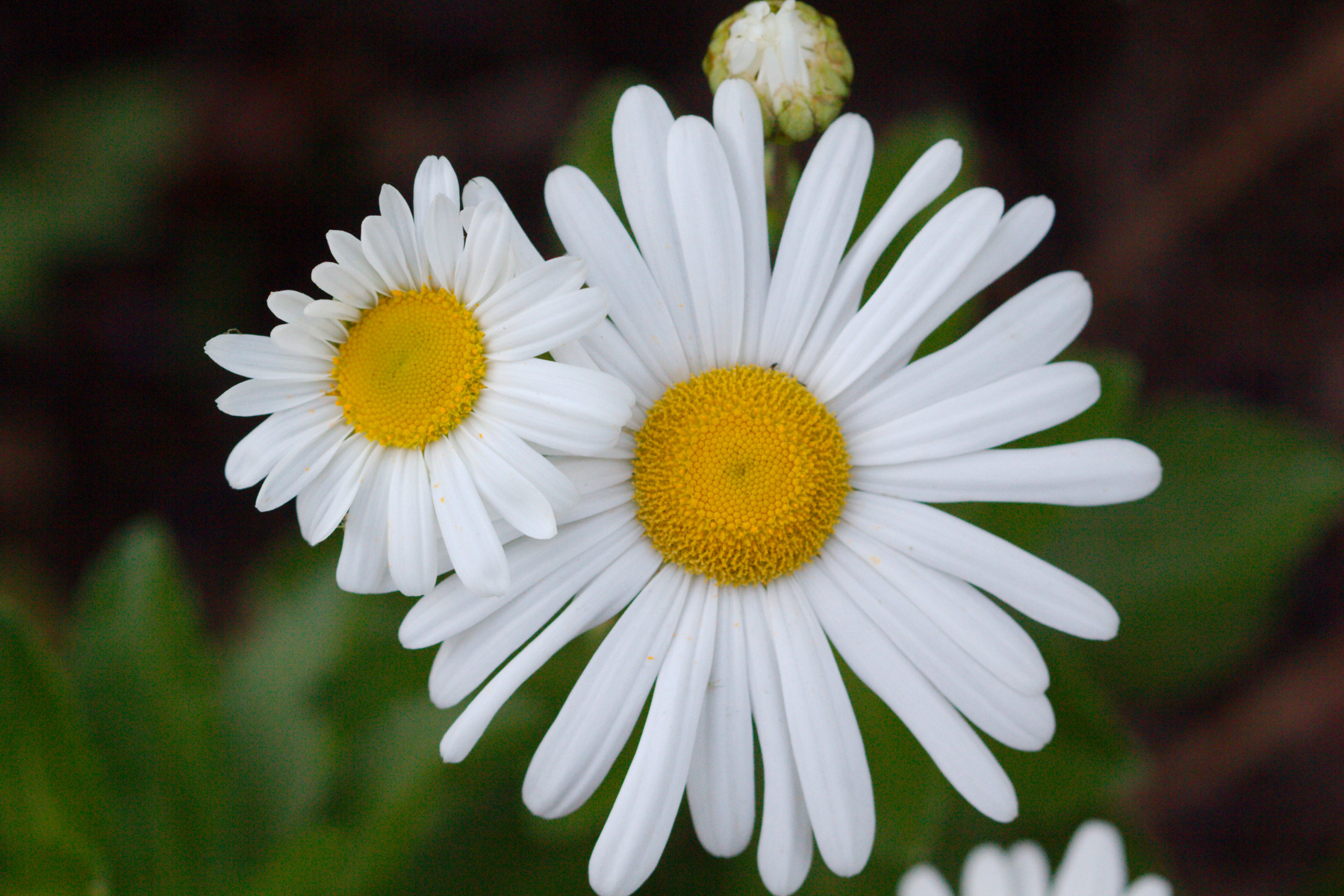
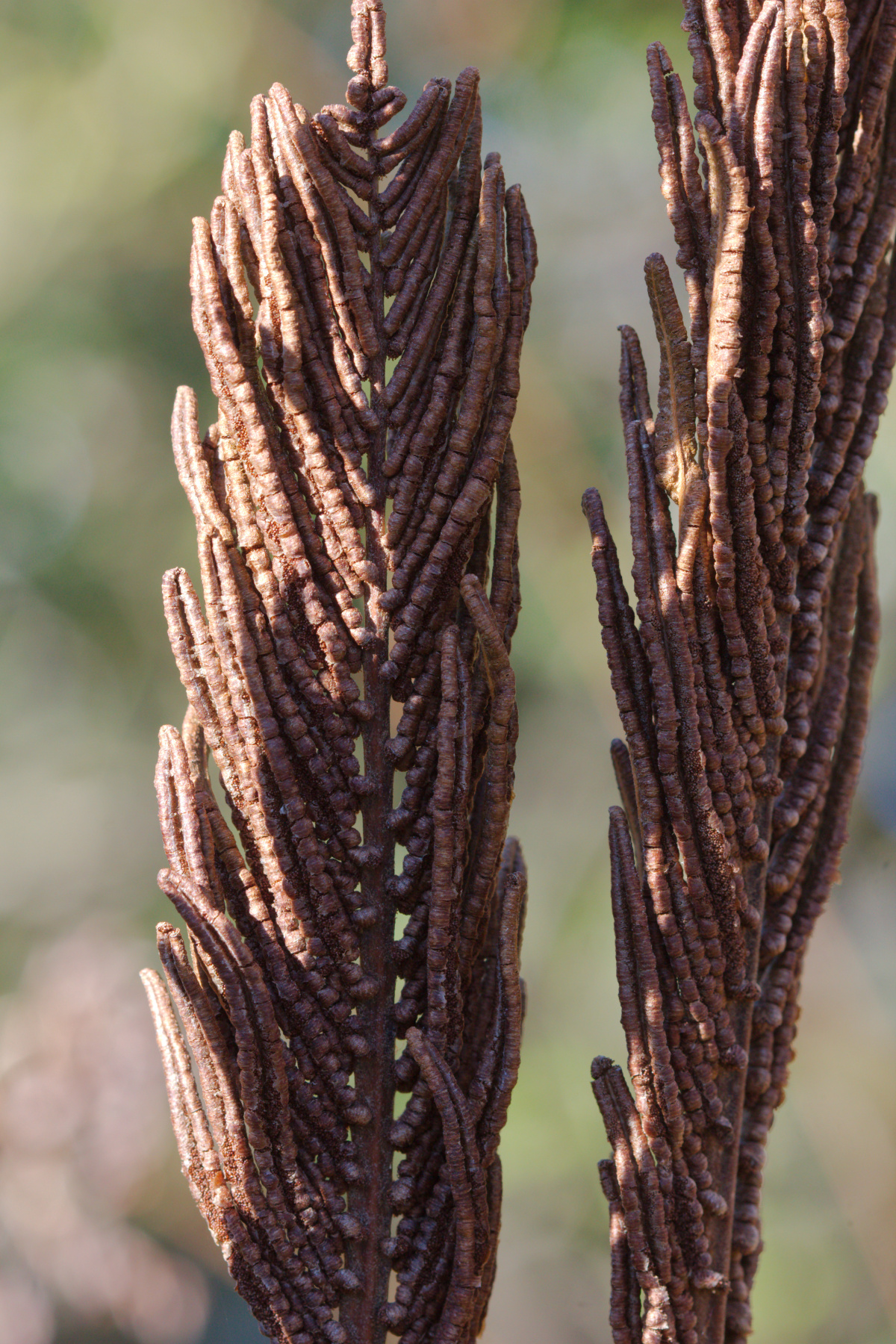
It’s been pretty warm the last few days. Yesterday was quite brutal and while this morning was a very pleasant, it warmed up a bit in the afternoon. After church we went to the Agricultural Farm Park and walked around a largish soybean field. Towards the far end of the field there were brambles growing with wild abandon and I took a few pictures of the berries. I’ve cut all sweets out of my diet and for now, I’m not eating even natural sugars, so that means no blackberries or raspberries for me. It’s a hard thing to walk past bushes of berries and just feast with mine eyes. But I restrained myself.
Flowers and Plants
Blackberries
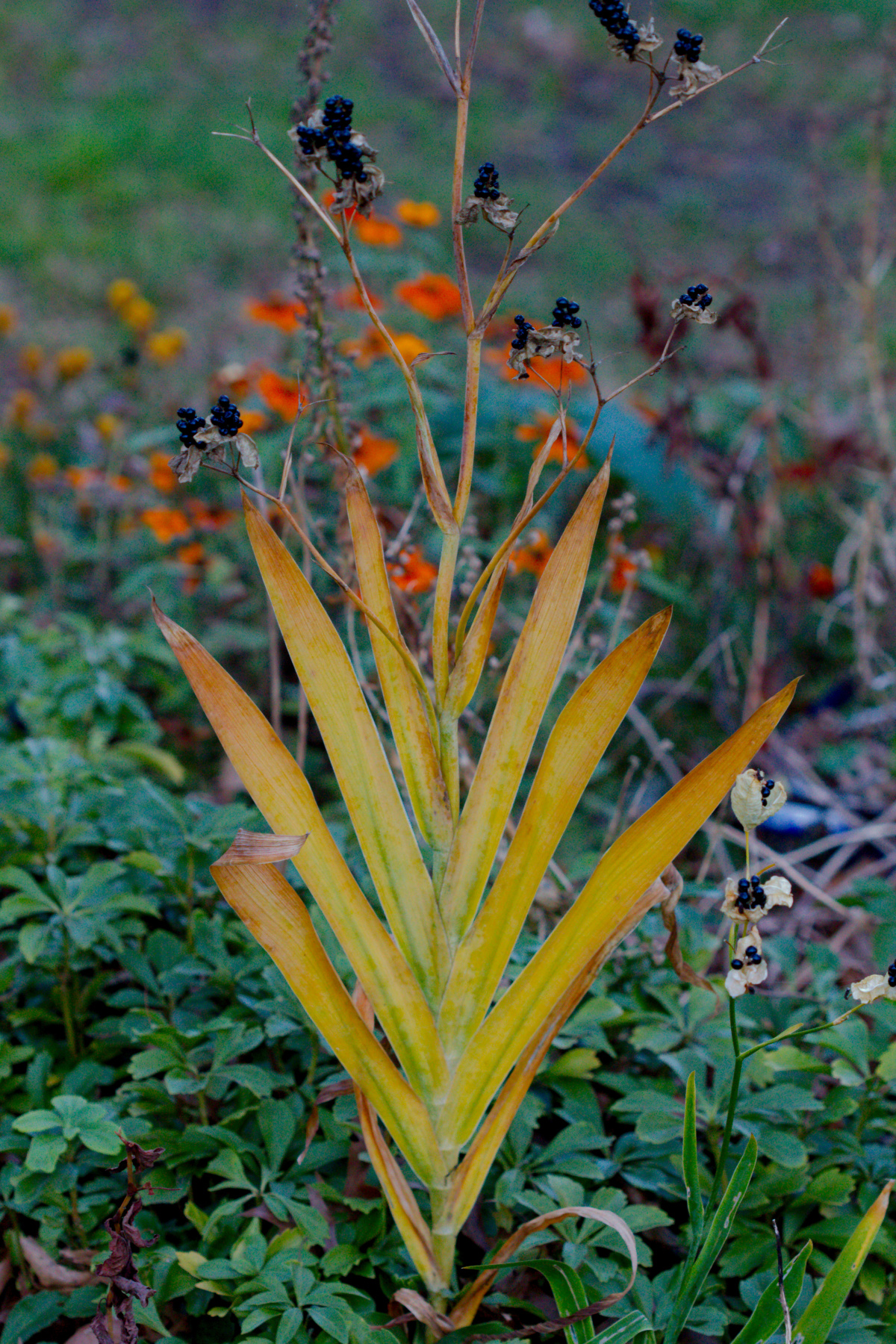
Blackberry Lily and Tall Verbena
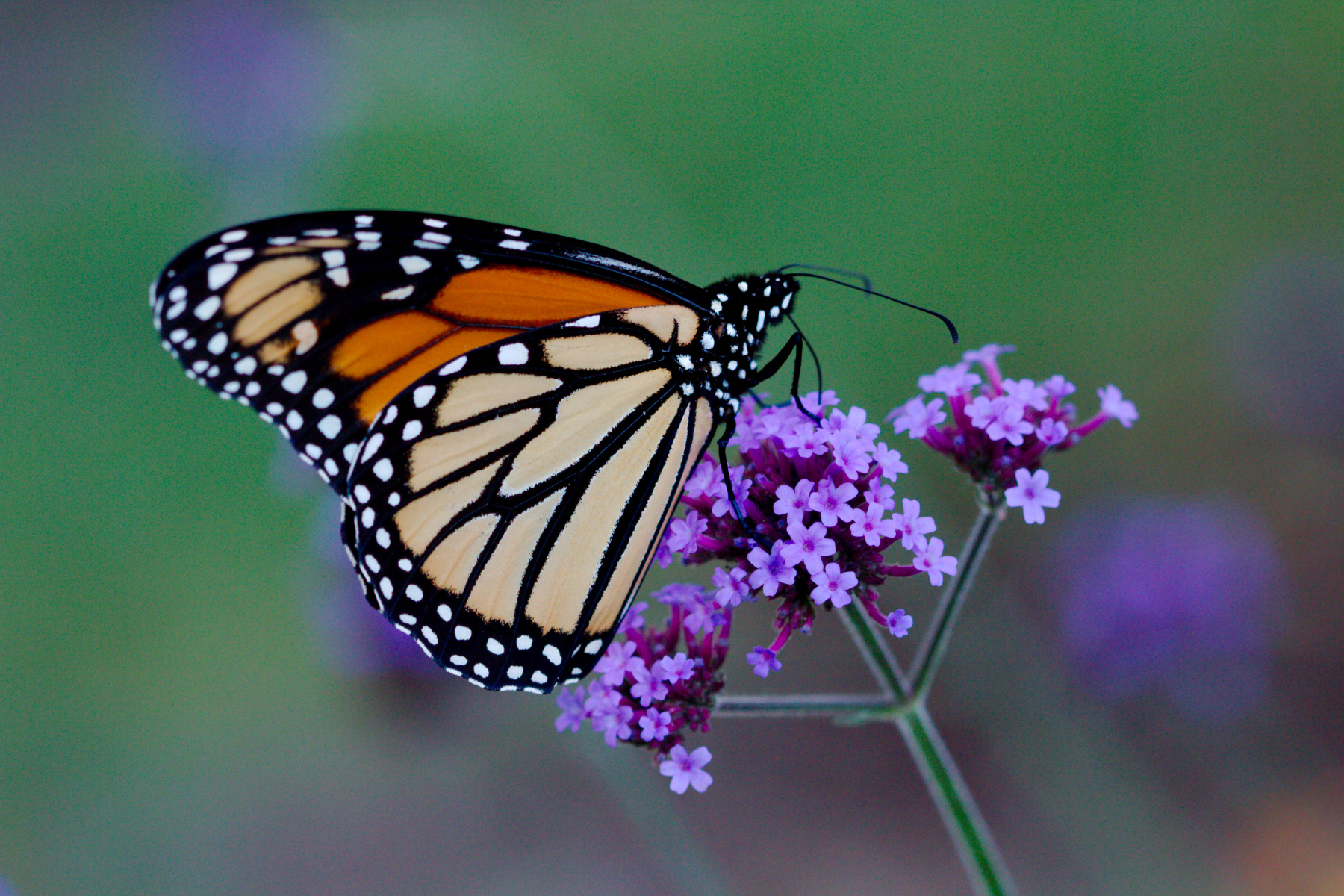
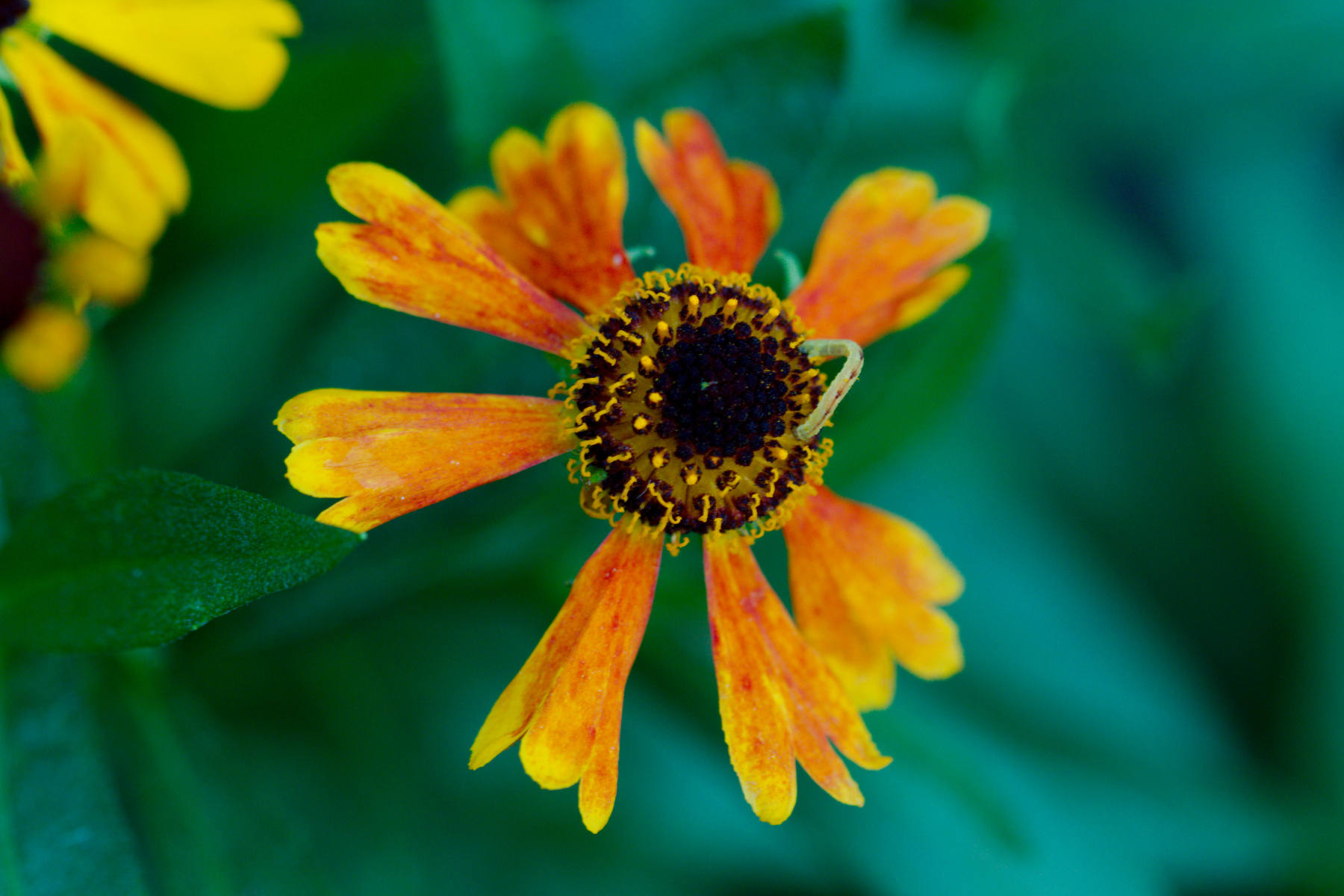
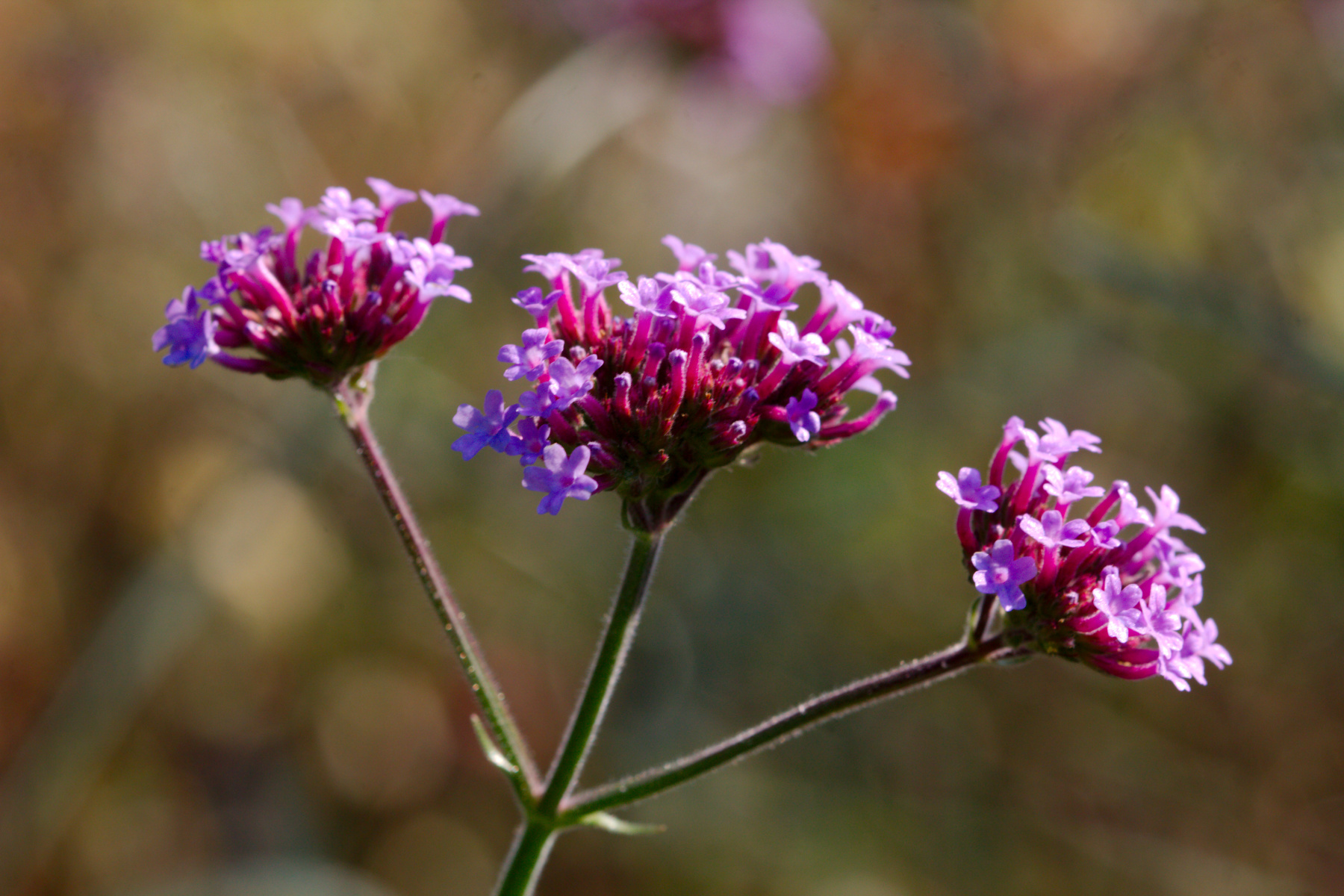
We have quite a few of these orange-flowered blackberry lilies (Iris domestica) around our garden. Most of them are seedlings from the first few that we planted. We brought those dew from our old house and they originally came from seeds we collected in South Carolina. In the circular hawthorn bed in our front yard, they compete with the tall verbena (Verbena bonariensis) for dominance. The lavender is done and the rosemary isn’t really tall enough to be seen. This rime of year, these two herbaceous perennials provide the lions share of the color. They are both visited by butterflies and other insects and we’ve seen a hummingbird there this summer.
Echinacea ‘Tomato Soup’
We went to Stadlers to spend $20 worth of Stadler Bucks today. As usual, I brought my camera and took pictures of a few flowers. I like this one in particular. There are a lot of new coneflowers (Echinacea hybrids) available now with some amazing colors. I’m drawn to the really hot reds and oranges. Cathy likes the more subdued, paler yellows, but we agree that they’re all very, very nice. This one is called Echinacea ‘Tomato Soup’ and it’s a winner. The flower isn’t quite all the way open yet, but it’s already quite spectacular. We really need to get us some of these.
Vitex agnus-castus
We’ve talked off and on about getting a chastetree (Vitex agnus-castus). The question we haven’t answered yet is where we’d put it. I wouldn’t mind cutting down the holly that’s growing near the intersection of our front walk and driveway and putting it there, but so far, that’s just me. It would be a big change and for a little while it would make the area look comparatively empty. I think it’s worth it, frankly. I’m not a big fan of holly trees, especially when I’m outdoors barefoot and step on the leaves. Hollies are evergreen, of course, and the robins do like the berries in the winter, but those are the only real assets, as far as I’m concerned. The holly tree is a native plant, of course, but we’d have to change a lot if that was going to be a reason for growing something. It does bloom, it’s true, but the flowers are nothing compared to this. The Vitex flowers are small, but they are fragrant and are lavender to pale violet, attracting bees and butterflies in great abundance. I’m a fan of bees and butterflies.
Crocosmia ‘Lucifer’
We had this in the past but haven’t had it since we moved here in 2006. Crocosmia ‘Lucifer’—a hybrid bred by Alan Bloom and officially Crocosmia x Curtonus—has wonderful, bright red flowers and we really should plant a large clump of this. As it is, we just have a single plant but maybe we could buy some more to add to this location. It’s growing in our large, front bed and clashes a little with the otherwise purple theme of the bed, but who can complain about such a red. The species of the Crocosmia genus are mostly native to the grasslands of South Africa.
Tiger Swallowtail on Milkweed
I stopped at the Croyden Creak Nature Center again this afternoon. I took a picture of Joe Pye weed here two weeks ago (see Wednesday, June 16, 2021) and wanted to see if it had started to bloom. It really hadn’t but it’s getting close. I walked around and took a few pictures, anyway, including a few of this eastern tiger swallowtail butterfly (Papilio glaucus) enjoying the swamp milkweed (Asclepias incarnata). There was also a nice buttonbush (Cephalanthus occidentalis) in bloom. It has spherical clusters of tiny flowers that like little pincushions.
Yarrow (Achillea millefolium)
While not a native, common yarrow (Achillea millefolium) was introduced to North America in colonial times, and has since naturalized throughout the United States. It’s considered by some to be an invasive weed, although we’ve never had a lot of luck with it surviving in our garden. This specimen is a cultivar being grown in the Master Gardener’s demonstration garden at the Agricultural History Farm Park and it’s a lovely color. It certainly makes me interested in giving it another try. There are paler versions, as well and some really nice yellows. We have plenty of yellows, though, so I think I might go for something like this.
Eutrochium purpureum (Joe Pye Weed)
I stopped at the Croyden Creek Nature Center on the way home, figuring there might be something to photograph there. The swamp milkweed (Asclepias incarnata) was just starting to bloom and I took a few pictures of that with bees on it. Around the other side of the nature center there was some Joe Pye weed (Eutrochium purpureum) coming up. It’s a native, herbaceous perennial and I find it sort of humorous that garden centers actually are able to sell it, since it grows wild around here. I don’t know who Joe Pye was but I’ve seen one story that he was a Native American medicine man who used the plant for various treatments. Anyway, I was attracted to the symmetry of the leaves and the way the light was shining on them at the top of the stem.
Platycodon grandiflorus (Balloon Flower)
A few weeks ago we went to Stadler’s with our friend Yvette to buy a few plants for her. She wanted to plant something in memory of her nephew and wanted something blue. She settled on a balloon flower (Platycodon grandiflorus), which is actually more blue to the eye than it appears here. It’s a really pretty perennial that should do well as long as it’s got the right amount of water. We bought one, too, and have it in a container outside our front door, greeting us with these big, sky blue flowers, and reminding us of Jack, as well. It’s native to the northern far-east and is quite hardy and easily grown. The only thing to watch out for is wet or poorly-drained soils (which is why growing it in a container is easier for us).
Nigella damascena (Love-In-A-Mist)
We were out at Rocklands this morning with Dorothy for their chick-rental pick-up. I took a walk at one point to take some pictures of Anna’s flowers. It was a wet, cool day and there isn’t a lot in bloom at the moment but the love-in-a-mist (Nigella damascena) was blooming. The flowers are a lovely shade of pale blue and I think it’s even prettier in the rain, with water droplets on the various flower parts. This is a very hardy annual, growing well up to USDA Hardiness Zone 2, although it’s only native to northern Africa and southern Europe.
Mahonia (Oregon Grape Holly)
In the shade garden at the Agricultural Farm Park there are a couple mahonia shrubs. I have mixed feelings about mahonia. On the one hand, I they seem course and rough to me, and in that way, not terribly attractive. On the other hand, they sometimes have pretty nice leaf color, as well as very attractive berries, as seen here. I really like the berries. The flowers are bright yellow and fragrant, which is another thing in their favor. I think if I had a larger garden, I’d have some, but as it is, I’ll just enjoy it where I see it. Some species are native to northern North America while others are native to the far east.
Rosa davurica (Amur Rose)
Back in April of 2005 I planted 29 species roses in a bed I prepared on our property in Pennsylvania. Sadly, many of them did not survive, but there are a few that are still holding on and two that are actually thriving. This is one of those. It is, I think, Rosa davurica although the garden is in such bad shape, it’s not exactly clear where each rose should be. This rose has formed a small mound of plants about four feet tall and it is very happy. It’s absolutely covered with blooms and is quite lovely.
Peony ‘Coral Sunset’
It’s peony time here. I love peonies and it’s a little surprising I haven’t planted more than I have. We have a few on the south end of the house that were here when we moved in. This one, planted in our back garden near the fence, is the only other one we have and I planted three of them in 2014. One thing about peonies is they take a while to really get established. Once they do, of course, they are hard to beat. Even a small plant like these, which only produce one or two blooms each, are pretty amazing, though. I really like this one, called ‘Coral Sunset’. I also love the fact that I caught a little potter or mason wasp hovering near it.
Rose ‘Perle d’Or’
It’s rose time. This little China rose, ‘Perle d’Or’, bred by Joseph Rambaux in 1884, is putting on a fabulous show right now. Especially on warm, humid days like we’ve been having, the fragrance hangs in the air all around the bush. You don’t need to get close, it’s wonderful. This first flush is, of course, the best we get from it all year. Nevertheless, it will have flowers on it pretty reliably until well into the fall. It’s not a big bush but it’s as big as it’s ever been and it probably needs to be pruned back a bit, but certainly not right now.
‘Tulip’ Flower
Another from today. After we left the peony garden, Cathy and I drove around in the park and took another walk down by the lake. The tulip trees (Liriodendron tulipifera, also known as yellow poplars) are in bloom and their flowers, while not as showy as some, are still quite pretty when seen in good light. The trees are quite large, commonly reaching 60 to 90 feet, and the flowers are often not easily seen from the ground. This one was situated well and I was able to get a good photo of it. They really are quite pretty and you can see why it’s called a tulip tree.
Schwartz Peony Garden
Cathy and I decided to go to the Schwartz Peony Garden in Seneca Creek State Park. We met Dorothy there and had a great time enjoying the flowers. There were only a few folks there when we arrived, although two of them were a camera crew from a local TV affiliate. The ‘formal’ garden—which isn’t terribly formal, but comparatively speaking—is really something and of course we spent a good while there. But we also really enjoy the informal field that’s got many, many more peonies growing throughout it. You’ll probably want to wear long trousers, socks, and shoes if you are going to wander there, especially if you plan to get off the paths at all. There’s a bit of poison ivy to watch out for. But it’s worth it. The flowers are amazing. We all agree that the darker colored flowers are generally our favorites, regardless of if they are single, with only a few petals or very double. But we also like some of the others. They’re all nice, actually.
Lewisia cotyledon
Cathy and I went for a short walk in the neighborhood this evening. It was getting dark but I carried my camera with me anyway. I had the flash, so I was able to take a few photos. None of them are what I’d describe as great pictures, but this is a little interesting. It is (I’m pretty sure) Lewisia cotyledon, also known as Siskiyou lewisia or cliff maids. It’s an alpine plant native to northern California and southern Oregon and it’s growing in a container near our neighbor’s mail box.
Cicada on Blue-eyed Grass
The cicadas (Magicicada species) of Brood X are beginning to emerge from their 17-year subterranean sojourn. Interestingly, this one, near the base of a large oak tree, is one of only a few at this site. Another oak tree at the other end of the yard is absolutely covered with them. I suspect I’ll have a few more photos before their visit comes to an end but I thought for at least one photo I’d include some flowers to brighten what is otherwise a sort of ugly bug. Blue-eyed grass (Sisyrinchium angustifolium) is something of a weed around our yard, but it’s at least a pretty weed.
Lily of the Valley (Convallaria majalis)
The lily of the valley (Convallaria majalis) is in full bloom right now. We have a large patch of it in the back yard and then smaller patches in a few other places. This is growing near the front corner of our house and it’s very happy. One thing about lily of the valley, at least for us, is that it seems to want to move. That is, the clump or colony spreads and the tail edge dies back, so the whole colony migrates over time. I’m not sure what, if anything, can be done about that.
Bleeding Heart and Siberian Bugloss
After going to Fehr’s Nursery in Burtonsville, we stopped for lunch as a Cuban place on the way home. We could have picked a better day for it, as it was jammed for Mothers Day and it took us over an hour to get sandwiches. We’ll probably give them another try on a less busy day, but it was a bit off-putting. We drove to Woodlawn Manor and ate our sandwiches in the shade of one of their lovely trees. Then we walked around and I took a few photos, including a couple of the bleeding heart (Lamprocapnos spectabilis) and Siberian bugloss (Brunnera macrophylla, similar to forget-me-not) growing together under an America holly (Ilex opaca). Quite pretty, don’t you think?