Monarch
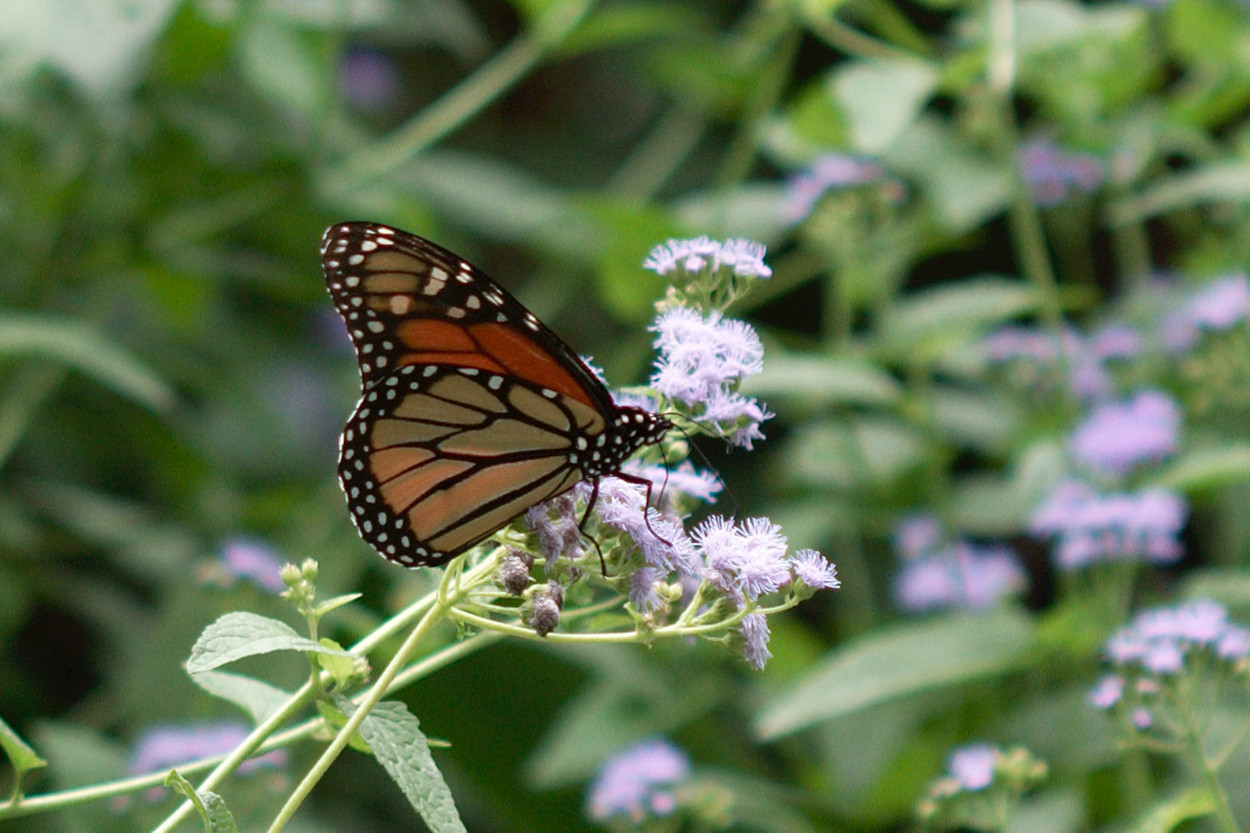
This is the first monarch butterfly (Danaus plexippus) I’ve seen this year. All of a sudden there are lots of them in the yard, on the buddleia, the black-eyed Susans, and here, on the Conoclinium coelestinum.
|
Here and There…Now and Then |

Monarch
This is the first monarch butterfly (Danaus plexippus) I’ve seen this year. All of a sudden there are lots of them in the yard, on the buddleia, the black-eyed Susans, and here, on the Conoclinium coelestinum.
Tomato Hornworm
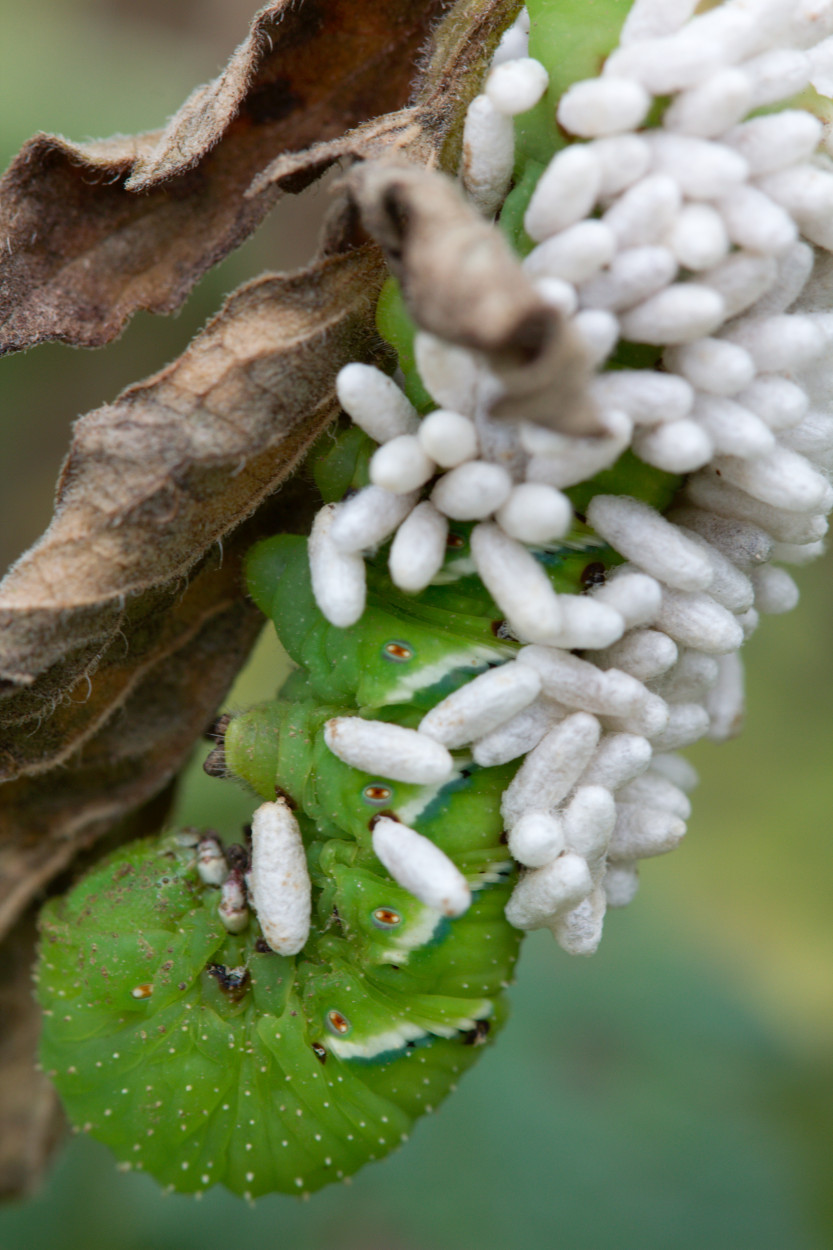
After not being able to go out to the farm for three straight Saturdays it was nice to be able to again this morning. It was quiet and I enjoyed a little photography time in the vegetable garden. I came upon this caterpillar, which I believe is a tomato hornworm (Manduca quinquemaculata) that is covered with eggs from some parasitic insect, possibly a Braconid wasp of some sort. A little less spectacular than Alien and no Sigourney Weaver but that’s the general idea.
Cæsar
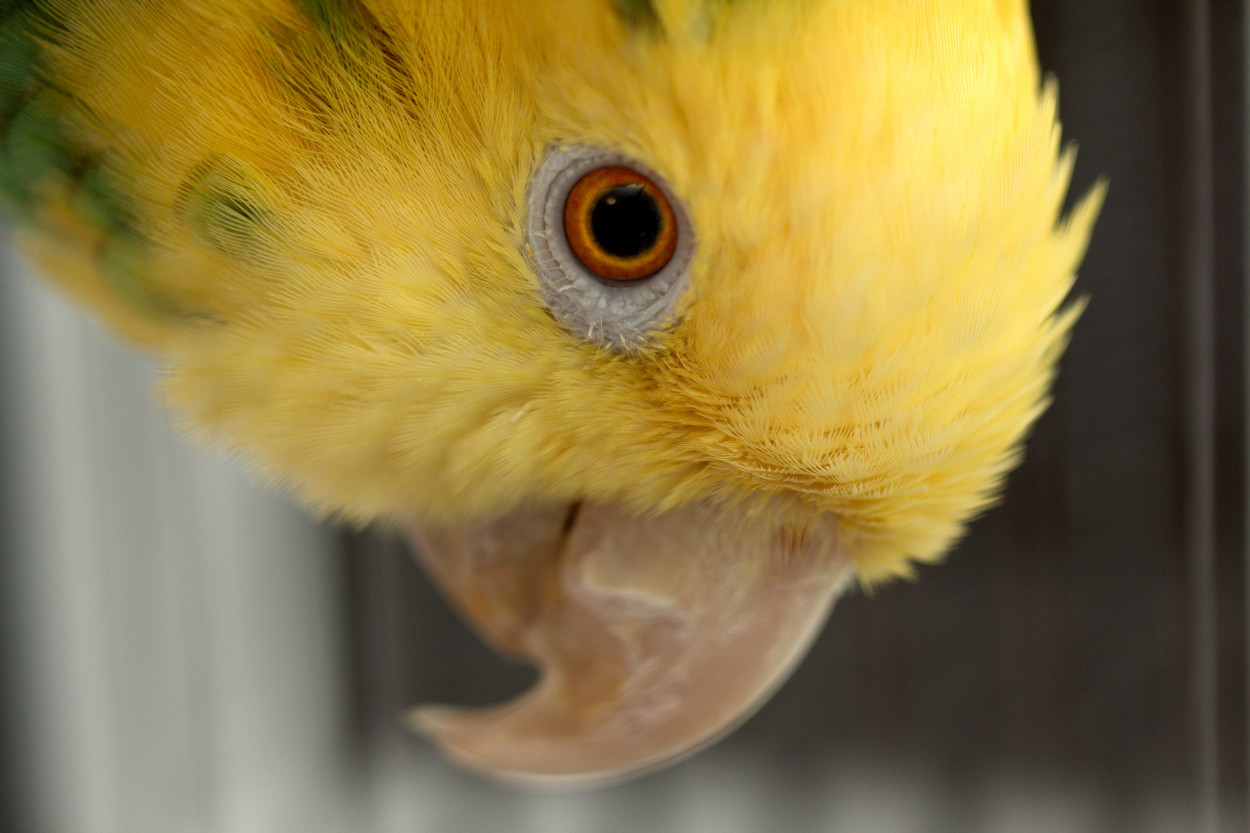
Hanging upside down in his cage, as is is wont, the yellow-headed Amazon (Amazona oratrix), Cæsar, casts a wary eye at the photographer. (Except it turns out that he is a she, so perhaps we should call her Cleopatra, instead.)
Katydid
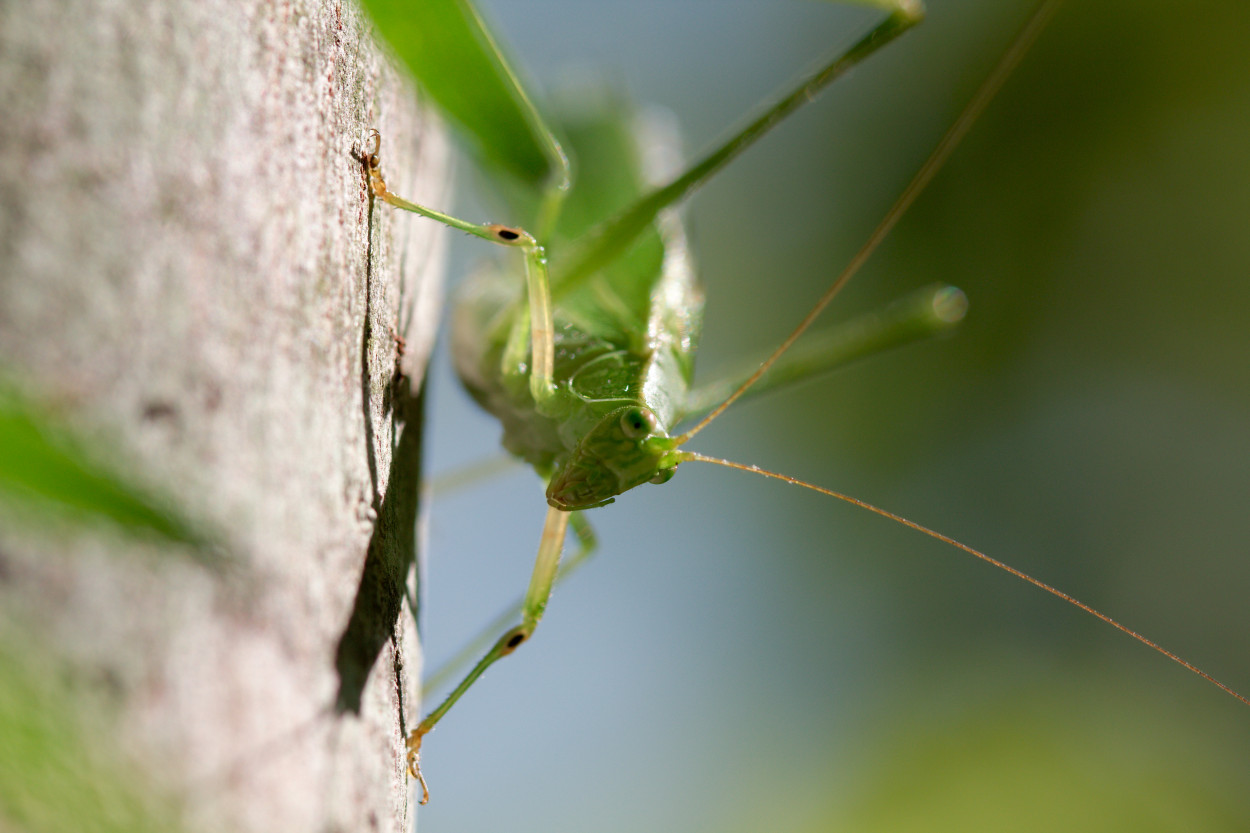
I went out into the woods next to my building today and took a few pictures. As I was heading back I came across this Katydid, probably a Pterophylla camellifolia, who flew up onto the trunk of a tree as I approached. He somewhat reluctantly allowed me to get close enough for a few pictures.
I remember Cathy had one of these on her shoulder one time and when she noticed it but before she knew what it was, she totally freaked out. Pretty funny.
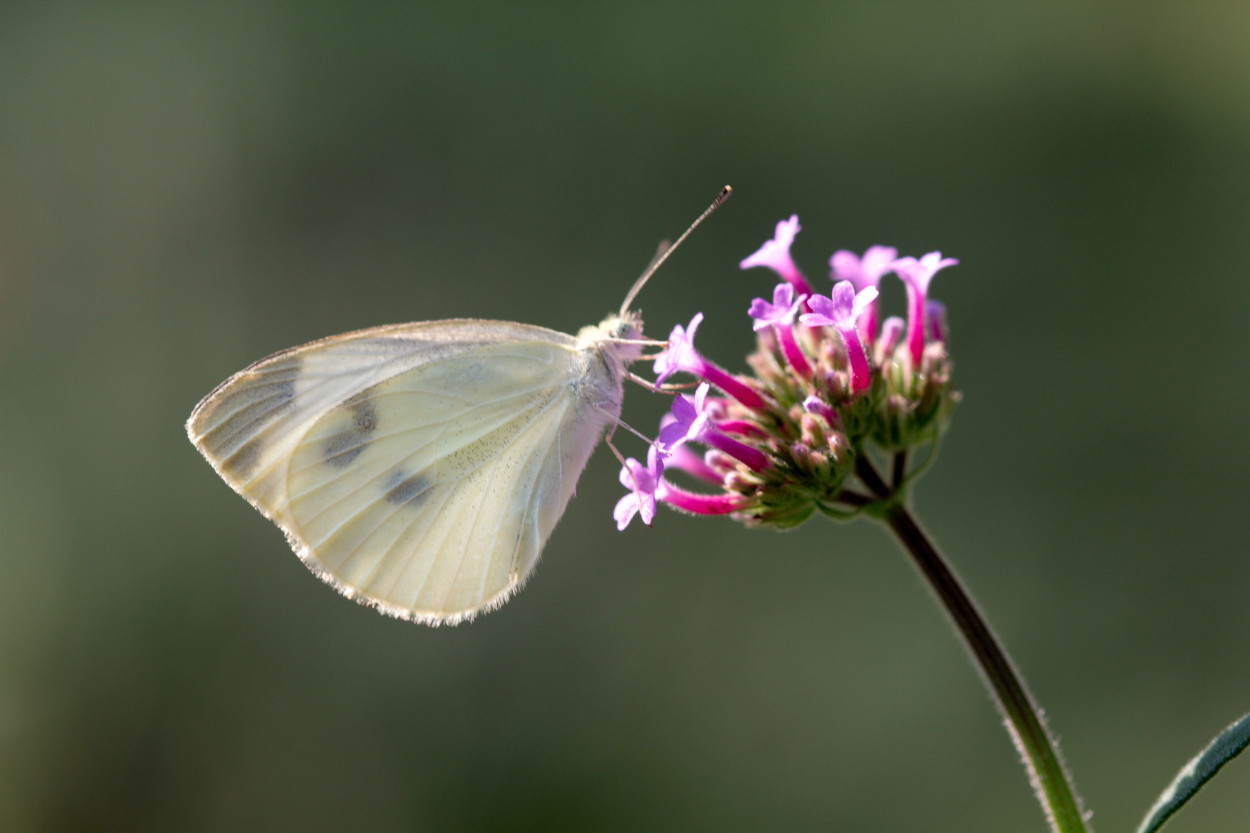
Cabbage White
The cabbage white (Pieris rapae) is cosmopolitan and ubiquitous. This one is in my back garden.
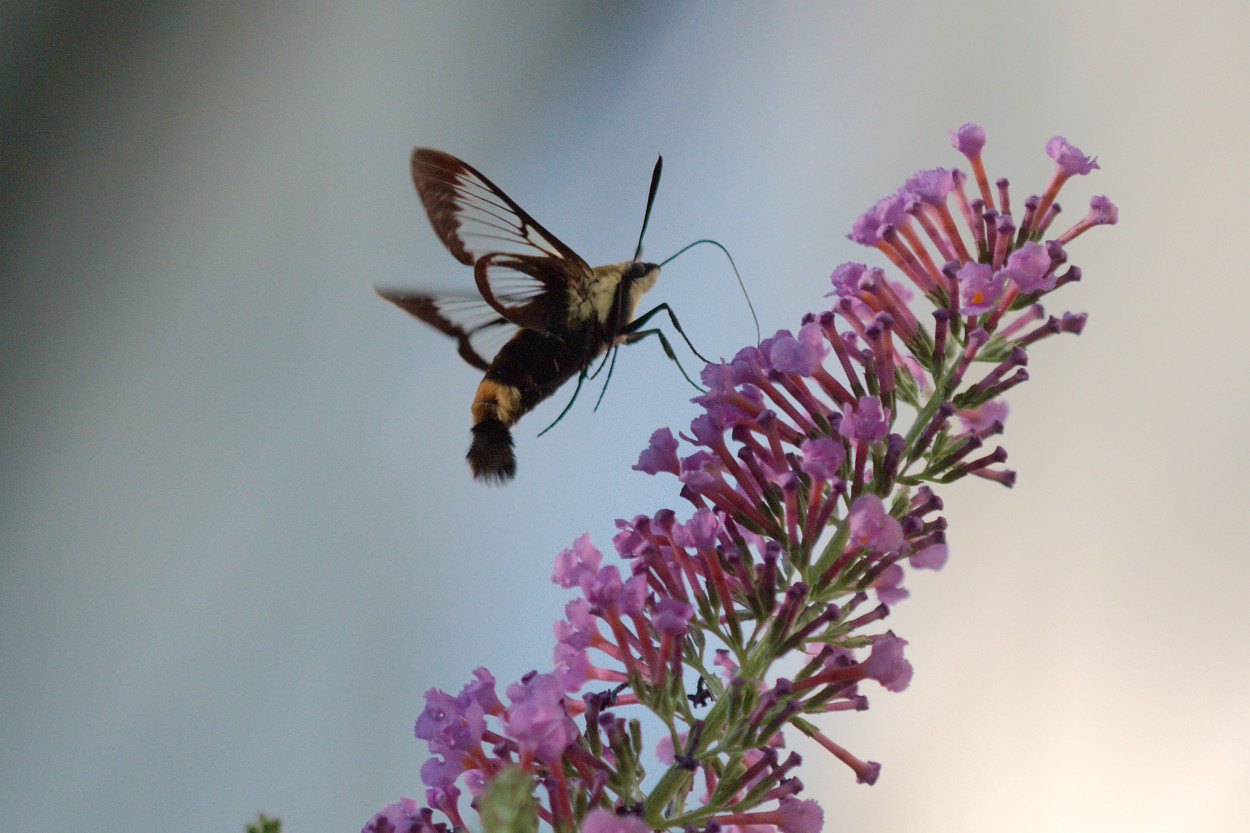
Sphinx Moth
Taking pictures of bees and butterflies on flowers is hard, but at least they land, if only momentarily. This is a sphinx moth and I’ve only very rarely seen one actually land. Certainly when feeding on flowers they tend to hover. Unfortunately this one was not in the sun, so it’s not shown as nicely as it might be, but beggars cannot be choosers. I’m guessing that this is Hemaris diffinis, the snowberry clearwing, but I really don’t know.
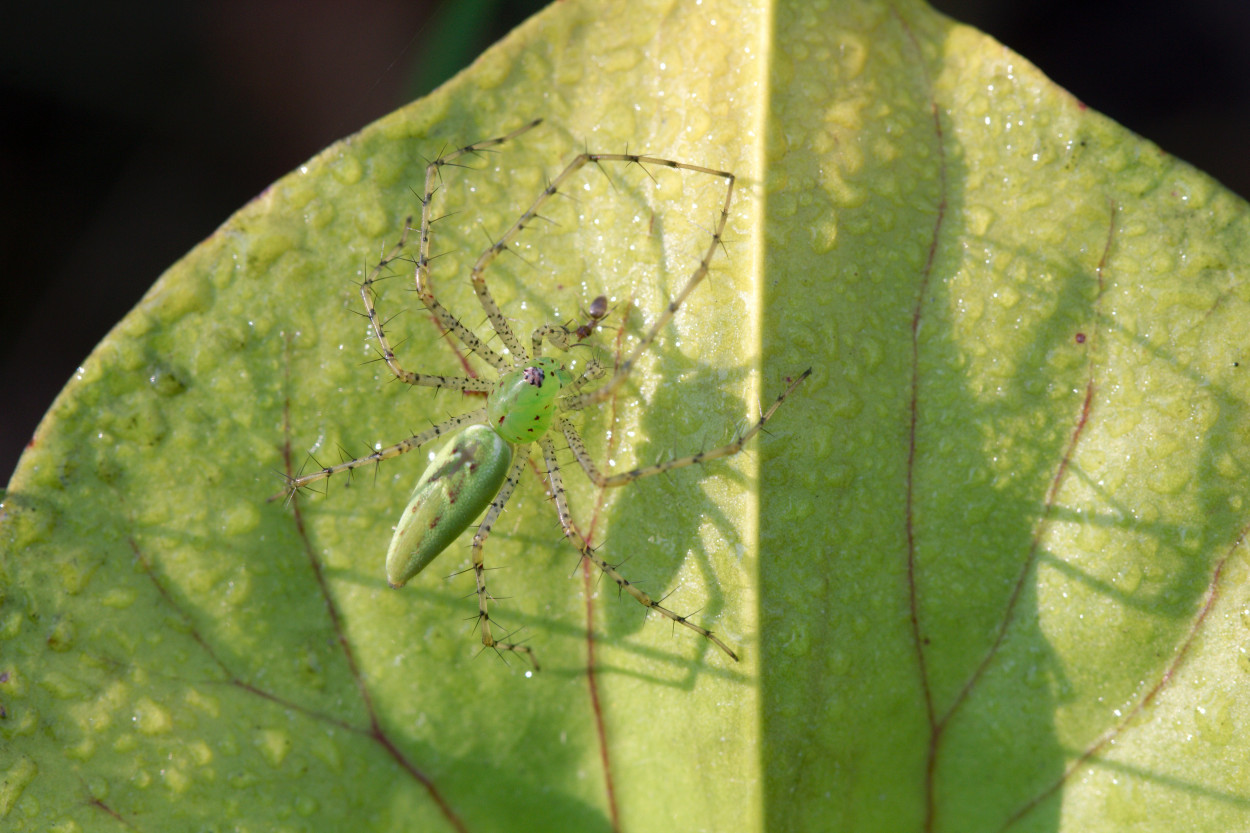
Green Lynx Spider
In the Green Swamp, green lynx spiders (Peucetia viridans) live on pitcher plants, enjoying the insects that don’t quite make it into the death trap. Bwah-ha-ha!

Dinosaur and Chicken
It was cool enough in the car that Dorothy wanted to wear her dinosaur suit today. Outside, where this chicken was, however, it was pushing 100°F. We stopped there for lunch and Dorothy asked if she could have her picture taken with him.
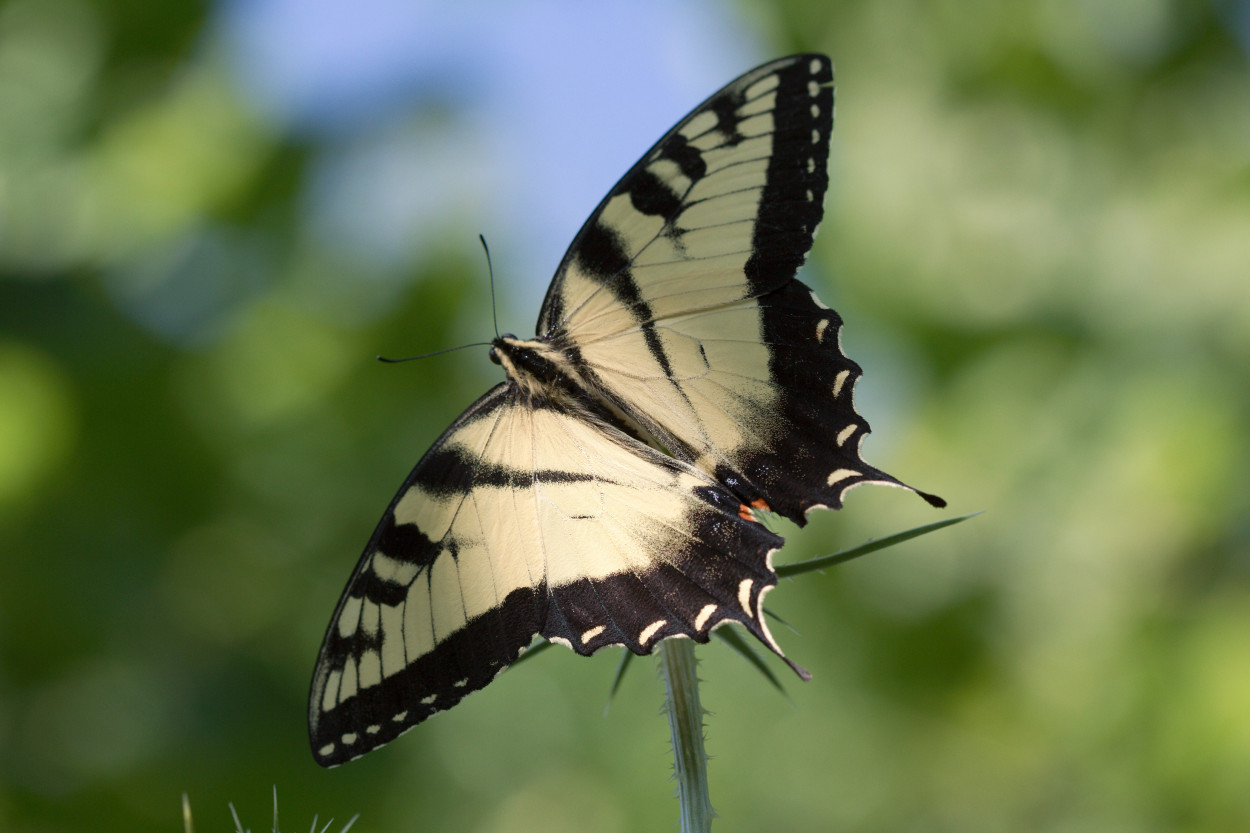
Eastern Tiger Swallowtail
This is a male eastern tiger swallowtail (Papilio glaucus). These and more of the silver-spotted skippers (see photo in yesterday’s Extra gallery) were out in force today feeding on the teasel (Dipsacus sp.) flowers in the lot next to my office.
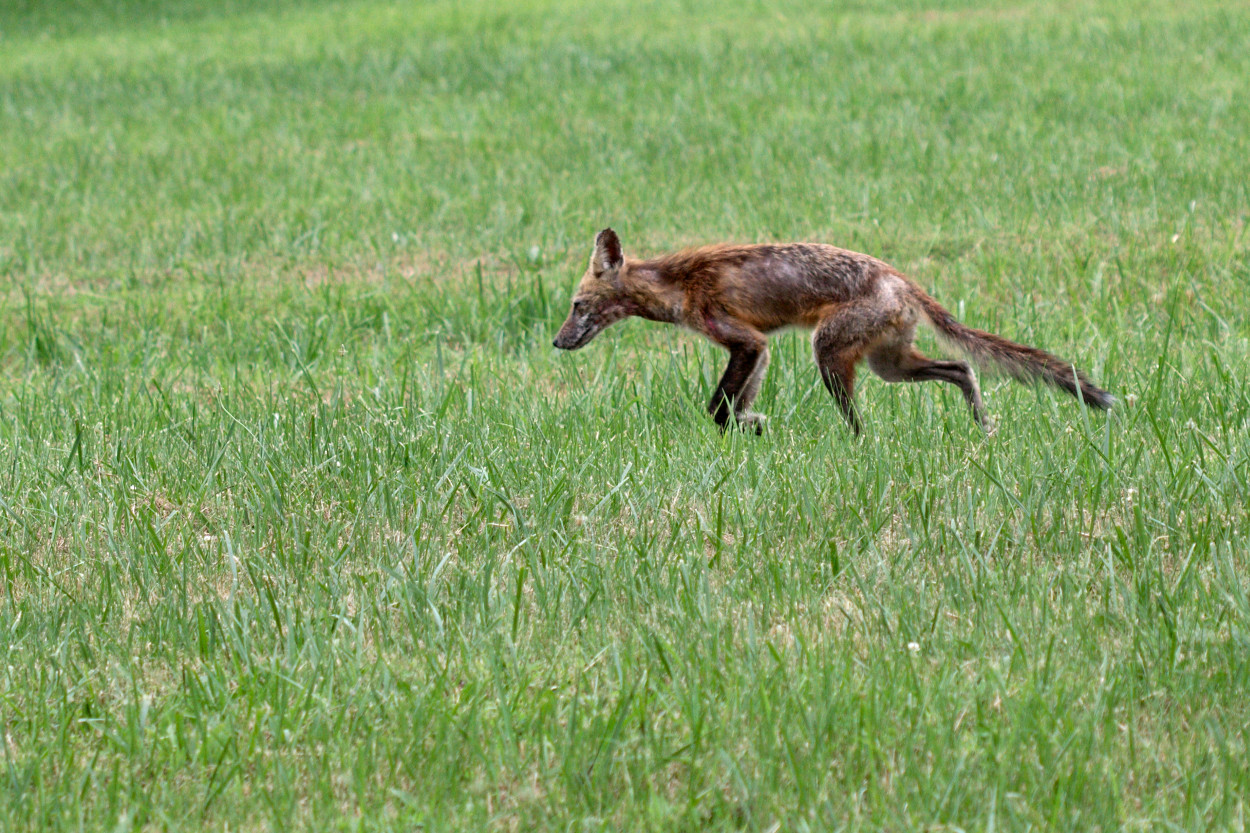
Vulpes vulpes
This red fox was hunting on the church property as we were leaving this afternoon. He looked at me for a second or two, then went back to his (or her) hunting. Pretty scruffy looking but still cool.
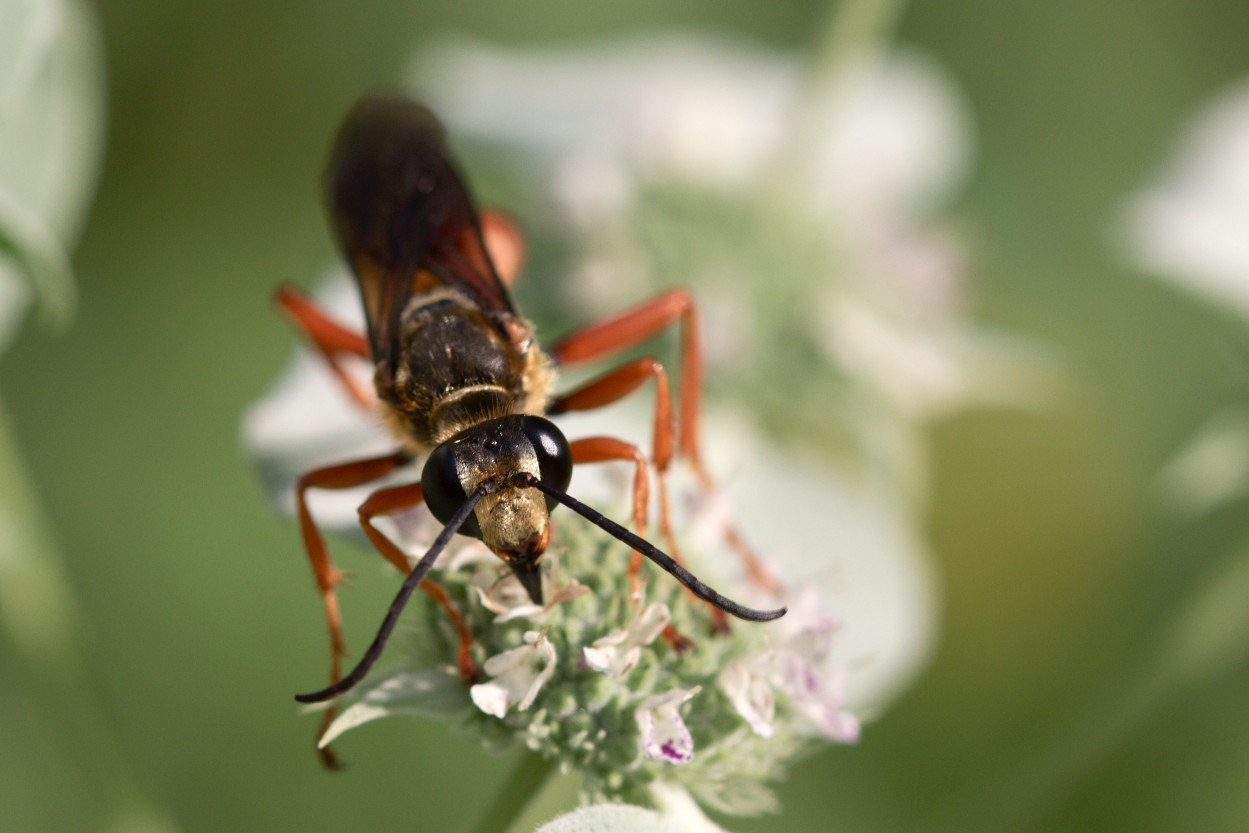
Great Golden Digger Wasp
I keep thinking I’m done with wasps and bees and then I find a new one (there are thousands, after all). This, I’m pretty sure, is a great golden digger wasp (Sphex ichneumoneus). This isn’t the best picture I took in terms of identifying the wasp but I really like this head-on view.
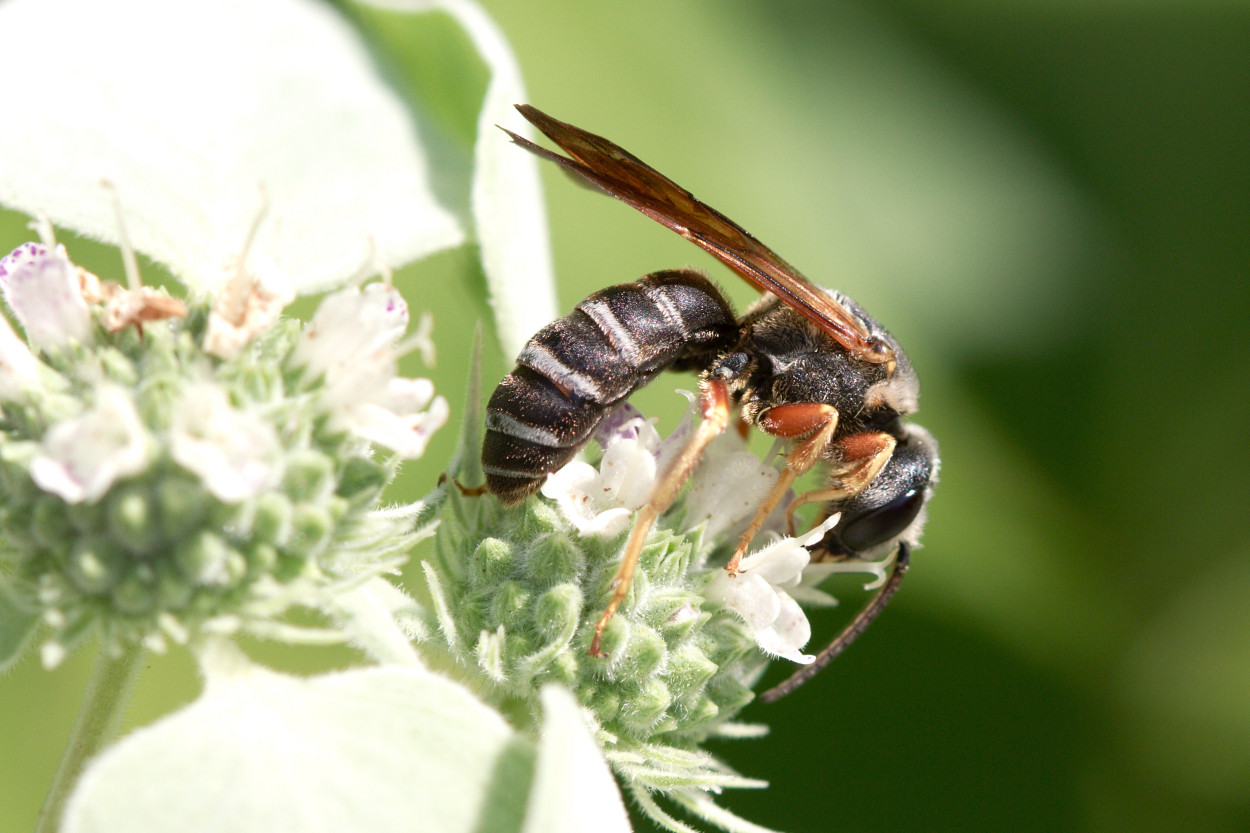
Sweat Bee
I know some of you are probably getting tired of wasps but I this is one of the nicer wasp pictures I’ve gotten, so, here you go with another one. UPDATE: Identified as Halictus parallelus, a sweat bee.
If I get an identification for it I’ll change the label but for now, it’s a wasp of some kind. I spent about a half hour at the mountain mint (Pycnanthemum muticum) in the back yard today. The sun was pretty hot so by the time I came in I was wilting. The insects didn’t mind and were really out in huge numbers.
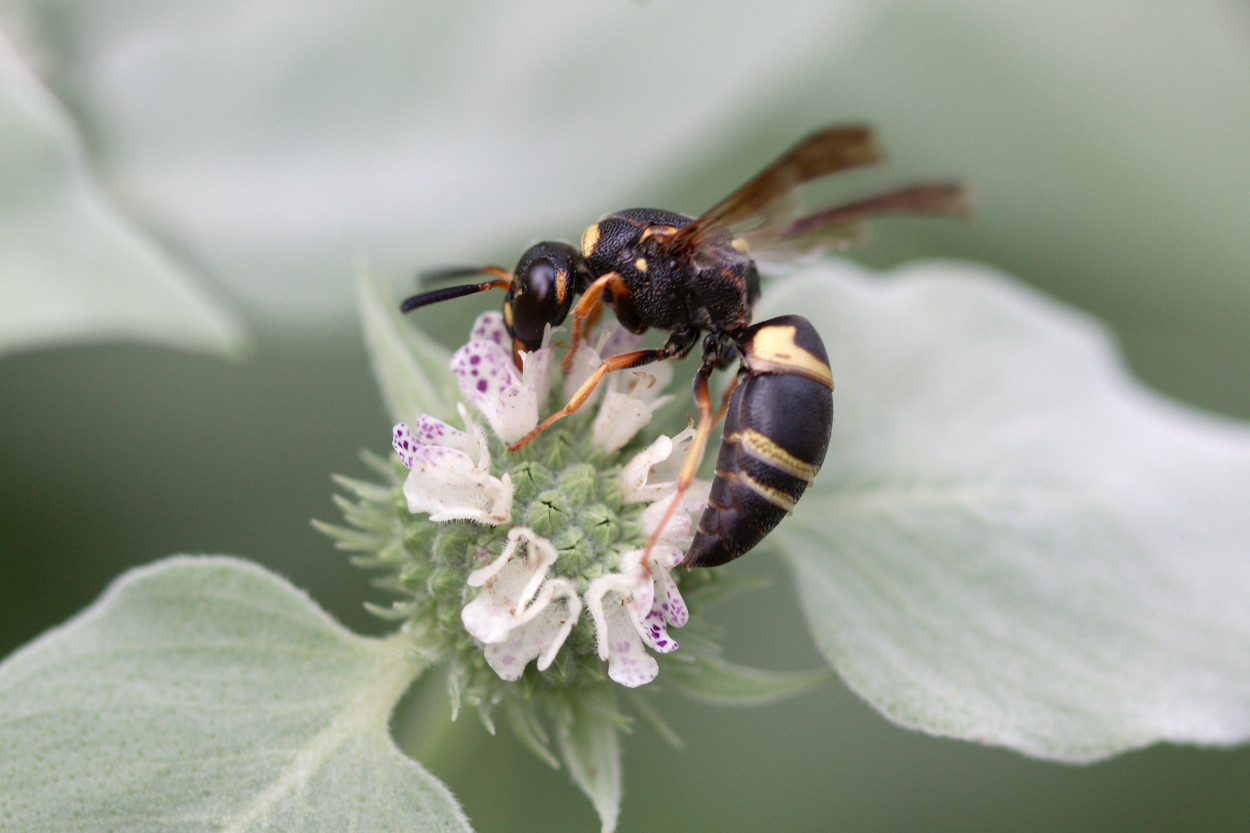
Potter Wasp
There were lots of insects enjoying Cathy’s mountain mint (Pycnanthemum muticum) today, including this potter wasp. I’ve narrowed it down to the genus Euodynerus of which there are 19 local species. Beyond that, I need better pictures and different views.
There is a good key to the genus here: http://www.biology.ualberta.ca/bsc/ejournal/bmc_05/key_euodynerus.html. I also found a good Hymenoptera glossary here: http://www.diapriid.org/projects/32/public/ontology/.
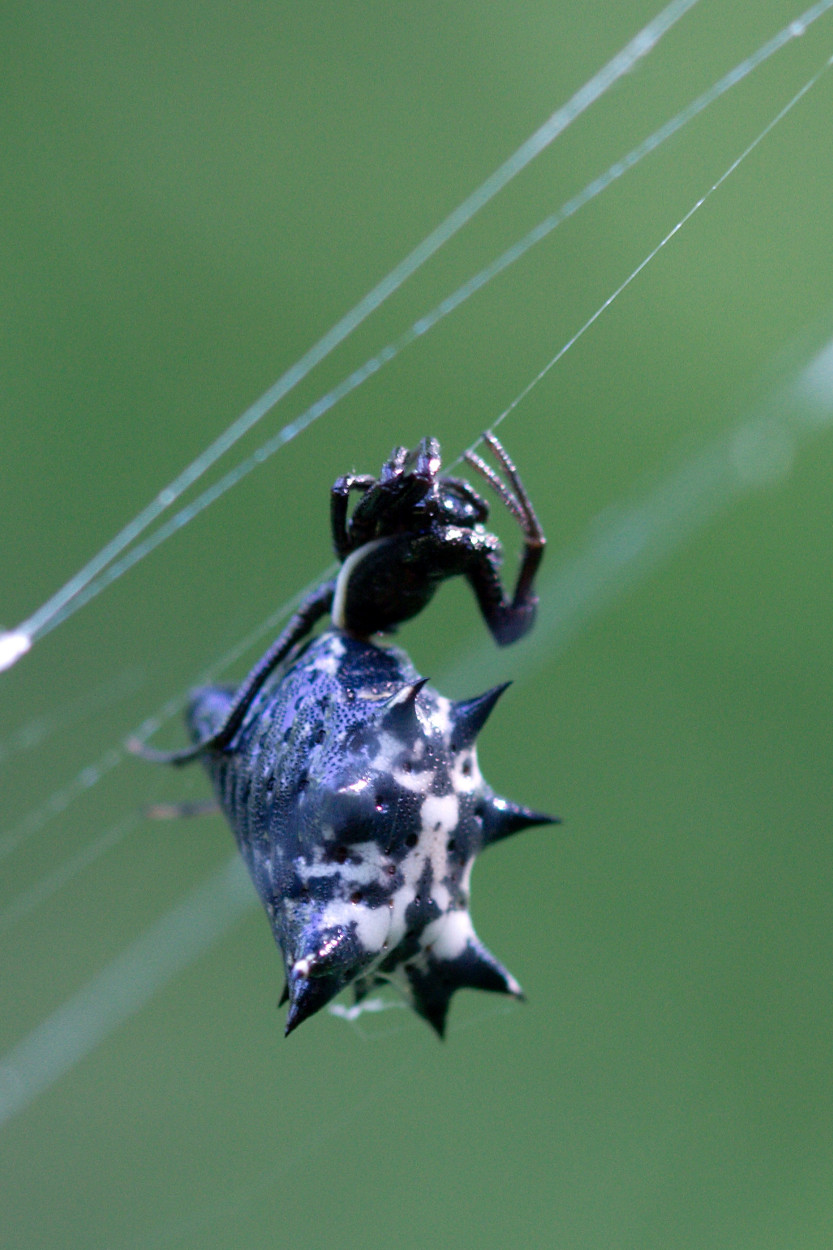
Spined Micrathena
This is one wicked looking spider. It is a Spined Micrathena (Micrathena gracilis) and I came across her in the woods next to my office. Her web is about eight inches across and about three feet off the ground. With the number of bugs flying around, I suspect she eats well.
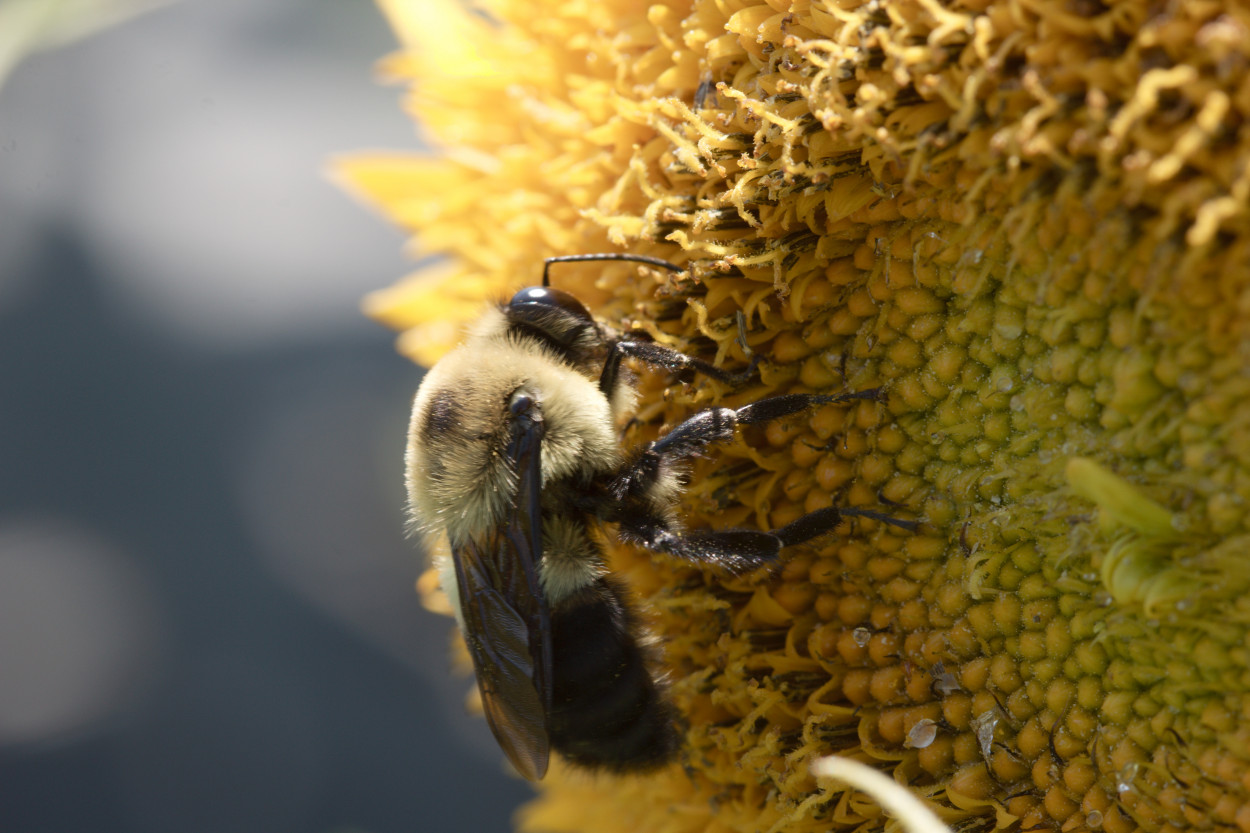
Bumble Bee on Sunflower
We were out at Rocklands Farm to pick up our weekly share of produce and I enjoyed photographing crops. There are sunflowers growing in various places, mostly not yet fully in bloom. These, however, were beautiful. They are only about foot and a half tall but four or five inches across. The bumble bees (and many others) really seem to be happy about them. (Bombus griseocollis)
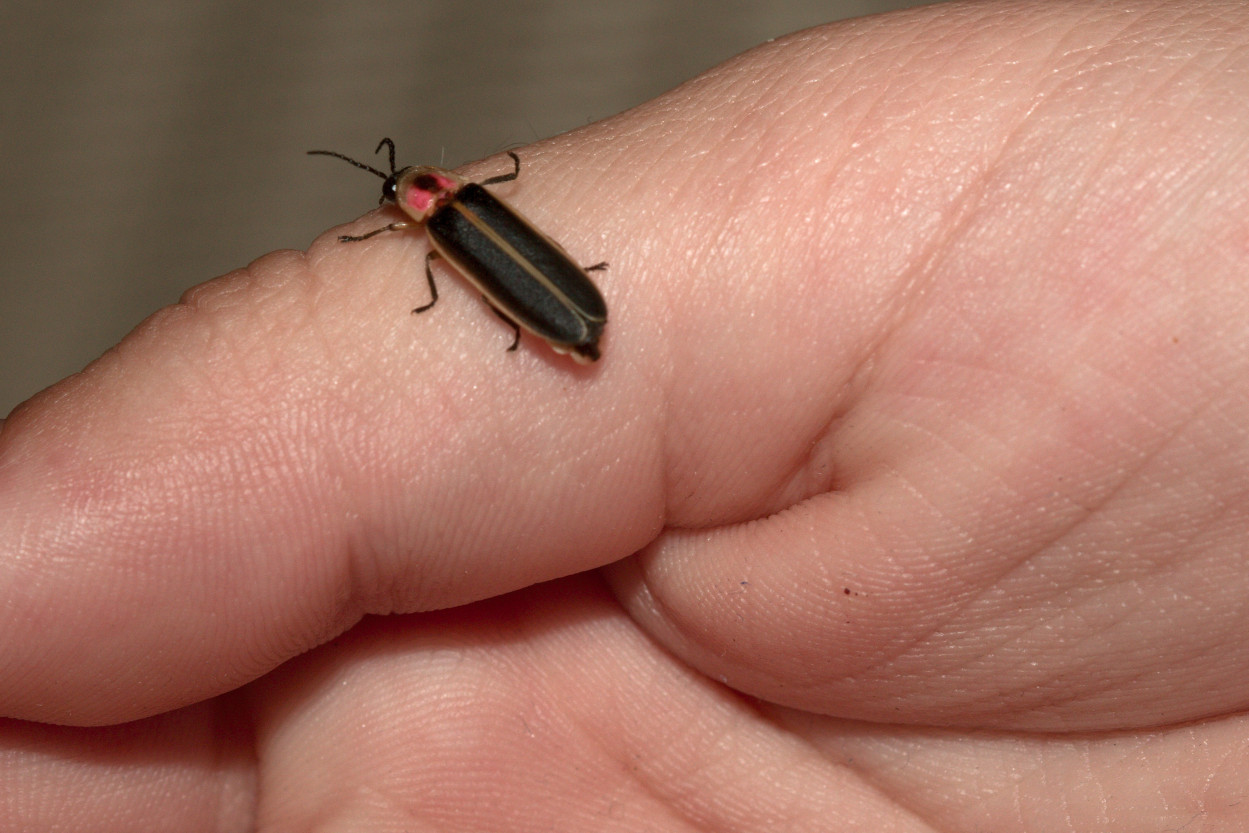
Catching Fireflies
We enjoyed a pleasant dusk catching fireflies in the yard today. The joys of summer. Kind of hard to photograph, though. Here’s one on Dorothy’s thumb. She thought it interesting that little girls that don’t normally associate closely with insects have no problem catching fireflies. Somehow they are different.
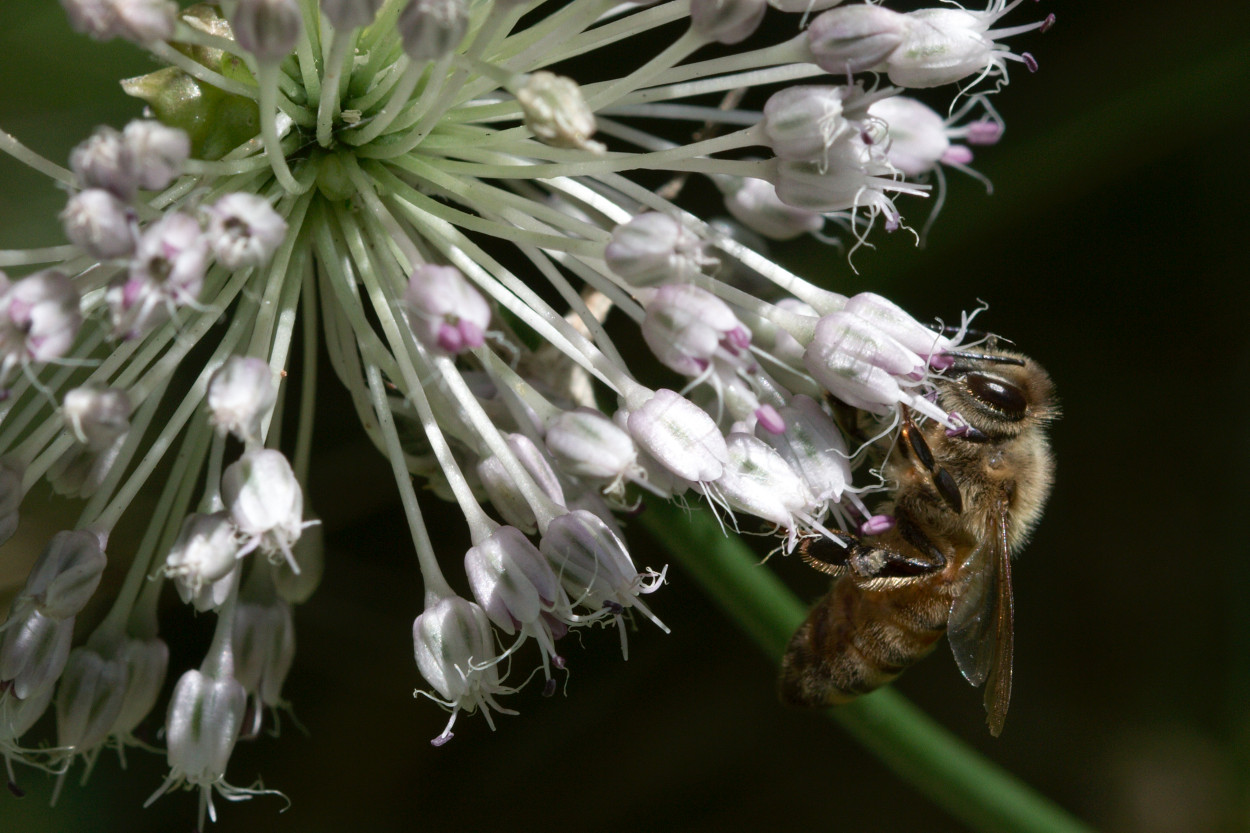
Honey Bee on Wild Onion
I’ll end the first six months of Project 365 with a honey bee (Apis mellifera), busily visiting the flowers on a wild onion in the empty lot next to my office.
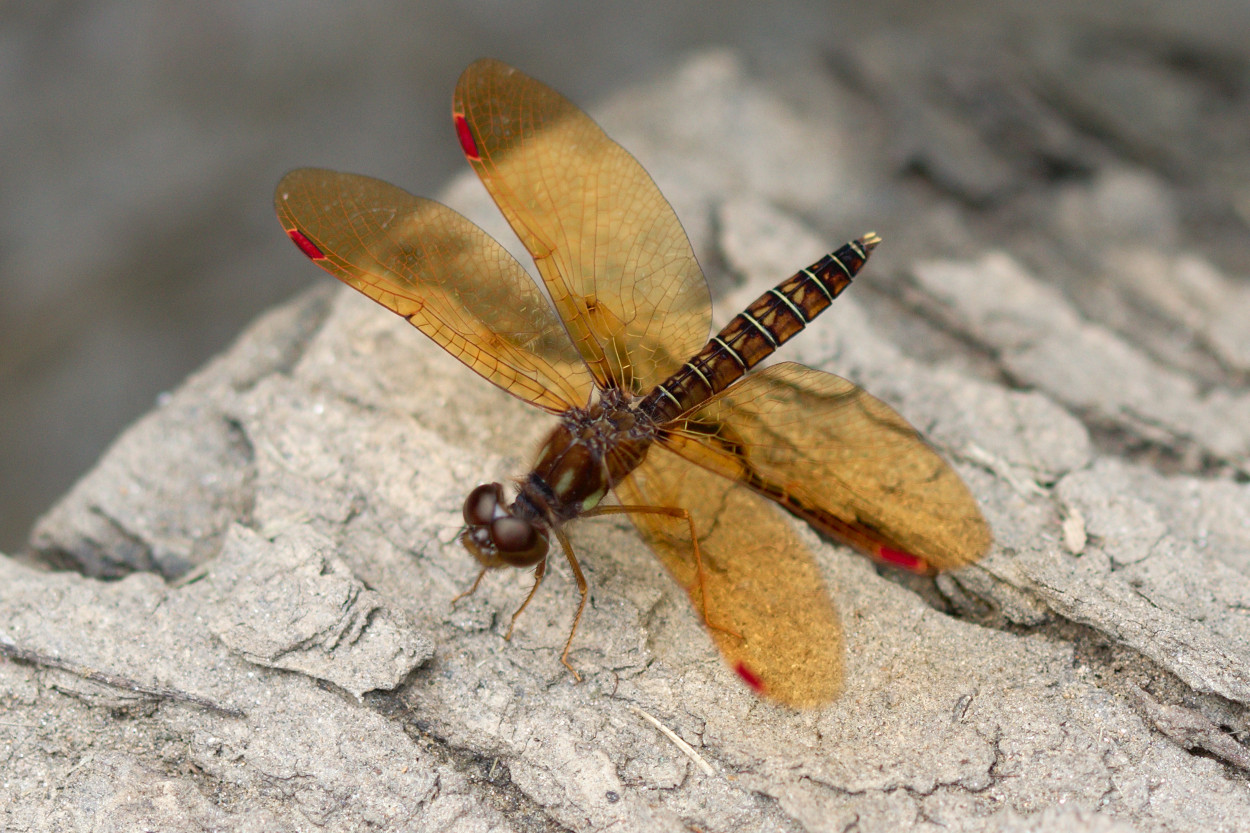
Eastern Amberwing
Albert corrected me as to the identification. I had labeled it as Perithemis domitia, the slough amberwing. He correctly identified it as Perithemis tenera, the eastern amberwing. That makes more sense, base on where I took the picture and the range of the two species. Also, the differences in markings, although not glaring, are certainly enough to be definitive. Thanks, Albert.
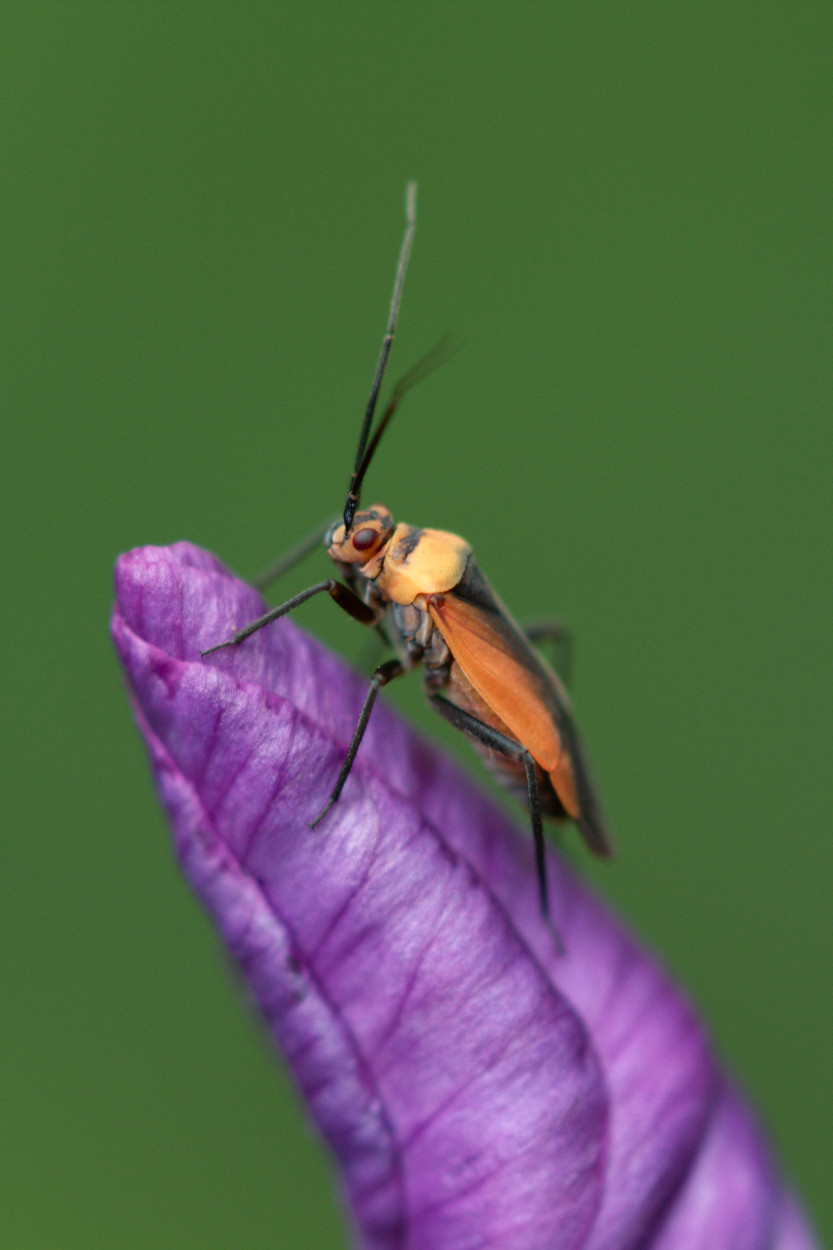
Lopidea
I’m not sure which one but I’m fairly certain that this is one of the 50+ Lopidea species, possibly L. media. It’s posing for me on an unopened stock flower. No more than 3/8 inch long (not counting the antennae).
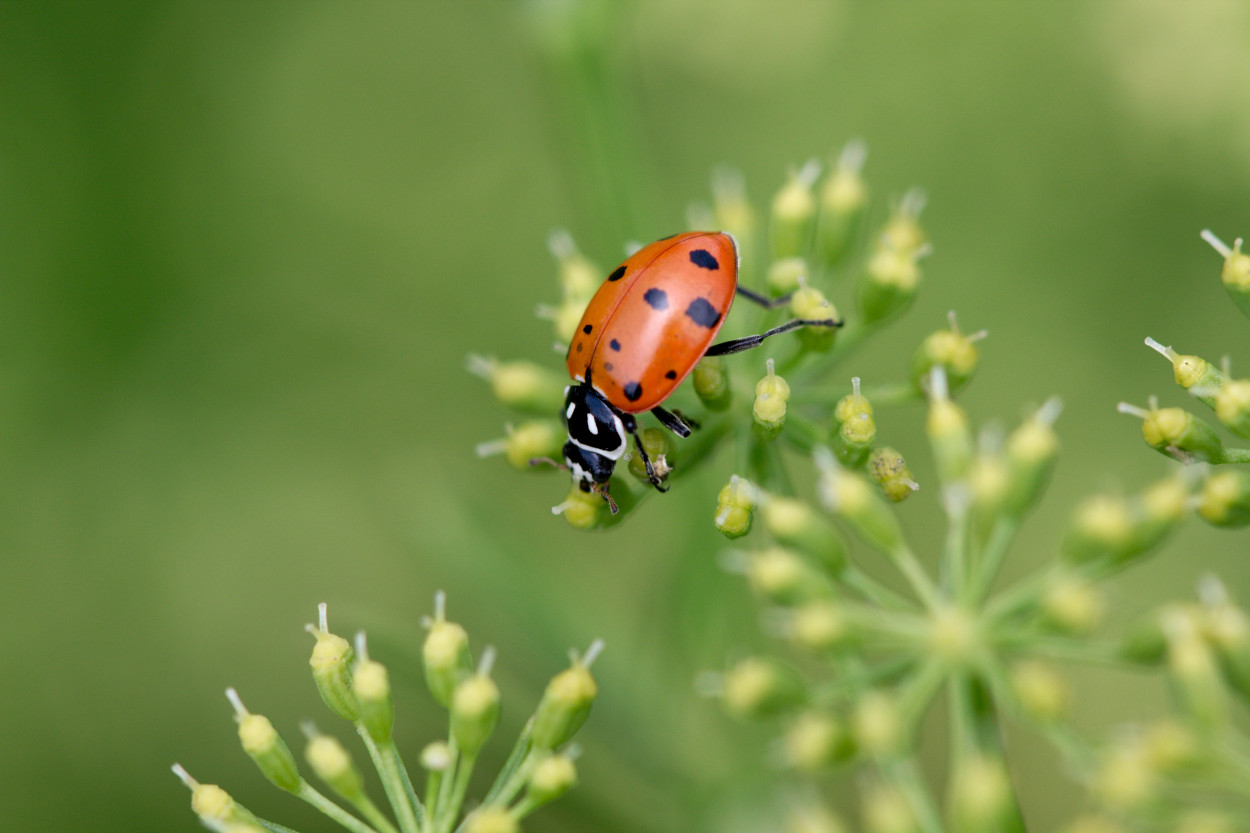
Variegated Lady Beetle
This is a Variegated Lady Beetle (Hippodamia variegata), a non-native species that has only relatively recently (since the 1980s) been found on this side of the Atlantic. Like all the lady beetles, they are predaceous on other insect pests and are welcome in the garden or (as here) the farm.