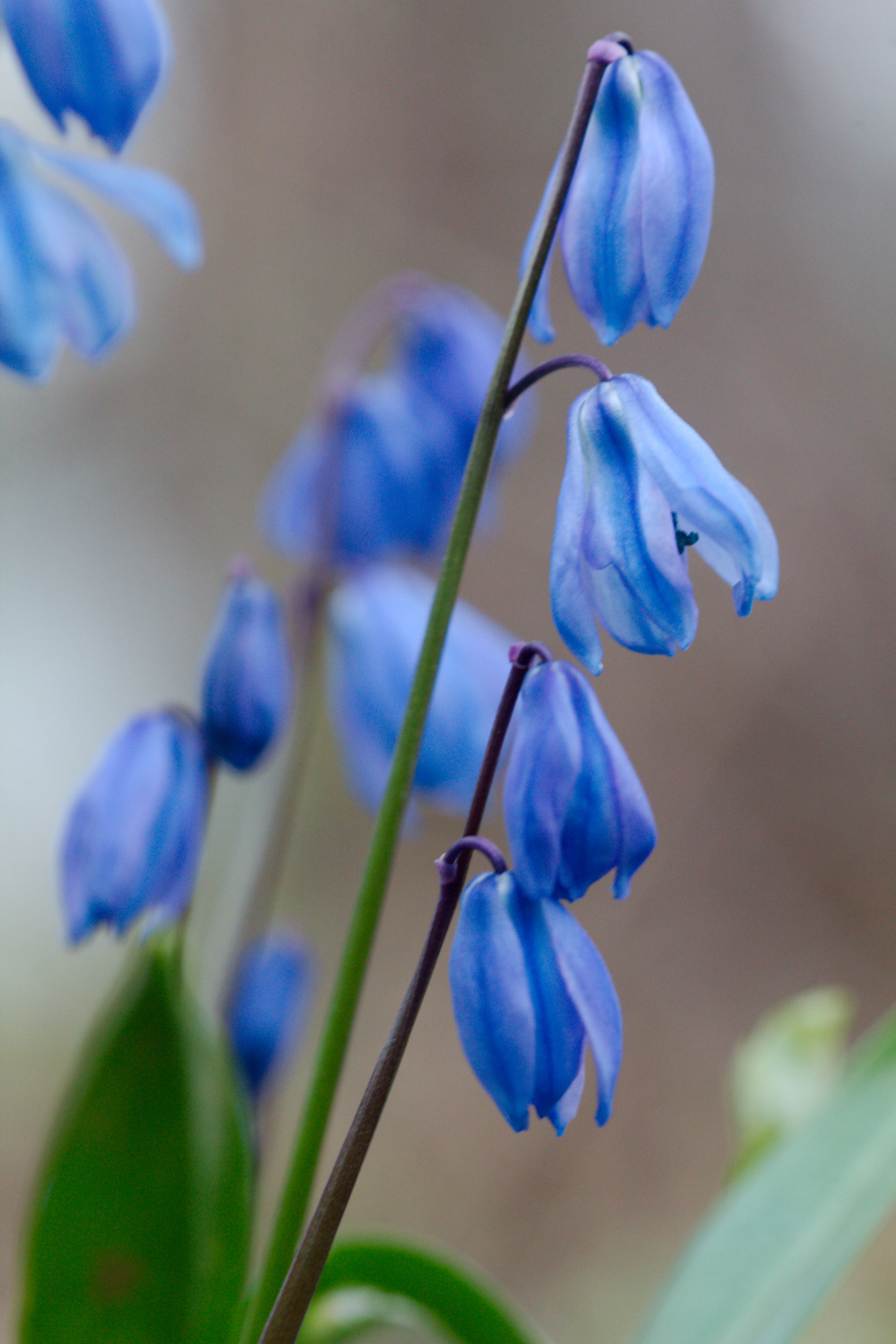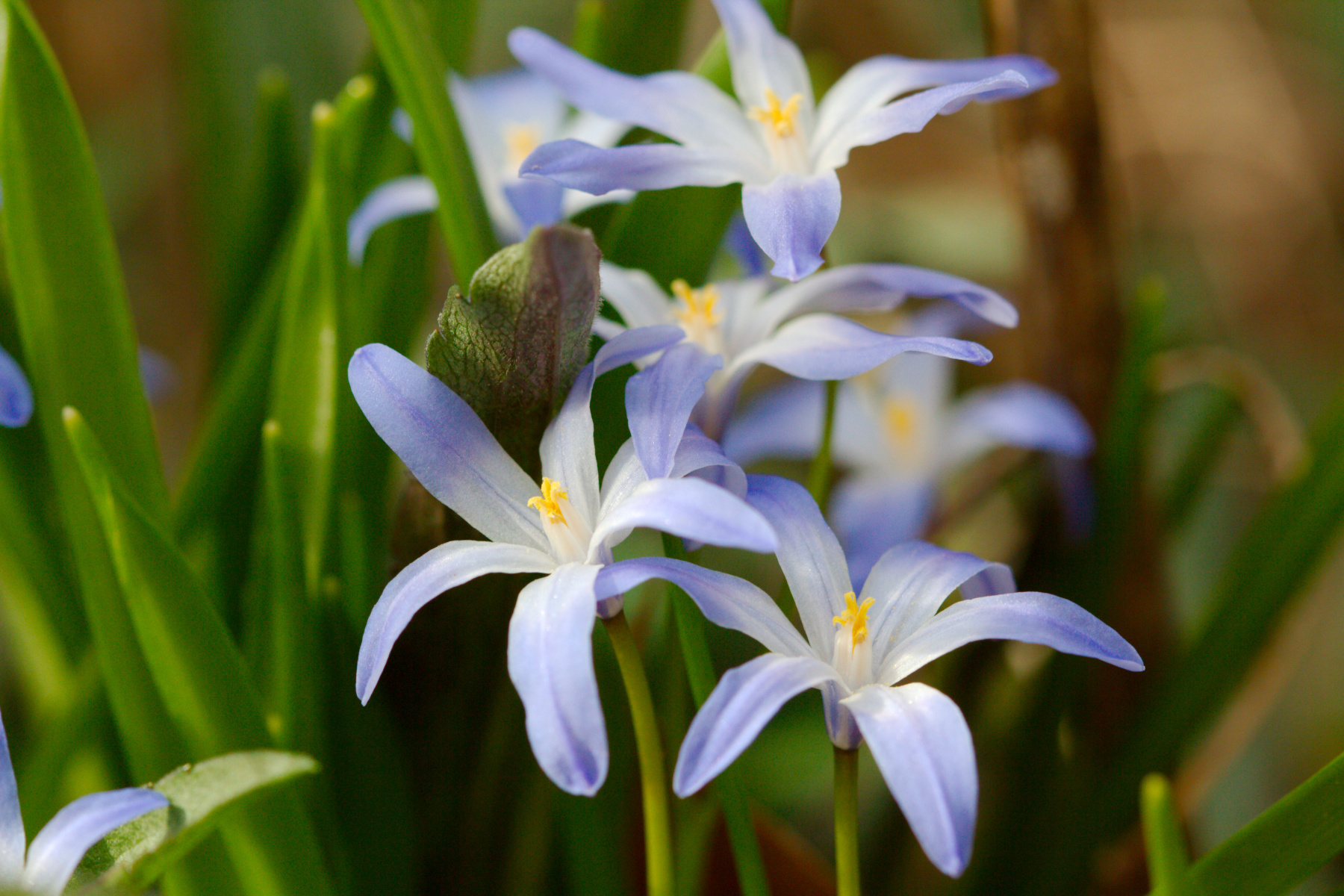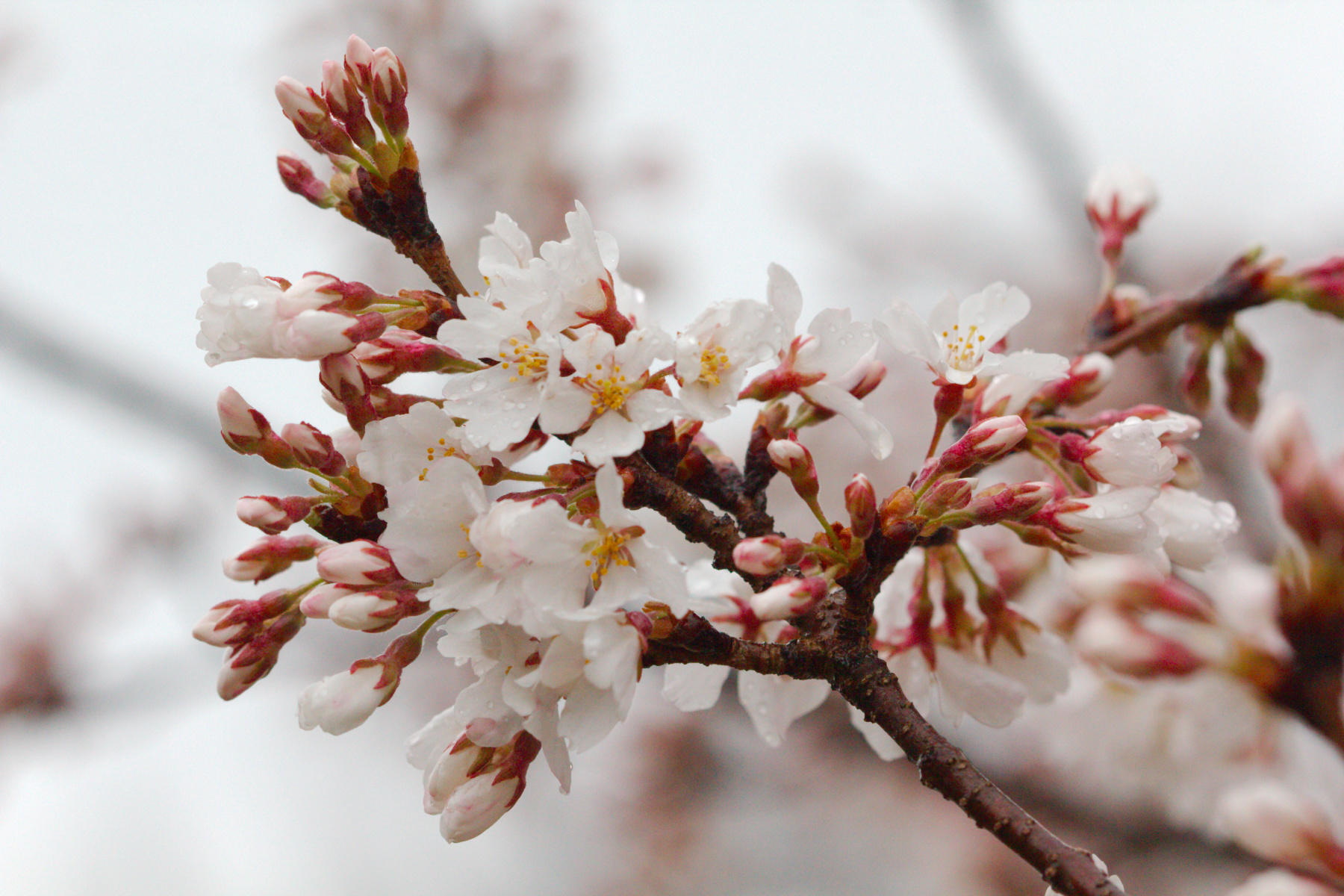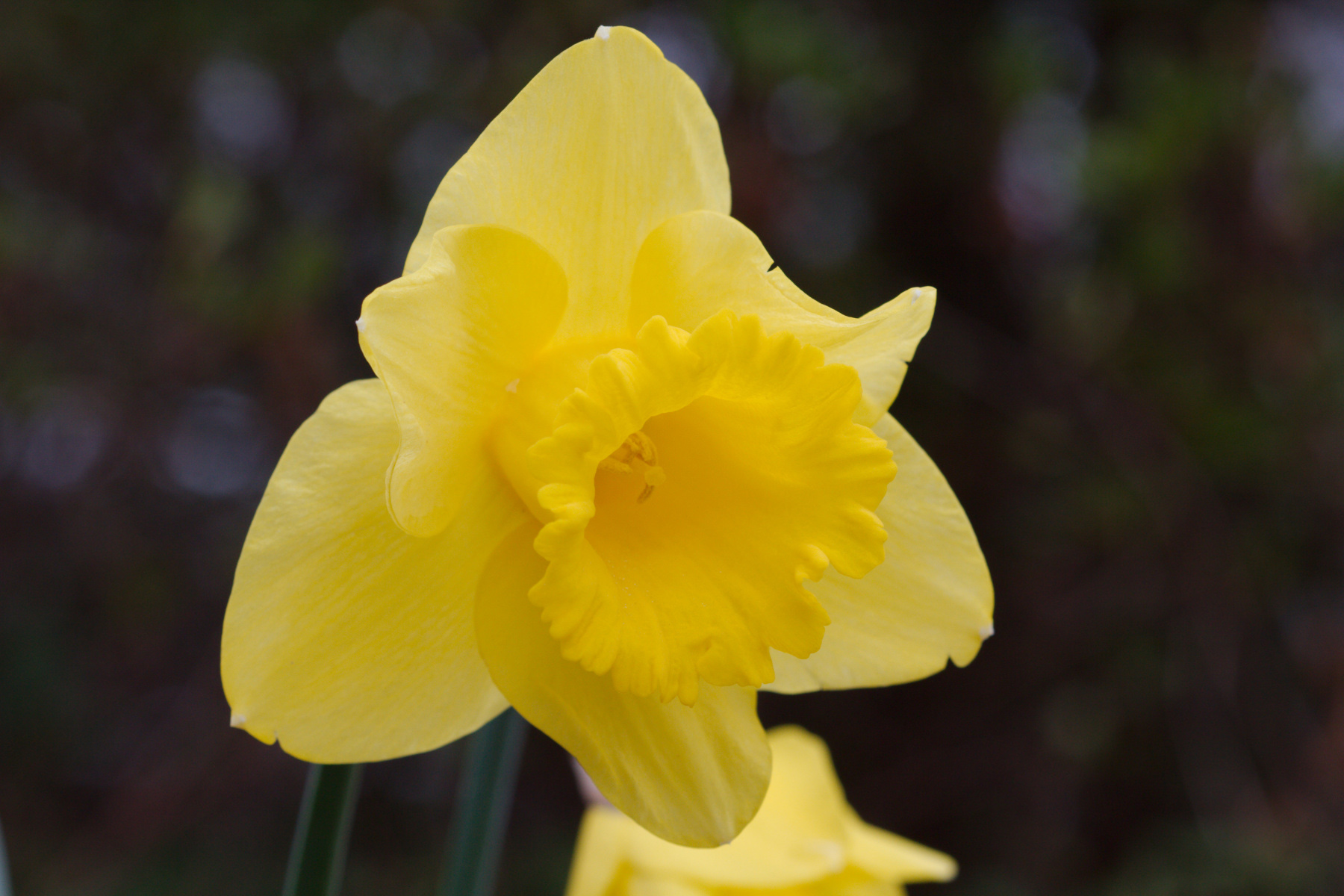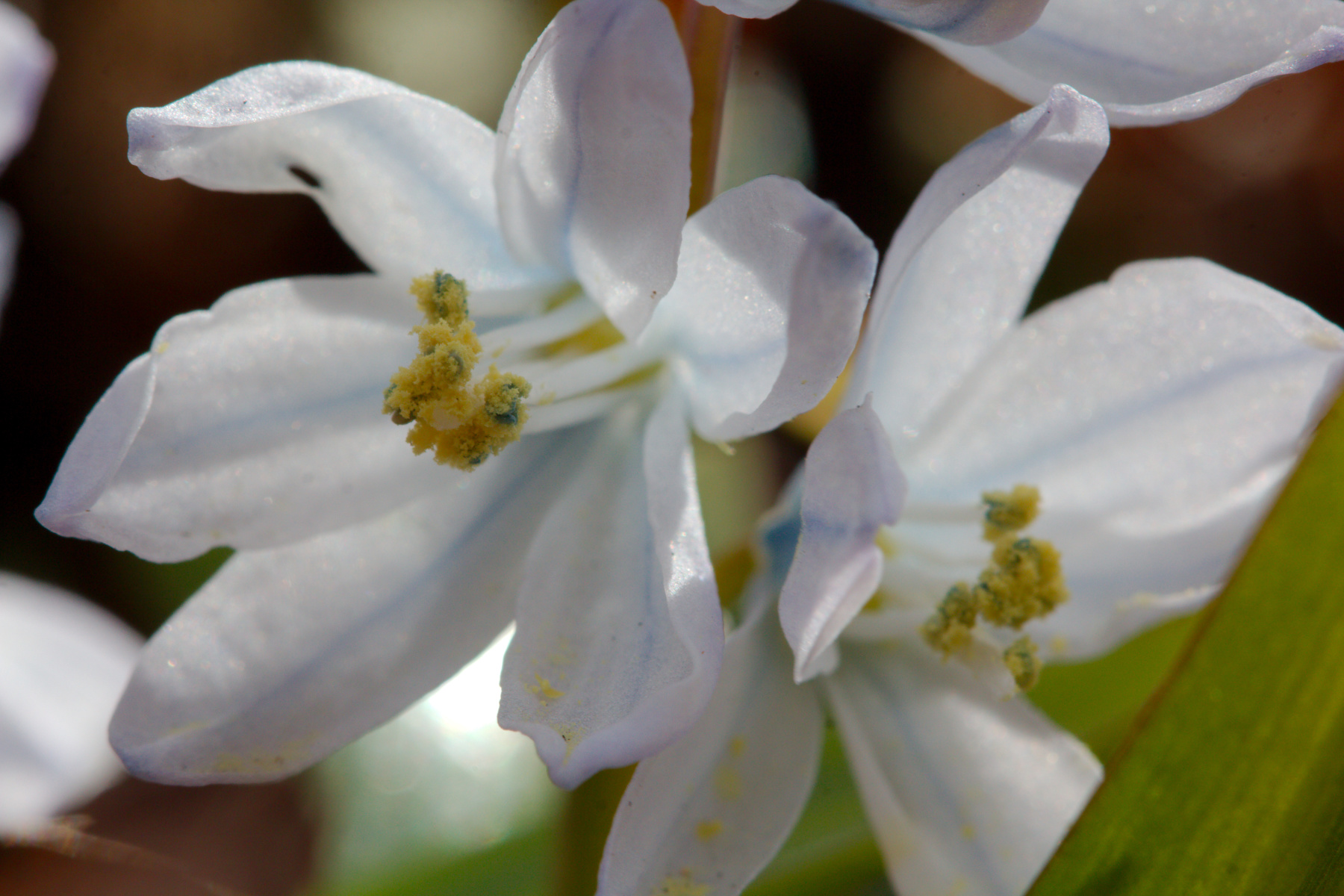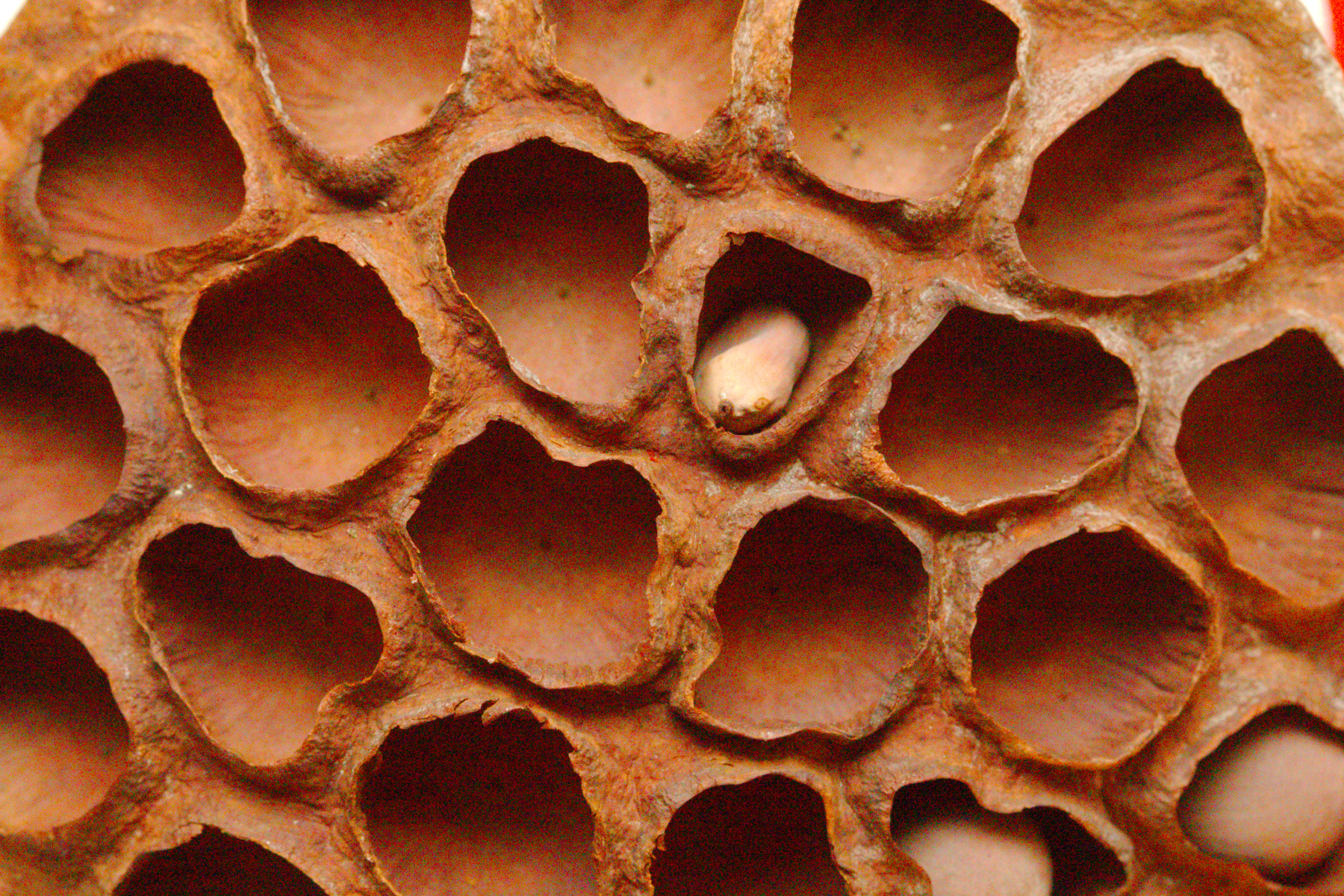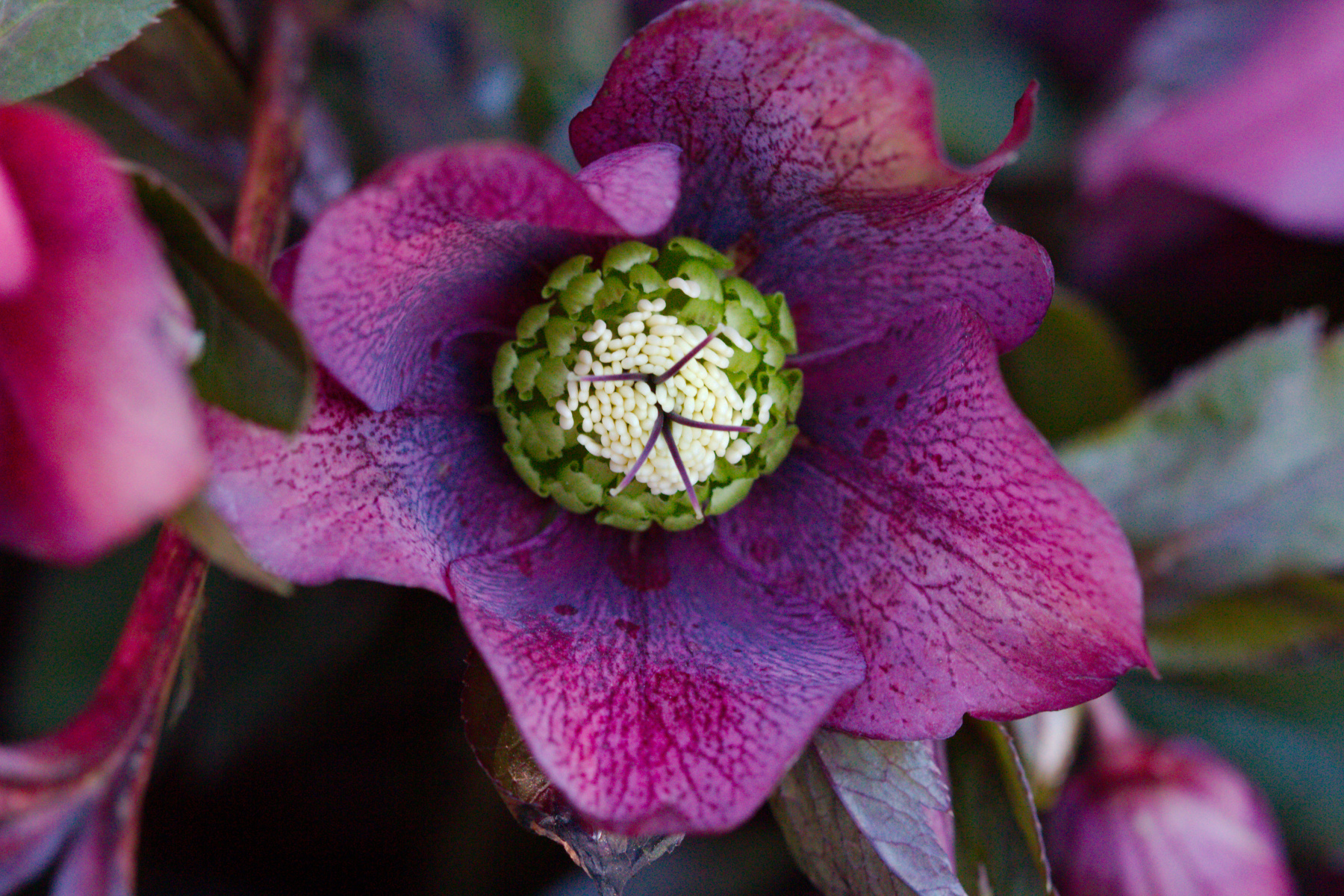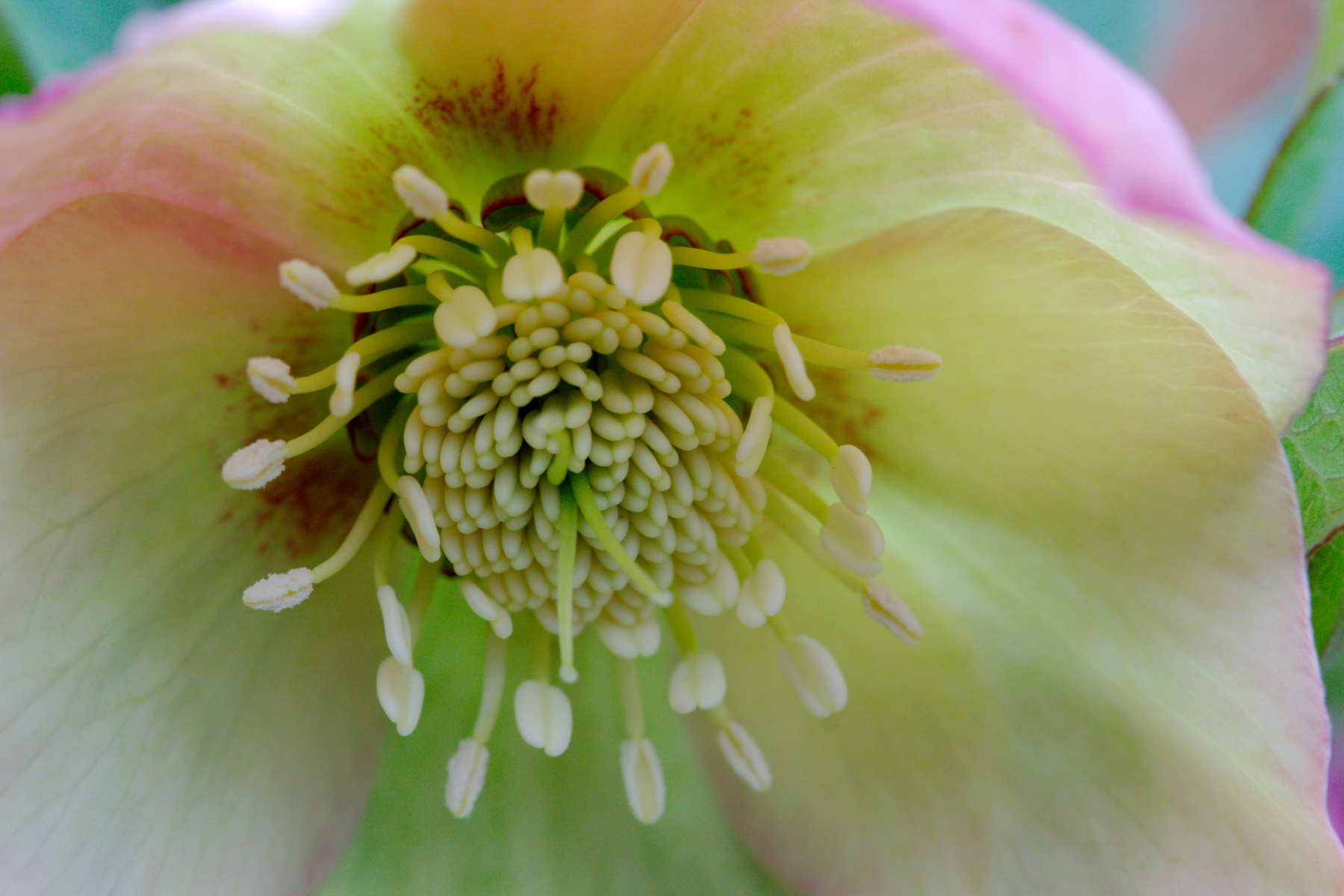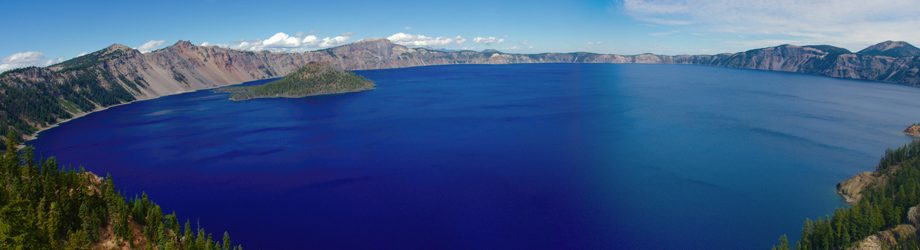
Day four of our Alaska trip (the third full day in Alaska) was busy. Dorothy had to work so we dropped her off and then went into town. We started by going to Evergreen Bowl and walking around a bit. That’s where this photograph was taken. After that we took some pictures of her mom’s old house, across the street from the Governor’s mansion. Then downtown for a little while to do a little shopping and also spent some time in the library. I took pictures of the mural on the parking garage that features Cathy, her aunt, and her aunt’s great grandson. There is a new park that runs from near the bridge to Douglas towards the Coast Guard dock and we went there for a while. It’s probably nicer when the fountain is running but it was nice. Finally we went to Evergreen Cemetery to find a few grave markers. My memory of where Cathy’s grandparents are buried was pretty good. We also found the markers for her mom’s sister and her husband. We had a few more to find but had more opportunities later in the week.
Flowers and Plants
Mushrooms
Muskeg
Near the confluence of the Eagle and Herbert Rivers, about 26 miles from downtown Juneau, there is the Eagle River Scout Camp. A trail leads from there along the south bank of the Eagle River to the open waters of Favorite Channel and Lincoln and Shelter Islands. Cathy, Dorothy, and I took the dogs and had a nice walk through the woods, along the river, and along the sandy shore. This photo was taken near the beginning of the walk in an open area in the woods.
A muskeg is “a nutrient-poor peatland characterized by acidic, saturated peat, and scattered or clumped, stunted conifer trees set in a matrix of sphagnum mosses and ericaceous shrubs.” I personally find them to be beautiful, although it’s not something you want to walk through if you can get around it. I particularly enjoyed the fall color as seen in this photograph as well as the reflections on the pool in the foreground. The sky was particularly overcast today and we only had glimpses of the mountains that would otherwise be in the distance. The overcast tends to heighten the colors, though, so that’s a plus. And the rain was barely noticeable until just before we got back to the car.
Maple
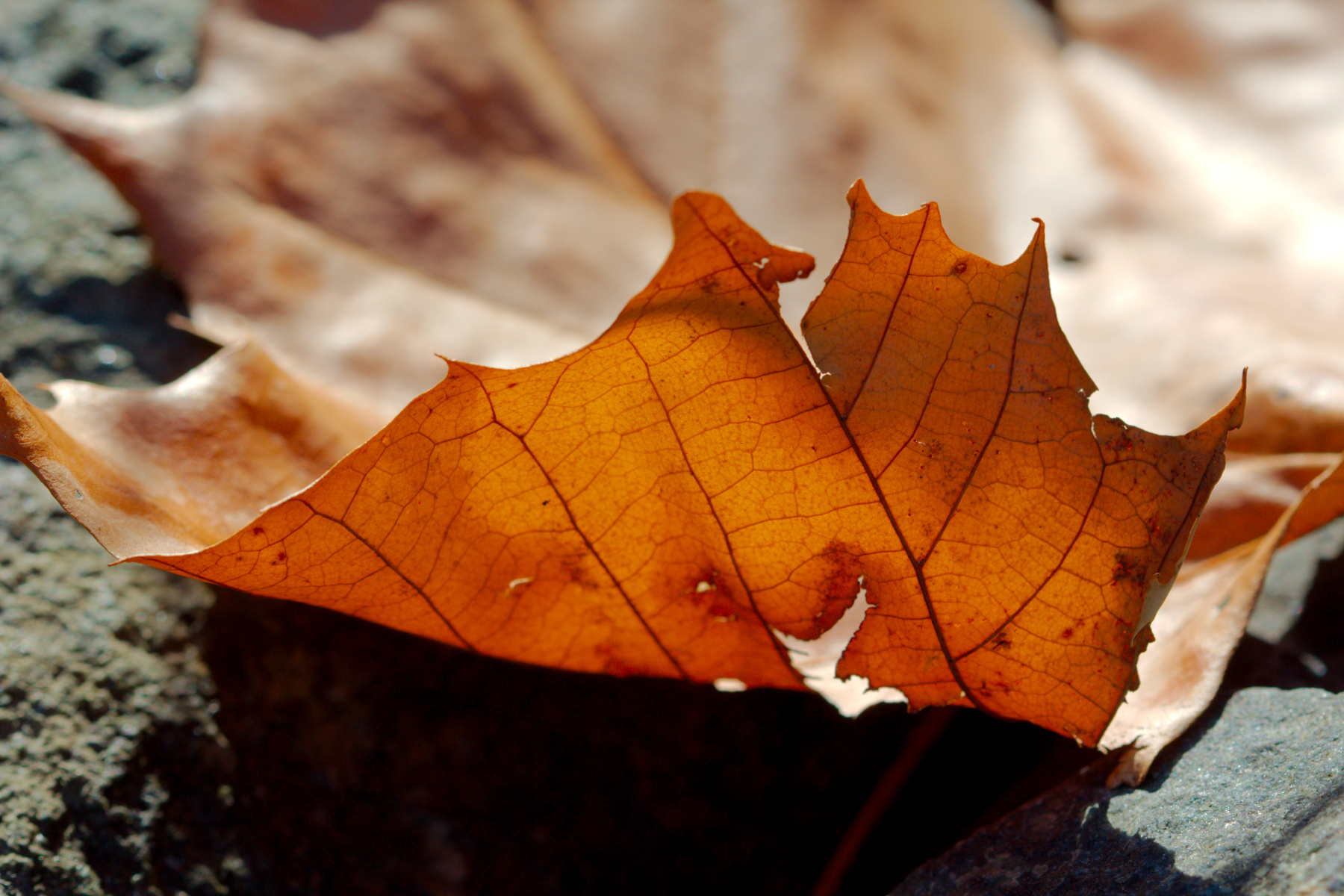
Like the dogwood from yesterday’s photo, this maple tree in our back yard is turning for fall. It’s ahead of most of the trees around, which are predominantly green still. It won’t be long before the rest have changed but it’s been so dry lately that I’m not sure the colors will be as good this year as some. We also may miss a bit of it, but we’ll be in a pretty place for a few days, so won’t mind too much. I guess you’ll just have to wait and see.
Dogwood
The dogwood in front of our house is in full fall color. It’s not really a good place for a tree, much too close to the house. I’ve planted a camellia near it that, if it survives, will replace it. Last winter was tough on it and all but one small branch near the base died. If it makes it through this winter it will have a chance but I guess we’ll see. If I can get a replacement growing, I’ll cut the dogwood out, but until then, I enjoy the flowers in the spring and the red leaves in the autumn.
Fragaria virginiana (Wild Strawberry)
I only took a few photos today, all in the back yard. Most of them were of the maple leaves that are starting to turn red, but really they have only just started and it’s premature to have fall-color photos. This is a wild strawberry (Fragaria virginiana, also known as scarlet strawberry) growing and fruiting in the yard. This is a native herbaceous perennial and in the description on the Missouri Botanical Garden’s PlantFinder web site, it says they “spread indefinitely by runners that root as they sprawl along the ground.” They aren’t kidding. These will take over a yard. Also, “Cultivated strawberries found in stores are hybrid crosses between F. virginiana (native to North America) and F. chiloensis (native to western coastal South America including Chile) which combine the excellent taste of the former with the larger fruit size of the latter.”
Anemone hupehensis var. japonica ‘Pamina’
I know I posted a photo of this Japanese anemone recently but they’re so pretty I thought I’d post another. I got a few pictures with an American hover fly (Eupeodes americanus) on it, but I’ve posted a picture of one of those recently, too, and didn’t see a need to repeat that. We haven’t had much success with anemones in the past but we’re hoping this will do well. It certainly has beautiful flowers and is just the right height for along side our front walk. We really should get a half dozen of them, but one thing at a time.
Chrysanthemums
Although chrysanthemums (a.k.a. mums) are fairly hardy herbaceous perennials, most of us grown them as annuals, bringing them out in the fall to add color to an otherwise less colorful garden. The Rudbekia are done blooming and even the Buddleia are starting to fade. There are still roses on the more ever-blooming varieties, but most of the summer flowers are done for the year. Enter the humble and yet lovely chrysanthemum. We have a few in pots that have been given or that we bought. This one is sitting outside our front door and greeting us as we leave and again when we return home. Who could ask for anything more?
Crataegus viridis ‘Winter King’
When I got rid of the nearly dead Colorado blue spruce (Picea pungens) in our front yard, we wanted to replace it with something small but with a little more interest. We decided on a hawthorn and last week I ordered this Crataegus viridis ‘Winter King’ and it was planted yesterday. The leaves are a little dry but it seems pretty healthy and I’m looking forward to the white blossoms in the spring as well as the fruit that you can see is on it now. The green hawthorn is more disease resistant than most hawthorns and ‘Winter King’ was selected, among other reasons, for that reason. This variety is also “noted for its profuse bloom of flowers, larger fruits, silvery-barked stems and more attractive fall color (purple and scarlet).”
Clivia miniata (Natal Lily)
I have had this Clivia for quite a few years now, since a coworker left it to me when she stopped working here. I had it at home for a while but two years ago I brought it to my office and it’s been doing pretty well. It gets literally no direct sun light with my north-facing window but it seems to be doing well with that. They don’t tolerate frost and are grown as houseplants here but they must be wonderful in a garden in their native South Africa and Swaziland. The blooms, as you can see, are quite bright and vary a bit from the orange seen here to yellow and nearly red. Thank you, Emily, for this long-lasting gift.
Physostegia virginiana (Obedient Plant)
I took some photos of the obedient plant (Physostegia virginiana) blooms in the back garden this evening. They are quite pretty when back lit by the sun, as they are here. I was hoping to find some insects to photograph but for whatever reason, there weren’t many this time. There were occasional bees and skippers but I wasn’t able to get close enough to them to photograph. I did manage to get some photos of a sweat bee on the Asclepias but they were not very sharp, so I’ll pass on sharing them.
Mushrooms
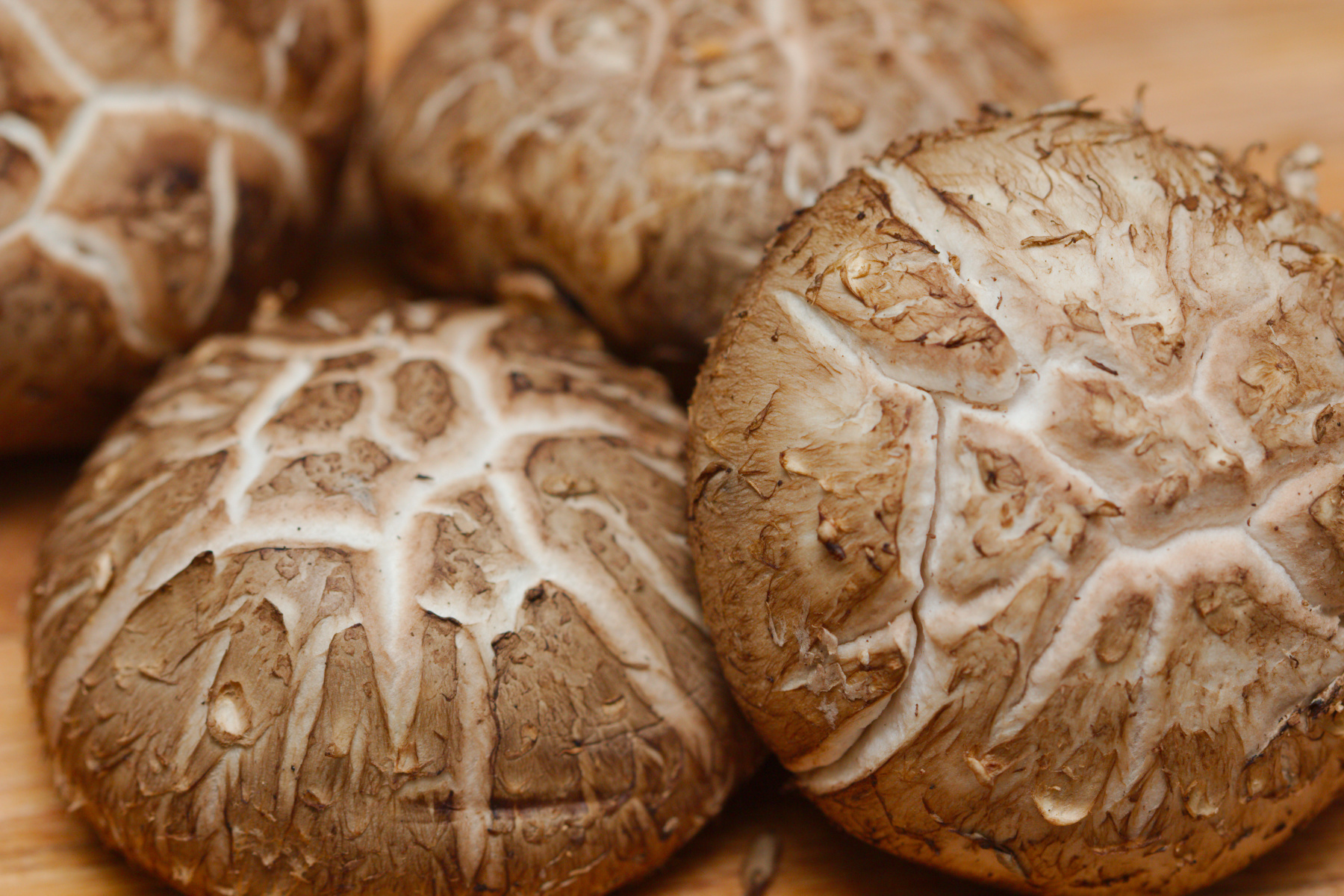
It’s that time of year again. The roots of the trees that used to be in our back yard are home to a few varieties of fungus. This time of year, they send up their fruiting bodies and spread their spores to the wind. The most plentiful are these soft brown mushrooms. They come up and are there for a day or two and then turn to mush. Insects of one kind or another lay their eggs in them and the larvae eat the rotting mushrooms. They’re actually pretty gross when in that state, but right now they are sort of pretty.
A mushroom walks into a bar. The bartender says, “We don’t serve mushrooms here.” The mushroom replies, “But I’m a fungi!”
Japanese Anemone
We’ve admired anemones in other peoples’ gardens for years and on occasion we’ve tried to grow them in ours but so far, nothing has taken. Cathy bought this one the other day from Stadler Nursery in Laytonsville and we’re going to give it another try. They really are lovely flowers and pretty plants in general. Hopefully we find the right spot for it where it can thrive and where we can enjoy it on a regular basis for years to come.
Black-eyed Susan
The black-eyed Susans in the yard are mostly finished now. The petals are drying up and falling off. Soon there will be nothing left but the stalks and seed heads. We generally leave those for the birds to eat during the winter. They seem to be pretty popular with the gold finches, in particular. This isn’t as good a picture as I hoped it would be. It was fairly late in the day and I didn’t bother to get my tripod, so I wasn’t able to get the depth of field that I should have. Still, I like the colors quite well. This is what autumn is about.
Winter-flowering Begonia
With more than 1,800 species, the genus Begonia is one of the largest genera of flowering plants. That doesn’t take into account a multitude of hybrids and cultivars. I have no idea what this variety is, but it’s a pretty, winter-flowering begonia and that’s all that really matters. There are hardy begonias but this isn’t one of them. So, it’s on a table in our dining room and provides some color, along side two deep purple African violets and sheltered by a large (and growing) fiddle-leaf fig (Ficus lyrata) and a fairly old pathos plant (Epipremnum aureum).
Blackberry Lily (Iris domestica)
The flowers on this plant, Iris domestica, the blackberry lily, don’t really give much clue to their common name. When they go to fruit, however, it’s a little clearer where that comes from. They do have a certain blackberry-like look to them. The flowers are a bright orange and are really lovely. The leaves are very iris-like and are beautiful, sculptural fans of varying shades of green. In fact, I’d be tempted to grow these even if they leaves were all they provided. But the flowers are welcome and I like the fruit, as well. We scatter these fairly liberally around the garden and they are now coming up in various places. They aren’t so aggressive that we worry about them taking over, either, which is nice.
African Violets
We’ve had mixed success with houseplants over the years. When we’re not too busy, we can do reasonably well and houseplants thrive. When we’re busier, anything not particularly resilient is in pretty significant peril. Lately we’ve done reasonably and we have two African violet plants, cultivars of Saintpaulia ionantha, that arew doing well and blooming. We also have a iddle leaf fig (Ficus lyrata) that Dorothy started by rooting a leaf. It’s now about 6 feet tall and seems quite happy.
Stemonitis splendens (Chocolate Tube Slime Mold)
Cathy spotted this growing in our back yard and said I should come take some pictures. It was late in the day and the light was fading so they didn’t turn out as well as I would have liked. These are the sporangia of a slime mold (or mould in England). I believe it is Stemonitis splendens, the so-called chocolate tube slime. These don’t do any harm to garden plants, despite their somewhat alarming appearance. They actually live on the surface of leaves and are not actually parasitic. They feed on decaying organic matter and actually move in a way that seems more animal than vegetable. They form finger-like projections which then pull the body of the slime mold along. Creepy (literally!). From the Mississippi State University Extension Service:
When the slime mold is ready to reproduce, at some point during spring or summer generally following a period of rainy weather, it “crawls” up on grass blades, lower stems and foliage of landscape plants, the surface of landscape mulch, or even garden hoses. From these locations, the slime mold releases millions of dusty-gray spores.
Callicarpa americana (Beautyberry)
I’ve mentioned the beautyberry (Callicarpa americana) we have in our back garden so I thought it deserved a photo. Its berries are just about at the height of their beauty right now, so it seemed like the best time. As you can see, the berries are both beautiful and plentiful. Because this shrub blooms (and therefore sets berries) on new growth, it can be cut back fairly hard each autumn or early spring and it will still produce a good display. The flowers are not particularly significant, being tiny and very pale pink. The berries, as the name implies, are the reason to grow this native. It attracts birds, who eat the berries, which is also nice.
Cathy Weeding
Cathy and I have been trying to recover from the small amount of work we did in the garden in 2018. This year has been mostly recovery mode without a lot of additions but a lot of pulling and digging, trying to get at least some parts of the garden back to more garden plants than weeds. It’s an up hill battle. Along the back fence there was a huge stand of goldenrod, pokeweed, and bindweed. Cathy dug up a bunch of roots a few weeks back and we worked a bit more on it this weekend. As you can see, the central bed is full of black-eyed Susan’s and we have the volunteer American beautyberry (Callicarpa americana) growing there (the purple berries on the left). We dug out a bunch of weeds there last week, as well. Tomorrow I plan to dig up some roots that remain from the maple trees that used to be there.